
Reviewed · FOOD & DRINK
Small Town in the Big City: Tasting Tokyo’s Kichijoji
Tokyo rewards curious eaters. This six-hour food walk in Kichijoji trades famous sights for department-store food halls, family-run shops, and old-school eateries, giving you a close look at how locals shop and eat. I like the focused setting: rather than racing across Tokyo, you spend the day learning one neighborhood from several delicious angles.
I also like the small group limit of six people and the chance to taste both polished and ordinary foods, from sushi and prized fruit to yakitori, octopus balls, senbei, and Japanese snacks. The main drawback is the price, $195 per person, which is a serious spend for a food tour. You are paying for a long, guided introduction to Kichijoji, not simply a few samples.
The tour is especially appealing if you want food explained in context. Guide Phoebe has earned praise for her patience and enthusiasm, and the experience reaches beyond restaurants into shopping streets, a three-generation senbei maker, and the food aisles of a Japanese department store.
In This Review
- Key points to know before booking
- Why Kichijoji makes a smart Tokyo food base
- Starting at Kichijoji Station
- Inside a Tokyo depachika food hall
- Eating your way along the shotengai
- Meeting a three-generation senbei maker
- From polished food to avant-garde taverns
- What the $195 price really buys
- Who will enjoy this Kichijoji food walk
- Timing, weather, and cancellation details
- Should you book Small Town in the Big City?
- FAQ
- Where does the Kichijoji food tour begin?
- Where does the tour end?
- How long does the experience last?
- How many people can join the tour?
- What food and drinks are included?
- Is private transportation included?
- Can I cancel for a full refund?
Key points to know before booking
- Kichijoji is the star: You stay in one Tokyo neighborhood instead of spending the day moving between far-flung districts.
- The food range is wide: Tastings include sushi, yakitori, octopus balls, senbei, snacks, pickles, fruit, coffee or tea, bottled water, and lunch.
- The day begins in a depachika: You get a look at Japan’s famous department-store food halls, where traditional foods share space with new trends.
- The group is limited to six: That small size should make it easier to ask questions and keep up in busy shopping areas.
- Phoebe is a noted guide: Her patience and enthusiasm are a particular strength for visitors who want clear explanations.
- You return to Kichijoji Station: The tour begins and ends at the same meeting point, with no private transportation included.
Why Kichijoji makes a smart Tokyo food base
Tokyo can overwhelm even confident eaters. The city is enormous, and its food culture is spread across department stores, tiny counters, street stalls, shopping arcades, and neighborhood businesses. This tour solves that problem by concentrating on Kichijoji in Musashino.
The title, Small Town in the Big City, gets at the appeal. You are still in the Tokyo metropolitan area, but the food walk focuses on the daily life of one district. That lets you compare several parts of Japanese food culture without spending half the day on trains.
I value that kind of focus. A tour that visits too many districts can leave you with a pile of photographs and little sense of place. Here, Kichijoji becomes the subject. You see how food appears in a high-end department store, a shopping street, a traditional snack business, and casual local eating spots.
The experience lasts about six hours, so this is not a quick orientation walk. It is a substantial part of your day. You should arrive ready to eat at several stops and to spend time on foot. The exact pace and route may vary, but the structure gives you a broad look at the neighborhood’s food habits.
More Food Tours in Tokyo
- Tokyo: Shinjuku Food Tour (13 Dishes at 4 Local Eateries)
★ 5.0 · 6,603 reviews - Tokyo Tsukiji Fish Market Food and Culture Walking Tour
★ 5.0 · 3,184 reviews - Tokyo: Shinjuku Food Tour (15 Dishes and 4 Eateries)
★ 4.9 · 2,033 reviews
Starting at Kichijoji Station
The meeting point is Kichijoji Station, at 2 Chome-1 Kichijoji Minamicho, Musashino, Tokyo. Starting at a station is practical in Tokyo, especially for a food tour that does not include private transportation. You can reach the area by public transit, then meet the guide without having to search for a restaurant tucked down a side street.
The tour ends back at the meeting point. That is useful when you are planning the rest of your day because you do not need to arrange a separate pickup or work out how to return from an unfamiliar part of the city.
The small group size matters here. Kichijoji’s shopping areas can be crowded, and a group of up to six is easier to keep together than a large busload. You should also have a better chance to ask about unfamiliar ingredients, eating customs, and the businesses you visit.
Phoebe is specifically praised for being patient and enthusiastic. That combination is important on a food tour. Patience helps when you need an explanation of a new dish, while enthusiasm can make the difference between merely sampling something and understanding why it matters.
Inside a Tokyo depachika food hall
The first major food experience takes place in a depachika, the food hall found in a Japanese department store. These spaces are famous for careful presentation and a wide range of prepared foods and ingredients.
You can expect to pass displays of highly prized pickles, fruit sold as a luxury item, and aisles filled with Japanese snack foods. This is a useful first lesson because it shows that Japanese food culture is not limited to sushi restaurants or ramen counters. It also includes careful shopping, gift-giving, seasonal produce, packaging, and the presentation of everyday ingredients.
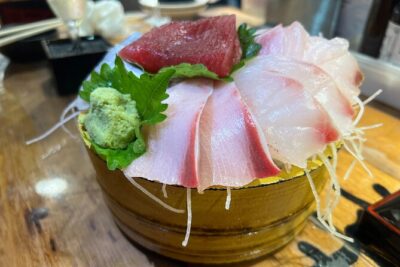
The tour then reaches a sushi bar described as a local favorite. That stop gives you a chance to compare the polished department-store environment with the neighborhood food businesses that come later.
I like this opening because it gives the day a clear frame. You begin by seeing how food is displayed and sold, then move toward places where it is cooked and eaten more casually. The contrast should help you understand that Japanese cuisine includes both refined presentation and simple street-side cooking.
There is one practical point to keep in mind: a food hall can be visually overwhelming. You may see many unfamiliar foods in a short time, and you will not be able to sample everything. A guide is valuable here because the point is not just to browse, but to identify what is worth noticing and tasting.
Eating your way along the shotengai
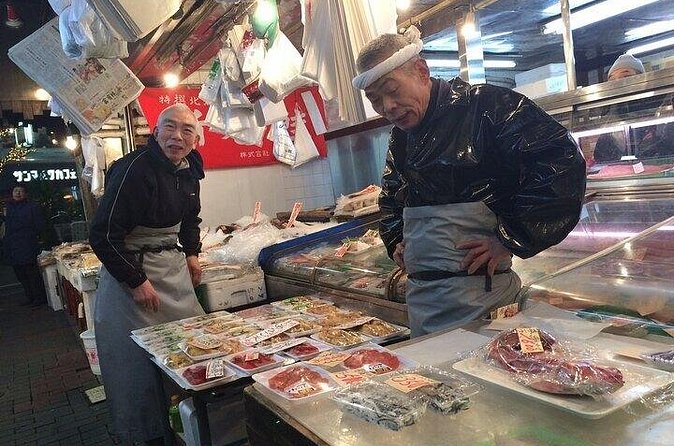
From the department store, the route moves along Kichijoji’s shotengai shopping street. A shotengai is a neighborhood shopping street, and this part of the tour shifts attention from food displays to ordinary local commerce.
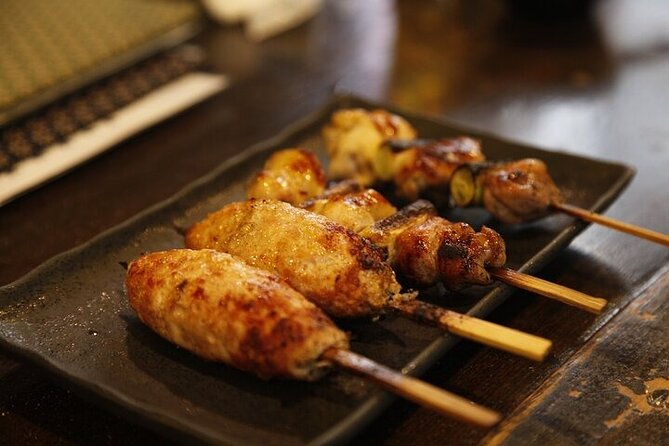
You will see people shopping for daily needs and get an introduction to basic Japanese cuisine through tastings. The food includes skewers of yakitori and octopus balls prepared and served street-side.
Yakitori offers an easy entry into Japanese casual food. The skewers are familiar in form, but the preparation, seasonings, and setting give them a distinctly local character. Octopus balls add another texture and style of eating, making the tasting lineup more varied than a series of similar dishes.
This section should feel less formal than the department-store stop. You are eating food connected to a shopping street rather than sitting down for a long restaurant meal. That makes it useful for anyone who wants to understand what a normal food outing can look like in Tokyo.
Still, street-side tasting has limits. You may be standing, sharing space with shoppers, and eating at a steady pace. If you prefer long meals with plenty of time at the table, this tour may feel active. If you like trying small portions in several places, the format is a strong fit.
A completely different kind of day out in Tokyo:
- Mt Fuji and Hakone 1-Day Bus Tour Return by Bullet Train
★ 5.0 · 26,383 reviews - 1-Day Tokyo Bus Tour
★ 5.0 · 14,250 reviews - Tokyo: TOKYO SKYTREE® Admission ticket
★ 4.5 · 11,192 reviews - Tokyo: teamLab Planets TOKYO Digital Art Museum Entry Ticket
★ 4.6 · 9,779 reviews
Meeting a three-generation senbei maker
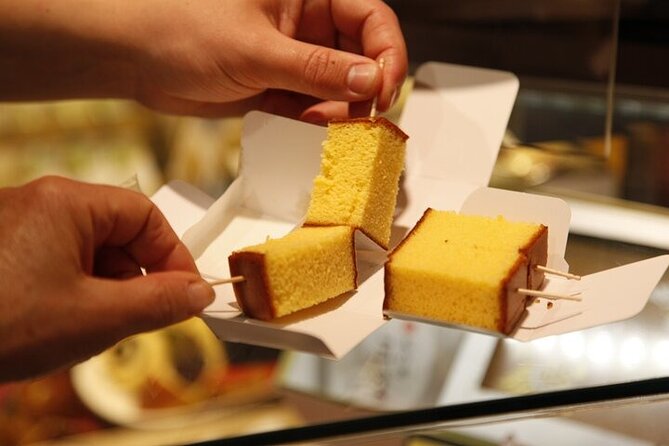
One of the most distinctive parts of the tour is the chance to meet three generations of a family that makes artisanal senbei. Senbei are Japanese rice crackers, but this stop offers more than a snack sample.
A family business gives you a direct connection to food production and continuity. Instead of only tasting a finished item, you get a glimpse of a craft passed through generations. That adds human detail to the day and helps explain why a simple rice cracker can have a place in Japanese food culture.
This is also where the tour seems to move beyond the standard Tokyo food checklist. Sushi and yakitori are familiar names to many international visitors. A family-owned senbei maker is less obvious, and that makes the stop more memorable.
The tour description does not specify exactly how the visit is conducted or which senbei varieties are served. You should think of it as an opportunity to learn about an artisanal family business and taste its products, rather than as a formal cooking class.
The strongest praise for the food walk centers on this mix of well-known and less familiar foods. One particularly positive account singled out the sushi and the original rice cracker from the family-owned business. That combination captures the tour’s appeal: you get recognizable Japanese favorites, then something more personal and unusual.
From polished food to avant-garde taverns
The experience also promises stops connected with avant-garde taverns, hopping food stands, and old-school yakitori joints. The supplied route details do not identify every business by name, so you should not expect a fixed list of restaurants to be guaranteed.
That uncertainty is worth noting. Food tours often adjust their stops, and the description presents a style of eating rather than a complete restaurant directory. What you can expect is a range of settings, from traditional yakitori to newer tavern ideas and casual street food.
I like the contrast. Kichijoji is not presented as a museum of old recipes. The day includes traditional foods and newer food trends, which reflects the way Japanese neighborhoods actually eat. A local district can preserve old businesses while also making room for fresh ideas.
The promise of lunch, snacks, coffee or tea, and bottled water also makes the six-hour schedule easier to manage. You should not need to plan a separate meal during the tour. Even so, keep your appetite under control before meeting the guide. Arriving after a large breakfast could make it hard to enjoy the full range of tastings.
What the $195 price really buys
At $195 per person, this is not a budget food crawl. The value depends on what you want from a guide.
If you only want to eat yakitori and sushi, you can spend far less by choosing restaurants on your own. The price makes more sense if you want a six-hour introduction to Kichijoji, multiple tastings, lunch, drinks, help understanding unfamiliar foods, and access to small local businesses that may be difficult to interpret on your own.
The group limit of six is part of the value. A very small group can make a neighborhood food walk feel more personal, and it gives the guide room to answer questions. The experience also includes a mix of foods that would require several separate stops to arrange independently.
I would not recommend booking it purely for convenience. You do not receive private transportation, and the tour begins and ends at the station. The value lies in the food knowledge, route planning, local context, and small-group format.
The high rating, 5 out of 5 from 195 ratings, and 99 percent recommendation rate indicate strong satisfaction. The most praised elements are the guide experience, the variety of food, and the family-owned senbei stop. Those are the parts I would weigh most heavily when deciding if the cost feels fair.
Who will enjoy this Kichijoji food walk
This experience is a good match for you if you:
- Want to explore beyond Tokyo’s best-known central districts
- Prefer local food businesses to a major sightseeing checklist
- Enjoy tasting several small portions across a long afternoon
- Want explanations of Japanese food customs and ingredients
- Appreciate a very small group
- Are comfortable walking through shopping streets and eating in casual settings
It is also useful for first-time visitors who feel unsure about ordering food in Japan. A guide can show you what you are looking at and help connect each tasting to the wider food culture.
You may want to skip it if you dislike group tours, have a very limited food budget, or want a single leisurely restaurant meal. Six hours is a long commitment, and the tour’s value depends on enjoying variety more than controlling every dish and stop yourself.
The activity is near public transportation, and most people can participate. The provided information does not give a detailed accessibility assessment, so you should confirm any specific mobility needs before booking.
Timing, weather, and cancellation details
The tour is usually booked about 83 days ahead, which suggests that you should plan early if your Tokyo dates are fixed. Confirmation is provided when you book, and the ticket is mobile.
You can cancel up to 24 hours before the start time for a full refund. Changes or cancellations made less than 24 hours before the start time are not accepted for a refund, and the cut-off uses local Tokyo time.
The activity requires good weather. If poor weather forces a cancellation, you are offered another date or a full refund. The tour also requires a minimum number of participants, so a cancellation for that reason comes with the choice of another date or experience, or a full refund.
These rules are fairly manageable, but the weather condition matters because much of the experience takes place around shopping streets and food stands. I would avoid scheduling it on the only day of a tightly packed Tokyo itinerary.
Should you book Small Town in the Big City?
I would book this food tour if you want Kichijoji explained through what people buy, cook, snack on, and pass down within families. The strongest reason to go is not one famous dish. It is the sequence: depachika foods, sushi, shopping-street snacks, yakitori, octopus balls, and artisanal senbei.
The $195 cost is high, but the six-hour length, lunch, drinks, small group, and guide support make it easier to justify for food-focused visitors. Phoebe’s praised patience and enthusiasm are another reason to feel confident if you value clear guidance.
Skip it if you want a cheap tasting walk or prefer to choose every restaurant yourself. Book it if you want a friendly, focused look at one Tokyo neighborhood, with enough food and local detail to make Kichijoji feel like more than a station stop.
FAQ
Where does the Kichijoji food tour begin?
It begins at Kichijoji Station, at 2 Chome-1 Kichijoji Minamicho, Musashino, Tokyo 180-0003, Japan.
Where does the tour end?
The activity ends back at the meeting point at Kichijoji Station.
How long does the experience last?
The tour lasts approximately six hours.
How many people can join the tour?
The tour has a maximum of six participants.
What food and drinks are included?
The experience includes lunch, snacks, coffee or tea, and bottled water. Tastings include foods such as sushi, yakitori, octopus balls, and senbei, along with items encountered in the department-store food hall.
Is private transportation included?
No. Private transportation is not included. The tour begins and ends near public transportation at Kichijoji Station.
Can I cancel for a full refund?
Yes. You can cancel at least 24 hours before the experience start time for a full refund. Cancellations or changes made less than 24 hours before the start time are not accepted for a refund.
Just added around Tokyo
- Tokyo Small Group Tour with Guide★ 4.5 · 38 reviews
- Tokyo 6hr Instagram Highlights Private Tour with Licensed Guide★ 5.0 · 38 reviews
- Tokyo Sumo Experience with Live Show & Audience Challenge★ 5.0 · 38 reviews
- Very popular in Harajuku♡Animal petting zoo★ 4.6 · 39 reviews
- Japanese Food Cooking Class in Asakusa, Tokyo★ 5.0 · 39 reviews
- Ramen Making from Scratch with Tokyo Mom(Vegan Option Available)★ 5.0 · 39 reviews
- Tokyo: Kimono Rental inside Shinjuku Gyoen National Garden★ 4.9 · 39 reviews
- Tokyo JDM Night: 600hp C63s AMG Edition 1 (Private)★ 4.9 · 39 reviews
Food & Drink, compared.
Shinjuku Food Tour (13 Dishes at 4 Local Eateries)
Read our review →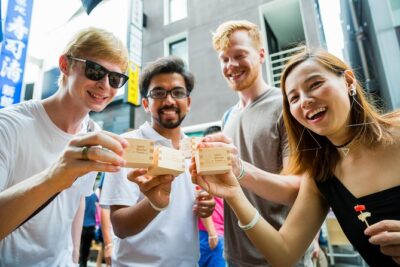
Tokyo Tsukiji Fish Market Food and Culture Walking Tour
Read our review →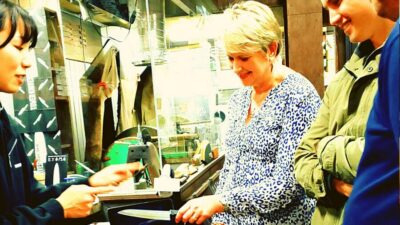
Shinsekai Food Tour with 13-15 Dishes at 5 Eateries
Read our review →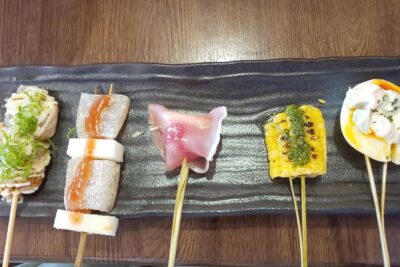
Osaka Food Tour: 13 Dishes at 5 Local Eateries
Read our review →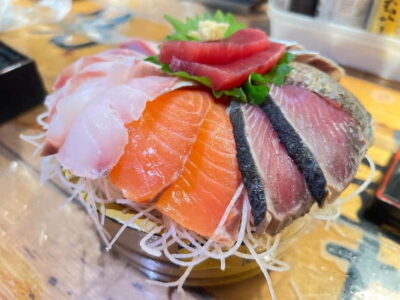
Shinjuku Food Tour (15 Dishes and 4 Eateries)
Read our review →
Best of Shinjuku: Izakaya Food Tour (4 Stops, 14+ Tastings)
Read our review →
Kyoto Night Foodie Tour in Gion (9+ dishes + 6 Sake tastings)
Read our review →
Hungry Osaka Street Food Tour:15 Tastings & 3 Drinks with a Local
Read our review →Browse the lists this tour appears in