
Reviewed · BUS TOURS IN TOKYO
Tokyo: A Half-Day Trip Bus Tour in the Morning
Three Tokyo icons, one cool bus, four useful hours. This $40 half-day tour is a smart way to get your bearings fast, especially if you are new to the city or short on time. I like the air-conditioned hybrid bus and the way the route links distant sights without making you decode Tokyo’s rail system. I also like the guides, including Aki, Kumiko, Yuko, and others, who have been praised for clear English, humor, history, and practical help.
The main compromise is simple: you see the Imperial Palace from the outside only, and each stop gives you an introduction rather than a full visit. Asakusa can also be crowded, and one departure ended away from its original pickup point, so you should pay attention to the guide’s final instructions.
In This Review
- Key details that make this tour useful
- Why this four-hour route works
- Starting at Shinjuku or Tokyo Station
- Imperial Palace Outer Area and Nijubashi Bridge
- Tokyo Tower from 150 meters up
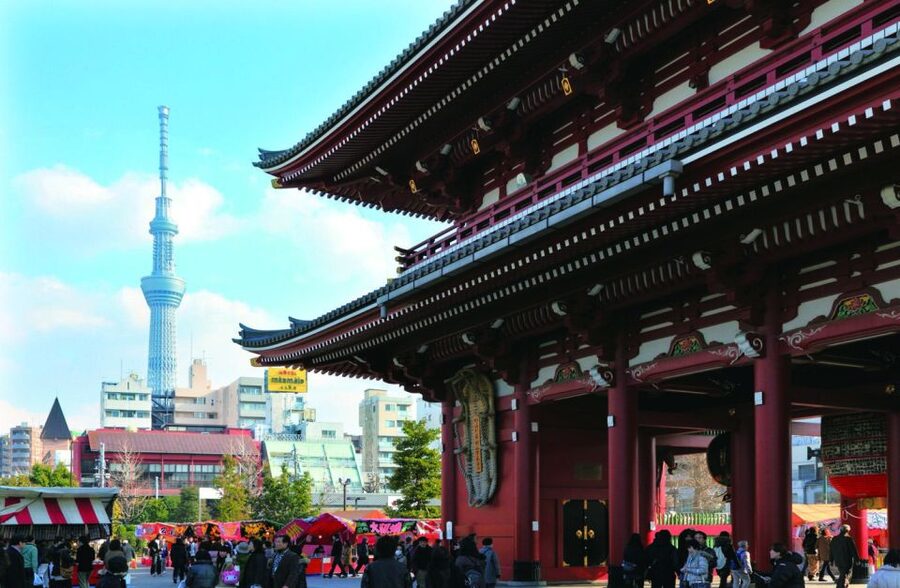
- Sensō-ji, Nakamise, and a taste of old Asakusa
- The guides make the short schedule work
- What the $40 price really buys you
- Who should book this Tokyo tour?
- Final verdict: a practical first look at Tokyo
- FAQ
- How long does the Tokyo bus tour last?
- Which sights are included?
- Can I enter the Imperial Palace?
- Is Tokyo Tower admission included?
- Is the tour conducted in English?
- Are hotel pickup and drop-off included?
Key details that make this tour useful
- Three major sights in four hours: Visit the Imperial Palace Outer Area, Tokyo Tower, and Sensō-ji without arranging separate transport.
- A licensed English-speaking guide: Guides such as Aki, Kumiko, Yuko, and Azumi have been praised for history, humor, Japanese phrases, and thoughtful assistance.
- A comfortable hybrid bus: Air conditioning matters in Tokyo’s hot summer months, and the bus cuts down on walking between far-flung sights.
- Free time at Sensō-ji: You can explore Nakamise shopping street, buy souvenirs, and try snacks or meals at your own expense.
- Tokyo Tower’s 150-meter observatory: You get city views and may spot Mount Fuji in clear weather.
- Good value for first-time visitors: The tour has a 4.6 rating from 236 bookings, with 89 percent of passengers awarding the transport a perfect score.
Why this four-hour route works
Tokyo is enormous, and its famous sights are spread across very different neighborhoods. The Imperial Palace sits near the center, Asakusa is farther east, and Tokyo Tower rises in a separate central district. Connecting all three by public transport is possible, but it takes planning, transfers, and time.
This tour solves that problem with a simple bus route. You board at either the Hato Bus Tokyo office or the Hato Bus meeting point near Shinjuku Station East Exit, depending on the option you reserve. The bus then carries you between the main stops while your guide explains what you are seeing along the way.
I would think of this as a Tokyo orientation tour, not a complete sightseeing day. You get the essential photographs, a useful introduction to Japanese history and religion, and enough free time to decide which area deserves a longer visit later.
The pace is fairly efficient, but the stops are not merely drive-by views. The schedule allows about 40 minutes at the Imperial Palace Outer Area, 40 minutes at Tokyo Tower, and one hour at Sensō-ji. That balance gives you time to see the key points without turning the morning into a race.
More Bus Tours in Tokyo
- Mt Fuji and Hakone 1-Day Bus Tour Return by Bullet Train
★ 5.0 · 26,383 reviews - 1-Day Tokyo Bus Tour
★ 5.0 · 14,250 reviews - Tokyo Mt Fuji 5th St & Hakone Cruise Bus Tour w/Bullet Train
★ 4.4 · 5,024 reviews
Starting at Shinjuku or Tokyo Station
The meeting point depends on the departure option, so check your confirmation carefully. One choice is near Shinjuku Station East Exit, a practical location if you are staying in Shinjuku. Another uses the Hato Bus Tokyo office near Tokyo Station.
The Shinjuku meeting point earned praise for being easy to find, with staff greeting passengers nearby. Still, Tokyo stations are large and busy, so give yourself extra time. You do not want your first Tokyo challenge to be a sprint through a maze of underground passages.
Hotel pickup and drop-off are not included. You need to reach the starting point on your own, and the tour returns to the Hato Bus Tokyo office according to the stated plan. One departure finished somewhere other than the original pickup point, so listen closely before leaving the group.
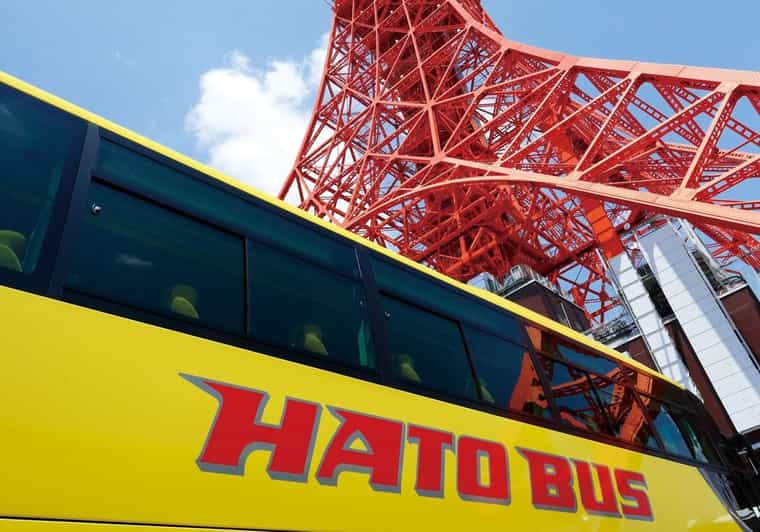
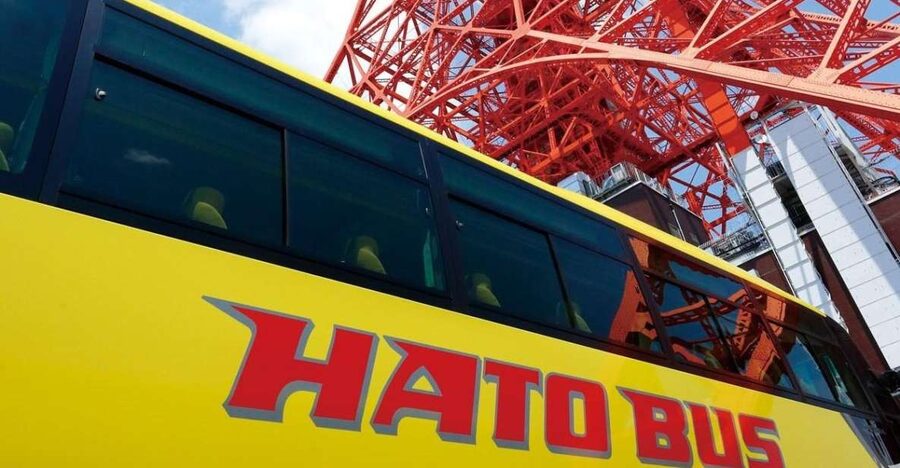
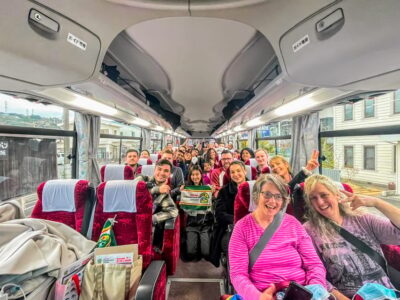
The bus is an important part of the experience. It is an eco-friendly hybrid vehicle, and several passengers appreciated its clean interior and air conditioning. That is a real advantage in August, when temperatures can rise above 35 degrees Celsius. You will still walk at each stop, but you are not spending the whole half-day outdoors.
There are a few steps to manage when getting on and off the bus. The activity is listed as wheelchair accessible, but you should still consider the boarding steps and confirm your personal needs when booking.
Imperial Palace Outer Area and Nijubashi Bridge
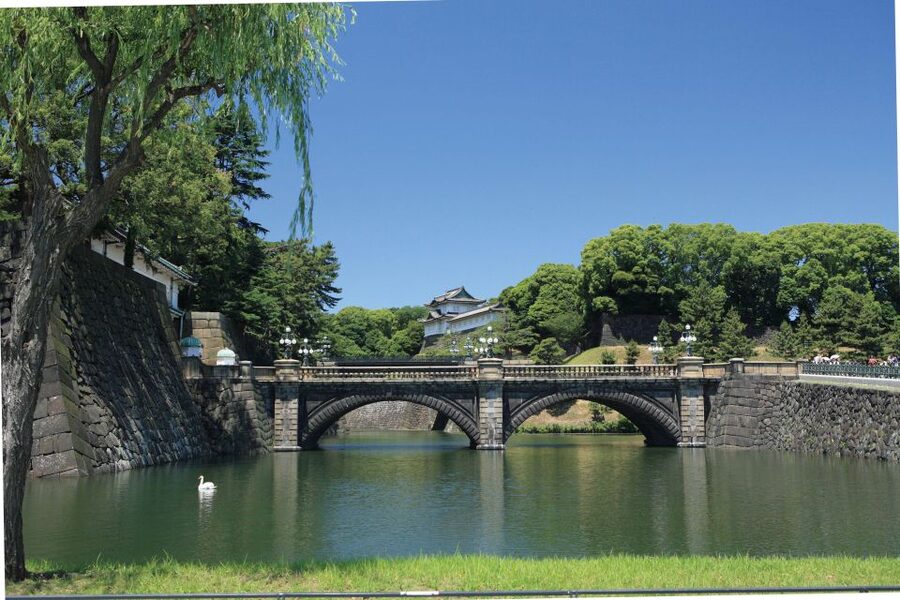
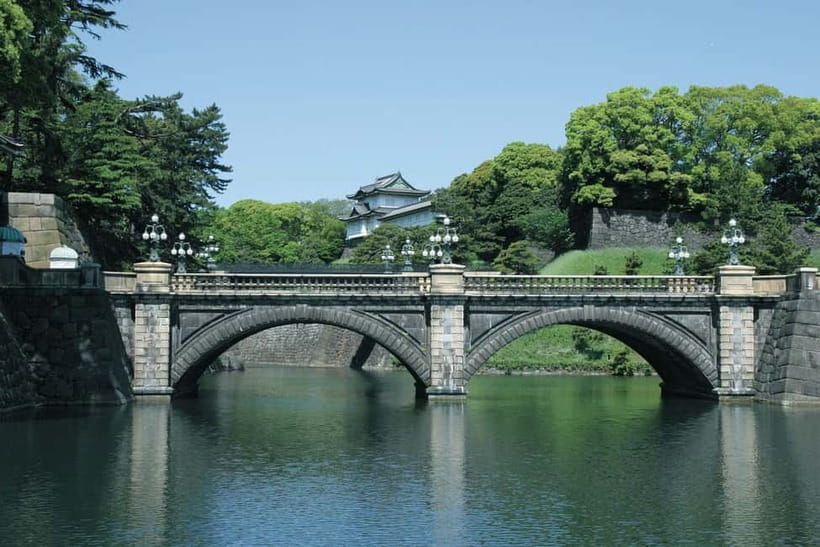
The first sightseeing stop focuses on the Imperial Palace Outer Area. You do not enter the Imperial Palace itself, and the East Gardens are not part of this visit. That limitation is important, since the name can create the impression that you will tour the palace grounds.
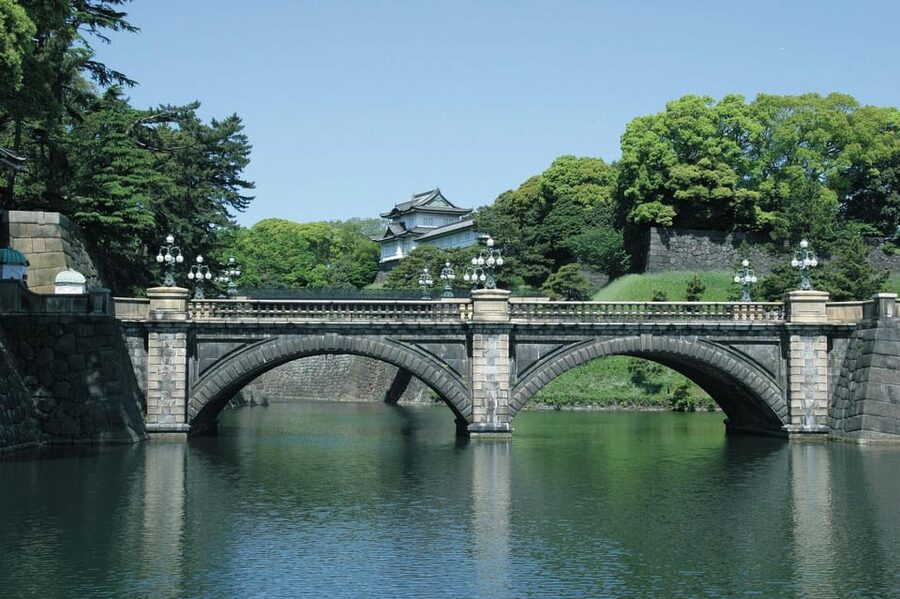
Instead, your guide leads you toward the statue of Masashige Kusunoki and the Nijubashi Bridge area. This is the place for broad views, formal stone walls, palace architecture, and the classic bridge photograph. The setting gives you a sense of the imperial center of modern Tokyo without requiring a long palace visit.
The guide’s explanation adds much of the value here. Past departures have included historical background, old photographs, and helpful context about the emperor and the development of Tokyo. Kumiko, in particular, was praised for making Japanese culture understandable and for pointing out details that a visitor might otherwise pass without noticing.
You have around 40 minutes, including a walk and time for photographs. That is enough for an introduction, but not enough for a slow exploration of every corner. If your main goal is the East Gardens or an extended palace visit, you will need to return separately.
This stop works best as a first look at Tokyo’s political and imperial center. I like that it begins with open space and history before moving to the dense streets of Asakusa. It also gives you a calm start to the day, assuming traffic and group movement stay on schedule.
Tokyo Tower from 150 meters up
The Tokyo Tower stop gives you access to the main observatory at 150 meters. From there, you can look over central Tokyo and identify the city’s dense mix of office districts, residential blocks, roads, and high-rise buildings. On a clear day, Mount Fuji may be visible.
The view is the star here, but the tower itself is part of Tokyo’s visual identity. It is one of the city’s best-known symbols, and standing inside the observation level gives you a useful sense of Tokyo’s size. After seeing the palace district from ground level, you get a higher view of the city’s modern side.
The planned time is about 40 minutes. That should allow you to reach the observatory, take photographs, and enjoy the view, though crowded conditions can affect how relaxed the stop feels. One person described the tower as very busy but still worth the visit for the view from above.
You should keep your expectations realistic. This is not a long Tokyo Tower visit with time to explore every facility. It is a focused observatory stop. The benefit is efficiency, while the cost is that you may wish for more time if the tower captures your interest.
The order of the stops may vary by departure, but the stated route includes the palace area, Tokyo Tower, and Sensō-ji. Check the exact schedule when selecting your date, since available start times can change.
A completely different kind of day out in Tokyo:
- Tokyo: TOKYO SKYTREE® Admission ticket
★ 4.5 · 11,192 reviews - Tokyo: teamLab Planets TOKYO Digital Art Museum Entry Ticket
★ 4.6 · 9,779 reviews - Mt Fuji & Hakone Cruise, Drum Show Bullet Train 1 Day from Tokyo
★ 4.0 · 7,413 reviews - Tokyo: Sumo Show Experience with Chicken Hot Pot and a Photo
★ 4.8 · 6,678 reviews
Sensō-ji, Nakamise, and a taste of old Asakusa
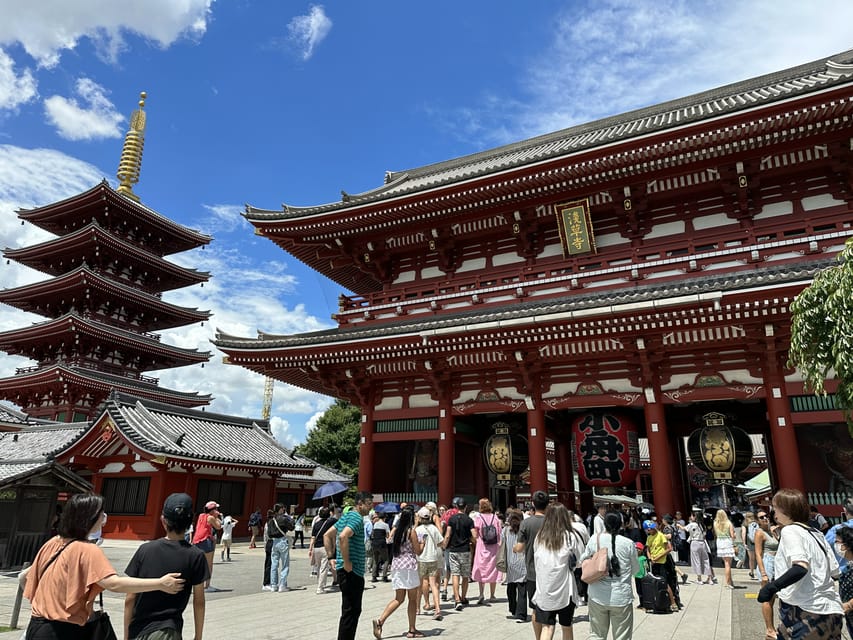
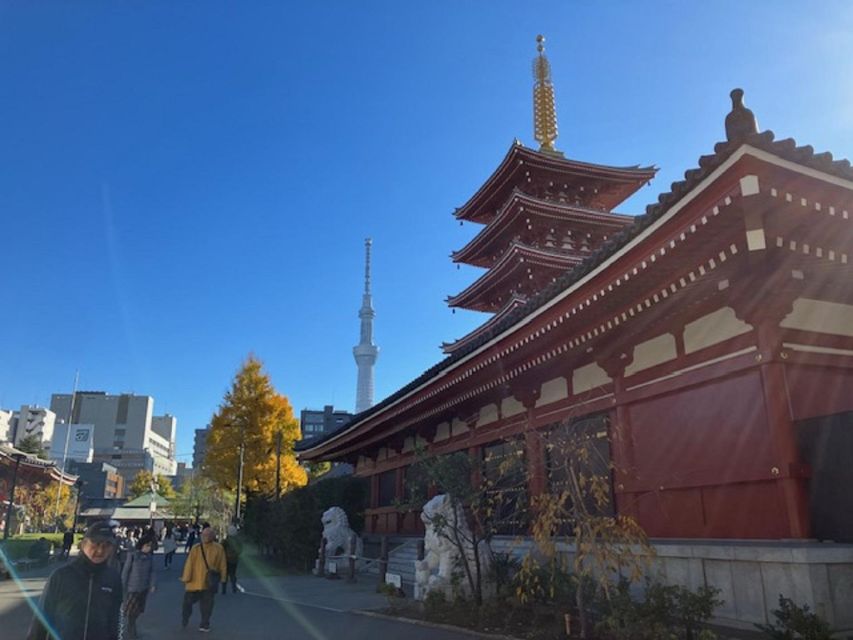
Sensō-ji, also called Asakusa Kannon Temple, is the oldest temple in Tokyo and the most atmospheric stop on this route. The approach leads through Nakamise, a traditional shopping street about 200 meters long. Here you can browse souvenirs, sample local snacks, and buy food at your own expense.
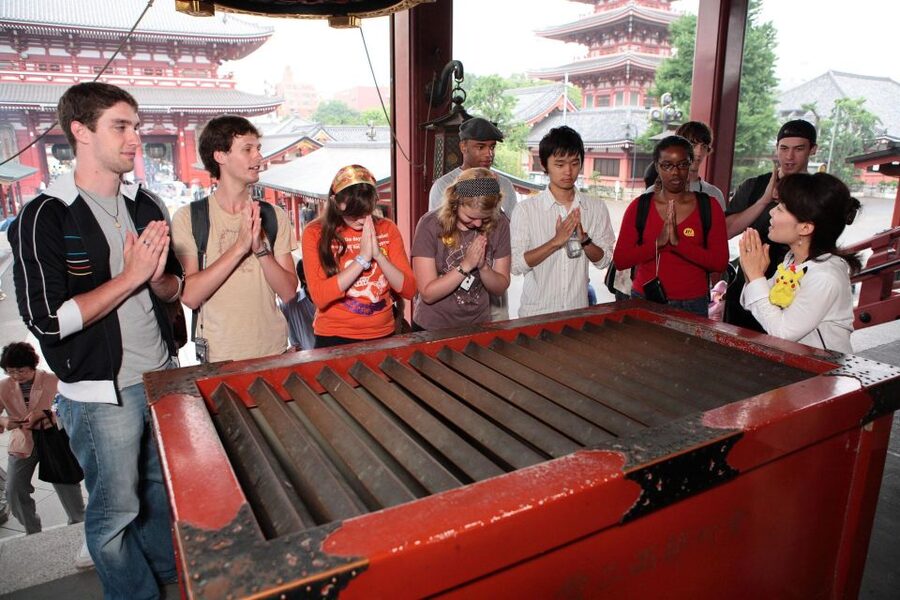
You receive a guided introduction to the temple, including details about its craftsmanship and traditions. Guides have also explained the difference between Shinto shrines and Buddhist temples, how to pray, and the meaning behind features in the complex. That kind of explanation makes the visit more useful than simply taking a photograph at the gate.
The one-hour stop includes guided sightseeing and free time. I consider that the best part of the schedule. You hear the essential background first, then you can break away briefly to shop, take pictures, or look for a snack. The tour also ends here on the stated route, which gives you the option of staying in Asakusa afterward for food and shopping.
Carry some cash. One passenger specifically noted that much of the market was cash only. The information provided does not promise card acceptance at individual stalls, so cash gives you more freedom when buying small snacks or souvenirs.
Crowds are part of the experience. Sensō-ji is one of Tokyo’s major sights, and holiday periods can make movement slower. Stay aware of the group and meeting instructions. One person became separated from the guide at the final stop, which is a useful warning: free time is convenient, but you should confirm exactly where and when you must regroup.
Asakusa is also the stop where you may want more time. The tour gives you a solid first visit, but it cannot cover every lane, shop, temple building, and nearby attraction in an hour. If you want a slower look at the area, plan to remain after the tour ends.
The guides make the short schedule work
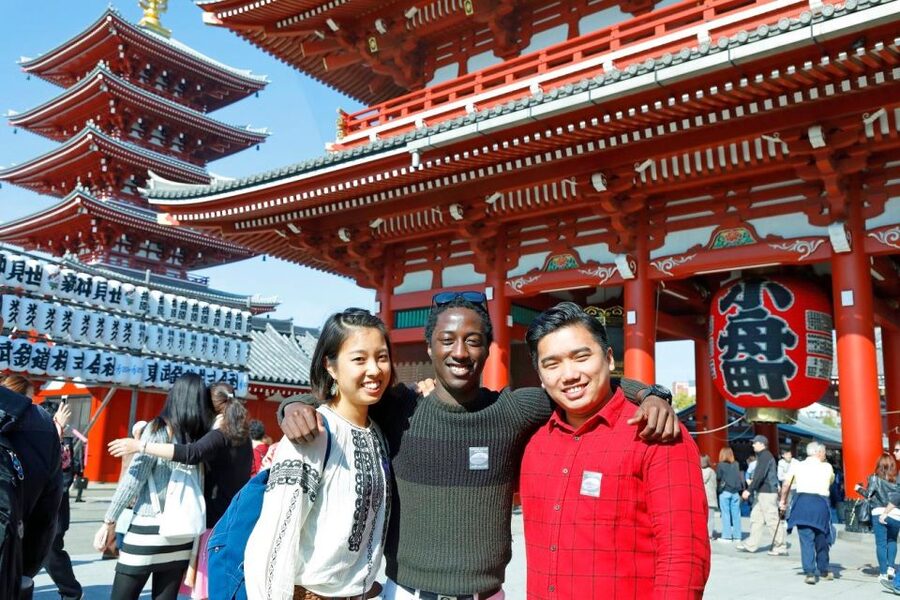
The strongest feature of this experience is the guiding. A bus can move you efficiently, but a guide gives the journey meaning and keeps the schedule manageable.
Aki has been praised for making people feel welcome, offering historical background, taking photographs, and even showing how she put on her kimono and obi during the bus ride. Kumiko received particularly warm praise for her English, cultural explanations, humor, and ability to connect Japanese customs with other cultures.
Other named guides include Yuko, Azumi, Atsushi, Makoto, Takako, Koyiko, Shota, and Kioko. The exact guide for your departure is not guaranteed, but the pattern is clear: the experience depends heavily on a professional guide who can explain Japan in English and keep a group moving.
The guide may teach you Japanese phrases, explain greetings through song, discuss the emperor and religious traditions, or offer ideas for places to visit later. Those small touches help prevent the tour from feeling like a simple transport service.
Group size can vary, but one departure had about 20 people or fewer. That is small enough for a guide to assist with photographs and questions, while still large enough that you need to stay alert at busy sights.
What the $40 price really buys you
At $40 per person, the tour is priced well for what it covers. Your fee includes the hybrid bus, a licensed English-speaking guide, admission to Tokyo Tower, and the scheduled visits to the Imperial Palace Outer Area and Sensō-ji.
The biggest saving is time. You are paying to avoid working out a route between three separate areas, finding the right station exits, and managing transfers in an unfamiliar city. For a first day in Tokyo, that convenience can be worth more than the raw admission cost.
The value is especially good if you want a broad introduction rather than a specialist tour. You see imperial Tokyo, modern Tokyo from above, and traditional Tokyo in Asakusa. Those three settings show very different sides of the capital.
The price is less attractive if you already know the city well or prefer long, independent visits. You will have limited time at each sight, no hotel pickup, and no meal included. You also pay separately for food and souvenirs at Nakamise.
Children from age zero to under six can ride free, but they do not receive their own seats. That may suit families with very young children, though parents should consider the practical side of holding a child during the bus journey.
Free cancellation is available up to 24 hours before departure for a full refund, and you can reserve now while paying later. Those terms help if your Tokyo plans are still shifting.
Who should book this Tokyo tour?
I would recommend it most strongly for first-time visitors, people with only a few days in Tokyo, and anyone who wants an easy introduction before exploring independently. It also suits you if hot weather makes long outdoor transfers unpleasant, since the bus provides air conditioning between stops.
It is a good choice for families, older visitors, and anyone who feels unsure about navigating Tokyo’s huge stations. You still need to walk and manage a few bus steps, but the route removes much of the logistical strain.
This tour may also help if rain interrupts your plans. One person booked it after struggling to navigate Tokyo independently in wet weather and found the comfortable transport worthwhile. The stops remain weather-dependent in practical terms, but the bus gives you shelter between them.
I would be more cautious if your priority is entering the Imperial Palace, spending several hours at Tokyo Tower, or exploring Sensō-ji at a slow pace. The schedule gives you highlights, not full access to every attraction.
Final verdict: a practical first look at Tokyo
You should book this tour if you want to see three major Tokyo sights with minimal planning and useful English commentary. The combination of palace views, Tokyo Tower, and Sensō-ji gives you a well-rounded first taste of the city for $40.
You should skip it only if you strongly prefer independent travel or already have detailed plans for these neighborhoods. For most first-time visitors, the efficient bus route, air conditioning, included entry fees, and consistently praised guides make this a sensible introduction. Just remember that the Imperial Palace visit is from the outer area, keep cash for Nakamise, and stay close to the guide when free time begins.
FAQ
How long does the Tokyo bus tour last?
The tour lasts about four hours, with the activity information also listing a duration of up to 270 minutes. Starting times vary, so check availability for your chosen date.
Which sights are included?
The tour visits the Imperial Palace Outer Area near Nijubashi Bridge, Asakusa Kannon Temple, also called Sensō-ji, and Tokyo Tower.
Can I enter the Imperial Palace?
No. Entry into the Imperial Palace itself is not permitted on this tour. You visit the outer area, view the Masashige Kusunoki statue, and walk around the Nijubashi Bridge area. The East Gardens are not included.
Is Tokyo Tower admission included?
Yes. Admission to the main observatory at 150 meters is included.
Is the tour conducted in English?
Yes. A professional, nationally certified English-speaking guide accompanies the tour, and English is the listed tour language.
Are hotel pickup and drop-off included?
No. You must reach the selected meeting point near Shinjuku Station East Exit or the Hato Bus Tokyo office near Tokyo Station. The meeting point depends on the option booked.
Just added around Tokyo
- Tokyo 6hr Instagram Highlights Private Tour with Licensed Guide★ 5.0 · 38 reviews
- Tokyo Small Group Tour with Guide★ 4.5 · 38 reviews
- Tokyo Sumo Experience with Live Show & Audience Challenge★ 5.0 · 38 reviews
- Japanese Food Cooking Class in Asakusa, Tokyo★ 5.0 · 39 reviews
- Very popular in Harajuku♡Animal petting zoo★ 4.6 · 39 reviews
- Ramen Making from Scratch with Tokyo Mom(Vegan Option Available)★ 5.0 · 39 reviews
- Tokyo JDM Night: 600hp C63s AMG Edition 1 (Private)★ 4.9 · 39 reviews
- Tokyo: Kimono Rental inside Shinjuku Gyoen National Garden★ 4.9 · 39 reviews
Bus Tours in Tokyo, compared.
Mt Fuji and Hakone 1-Day Bus Tour Return by Bullet Train
Read our review →
Tokyo Mt Fuji 5th St & Hakone Cruise Bus Tour w/Bullet Train
Read our review →
Meiji Shrine, Asakusa, Skytree Bus Tour and Cruise
Read our review →
Mt Fuji and Hakone 1-Day Bus Tour Return by Bus
Read our review →
Mt.Fuji & Lake Kawaguchiko 1-Day Bus Tour w/Optional Lunch
Read our review →
Open Top Panoramic Sightseeing Bus with Audio Guide
Read our review →Browse the lists this tour appears in