
Reviewed · MUSEUMS
Tokyo: Art Aquarium Museum GINZA Entry Ticket
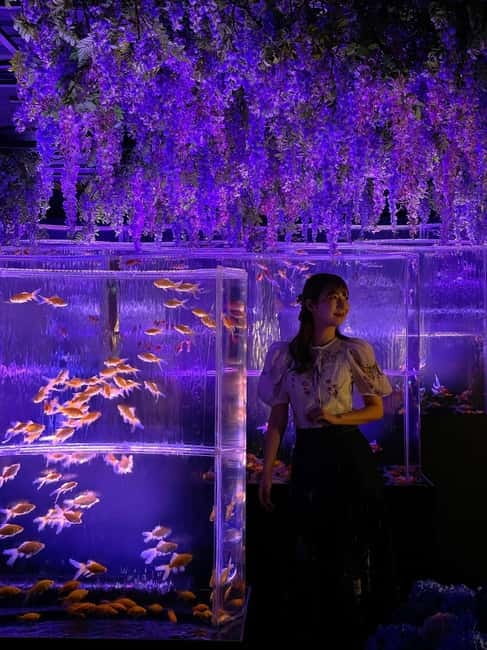
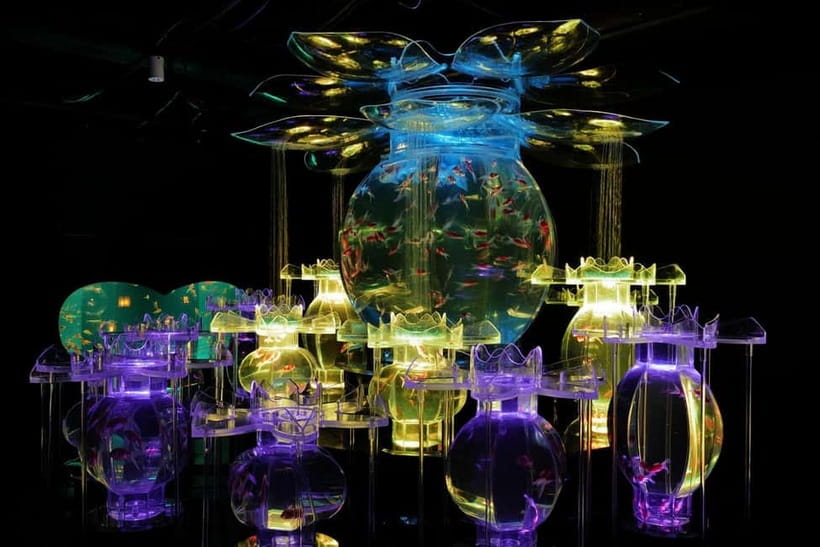
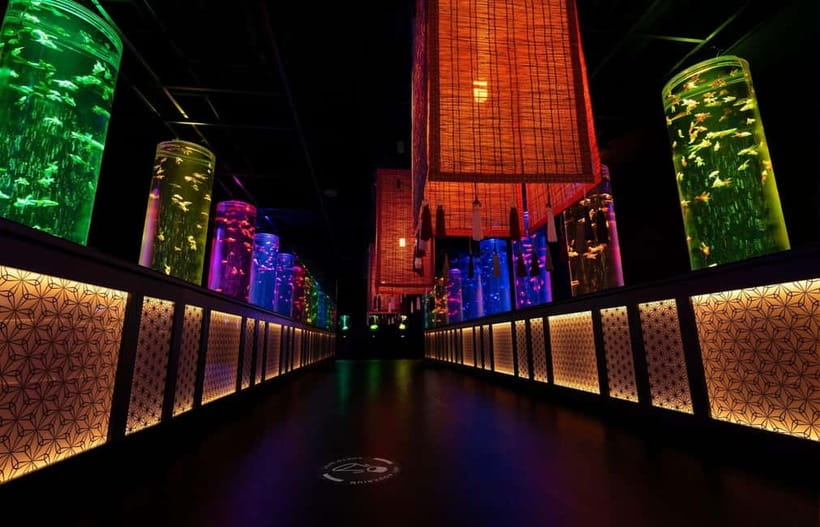
Goldfish get the full art treatment here. Inside Ginza Mitsukoshi, the Art Aquarium Museum GINZA turns traditional goldfish appreciation into a theatrical display of glowing tanks, music, scent, and carefully arranged space. I like the striking aquarium designs and the way the exhibits change with the seasons. I also like how easy this is to add to a Ginza shopping day.
The main drawback is its size. You may finish in 30 minutes, while most people need about 45 minutes to an hour. At $17 per person, that can feel costly if you expect a full aquarium or a long museum visit. A second consideration is animal welfare, since one visitor felt that some fish appeared poorly treated.
In This Review
- Key points to know before you go
- What the Art Aquarium Museum GINZA is really about
- Entering through Ginza Mitsukoshi
- The first rooms: light, water, and goldfish
- Seasonal presentations and changing artwork
- Photography inside the aquarium rooms
- How long you need, and what the $17 ticket buys
- Is the presentation suitable for children?
- The animal welfare question
- Who will enjoy this Ginza stop most?
- Practical timing and planning advice
- Should you book the Art Aquarium Museum GINZA?
- FAQ
- Where is the Art Aquarium Museum GINZA?
- How do I reach the museum by train?
- How long does the visit take?
- How much does admission cost?
- Can children enter free?
- Can I take photographs inside?
- Does the museum open every day?
Key points to know before you go
- The museum is inside Ginza Mitsukoshi: Admission reception and same-day tickets are handled on the 9th floor of the new building.
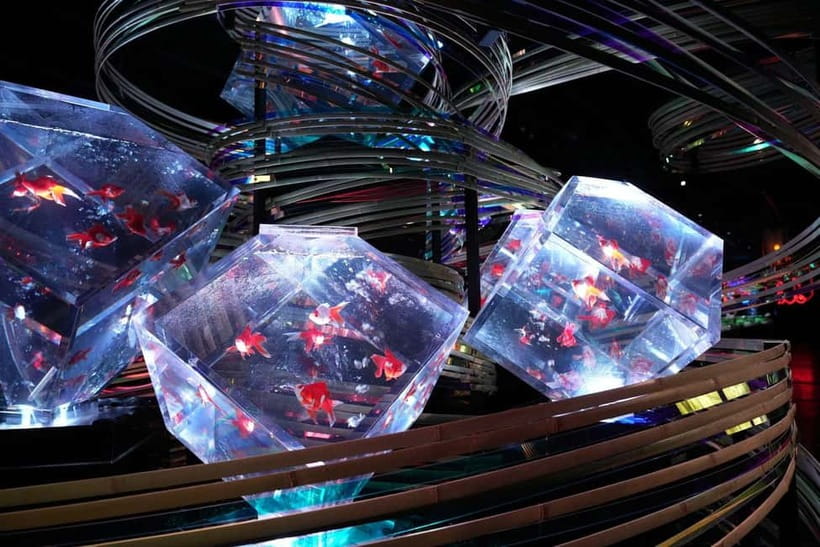
- Goldfish are the main attraction: The displays reinterpret Edo-period goldfish appreciation through light, color, sound, scent, and unusual tank shapes.
- Plan on 45 to 60 minutes: Some people finish in roughly 30 minutes, especially if they move quickly or focus mainly on photography.
- Photography is welcome: Tripods, monopods, strobes, and extra lighting equipment are not allowed.
- A midweek 10:30 visit may be quieter: One visitor found only a few people at that time and had more room for photographs.
- The displays can change: The museum is a permanent Ginza venue, but its seasonal presentation and more than half of its artwork may change over time.
What the Art Aquarium Museum GINZA is really about
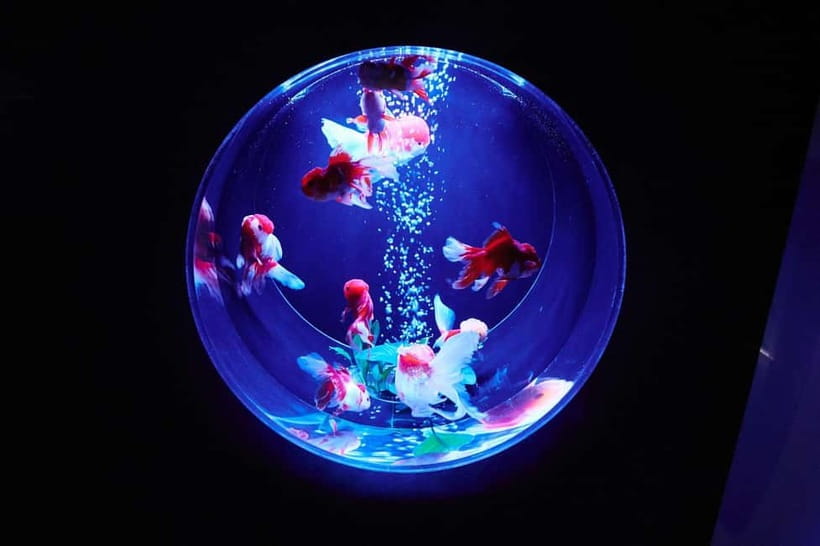
This is not a conventional aquarium with long rows of tanks and detailed marine exhibits. It is an art installation built around goldfish, using water and living creatures as part of a larger visual scene.
The idea reaches back to Edo-period Japan, when keeping and appreciating ornamental goldfish became a popular pastime. The museum gives that old custom a modern setting. Goldfish swim through illuminated vessels while color, music, and fragrance shape the mood around them.
I would think of it as a short visual performance rather than a science museum. You are there to look, listen, take photographs, and notice how the fish appear within each arrangement. If you want facts about many fish species or a large collection of aquatic life, this will not meet that need. If you like design, photography, and Japanese cultural references, the concept makes more sense.
English information about the goldfish is available, which helps you understand what you are seeing instead of simply walking past pretty tanks. That small detail adds value, especially if you are curious about the fish rather than interested only in taking pictures.
More Museum Visits in Tokyo
- Tokyo: teamLab Planets TOKYO Digital Art Museum Entry Ticket
★ 4.6 · 9,779 reviews - Tokyo: Samurai Ninja Museum Guided tour and Experience
★ 4.6 · 1,010 reviews - Ninja Experience (Family Friendly) at Samurai Ninja Museum TOKYO
★ 5.0 · 441 reviews
Entering through Ginza Mitsukoshi
The museum sits inside Ginza Mitsukoshi, a major department store at 4-6-16 Ginza in Chuo-ku. This location is convenient if you are already shopping or sightseeing around Ginza, though it can feel less obvious than a free-standing museum.
Admission reception and same-day ticket sales are on the 9th floor of the new building. Give yourself a few minutes to find the correct building and floor, particularly if you arrive during a busy shopping period.
The easiest train access is Ginza Station on the Tokyo Metro Ginza, Marunouchi, or Hibiya lines. Use Exit A7. You can also walk about five minutes from Ginza 1-chome Station Exit 9, or reach the museum from Higashi-Ginza Station through the underground passage toward Ginza Station. Higashi-Ginza is about two minutes away by this route.
That central position is useful, but the surrounding area is not designed as part of the museum visit. One visitor felt there was less to do nearby than expected. I would treat the aquarium as one stop in a Ginza plan, not as a reason to spend an entire day in this one building.
The first rooms: light, water, and goldfish
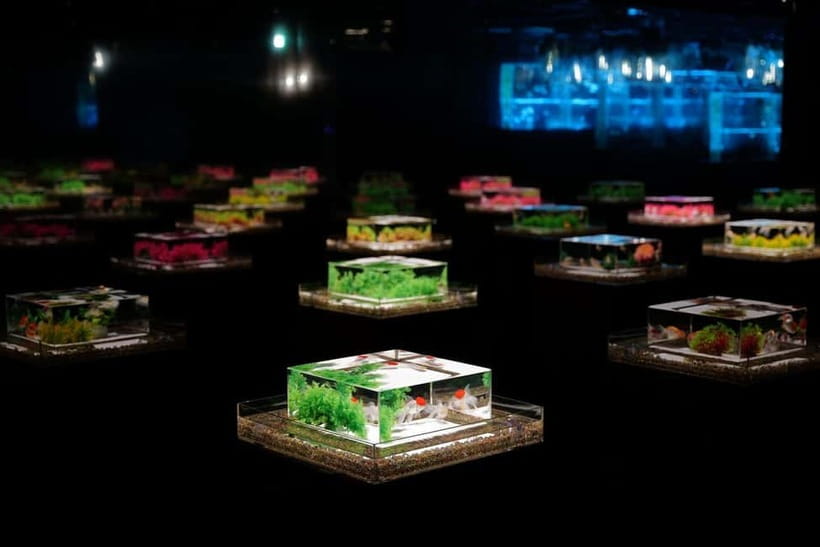
Once inside, you move through a series of spaces rather than following a long educational route. The displays place goldfish in tanks with different shapes, lighting arrangements, and decorative settings.
The fish are the focus, but the room design affects how you see them. A slow soundtrack can make the scene feel calm, while colored light changes the mood and the apparent color of the fish. Fragrance adds another layer. One visitor especially liked the aromatherapy scent, while others praised the tranquil music.
I like this combination because it asks you to slow down. You are not simply checking off tanks. You might find yourself watching one goldfish circle a bowl while the light shifts across the water, then noticing how the same fish looks different against another background.
The effect is carefully staged, and that is both the strength and the limitation. The presentation can be beautiful, but some people may find the focus on atmosphere stronger than the actual content. You are paying for the visual setting and artistic treatment, not a large quantity of exhibits.
Seasonal presentations and changing artwork
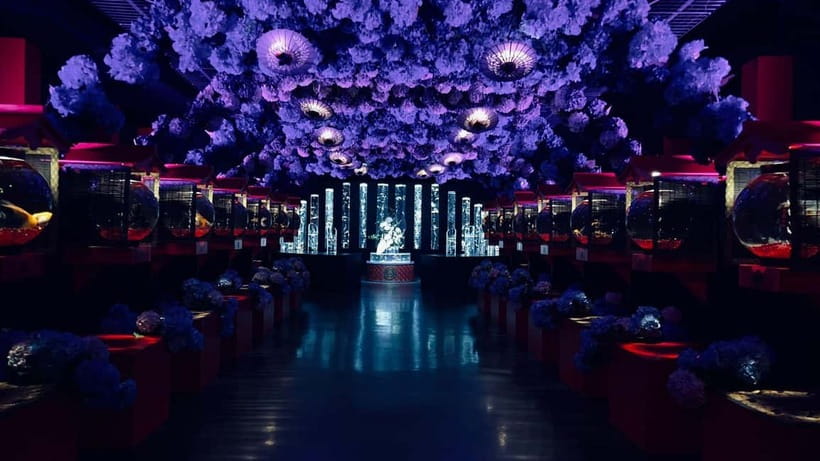
The museum operates as a permanent venue, so you can visit throughout the year rather than waiting for a limited exhibition. Seasonal changes are part of the appeal. Colors, decorations, and the overall presentation may shift as the year progresses.
That gives the museum some repeat-visit value. One person returned after two years and found more than half of the artwork had changed. I would not assume every visit will feel entirely new, but the displays are not necessarily fixed forever.
This is useful if you have already visited Tokyo and want a short return visit in Ginza. It also means you should check current opening days and business hours before going, since they may vary.
The seasonal element works best for people who enjoy visual details. You may notice changes in color, floral references, lighting, or the arrangement around the tanks. It is less important if you only want to see goldfish once and move on.
A completely different kind of day out in Tokyo:
- Mt Fuji and Hakone 1-Day Bus Tour Return by Bullet Train
★ 5.0 · 26,383 reviews - 1-Day Tokyo Bus Tour
★ 5.0 · 14,250 reviews - Tokyo: TOKYO SKYTREE® Admission ticket
★ 4.5 · 11,192 reviews - Mt Fuji & Hakone Cruise, Drum Show Bullet Train 1 Day from Tokyo
★ 4.0 · 7,413 reviews
Photography inside the aquarium rooms
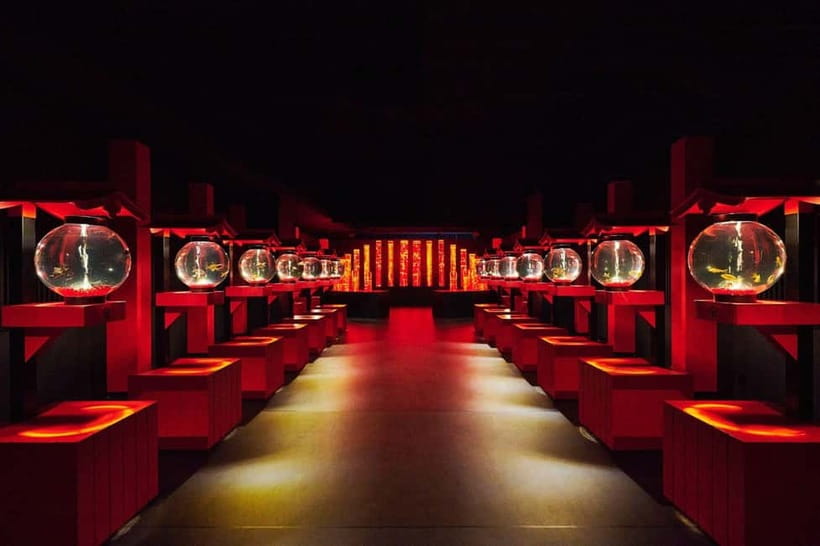
Photography is one of the museum’s main pleasures. The glowing tanks, dark rooms, colored water, and moving fish give you plenty to frame. Several visitors praised the displays specifically as photography subjects, and the atmosphere makes the museum feel almost designed for camera phones.
A quieter arrival will help. One midweek visitor at 10:30 in the morning found only a few other people inside and was able to take photographs without getting in anyone’s way. I would choose a weekday morning if your schedule allows.
You can take photographs, but you cannot use tripods, monopods, strobes, or other lighting equipment. That keeps the rooms less cluttered and prevents extra flashes from disturbing the presentation or other people.
For better results, take your time at each display and avoid rushing from one tank to the next. Goldfish move unpredictably, and a few extra seconds can make the difference between a blurred image and a pleasing one. Since the museum uses dark surroundings, phone cameras may struggle, so steady hand-held shooting matters.
The no-tripod rule is worth noting if you are carrying serious camera equipment. You can still photograph the exhibits, but the museum is better suited to hand-held cameras and phones than to a full studio-style setup.
How long you need, and what the $17 ticket buys
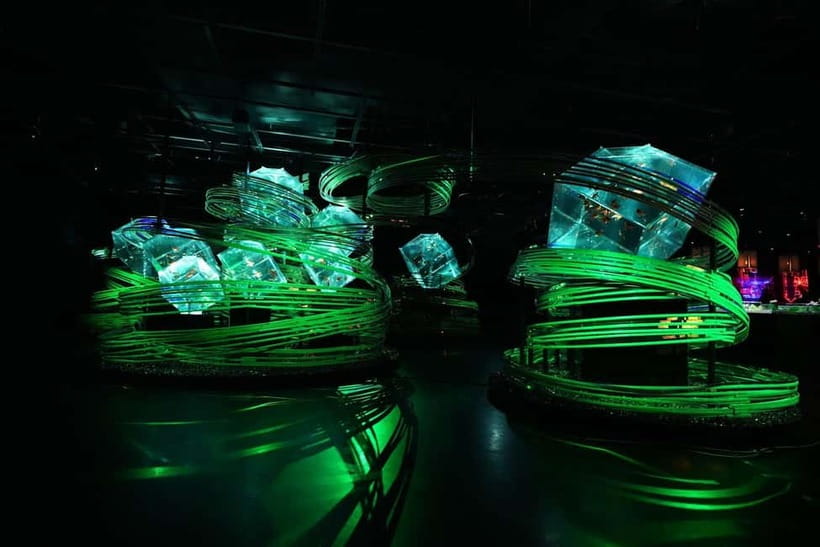
The ticket costs $17 per person and is valid for one day. The actual viewing time is estimated at one hour, though a fast visit may take about 30 minutes. Another reasonable estimate is 45 minutes to an hour, especially if you stop for photographs.
That price is fair if you value design, atmosphere, and a distinctive Ginza experience. You are paying for a polished art presentation in a prime Tokyo shopping district, not for hours of exhibits. The ticket works best when you combine it with lunch, shopping, or another nearby stop.
I would hesitate if you are measuring value only by time. A family of four paying full price could spend a significant amount for a compact visit, though up to two children under elementary school age may enter free with one adult. That family policy improves the calculation for parents with young children.
The gift store also adds a little to the experience. One visitor found the souvenirs particularly appealing. If you enjoy taking home small design-oriented gifts, allow a few extra minutes after the exhibits.
Is the presentation suitable for children?
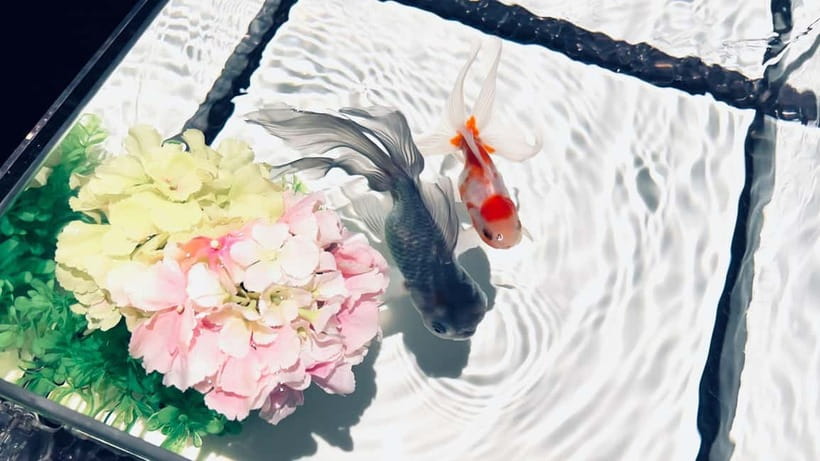
Young children may enjoy the color, movement, and unusual tanks, but this is not a hands-on attraction. There are no details provided about interactive activities, and the visit depends on quietly looking at the fish and the surrounding art.
The free entry policy allows up to two children under elementary school age with one adult. That makes it easier to add the museum to a family day in Ginza, especially if the children are comfortable in a dark, atmospheric setting.
Older children may get more from the Edo-period connection and the English information about the goldfish. Teenagers and adults who like photography may find the displays especially appealing.
I would not plan the whole family day around this one hour. Pair it with other Ginza activities so the visit feels like one colorful stop rather than the entire outing.
The animal welfare question
The fish are presented as art, but they remain living animals. Most of the feedback praises the beauty of the displays, yet one visitor felt that some of the fish looked maltreated. That concern deserves attention.
The museum’s appeal depends on the goldfish looking healthy and active within carefully designed tanks. If animal care is an important part of your decision, you may want to consider that the artistic presentation is not the same as a traditional aquarium visit with a strong educational focus on habitats and conservation.
I cannot provide further husbandry details from the available information, so I would not dismiss the concern or make a stronger claim than the evidence supports. Go knowing that the fish are central to an art installation, and decide if that format fits your own comfort level.
Who will enjoy this Ginza stop most?
I would recommend the museum to you if you like:
- Japanese visual culture with a modern twist
- Photography in unusual indoor settings
- Short attractions that fit between larger Tokyo plans
- Calm music, controlled lighting, and scent-based presentation
- Design shops and souvenirs
- Returning to Tokyo and seeing a changing presentation
You may want to skip it if you want a large aquarium, extensive scientific information, or a half-day attraction. The compact size is a benefit when your schedule is tight, but it limits the value if you expect a major museum experience.
It is also a good rainy-day option because the museum is indoors and connected to a department store. The location gives you an easy place to continue shopping or find food afterward, even if the wider neighborhood is not your main reason for visiting.
Practical timing and planning advice
Check the current opening days and business hours before setting out. They can vary, and the ticket is non-refundable, so choosing your time with care matters.
If photographs are your priority, aim for a weekday morning. A 10:30 arrival was reported as relatively quiet, though crowd levels can change. You should still be considerate of people waiting for a clear view, since several visitors may want the same photograph.
Plan 45 minutes to an hour for the museum, then add time for the gift shop if souvenirs interest you. You can finish faster, but rushing makes the ticket feel less worthwhile.
Use the Ginza Station Exit A7 route if you want the simplest train approach. Higashi-Ginza and Ginza 1-chome are also practical alternatives, especially if your sightseeing route already brings you through those stations.
Should you book the Art Aquarium Museum GINZA?
Book it if you want a beautiful, compact art experience and appreciate the chance to photograph goldfish in carefully staged surroundings. The music, scent, changing colors, and Edo-inspired idea give it a character you will not find in a standard aquarium.
At $17, the value depends on your expectations. I think it works well as a one-hour addition to a Ginza day, especially for couples, solo photographers, design fans, and repeat visitors who may see updated artwork. I would be less eager to recommend it as a stand-alone destination or to anyone seeking a long, educational aquarium visit.
Check the schedule, choose a quieter time if possible, and consider the animal welfare question before buying. For the right audience, this is a memorable little pause in central Tokyo, with enough visual charm to justify the stop.
FAQ
Where is the Art Aquarium Museum GINZA?
It is inside Ginza Mitsukoshi at 4-6-16 Ginza, Chuo-ku, Tokyo. Admission reception and same-day tickets are on the 9th floor of the new building.
How do I reach the museum by train?
From Ginza Station, use Exit A7 on the Tokyo Metro Ginza, Marunouchi, or Hibiya lines. It is about a five-minute walk from Ginza 1-chome Station Exit 9 and about two minutes through the underground passage from Higashi-Ginza Station toward Ginza Station.
How long does the visit take?
The estimated viewing time is one hour. Depending on your pace and how long you spend taking photographs, you might finish in about 30 minutes or stay for 45 minutes to an hour.
How much does admission cost?
The listed price is $17 per person. The ticket is valid for one day.
Can children enter free?
Up to two children under elementary school age may enter free of charge with one adult.
Can I take photographs inside?
Yes. Photography is permitted, but tripods, monopods, similar equipment, strobes, and lighting equipment are not allowed.
Does the museum open every day?
Closing days and business hours may vary, so check availability and the current schedule before you go.
More Aquariums
- Tokyo: Sumida Aquarium Entry Ticket
★ 4.6 · 70 reviews - Tokyo: Sunshine Aquarium Entry Ticket
★ 4.6 · 55 reviews - Naha: North Okinawa Sightseeing Tour & Churaumi Aquarium
★ 4.4 · 472 reviews - Okinawa: Churaumi Aquarium, Ryukyu Village & Manza Bus Tour
★ 4.5 · 118 reviews
Just added around Tokyo
- Tokyo 6hr Instagram Highlights Private Tour with Licensed Guide★ 5.0 · 38 reviews
- Tokyo Small Group Tour with Guide★ 4.5 · 38 reviews
- Tokyo Sumo Experience with Live Show & Audience Challenge★ 5.0 · 38 reviews
- Japanese Food Cooking Class in Asakusa, Tokyo★ 5.0 · 39 reviews
- Very popular in Harajuku♡Animal petting zoo★ 4.6 · 39 reviews
- Ramen Making from Scratch with Tokyo Mom(Vegan Option Available)★ 5.0 · 39 reviews
- Tokyo JDM Night: 600hp C63s AMG Edition 1 (Private)★ 4.9 · 39 reviews
- Tokyo: Kimono Rental inside Shinjuku Gyoen National Garden★ 4.9 · 39 reviews
Museums, compared.
teamLab Planets TOKYO Digital Art Museum Entry Ticket
Read our review →
Samurai Ninja Museum Guided tour and Experience
Read our review →
Tea Museum Tickets and Matcha Grinding Experience
Read our review →
Skip the lines Basic Ticket at SAMURAI NINJA MUSEUM KYOTO
Read our review →
Ninja Experience (Family Friendly) at Samurai Ninja Museum TOKYO
Read our review →
Tokyo Studio Ghibli Museum and Ghibli Film Appreciation Tour
Read our review →
Geiko Maiko Dance of Kyoto & Visits of Gion Museum
Read our review →Browse the lists this tour appears in