
Reviewed · TEMPLE & SHRINE TOURS
Tokyo: Asakusa and Tokyo’s Oldest Temple Senso-ji Tour
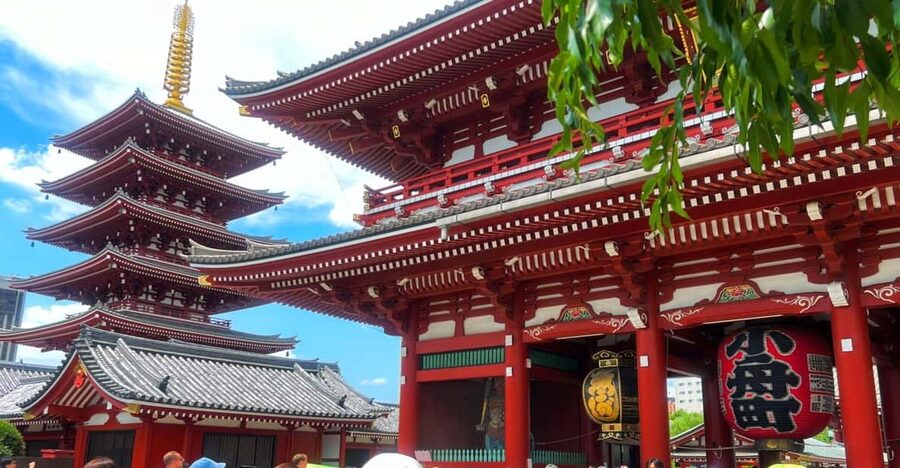
Tokyo’s old soul is hiding in plain sight. This two-hour walk through Asakusa brings you to Senso-ji, Kaminarimon Gate, Nakamise Street, and Asakusa Shrine, while an English-speaking guide explains the customs, legends, food, and local history around you. I like the low $14 price and the limited group size of 10, which makes this a practical first look at traditional Tokyo.
I also like that the walk goes beyond the main temple entrance. Guides such as Shino, Aska, Embla, Nicolas, and Joe have helped visitors understand how to approach a Buddhist temple, how shrines differ from temples, and where to find local sweets and souvenirs. The main consideration is the crowd: Asakusa can be packed, and even a careful guide may need to keep a firm pace to keep everyone together.
The tour begins and ends near Starbucks by Asakusa Station. You should download WhatsApp before meeting, since the guide uses it to help the group connect smoothly. With free cancellation up to 24 hours ahead and the option to reserve now and pay later, this is an easy activity to fit into a Tokyo schedule.
In This Review
- Key Points To Know Before You Book
- Why Asakusa Makes a Good First Tokyo Walk
- Meeting Near Asakusa Station
- Kaminarimon Gate: A Dramatic Start
- Nakamise Street and the Art of the Approach
- Senso-ji, Tokyo’s Oldest Temple
- Asakusa Shrine and the Buddhist-Shinto Difference
- The Guide Makes Or Breaks the Two Hours
- What $14 Really Gets You
- Who Should Take This Asakusa Tour?
- Practical Tips for a Better Visit
- Should You Book It?
- FAQ
- How long does the Asakusa and Senso-ji tour last?
- What language is the tour conducted in?
- Where does the tour meet?
- Does the tour return to the starting point?
- What places are included in the route?
- Is Senso-ji Temple included?
- How many people can join the group?
- Does the tour include a guide?
- Can I cancel for a full refund?
Key Points To Know Before You Book
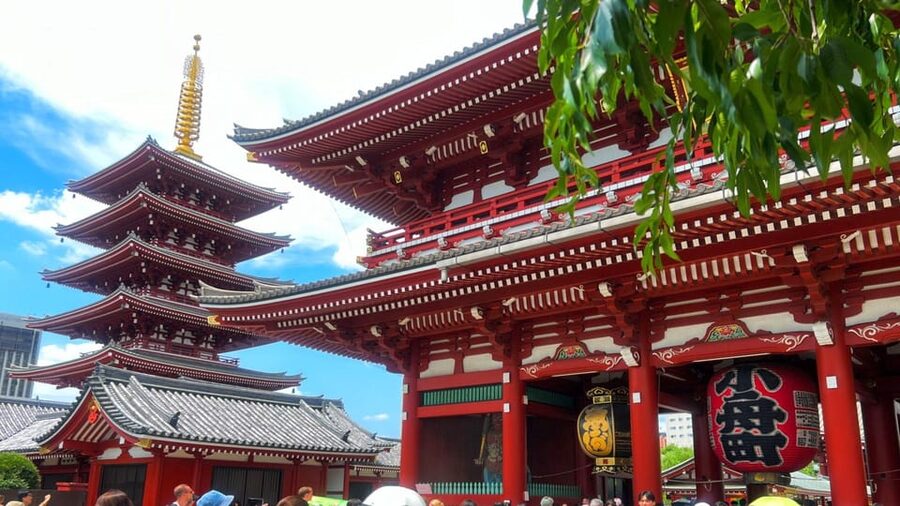
- Senso-ji is the centerpiece: Expect around 30 minutes around Tokyo’s oldest temple, with time for photos, walking, and explanations of Buddhist customs.
- Kaminarimon sets the scene: The famous red gate and giant lantern make an excellent first stop and a useful introduction to Asakusa.
- Nakamise is more than a souvenir street: You can learn about traditional snacks, small gifts, and the shops lining the approach to the temple.
- Asakusa Shrine adds useful contrast: The guide explains shrine practices and helps you see the difference between Buddhist and Shinto sites.
- Groups are limited to 10: That is small enough for questions and easier crowd control, though the route still passes through busy public spaces.
- The price is unusually modest: At $14 for two hours with a live English guide, this is one of the better-value introductions to old Tokyo.
Why Asakusa Makes a Good First Tokyo Walk
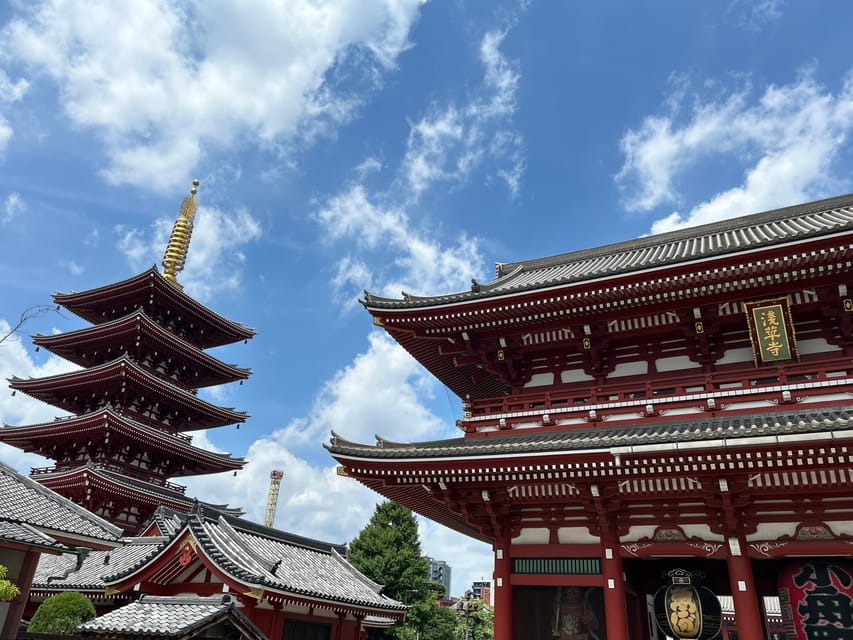
Tokyo can feel enormous and modern, with trains, tall buildings, neon signs, and endless shopping streets. Asakusa gives you a different starting point. Here, the focus is on temple gates, narrow lanes, traditional shops, religious customs, and the older entertainment districts that shaped the city.
I like this area for an early Tokyo orientation because the sights are close together. You do not spend half the tour riding trains between attractions. Instead, you walk from one important place to the next, building a clear picture of how Asakusa works.
The guide adds value by connecting the visible details to the past. You may hear about the Edo period, samurai-era Tokyo, geisha districts, small neighborhood shrines, and Asakusa’s recovery after the war. The tour also looks at how the area changed over time, rather than treating it as a frozen historical display.
This is not a museum lecture. The best parts are practical and local: how to pray, what a shrine is for, why certain objects appear at temple entrances, and which foods or souvenirs have a real connection to the neighborhood.
More Temple & Shrine Tours in Tokyo
- Tokyo: Meiji Shrine, Asakusa, Skytree Bus Tour and Cruise
★ 4.7 · 1,986 reviews - Tokyo: Asakusa Walking Tour with Sensoji Temple Visit
★ 4.8 · 1,583 reviews - Nikko: Kegon Falls, Lake Chuzenji & Toshogu Temple
★ 4.6 · 1,577 reviews
Meeting Near Asakusa Station
The meeting point is in front of the Starbucks closest to Asakusa Station, at coordinates 35.7119461, 139.7979446. That detail matters because Asakusa has several station exits and the surrounding streets can be confusing on a first visit.
Download WhatsApp before you arrive. The instructions specifically ask you to use it so the guide and group can find one another more easily. I would allow extra time to locate the correct Starbucks rather than arriving at the last minute.
The walk lasts two hours and returns to the same general meeting point. That makes it easy to continue sightseeing afterward. You can stay in Asakusa for more food and shopping, or use the station for your next Tokyo stop.
The group limit is 10 people. That is a sensible size for a walking tour in a crowded district. Guides can answer questions without shouting to a huge crowd, and it is easier to pause without losing half the group.
Kaminarimon Gate: A Dramatic Start
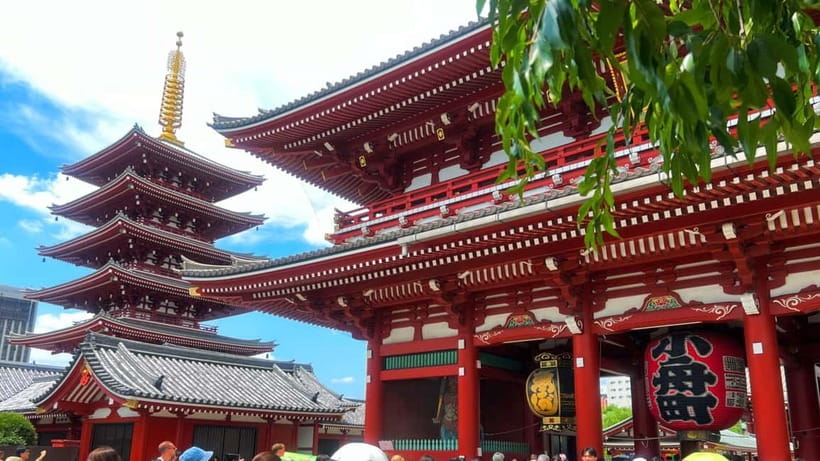
Kaminarimon, or the Thunder Gate, is one of Asakusa’s most recognizable sights. Its towering red lantern creates the classic first photograph, but the gate is more useful than a photo stop alone.
The guide introduces the religious setting and the role of the gate as the entrance to the approach toward Senso-ji. This gives you context before you reach the temple itself. Instead of seeing one famous object after another, you begin to understand the sequence of the visit.
Allow for crowds here. Kaminarimon is a natural gathering point, so your guide may need to find a clear place to speak and repeatedly check that everyone is present. One guide, Connie, was especially praised for making sure no one was left behind in a packed route.
The stop is listed as about 30 minutes, including a visit, guided explanation, and photo time. For most people, that should be enough to hear the main stories without lingering too long at the first gate.
Nakamise Street and the Art of the Approach
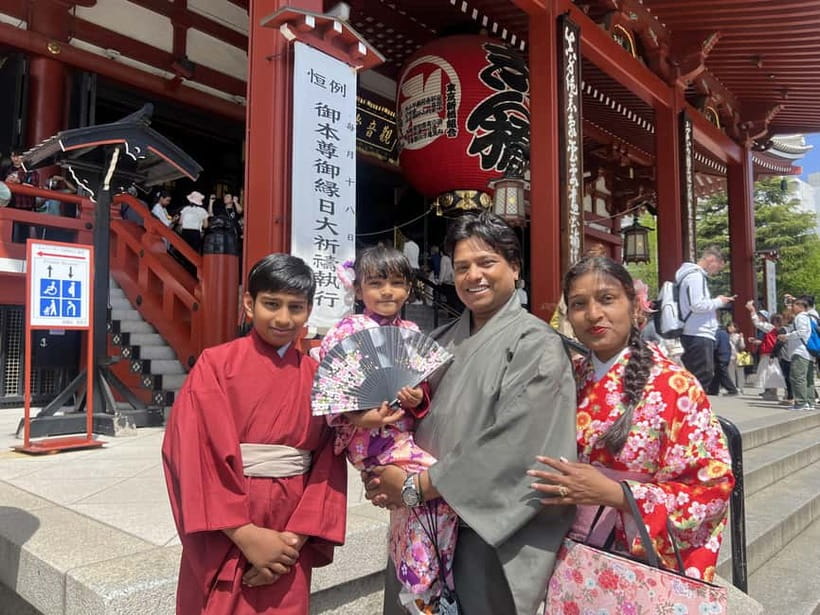
From Kaminarimon, the route continues along Nakamise Shopping Street. This is the traditional commercial approach to Senso-ji, lined with shops selling snacks, small gifts, and souvenirs.
I like this part because it turns shopping into a cultural lesson. Guides point out local foods and specialties rather than simply marching past the stalls. Past visitors specifically appreciated learning about red bean sweets such as ningyo-yaki, and several guides offered advice on meaningful souvenirs and places to eat.
You should keep your expectations realistic. Nakamise is a busy shopping street, not a quiet old lane. It can feel crowded, and you may have limited time to browse because the group has to stay on schedule. Treat it as an introduction. If a snack or shop catches your eye, note its location and return after the tour.
The guide’s local recommendations are one of the strongest reasons to take this walk early in your visit. Shino, who was born and raised in Tokyo, has shared suggestions for popular food stops and souvenirs with authentic meaning. Yota also directed people to a pottery shop after the tour. Those personal suggestions can save you from buying the first mass-produced item you see.
A completely different kind of day out in Tokyo:
- Mt Fuji and Hakone 1-Day Bus Tour Return by Bullet Train
★ 5.0 · 26,383 reviews - 1-Day Tokyo Bus Tour
★ 5.0 · 14,250 reviews - Tokyo: TOKYO SKYTREE® Admission ticket
★ 4.5 · 11,192 reviews - Tokyo: teamLab Planets TOKYO Digital Art Museum Entry Ticket
★ 4.6 · 9,779 reviews
Senso-ji, Tokyo’s Oldest Temple
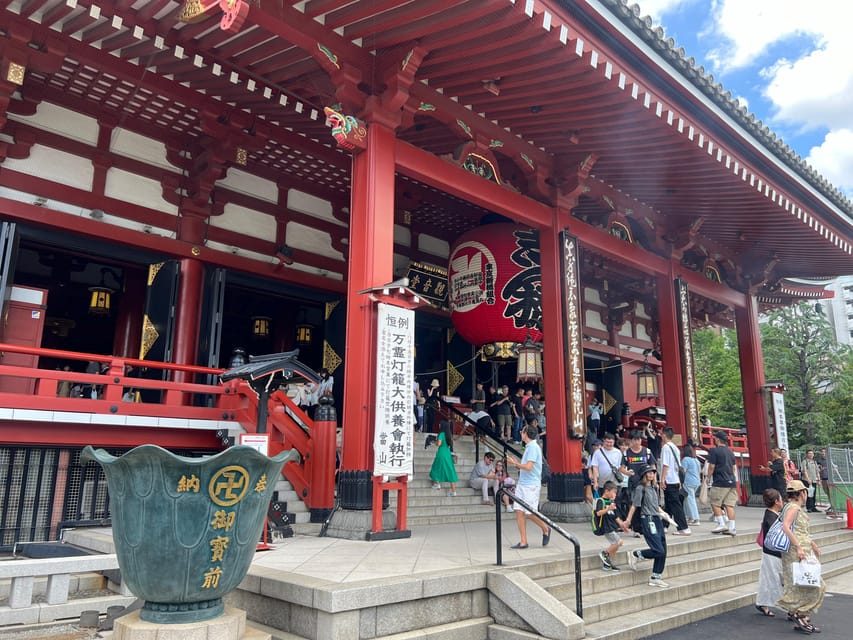
Senso-ji is the heart of the experience. Founded in the seventh century, it is one of Tokyo’s oldest and best-known Buddhist temples. The tour gives you about 30 minutes for a guided visit, walking, and photographs.
The value here is not simply seeing the large temple buildings. A good guide helps you understand what you are looking at and how to behave respectfully. Nicolas was praised for explaining Buddhism and the temple’s religious meaning, while Shino and Aska gave clear instructions on how to approach and pray at the site.
You might also have a chance to get an omikuji fortune. This is one of the small activities that makes the stop feel active rather than purely observational. The important point is that the guide can explain the custom so you are not left guessing what to do.
Senso-ji is a working religious site as well as a major attraction. That distinction matters. You will share the space with people taking photographs, worshippers, school groups, shoppers, and other tour groups. A guide helps you read the setting with more respect and less confusion.
The temple stop can feel short if you want detailed photographs or quiet time. I would treat the tour as your orientation, then return later if you want to explore at a slower pace. The same advice applies to anyone who enjoys architecture or religious art and wants time to look closely.
Asakusa Shrine and the Buddhist-Shinto Difference
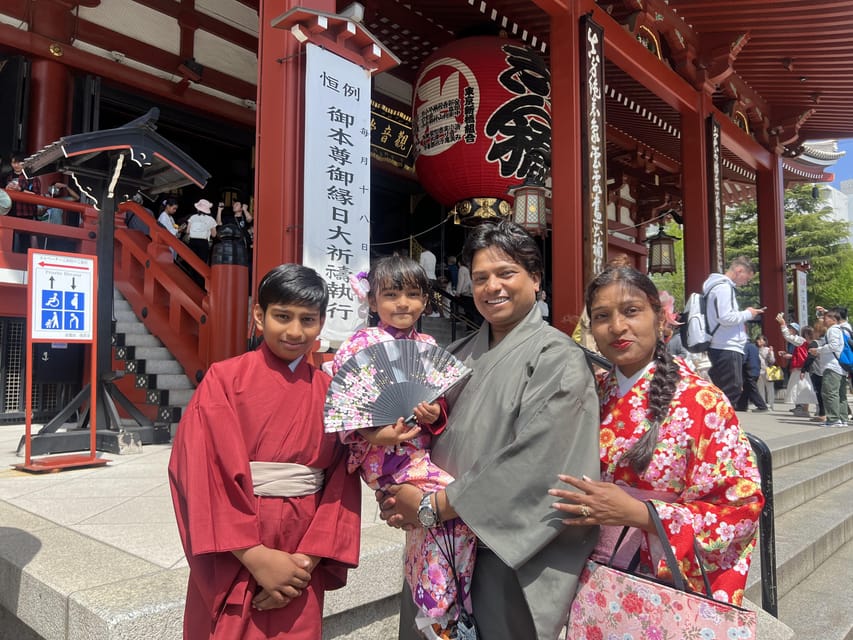
The route then reaches Asakusa Shrine, with another 30 minutes for a guided visit and photographs. This is an important addition because it gives the tour a second religious setting rather than making Senso-ji the only focus.
The guide explains local traditions and shrine manners, including how to pray. Several people found this especially useful, since Japanese religious customs can seem unfamiliar when you first arrive. Learning the basic steps helps you take part politely instead of copying the nearest person and hoping for the best.
The pairing of Senso-ji and Asakusa Shrine also helps you compare Buddhism and Shinto. You do not need a background in Japanese religion to benefit from this. The guide handles the basic distinctions and explains how both traditions appear in everyday life.
Again, the setting is public and often crowded. The route does not promise a private, silent temple visit. What you gain is explanation and orientation, which is more useful for many first-time visitors than simply walking around alone with a phone guide.
The Guide Makes Or Breaks the Two Hours
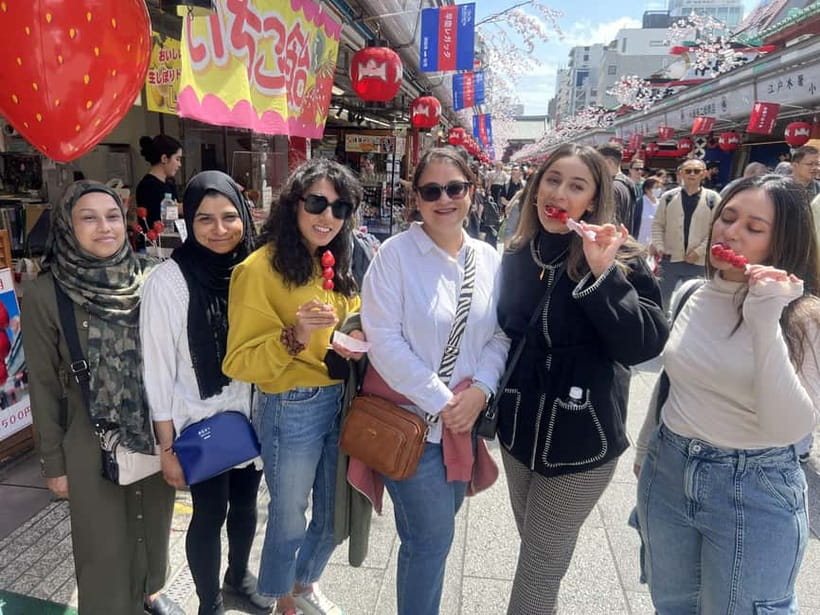
The strongest praise for this tour centers on the guides. Shino is repeatedly described as friendly, clear, energetic, and deeply familiar with local customs. Aska has been praised for showing lesser-known places and taking care of the group during hot weather.
Embla has been appreciated for sending clear information before the meeting and keeping a small group organized. Nicolas is known for patient explanations and for helping someone catch up after a delay through WhatsApp. Joe brings a more relaxed style, with humor and an easy way of explaining Tokyo’s past and present.
The guide names vary, so you should not book expecting one particular person unless the reservation specifically confirms it. The consistent benefit is the live English commentary. Many people found the English easy to follow, and guides made time for questions.
There is one practical weakness with any group walk in Asakusa: different walking speeds. One person noted that slow participants and side conversations made the route harder to manage, though the guide stayed calm and eventually became more assertive. If you dislike waiting or prefer total freedom, a self-guided visit may suit you better.
What $14 Really Gets You
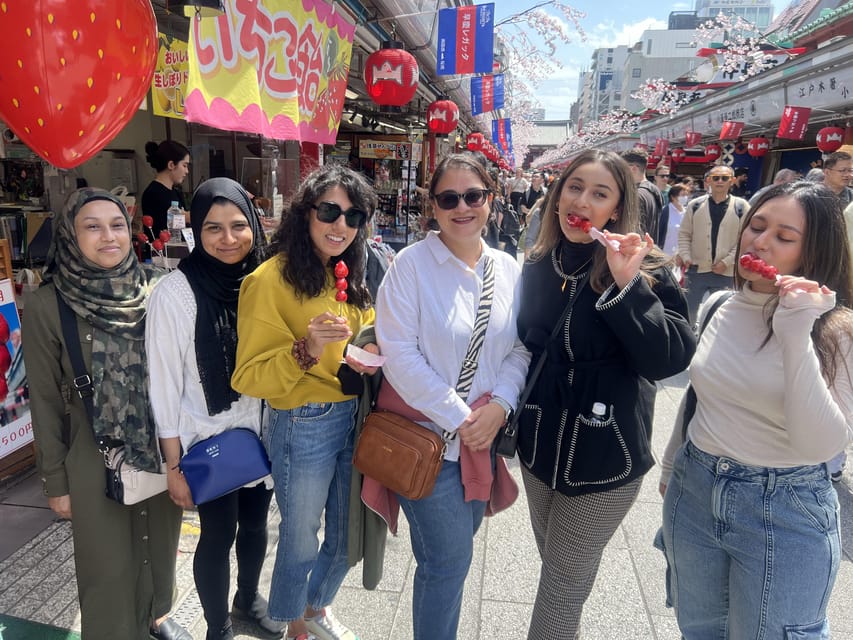
At $14 per person, this tour offers strong value. You receive a two-hour walking route, a live English guide, and access to the main Asakusa sights named in the tour details: Kaminarimon, Nakamise Street, Senso-ji, and Asakusa Shrine.
The biggest value is the explanation. You can walk through this district for free, but you may miss the meaning behind the gates, prayer rituals, foods, and neighborhood traditions. A low-cost guided introduction is worthwhile if this is your first time in Japan or if you want more than photographs.
The price does not buy a private tour or a long temple visit. You also should not expect food, shopping credit, or extended free time. Snacks and souvenirs are separate purchases, and the two-hour schedule keeps moving.
For solo visitors, the small group can be a good middle ground. One solo participant described a group of only two people, while another joined a group of seven. The actual size can vary, but the limit of 10 keeps the experience more personal than a large bus tour.
Who Should Take This Asakusa Tour?
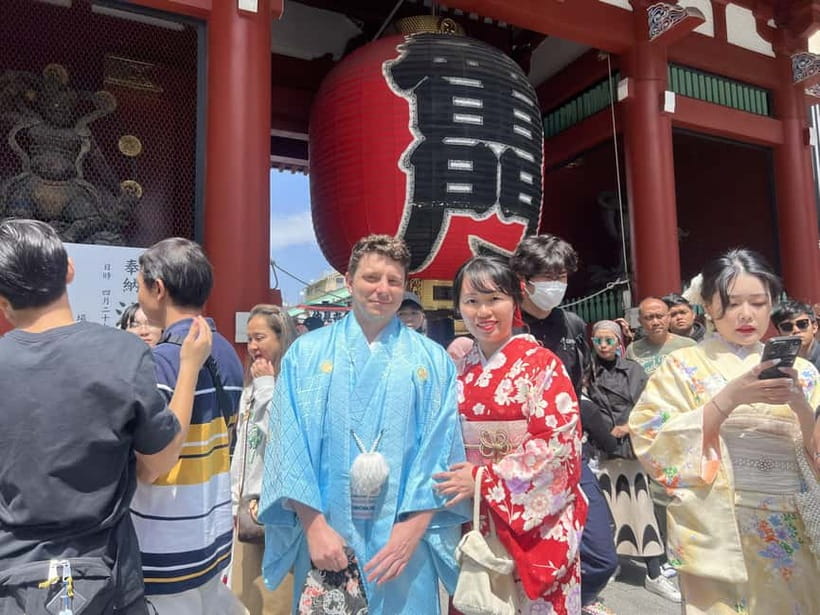
I would recommend this walk to first-time visitors who want an easy introduction to traditional Tokyo. It suits people who enjoy history, religious sites, local food suggestions, and short guided walks.
It is also useful for solo visitors who want company without committing to a full-day group program. Families may appreciate the simple route and practical explanations, though children who dislike crowds or walking may find the temple approach tiring.
Repeat visitors can still benefit. One person who had already visited Asakusa learned new details from Shino, especially about customs and local history. The local stories are the reason to return with a guide.
You may want a different option if you want long stretches of quiet, extensive architectural study, or a food tour with substantial tastings. This experience introduces the district. It does not attempt to cover every street, shop, or religious building in Asakusa.
Practical Tips for a Better Visit
Wear comfortable shoes. The route is only two hours, but it involves continuous walking and standing in crowded public areas.
Keep your phone ready for WhatsApp messages and meeting instructions. The station area can be confusing, so arrive with the meeting point coordinates saved.
Ask questions. The guides have offered useful advice about foods, pottery, souvenirs, and other Tokyo stops. The more specific your questions, the more likely you are to get recommendations that fit your interests.
Plan extra time after the tour. The schedule gives you an introduction to Nakamise and the temple area, but you may want to return for shopping, snacks, photographs, or a slower look at Senso-ji.
On hot days, pay attention to your comfort. Aska was praised for looking after the group in high heat, but you should still bring water and dress sensibly. The tour is outdoors and does not promise shade or indoor breaks.
Should You Book It?
I would book this tour if you want a short, inexpensive way to understand Asakusa instead of simply passing through it. The combination of Senso-ji, Asakusa Shrine, Nakamise Street, and local explanations gives you a useful foundation for exploring the district on your own.
The $14 cost is easy to justify, especially for solo visitors and first-time visitors who want clear cultural guidance. Skip it if you prefer to set your own pace, avoid crowds, or spend a long time taking photographs at one temple.
For most people, this is a smart first morning or afternoon in Asakusa. Take the walk, collect a few food and souvenir tips, then stay in the neighborhood afterward and explore with better bearings.
FAQ
How long does the Asakusa and Senso-ji tour last?
The tour lasts two hours.
What language is the tour conducted in?
The live tour guide speaks English.
Where does the tour meet?
The meeting point is in front of the Starbucks closest to Asakusa Station. The coordinates provided are 35.7119461, 139.7979446.
Does the tour return to the starting point?
Yes. The walk returns to the Starbucks near Asakusa Station.
What places are included in the route?
The route includes Kaminarimon, Nakamise Shopping Street, Senso-ji Temple, and Asakusa Shrine.
Is Senso-ji Temple included?
Yes. Admission to Senso-ji Temple is included in the activity details.
How many people can join the group?
The group is limited to 10 participants.
Does the tour include a guide?
Yes. A live English-speaking guide leads the walking tour.
Can I cancel for a full refund?
Yes. You can cancel up to 24 hours in advance for a full refund.
Just added around Tokyo
- Tokyo 6hr Instagram Highlights Private Tour with Licensed Guide★ 5.0 · 38 reviews
- Tokyo Small Group Tour with Guide★ 4.5 · 38 reviews
- Tokyo Sumo Experience with Live Show & Audience Challenge★ 5.0 · 38 reviews
- Japanese Food Cooking Class in Asakusa, Tokyo★ 5.0 · 39 reviews
- Very popular in Harajuku♡Animal petting zoo★ 4.6 · 39 reviews
- Ramen Making from Scratch with Tokyo Mom(Vegan Option Available)★ 5.0 · 39 reviews
- Tokyo JDM Night: 600hp C63s AMG Edition 1 (Private)★ 4.9 · 39 reviews
- Tokyo: Kimono Rental inside Shinjuku Gyoen National Garden★ 4.9 · 39 reviews
Temple & Shrine Tours, compared.
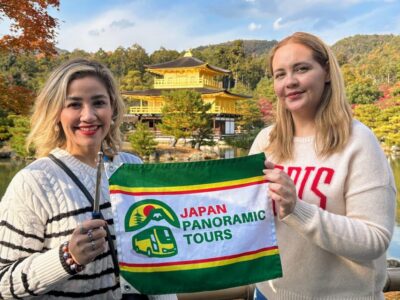
Fushimi Inari, Kinkakuji, Bamboo Grove 1 Day Bus Tour
Read our review →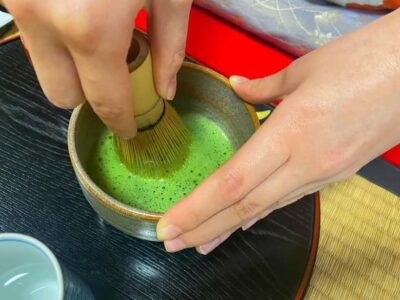
Tea Ceremony in a Traditional Tea House in Kiyomizu
Read our review →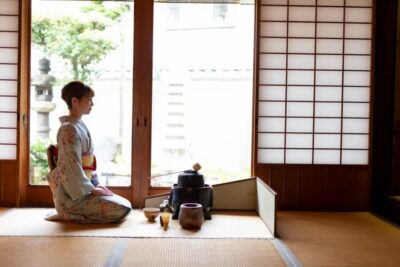
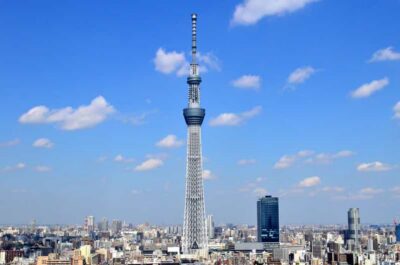
Meiji Shrine, Asakusa, Skytree Bus Tour and Cruise
Read our review →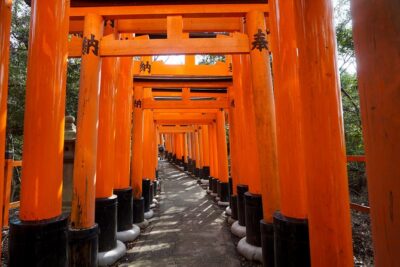
Fushimi Inari Hidden Hiking Tour (Private Option Available)
Read our review →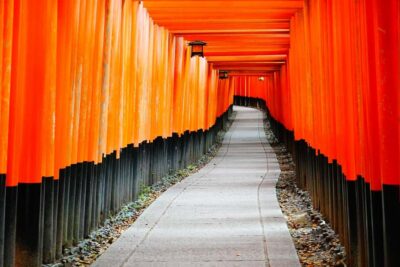
Osaka/Kyoto:Kinkakuji,Arashiyama,FushimiInariShrine,NaraPark
Read our review →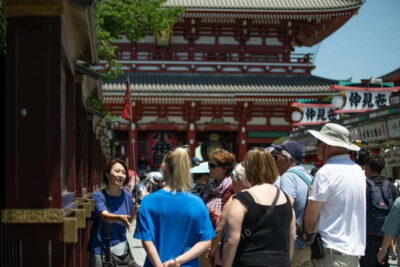
Asakusa Walking Tour with Sensoji Temple Visit
Read our review →
Nikko: Kegon Falls, Lake Chuzenji & Toshogu Temple
Read our review →Browse the lists this tour appears in