
Reviewed · FOOD & DRINK
Tokyo: Best of Shibuya Food Tour
Shibuya tastes better away from the crossing. I like the five food stops and the way this tour leads you into small restaurants you would probably miss alone. I also like the local stories, two included drinks, and final dessert in a Shibuya Depachika. The main drawback is that three hours of walking, standing, and eating may feel long for young children or anyone who prefers leisurely table service.
At $170 per person, this is not a cheap meal. But it can be fair value if you want an English-speaking guide to handle the confusing parts of Shibuya, choose the food, explain local customs, and help you find places you would not easily discover by yourself. The small group is limited to 10, though the exact food selection and guide can vary.
In This Review
- Key Things to Know Before You Book
- Why This Shibuya Food Tour Is More Than a Meal
- Meeting Hachiko Without Getting Lost
- Stop One: A First Taste of Shibuya Food Culture
- Stop Two: Izakaya Flavors and Local Conversation
- Stop Three: Okonomiyaki With a Regional Connection
- Stop Four: Ramen, Takoyaki, or Another Casual Favorite
- Stop Five: Dessert in a Shibuya Depachika
- The Guides Make or Break the Evening
- What the $170 Price Really Buys
- Who Will Enjoy This Most
- Final Verdict: Book It for Variety and Local Guidance
- FAQ
- How long does the Shibuya food tour last?
- How many food stops are included?
- What kinds of food might I try?
- Where does the tour meet?
- How large is the group?
- Is hotel pickup included?
- What should I bring?
Key Things to Know Before You Book
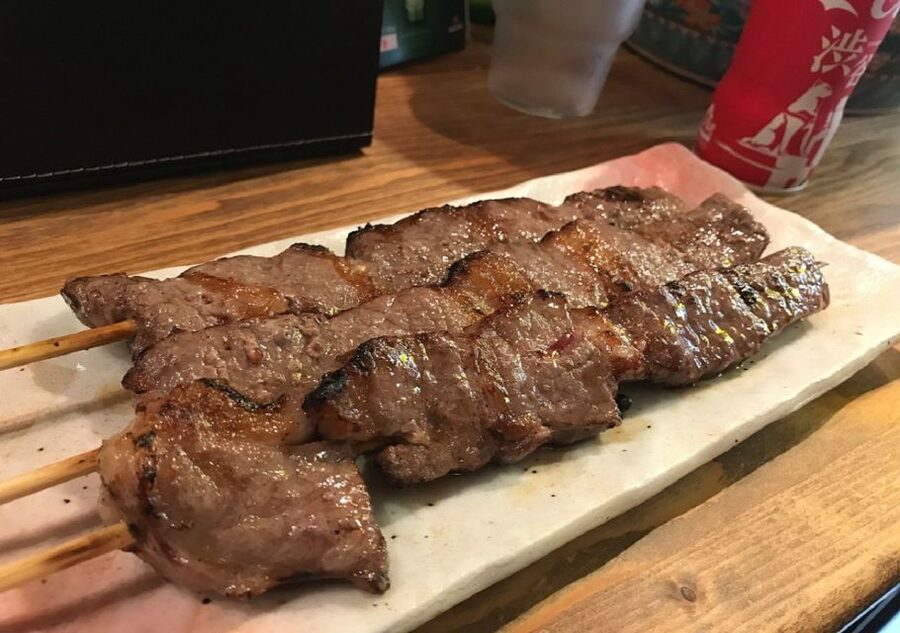
- Five stops cover a broad range of Japanese food, with past tours including sushi, izakaya dishes, okonomiyaki, ramen, takoyaki, Kobe beef, and traditional sweets.
- The meeting point is the Hachiko wall mural, not the crowded Hachiko statue. It is directly outside Shibuya Station at the Hachiko Exit.
- The final stop is a Shibuya Depachika, a department-store food hall where dessert becomes part of the neighborhood tour.
- Two drinks are included, while extra food and drinks cost more.
- The guide shapes the experience, with guides such as Alex, Jane, Maya, Saika, and Kumie praised for their warmth, stories, photos, and help with food restrictions.
- Arrive early, because the guide waits only five extra minutes and cannot give directions or call once the group has left.
Why This Shibuya Food Tour Is More Than a Meal
Shibuya is easy to reduce to one famous scene: the Scramble Crossing, giant screens, and crowds pouring out of the station. This tour gives you a different view. You still begin in one of Tokyo’s most recognizable districts, but the focus quickly shifts to backstreets, compact restaurants, lively counters, and food traditions that are easy to overlook.
I like this approach because eating becomes a way to understand the city. You may hear why a dish matters, how people order it, or how Japanese food customs differ from those at home. The guides also answer practical questions about Tokyo and often share recommendations for later meals in the city or other parts of Japan.
The experience is conducted in English and lasts three hours. It is designed for a small group of no more than 10 people, which matters when you are entering small restaurants. A group this size is still social, but it should be easier to hear the guide and get attention than on a large bus-style outing.
The tour has earned a 4.7 rating from 119 reviews, with especially strong praise for the food variety, guide personalities, and little restaurants selected along the way. The clearest pattern is simple: people enjoy being taken somewhere they would not have found on their own.
More Food Tours in Tokyo
- Tokyo: Shinjuku Food Tour (13 Dishes at 4 Local Eateries)
★ 5.0 · 6,603 reviews - Tokyo Tsukiji Fish Market Food and Culture Walking Tour
★ 5.0 · 3,184 reviews - Tokyo: Shinjuku Food Tour (15 Dishes and 4 Eateries)
★ 4.9 · 2,033 reviews
Meeting Hachiko Without Getting Lost
The meeting point can cause confusion, so take it seriously. Meet in front of the colorful wall mural of Hachiko outside Shibuya Station at the Hachiko Exit. Do not wait at the famous Hachiko statue.
When you come out of the station, you should see the mural right away. Face the large intersection with the mural behind you. This is a useful landmark, but Shibuya Station can still be disorienting, especially if you arrive during a busy period. I would allow extra time to find the correct exit rather than relying on a last-minute phone call.
The guide waits only five additional minutes after the scheduled start. Once the group leaves, the guide cannot provide directions or call you, partly because the tour needs to stay on schedule and partly because the restaurants are expecting the group. Arriving 10 or 15 minutes early is the safest plan.
Comfortable shoes are important. You are walking through the neighborhood, and some stops may involve standing rather than sitting. Bring your passport, and note that a copy of passport information is required for every participant aged 10 and over.
Stop One: A First Taste of Shibuya Food Culture
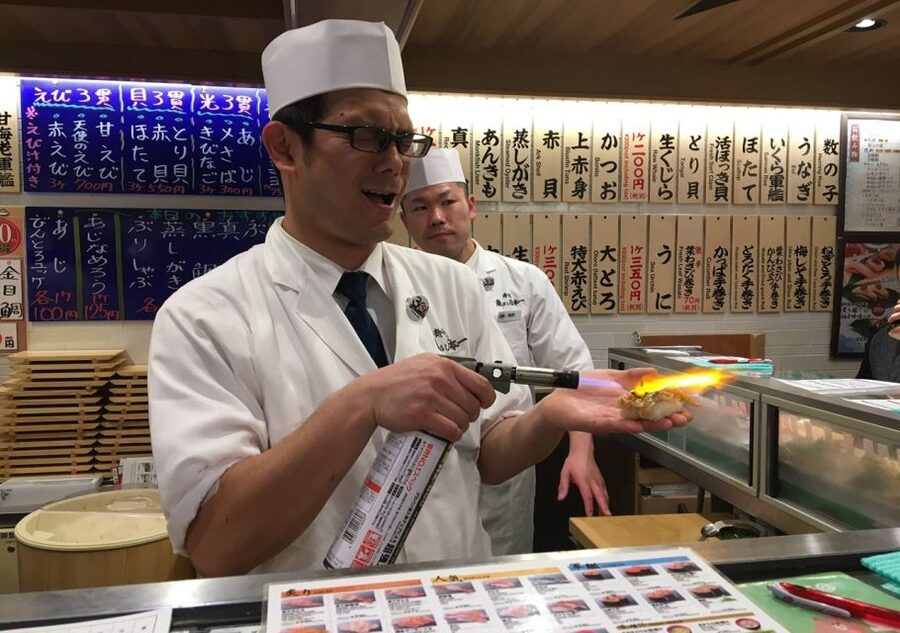
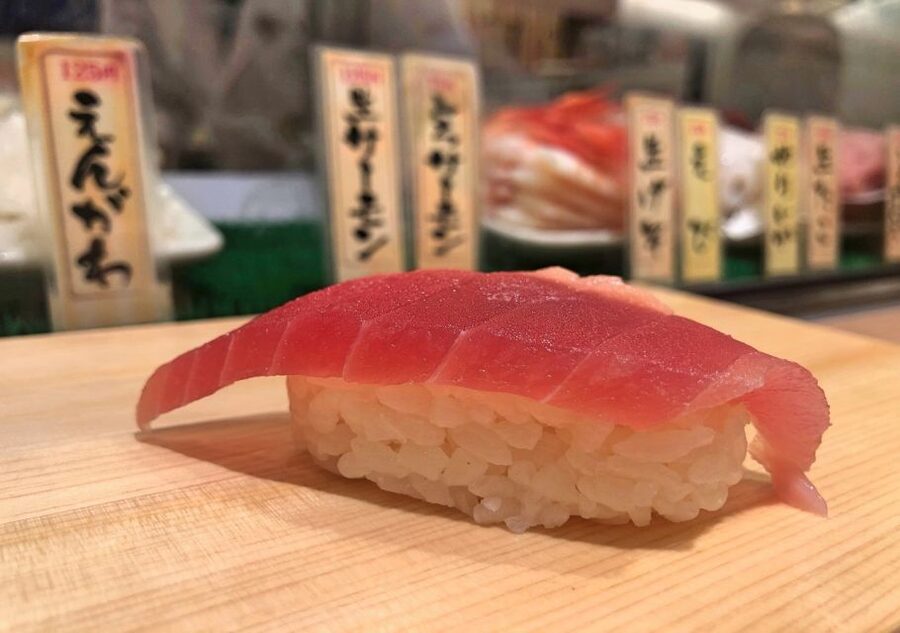
The opening stop is meant to get you eating quickly and introduce the range of Japanese food. Past tours have begun with sushi, sometimes at a standing restaurant. One participant described the sushi as the best they had eaten up to that point in their trip, while another suggested changing the sushi stop, so expectations should remain flexible.
That mixed response is useful. Food taste is personal, and the exact restaurant may change. What you can count on is a guided introduction rather than a single long meal. You are not simply handed a plate and left to guess what you are eating. The guide provides context and helps you approach foods that might seem uncertain when you are alone.
A standing restaurant can also be a lesson in everyday Japanese dining. It is efficient, informal, and different from the slow restaurant meal many people expect. If you need a seat for every course, ask yourself if this format sounds comfortable before booking.
Stop Two: Izakaya Flavors and Local Conversation
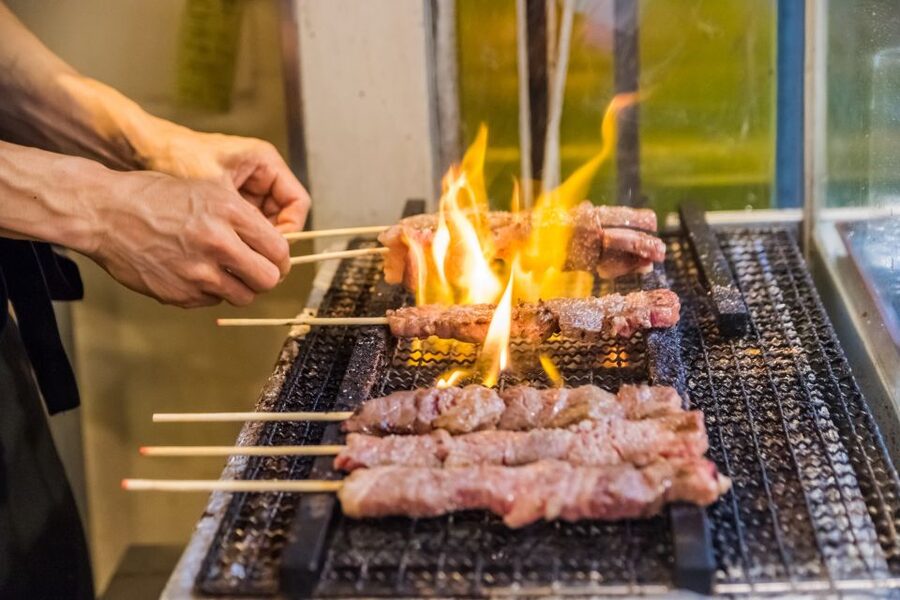
An izakaya stop brings the group into a classic Japanese setting. Izakaya restaurants are places for drinks and small dishes, so this part of the route can show you how food and conversation work together in Japan.
You may try several shared items rather than one large entrée. That is a good fit for a food tour because it keeps the meal varied. It also gives your guide a chance to explain ingredients, ordering habits, and the role of small plates.
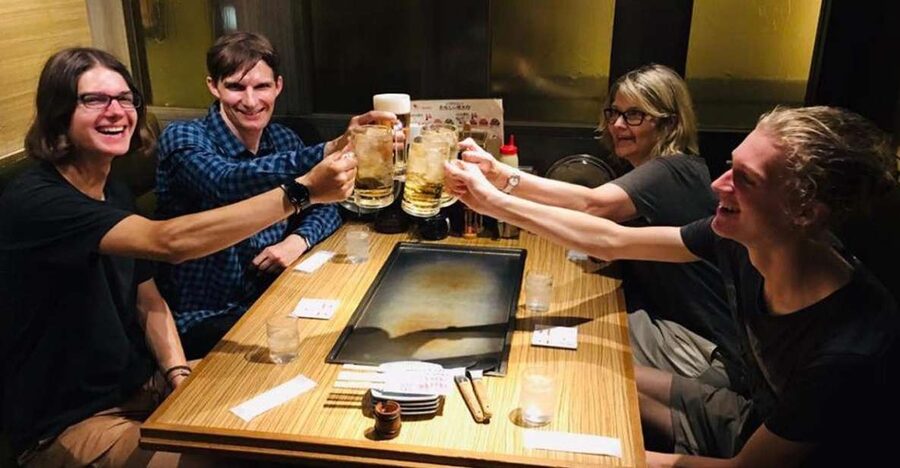
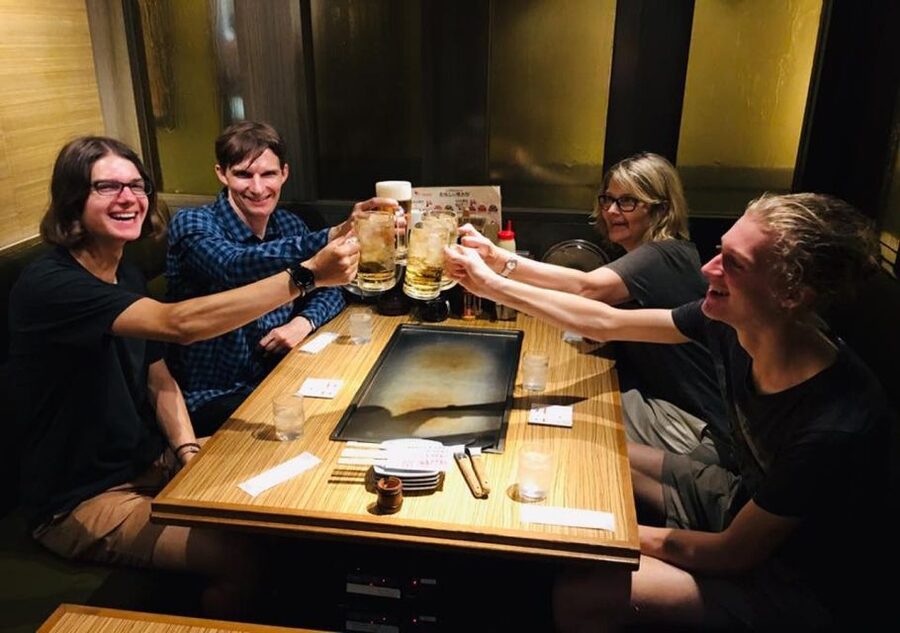
Two drinks are included in the tour price. These may be served at the food stops, but the supplied details do not promise a particular type of drink. Additional drinks are available at your own cost. If you do not drink alcohol, clarify your preference with the guide so the included drinks can suit you.
The strongest guides make this stop feel social instead of instructional. Alex was praised for mixing food advice with new Japanese phrases and for sharing recommendations around Tokyo. Saika was also praised for taking photos, explaining cultural habits, and adding time to the tour when possible. Those personal touches can make a major difference in a small-group experience.
A completely different kind of day out in Tokyo:
- Mt Fuji and Hakone 1-Day Bus Tour Return by Bullet Train
★ 5.0 · 26,383 reviews - 1-Day Tokyo Bus Tour
★ 5.0 · 14,250 reviews - Tokyo: TOKYO SKYTREE® Admission ticket
★ 4.5 · 11,192 reviews - Tokyo: teamLab Planets TOKYO Digital Art Museum Entry Ticket
★ 4.6 · 9,779 reviews
Stop Three: Okonomiyaki With a Regional Connection
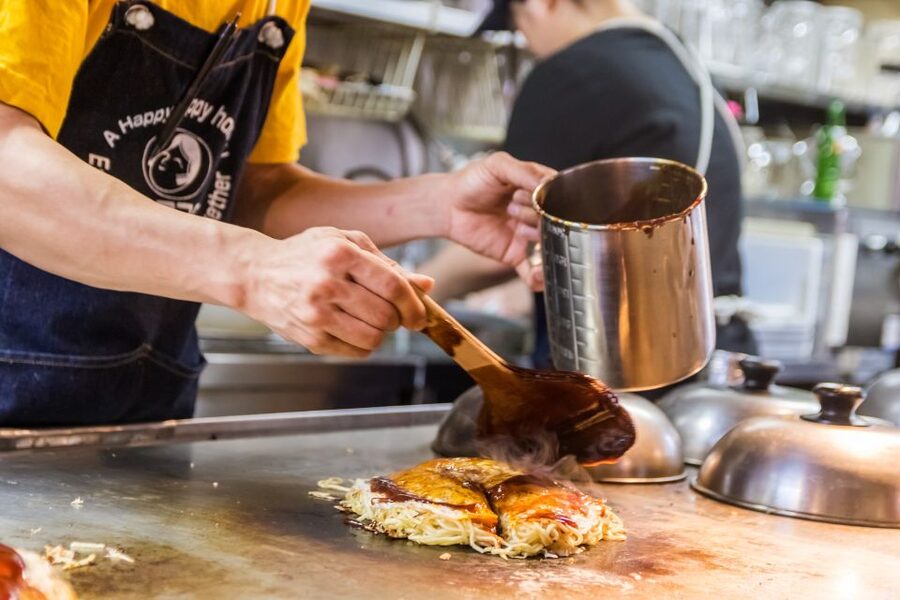
Okonomiyaki is one of the most enjoyable dishes on a food route because it is both filling and tied to regional styles. One stop has featured regional versions of the dish, giving you a chance to compare more than one interpretation of this savory Japanese pancake.
This is the sort of stop that makes the $170 price easier to understand. You are not only buying a portion of food. You are getting someone to place that food in context and guide you toward a restaurant that might be hard to locate or enter with confidence.
The dish can also be substantial. A few people may arrive expecting samples and find that the portions are generous. If you want to taste everything, come hungry and keep breakfast or lunch light. One useful criticism of the tour is that the servings can fill you up too early, especially if you have several more stops ahead.
Families should consider this point. Children who like pancakes or grilled foods may enjoy okonomiyaki, but a three-hour route with plenty of standing can test younger children. Families with children as young as six have had good experiences, especially when the guide adjusts the pace and gives the group time indoors.
Stop Four: Ramen, Takoyaki, or Another Casual Favorite
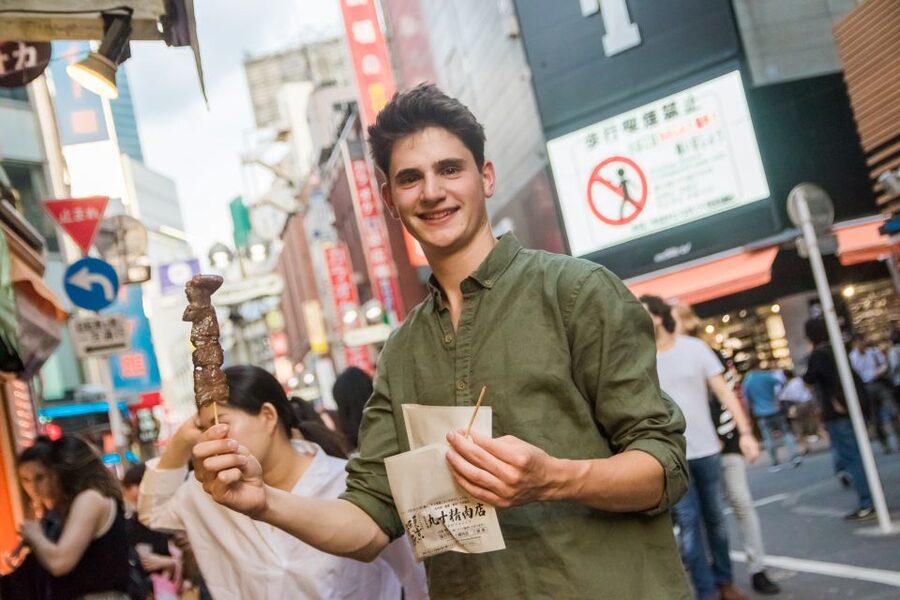
The fourth stop brings the route back to casual comfort food. Past versions have included a ramen restaurant on a ramen street, and some routes have also offered takoyaki. These foods give you a different side of Japanese cooking from sushi or okonomiyaki.
Ramen is not usually a small snack, so portion size matters. You may want to pace yourself at earlier stops. The food is part of the challenge and the fun: five places in three hours means you should sample carefully rather than treat every stop as a full dinner.
This section of the route is also useful for first-time visitors who are unsure about ordering. The guide can help explain what is on the menu and how the restaurant works. Michael described his guide as making the chaotic Shibuya area easy to manage, which captures one of the tour’s practical benefits. Tokyo food streets can be exciting, but they are less intimidating when someone else knows where to go next.
The group size matters here. A maximum of 10 people is small enough to move through narrow streets and compact eateries without the outing feeling like a parade. Still, you should not expect complete privacy or guaranteed counter seats.
Stop Five: Dessert in a Shibuya Depachika
The final stop is dessert in a Shibuya Depachika. These basement food halls, usually attached to department stores, are a fine place to end because they gather polished versions of Japanese sweets and other food specialties under one roof.
The ending changes the mood of the tour. After grilled food, noodles, or savory dishes, a traditional dessert gives your palate a softer finish. Past tours have included handmade local sweets, and one route ended with dessert after sushi, an izakaya, okonomiyaki, and ramen.
I also like this stop as a shopping lesson. Even if you are not buying anything, a Depachika shows how carefully food is presented in Tokyo. Your guide can help you identify items and point out things you might want to return for later.
Do not expect a large dessert banquet. It is the closing taste of a five-stop route, not a separate pastry class. But it gives you a memorable final stop and a practical place to pick up food gifts if you want to continue exploring after the tour.
The Guides Make or Break the Evening
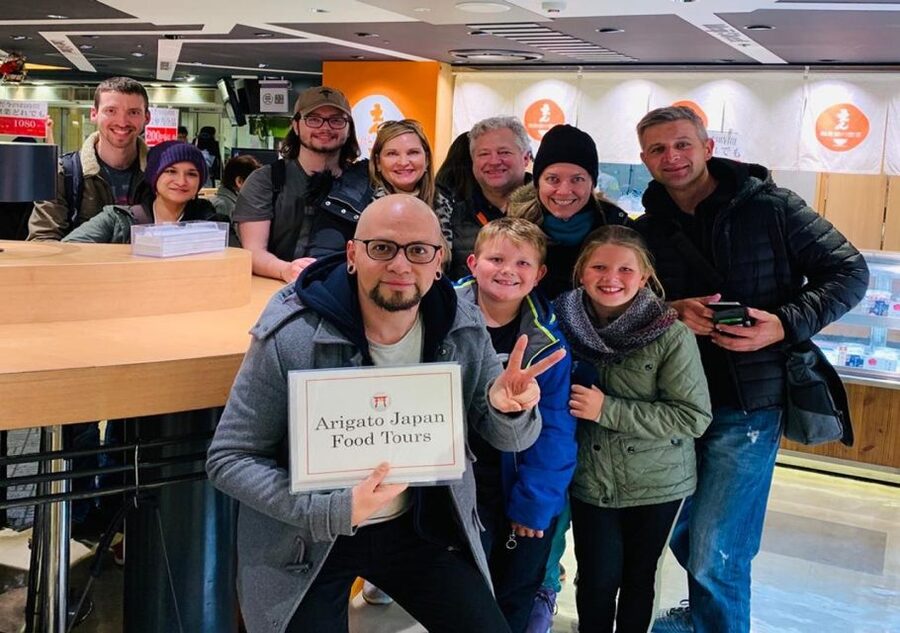
The most praised part of this experience is the guide. Several guides have received warm praise, including Alex, Jane, Maya, Saika, Kumie, Shion, Michie, and Ryan. The common strengths are friendliness, good English, cultural explanations, and a willingness to answer questions.
Jane was praised for finding small independent restaurants that were difficult to locate alone. Maya was praised for choosing good stops and adding history and fun facts. Kumie adapted dishes for food restrictions so that no one in the group felt left out.
Guide assignment is not guaranteed. You may not receive a particular person, and the style can vary. Still, the company’s guide roster has produced many strong experiences. A good guide adds far more than restaurant directions. You get help with etiquette, phrases, ordering, and the cultural meaning behind what is placed in front of you.
Some guides also take photos during the route and share them afterward. That was a welcome extra for several groups, especially couples and families who otherwise might not have many pictures together.
What the $170 Price Really Buys
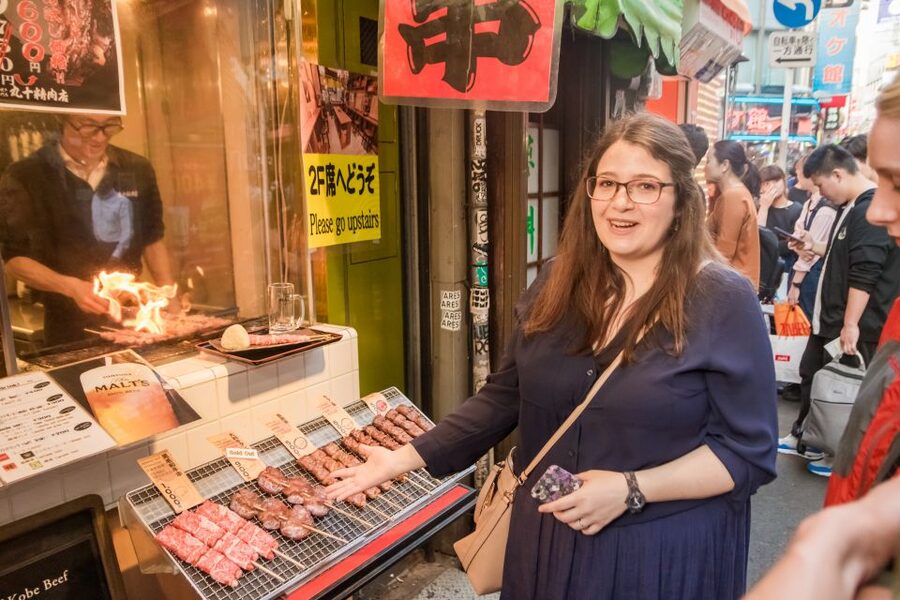
At $170 per person, the tour costs more than walking through Shibuya and buying snacks independently. You should not book it just to save money on food. You are paying for the guide, the planning, the included dishes, two drinks, dessert, and access to restaurants that may be difficult to choose or navigate alone.
The value improves if you are new to Tokyo, nervous about ordering, or eager to try several regional dishes in one evening. It also works well at the beginning of a Japan trip because the guide can provide ideas for later meals and destinations.
The value is weaker if you already know Shibuya’s food scene or prefer to spend $170 on one carefully chosen restaurant meal. The tour is designed for variety, not luxury. Some stops may have standing-room arrangements, and you will not get the same control over menu choices that you would have at a restaurant booked independently.
Free cancellation up to 24 hours before the start provides useful flexibility, and you can reserve now and pay later. Gratuity, transportation, hotel pickup, and extra food or drinks are not included. Hotel pickup can be arranged for an added charge, but the standard meeting point is the Hachiko mural.
Who Will Enjoy This Most
I would recommend this tour to first-time Tokyo visitors who want a friendly introduction to Shibuya beyond the Scramble Crossing. It is also a good match for couples, small groups of friends, and families with adventurous eaters.
You will get the most from it if you:
- Like tasting several foods instead of sitting down to one long meal
- Want cultural explanations along with dinner
- Feel unsure about tiny restaurants or Japanese menus
- Can walk and stand comfortably for three hours
- Are willing to let the guide choose much of the evening’s food
Come with an appetite, but do not arrive painfully hungry. The portions may be generous, and you need room for the final sweets. If you have allergies or dietary restrictions, tell the operator in advance and also remind the guide at the start. Kumie’s careful handling of food restrictions shows that adaptations may be possible, but the tour does not promise every dietary need can be met.
Final Verdict: Book It for Variety and Local Guidance
Book this Shibuya food tour if you want five distinct food experiences, a small group, and a guide who can turn confusing streets into an easy evening. The best reason to go is not any single dish. It is the combination of backstreet restaurants, local stories, drinks, dessert, and practical advice for the rest of your Japan trip.
Skip it if you want a seated fine-dining experience, exact control over every dish, or a bargain meal. For everyone else, especially first-time visitors, $170 can be a sensible splurge. Arrive early at the Hachiko mural, wear comfortable shoes, bring your passport, and save enough room for dessert.
FAQ
How long does the Shibuya food tour last?
The tour lasts three hours.
How many food stops are included?
The experience includes five food stops, with a variety of dishes, two drinks, and dessert.
What kinds of food might I try?
Past routes have included sushi, izakaya dishes, okonomiyaki, ramen, takoyaki, Kobe beef, and traditional Japanese desserts. The exact selection can vary.
Where does the tour meet?
Meet in front of the Hachiko wall mural outside Shibuya Station at the Hachiko Exit. Do not meet at the Hachiko statue.
How large is the group?
The tour is a small-group experience limited to 10 participants.
Is hotel pickup included?
No. Hotel pickup is not included, though it can be arranged for an additional charge. Transportation costs are also not included.
What should I bring?
Bring comfortable shoes and your passport. A copy of passport information is required for all participants aged 10 and over.
Just added around Tokyo
- Tokyo 6hr Instagram Highlights Private Tour with Licensed Guide★ 5.0 · 38 reviews
- Tokyo Small Group Tour with Guide★ 4.5 · 38 reviews
- Tokyo Sumo Experience with Live Show & Audience Challenge★ 5.0 · 38 reviews
- Japanese Food Cooking Class in Asakusa, Tokyo★ 5.0 · 39 reviews
- Very popular in Harajuku♡Animal petting zoo★ 4.6 · 39 reviews
- Ramen Making from Scratch with Tokyo Mom(Vegan Option Available)★ 5.0 · 39 reviews
- Tokyo JDM Night: 600hp C63s AMG Edition 1 (Private)★ 4.9 · 39 reviews
- Tokyo: Kimono Rental inside Shinjuku Gyoen National Garden★ 4.9 · 39 reviews
Food & Drink, compared.
Shinjuku Food Tour (13 Dishes at 4 Local Eateries)
Read our review →
Tokyo Tsukiji Fish Market Food and Culture Walking Tour
Read our review →
Shinsekai Food Tour with 13-15 Dishes at 5 Eateries
Read our review →
Osaka Food Tour: 13 Dishes at 5 Local Eateries
Read our review →
Shinjuku Food Tour (15 Dishes and 4 Eateries)
Read our review →
Best of Shinjuku: Izakaya Food Tour (4 Stops, 14+ Tastings)
Read our review →
Kyoto Night Foodie Tour in Gion (9+ dishes + 6 Sake tastings)
Read our review →
Hungry Osaka Street Food Tour:15 Tastings & 3 Drinks with a Local
Read our review →Browse the lists this tour appears in