Reviewed · 1-DAY TOURS
Tokyo Customized Private Tour (Must See Places in 1 Day)
Tokyo rewards a well-planned first day. I like the private format, which lets you shape the route around temples, food, anime, gardens, shopping, or train practice. I also like the chance to meet at your accommodation and travel by foot and public transport with a local guide such as Akari, Lax, Yosuke, or Ken. The main drawback is cost: at $145.91 per person, you still pay separately for transport, food, drinks, and some admissions.
This is less a fixed sightseeing circuit than a personal introduction to Tokyo. You can ask for the famous sights, a quiet garden, a vegan ramen stop, or help understanding the subway. Just be realistic about time. Tokyo is huge, and seeing every listed area in one day would mean rushing from station to station.
In This Review
- Key points to know before booking
- What this Tokyo private tour really offers
- Starting in Asakusa at Senso-ji
- Akihabara for electronics, anime, and games
- Tsukiji Jogai Market and the food question
- Shibuya Crossing, Meiji Jingu, and Harajuku
- Gardens that give Tokyo breathing room
- Ginza and the Imperial Palace
- Tokyo Skytree and the view question
- Shinjuku and Golden Gai after dark
- How the guides shape the day
- Walking, trains, and the real cost
- Who should book this experience
- Should you book this Tokyo tour?
- FAQ
- How long does the Tokyo customized tour last?
- Is this a private tour?
- Can the tour be customized?
- Is pickup from my accommodation available?
- Is public transportation included in the price?
- Are food and drinks included?
- Are attraction admission fees included?
- What is the cancellation policy?
Key points to know before booking
- A private route built around your interests: You can request temples, anime, gardens, shopping, local food, or a mix of old and new Tokyo.
- A useful first-day orientation: Guides help you use trains and subway lines, which can make the rest of your stay easier.
- Several guide styles are available: Akari is praised for her relaxed pace and care with dietary needs, while Lax, Yosuke, Ken, Atsu, Keito, Kentaro, Paskul, and Yoyo receive praise for flexibility and warmth.
- Walking is central to the experience: Public transport links the districts, but expect substantial time on foot, especially on a full-day plan.
- The route covers far more than one day allows: Senso-ji, Shibuya, Meiji Jingu, Akihabara, Ginza, gardens, and the Imperial Palace are possible choices, not a promise that all will fit.
- Good cancellation protection: You receive a full refund if you cancel at least 24 hours before the start time.
What this Tokyo private tour really offers
Tokyo can be hard to read on a first visit. The city has many famous places, but they are spread across separate districts. A temple in Asakusa, a garden near the Imperial Palace, and the neon streets of Shinjuku are not next door to one another.
This private tour solves part of that problem. Before the day, you can explain what interests you and how much time you have. The guide then helps shape a practical route. That matters more than simply collecting a long list of sights.
The tour is offered for roughly two to eight hours. A short booking should focus on one or two connected areas. A longer booking can link several districts, though the day may become tiring. One detailed account describes a 10-hour outing with about 12 miles of walking, so you should ask about the expected pace if you want a full-day experience.
The advertised price is $145.91 per person. That is a serious expense for a solo visitor, but the value improves for a couple or family if the guide helps you avoid wrong turns, find suitable food, and understand Tokyo’s rail system. Group discounts are offered, and this is a private activity, so you are not combined with strangers.
A few more Tokyo experiences worth weighing up
- Mt Fuji and Hakone 1-Day Bus Tour Return by Bullet Train
★ 5.0 · 26,383 reviews - 1-Day Tokyo Bus Tour
★ 5.0 · 14,250 reviews - Mt Fuji & Hakone Cruise, Drum Show Bullet Train 1 Day from Tokyo
★ 4.0 · 7,413 reviews
Starting in Asakusa at Senso-ji
Senso-ji is the natural choice for a first taste of traditional Tokyo. The temple sits in Asakusa, an area where you can walk through older-style streets and see a side of the city that feels far removed from Shibuya’s screens.
The tour description gives Senso-ji and Asakusa separate stops, but they belong together in practice. Your guide can explain the temple visit, point out details you might pass without noticing, and help you understand the customs around a Japanese Buddhist temple. The listed stop time is only 15 minutes, which is too short for a full visit, so treat that figure as a rough marker rather than a guaranteed period at the site.
I would give Asakusa more time if you care about atmosphere, photographs, or traditional culture. If your priority is shopping or anime, the guide can keep this visit brief and move you toward Akihabara.
Akihabara for electronics, anime, and games
Akihabara, often called Electric Town, supplies the modern counterpoint to Asakusa. It is aimed at people interested in electronics, anime, manga, and video games.
This is a strong request if Japanese pop culture is one of your main reasons for visiting Tokyo. It is also an area where a local guide can make the experience more useful by helping you decide what matches your interests instead of wandering through shops at random.
The tradeoff is focus. Akihabara can easily consume several hours, especially if you want time to browse. A 15-minute stop will give you a quick look, not a full shopping session. Tell the company before the tour if you want anime stores, electronics, or gaming to be a major part of the day.
Tsukiji Jogai Market and the food question
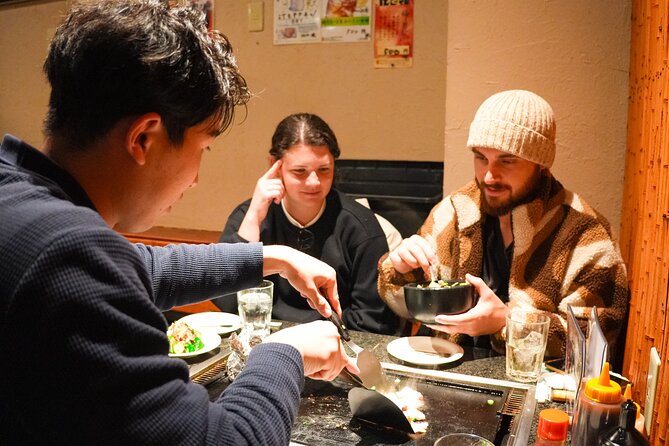
Tsukiji’s outer market remains a popular place for seafood and Japanese food. The former wholesale market moved in 2018, but the outer market still offers a food-centered stop in a central part of Tokyo.
This can be a good place to build lunch into the day, although food and drinks are not included for you or your guide. The guide can help you make choices and, based on the experience of Keito, may be able to work around dietary needs. One family received help finding vegan ramen, and Akari assisted another guest whose daughter had celiac disease.
That does not mean every dietary request is automatically covered. Send your needs in advance and ask what can be arranged. Also remember that a market stop is not just sightseeing. If you want to eat, allow enough time rather than treating Tsukiji as another 15-minute photo stop.
A completely different kind of day out in Tokyo:
- Tokyo: TOKYO SKYTREE® Admission ticket
★ 4.5 · 11,192 reviews - Tokyo: teamLab Planets TOKYO Digital Art Museum Entry Ticket
★ 4.6 · 9,779 reviews - Tokyo: Sumo Show Experience with Chicken Hot Pot and a Photo
★ 4.8 · 6,678 reviews - Tokyo: Shinjuku Food Tour (13 Dishes at 4 Local Eateries)
★ 5.0 · 6,603 reviews
Shibuya Crossing, Meiji Jingu, and Harajuku
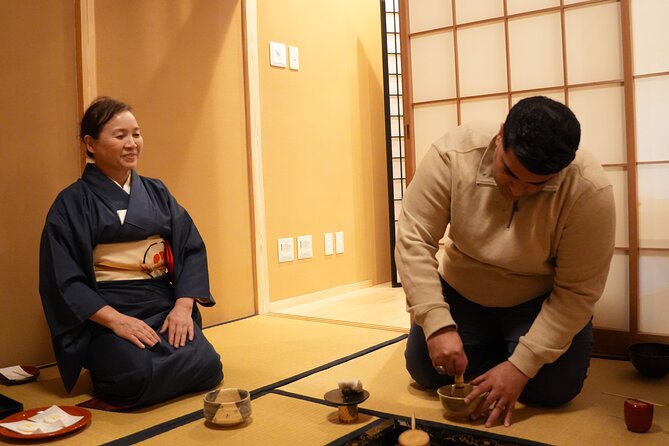
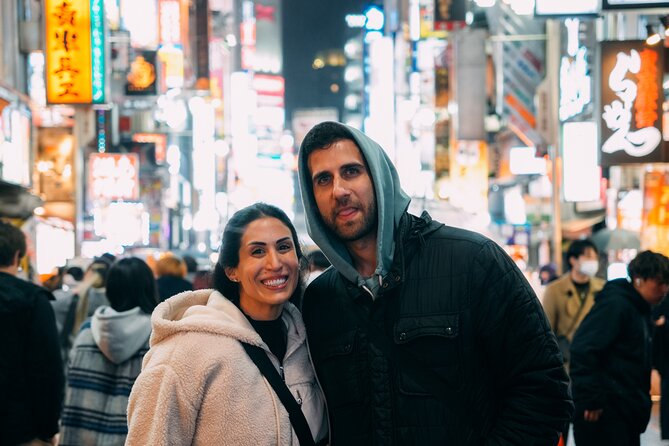
Shibuya Crossing gives you one of Tokyo’s most recognizable urban scenes: crowds moving through a huge intersection beneath bright signs. The wider district is suited to shopping, dining, nightlife, and entertainment.
A guide makes this stop more than a crossing photo. You can ask where to stand, how to connect the area with nearby Harajuku, or how to balance modern Tokyo with a quieter cultural visit. Still, this is a busy commercial district, so it can feel intense if you prefer calm streets.
Meiji Jingu offers a sharp change of pace. The Shinto shrine is dedicated to Emperor Meiji and Empress Shoken, and its wooded grounds provide a quieter setting close to Harajuku and Shibuya. The contrast is the point: within one part of the city, you can move from giant video screens and fashion streets to shrine customs and a peaceful approach.
Takeshita Street adds the young pop-culture side of Harajuku. It is a good request for visitors interested in youth fashion and contemporary Japanese trends. It is not essential for every visitor, though, and the street may feel crowded or overly commercial if your tastes run toward gardens and history.
Gardens that give Tokyo breathing room
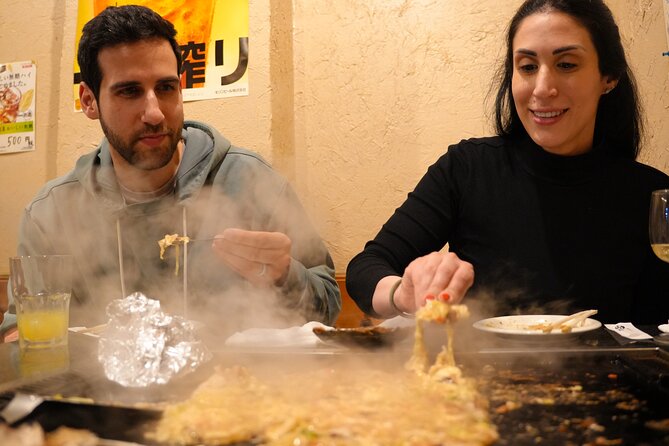
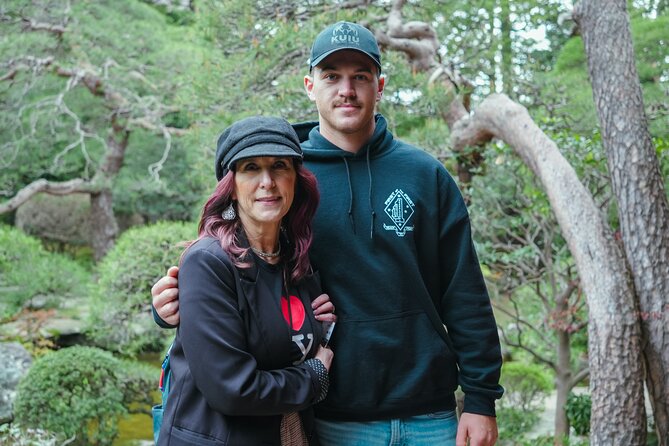
Tokyo’s gardens are valuable because they slow the day down. Hamarikyu Gardens is a traditional Japanese garden in Minato, with paths and carefully arranged scenery. Admission is not included, so budget for that separately.
Shinjuku Gyoen National Garden offers wide lawns, walking paths, and a calmer setting near Shinjuku Station. The supplied route allows 30 minutes here, which is more generous than the 15-minute markers used for many other stops, but even half an hour only gives you a taste.
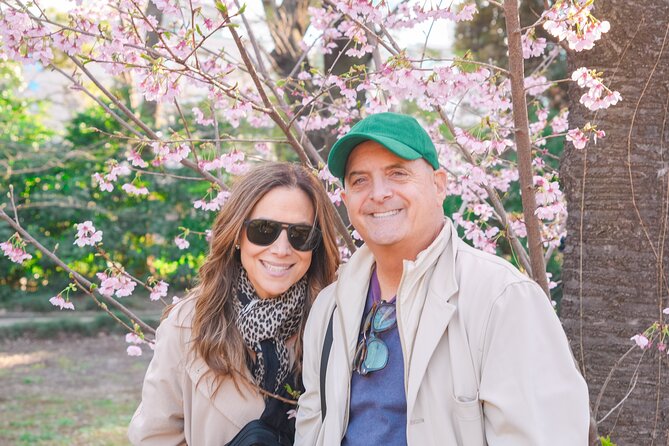
Ueno Park, identified as Uenokoen, is especially attractive during cherry blossom season. Its seasonal appeal means timing matters, and the garden may be a better choice than another shopping district if you want nature or photographs.
You should not request all three gardens in a short booking. Choose one based on location and season. Hamarikyu works well with Tsukiji and Ginza. Shinjuku Gyoen fits naturally with Shinjuku. Ueno Park pairs better with Asakusa or Tokyo Skytree.
Ginza and the Imperial Palace
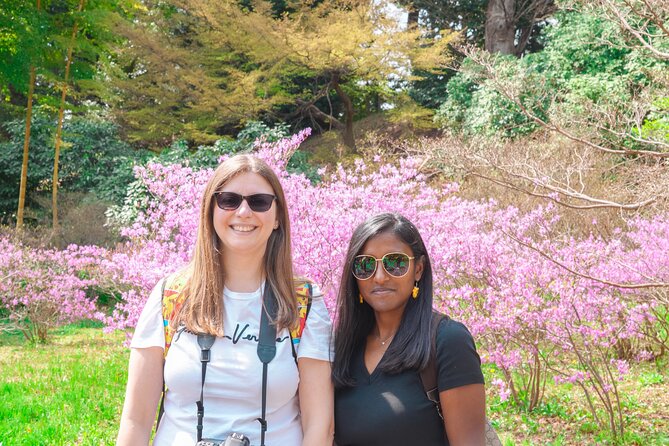
Ginza is Tokyo’s major luxury shopping area. It belongs on your route if you want department stores, polished streets, or a shopping break. It is less useful if you are seeking low-cost local food or old neighborhood character.
The Imperial Palace area offers a different kind of stop, especially the beautiful East Gardens. The grounds provide a look at Japan’s imperial center without requiring you to spend the whole day there. The listed visit is free, but you should confirm the day’s practical access with your guide because palace-related sites can have operating limits.
These stops work well together geographically, though their appeal is different. Ginza is about modern shopping. The East Gardens are about space, formality, and scenery. A customized guide can help you decide which deserves your limited time.
Tokyo Skytree and the view question
Tokyo Skytree is Japan’s tallest structure and combines broadcasting facilities with restaurants and observation areas. It is a reasonable request if you want a high city view or if you are staying near eastern Tokyo.
The important question is whether you want to spend your limited tour time going up a tower. A 15-minute stop will not allow a full observation visit, and admission details are not provided in the tour information. Ask before booking if tickets are required and if the guide will accompany you inside.
For a first-day orientation, I would choose Skytree only if the view is a major goal. Otherwise, Asakusa nearby may offer more cultural value in the same general area.
Shinjuku and Golden Gai after dark
Shinjuku is one of Tokyo’s major entertainment and commercial districts. The Tokyo Metropolitan Government Building is listed as a recommended point and offers city views. Shinjuku Golden Gai is known for its tightly packed small bars and nighttime atmosphere.
This part of the route works best when your booking reaches the evening. It is less useful as a rushed daytime photo stop. You should also tell your guide what kind of evening you want, since Golden Gai, shopping streets, restaurants, and city views create very different experiences.
Shinjuku can be a strong final chapter because it shows another face of Tokyo after the temples and gardens. But after a long day of walking, you may prefer a simple meal and an easy return to your accommodation.
How the guides shape the day
The guide is the heart of this experience. The strongest praise centers on warmth, flexibility, clear English, and practical help rather than on delivering a memorized speech.
Akari is praised for setting a relaxed pace and letting the group decide how long to stay. She also helped with vegan and celiac-safe food concerns. Lax is described as personable, flexible, and especially good at explaining Japanese culture, shrine customs, and small details at places such as Hamarikyu Gardens and Asakusa.
Yosuke receives particular praise for helping a solo visitor gain confidence with the railway system. He also worked well with children, adjusted explanations for a family with children aged seven and 12, and added local food suggestions. Ken is praised for strong English and for shaping a route around personal priorities. Atsu, Keito, Kentaro, Paskul, and Yoyo are also described as kind, flexible, and engaging.
The practical lesson is simple: communicate before the day. Give the company your interests, food restrictions, walking limits, preferred pace, and must-see places. The more useful information you provide, the more useful the guide can be.
Walking, trains, and the real cost
Walking and public transport are included as the basic way to move around, but your transport fee and the guide’s transport fee are not included. Food and drinks are also separate. A private vehicle is optional, so ask about its price before you depend on it.
Using trains is part of the value. Several accounts describe the guide teaching visitors how to navigate stations and lines, which can pay off throughout the rest of your stay. If you are nervous about Tokyo’s rail network, book this early in your trip rather than near the end.
The physical side deserves honest attention. Tokyo stations can involve long corridors, stairs, and busy platforms, while a full route can mean many miles on foot. You can request a slower pace, fewer stops, or more time in one neighborhood. The tour is suitable for most participants according to the supplied information, but your own walking ability should shape the plan.
Unlimited edited photos are included, which adds a pleasant keepsake and may be useful if you want someone else to capture the day. The main value, though, is the planning and personal help, not the photographs alone.
Who should book this experience
I would recommend it most strongly to first-time visitors, families, solo visitors, and anyone uneasy about Tokyo’s transportation system. It also suits people with specific interests, such as anime, gardens, shrine customs, food, shopping, or Japanese modern culture.
Families may appreciate the private setting because the guide can adjust the pace and keep children interested. Solo visitors may value the company and the confidence that comes from having someone explain the city’s systems. The experience can also work well for a short stay, when you need help choosing what deserves your limited hours.
I would be more cautious if you prefer independent exploration, dislike paying for a guide, or want to linger for hours at each attraction. The price is harder to justify for a visitor who already knows Tokyo’s rail network and has a carefully planned route.
Free cancellation is available up to 24 hours before the start time. Changes or cancellations inside that window are not accepted for a refund. Pickup at your accommodation is optional, and the tour is limited to your own group.
Should you book this Tokyo tour?
Book it if you want a flexible first day, personal food and sightseeing advice, or practical help using Tokyo’s trains. Ask for a focused route rather than every famous stop. A good plan might be Asakusa and Skytree, Tsukiji and Ginza, or Meiji Jingu, Harajuku, and Shibuya.
At $145.91 per person, this is not a bargain walking tour. It can be good value for a couple or family when the guide saves time, handles dietary concerns, teaches rail travel, and helps you see Tokyo with more confidence. If you want a fast checklist of 14 places, skip it. If you want Tokyo adjusted to your interests and explained by a friendly local, this private format is a smart way to begin.
FAQ
How long does the Tokyo customized tour last?
The experience is listed as approximately two to eight hours. Some full-day arrangements can run much longer, so confirm the exact duration when making your plans.
Is this a private tour?
Yes. Only your group participates in the activity.
Can the tour be customized?
Yes. The route can be tailored to your interests and timing. Possible requests include temples, gardens, anime, shopping, food, and modern Japanese culture.
Is pickup from my accommodation available?
Yes. An optional meeting at your accommodation is offered.
Is public transportation included in the price?
No. You and your guide pay your own transportation fees. Walking and public transport are the standard ways to move around, and a private vehicle is optional.
Are food and drinks included?
No. Food and drinks for you and your guide are not included.
Are attraction admission fees included?
Most listed stops are shown with free admission. Hamarikyu Gardens is specifically marked as not included, so ask about any other paid attractions you want to add.
What is the cancellation policy?
You can cancel at least 24 hours before the experience starts for a full refund. Cancellations or changes made less than 24 hours before the start time are not accepted for a refund.
Just added around Tokyo
- Tokyo Small Group Tour with Guide★ 4.5 · 38 reviews
- Tokyo 6hr Instagram Highlights Private Tour with Licensed Guide★ 5.0 · 38 reviews
- Tokyo Sumo Experience with Live Show & Audience Challenge★ 5.0 · 38 reviews
- Very popular in Harajuku♡Animal petting zoo★ 4.6 · 39 reviews
- Japanese Food Cooking Class in Asakusa, Tokyo★ 5.0 · 39 reviews
- Ramen Making from Scratch with Tokyo Mom(Vegan Option Available)★ 5.0 · 39 reviews
- Tokyo: Kimono Rental inside Shinjuku Gyoen National Garden★ 4.9 · 39 reviews
- Tokyo JDM Night: 600hp C63s AMG Edition 1 (Private)★ 4.9 · 39 reviews
1-Day Tours, compared.
Mt Fuji and Hakone 1-Day Bus Tour Return by Bullet Train
Read our review →
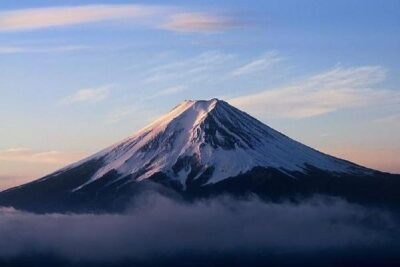
Mt Fuji & Hakone Cruise, Drum Show Bullet Train 1 Day from Tokyo
Read our review →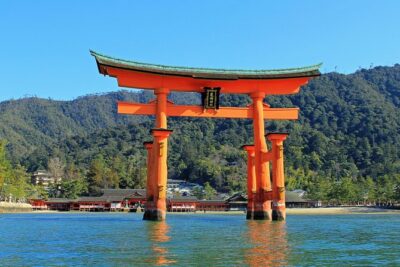
Peaceful Hiroshima & Miyajima UNESCO 1 Day Bus Tour
Read our review →
Fushimi Inari, Kinkakuji, Bamboo Grove 1 Day Bus Tour
Read our review →