Reviewed · 1-DAY TOURS
Tokyo Customized Private Tour: See Top Attractions in 1 Day
Tokyo rewards a little guidance. This private tour lets you mix famous sights with local streets, using walking and the metro to fit several very different parts of the city into one day. I like the custom itinerary and the practical help with Tokyo’s train system. I also like that the guide adjusts the pace for families, food lovers, and first-time visitors.
The main catch is that the advertised price of $141 per person does not include transportation, meals, entrance fees, or those costs for your guide. You should also expect plenty of walking, and the tour is not suitable for wheelchair users.
In This Review
- Key points to know before booking
- Why a private Tokyo day can be worth the cost
- Building a useful route in the first few minutes
- Asakusa and Sensō-ji: the traditional opening
- Tsukiji Outer Market: food and practical street life
- Meiji Shrine and Takeshita Street: two sides of Harajuku
- Shibuya Crossing: a short stop with a big payoff
- Shinjuku and Ginza: choose your city mood
- Tokyo Tower and Tokyo Skytree Town: two skyline choices
- Tokyo National Museum and Hama-rikyū Gardens
- Odaiba and the limits of a one-day route
- What the guides do particularly well
- Timing, walking, and what to bring
- Cancellation, pickup, and accessibility
- Should you book this Tokyo tour?
- FAQ
- How long does the Tokyo customized private tour last?
- Is the tour private?
- What language does the guide speak?
- Is hotel pickup included?
- Can the tour pick me up at Haneda or Narita Airport?
- Can I be picked up in Yokohama or Chiba?
- Are transportation costs included?
- Is lunch included?
- What happens if Tsukiji Outer Market is closed?
- Is the tour suitable for wheelchair users?
Key points to know before booking
- You choose the route: Pick major sights such as Asakusa, Tsukiji, Shibuya, or Tokyo Tower, or follow your guide’s suggestions.
- The time limit shapes the day: A 4-hour tour covers about 2 or 3 spots, 6 hours covers 3 or 4, and 8 hours covers 4 or 5.
- The metro is part of the lesson: Your guide handles the transitions and can show you how Tokyo’s stations work.
- The best value is orientation: You are not just checking off sights. You are learning how to move around Tokyo independently afterward.
- Hotel pickup has limits: Pickup is available at hotels within Tokyo’s 23 wards, but not in Chiba, Yokohama, airports, or ports.
- Schedule around Tsukiji: The outer market is generally closed Wednesdays and Sundays, though you should check its official schedule before choosing it.
Why a private Tokyo day can be worth the cost
Tokyo is not difficult because attractions are far apart. It is difficult because the city has many centers, huge stations, crowded crossings, and a rail system that can take time to understand. A private guide helps turn that puzzle into a usable plan.
I see the strongest value here in the first day of a Tokyo visit. You can learn how to reach major districts, ask questions as you go, and get advice that may help with the rest of your Japan trip. Several families specifically valued the guide’s help with children, while others appreciated learning the metro well enough to travel alone later.
At $141 per person, this is not a bargain sightseeing ride. It is a private service with an English-speaking guide, hotel pickup and drop-off, and a route shaped around your interests. For a family or small private group, the cost may feel reasonable because you are not being pulled through a fixed schedule that suits nobody perfectly.
The price needs careful budgeting, though. You pay your own metro fares and your guide’s fares, lunch for both of you, entrance charges for both of you, and personal expenses. If you want to enter paid attractions or stop for a full meal, your final cost will rise.
A few more Tokyo experiences worth weighing up
- Mt Fuji and Hakone 1-Day Bus Tour Return by Bullet Train
★ 5.0 · 26,383 reviews - 1-Day Tokyo Bus Tour
★ 5.0 · 14,250 reviews - Mt Fuji & Hakone Cruise, Drum Show Bullet Train 1 Day from Tokyo
★ 4.0 · 7,413 reviews
Building a useful route in the first few minutes
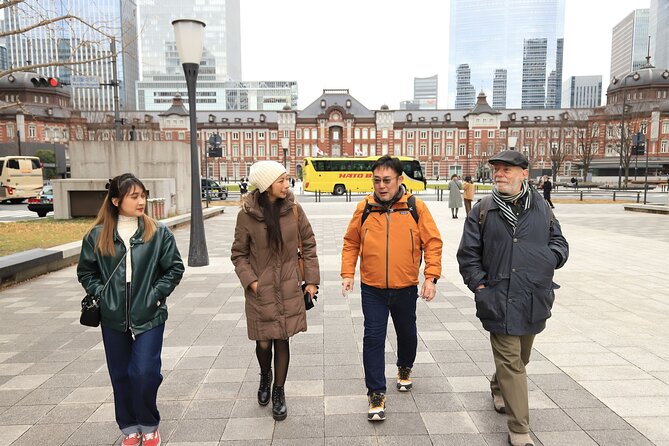
The day begins with pickup at your hotel, provided that the hotel is in central Tokyo within the city’s 23 wards. This opening meeting is important because you can explain what matters most before the route is fixed.
You might want traditional Tokyo, modern neighborhoods, food, shopping, gardens, museums, or a mixture of old and new. Tell the guide your priorities, your fitness level, and how quickly your group likes to move. One guide adjusted the plan after learning a group’s walking ability, while others changed stops to keep children interested.
The tour uses public transportation and walking. That is a strength if you want to understand Tokyo rather than watch it pass through a vehicle window. It is also the reason to wear comfortable shoes. Tokyo’s stations and districts can require a good deal of walking, even when the next stop is only a short train ride away.
A useful rule is to choose neighborhoods rather than isolated sights. Asakusa, Harajuku, and Shibuya can make a natural route. Trying to force Tokyo Skytree, Odaiba, the Tokyo National Museum, Ginza, Shinjuku, and Tsukiji into a short booking will give you more photographs but less time to enjoy each place.
Asakusa and Sensō-ji: the traditional opening
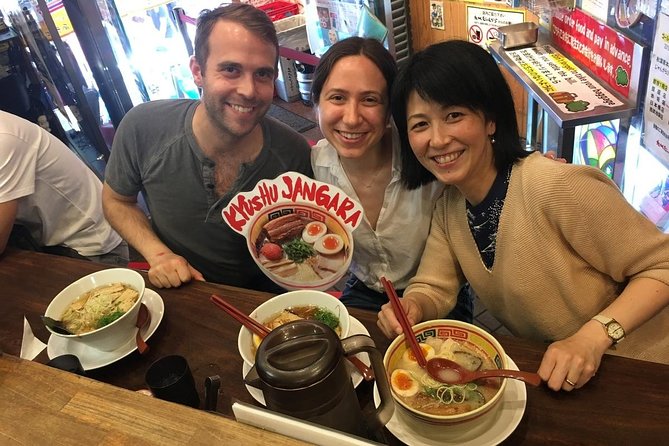
Sensō-ji Temple gives the tour a strong start if you want to see old Tokyo. The itinerary allows about an hour for a guided visit, followed by a shorter stop in Asakusa.
This is more than a quick photo stop. A guide can explain what you are seeing, help you make sense of temple customs, and point out details that are easy to miss when you are moving through on your own. The surrounding streets also give you a chance to see a side of Tokyo that feels quite different from Shibuya or Shinjuku.
Asakusa works especially well for families because it offers a clear change of mood from the city’s modern shopping districts. It is also a good choice if you want a first taste of traditional culture without committing an entire day to museums or historic sites.
The limitation is time. With only four hours, including Asakusa and several other districts means each stop will be brief. If Sensō-ji is your main reason for booking, ask for enough time here rather than treating it as one item on a long checklist.
Tsukiji Outer Market: food and practical street life
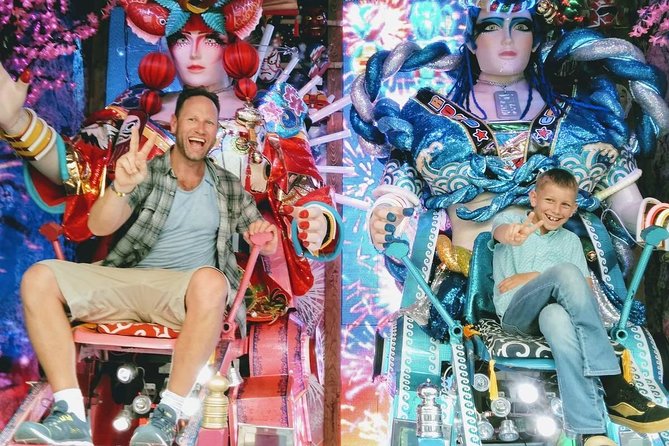
Tsukiji Outer Market is one of the most appealing choices for anyone interested in food. The tour allows about an hour, and the guide can help you make better use of a market where the sights, smells, and choices can feel confusing at first.
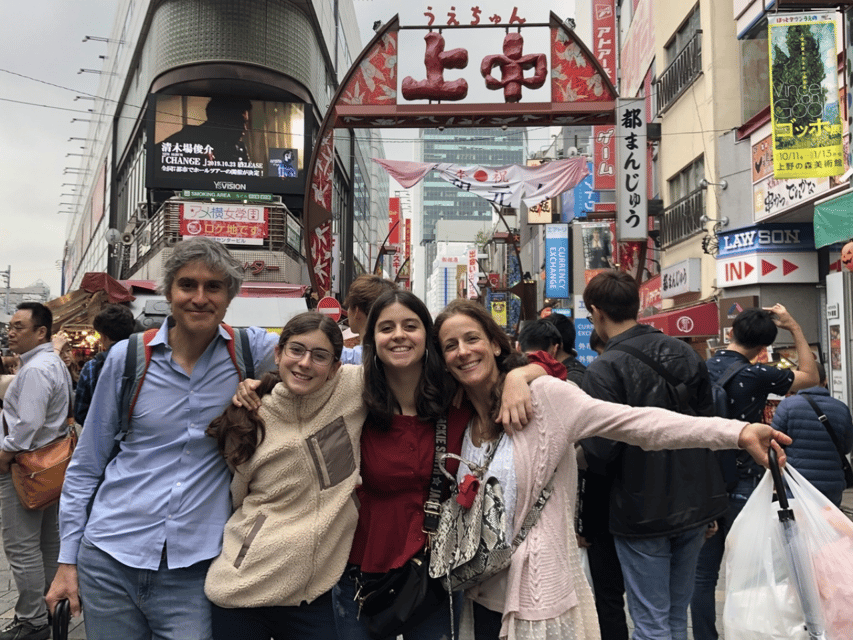
Past experiences on this tour included fresh fish eaten directly from the market area and a food-focused walk around Ueno. Another guide found a vegetable ramen place for a group. These examples point to the kind of help that can make a private guide useful: you can explain what you eat, what you avoid, and what sort of meal you want.
Do not assume Tsukiji will be available every day. It is generally closed Wednesdays and Sundays, and the official opening information should be checked before you book around it. If it is closed, the route can switch to the Imperial Palace or Hama-rikyū Gardens.
Tsukiji is also an active market area, so you need to pay attention while walking. One family described learning how to move safely around the fish market, which is a good reminder that this is a working food district, not simply a quiet attraction.
A completely different kind of day out in Tokyo:
- Tokyo: TOKYO SKYTREE® Admission ticket
★ 4.5 · 11,192 reviews - Tokyo: teamLab Planets TOKYO Digital Art Museum Entry Ticket
★ 4.6 · 9,779 reviews - Tokyo: Sumo Show Experience with Chicken Hot Pot and a Photo
★ 4.8 · 6,678 reviews - Tokyo: Shinjuku Food Tour (13 Dishes at 4 Local Eateries)
★ 5.0 · 6,603 reviews
Meiji Shrine and Takeshita Street: two sides of Harajuku
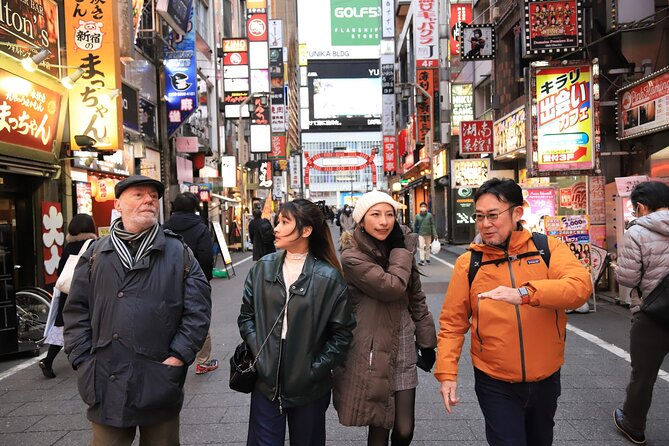
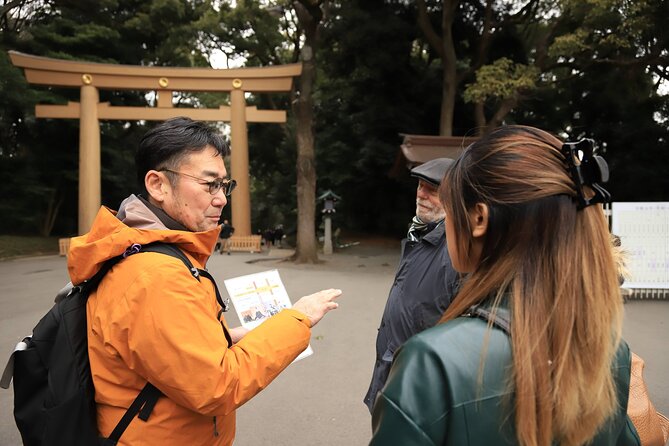
Meiji Shrine and Takeshita Street make a sensible pairing because they show two contrasting parts of the same broad area. The shrine receives about an hour of guided sightseeing, while Takeshita Street is suited to photos, shopping, and a guided visit.
Meiji Shrine offers a calmer setting and a chance to ask questions about Japanese religious customs. Takeshita Street shifts the mood toward youth fashion, shopping, and colorful city culture. The contrast is especially helpful for first-time visitors who want to understand why Tokyo can feel traditional and futuristic within a short metro ride.
This pairing suits families and mixed-interest groups. Adults can enjoy the shrine, while younger visitors may prefer the shops and lively street scene. Guides have repeatedly adapted the day for children, changing activities when attention faded and spending longer at places that held interest.
The drawback is that both stops can consume a large part of a shorter tour. If you have only four hours, you may need to choose between a careful visit and a rapid look at several districts.
Shibuya Crossing: a short stop with a big payoff
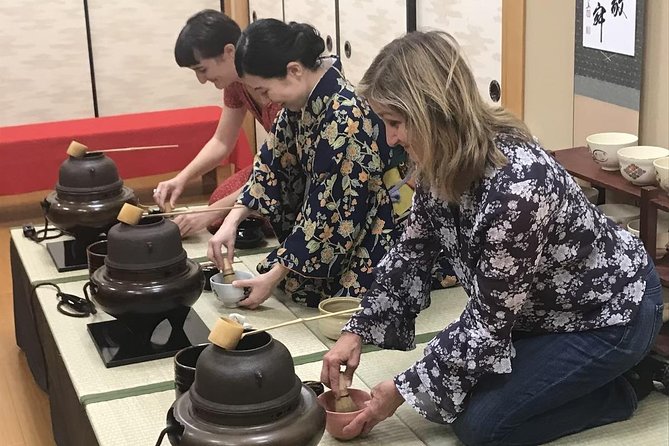
Shibuya City is listed as a one-hour guided visit, and the famous scramble crossing is part of the sample route. This is one of the easiest places to recognize Tokyo as a modern megacity.
A guide helps you connect the crossing with the wider neighborhood rather than treating it as a single photograph. You can ask where to stand, how to reach the area, and what else fits your interests nearby. If you are using the tour as a first-day orientation, Shibuya is also a useful place to practice navigating a major station with help at hand.
The crossing itself does not require a long visit, so this is a reasonable choice when you want a modern Tokyo highlight without giving up too much time. Still, the area is crowded and the pace can be tiring. Keep your group together, especially with young children.
Shinjuku and Ginza: choose your city mood
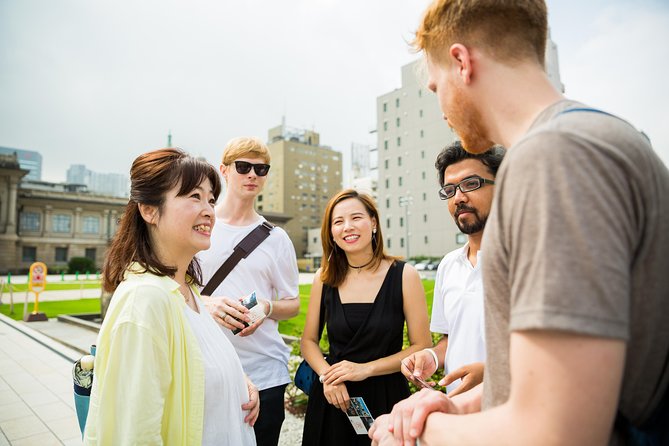
Shinjuku and Ginza offer two different urban experiences. The itinerary gives each roughly an hour, with photo stops, guided visits, and shopping time.
Shinjuku is a strong pick if you want a large-scale city district, bright streets, and a sense of Tokyo’s size. Ginza is better for polished shopping streets and a more refined downtown feel. Your guide can help decide which one fits your interests, rather than treating both as mandatory stops.
I would not try to add both automatically to a four-hour plan. Tokyo’s distances and station changes take time, and a rushed visit can turn both neighborhoods into little more than train platforms and photographs. With six or eight hours, one of them can fit well alongside Asakusa, Meiji Shrine, or Shibuya.
Tokyo Tower and Tokyo Skytree Town: two skyline choices
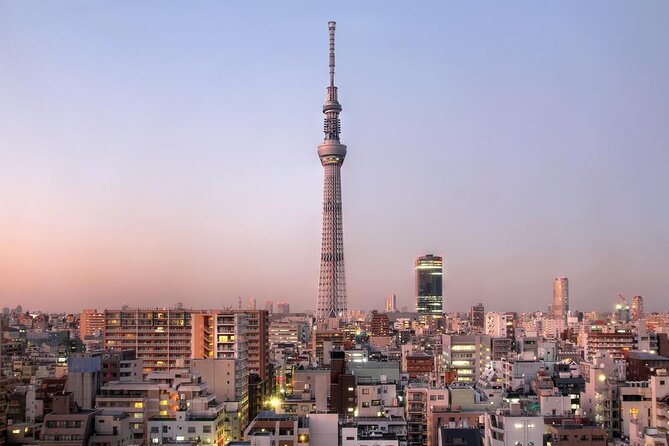
Tokyo Tower appears among the suggested attractions, while Tokyo Skytree Town is available as a guided, photo-focused stop. Both can provide a skyline element, but the tour does not include entrance fees.
That last point matters. If you want to go up a tower, budget for the admission charge for yourself and your guide. You can also ask whether a photo stop better suits your schedule. The available information supports visiting or photographing these places, but it does not promise an observation-deck entry.
Tokyo Skytree Town may work well if you want a major modern landmark paired with Asakusa. Tokyo Tower may fit better if it is a personal priority. Since the tour is private, you can make that choice instead of accepting whichever tower a fixed group itinerary happens to include.
Tokyo National Museum and Hama-rikyū Gardens
The Tokyo National Museum is offered as a one-hour guided visit. It is a smart choice if you want more cultural context and less shopping. A museum stop can also provide a break from continuous street walking, though you still need to consider entrance costs and the time required to see even a small portion properly.
Hama-rikyū Gardens is another flexible option, with about an hour for photographs, sightseeing, and a guided visit. It is also the stated replacement option when Tsukiji is closed. That makes it useful as either a planned garden stop or a backup when the market schedule does not cooperate.
The garden can balance a day filled with stations, shopping streets, and large city districts. If you prefer a slower pace, tell your guide early. A private tour works best when you protect time for the places you actually enjoy instead of trying to collect every available stop.
Odaiba and the limits of a one-day route
Odaiba is included among the possible destinations. It gives you another modern side of Tokyo and may appeal if you have already seen the central districts or want a different type of city setting.
The practical question is travel time. Since the tour depends on public transportation, adding a more distant area can reduce the number of central Tokyo stops you can visit. Odaiba may be a good request for an eight-hour tour, but it is less sensible to squeeze it into a short booking alongside Asakusa, Tsukiji, Harajuku, and Shibuya.
This is where your guide’s judgment matters. Give priority to two or three must-see places, then let the remaining time shape the extras.
What the guides do particularly well
The strongest pattern in the feedback is not one particular attraction. It is the guides’ ability to adjust the day.
Guides including Yeomi, Laila, Tak, Yoko, Aki, Nino, Sachimi, Naoko, Yuriko, Mami, Hiro, and Yuki were praised for kindness, flexibility, cultural explanations, and help with transportation. One guide even used paper to teach children origami on the subway. Another helped a family shift from shrines to anime and electronics when that better suited the children.
That sort of adjustment is the core benefit of a private tour. You can slow down, change neighborhoods, ask for a food stop, or cut a place short when the group is tired. Families with young children appear particularly well served, since guides have helped with crowded crossings, changing energy levels, and different interests among parents and children.
English is the tour language. The guide is local and friendly, but individual guiding styles will differ. You cannot request a particular named guide based on the information provided, so book for the format and flexibility rather than expecting one specific person.
Timing, walking, and what to bring
The sample full-day plan runs from 9:00 in the morning until 5:00 in the afternoon. The advertised duration is flexible from four to eight hours, with the number of stops changing accordingly.
A rough guide:
- Four hours: about two or three places
- Six hours: about three or four places
- Eight hours: about four or five places
The tour takes place rain or shine. Bring comfortable shoes and plan for weather that may affect how much you enjoy walking between stations and neighborhoods.
Lunch is not included for you or the guide. You can ask to include a meal, but the cost remains yours. Since food preferences can be part of the customization, tell the guide about dietary needs or interests before the day begins.
Cancellation, pickup, and accessibility
You can cancel up to eight days before the tour for a full refund. Starting times vary, so you need to check availability when selecting your date.
Hotel pickup and drop-off are included only for hotels within Tokyo’s 23 wards. Hotels in Chiba, including the Maihama area, hotels in Kanagawa such as Yokohama, airports, and ports are excluded. If you stay outside Tokyo, you will need to reach the designated meeting point.
The tour is not suitable for wheelchair users. The walking, station transfers, and public transportation format also make it important to consider your group’s mobility before booking.
Should you book this Tokyo tour?
Book it if you want a private first-day orientation, need help with the metro, are traveling with children, or have specific interests that a fixed sightseeing route would not handle well. It is especially useful when your group wants both traditional sights and modern districts without spending the day studying maps and train connections.
Choose the eight-hour option if Tokyo is new to you and you want four or five well-chosen stops. Choose four or six hours if you already have a firm plan and need help with only a few areas.
I would not book it expecting every major Tokyo attraction in one day. The tour is strongest when you choose priorities and leave room for conversation, food, and the occasional change of plan. With a 4.8 rating from 67 reviews and repeated praise for guides who help families and teach the metro, this is a solid choice for travelers who value personal attention more than the lowest possible price.
FAQ
How long does the Tokyo customized private tour last?
The tour lasts from 4 to 8 hours. A 4-hour tour generally visits 2 or 3 places, a 6-hour tour visits 3 or 4, and an 8-hour tour visits 4 or 5.
Is the tour private?
Yes. The experience is arranged for a private group with a dedicated English-speaking guide.
What language does the guide speak?
The live tour guide speaks English.
Is hotel pickup included?
Yes, hotel pickup and drop-off are included for hotels within Tokyo’s 23 wards.
Can the tour pick me up at Haneda or Narita Airport?
No. Pickup is not available at airports or ports.
Can I be picked up in Yokohama or Chiba?
No. Pickup is not available at hotels in Kanagawa Prefecture, including Yokohama, or in Chiba Prefecture, including Maihama. You will need to reach the designated meeting point.
Are transportation costs included?
No. You pay transportation fees for yourself and your guide. The tour uses public transportation.
Is lunch included?
No. Lunch is not included for you or your guide.
What happens if Tsukiji Outer Market is closed?
The tour can visit the Imperial Palace or Hama-rikyū Gardens instead. Tsukiji is generally closed Wednesdays and Sundays, but you should check its official opening information.
Is the tour suitable for wheelchair users?
No. The experience is not suitable for wheelchair users. It also takes place rain or shine and requires comfortable walking shoes.
Just added around Tokyo
- Tokyo 6hr Instagram Highlights Private Tour with Licensed Guide★ 5.0 · 38 reviews
- Tokyo Small Group Tour with Guide★ 4.5 · 38 reviews
- Tokyo Sumo Experience with Live Show & Audience Challenge★ 5.0 · 38 reviews
- Japanese Food Cooking Class in Asakusa, Tokyo★ 5.0 · 39 reviews
- Very popular in Harajuku♡Animal petting zoo★ 4.6 · 39 reviews
- Ramen Making from Scratch with Tokyo Mom(Vegan Option Available)★ 5.0 · 39 reviews
- Tokyo JDM Night: 600hp C63s AMG Edition 1 (Private)★ 4.9 · 39 reviews
- Tokyo: Kimono Rental inside Shinjuku Gyoen National Garden★ 4.9 · 39 reviews
1-Day Tours, compared.
Mt Fuji and Hakone 1-Day Bus Tour Return by Bullet Train
Read our review →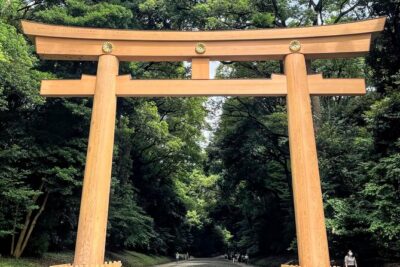
Mt Fuji & Hakone Cruise, Drum Show Bullet Train 1 Day from Tokyo
Read our review →
Peaceful Hiroshima & Miyajima UNESCO 1 Day Bus Tour
Read our review →
Fushimi Inari, Kinkakuji, Bamboo Grove 1 Day Bus Tour
Read our review →