Reviewed · 1-DAY TOURS
Tokyo Customized Private Tour: See Top Attractions in 1 Day
Tokyo rewards curiosity, but it can punish poor planning. This private tour makes the city easier to read, combining famous sights with local guidance and teaching you how to use the metro as you go. You can choose two stops for a half-day or three to five stops for a longer outing, depending on your interests and time.
I especially like the chance to shape the day around your group. Guides such as Tak, Yoko, Ike, Fumi, Keiko, and Osamu have helped families balance temples, shopping, food, and modern Tokyo. The main drawback is that entrance fees, meals, and public transportation are extra, and a short tour can feel rushed if you try to cover too much.
In This Review
- Key points to know before booking
- What this Tokyo tour is really designed to do
- Senso-ji and Asakusa: Tokyo’s best first lesson
- Tsukiji Outer Market: Come hungry and budget for snacks
- Meiji Jingu, Harajuku, and Takeshita Street: Old and new Tokyo
- Shibuya Crossing and Shinjuku: Big-city Tokyo
- Imperial Palace, Ginza, and Hama Rikyu Gardens
- Yanaka, Ueno, and Tokyo National Museum
- Tokyo Skytree and Odaiba: Add only if they fit your plan
- Walking, trains, and the optional vehicle
- Is $145.91 per person a fair price?
- The guides make or break the day
- Who should book this private Tokyo day?
- FAQ
- How long does the Tokyo customized private tour last?
- Is hotel pickup included?
- Is transportation included in the price?
- Are attraction admission fees included?
- Can I choose the places I visit?
- Is this a private group tour?
- How much walking is involved?
- Can I cancel for a full refund?
- Should you book it?
Key points to know before booking
- Choose your own Tokyo mix: Pair Senso-ji with Tsukiji, or combine Meiji Shrine, Harajuku, and Shibuya Crossing.
- Learn the metro while sightseeing: Your guide can help with train routes, passes, fares, and basic customs.
- Private attention matters: Only your group takes part, so the pace and stops can change during the day.
- The outer Tsukiji market is a food highlight: Come hungry if you want to sample snacks and browse specialty stalls.
- A full day covers four to five places: The 8-hour option is better for families or first-time visitors with a clear wish list.
- Budget for extras: Transit, food, guide fares, and paid attractions are not included in the listed price.
What this Tokyo tour is really designed to do
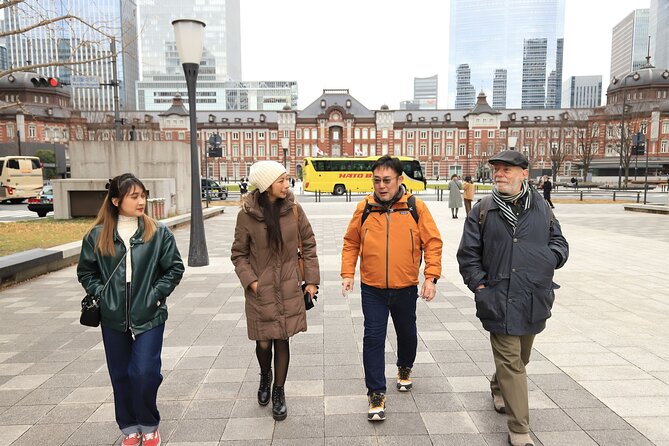
This is not a fixed sightseeing circuit where everyone follows the same flag through Tokyo. It is a private orientation day, built around your interests and the practical problem of getting around one of the world’s largest cities.
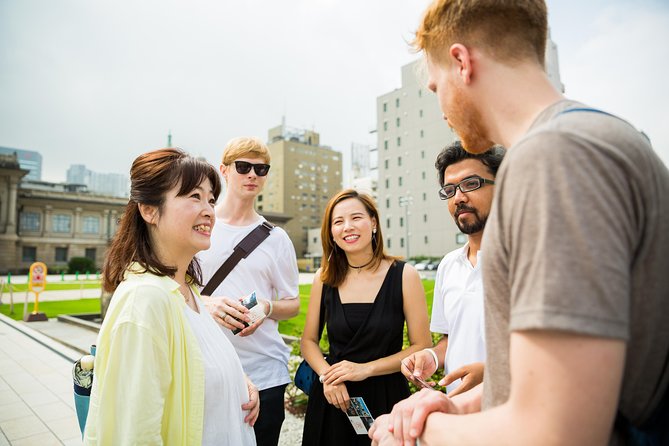
You meet a local guide at your hotel when pickup is arranged, then travel on foot and by subway. The guide explains what you are seeing, but just as importantly, helps you understand Tokyo’s train system, station signs, ticketing, shrine etiquette, and neighborhood layout.
That practical help is a major reason to book. First-time visitors have used the day to learn how to travel independently afterward. Yoko helped one family understand the complex train system and language customs. Mieko assisted with a children’s pass, while other guides helped families adjust plans during rain or at the last minute.
The tour lasts approximately four to eight hours. The suggested pacing is:
- Four hours: two to three locations
- Six hours: three to four locations
- Eight hours: four to five locations
Those numbers are sensible. Tokyo looks compact on a map, but crossing the city can take time, especially when you add station walks, transfers, meals, photographs, and crowds. I would rather see three places well than rush through seven.
A few more Tokyo experiences worth weighing up
- Mt Fuji and Hakone 1-Day Bus Tour Return by Bullet Train
★ 5.0 · 26,383 reviews - 1-Day Tokyo Bus Tour
★ 5.0 · 14,250 reviews - Mt Fuji & Hakone Cruise, Drum Show Bullet Train 1 Day from Tokyo
★ 4.0 · 7,413 reviews
Senso-ji and Asakusa: Tokyo’s best first lesson
Asakusa is often the strongest opening stop because it gives you a clear introduction to old Tokyo. Senso-ji, one of the city’s best-known Buddhist temples, draws you through a traditional shopping approach toward the temple grounds.
Your guide can explain how to behave at a temple, including the proper way to make an offering and show respect. One guide, Keiko, even provided coins and explained the process to a family. Small help like this keeps you from standing awkwardly at the edge, wondering what everyone else seems to know.
The surrounding Asakusa streets are as important as the temple itself. You can browse traditional shops, look for snacks, and see an older style of Tokyo neighborhood. The visit is listed as a short stop, but the area deserves more time if temples, food, and local streets interest you.
A useful nearby viewpoint is the Asakusa Culture Tourist Information Center. From there, you can see across the district and understand how the temple area fits into the wider city. This is a smart choice for a shorter tour because it adds a broad view without requiring a separate neighborhood transfer.
The limitation is simple: Senso-ji is popular. You will not have the place to yourself, and a 15-minute stop only gives you a quick look. Ask your guide in advance for enough time to walk beyond the main gate if Asakusa is a priority.
Tsukiji Outer Market: Come hungry and budget for snacks
The outer Tsukiji market is one of the most enjoyable choices for food lovers. The old wholesale market functions have moved elsewhere, but the outer market remains a place to browse food stalls, shops, and cooking specialties.
The tour information calls it a beautiful market, but the real appeal is more practical: you can see what people buy, watch vendors at work, and taste food as you walk. One especially useful tip from a past visitor is not to eat breakfast before coming here. That leaves room for market snacks and makes the stop feel like part of lunch.
Your guide can suggest what to try and help with ordering or communication. Keiko was praised for introducing a group to the market and other authentic places, while Tak helped visitors combine Tsukiji with Senso-ji, knives, and food.
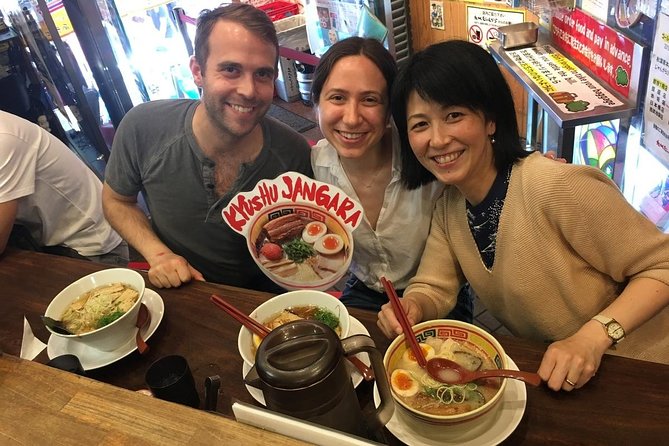
Keep in mind that food is not included. Bring spending money, and tell the guide about allergies before the meal stop. Ike took special care with one child’s food allergy and found a ramen restaurant that could accommodate him. That sort of personal attention is one of the tour’s strongest advantages.
Tsukiji pairs well with Asakusa, but the two stops do not feel identical. Tsukiji is sensory and food-centered. Asakusa is about religious tradition and older streets. Together, they make a fine six-hour plan.
Meiji Jingu, Harajuku, and Takeshita Street: Old and new Tokyo
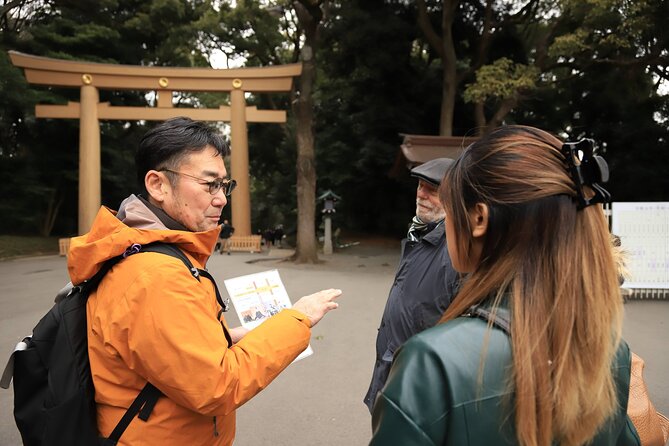
The Meiji Jingu Shrine gives you a sharp change of mood. After busy streets and food stalls, you enter a calmer Shinto setting surrounded by trees in the middle of Tokyo.
The shrine is described as one of the biggest in the city, and it offers a useful chance to learn about Shinto customs. Your guide can explain how to approach the shrine and pay respects. Fumi was praised for teaching proper etiquette at temples and shrines, which can turn a quick photo stop into a more meaningful visit.
Harajuku adds Tokyo’s youthful side. Takeshita Street is known for youth fashion, pop culture, shops, and quick bites. The contrast with Meiji Jingu is the point. In a short walk, you move from a quiet religious site to a colorful commercial street filled with a younger style of city life.
Osamu’s approach here sounds particularly useful. He explained how Harajuku’s fashion culture developed and helped connect its shops, architecture, and luxury brands to the wider story of modern Tokyo.
I would not try to pair Harajuku with too many distant stops in a four-hour tour. Meiji Jingu and Takeshita Street make a strong half-day combination, especially for families or anyone interested in culture, fashion, and photography.
A completely different kind of day out in Tokyo:
- Tokyo: TOKYO SKYTREE® Admission ticket
★ 4.5 · 11,192 reviews - Tokyo: teamLab Planets TOKYO Digital Art Museum Entry Ticket
★ 4.6 · 9,779 reviews - Tokyo: Sumo Show Experience with Chicken Hot Pot and a Photo
★ 4.8 · 6,678 reviews - Tokyo: Shinjuku Food Tour (13 Dishes at 4 Local Eateries)
★ 5.0 · 6,603 reviews
Shibuya Crossing and Shinjuku: Big-city Tokyo
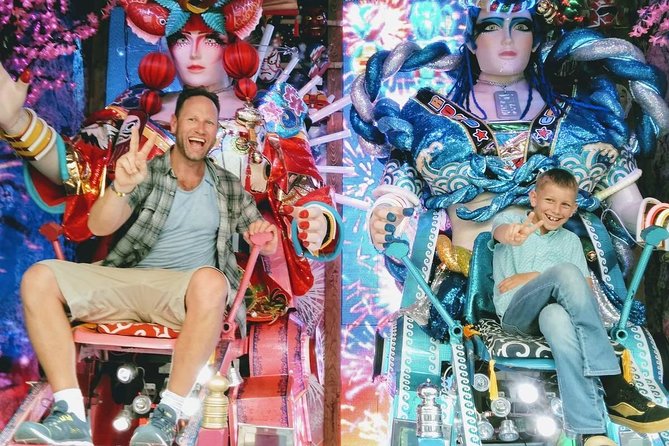
Shibuya Crossing is the quick, unmistakable hit of modern Tokyo. You watch several streams of people cross at once, surrounded by giant signs and tall buildings. The visit is brief, so think of it as a memorable city snapshot rather than a long guided attraction.
A guide can help you reach a good viewing point and explain how the district fits into Tokyo’s youth culture and nightlife. Keiko even filmed a family crossing Shibuya, a thoughtful touch for a group wanting a shared memory.
Shinjuku offers another face of the city, with major shopping, entertainment, and transport hubs. The area works well for visitors who want a sense of Tokyo’s scale, but it can be less focused than Asakusa or Meiji Jingu. Tell your guide what you want from the stop so you do not spend your limited time simply walking through station corridors.
For a modern Tokyo day, consider Meiji Jingu, Takeshita Street, Shibuya Crossing, and Shinjuku. That plan has a clear theme and avoids trying to force in every major sight.
Imperial Palace, Ginza, and Hama Rikyu Gardens
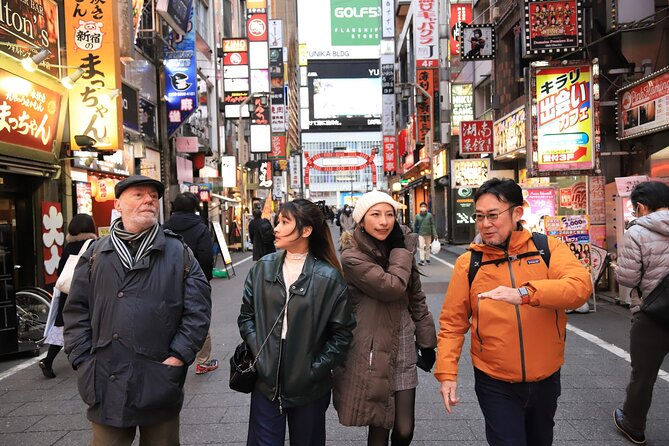
The Imperial Palace area gives you a stately central Tokyo setting, with the East Gardens as the main suggested stop. It is a good choice for visitors who want gardens, national history, and a quieter break from commercial districts.
Ginza is Tokyo’s major luxury shopping area. Include it if department stores, design, and high-end retail matter to you. If shopping is not a priority, you may get more from Asakusa, Yanaka, or a garden.
Hama Rikyu Gardens offer another garden option and can bring a traditional Japanese setting into a day focused on central Tokyo. Entrance fees may apply, so confirm the cost before settling on the plan.
These stops work best when you have six or eight hours. The palace, Ginza, and Hama Rikyu are not a natural match for the western districts of Harajuku, Shibuya, and Shinjuku unless you are using a vehicle and accept a faster pace.
Yanaka, Ueno, and Tokyo National Museum
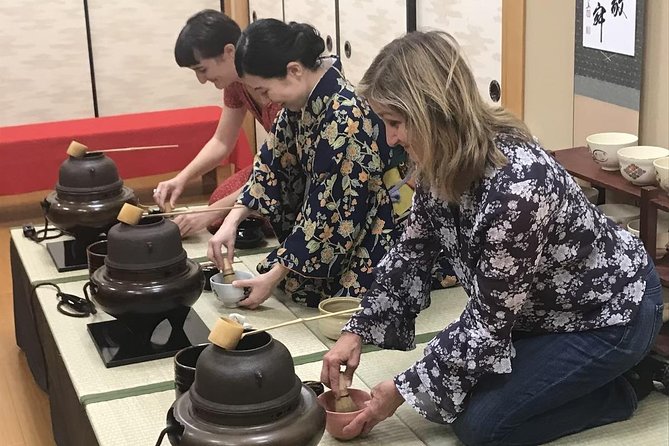
Yanaka Ginza Shopping Street is a good choice if you want a more local-feeling street than the big department store districts. It offers small shops and a neighborhood atmosphere, making it useful for a visitor who wants to see how Tokyo feels away from its headline sights.
Ueno Park is another flexible option. It is known for cherry blossoms and provides room to walk, rest, and see a different part of the city. The Tokyo National Museum is nearby and is one of Tokyo’s major museums, though admission costs extra for both you and your guide.
I would choose Yanaka and Ueno for a culture-focused day, especially if you have already seen the main Shibuya and Asakusa sights. The museum needs more than a rushed 15-minute photo stop, so only include it if you are prepared to give it proper time.
Tokyo Skytree and Odaiba: Add only if they fit your plan
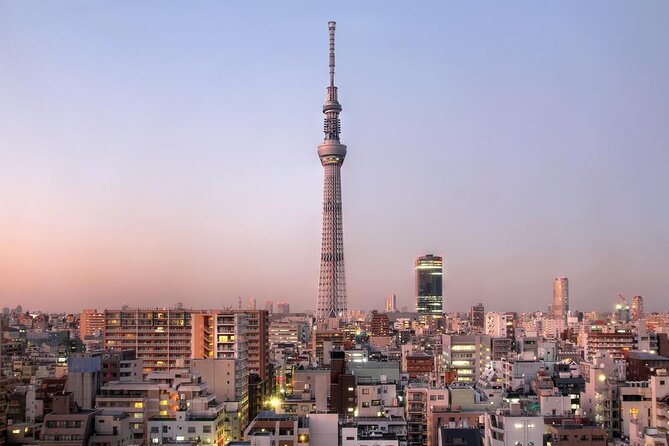
Tokyo Skytree is Japan’s tallest building and a natural pick for city views. The observation experience requires a separate admission fee, and the tower can take more time than the short stop suggests. Ask whether the tour time allows for going up, not just seeing the building from outside.
Odaiba is a waterfront district with a different feel from the older neighborhoods. It can work for families or anyone interested in modern development and open space, but it is not close to every other stop on this list.
A private vehicle may make these choices easier, but driving in Tokyo does not erase traffic or distance. The vehicle option costs extra, and the operator notes that it is limited to the Tokyo metropolitan area. Pickup and drop-off are not available for hotels in Urayasu, including those near Tokyo Disney Resort.
Walking, trains, and the optional vehicle
The standard experience uses walking and public transportation. That is a feature, not a flaw. You see how Tokyo really functions, and you leave with more confidence for the rest of your trip.
The metro is efficient but can be confusing at first. Station corridors are long, lines have different operators, and a simple route may involve several signs and transfers. Guides such as Yoko, Mieko, and Fumi have helped visitors learn the system, buy passes, and reduce the stress of their first day.
You pay all public transportation fares for yourself and the guide. Meals and drinks for both people are also extra. Entrance fees are not included, and if a paid garden, museum, or tower is chosen, you cover the guide’s admission as well.
The private vehicle option is useful for groups that need less walking or want to connect far-apart neighborhoods. It costs extra and has geographic limits, so do not assume it is included in the $145.91 per-person price.
Wear comfortable shoes. A moderate amount of walking is built into the day, and the tour runs in rain or shine. A rainy day does not have to ruin it: one family’s guide reshaped the route to include temples, shopping, and arcades when the weather turned wet.
Is $145.91 per person a fair price?
The value depends heavily on your group size and how much help you need. You are paying for a private guide, hotel pickup when offered, custom planning, and practical support in a city that can be hard to organize on your own.
For a solo visitor or couple, the per-person cost is less attractive than it is for a family or small group sharing a private experience. The price also does not cover transit, food, admission, or the optional vehicle, so calculate the full day rather than treating the listed price as all-inclusive.
I think the strongest value comes on your first day in Tokyo. A guide can help you see key districts while showing you how to return to them later. If you already understand the trains and have visited Tokyo before, a self-guided day may cost less.
The tour has a very high 5-star rating from 1,351 reviews and a 99 percent recommendation rate. That points to reliable satisfaction, especially with the guides’ flexibility, warmth, language ability, and local advice. Still, the one detailed low rating raises a fair warning: if you share your interests in advance but do not confirm a clear route, the day may feel under-planned and end earlier than expected.
The guides make or break the day
The strongest praise is aimed at the people leading the tours. Tak has been appreciated for English skills, local knowledge, market suggestions, and an easygoing manner. Hiro began by asking about a family’s interests, then built a four-hour history-focused route around the Imperial Palace, Asakusa, and the Asakusa Culture Tourist Information Center.
Yoko has helped with last-minute changes, rainy-day planning, train instruction, and history questions. Ike has been praised for careful food planning, family support, and taking visitors to the places they specifically requested.
Fumi is a good fit if you want both major sights and ordinary neighborhoods. She helped one family learn the train system, explained shrine etiquette, and added local areas to a full-day route. Naoko has been especially appreciated by families with children, including taking time for origami at lunch.
When booking, send a short wish list. Mention food allergies, children’s needs, mobility concerns, shopping interests, history, gardens, or pop culture. Ask the guide to rank your choices by neighborhood. That small step may prevent the main weakness, an itinerary that feels too loose.
Who should book this private Tokyo day?
I would recommend it most strongly to first-time visitors, families, older adults who want help with trains, and anyone nervous about navigating Tokyo. It also suits people who want a local introduction rather than a bus tour with a fixed script.
Food lovers should consider Tsukiji and Asakusa. History fans can request the Imperial Palace, temples, shrines, Yanaka, and the Tokyo National Museum. Families can mix Senso-ji, Harajuku, Shibuya, shopping, arcades, and food stops.
It is less suitable if you want long museum visits, extended shopping, or a slow garden day. The tour is built around several neighborhoods, so a focused self-guided visit may be better for one attraction.
Free cancellation is available up to 24 hours before the start time for a full refund. Changes or cancellations inside that window are not accepted, and the tour operates in all weather.
FAQ
How long does the Tokyo customized private tour last?
The tour lasts approximately four to eight hours. A four-hour tour generally includes two to three locations, six hours covers three to four, and eight hours allows about four to five places.
Is hotel pickup included?
Hotel pickup is offered. If you choose the private vehicle option, pickup and drop-off are not available for hotels in Urayasu, including hotels near Tokyo Disney Resort.
Is transportation included in the price?
No. You pay public transportation fares for yourself and your guide. Private vehicle transportation is optional and costs extra.
Are attraction admission fees included?
No. Entrance fees and admission charges are extra for both you and your guide. This can apply to places such as Shinjuku Gyoen, the Tokyo National Museum, Ueno Park attractions, Tokyo Skytree, and Hama Rikyu Gardens.
Can I choose the places I visit?
Yes. The private tour can be customized. Possible stops include Senso-ji, Asakusa, Tsukiji, Meiji Jingu, Takeshita Street, Shibuya Crossing, Shinjuku, Ginza, Yanaka Ginza, the Imperial Palace, Tokyo Skytree, Odaiba, Ueno Park, Hama Rikyu Gardens, and the Tokyo National Museum.
Is this a private group tour?
Yes. Only your group participates in the activity, allowing the guide to adjust the pace and route to your interests.
How much walking is involved?
A moderate amount of walking is included. You should wear comfortable walking shoes, and the tour takes place rain or shine.
Can I cancel for a full refund?
Yes, if you cancel at least 24 hours before the experience start time. Cancellations made less than 24 hours before the start time are not refunded, and changes inside that period are not accepted.
Should you book it?
Book this tour if you want a friendly local guide to turn Tokyo’s train system and scattered neighborhoods into a manageable first day. The best plan is not every famous sight. Choose a theme, give your guide a clear wish list, and leave room for a market snack, a temple lesson, or an unexpected neighborhood stop.
At $145.91 per person before transit, food, admissions, and any vehicle fee, it is not the cheapest way to see Tokyo. For a private family or small group, though, the cost can be worthwhile because you get direct attention, flexible timing, and help you can use for the rest of your trip. My strongest recommendation is the six or eight-hour option for first-time visitors who want both Tokyo highlights and a practical lesson in getting around.
Just added around Tokyo
- Tokyo 6hr Instagram Highlights Private Tour with Licensed Guide★ 5.0 · 38 reviews
- Tokyo Small Group Tour with Guide★ 4.5 · 38 reviews
- Tokyo Sumo Experience with Live Show & Audience Challenge★ 5.0 · 38 reviews
- Very popular in Harajuku♡Animal petting zoo★ 4.6 · 39 reviews
- Japanese Food Cooking Class in Asakusa, Tokyo★ 5.0 · 39 reviews
- Ramen Making from Scratch with Tokyo Mom(Vegan Option Available)★ 5.0 · 39 reviews
- Tokyo: Kimono Rental inside Shinjuku Gyoen National Garden★ 4.9 · 39 reviews
- Tokyo JDM Night: 600hp C63s AMG Edition 1 (Private)★ 4.9 · 39 reviews
1-Day Tours, compared.
Mt Fuji and Hakone 1-Day Bus Tour Return by Bullet Train
Read our review →
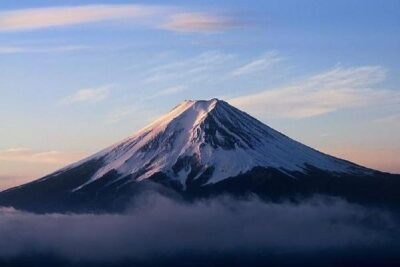
Mt Fuji & Hakone Cruise, Drum Show Bullet Train 1 Day from Tokyo
Read our review →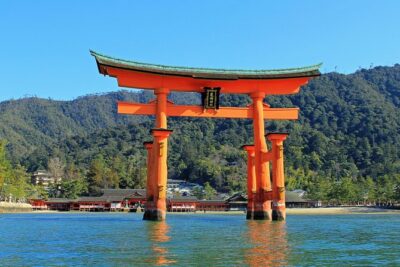
Peaceful Hiroshima & Miyajima UNESCO 1 Day Bus Tour
Read our review →
Fushimi Inari, Kinkakuji, Bamboo Grove 1 Day Bus Tour
Read our review →