
Reviewed · TEMPLE & SHRINE TOURS
Tokyo Early Morning Tour Asakusa Meiji Shrine (Private Opt)
Tokyo rewards early risers. This five-hour outing links four major sights before the city reaches its busiest pace, making it a smart first look at Tokyo for anyone short on time. I especially like the carefully ordered route and the chance to see Asakusa, Tsukiji, Meiji Shrine, and Shibuya Crossing in one morning. The early start also means cooler streets and fewer crowds at the temples and shrine.
The strongest part is the guide-led experience. Guides such as Hana Tanaka and Kouta have helped families understand local customs, use the train, and make sense of the city’s past and present. The main trade-off is pace: four areas in roughly five hours leaves limited time to linger, eat, shop, or explore beyond the planned stops. You should also budget about 600 yen for transportation.
In This Review
- Key things to know before booking
- Why this early route works in Tokyo
- Starting at Asakusa and Sensoji Temple
- Tsukiji for food, smells, and a little extra spending
- Meiji Jingu Shrine and Tokyo’s quiet side
- Finishing at Shibuya Crossing and Hachiko
- What the guide adds to the experience
- The price and what it really covers
- Walking, transportation, and the morning pace
- Who should book this Tokyo morning tour?
- Booking, cancellation, and small practical details
- Should you book it?
- FAQ
- How long does the Tokyo early morning tour last?
- Which places does the tour visit?
- Is transportation included in the price?
- Are food and drinks included?
- What is the group size?
- Where does the tour start and end?
Key things to know before booking
- Four major Tokyo sights in one morning: The route covers Asakusa, Tsukiji Fish Market, Meiji Jingu Shrine, and Shibuya Crossing.
- Early timing matters: You get to the temples and shrine before the afternoon crowds and heat build up.
- Small group size: The tour has a maximum of eight people, which should make questions and conversation easier.
- The food stop is self-funded: Food and drinks at Tsukiji are not included, so bring extra money if you want to sample the market.
- It ends at Hachiko: The final stop is the famous Hachiko Statue outside Shibuya Station, a handy place to continue exploring.
- Plan for walking and trains: A moderate level of fitness is recommended, and transportation costs about 600 yen.
Why this early route works in Tokyo
Tokyo is huge, and its famous sights are spread across very different districts. Asakusa gives you old Tokyo, Tsukiji brings food and market culture, Meiji Jingu offers a quiet wooded shrine setting, and Shibuya supplies the city’s modern rush.
Trying to visit all four on your own can mean checking train directions, finding the right exits, and deciding how much time to spend at each stop. A guide removes much of that decision-making. You can focus on what is around you instead of constantly checking your phone.
The early start is the real strategy here. Asakusa and Meiji Shrine are much easier to appreciate before the heaviest crowds. Tsukiji is also better suited to a morning visit, since its food stalls and shops are tied to the day’s market rhythm.
This is not a slow, deeply focused tour of one neighborhood. It is a practical introduction to several sides of Tokyo. If you have only one free morning, the route gives you a useful first orientation.
More Temple & Shrine Tours in Tokyo
- Tokyo: Meiji Shrine, Asakusa, Skytree Bus Tour and Cruise
★ 4.7 · 1,986 reviews - Tokyo: Asakusa Walking Tour with Sensoji Temple Visit
★ 4.8 · 1,583 reviews - Nikko: Kegon Falls, Lake Chuzenji & Toshogu Temple
★ 4.6 · 1,577 reviews
Starting at Asakusa and Sensoji Temple
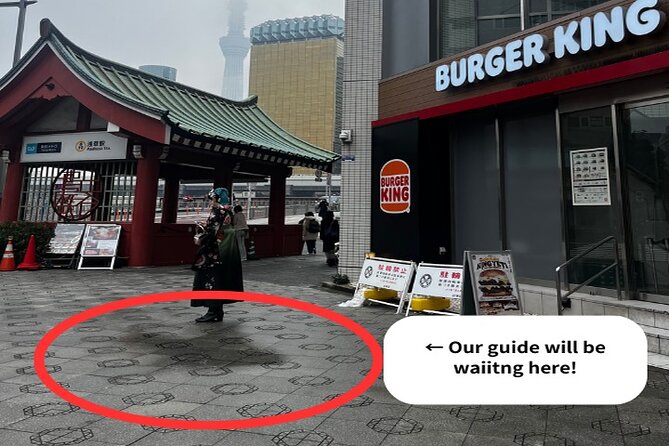
The meeting point is Burger King Asakusa Azumabashi, at 2-chome 20-6 Kaminarimon in Taito City. The exact address is worth checking carefully before you leave your hotel, since large Tokyo stations and long streets can make a simple meeting point feel less simple at first.
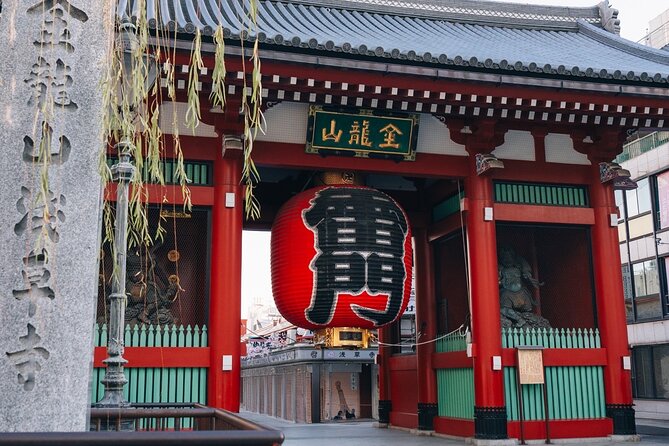
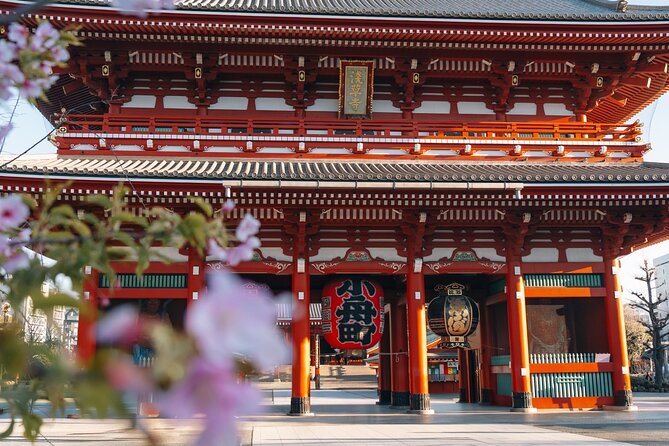
Asakusa is the most traditional-feeling section of the morning. Its main draw is Sensoji, Tokyo’s oldest and best-known Buddhist temple. The area also includes Nakamise Shopping Street, the approach lined with small shops and food sellers.
You have about one hour here. That is enough for a guided introduction to the temple grounds, the surrounding streets, and the district’s role in Tokyo. It is not enough for a relaxed shopping session or a long look at every side street, so keep your expectations realistic.
I like this opening because it gives you context before the tour moves into newer parts of the city. The temple’s gates, streets, and religious customs provide an immediate contrast with the glass towers and dense rail stations you will see later.
A guide can also help explain what you are looking at and how to behave at a Buddhist temple. That is useful on a first morning in Japan, especially if you are unfamiliar with temple etiquette.
The free admission is another advantage. You are paying for the guiding, route planning, and time saved, not for an expensive ticket at every stop.
Tsukiji for food, smells, and a little extra spending
Tsukiji Fish Market is the second stop, with about one hour to explore. The wholesale market once associated with Tsukiji moved to Toyosu, but the outer market remains an important destination for seafood, prepared food, kitchen goods, and casual eating.
This is the stop where you will want some flexible spending money. Food and drinks are not included, and the tour price does not cover tastings. The supplied transportation estimate is about 600 yen, so your actual morning budget should include that amount plus whatever you choose to eat.
The guide can make a real difference here. Tsukiji is not just a place to point a camera at a row of stalls. It is a working food district with unfamiliar products, busy shopfronts, and plenty of choices. Guide Hana Tanaka is praised for giving useful market tips and helping people understand local food culture.
One hour goes quickly. If you enjoy markets, you may wish the tour allowed more time. The route is designed to introduce Tsukiji, not let you eat your way through it. I would avoid ordering a large meal if you want to stay on schedule. Choose one or two things, ask your guide what is worth trying, and keep moving.
This stop is also a good reason to take the tour early. A later visit could feel hotter and more crowded, while the morning schedule fits the market better.
Meiji Jingu Shrine and Tokyo’s quiet side
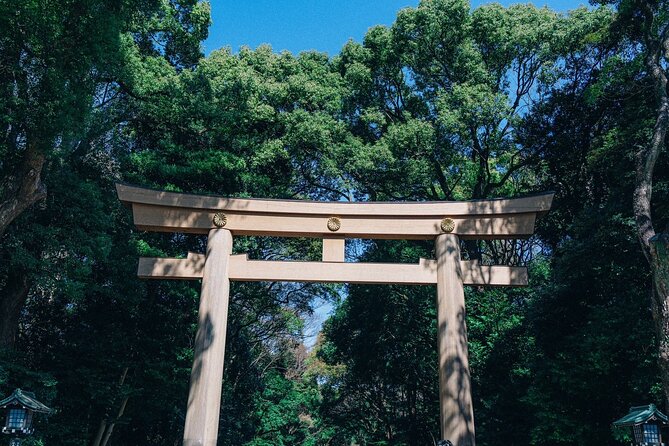
The longest stop is Meiji Jingu Shrine, with about 90 minutes. Dedicated to Emperor Meiji and Empress Shoken, the Shinto shrine sits inside a large forested area in central Tokyo.
After Asakusa and Tsukiji, Meiji Jingu changes the mood completely. The shrine offers a calmer setting, with broad paths and trees separating it from the city around it. You are still in central Tokyo, but the traffic and commercial noise feel far away.
This is where a guide’s explanation adds value. Shinto shrines have customs that can be easy to miss if you are moving quickly. A guide can explain the setting, the shrine’s purpose, and the basic rituals without turning the visit into a lecture.
The 90-minute stop is well judged. It gives you more breathing room than the one-hour visits and lets the area feel peaceful rather than like another item to tick off.
You should still expect walking. The tour description recommends moderate physical fitness, and the route includes several districts plus transportation between them. Comfortable shoes matter more here than dressing for a formal temple visit.
Because admission is free, the stop remains accessible for families and budget-conscious visitors. Families have found the tour useful as a first day in Tokyo, with guides explaining not only the sites but also how to use the train system.
A completely different kind of day out in Tokyo:
- Mt Fuji and Hakone 1-Day Bus Tour Return by Bullet Train
★ 5.0 · 26,383 reviews - 1-Day Tokyo Bus Tour
★ 5.0 · 14,250 reviews - Tokyo: TOKYO SKYTREE® Admission ticket
★ 4.5 · 11,192 reviews - Tokyo: teamLab Planets TOKYO Digital Art Museum Entry Ticket
★ 4.6 · 9,779 reviews
Finishing at Shibuya Crossing and Hachiko
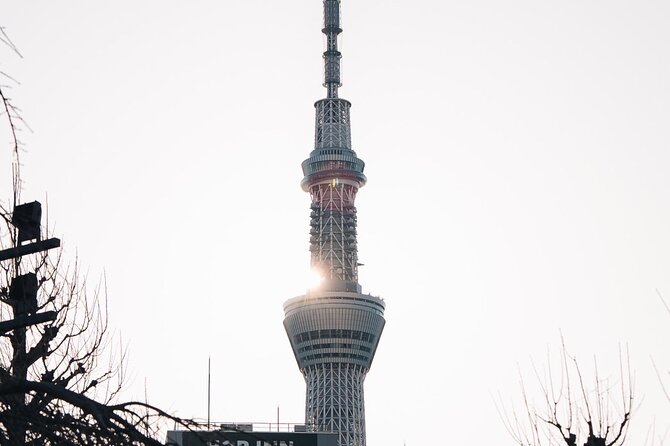
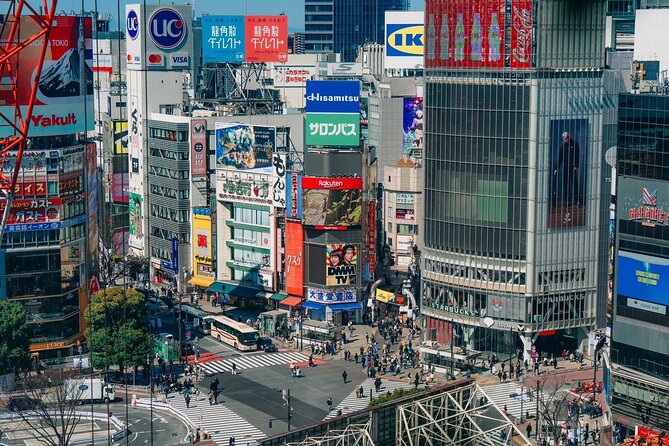
The morning ends at Shibuya Crossing, with about 30 minutes at the stop. The crossing is one of Tokyo’s most recognizable scenes, with pedestrians moving from several directions outside Shibuya Station.
Half an hour is enough to understand the spectacle and take photographs. It is not enough for a full Shibuya visit, shopping, or a long café break. That is not a flaw so much as a clear limit of the route.
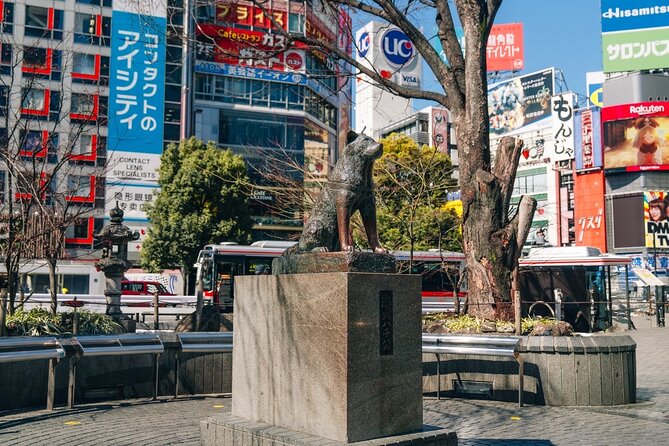
The final meeting point is the Hachiko Statue at 2-chome 1 Dogenzaka, directly outside Shibuya Station. Hachiko’s story gives the ending a human touch after the large-scale energy of the crossing.
I like ending here because the statue is easy to find and the area gives you options afterward. You can continue around Shibuya on your own, return to your hotel, or use the station to reach another part of Tokyo.
The route also creates a useful contrast. You begin with an old Buddhist temple and finish amid one of the world’s best-known modern city intersections. In a single morning, you see how sharply Tokyo can change from one district to the next.
What the guide adds to the experience
The English-speaking guide is the central included feature. There are no entry tickets to arrange, no meal included, and no transportation included, so the tour’s value depends heavily on how much help you want along the way.
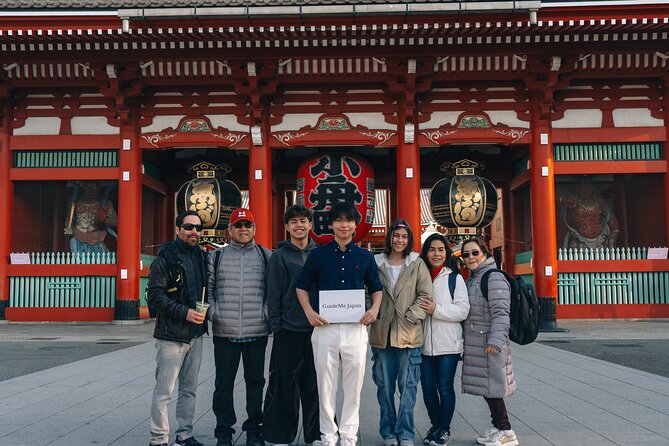
The strongest guide feedback centers on Hana Tanaka. She has been praised for making the day feel personal, explaining temple history and local customs, helping a family learn the train system, and offering practical advice at Tsukiji.
Kouta has also been praised for answering questions and connecting well with teenagers. That detail matters if you are traveling with older children, who may lose interest during a long historical explanation. A guide who adjusts to the group can make the morning easier for everyone.
The group maximum is eight people. That is small enough for direct questions and a less anonymous experience, though it is not the same as having a guide entirely to yourself.
The tour information describes flexible formats, including small-group, private, and self-guided options. Since those choices can change how much personal attention you receive, check the exact format selected at booking. If you want a fully guided morning, make sure the English-speaking guide option is included.
The price and what it really covers
At $59.46 per person, the tour is not simply a transportation pass with sightseeing attached. You are paying for a planned route across several districts, English commentary, and help with the practical parts of Tokyo travel.
The value is strongest if this is your first visit or if you have limited time. In five hours, you get an introduction to four well-known areas without having to work out the order yourself. A private option may also make sense for a family or group that wants more control over the pace.
The value is weaker if you already know Tokyo’s train system, enjoy planning routes, or want long stretches of independent exploration. You will pay separately for transport, food, and drinks. The tour also gives you only short windows at Asakusa, Tsukiji, and Shibuya.
The advertised duration is about five hours, but you should leave some flexibility in your schedule. A six-hour guided outing is possible, especially when a group asks questions or spends longer at a stop.
Walking, transportation, and the morning pace
The tour begins in Asakusa and ends in Shibuya, so transportation between districts is part of the design. Transportation fees are not included and are estimated at around 600 yen.
That cost is modest, but it is still useful to carry a little extra and allow time for transfers. Tokyo’s rail network is efficient, yet large stations can be confusing if you are seeing them for the first time. One benefit of joining a guide is learning how to handle the system during a real sightseeing day.
The route requires a moderate level of physical fitness. You will walk through temple and shrine areas, markets, station surroundings, and city streets. Wear comfortable shoes, keep your hands free when possible, and avoid packing the morning with another fixed appointment immediately afterward.
The early start may be difficult for anyone adjusting to jet lag. Still, it is a smart choice for the sights included. The lower crowd levels are part of what makes the route worthwhile, not just a minor scheduling detail.
Who should book this Tokyo morning tour?
I would recommend it most strongly to first-time visitors, families, and anyone with a short Tokyo stay. It is also a good fit if you want cultural background rather than simply locating each sight and moving on.
Families may appreciate the structure. The route keeps changing, so you are not spending the whole morning in one museum or temple. The guide can also answer practical questions and adjust explanations for different ages.
Food lovers should see Tsukiji as a promising introduction, not a full market tour. You may find enough to whet your appetite, but the one-hour limit means you cannot explore every stall.
Independent repeat visitors may prefer to visit these areas separately. Asakusa deserves several hours if you want to browse Nakamise Shopping Street, and Shibuya can easily fill an afternoon. The group route gives you breadth, not depth.
The private option could be the best choice for older family groups, photographers, or anyone who wants more control over breaks and questions. If you choose a small group, the maximum of eight people keeps the outing from feeling like a large coach excursion.
Booking, cancellation, and small practical details
Confirmation is provided at booking, and the meeting point is near public transportation. Still, check the Burger King Asakusa Azumabashi address carefully and arrive with enough time to identify the correct building.
Free cancellation is available if you cancel at least 24 hours before the local start time. Cancellations made less than 24 hours ahead are not refunded, and changes inside that window are not accepted.
The tour is recommended by all listed participants and has a five-star rating from 69 ratings. That strong record is most closely tied to the guides, especially their personal explanations, local tips, and help with train travel.
Food, drinks, entrance fees, and transportation are not included. The listed stops themselves have no admission charge, which keeps the extra costs fairly predictable apart from what you decide to eat at Tsukiji.
Should you book it?
Book this tour if you want a well-organized first morning in Tokyo and would rather learn the city with a local guide than manage four districts alone. The early timing, small maximum group, and strong guide feedback make it a useful introduction.
Skip it if you want long meals, unhurried photography, or a full day in one neighborhood. The route is quick, and its appeal comes from seeing several sides of Tokyo in one efficient sweep.
For most first-time visitors with limited time, I would choose the guided small-group option and keep the rest of the day open after Hachiko. That gives you structure when Tokyo is still new, plus the freedom to explore Shibuya or return to a favorite stop later.
FAQ
How long does the Tokyo early morning tour last?
The planned duration is approximately five hours. You should allow extra time, since the outing may run closer to six hours depending on the pace of the group.
Which places does the tour visit?
The route includes Asakusa, Tsukiji Fish Market, Meiji Jingu Shrine, and Shibuya Crossing. It ends at the Hachiko Statue outside Shibuya Station.
Is transportation included in the price?
No. Transportation is not included. The estimated transportation cost is around 600 yen.
Are food and drinks included?
No. Food and drinks are not included. You can purchase items at Tsukiji Fish Market at your own expense.
What is the group size?
The activity has a maximum of eight participants. Private and other flexible tour formats are also described, so confirm the option you select when booking.
Where does the tour start and end?
The tour starts at Burger King Asakusa Azumabashi in Tokyo’s Taito City. It ends at the Hachiko Statue at 2-chome 1 Dogenzaka, outside Shibuya Station.
Just added around Tokyo
- Tokyo Small Group Tour with Guide★ 4.5 · 38 reviews
- Tokyo 6hr Instagram Highlights Private Tour with Licensed Guide★ 5.0 · 38 reviews
- Tokyo Sumo Experience with Live Show & Audience Challenge★ 5.0 · 38 reviews
- Very popular in Harajuku♡Animal petting zoo★ 4.6 · 39 reviews
- Japanese Food Cooking Class in Asakusa, Tokyo★ 5.0 · 39 reviews
- Ramen Making from Scratch with Tokyo Mom(Vegan Option Available)★ 5.0 · 39 reviews
- Tokyo: Kimono Rental inside Shinjuku Gyoen National Garden★ 4.9 · 39 reviews
- Tokyo JDM Night: 600hp C63s AMG Edition 1 (Private)★ 4.9 · 39 reviews
Temple & Shrine Tours, compared.
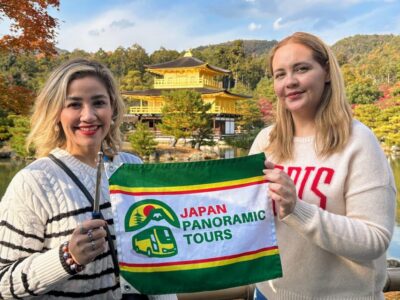
Fushimi Inari, Kinkakuji, Bamboo Grove 1 Day Bus Tour
Read our review →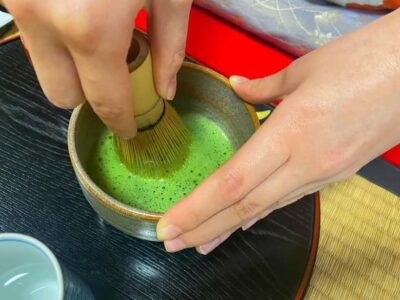
Tea Ceremony in a Traditional Tea House in Kiyomizu
Read our review →
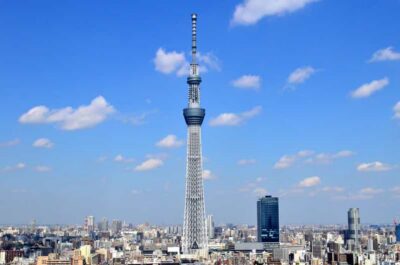
Meiji Shrine, Asakusa, Skytree Bus Tour and Cruise
Read our review →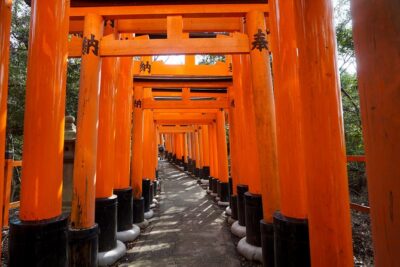
Fushimi Inari Hidden Hiking Tour (Private Option Available)
Read our review →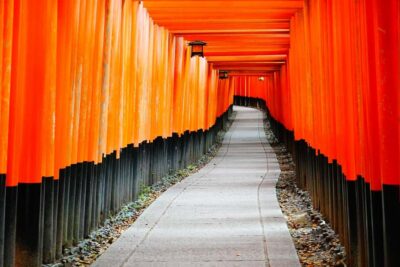
Osaka/Kyoto:Kinkakuji,Arashiyama,FushimiInariShrine,NaraPark
Read our review →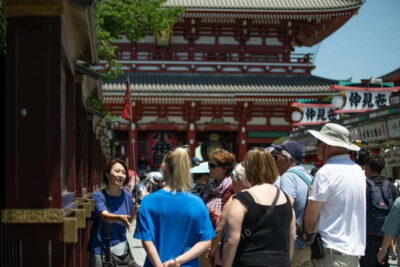
Asakusa Walking Tour with Sensoji Temple Visit
Read our review →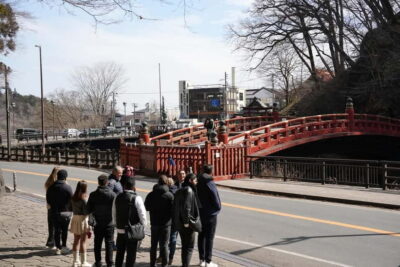
Nikko: Kegon Falls, Lake Chuzenji & Toshogu Temple
Read our review →Browse the lists this tour appears in