
Reviewed · TEMPLE & SHRINE TOURS
Tokyo: Imperial Palace, Sensō-ji Temple, & Tokyo Tower Tour
Tokyo’s big sights fit neatly into one afternoon. This four-hour Hato Bus tour links the Imperial Palace outer grounds, Sensō-ji Temple, and Tokyo Tower, three very different places that sit far apart on the city map. I like the easy transportation and the steady stream of English commentary, especially between stops. The main catch is clear: you do not enter the Imperial Palace, and the outer garden visit is brief.
At $40 per person, the tour is a sensible way to get your bearings on a first Tokyo visit. Sensō-ji and Tokyo Tower provide the strongest experiences, while the Imperial Palace stop is more of a photo opportunity than a full palace visit. Guides such as Junko, Kiki, Kumie, and Atsushi have earned praise for clear explanations, good pacing, and helpful city tips.
In This Review
- Key points to know before booking
- Three Tokyo landmarks, one practical afternoon
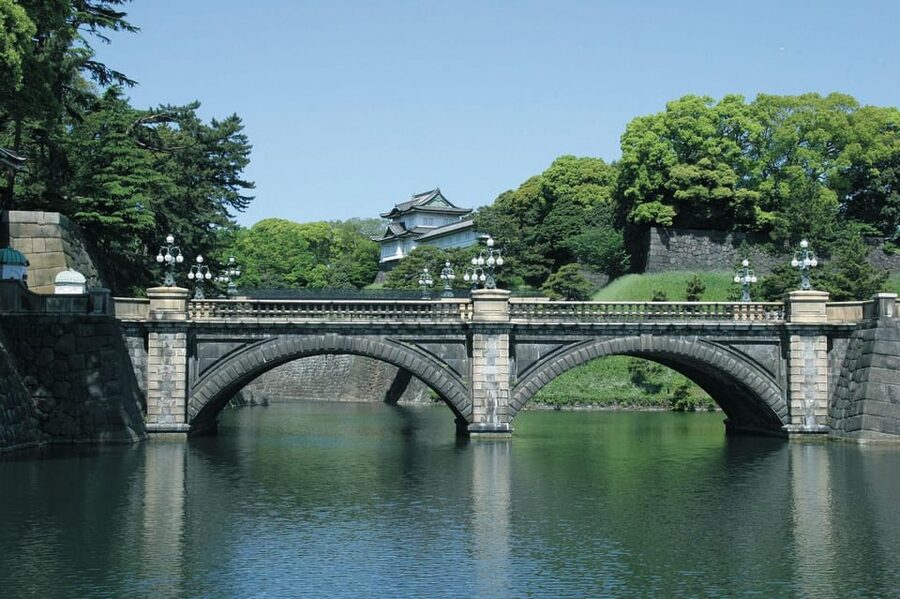
- Nijubashi Bridge and the Imperial Palace outer area
- Sensō-ji Temple and Nakamise Street
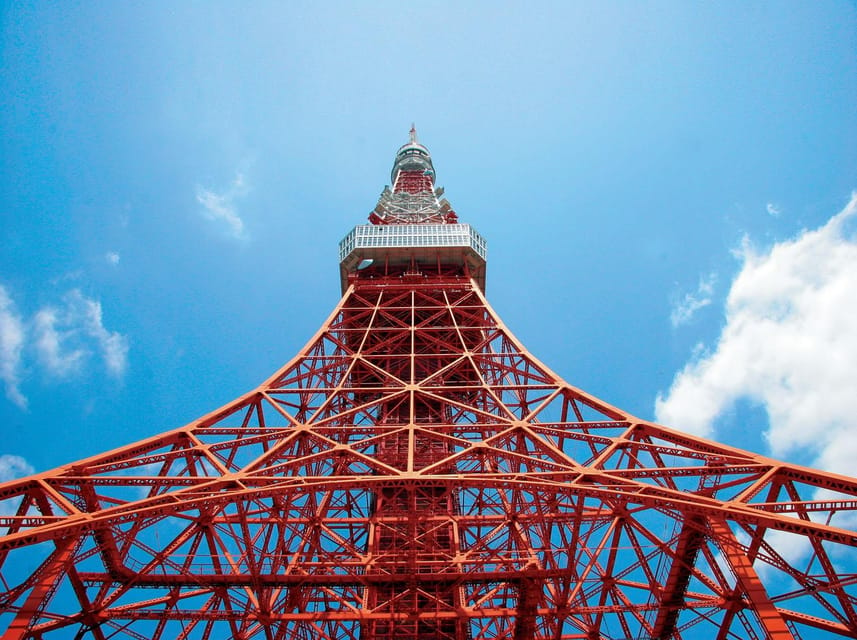
- Tokyo Tower from the 150-meter observatory
- Why the hybrid bus makes sense in Tokyo
- The guides can make or break the afternoon
- Is $40 a good value?
- Practical advice for choosing the right day
- Who should book this Tokyo tour?
- FAQ
- How long does the tour last?
- Where does the tour start?
- Does the tour enter the Imperial Palace?
- Are the Imperial Palace East Gardens included?
- How much time is spent at Nijubashi Bridge?
- How much time is provided at Sensō-ji Temple?
- Is Nakamise Street included?
- Is Tokyo Tower admission included?
- Can you see Mount Fuji from Tokyo Tower?
- Is the tour conducted in English?
- Is the tour wheelchair accessible?
- Do children under six need a ticket?
Key points to know before booking
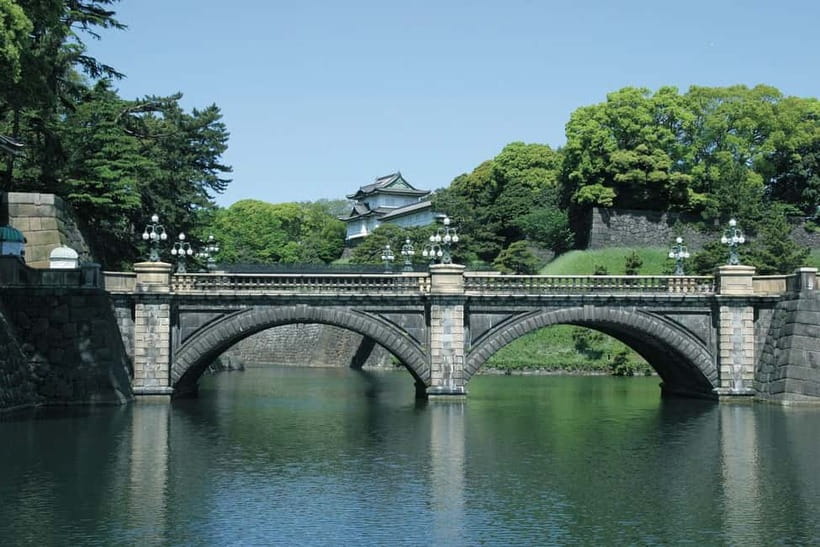
- The Imperial Palace stop is outside only: You see the outer garden, Nijubashi Bridge, and the statue of Masashige Kusunoki, but not the palace interior or East Gardens.
- Sensō-ji gets about one hour: You have guided context plus time to explore Nakamise Street, shop, and buy snacks at your own expense.
- Tokyo Tower includes the 150-meter main observatory: Clear weather may bring a view of Mount Fuji, though rain and haze can limit visibility.
- The hybrid bus saves time and effort: The three sights are widely separated, and you can watch Tokyo pass by without changing trains.
- The guides are a major part of the value: English-speaking guides including Junko, Kiki, and Cheetusan have been praised for lively explanations during both walks and bus rides.
- This suits a first afternoon in Tokyo: It covers major landmarks efficiently, but you will want more time if you prefer slow temple visits or detailed palace gardens.
Three Tokyo landmarks, one practical afternoon
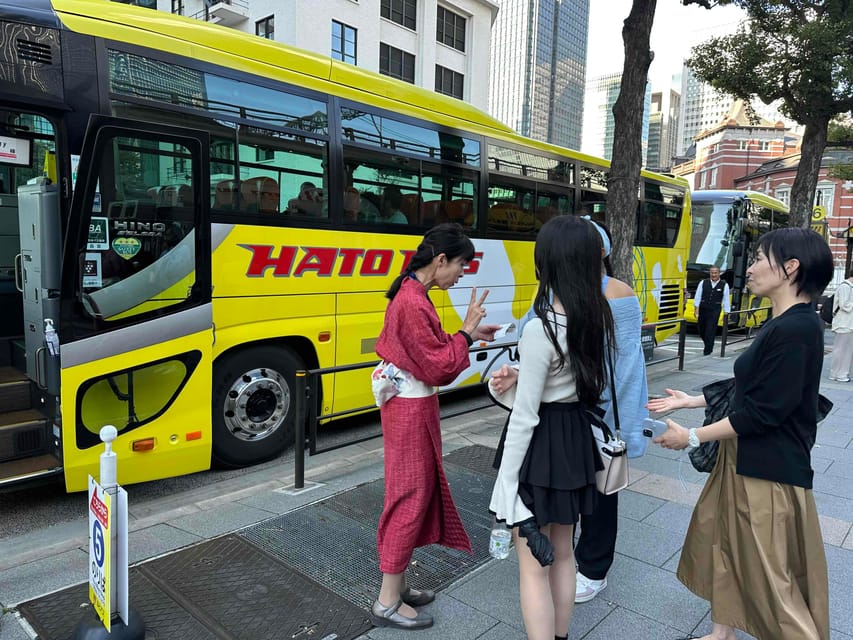
This is a sightseeing sampler, not an intimate walking tour. You spend part of the four hours on an eco-friendly hybrid bus, then get out for short visits at each main stop. That arrangement works well in Tokyo, where crossing the city can eat up a surprising amount of your day.
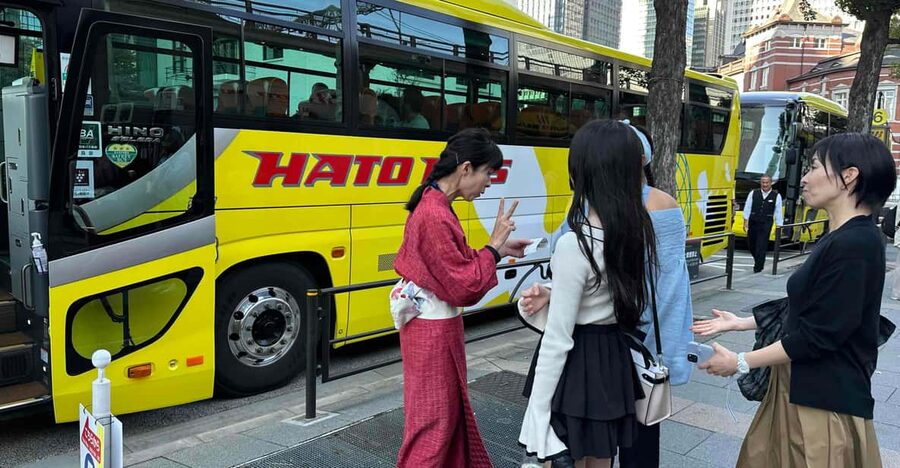
The tour begins at the Hato Bus Tokyo office, about two minutes from Tokyo Station’s Marunouchi South Exit. That location is useful if you are staying near Tokyo Station or arriving by train. You meet the English-speaking guide there, board the bus, and set off as a group.
The strongest feature is the range. In one outing, you see imperial architecture, one of Tokyo’s oldest Buddhist temples, and a modern observation tower. These places do not feel alike, which keeps the afternoon from becoming a parade of similar shrines and city streets.
You should also set your expectations correctly. The tour is designed to show you the highlights, not to give every site the time it deserves. One participant called it a good introduction but wished for longer stops. I agree with that tradeoff: the convenience is excellent, but independent visits allow more freedom.
More Temple & Shrine Tours in Tokyo
- Tokyo: Meiji Shrine, Asakusa, Skytree Bus Tour and Cruise
★ 4.7 · 1,986 reviews - Tokyo: Asakusa Walking Tour with Sensoji Temple Visit
★ 4.8 · 1,583 reviews - Nikko: Kegon Falls, Lake Chuzenji & Toshogu Temple
★ 4.6 · 1,577 reviews
Nijubashi Bridge and the Imperial Palace outer area
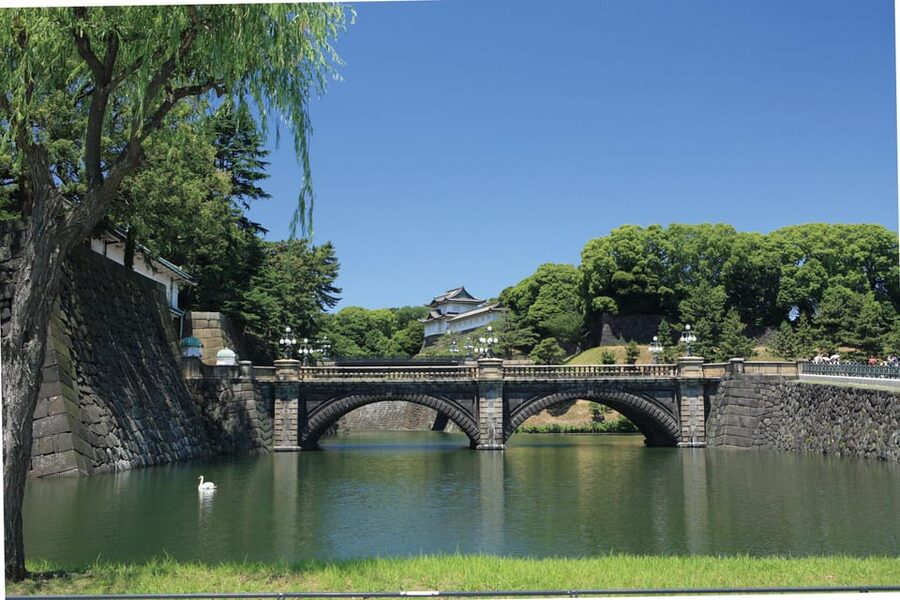
The first stop lasts about 40 minutes and centers on the Imperial Palace outer area. You get off the bus to see the statue of Masashige Kusunoki and walk around the Nijubashi Bridge area. The bridge, stone walls, water, and carefully ordered grounds make good photographs, particularly if you want a quick look at Tokyo’s imperial center.
The guide helps explain what you are seeing, which matters here because the palace itself is not open to you on this tour. You will not enter the Imperial Palace, and the East Gardens are specifically excluded. You should not book this experience expecting palace rooms, inner courtyards, or an extended garden stroll.
This stop has divided opinions for a simple reason: there is less to explore than the name Imperial Palace may suggest. Some people found the outer grounds disappointing because they saw mostly the walls and exterior area. Others appreciated it as a short historical stop before moving on.
I would treat it as a photo and orientation visit. You see the setting and the formal approach to the palace, then continue. If the Imperial Palace is high on your list, plan a separate visit to the East Gardens, keeping in mind that they are not part of this tour.
The 40-minute timing is sensible for the included area. It prevents the stop from taking time away from Sensō-ji and Tokyo Tower, but it also means you should not expect a leisurely walk. Wear shoes that are comfortable for standing and walking, and remember that you will navigate a few steps when boarding and leaving the bus.
Sensō-ji Temple and Nakamise Street
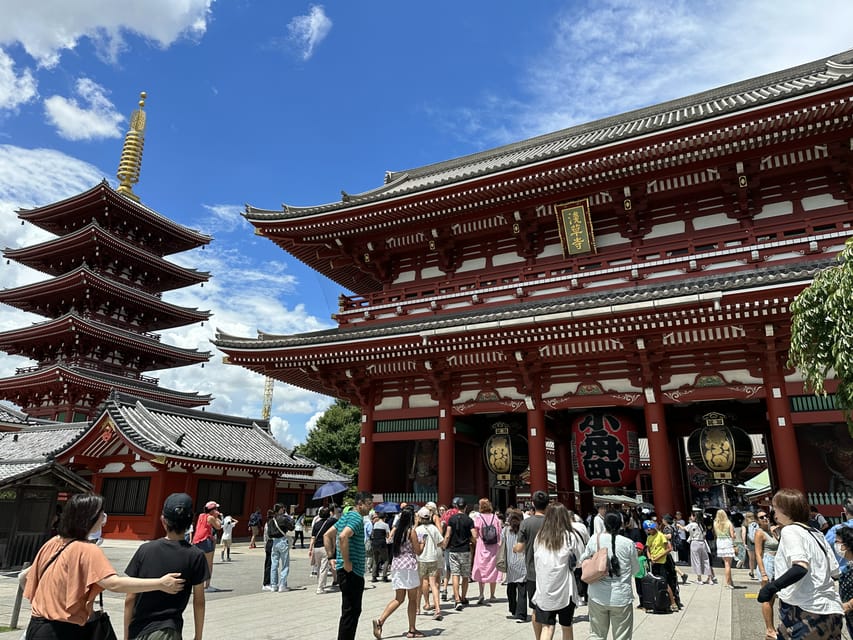
Sensō-ji is the heart of the afternoon. Also called Asakusa Kannon Temple, it is identified here as Tokyo’s oldest temple, and its entrance, grounds, traditional details, and busy approach offer much more to see than the palace outer area.
Your guide provides background on the temple’s old craftsmanship and explains the main points before giving you free time. That combination works well. You get enough context to understand the setting, then you can stop listening and look around at your own pace.
The best part of the visit is Nakamise Street, a traditional shopping street about 200 meters long within the temple complex. It is lined with souvenir shops and places selling local snacks and meals. Food and purchases are not included, so bring some yen or another accepted payment method if you want to browse seriously.
One hour passes quickly at Sensō-ji. You may want to see the temple buildings, take photographs, explore Nakamise, and sample something to eat. On a busy Sunday, moving through the area can take extra time. The tour keeps the group together for the guided portion, then allows independent wandering, so pay attention to the meeting instructions before setting off.
I would give Sensō-ji priority during the free time. If you must choose between a long shopping stop and a careful look around the temple, choose the temple first. You can return to Nakamise independently on another day if your schedule allows.
This is also the stop where the tour feels most connected to everyday Tokyo. The palace offers official ceremony and Tokyo Tower offers height and city views. Sensō-ji brings you close to a working religious site, traditional crafts, food, and souvenirs in one compact area.
Tokyo Tower from the 150-meter observatory
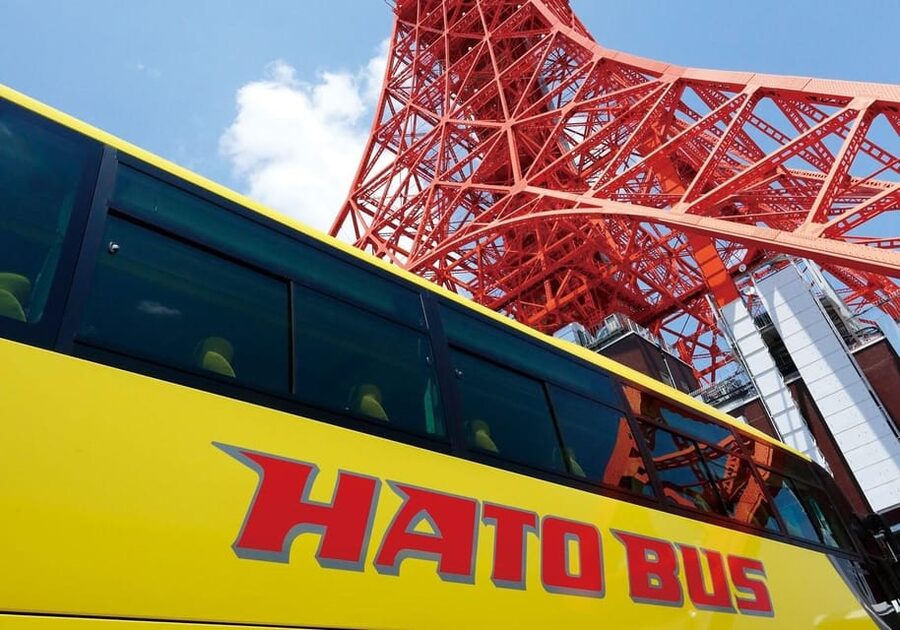
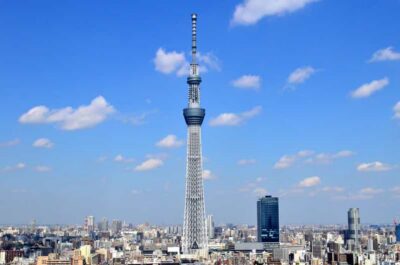
The final major stop is Tokyo Tower, one of the capital’s best-known symbols. The tour includes entry to the main observatory at 150 meters, so this is not just a quick exterior photograph.
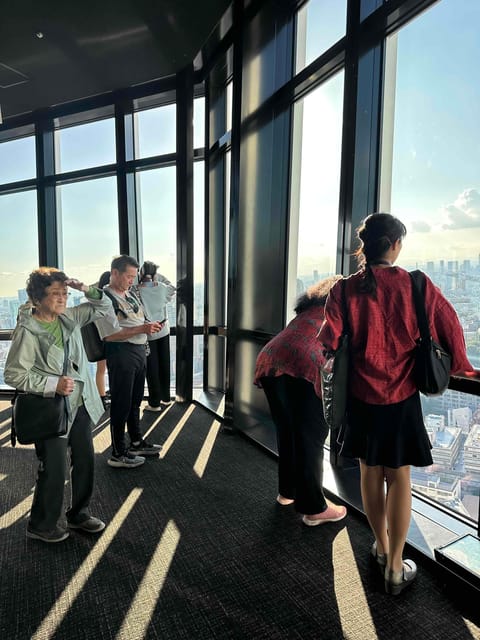
The view gives you a useful sense of Tokyo’s scale. From above, the dense city spreads in every direction, and you can watch the urban form change across the horizon. On a clear day, you may even spot Mount Fuji. Weather matters a great deal here: rain, humidity, and haze can reduce visibility and make the observatory less rewarding.
One afternoon visit had poor visibility because of rain, while another benefited from warm, sunny conditions. If you have any flexibility, a late afternoon departure may offer changing light. One person specifically preferred arriving around sunset rather than after dark, though the exact tour timing depends on the available start time.
The stop lasts about 40 minutes. That is enough to go up, look around, take photographs, and enjoy the view, but it is not a long observation session. If Tokyo Tower is your main reason for booking, you may wish the visit lasted longer. For a three-sight tour, however, the timing keeps the whole afternoon moving.
Tokyo Tower makes a good finale because it pulls the other stops into a larger picture. After seeing the imperial center and historic Asakusa, you rise above the city and see how enormous Tokyo really is.
A completely different kind of day out in Tokyo:
- Mt Fuji and Hakone 1-Day Bus Tour Return by Bullet Train
★ 5.0 · 26,383 reviews - 1-Day Tokyo Bus Tour
★ 5.0 · 14,250 reviews - Tokyo: TOKYO SKYTREE® Admission ticket
★ 4.5 · 11,192 reviews - Tokyo: teamLab Planets TOKYO Digital Art Museum Entry Ticket
★ 4.6 · 9,779 reviews
Why the hybrid bus makes sense in Tokyo
The bus is not just a comfortable extra. It solves a real problem. The Imperial Palace, Asakusa, and Tokyo Tower are separate parts of the city, and arranging all three independently means several train rides, transfers, walks, and ticket decisions.
The eco-friendly hybrid bus provides a fixed route and a place to sit between visits. Guides continue speaking during many of the drives, sharing facts about Tokyo, Japanese daily life, and even aspects of the Japanese language. Junko was singled out for keeping people informed between stops, while Kiki was praised for adding useful language and cultural details during the rides.
That moving commentary is a quiet strength of the tour. You are not simply being transported from one attraction to the next. You get a narrated introduction to the city as it passes outside the windows.
The bus does require a few steps when you board and leave. The activity is listed as wheelchair accessible, but anyone who needs assistance should still consider the step requirement when deciding if the format is comfortable. Children under six can ride free, but they do not receive their own seats.
There is no hotel pickup or drop-off. You need to reach the Hato Bus office yourself and return there at the end. That is straightforward from Tokyo Station, but it is worth allowing enough time to find the office inside the station area.
The guides can make or break the afternoon
The sights are famous, but the guide determines how much you get from a short visit. The strongest praise centers on guides who explain clearly, keep the group together, answer questions, and continue talking during the bus rides.
Junko received repeated praise for her professionalism, timing, and friendly explanations. Kiki was described as warm, helpful, and very good at adding stories about Japanese language and culture. Cheetusan kept an afternoon comfortable even in hot, humid weather, while Atsushi was praised for pacing the tour and including everyone.
Guide quality can vary from departure to departure, but the pattern is encouraging. English is the tour language, and the guide is nationally certified as an English-speaking guide. The commentary appears to be more than a basic list of dates and names. You may hear practical suggestions for places to visit later, along with explanations of daily life.
A few guides also helped with photographs and offered city tips. That is useful on a first day, when you are still working out how Tokyo’s neighborhoods connect. You should still listen carefully to the meeting times, especially at Sensō-ji, where independent exploration can pull you farther from the group than expected.
Is $40 a good value?
At $40, the price is strong for a four-hour outing that includes transportation, a guide, and Tokyo Tower admission. You are paying for convenience as much as sightseeing. The tour takes care of the long cross-city movements and gives you a clear structure, which can be worth more than saving a few dollars by arranging separate train trips.
The value is best if you are new to Tokyo, have only half a day, or want to cover major landmarks before exploring independently. Several people described it as a good use of a short stay, and that assessment makes sense.
The value drops if you want long visits at each location. You pay for access to three sights, but the Imperial Palace visit is limited to the outer area, Sensō-ji has only an hour, and Tokyo Tower has about 40 minutes. Food, drinks, and shopping are also extra.
A 4.5 rating from 339 reviews supports the idea that the basic formula works. The most consistent strengths are the guides, organized transport, and range of sights. The clearest weakness is the limited Imperial Palace access, followed by the occasional weather problem at Tokyo Tower.
Practical advice for choosing the right day
Weather can change the feel of the tour. Rain may make the palace grounds less pleasant and can blur the Tokyo Tower view. Clear conditions give the final stop much more impact, especially if you hope to spot Mount Fuji.
Summer afternoons can be hot and humid. A guide and driver helped one group stay comfortable during such conditions, but you should still dress for the weather and carry water. Food and drinks are not included, so plan for your own refreshments.
Build in extra time before the start at Tokyo Station. The meeting point is close to the Marunouchi South Exit, but large stations can be confusing when you have luggage or are unfamiliar with Japanese signs.
The tour returns to the original Hato Bus office. That makes it easier to continue with dinner or another Tokyo activity, since you finish near a major transport hub rather than at an unknown neighborhood street.
The tour is also a good first-day choice. You see enough of Tokyo to decide where you want to return. Sensō-ji may lead you back to Asakusa, the palace stop may encourage a separate East Gardens visit, and Tokyo Tower gives you a quick overview of the city’s scale.
Who should book this Tokyo tour?
Book it if you want a simple introduction to Tokyo without managing several train routes. It suits first-time visitors, families who prefer a seated transfer between sights, and people with limited time. It also works well if you want an English-speaking guide to explain cultural details that are easy to miss on your own.
It is less suitable if the Imperial Palace is your main goal. You will see the outer area, Nijubashi Bridge, and the nearby statue, but not the palace interior or East Gardens. It is also not ideal for photographers who want long, unhurried sessions at Tokyo Tower or Sensō-ji.
For most people, I see this as a practical orientation tour with two strong stops and one brief palace introduction. If you understand that limitation, $40 buys a comfortable afternoon, solid commentary, and a useful first look at three very different sides of Tokyo.
FAQ
How long does the tour last?
The tour lasts four hours, with departure and return at the Hato Bus Tokyo office.
Where does the tour start?
It starts at the Hato Bus boarding point and office near Tokyo Station, about a two-minute walk from the JR Tokyo Station Marunouchi South Exit.
Does the tour enter the Imperial Palace?
No. The tour visits the Imperial Palace outer area, including the Nijubashi Bridge area and the statue of Masashige Kusunoki. Entry to the palace itself is not included.
Are the Imperial Palace East Gardens included?
No. The East Gardens are not part of this tour.
How much time is spent at Nijubashi Bridge?
The Imperial Palace outer area visit lasts about 40 minutes, including sightseeing and walking around the Nijubashi Bridge area.
How much time is provided at Sensō-ji Temple?
The Sensō-ji visit lasts about one hour and includes guided sightseeing, free time, shopping, and walking.
Is Nakamise Street included?
Yes. Nakamise is part of the Sensō-ji complex, and you have free time to explore its traditional shops. Any food, drinks, or purchases cost extra.
Is Tokyo Tower admission included?
Yes. Entry to Tokyo Tower’s main observatory at 150 meters is included.
Can you see Mount Fuji from Tokyo Tower?
You may see Mount Fuji when the weather is clear. Rain, haze, or low visibility can limit the view.
Is the tour conducted in English?
Yes. The tour is conducted in English with a live English-speaking guide.
Is the tour wheelchair accessible?
The activity is listed as wheelchair accessible, but you need to navigate a few steps when getting on and off the bus.
Do children under six need a ticket?
Children from age zero to under six can travel free, but they are not provided with their own seats.
Just added around Tokyo
- Tokyo 6hr Instagram Highlights Private Tour with Licensed Guide★ 5.0 · 38 reviews
- Tokyo Small Group Tour with Guide★ 4.5 · 38 reviews
- Tokyo Sumo Experience with Live Show & Audience Challenge★ 5.0 · 38 reviews
- Japanese Food Cooking Class in Asakusa, Tokyo★ 5.0 · 39 reviews
- Very popular in Harajuku♡Animal petting zoo★ 4.6 · 39 reviews
- Ramen Making from Scratch with Tokyo Mom(Vegan Option Available)★ 5.0 · 39 reviews
- Tokyo JDM Night: 600hp C63s AMG Edition 1 (Private)★ 4.9 · 39 reviews
- Tokyo: Kimono Rental inside Shinjuku Gyoen National Garden★ 4.9 · 39 reviews
Temple & Shrine Tours, compared.
Fushimi Inari, Kinkakuji, Bamboo Grove 1 Day Bus Tour
Read our review →
Tea Ceremony in a Traditional Tea House in Kiyomizu
Read our review →
Meiji Shrine, Asakusa, Skytree Bus Tour and Cruise
Read our review →
Fushimi Inari Hidden Hiking Tour (Private Option Available)
Read our review →
Osaka/Kyoto:Kinkakuji,Arashiyama,FushimiInariShrine,NaraPark
Read our review →
Asakusa Walking Tour with Sensoji Temple Visit
Read our review →
Nikko: Kegon Falls, Lake Chuzenji & Toshogu Temple
Read our review →Browse the lists this tour appears in