Reviewed · 3-HOUR EXPERIENCES
Tokyo Like a Local: Private & Personalised Experience (2-3 hours)
Tokyo rewards curiosity. This private experience gives you a local companion, a flexible route, and a useful lesson in getting around the city. I especially like the custom itinerary, which can focus on food, temples, shopping, nightlife, or neighborhood life. I also like the practical help with Tokyo’s train and subway system, a real gift on your first day.
The main thing to understand is that this is not a private car tour or a fast checklist of Tokyo’s biggest sights. It is mainly a walking experience, with public transport or taxis used when needed and paid for separately. In two to three hours, you need to choose your priorities carefully.
In This Review
- Key points to know before booking
- What this Tokyo experience is really designed to do
- Starting near Harajuku and Omotesando
- Shibuya: Hachiko, the crossing, and modern Tokyo
- Asakusa: Senso-ji and Nakamise shopping street
- Learning Tokyo’s rail system
- Food, shopping, and everyday customs
- The hosts make or break the experience
- Timing, pace, and family needs
- What the $107.20 price buys you
- Booking advice and cancellation terms
- Should you book Tokyo Like a Local?
- FAQ
- How long does the Tokyo Like a Local experience last?
- Is this a private tour?
- Is transportation included?
- Can I choose what to see?
- Are food, drinks, and attraction tickets included?
- Where does the tour start and end?
Key points to know before booking
- Your route is built around your interests: Share your must-sees, food cravings, shopping plans, or cultural questions before you arrive.
- The train lesson may be the best souvenir: Hosts can help you understand Tokyo’s rail system, buy tickets, and find faster routes back to your hotel.
- Shibuya and Asakusa offer very different Tokyo experiences: Shibuya brings modern city energy, while Asakusa gives you temples, snacks, and old Tokyo customs.
- You get a private host, not a fixed group tour: Only your party participates, so the pace can suit a family, a couple, or a solo visitor.
- Food and attraction costs are extra: You pay separately for meals, drinks, entrance tickets, and any public transport or taxi rides.
- Host quality can vary: Many hosts are praised for warmth, flexibility, and local advice, but clear planning before the meeting matters.
What this Tokyo experience is really designed to do
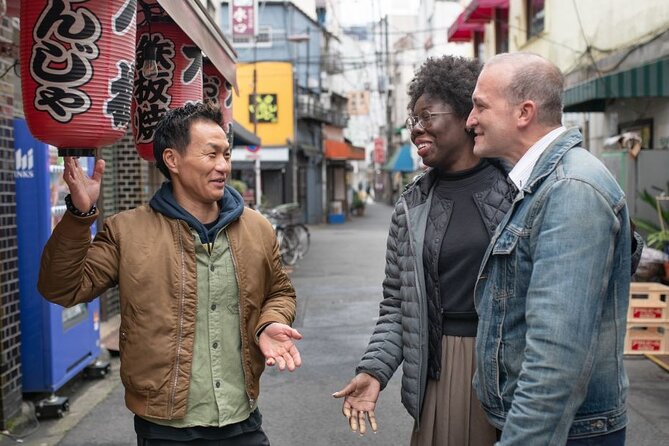
Think of this as a personal orientation rather than a standard sightseeing tour. You meet a local host and spend two to three hours learning how Tokyo works, seeing a few places that fit your interests, and collecting ideas for the rest of your stay.
That distinction matters. Tokyo is huge, and a short walking experience cannot cover the city in any meaningful way. It can, however, help you understand how neighborhoods connect, how to use the transport system, how local customs work, and where to return later.
The pre-tour questionnaire is important. You can explain that you want temples and shrines, Japanese food, shopping, anime, family-friendly stops, nightlife advice, or simply a gentle introduction after a long flight. Your host can then contact you directly to shape the route and offer recommendations.
I would be specific. If you want a particular bookstore, market, cafe, shrine, or shopping street, write it down. Also tell the host what you do not want. Two hours disappears quickly, especially if you spend part of it changing trains.
A few more Tokyo experiences worth weighing up
- Tokyo Top Highlights 3h Guided E-bike Tour
★ 5.0 · 714 reviews - 3h Tokyo E-Bike Tour: Hidden Gems, and Local Life with guide
★ 5.0 · 670 reviews - Tokyo: 3-Hour Bike or E-Bike City Highlights Tour
★ 4.8 · 435 reviews
Starting near Harajuku and Omotesando
The stated meeting point is NewDays Harajuku, near the Omotesando Exit, at 1-chome Jingumae in Shibuya. This location puts you near one of Tokyo’s busiest areas and gives the tour a practical starting point close to public transport.
The meeting point is worth confirming carefully after booking. The experience offers pickup, but the tour is mainly on foot and does not include a private vehicle. Some arrangements may begin at your hotel or another agreed location, while the listed start and finish point is the Harajuku meeting area.
A good host should use the first few minutes to understand your energy level and plans. If you have just arrived after a long journey, you may want a simple introduction to trains and nearby sights. If you are already settled in, you may prefer a focused walk through a neighborhood or a food-centered outing.
Because the tour ends back at the meeting point, ask how much time will be spent returning there. If your hotel is elsewhere, your host may still show you a useful route back, but do not assume that the experience ends at your accommodation.
Shibuya: Hachiko, the crossing, and modern Tokyo
A Shibuya route can include Hachiko, the famous dog statue linked with loyalty and friendship. Your host can explain the story and its place in Japanese popular culture, making this more than a quick photograph outside the station.
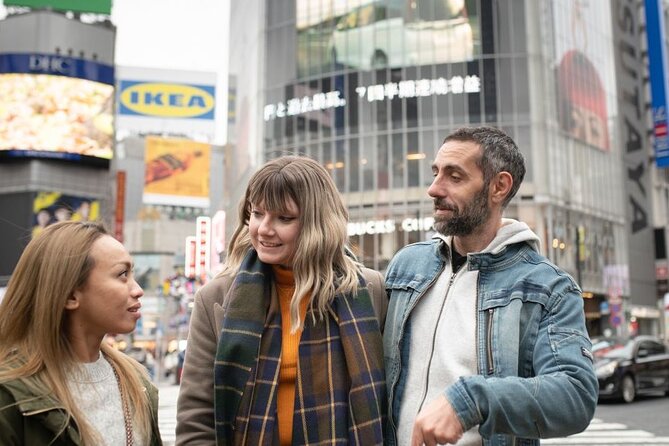
From there, you may visit Shibuya Crossing. The crossing is famous for its waves of pedestrians, but the useful part of having a host is learning how to approach the area without feeling lost. Shibuya Station is large and can be confusing, especially when you are trying to match several railway and subway lines.
The nearby shopping streets add a different layer. You can expect fashion stores, food options, and plenty of movement, though the area can feel crowded and commercial. It is a strong choice if you want modern Tokyo, youth culture, shopping, or an easy introduction to one of the city’s best-known districts.
The drawback is time. Hachiko, the crossing, and the shopping streets are all close enough to combine, but they can consume your entire session. If your real priority is traditional architecture or local food, say so before the tour begins. Otherwise, the famous sights may take over simply because they are easy to reach.
Asakusa: Senso-ji and Nakamise shopping street
Asakusa offers a sharp change from Shibuya. The centerpiece is Senso-ji, Tokyo’s oldest and most famous Buddhist temple, where your host can explain the customs and history that give the site meaning.
The approach through Nakamise shopping street is part of the experience. The street is lined with snacks, small crafts, and traditional goods, making it a good place to ask questions about food, souvenirs, and everyday Japanese customs.
This route works well for a first visit because it combines a major cultural site with simple practical discoveries. A host may help you understand how to behave at the temple, what you are looking at, and which foods or small purchases are worth your time.
You should not expect a quiet temple visit at every hour. Senso-ji is one of Tokyo’s best-known sights, and Nakamise can be busy. The value here is not solitude. It is having someone beside you who can give context, help you avoid confusion, and point out details you might otherwise pass without noticing.
If Asakusa is your main goal, tell the host in advance. Shibuya and Asakusa are not a natural short walk apart. Moving between them may require public transport, and those fares are not included.
A completely different kind of day out in Tokyo:
- Mt Fuji and Hakone 1-Day Bus Tour Return by Bullet Train
★ 5.0 · 26,383 reviews - 1-Day Tokyo Bus Tour
★ 5.0 · 14,250 reviews - Tokyo: TOKYO SKYTREE® Admission ticket
★ 4.5 · 11,192 reviews - Tokyo: teamLab Planets TOKYO Digital Art Museum Entry Ticket
★ 4.6 · 9,779 reviews
Learning Tokyo’s rail system
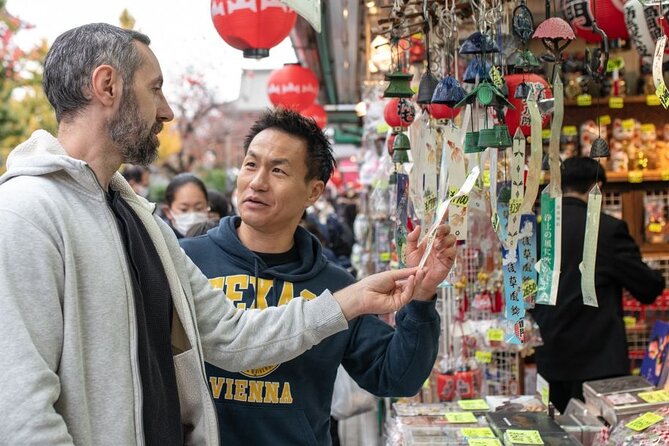
For many first-time visitors, the transport lesson is the most practical part of the tour. Tokyo’s rail network is efficient, but the number of lines, stations, exits, and operators can be daunting. A host can show you how to buy tickets, find the right platform, and transfer between areas.
Saito received praise for helping with subway tickets during an early-morning introduction. Other hosts helped explain faster routes back to hotels, which is exactly the sort of small skill that can save time every day afterward.
I would treat this as a hands-on lesson. Pay attention to station signs, remember which exit you use, and ask your host to explain the route you are most likely to repeat. If you plan to visit markets, temples, shopping districts, or nightlife areas later, ask how to reach those places from your hotel.
The transport cost is separate. The exact amount depends on the route and can be discussed with your host after booking. Local taxis may also be used between sites, but you pay for those yourself.
Food, shopping, and everyday customs
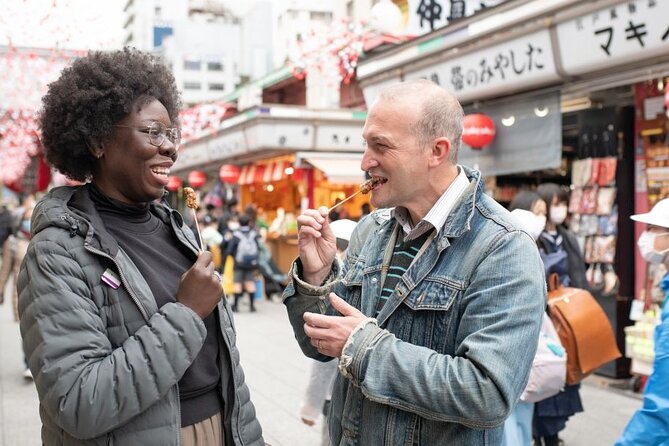
The experience can be shaped around food, but meals and drinks are not included. That is useful rather than restrictive if you already have a clear budget or dietary preference. You choose what to order and pay directly for it.
Hosts have helped people order food, find local snacks, and choose places for lunch. One outing near a fish market included a snack of omelette on a stick, a visit to the Kabuki theater, and a tea shop serving traditional tea and sweets. The host and guest even extended the time to visit the Imperial Palace and its gardens.
That example shows the tour’s strength: a simple neighborhood walk can grow into a day of useful local advice. It also shows the limit. If you keep stopping to eat and shop, you may see fewer major sights.
Tell your host what kind of food experience you want. You might prefer market snacks, traditional sweets, casual meals, or restaurant suggestions for later. If you have allergies or special needs, include that in your questionnaire and repeat it at the start.
Shopping can also be very specific. Shibuya suits fashion and modern stores. Asakusa is better for traditional crafts and snacks. Other routes may focus on areas such as Akihabara, where one family explored electronics and visited a maid cafe. The important point is to name your interest early so the route does not become a generic city walk.
The hosts make or break the experience
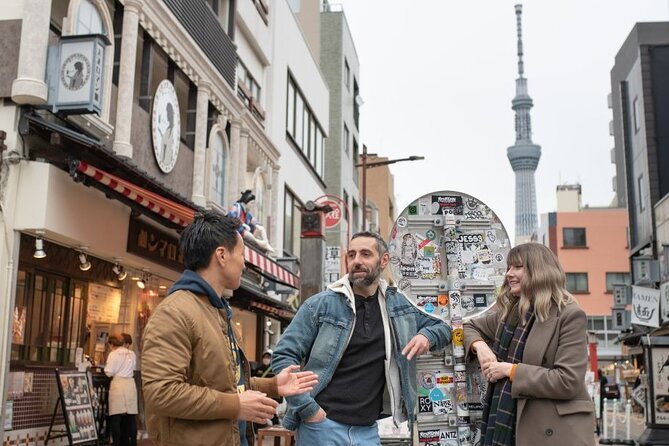
The strongest part of this tour is the human connection. Hosts such as Tomo, Shoko, Susumu, Hiroto, Ayaka, Gabriel, Shuto, and Saito have been praised for kindness, flexibility, clear explanations, and thoughtful recommendations.
Tomo created a route around temples, shrines, Japanese traditions, and customs. Shoko continued sending useful store links after the walk. Susumu helped a parent and 13-year-old son get oriented, combining familiar sights with local experiences. Hiroto was patient with a toddler and introduced a family to new foods in Asakusa.
These details matter because a private tour should feel responsive. A good host notices when you need a break, changes the pace for a child, explains an unfamiliar custom, or drops a planned stop when something more useful appears.
Still, you should not assume every host will have the same depth of subject knowledge. One unhappy experience involved a poorly planned route, a closed temple, and frequent use of Google for answers. Another person advised being very specific and confirming the plan with the host at the start.
That is fair advice. Ask who your host is, what they know best, and what route they have in mind. If your focus is food, anime, architecture, gardens, or nightlife, request a host who suits that subject if the provider can accommodate it.
Timing, pace, and family needs
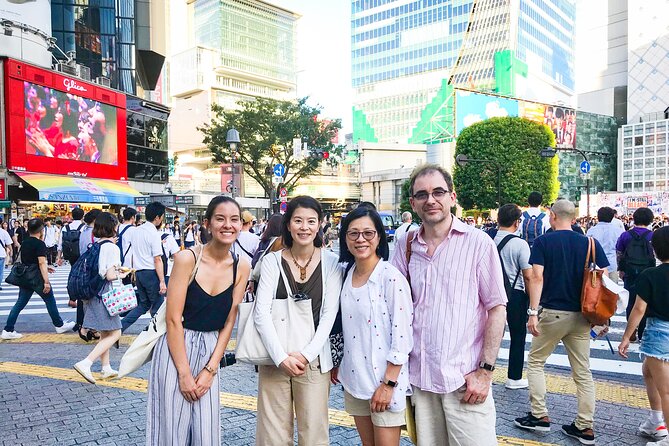
The experience lasts about two to three hours, with flexible start times selected during booking. Morning is a smart choice if this is your first activity in Tokyo. You can learn the transport system early and use that confidence for the rest of your trip.
An afternoon or evening route may work better for a specific neighborhood, shopping, food, or a layover. One host adjusted to a delayed flight and still provided a useful evening walk for someone with a 12-hour stop in Tokyo.
Families can benefit from the private format. A host can slow down, include a park or play stop, and avoid forcing a child to sit in a stroller for the whole session. Seniors may also appreciate help with the large subway system and a pace that allows time for rest.
The walking element deserves honest attention. Tokyo’s size means that even a short tour can involve a lot of pavement and station walking. If mobility, heat, rain, or fatigue is a concern, say so before the day. The experience requires good weather, and poor weather may lead to a new date or a full refund.
What the $107.20 price buys you
At $107.20 per person, this is not the cheapest way to see a few Tokyo sights. The value comes from privacy, planning help, and the chance to make the session useful for your particular trip.
For a solo visitor or couple, the price may feel high compared with a group walking tour. For a family, the calculation can look better because one host can adjust the route for everyone rather than making you follow a fixed schedule.
You also need to budget for extras. Food, drinks, attraction tickets, train fares, and taxis are not included. If you choose Senso-ji, Shibuya, or a shopping street, there may be no major admission cost, but transport and purchases still add up.
I see the best value for first-time visitors who feel uncertain about Tokyo. A good two-hour orientation can prevent missed trains, bad restaurant choices, and wasted time later. It is less compelling if you already know the rail system and have a detailed independent plan.
Group discounts may be available, and only your own party participates. The experience is commonly booked well ahead, around 55 days in advance, so popular dates may need early planning.
Booking advice and cancellation terms
After booking, complete the questionnaire with real detail. Include your hotel area, preferred pace, food interests, must-see places, children’s ages if relevant, and any transport worries.
Use the direct communication with your host. Confirm the meeting place, the likely route, how much transport will be used, and whether your preferred stop is open on that day. This is especially important if you have a short stay and cannot afford a wasted morning.
Free cancellation is available up to 24 hours before the start time for a full refund. Changes made within 24 hours are not accepted, and cancellations inside that period are not refunded. If bad weather cancels the experience, you are offered another date or a full refund.
The activity is near public transport, service animals are allowed, and most people can participate. Since the tour is private, your group does not share the guide with strangers.
Should you book Tokyo Like a Local?
Book it if you are new to Tokyo, want help using trains, or prefer advice shaped around your own interests. It is also a strong choice for families, seniors, solo visitors, and anyone arriving with a short list of questions rather than a fixed sightseeing plan.
I would book it early in your trip, preferably on the first morning or afternoon, and use the host as both guide and city tutor. Ask for practical help, not just famous sights. Learn the route from your hotel, how to read station signs, and where to find food that suits you.
I would skip it if you want a fully planned sightseeing day, a private vehicle, or guaranteed expert commentary at every stop. The hosts can be excellent, but the result depends on preparation, communication, and the match between your interests and your guide.
For the right person, this is a useful first step into Tokyo. You may see only a small part of the city, but you can leave knowing how to explore much more of it on your own.
FAQ
How long does the Tokyo Like a Local experience last?
The experience lasts approximately two to three hours. Flexible durations and start times can be selected when booking.
Is this a private tour?
Yes. Only your group participates in the activity, with a private local host.
Is transportation included?
No. The experience is mainly a walking tour. Public transport or local taxis may be used between sites, but those costs are extra and can be discussed with your host.
Can I choose what to see?
Yes. You complete a pre-tour questionnaire about your interests and must-see places, and your host contacts you to help plan a personalised route.
Are food, drinks, and attraction tickets included?
No. You pay separately for food, drinks, attraction tickets, public transport, and taxis used during the experience.
Where does the tour start and end?
The listed meeting point is NewDays Harajuku near the Omotesando Exit in Jingumae, Shibuya. The activity ends back at the meeting point, although pickup arrangements may be available and should be confirmed with your host.
Just added around Tokyo
- Tokyo 6hr Instagram Highlights Private Tour with Licensed Guide★ 5.0 · 38 reviews
- Tokyo Small Group Tour with Guide★ 4.5 · 38 reviews
- Tokyo Sumo Experience with Live Show & Audience Challenge★ 5.0 · 38 reviews
- Very popular in Harajuku♡Animal petting zoo★ 4.6 · 39 reviews
- Japanese Food Cooking Class in Asakusa, Tokyo★ 5.0 · 39 reviews
- Ramen Making from Scratch with Tokyo Mom(Vegan Option Available)★ 5.0 · 39 reviews
- Tokyo: Kimono Rental inside Shinjuku Gyoen National Garden★ 4.9 · 39 reviews
- Tokyo JDM Night: 600hp C63s AMG Edition 1 (Private)★ 4.9 · 39 reviews
3-Hour Experiences, compared.
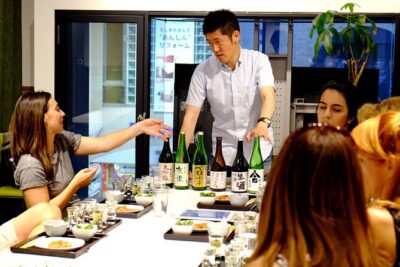
3-Hour Kyoto Insider Sake Brewery Tour with Tastings & Pairings
Read our review →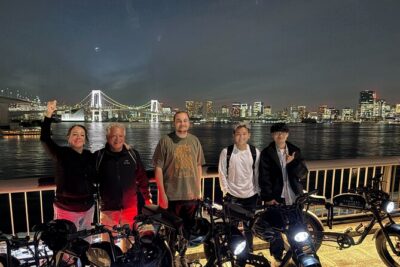
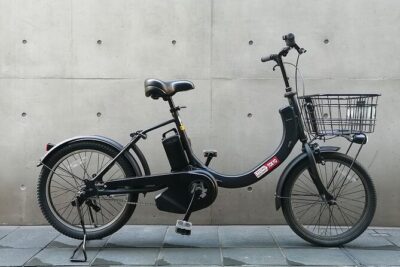
3h Tokyo E-Bike Tour: Hidden Gems, and Local Life with guide
Read our review →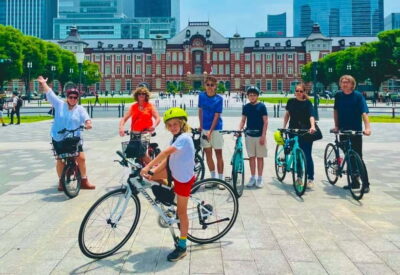
3-hour Guided E-Bike Tour of the City’s Hidden Gems
Read our review →
3-Hour Bike/E-Bike Tour of the City’s Highlights
Read our review →