
Reviewed · BUS TOURS IN TOKYO
Tokyo: Morning Sightseeing Bus Tour
Tokyo rewards a good first sweep. This 210-minute morning coach tour links Meiji Shrine, the Imperial Palace, and Asakusa without asking you to master Tokyo’s rail map on day one. I like the efficient route and the chance to try proper Uji matcha in Asakusa. The main tradeoff is simple: heavy traffic can shorten your time at some stops.
I also like the English-speaking guides, who add context while you ride through Harajuku, Akihabara, Ueno, and other districts. Guides named Aoi, Angela, Taka, and Levin have been praised for clear explanations and warm personalities at different times. Still, this is a highlights tour, not a slow cultural walk. You will see a lot, but you will not linger everywhere.
In This Review
- Key points to know before booking
- Why this morning tour works for first-time Tokyo visits
- Meiji Shrine: a calm start in the middle of the city
- Harajuku, Omotesando, and the National Diet Building from your seat
- Imperial Palace: one carefully chosen stop
- Akihabara, Ueno, and Kappa-bashi as a moving tour
- Asakusa and the matcha stop
- Finishing at Senso-ji, with Tokyo still ahead
- What the $90 price really buys
- The walking, timing, and traffic tradeoffs
- Who should book this Tokyo coach tour?
- My final verdict on the morning route
- FAQ
- How long does the Tokyo morning sightseeing tour last?
- Where does the tour start?
- Where does the tour finish?
- Is hotel pickup included?
- Which languages are available?
- Is matcha included?
- Is lunch included?
- What should I bring?
Key points to know before booking
- Three and a half hours on the road: The air-conditioned deluxe coach covers a wide slice of central Tokyo in one morning.
- Two possible starting points: You may begin near the Love sculpture in Shinjuku or at the Ginza meeting point, depending on the option booked.
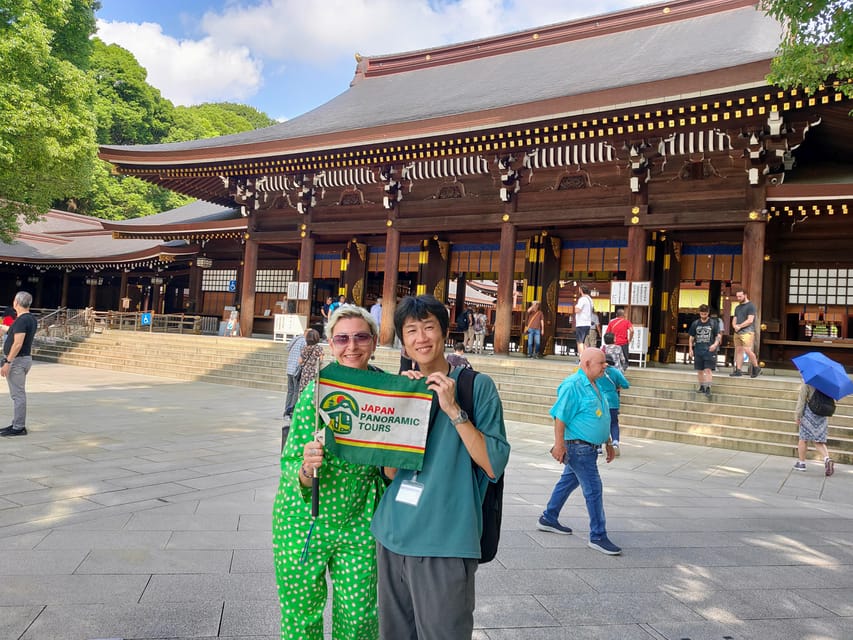
- Meiji Shrine gives the tour its quiet moment: The forested shrine feels far removed from the city streets.
- The Imperial Palace stop can vary: You visit either the East Garden or Niju-bashi Bridge in the Outer Garden.
- Asakusa is the real finish: You get shopping time on Nakamise Avenue, photos at Kaminarimon Gate, and a matcha drink or gelato.
- The tour ends at Senso-ji: There is no extra drop-off, so plan the rest of your day from Asakusa.
Why this morning tour works for first-time Tokyo visits
Tokyo is enormous. If you have only a day or two, moving between its major districts can eat up your sightseeing time. This tour handles the long jumps by coach, giving you a quick look at several parts of the city before lunch.
The route begins at 8 a.m. from one of two points, depending on your booking. One option is the Robert Indiana Love sculpture at 4-chome-1-2 Ginza. The other is the Love statue in Shinjuku, a useful landmark near the city’s major transport center. Check your exact meeting point carefully because the starting location changes with the option selected.
From there, the coach passes through Kabukicho, known for its Japanese pubs and nightlife. You will also ride past Takeshita Avenue, Omotesando, the National Diet Building, Akihabara, Ueno, and Kappa-bashi. Some of these are drive-by sights, so keep your camera ready and listen to the guide’s commentary.
This is a good format for getting your bearings fast. You can then return to the districts that catch your interest, using the tour as a practical introduction rather than your only Tokyo experience.
More Bus Tours in Tokyo
- Mt Fuji and Hakone 1-Day Bus Tour Return by Bullet Train
★ 5.0 · 26,383 reviews - 1-Day Tokyo Bus Tour
★ 5.0 · 14,250 reviews - Tokyo Mt Fuji 5th St & Hakone Cruise Bus Tour w/Bullet Train
★ 4.4 · 5,024 reviews
Meiji Shrine: a calm start in the middle of the city
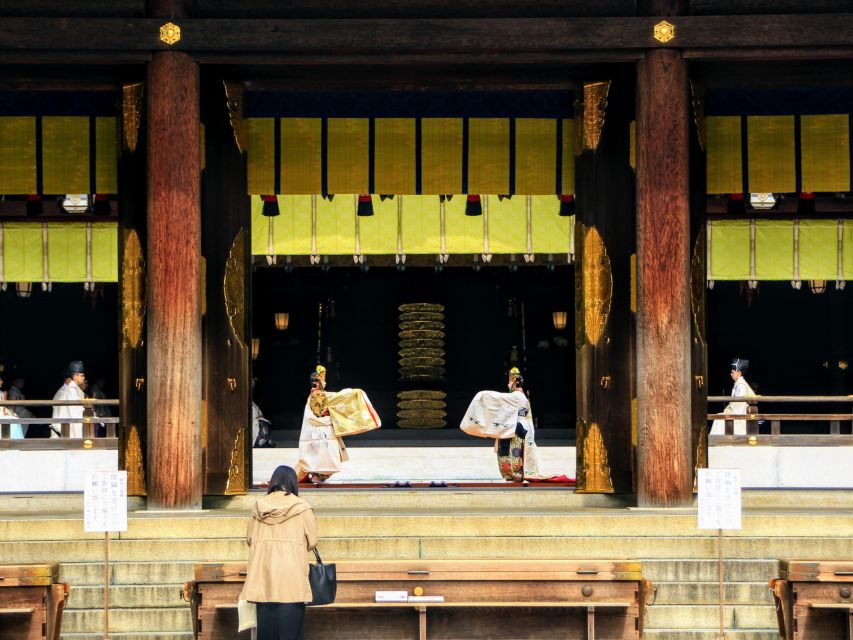
The first major visit is Meiji Jingu, one of Tokyo’s best-known Shinto shrines. Built in 1921 for Emperor Meiji, it sits within a broad forested setting that makes the city feel surprisingly distant.
You will have time to walk toward the shrine and take in the quiet atmosphere. The guide also explains the traditional way to visit a Shinto shrine, including the respectful steps connected with worship. This is one of the most useful parts of the morning because it gives you cultural context rather than just a photo stop.
Wear comfortable shoes. Even though the coach does much of the work, this tour includes walking at Meiji Shrine and later in Asakusa. The ground and walking route may feel tiring in hot, wet, or crowded conditions.
The limitation is time. You will not have the freedom to explore every path in the forest or pause wherever you like. If Meiji Shrine becomes a favorite, you may want to return later on your own for a slower visit.
Harajuku, Omotesando, and the National Diet Building from your seat
After Meiji Shrine, the coach passes Takeshita Avenue and Omotesando. Takeshita is tied to Harajuku’s youth fashion and pop culture, while Omotesando is known for shopping and grand avenues.
You should think of this section as a moving introduction. The coach does not provide a full Harajuku shopping stop, so do not book this tour expecting time for boutiques, cafes, or street food there. Instead, you get a sense of how quickly Tokyo shifts from shrine forest to fashion district.
The National Diet Building is another drive-by landmark. Its symmetrical design dates from 1936, and it houses Japan’s parliament. The guide’s explanation helps turn a passing view into something meaningful, though your chance to photograph it will depend on traffic and your side of the bus.
One former customer wished there had been more commentary during the bus travel. That is useful advice. The quality of the morning depends partly on how much your particular guide talks between stops. Guides such as Aoi, Angela, Taka, and Levin have received praise for clear English, humor, and friendly service, but the guide is not guaranteed by name.
Imperial Palace: one carefully chosen stop
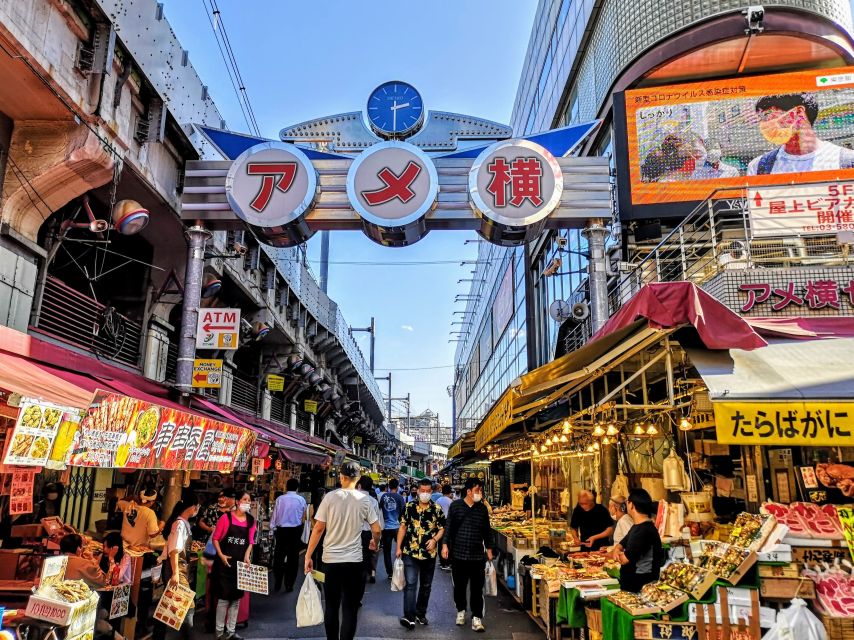
The coach stops at the Imperial Palace area, the current residence of Japan’s Imperial family and the former site of Edo Castle. Depending on conditions and operations, the visit is to either the East Garden or Niju-bashi Bridge in the Outer Garden.
The East Garden offers traditional Japanese gardens and a closer look at the former castle grounds. Niju-bashi Bridge provides a well-known palace view and a chance to photograph a historic structure. Since the exact choice can vary, you should not book this expecting both locations.
This stop adds important historical depth to the morning. Tokyo can feel like a modern city of trains, screens, and towers, but the palace grounds point back to the political center of old Edo. You get a short visual lesson in how the city grew around its former castle.
Traffic is the wild card. A 2018 booking described the route as affected by heavy traffic, with sightseeing stops feeling rushed. That risk is still worth keeping in mind in Tokyo. The coach is convenient, but convenience does not make the roads move faster.
A completely different kind of day out in Tokyo:
- Tokyo: TOKYO SKYTREE® Admission ticket
★ 4.5 · 11,192 reviews - Tokyo: teamLab Planets TOKYO Digital Art Museum Entry Ticket
★ 4.6 · 9,779 reviews - Mt Fuji & Hakone Cruise, Drum Show Bullet Train 1 Day from Tokyo
★ 4.0 · 7,413 reviews - Tokyo: Sumo Show Experience with Chicken Hot Pot and a Photo
★ 4.8 · 6,678 reviews
Akihabara, Ueno, and Kappa-bashi as a moving tour
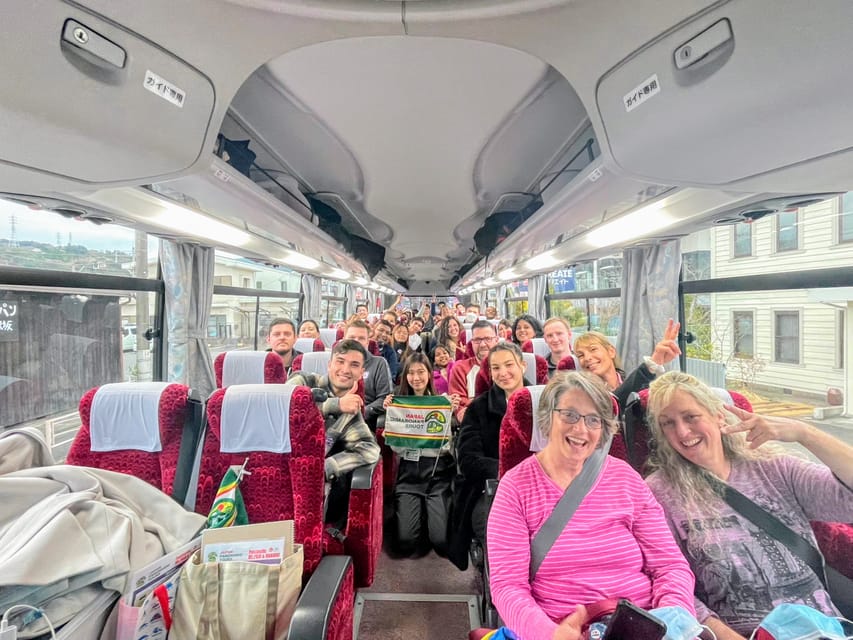
The coach then passes through several districts with very different identities.
Akihabara is Tokyo’s famous center for anime, manga, games, and otaku culture. Ueno is associated with one of Japan’s oldest parks. Kappa-bashi is known for kitchen goods, Japanese dishes, knives, and remarkably realistic plastic food displays.
These areas are not full walking stops on the stated route. You see them from the coach, with commentary from the guide and the multilingual audio system. That makes this section useful for deciding where to spend another afternoon, but less useful if you want to shop.
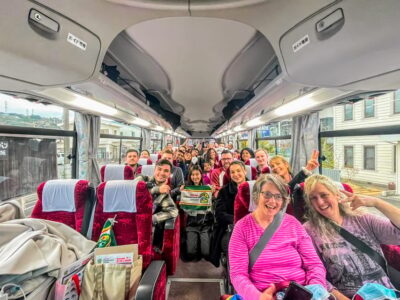
The bus has free Wi-Fi, air conditioning, antibacterial coating, and regular ventilation. Those features matter on a warm or rainy Tokyo morning, especially when you are moving between several districts. The multilingual audio guide is available in English, French, Italian, Spanish, German, Portuguese, and Ukrainian, while the live guide speaks English.
Audio commentary can also help you keep up if you are sitting farther from the guide or prefer information in your first language. The live guide remains valuable for questions and local explanations.
Asakusa and the matcha stop
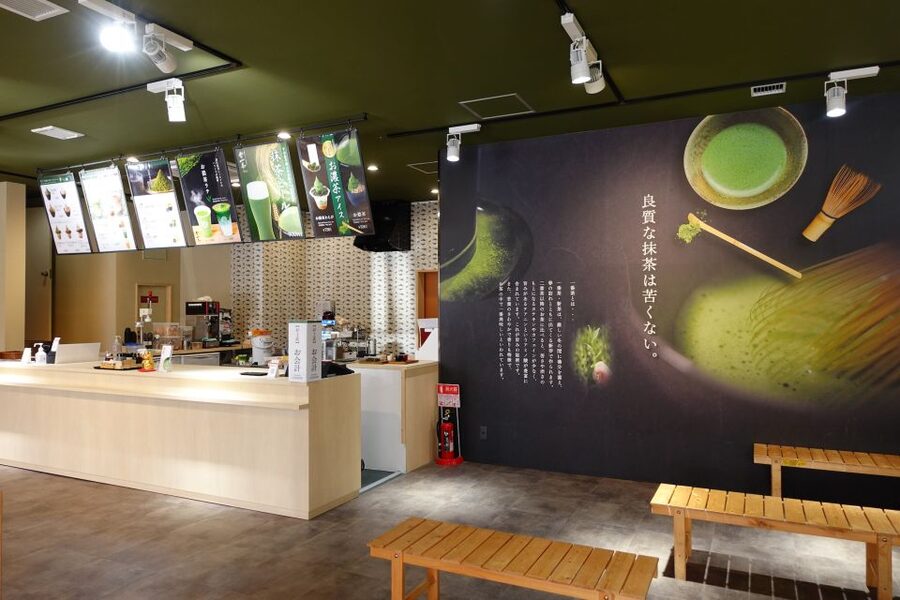
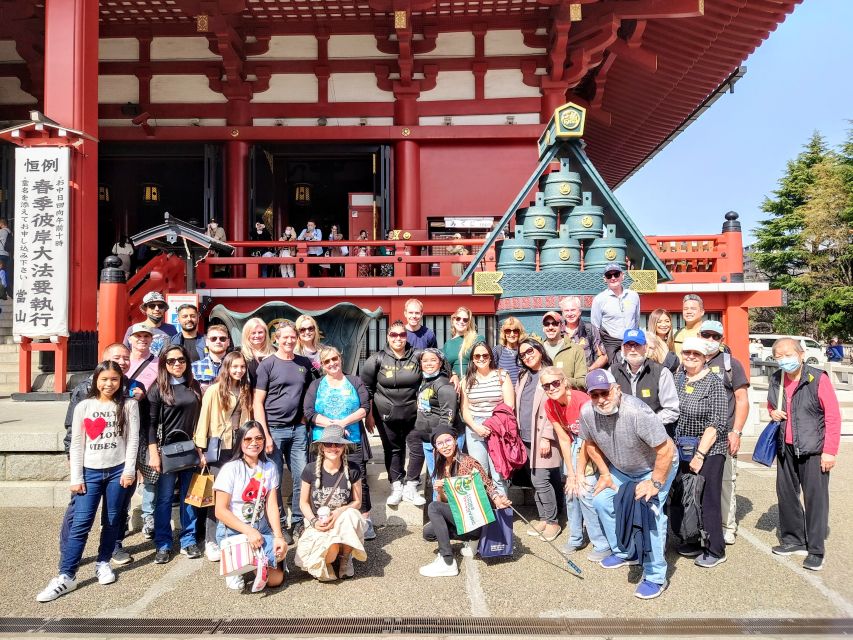
Asakusa is where the tour slows down. This is the main walking and shopping portion of the experience, and it is also where the tour ends.
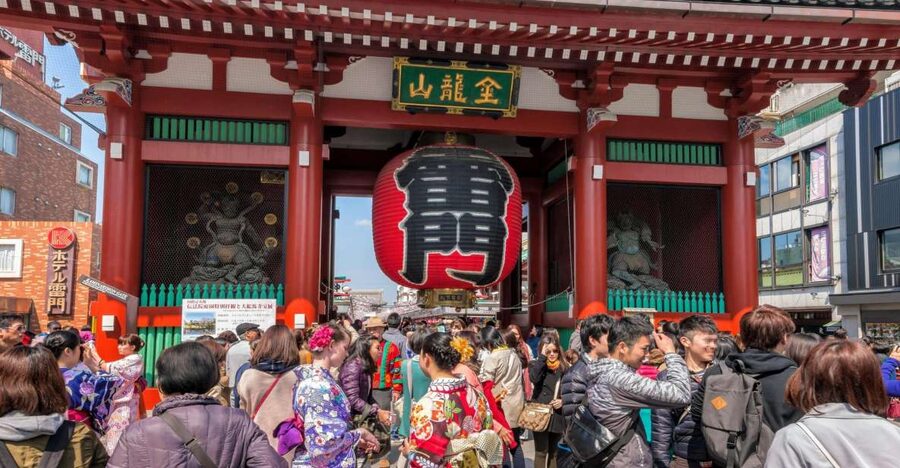
You can explore Nakamise Avenue, the traditional shopping street leading toward Senso-ji. It is a good place to browse Japanese snacks, souvenirs, and small gifts, though the tour does not specify individual shops or a fixed shopping allowance. At Kaminarimon Gate, look for the huge red lantern, one of Tokyo’s most recognizable photo subjects.
The matcha experience adds something more personal than another landmark. You try an authentic Uji matcha made with first-flush tea from Uji, Kyoto. The tour describes it as a premium matcha that is not bitter. Depending on the available choice, you may receive matcha drink or matcha gelato, with matcha beer also offered as an option.
This is a small tasting, not a full tea ceremony. That distinction matters. You get to sample a traditional flavor in a historic part of Tokyo, but you should not expect a formal demonstration lasting an hour. The matcha shop is closed on May 14, when matcha souvenirs are provided instead.
After the official program ends, you can spend as much time as you like in Asakusa. That flexibility is a major advantage. You are not forced back onto the bus when the tour finishes.
Finishing at Senso-ji, with Tokyo still ahead
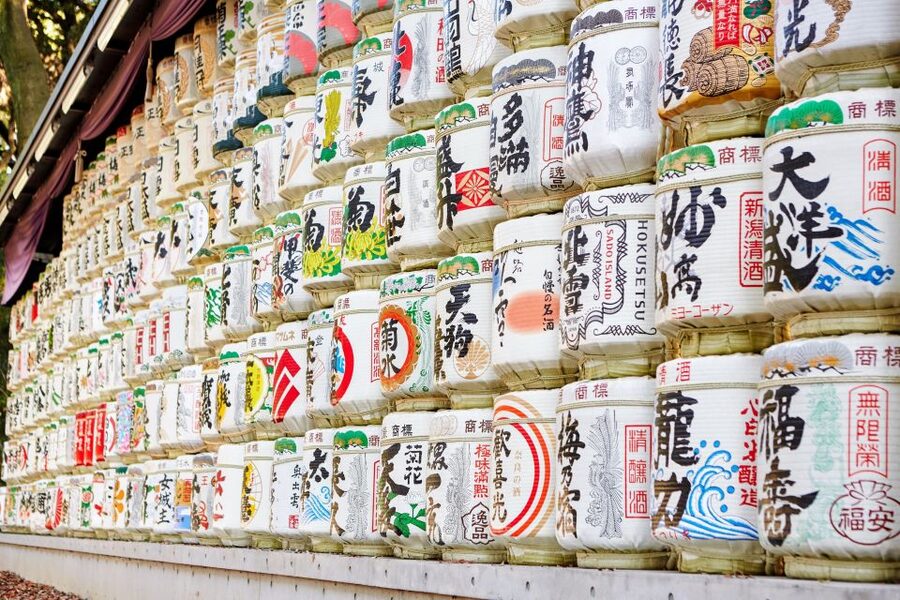
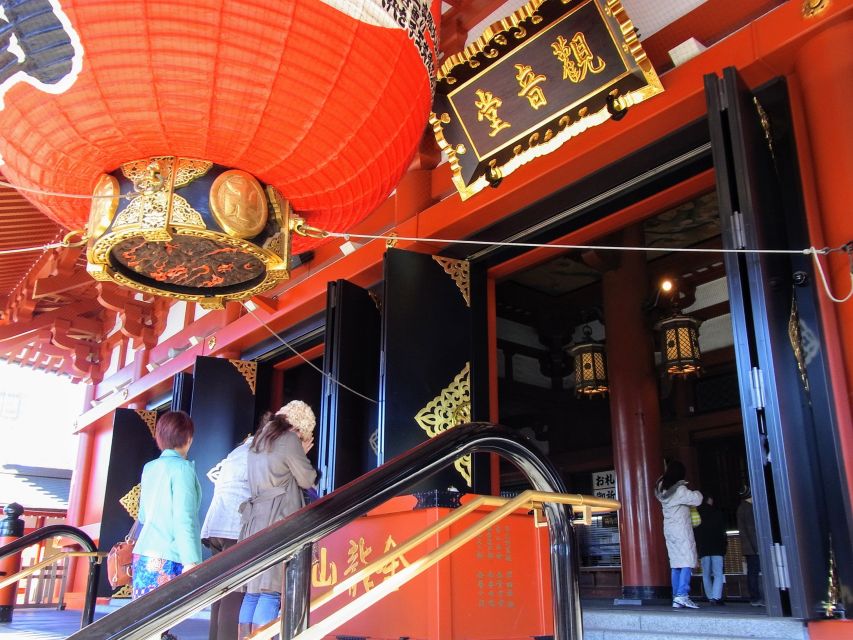
The stated finishing point is Senso-ji, Tokyo’s famous Buddhist temple in Asakusa. The temple area gives you an easy next step after the tour, but no additional drop-off service is provided.
You might continue exploring Asakusa, eat lunch on your own, visit nearby streets, or make your way elsewhere by train. Lunch is not included, so plan to pay separately. The end point is useful because Asakusa is already a strong place to spend the rest of the afternoon.
The tour’s finish also solves a common half-day problem. You are not returned to the starting point, which could waste time. Instead, the route leaves you in a major sightseeing district. If you have an evening reservation in another part of Tokyo, allow time for the onward journey.
What the $90 price really buys
At $90 per person, this is not the cheapest way to see Tokyo. You could use trains and public transport for less, especially if you are comfortable planning several connections yourself.
The value comes from time and structure. The coach carries you between distant districts, an English-speaking guide provides live explanations, audio commentary covers several languages, and the matcha experience is included. You also avoid spending your first morning working out which train line reaches each sight.
I would consider the price fair for a short first-day orientation, particularly if you have limited time or prefer not to navigate a huge city alone. It is less compelling for an independent visitor who already knows Tokyo and wants long visits at one or two locations.
The tour also has a practical advantage for short stays. One booking described it as a good way to see key sights with only 24 hours in Tokyo. That is exactly the situation where the format makes the most sense.
The walking, timing, and traffic tradeoffs
The tour lasts 210 minutes, but the clock includes coach travel through a large city. You will not receive 210 minutes of sightseeing on foot. Traffic, weather, shrine operations, and other practical matters can change the order of stops.
Some visitors have found the morning smooth and well organized, while another described heavy traffic and rushed stops. Both impressions are plausible. Tokyo’s roads can be unpredictable, and a fixed half-day route cannot always absorb delays.
The best way to enjoy this tour is to accept that you are collecting highlights. Take photos quickly, stay close to the guide, and do not wander far from the meeting point during stops. Save your favorite district for a later, independent visit.
You must handle loading and unloading your own luggage from the coach trunk, including strollers and wheelchairs. Hotel pickup and drop-off are not included. Those details are easy to overlook when planning a busy arrival or departure day.
Free cancellation is available up to 24 hours before departure, and you can reserve now and pay later. That gives you some useful flexibility, but you still need to confirm the meeting point and starting time before you go.
Who should book this Tokyo coach tour?
I would recommend it most strongly to:
- First-time visitors who want a broad introduction to Tokyo
- People with one full day or a short stop in the city
- Families or older visitors who prefer an air-conditioned coach between districts
- Anyone who wants a live English guide plus multilingual audio support
- Visitors who enjoy seeing several areas before choosing where to return
I would hesitate if you want long, unhurried time at Meiji Shrine, the palace, Harajuku, or Akihabara. Independent visitors who already understand Tokyo’s train system may get better value by choosing one district and exploring it slowly.
The strongest parts are the friendly guiding, the wide route, the shrine customs, and the Asakusa finish. The weakest part is the unavoidable tension between seeing many sights and having enough time at each one.
My final verdict on the morning route
Book this tour if you want a practical first look at Tokyo and value your morning more than total independence. The combination of Meiji Shrine, Imperial Palace, Asakusa, and Uji matcha gives you culture, history, shopping, and food flavor in one compact outing.
Skip it if you want a quiet shrine visit, serious shopping, or detailed time in every district. For most first-time visitors, the tour works best as an orientation. Let it show you Tokyo’s shape, then return to the places that deserve more of your time.
FAQ
How long does the Tokyo morning sightseeing tour last?
The tour lasts 210 minutes, or three and a half hours.
Where does the tour start?
There are two possible starting location options. One is the Robert Indiana Love sculpture at 4-chome-1-2 Ginza. The other is the Love statue in Shinjuku. Your meeting point depends on the option booked.
Where does the tour finish?
The tour finishes at Senso-ji in Asakusa. No additional drop-off service is provided.
Is hotel pickup included?
No. Hotel pickup and hotel drop-off are not included.
Which languages are available?
The live tour guide speaks English. Audio guides are available in English, French, Italian, Spanish, German, Portuguese, and Ukrainian.
Is matcha included?
Yes. The tour includes a matcha drink or matcha gelato. Matcha beer may also be available as an option. On May 14, the matcha store is closed and matcha souvenirs are provided instead.
Is lunch included?
No. Lunch is not included in the tour price.
What should I bring?
Bring comfortable shoes. You will walk at locations including Meiji Shrine and Asakusa. You must also handle loading and unloading your own luggage from the coach trunk.
Just added around Tokyo
- Tokyo 6hr Instagram Highlights Private Tour with Licensed Guide★ 5.0 · 38 reviews
- Tokyo Small Group Tour with Guide★ 4.5 · 38 reviews
- Tokyo Sumo Experience with Live Show & Audience Challenge★ 5.0 · 38 reviews
- Japanese Food Cooking Class in Asakusa, Tokyo★ 5.0 · 39 reviews
- Very popular in Harajuku♡Animal petting zoo★ 4.6 · 39 reviews
- Ramen Making from Scratch with Tokyo Mom(Vegan Option Available)★ 5.0 · 39 reviews
- Tokyo JDM Night: 600hp C63s AMG Edition 1 (Private)★ 4.9 · 39 reviews
- Tokyo: Kimono Rental inside Shinjuku Gyoen National Garden★ 4.9 · 39 reviews
Bus Tours in Tokyo, compared.
Mt Fuji and Hakone 1-Day Bus Tour Return by Bullet Train
Read our review →
Tokyo Mt Fuji 5th St & Hakone Cruise Bus Tour w/Bullet Train
Read our review →
Meiji Shrine, Asakusa, Skytree Bus Tour and Cruise
Read our review →
Mt Fuji and Hakone 1-Day Bus Tour Return by Bus
Read our review →
Mt.Fuji & Lake Kawaguchiko 1-Day Bus Tour w/Optional Lunch
Read our review →
Open Top Panoramic Sightseeing Bus with Audio Guide
Read our review →Browse the lists this tour appears in