
Reviewed · TEMPLE & SHRINE TOURS
Tokyo Private Tour: Temples, Culture & Modern City Highlights
Tokyo rewards curious walkers.
This private tour pairs Senso-ji, Meiji Jingu, and Shibuya with food streets, parks, riverside paths, and local transit lessons. I especially like the flexible plan and the guides, including Renaud, Julien, Jimmy, Sebastien, and Leeloo, who tailor the day to food, photography, history, anime, or nightlife. The main caution is simple: this is not a chauffeured sightseeing ride. Expect trains, stairs, and plenty of walking.
At $99.08 per person, the value is strongest for a small private group that wants a fast, useful introduction to Tokyo. You get a local guide, central hotel pickup, cultural explanations, photo help, and a plan shaped around your interests. Just budget separately for trains, food, and drinks.
In This Review
- Key Points Before You Book
- What This Private Tokyo Tour Really Offers
- Senso-ji and Asakusa: Tokyo’s Best Opening Scene
- Sumida River Views and the Practical Side of Transit
- Ueno, Ameyoko, and Shinobazu Pond
- Optional Stops for History, Anime, and Kitchenware
- Harajuku: Takeshita Street and Meiji Jingu
- Shibuya in One Hour
- Shinjuku After Dark Energy, Even on a Day Tour
- The Guides Make the Difference
- Walking, Cost, and Who Gets the Best Value
- How I Would Shape the Day
- Should You Book This Tokyo Tour?
- FAQ
- How long does the private Tokyo tour last?
- What areas can the tour cover?
- Is the itinerary customizable?
- Is hotel pickup included?
- Is transportation included in the price?
- Are meals and drinks included?
- Are entrance fees included?
- What languages are available?
- Is this a group tour?
Key Points Before You Book
- Tokyo by train and on foot: Public transportation is not included, and some days involve roughly 20,000 to 25,000 steps.
- A private plan, not a fixed route: You can focus on temples, food, photography, shopping, anime, or modern Tokyo.
- A strong first-day choice: The tour helps you understand Tokyo’s districts and teaches practical subway or JR navigation.
- Free sights keep costs down: Temples, shrines, parks, and the Imperial Palace East Gardens have no separate admission charge.
- Several languages are available: Guides operate in English, French, or Japanese.
- The city is yours to shape: The advertised areas include Asakusa, Ueno, Harajuku, Shibuya, and Shinjuku, with Akihabara, Kappabashi, or the Imperial Palace Gardens as possible additions.
What This Private Tokyo Tour Really Offers
Tokyo is too large for a tidy checklist. Asakusa feels old and ceremonial, Shibuya is all bright signs and crossing signals, and Ueno carries the rougher, more local energy of a market district. Moving between them shows you how many different cities seem to occupy the same enormous metropolis.
That is the central appeal here. You are not simply being taken to one famous viewpoint. You are walking through several districts and using the trains that make Tokyo work. A good guide can explain what you are seeing, help you order food, point out useful shops, and show you how to continue exploring after the tour ends.
The experience lasts approximately four to seven hours. That is enough time for a solid introduction, but not enough to give every listed stop equal attention. A four-hour outing needs a tight route. A seven-hour day can cover more ground, though your feet will notice the difference.
The private format matters. Your group can pause for photos, spend longer at a shrine, shorten a market visit, or change the plan when a particular interest takes over. A photographer can ask for better angles and more time. A family can slow down. An anime fan can request Akihabara. A food-focused visitor can ask for street snacks and restaurant suggestions.
More Temple & Shrine Tours in Tokyo
- Tokyo: Meiji Shrine, Asakusa, Skytree Bus Tour and Cruise
★ 4.7 · 1,986 reviews - Tokyo: Asakusa Walking Tour with Sensoji Temple Visit
★ 4.8 · 1,583 reviews - Nikko: Kegon Falls, Lake Chuzenji & Toshogu Temple
★ 4.6 · 1,577 reviews
Senso-ji and Asakusa: Tokyo’s Best Opening Scene
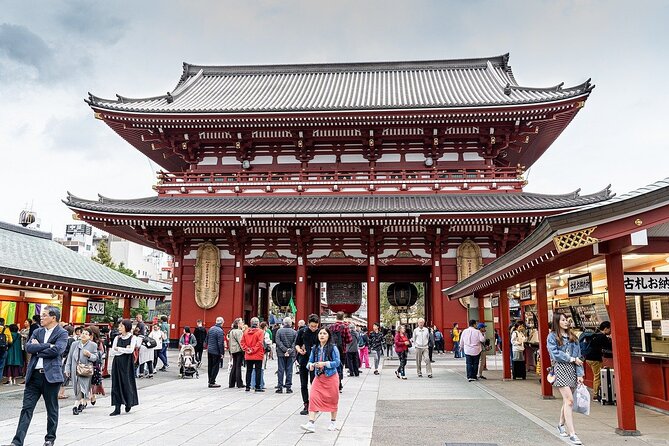
Senso-ji is a smart place to begin because it gives you an immediate sense of old Tokyo. The large red lantern at Kaminarimon Gate leads toward Nakamise shopping street, where traditional-looking stalls sell souvenirs, snacks, and small gifts.
The temple grounds are free to enter, so your guide can spend time explaining customs without adding an admission charge. You can expect a lively setting, especially around the approach to the temple, but Asakusa also has side streets and quieter corners where the pace changes.
This is a useful place to ask questions about Shinto and Buddhist traditions. The tour is not just a photo stop. Guides explain the meaning behind the gates, worship practices, and the district’s place in Tokyo culture. Allow about 45 minutes here.
Asakusa is also a good area for food advice. Your guide may point you toward local snack spots or explain what you are seeing in shop windows. Since meals are not included, any tasting or lunch comes out of your own pocket.
Sumida River Views and the Practical Side of Transit
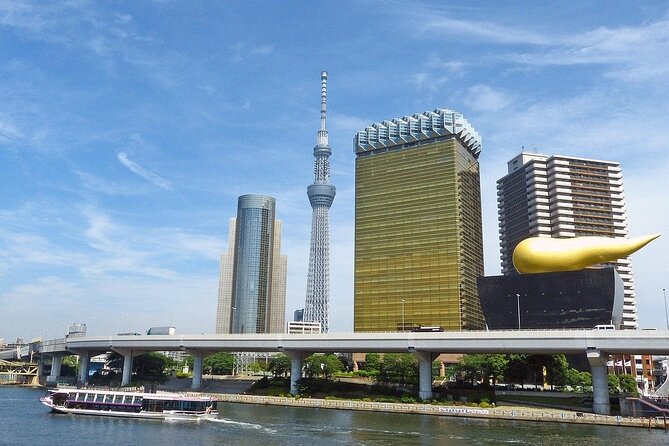
The short walk along the Sumida River provides a welcome change from crowded streets. Wide paths, bridges, and views toward Tokyo Skytree make this a pleasant place for photographs and a few quiet minutes.
Only about 15 minutes is assigned here, so think of it as a breathing space rather than a long riverside outing. The value comes from contrast. Tokyo can feel dense and noisy, and the river shows you a more open side of the city.
Getting between districts is part of the experience. Public transportation is not included, and you will likely use trains or subway connections during the day. Several people have found the transit instruction especially useful, including help with JR or subway routes and the confidence to order food afterward.
A Suica or Pasmo card is recommended. You should also keep some cash handy because some shops may not accept cards. The guide can help you understand the system, but you still pay your own fares.
Ueno, Ameyoko, and Shinobazu Pond
Ameyoko Shopping Street runs beside the railway tracks between Ueno and Okachimachi. It has market stalls, seafood, spices, snacks, bargain clothing, and small shops packed close together. This is less polished than Tokyo’s major shopping avenues, which is exactly why it is useful.
Give yourself time to look around without treating the market as a formal attraction. You might find snacks, inexpensive gifts, or food displays that need a little explanation. The planned visit is about 30 minutes, enough for a taste but not a full shopping expedition.
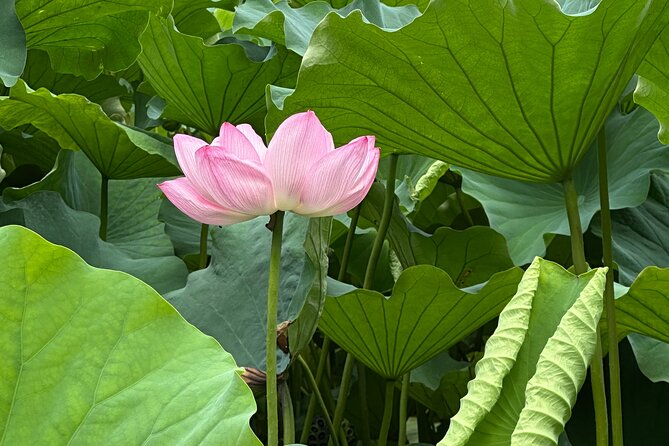
Shinobazu Pond changes the mood again. The pond has lotus, koi, turtles, and migratory birds at different times of year. It was once a favored meeting spot for couples during the Edo period, and today it offers a calm pause near Ueno’s busy commercial streets.
The planned visit lasts about 30 minutes. If you are interested in history or photography, you may want to ask for more time here and reduce time elsewhere. That is one of the benefits of booking privately.
A completely different kind of day out in Tokyo:
- Mt Fuji and Hakone 1-Day Bus Tour Return by Bullet Train
★ 5.0 · 26,383 reviews - 1-Day Tokyo Bus Tour
★ 5.0 · 14,250 reviews - Tokyo: TOKYO SKYTREE® Admission ticket
★ 4.5 · 11,192 reviews - Tokyo: teamLab Planets TOKYO Digital Art Museum Entry Ticket
★ 4.6 · 9,779 reviews
Optional Stops for History, Anime, and Kitchenware
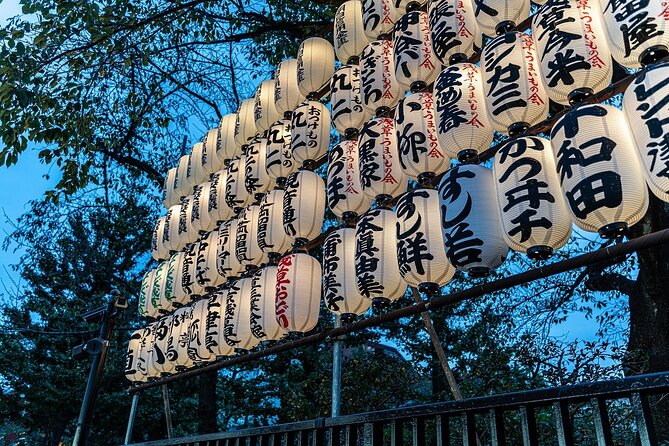
Three optional additions can shift the whole character of your day.
Akihabara is the obvious choice for anime, manga, electronics, retro games, arcades, and Japanese pop culture. The district is called Electric Town, and its multi-level stores can easily absorb more than the suggested 30 minutes. If anime or gaming is central to your trip, tell the guide early so Akihabara receives proper attention instead of becoming a rushed add-on.
The Imperial Palace East Gardens offer a quieter historical stop. You can see parts of the old Edo Castle site, including the Ninomaru Garden and samurai guardhouses. The visit is planned for about 30 minutes and is best for someone who wants a touch of castle history without committing to a long museum visit.
Kappabashi Street sits between Asakusa and Ueno and is devoted to kitchenware. Shops sell Japanese knives, chopsticks, tableware, cookware, and the famous plastic food displays used outside restaurants. It is a practical stop for cooks, design fans, and anyone looking for a useful souvenir.
You probably cannot give all three optional areas proper attention while also covering Harajuku, Shibuya, and Shinjuku. Make your priorities clear before the day starts.
Harajuku: Takeshita Street and Meiji Jingu
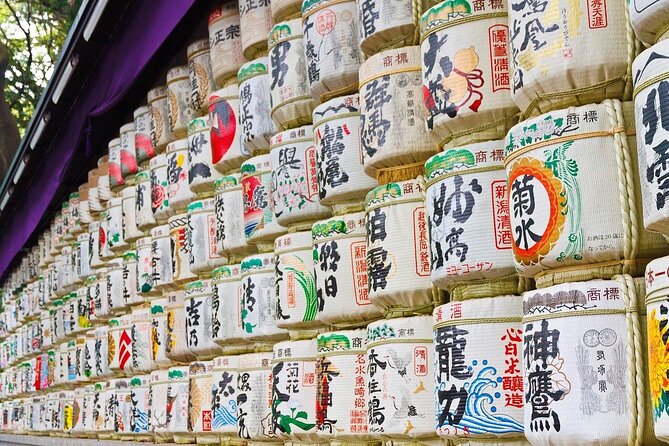
Takeshita Street gives you a quick look at Harajuku youth culture. The narrow shopping street is lined with colorful fashion stores, cute merchandise, creative snacks, and pop culture shops. It can feel crowded and visually loud, but that is the point. This is Tokyo in playful, high-energy mode.
The planned stop is 45 minutes. That works for a first look and a snack, though serious shoppers will want more time. Food and drinks are not included, so decide in advance how much of the visit you want to spend eating versus browsing.
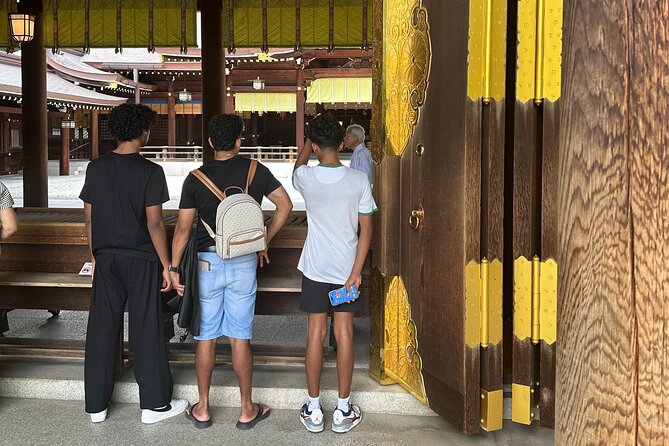
Meiji Jingu provides a strong contrast. After the noise of Harajuku, you enter a large forested area and walk through tall wooden torii gates toward one of Tokyo’s most important Shinto shrines.
The shrine visit is also planned for 45 minutes. Your guide can explain traditions and help you approach the site respectfully. This is one of the tour’s best pairings: modern youth culture on one side, a quiet religious setting on the other.
Shibuya in One Hour
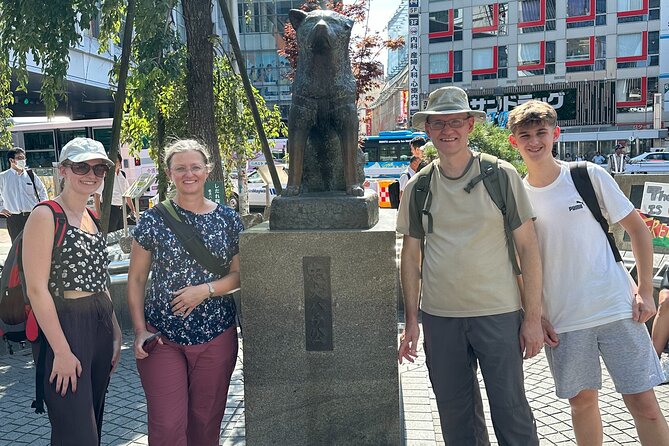
Shibuya is the modern Tokyo image many people expect. Shibuya Scramble Crossing fills with people moving in several directions at once, surrounded by shopping centers, bright signs, and nightlife streets.
The one-hour stop gives you enough time to cross, take photographs, and get a basic sense of the district. It will not cover every shopping area or nightlife corner, and that is worth understanding before you arrive.
A private guide is useful here because you can decide what matters. If you want photos, your guide can help with viewpoints and timing. If you prefer shopping or food, the visit can lean that way instead. The group can also move at its own pace rather than waiting for strangers.
Shibuya is not a quiet stop. If you have already spent hours walking, the crowds and crossings may feel tiring. Treat it as a concentrated burst of city life, not a relaxed neighborhood stroll.
Shinjuku After Dark Energy, Even on a Day Tour
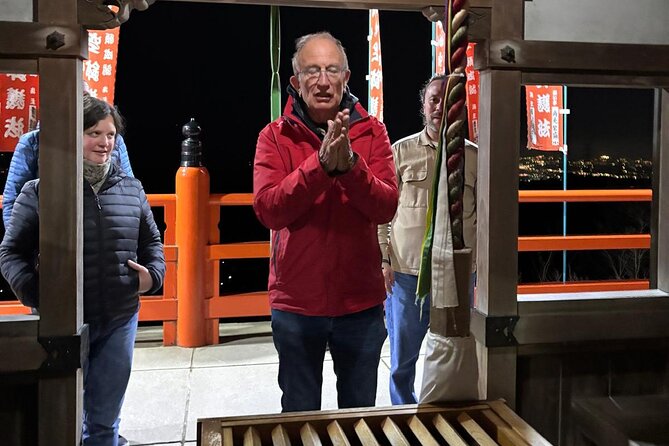
The Shinjuku portion focuses on recognizable modern sights. You may see the Godzilla Head, the large three-dimensional cat billboard, and Golden Gai, a maze of tiny bars.
These places show Tokyo’s playful and slightly strange side. Godzilla is a giant pop culture landmark, the cat billboard turns advertising into a spectacle, and Golden Gai feels unlike the broad avenues nearby.
The planned time is about one hour. Golden Gai is primarily a nightlife area, so the exact feel depends on when you visit. If you want a club-focused evening, ask the guide about it. One guide, Renaud, is specifically praised for knowing Tokyo’s club scene, while another guide helped a group explore anime and pop culture in Akihabara.
Do not expect a full night out to be included. The tour provides guidance and local suggestions, but food, drinks, club entry, and transportation remain your responsibility.
The Guides Make the Difference
The strongest part of this experience is the human element. Renaud is described as patient, friendly, flexible, and especially good at explaining Tokyo’s transit system. Julien is praised for his explanations of history, religion, food, and everyday customs. Jimmy receives high marks for food suggestions and finding special places, while Sebastien is noted for helping with trains and restaurant ordering.
Leeloo guides in French, and the tour is also available in English and Japanese. Language choice can shape the day, especially when you want cultural explanations rather than a quick list of facts.
The guide can also help with photos. That sounds minor until you are traveling as a couple or with a photographer and want a picture of everyone together. One private group received extra patience and time to maximize photographs, which is exactly the kind of small service a fixed group tour rarely provides.
The experience is not dependent on one single route or one single guide personality. The provider is Renaud, but several guides may lead the outing. If you have a strong preference, ask at booking.
Walking, Cost, and Who Gets the Best Value
The price is $99.08 per person. For a private tour in Tokyo, that can be fair value if your group uses the guide well. You are paying for local direction, route planning, translation help, cultural context, photo assistance, and practical transit instruction, not for admission-heavy attractions.
The cost is less appealing if you want a vehicle, a relaxed pace, or long independent shopping stops. Transportation is extra, as are meals and drinks. Airport or pickup outside central Tokyo costs ¥10,000 per booking.
The walking load is the key practical issue. Reports of 20,000 to 25,000 steps show how much ground this route can cover. Wear comfortable shoes, and do not mistake the four-to-seven-hour length for a gentle half-day outing.
I would recommend this for:
- First-time visitors who want to understand Tokyo quickly
- Families needing help with trains and restaurant ordering
- Solo visitors who prefer company and local guidance
- Couples who care about photography
- Repeat visitors seeking food streets, anime, shopping, or nightlife
- French-speaking visitors who want a Francophone guide
I would be more cautious if you have limited mobility, dislike trains, or want a sightseeing vehicle. The available details say most people can participate, but the walking and public transit demands deserve serious thought.
Central Tokyo hotel pickup is offered. The experience is private, so only your group participates. Free cancellation is available up to 24 hours before the start time, which gives you some flexibility when planning a busy Japan trip.
How I Would Shape the Day
For a first Tokyo visit, I would prioritize Senso-ji, the Sumida River, Ueno, Meiji Jingu, Shibuya, and Shinjuku. That mix gives you temples, a market, open space, modern districts, and nightlife signs.
For history, I would request Senso-ji, Shinobazu Pond, Meiji Jingu, and the Imperial Palace East Gardens. For food and shopping, I would choose Asakusa, Ameyoko, Kappabashi, and selected spots in Shibuya or Shinjuku.
For pop culture, I would make Akihabara the priority and then choose either Harajuku or Shibuya. Trying to include everything can turn the day into a race between stations.
Tell the guide your interests before pickup. Also explain your walking pace, food preferences, photography needs, and whether you want more time inside shops. The flexible format only pays off when you use it.
Should You Book This Tokyo Tour?
Book it if you want a private introduction to Tokyo that teaches you how to keep exploring afterward. The guides add real value through transit help, cultural explanations, food advice, and flexible pacing. The combination of Senso-ji, markets, Meiji Jingu, Shibuya, and Shinjuku gives you a useful first look at very different sides of the city.
Skip it if you expect a car, included meals, or a low-effort sightseeing day. This is a walking and rail experience, and the step count can be high.
For most first-time visitors, I would book it early in the trip, choose three or four priority districts, and let the guide handle the rest. At $99.08 per person, it is most worthwhile when you use the guide for the things that are hardest to figure out alone: moving through Tokyo’s rail network, understanding local customs, finding suitable food stops, and seeing more than the obvious postcard view.
FAQ
How long does the private Tokyo tour last?
The tour lasts approximately four to seven hours.
What areas can the tour cover?
Possible areas include Asakusa, Ueno, Harajuku, Shibuya, Shinjuku, Akihabara, Kappabashi, the Sumida River, and the Imperial Palace East Gardens.
Is the itinerary customizable?
Yes. The itinerary is flexible and fully customizable based on your interests.
Is hotel pickup included?
Pickup is included for hotels in central Tokyo. Airport pickup or pickup outside central Tokyo costs ¥10,000 per booking.
Is transportation included in the price?
No. Public transportation is not included. A Suica or Pasmo card is recommended.
Are meals and drinks included?
No. Meals and drinks are not included.
Are entrance fees included?
Entrance to free attractions, including temples, shrines, parks, and observatories, is included. The supplied details do not list paid attraction admissions.
What languages are available?
The tour can be guided in English, French, or Japanese.
Is this a group tour?
No. This is a private activity, and only your group participates. Group discounts are offered.
Just added around Tokyo
- Tokyo 6hr Instagram Highlights Private Tour with Licensed Guide★ 5.0 · 38 reviews
- Tokyo Small Group Tour with Guide★ 4.5 · 38 reviews
- Tokyo Sumo Experience with Live Show & Audience Challenge★ 5.0 · 38 reviews
- Japanese Food Cooking Class in Asakusa, Tokyo★ 5.0 · 39 reviews
- Very popular in Harajuku♡Animal petting zoo★ 4.6 · 39 reviews
- Ramen Making from Scratch with Tokyo Mom(Vegan Option Available)★ 5.0 · 39 reviews
- Tokyo JDM Night: 600hp C63s AMG Edition 1 (Private)★ 4.9 · 39 reviews
- Tokyo: Kimono Rental inside Shinjuku Gyoen National Garden★ 4.9 · 39 reviews
Temple & Shrine Tours, compared.
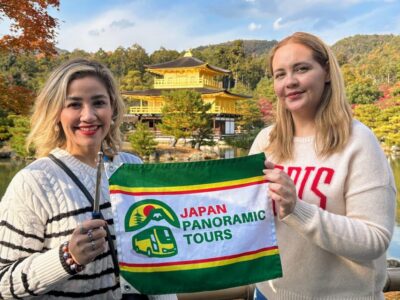
Fushimi Inari, Kinkakuji, Bamboo Grove 1 Day Bus Tour
Read our review →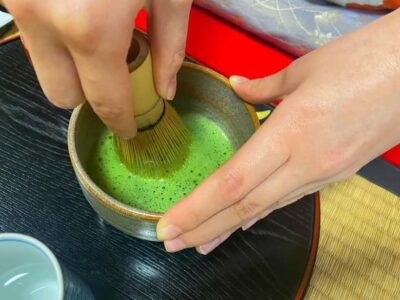
Tea Ceremony in a Traditional Tea House in Kiyomizu
Read our review →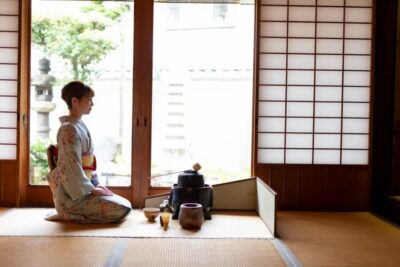
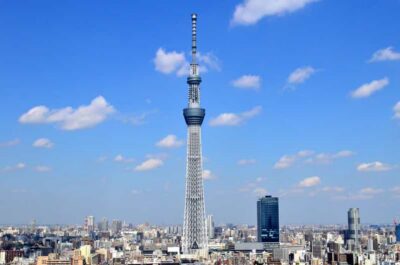
Meiji Shrine, Asakusa, Skytree Bus Tour and Cruise
Read our review →
Fushimi Inari Hidden Hiking Tour (Private Option Available)
Read our review →
Osaka/Kyoto:Kinkakuji,Arashiyama,FushimiInariShrine,NaraPark
Read our review →
Asakusa Walking Tour with Sensoji Temple Visit
Read our review →
Nikko: Kegon Falls, Lake Chuzenji & Toshogu Temple
Read our review →Browse the lists this tour appears in