
Reviewed · FOOD & DRINK
Tokyo: Shibuya Authentic Food Tour & Local Delights
Tokyo tastes better after dark. This three-hour walking tour leads you through Shibuya’s famous crossing, Center-gai, and Dogenzaka, with stops for smoky yakitori, crisp tonkatsu, sushi, and other local dishes. I especially like the small-group format and the chance to eat in local izakayas rather than simply follow the main tourist streets. The two included drinks also help turn a string of tastings into a proper evening meal.
I also like the guide’s role beyond the plate. Guides such as Ryo, Guru, Haru, and Yo have been praised for their warmth, cultural explanations, and ability to make Shibuya easier to understand. The main concern is organization: one account describes a takeaway stop without a clear place to sit, and English ability may vary by guide. If you expect a polished street-food crawl, this may feel more like a relaxed restaurant-hopping walk.
In This Review
- Key points to know before you book
- Why this Shibuya food walk works
- Meeting Hachiko and crossing into Center-gai
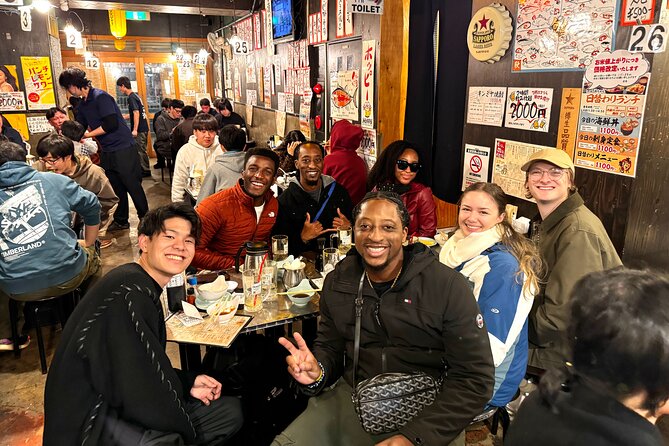
- Center-gai food stop: a proper introduction to izakaya dining
- Dogenzaka for the longer second half
- Food quality, portions, and the dining style
- The guides can make or break the evening
- Who will enjoy this tour most
- Practical details for a smoother night
- Should you book the Shibuya food tour?
- FAQ
- How long is the Tokyo Shibuya food tour?
- What time does the tour start?
- Where does the tour meet?
- Where does the tour end?
- How many food stops are included?
- What foods can you try?
- Are drinks included?
- Is enough food provided for dinner?
- Is hotel pickup included?
- What is the cancellation policy?
Key points to know before you book
- Four food stops: The included visits cover several local food stops, with dishes such as yakitori, tonkatsu, and sushi.
- Shibuya after 6 pm: You cross Shibuya Scramble and then move through Center-gai and Dogenzaka as the evening gets going.
- Two drinks included: You can receive two complimentary alcoholic or non-alcoholic drinks.
- A full dinner, not just snacks: The food is intended to be enough for a satisfying local dinner.
- Maximum of 15 people: This is small enough for a personal feel, though the group may still be lively.
- Starts and ends at Shibuya TSUTAYA: The meeting point is at Shibuya TSUTAYA, with no hotel pickup or drop-off.
Why this Shibuya food walk works
Shibuya is often reduced to one famous image: a mass of people crossing the street beneath giant screens. That view is worth seeing, but it tells you little about how people eat in the neighborhood. This tour moves beyond the crossing and into the restaurant lanes where izakayas and casual eateries serve food to local customers.
I like that the experience combines food with orientation. Your guide does not simply place dishes in front of you. The walk through Center-gai and Dogenzaka gives you a feel for how the neighborhood changes from a major sightseeing stop into an evening dining district.
The tour begins at 6 pm and lasts about three hours. That timing is practical. You can spend the day at temples, museums, or shopping areas, then meet for dinner without using up your morning. It also means you see Shibuya under its evening lights, when the streets take on a different character.
The food is the main reason to book, but the social side matters too. Ryo has been praised as friendly and kind, while Guru was described as easygoing and warm. Haru received praise for explaining Tokyo’s food culture, and Yo was singled out for taking the group to four good food stops while adding cultural context. These details suggest that the guide can shape the quality of the night as much as the menu does.
More Food Tours in Tokyo
- Tokyo: Shinjuku Food Tour (13 Dishes at 4 Local Eateries)
★ 5.0 · 6,603 reviews - Tokyo Tsukiji Fish Market Food and Culture Walking Tour
★ 5.0 · 3,184 reviews - Tokyo: Shinjuku Food Tour (15 Dishes and 4 Eateries)
★ 4.9 · 2,033 reviews
Meeting Hachiko and crossing into Center-gai
The tour meets at Shibuya TSUTAYA, near the famous Shibuya Scramble Crossing. The location is listed as Japan, 150-0042 Tokyo, Shibuya, Udagawacho, 21-6 Q Front, B2F-8F. You will want to allow a little time to find the precise meeting area, since the listed address covers a large building.
Hachiko is passed by rather than treated as a formal stop. That is a sensible use of time. You can see the famous dog statue near the station, take a quick look, and then move toward the food streets. If Hachiko is important to your sightseeing plans, visit it separately before meeting the group.
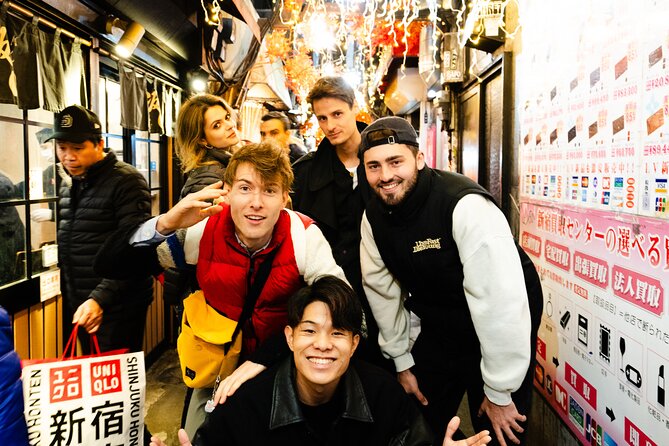
The crossing provides a quick introduction to Shibuya’s scale. After crossing, the tour heads into Center-gai, a busy pedestrian district lined with restaurants, izakayas, shops, and entertainment venues. Your guide takes you away from the most obvious tourist path and into a local izakaya for the first part of the meal.
The first hour is listed for this area. That does not mean you spend a full hour sitting in one restaurant. It includes walking, orientation, and the food stop. You can expect the guide to explain what you are seeing while helping you navigate streets that can feel confusing on a first visit.
Center-gai food stop: a proper introduction to izakaya dining
An izakaya is a Japanese drinking and dining establishment, usually built around small dishes shared at the table. It is a useful setting for a food tour because you can try several items without ordering a full portion of one dish.
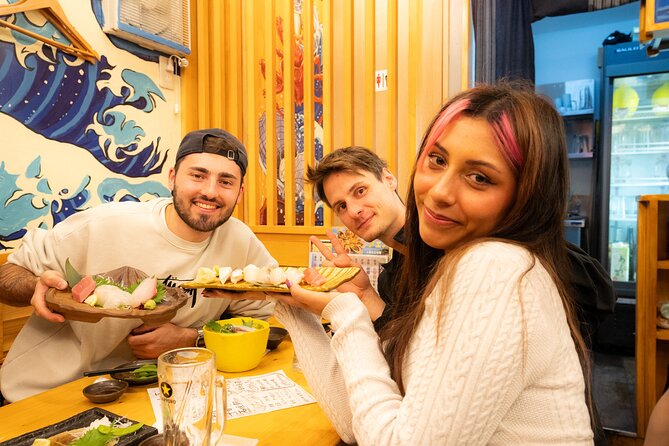
The advertised food includes smoky yakitori, crispy tonkatsu, and sushi. These dishes give you a broad introduction to Japanese eating styles. Yakitori brings grilled meat and smoke, tonkatsu offers a fried cutlet with a crisp coating, and sushi provides a different balance of rice, seafood, and seasoning.
You should not assume every dish arrives in exactly the same order on every departure. Food tours can adjust stops and dishes, and the information describes the experience by examples rather than a fixed menu. The good news is that the food is designed to add up to dinner, not merely a few decorative bites.
Two complimentary drinks are included. They may be alcoholic or non-alcoholic, which gives you some flexibility. That matters in an izakaya setting, where drinks are part of the social rhythm. If you do not drink alcohol, you can still take part without paying extra for the included beverages.
One point deserves honest attention. The description refers to three hand-picked local eateries in one place and four local food stops in another. I would plan on several stops overall, with four food visits presented as the clearest inclusion, but I would not expect a rigid four-course restaurant meal. This is a moving evening of small dishes and drinks.
Dogenzaka for the longer second half
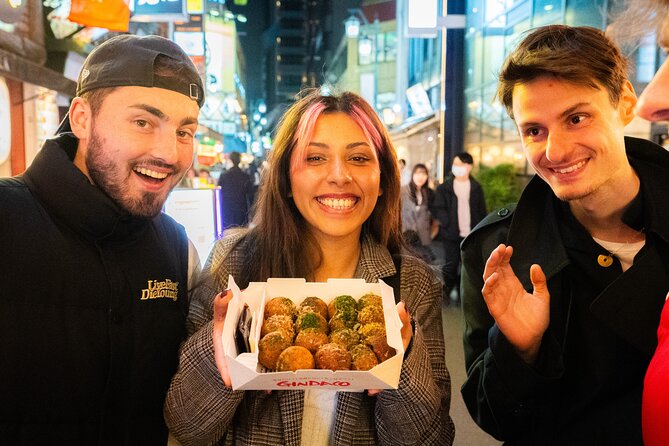
After Center-gai, the tour continues to Dogenzaka, a street area known for its broad choice of restaurants and izakayas. This part lasts about an hour and a half, making it the longer section of the walk.
Dogenzaka is useful for showing a different side of Shibuya. It is still energetic and full of signs, restaurants, and nightlife, but the focus shifts toward places where local people of different ages go to eat. Your guide’s job is to steer you away from restaurants aimed mainly at passing visitors and toward more traditional casual dining.
This is also where the tour’s local knowledge has practical value. Shibuya can offer too many choices, not too few. Without help, you may spend a long time comparing menus, trying to work out ordering rules, or settling for the first restaurant with an English sign. The guide saves you that effort and gives you a way to sample more than one place in a single evening.
The longer Dogenzaka section may include additional food and a second drink. Some of the strongest praise has focused on leaving full. One person compared the meal to a local four-course dinner, which gives you a useful sense of the portion level. You are not booking this to nibble once and then hunt for dinner afterward.
Still, restaurant-hopping is not the same as street food sampling. One lower-rated account wanted more food from stalls and less time in sit-down restaurants. If your idea of a food tour means eating while walking from one street vendor to another, this experience may not match your ideal. It is better understood as a guided izakaya and restaurant walk.
A completely different kind of day out in Tokyo:
- Mt Fuji and Hakone 1-Day Bus Tour Return by Bullet Train
★ 5.0 · 26,383 reviews - 1-Day Tokyo Bus Tour
★ 5.0 · 14,250 reviews - Tokyo: TOKYO SKYTREE® Admission ticket
★ 4.5 · 11,192 reviews - Tokyo: teamLab Planets TOKYO Digital Art Museum Entry Ticket
★ 4.6 · 9,779 reviews
Food quality, portions, and the dining style
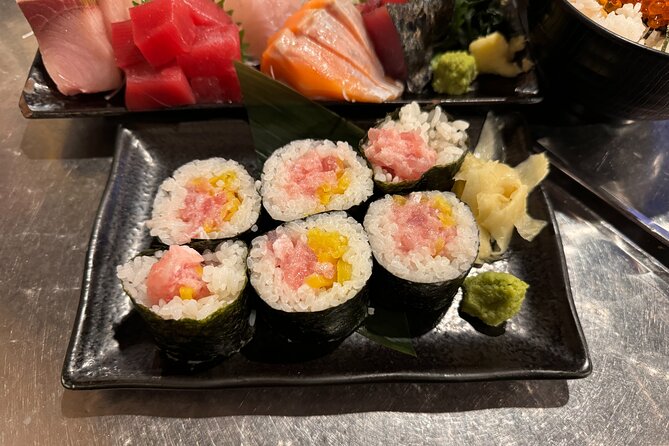
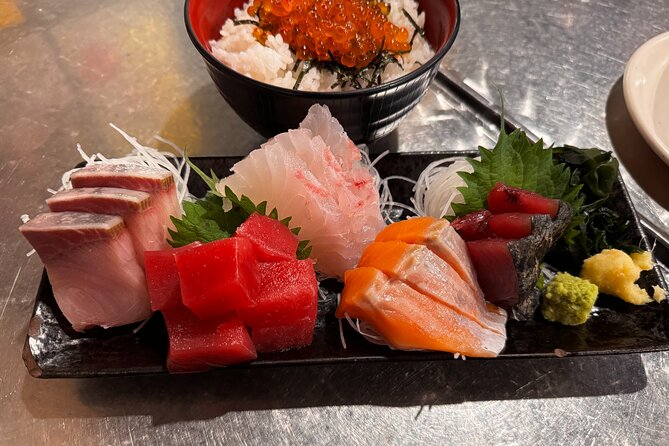
The strongest part of the experience is the combination of variety and quantity. Yakitori, tonkatsu, and sushi cover very different textures and flavors, and the stops are intended to provide enough food for a satisfying dinner.
I like this approach for a first evening in Japan. You can try familiar categories while also seeing how they fit into Japanese dining culture. The guide can explain what you are eating and offer tips for the rest of your trip, which is useful when you later face a menu without much English.
The food is described as authentic and local, but that does not mean every stop will feel rustic or old-fashioned. Shibuya is a modern commercial district. Local dining here can mean a busy neighborhood izakaya with a practical menu, not a tiny traditional shop hidden down a quiet lane.
The food quality may also vary by departure. Most of the available feedback praises the meals as delicious, plentiful, and authentic, but one person found the food only acceptable. That is a fair reminder that a food tour cannot guarantee every dish will suit every palate.
The best way to judge the $90 price is to consider what is bundled together. You receive a guided three-hour walk, several food stops, enough food for dinner, two drinks, and practical help navigating Shibuya. Ordering a similar range of dishes and drinks independently could cost less, but you would also lose the guide’s route, explanations, and restaurant choices.
For a visitor who values convenience and local direction, $90 is a reasonable midrange price. For an experienced Tokyo diner who already knows Dogenzaka and can order confidently, the value is weaker. You are paying partly for access and organization, not only for the food.
The guides can make or break the evening
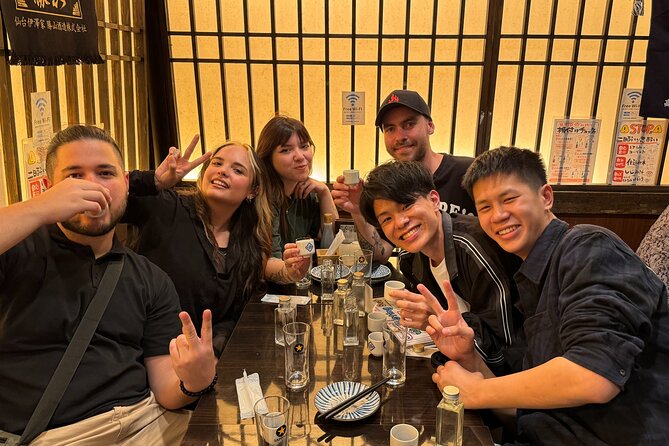
The guide is central to this experience. The most praised guides are Ryo, Guru, Haru, and Yo, each described in slightly different ways but with the same broad strengths: friendly company, cultural explanation, and a relaxed manner.
Ryo received repeated praise for being kind and enjoyable to spend time with. Guru was appreciated for making the evening feel personal and comfortable, even in rainy conditions. Haru was described as informed about the food scene and helpful for someone new to Japan. Yo was praised for combining four food stops with explanations of Japanese culture and cuisine.
That kind of personal connection is valuable on a walking food tour. A good guide can explain why a dish matters, help the group order, and keep the night moving without making it feel rushed. You also get the chance to ask for restaurant suggestions and general Tokyo tips.
There is one qualification. English fluency may vary. One account found conversation difficult because the guide’s English was limited, which made group interaction awkward. I would treat this as a possible inconsistency rather than a reason to reject the tour outright, especially since other guide feedback is very positive.
The group maximum is 15 people. That is small compared with a large coach tour, and it should allow more contact with the guide. At the full limit, though, seating at compact restaurants can feel less intimate. If you want a private food experience, this is not advertised as one.
Who will enjoy this tour most
I would recommend the tour to first-time visitors who want help getting oriented in Shibuya. You can see the crossing, pass Hachiko, walk through two major dining areas, and eat enough food to make the evening count.
It also suits people who enjoy conversation and shared meals. The guide and group setting are part of the experience, not background details. You may learn as much from watching how the group orders and shares dishes as from the food itself.
The tour is a good choice if you want:
- A full dinner while sightseeing
- A guided introduction to yakitori, tonkatsu, sushi, and izakaya dining
- Evening plans after a day of sightseeing
- Two included drinks
- Help choosing places in Shibuya
- A walking route with a maximum of 15 people
I would think twice if you want a strict street-food crawl, a fixed tasting menu, or a quiet private meal. The evening may include sit-down restaurants, and one stop may involve takeaway food without a planned place to eat it. That small organizational issue could matter if you prefer every part of a tour to run like clockwork.
Practical details for a smoother night
The meeting time is 6 pm at Shibuya TSUTAYA, and the tour returns to the same meeting point. There is no hotel pickup or drop-off, so you need to reach Shibuya on your own and arrange your return afterward.
A mobile ticket is included, and confirmation is provided when you book. The meeting point is near public transportation, making it practical for an evening start, but you should still check the exact location before setting out because the address refers to a sizable TSUTAYA building.
Most people can participate, and the activity is a walking tour. Wear shoes you can use comfortably for three hours, especially since the route moves between the crossing, Center-gai, Dogenzaka, and several food stops. The available information does not promise a fully accessible route, so anyone with specific mobility needs should confirm details before booking.
Book ahead if this tour fits your plans. It is booked about 29 days in advance on average, which suggests that last-minute spaces may not always be available. Free cancellation is available until 24 hours before the start time. Cancellations or changes inside that window are not refundable or accepted, and the operator may offer a new date or a full refund if the minimum group size is not reached.
Should you book the Shibuya food tour?
Book it if you want a friendly, guided introduction to Shibuya dining and prefer a full evening meal to a list of isolated tastings. The strongest case is the mix of four food stops, two drinks, a useful walking route, and guides who can make Japanese food and local customs easier to understand.
I would not book it solely for street food. The experience leans toward izakayas and sit-down restaurants, and organization may vary from one guide or stop to another. At $90, the value depends on how much you want the local direction and social setting.
For a first visit to Tokyo, I think this is a solid way to spend an evening. You finish back at the starting point, likely well fed, and with a better sense of where Shibuya’s dining streets fit together.
FAQ
How long is the Tokyo Shibuya food tour?
The experience lasts approximately three hours.
What time does the tour start?
The tour starts at 6 pm.
Where does the tour meet?
The meeting point is Shibuya TSUTAYA in Shibuya, Tokyo, at the listed Q Front address.
Where does the tour end?
The activity ends back at the meeting point.
How many food stops are included?
The inclusions specify four local food stops. The description also refers to three hand-picked local eateries, so you should expect several stops rather than a single restaurant meal.
What foods can you try?
The tour includes examples such as smoky yakitori, crispy tonkatsu, and sushi.
Are drinks included?
Yes. Two complimentary drinks are included, and they may be alcoholic or non-alcoholic.
Is enough food provided for dinner?
Yes. The food is intended to provide a satisfying local dinner.
Is hotel pickup included?
No. Hotel pickup and drop-off are not included.
What is the cancellation policy?
You can cancel up to 24 hours before the experience for a full refund. Cancellations or changes made less than 24 hours before the start time are not accepted or refunded.
Just added around Tokyo
- Tokyo 6hr Instagram Highlights Private Tour with Licensed Guide★ 5.0 · 38 reviews
- Tokyo Small Group Tour with Guide★ 4.5 · 38 reviews
- Tokyo Sumo Experience with Live Show & Audience Challenge★ 5.0 · 38 reviews
- Japanese Food Cooking Class in Asakusa, Tokyo★ 5.0 · 39 reviews
- Very popular in Harajuku♡Animal petting zoo★ 4.6 · 39 reviews
- Ramen Making from Scratch with Tokyo Mom(Vegan Option Available)★ 5.0 · 39 reviews
- Tokyo JDM Night: 600hp C63s AMG Edition 1 (Private)★ 4.9 · 39 reviews
- Tokyo: Kimono Rental inside Shinjuku Gyoen National Garden★ 4.9 · 39 reviews
Food & Drink, compared.
Shinjuku Food Tour (13 Dishes at 4 Local Eateries)
Read our review →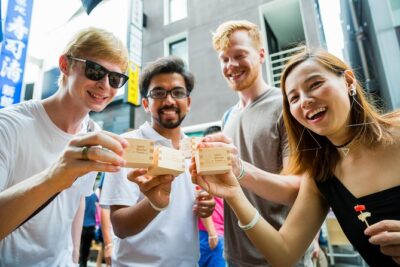
Tokyo Tsukiji Fish Market Food and Culture Walking Tour
Read our review →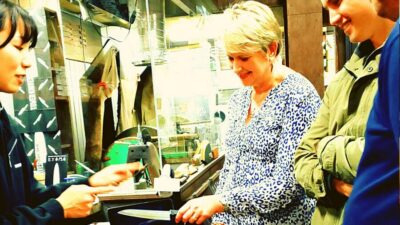
Shinsekai Food Tour with 13-15 Dishes at 5 Eateries
Read our review →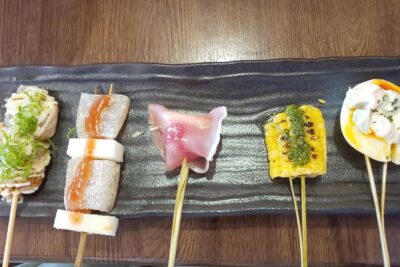
Osaka Food Tour: 13 Dishes at 5 Local Eateries
Read our review →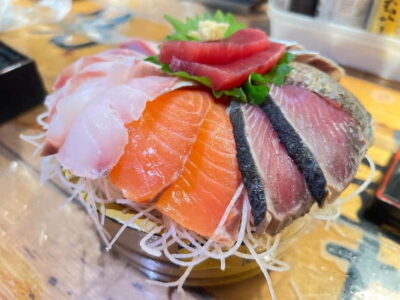
Shinjuku Food Tour (15 Dishes and 4 Eateries)
Read our review →
Best of Shinjuku: Izakaya Food Tour (4 Stops, 14+ Tastings)
Read our review →
Kyoto Night Foodie Tour in Gion (9+ dishes + 6 Sake tastings)
Read our review →
Hungry Osaka Street Food Tour:15 Tastings & 3 Drinks with a Local
Read our review →Browse the lists this tour appears in