
Reviewed · FOOD & DRINK
Tokyo: Shinjuku Food Tour – 15 Dishes, 3 Drinks, 4 Eateries
Shinjuku tastes better after dark. This three-hour food tour gives you two things I value in Tokyo: a full meal built around local dishes, and a guided walk through places such as Golden Gai, Omoide Yokocho, and Kabukicho. I especially like the four-stop format and the way guides such as Emma, Riki, Dai, and Shane W add neighborhood stories to the food. The main caution is simple: portions can be generous, and one recent booking included only two drinks instead of the promised three.
You meet near the blue AOKI sign beside Starbucks in Nishi-Shinjuku, then spend the evening walking and eating with an English-speaking guide. At $72 per person, the price makes sense if you want dinner, drinks, a local orientation, and help choosing unfamiliar dishes in one package. It makes less sense if you prefer to pick one restaurant and eat at your own pace.
In This Review
- Key points at a glance
- Why this Shinjuku food tour works
- Meeting in Nishi-Shinjuku
- Golden Gai: tiny lanes and a big change of pace
- Omoide Yokocho: old-school food in a narrow alley
- Kabukicho: neon streets and a final round of food
- What you actually eat and drink
- The guides make the difference
- Is $72 a fair price?
- Who should book this experience?
- Should you book the Shinjuku food tour?
- FAQ
- Where does the tour meet?
- Where does the tour finish?
- How long does the experience last?
- How many eateries does the tour visit?
- How many dishes are included?
- How many drinks are included?
- Is the tour conducted in English?
- Which Shinjuku areas are included?
- What should I bring?
- Can I cancel for a refund?
Key points at a glance
- Four local eateries: Move between tucked-away izakayas, traditional stalls, specialty spots, and neighborhood restaurants rather than sitting in one dining room all evening.
- 15 dishes and three drinks: The food is intended to make a full dinner, with alcoholic and nonalcoholic drink choices.
- Three famous Shinjuku areas: Golden Gai, Omoide Yokocho, and Kabukicho give the walking portion a strong sense of place.
- A useful first-night activity: Guides explain ingredients, eating customs, and the local food scene while helping you get oriented.
- Come hungry: Several people found the portions more than ample, and the last stop can be hard to finish if you have eaten earlier.
- Cash matters: Bring cash, and wear shoes suited to a three-hour city walk with stairs at one venue.
Why this Shinjuku food tour works
Shinjuku can feel like several cities stacked together. Huge station exits, office towers, neon entertainment streets, tiny drinking lanes, and old-fashioned food alleys all sit close to one another. A first-time visitor can easily walk past a narrow doorway without knowing what lies inside.
This tour helps with that problem. You are not just handed a list of dishes. You are guided from one small eating place to another, with the food tied to the streets around you. That connection is valuable. You learn where people go for casual meals, how different neighborhoods feel after sunset, and how Japanese comfort food fits into everyday life.
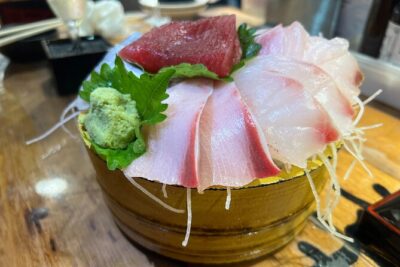
The food is not presented as formal dining. Expect bold, familiar, and sometimes wonderfully simple dishes rather than a polished tasting menu. The advertised examples include sashimi, tonkatsu, gyoza, and other Japanese favorites. The exact mix can vary, but the central idea is variety: raw fish, fried food, dumplings, meat, side dishes, and local specialties.
I also like the social setup. You share tables and plates with other people, which gives the evening an easy rhythm. It is useful for solo visitors who want company, couples who want help ordering, and anyone who would rather let a guide make the evening’s food decisions.
More Food Tours in Tokyo
- Tokyo: Shinjuku Food Tour (13 Dishes at 4 Local Eateries)
★ 5.0 · 6,603 reviews - Tokyo Tsukiji Fish Market Food and Culture Walking Tour
★ 5.0 · 3,184 reviews - Tokyo: Shinjuku Food Tour (15 Dishes and 4 Eateries)
★ 4.9 · 2,033 reviews
Meeting in Nishi-Shinjuku
The meeting point is in front of the blue AOKI sign near Starbucks in Nishi-Shinjuku, close to the α 107 Building. This is worth taking seriously because Shinjuku station has many exits, and the west side can be confusing if you are rushing.
Give yourself time to find the correct side of the station. Once you meet the guide, the route returns to the α 107 Building area at the end. The activity lasts three hours, and the starting time depends on availability, so check the selected departure before booking.
Bring cash. That is the one item specifically requested, and small Japanese eateries often make cash useful even when larger businesses accept cards. I would also avoid arriving after a heavy meal. Fifteen dishes are meant to equal a full dinner, not a few token samples.
Golden Gai: tiny lanes and a big change of pace
The evening includes about an hour around Golden Gai. This is one of Shinjuku’s most distinctive areas, made up of narrow lanes and very small bars packed close together. Lanterns, signs, and tight passageways create a very different mood from the broad streets near the station.
The food stop here gives the tour its strongest sense of discovery. You get to see how compact Japanese drinking spots work, while your guide explains the area and helps the group settle in. Guides are important in this setting because space is limited and ordering can be less straightforward than at a large restaurant.
Do not expect a quiet, spacious dining room. Golden Gai is about atmosphere and proximity. If you like small places with character, this part should be a highlight. If you need lots of room, it may feel cramped.
The walking commentary adds value here. Several guides have been praised for explaining neighborhood customs, local food, and the story of the streets. Mak, who was described as being born and raised in Shinjuku, was especially noted for his local insight. You may have a different guide, but the tour uses English-speaking hosts with a strong focus on the area.
Omoide Yokocho: old-school food in a narrow alley
The next hour brings you to Omoide Yokocho, another compact food area near Shinjuku station. Its narrow passageways and small restaurants offer a more traditional, everyday feel than the giant signs of central Kabukicho.
This is a good place for trying dishes you might not order alone. A guide can explain what is on the plate, how it is prepared, and which flavors or textures to notice. The food examples for the evening include crisp tonkatsu, pan-fried gyoza, sashimi, and other Japanese dishes. The tour is built around sharing enough food to give you a broad introduction.
Omoide Yokocho also shows why a guided food walk can be more useful than a restaurant reservation. You move through an area where many venues look small and similar from outside. Instead of spending your evening guessing, you can follow someone who already knows how to manage the route and the group.
There is a practical limitation. Four eateries in three hours means the schedule needs to stay on track. Tara specifically appreciated a guide who kept everyone on time and found seating, but that also tells you what the evening requires: arrive promptly and be ready to move when the group does.
A completely different kind of day out in Tokyo:
- Mt Fuji and Hakone 1-Day Bus Tour Return by Bullet Train
★ 5.0 · 26,383 reviews - 1-Day Tokyo Bus Tour
★ 5.0 · 14,250 reviews - Tokyo: TOKYO SKYTREE® Admission ticket
★ 4.5 · 11,192 reviews - Tokyo: teamLab Planets TOKYO Digital Art Museum Entry Ticket
★ 4.6 · 9,779 reviews
Kabukicho: neon streets and a final round of food
The final hour focuses on Kabukicho, Shinjuku’s famous entertainment district. The area is known for neon-lit streets, arcades, signs, restaurants, and nightlife. The tour presents it through food rather than simply sending you out for a photo walk.
The Kabukicho portion is where the city tour and dinner come together best. You can look around at the signs and side streets, then step into a local place for another round of dishes and drinks. Jim enjoyed the balance of food and background about Kabukicho, while other people appreciated learning about the district’s food history.
The last stop may be the heaviest. Multiple accounts describe the food as plentiful, with some people unable to finish everything. One meal included Okinawan food, which added regional variety to the evening. Since the exact dishes are not fixed in the information provided, you should think of the menu as a broad Japanese tasting rather than a guaranteed checklist beyond the stated 15 dishes.
Kabukicho can also be the liveliest part of the walk. Stay close to the guide, especially when crossing busy streets or moving through crowded lanes. The route is designed as a group experience, not a private wandering session.
What you actually eat and drink
The strongest feature is the range. Fifteen dishes give you far more than a single specialty meal, and the food is intended to be enough for dinner. That makes the tour useful early in your Tokyo stay, when you may not yet know what to order or how much food to expect.
The named examples give a sense of the mix:
- Sashimi for fresh, delicate flavors
- Tonkatsu for a crisp, filling main dish
- Gyoza for savory dumplings with browned edges
- Additional local dishes chosen across four eateries
- Japanese sake and other alcoholic or nonalcoholic drinks
You should not assume every named dish will appear at every departure. Still, the format promises variety rather than repetition. Several people praised the freshness, range, and generous portions. Others said the food was so abundant they could not finish the final course.
Three drinks are included, with alcoholic and nonalcoholic options. Sake and beer are mentioned in the experience details. Check what is served on the night, and tell the guide early if you do not drink alcohol.
There is one small inconsistency worth noting. One recent booking received two drinks instead of the three described, specifically one sake and one beer. That appears to be an exception rather than the general pattern, since other accounts describe drinks as plentiful or free flowing, but it is fair to keep the advertised number in mind when judging value.
The guides make the difference
The food is only half the evening. The guide controls the pace, explains the dishes, keeps the group together, and makes small restaurants less intimidating.
The strongest feedback centers on guides who are warm, funny, patient, and clear in English. Emma was praised for being welcoming and for helping when the group became a little lost. Dai was noted for adjusting the walking speed for someone who walked more slowly, and for taking good photos. Shane W received praise for his food and neighborhood background, while Riki was appreciated for playful conversation and kindness toward a solo participant.
Other guide names associated with positive experiences include Fu, Yin, Kei, Han, Will, Aiko, Izzy, Ali, Lloyd, Taiga, Kane, Mao, Yuka, Caitlyn, Igor, Michael, Sabina, and Thierry. You cannot choose a particular guide from the information given, but the repeated pattern is encouraging: the host is a major part of the experience, not just someone who leads you from door to door.
A good guide also helps with food concerns. One account specifically notes accommodations for food allergies. Still, you should communicate restrictions before the tour or at the meeting point. The menu is varied, and not every dish will suit every diet.
Is $72 a fair price?
At $72, you are paying for more than 15 bites. The fee covers three hours, four eateries, three drinks, an English-speaking guide, a neighborhood walk, and enough food for a full meal. In central Tokyo, that can be a sensible deal if you would otherwise pay separately for dinner and several drinks.
The value is strongest for people who want a structured introduction. You save time choosing restaurants, gain help with unfamiliar dishes, and see three well-known parts of Shinjuku in one evening. You also get a social setting that can be hard to create on your own.
The value is weaker if you already know Shinjuku well or prefer slow dining. Four stops require movement, shared plates, and attention to the schedule. You may also find the meal too large, especially if you have been eating throughout the day.
The reserve-now-and-pay-later option helps if your Tokyo schedule is still shifting. Free cancellation is available up to 24 hours before the activity for a full refund. Those terms make it easier to place the tour early in your itinerary without locking yourself into a rigid plan.
Who should book this experience?
I would recommend it for a first or second night in Tokyo. You get a useful neighborhood introduction, several food ideas to revisit, and a guide who can explain what you are seeing as the city lights come on.
It also suits solo visitors. The shared-table format gives you a natural way to meet people, and the food keeps conversation moving. Couples and small groups can enjoy it too, especially if one person is tired of making every restaurant decision.
Food lovers who want only one narrow subject may find the tour too broad. It is not a dedicated sashimi class, sake seminar, or cooking lesson. It is a lively meal that moves through several styles of casual Japanese eating.
People with mobility concerns should note the walking and the stairs. One eating place has a steep set of stairs and no lift. The route is described as manageable, and a guide may adjust the pace, but you should contact the provider if stairs or walking speed are a serious concern.
Should you book the Shinjuku food tour?
Book it if you want a generous dinner, a guided look at Golden Gai, Omoide Yokocho, and Kabukicho, and the confidence to try foods you might skip on your own. The repeated praise for the food, variety, guides, and local atmosphere makes this a strong-value introduction to Shinjuku.
Skip it if you want complete control over timing, restaurant choice, or portion size. Otherwise, arrive hungry, bring cash, wear comfortable shoes, and keep the evening open to conversation. At $72, it offers a lot in three hours, with the small caveat that drink service and exact dishes may vary.
FAQ
Where does the tour meet?
The meeting point is in front of the blue AOKI sign near the Starbucks in Nishi-Shinjuku, close to the west exit and the α 107 Building.
Where does the tour finish?
The tour returns to the α 107 Building area.
How long does the experience last?
The food tour lasts three hours.
How many eateries does the tour visit?
You visit four local eateries during the evening.
How many dishes are included?
The tour includes 15 dishes, described as enough for a full meal.
How many drinks are included?
Three drinks are included, with alcoholic and nonalcoholic options. Sake and beer are among the drinks mentioned.
Is the tour conducted in English?
Yes. An English-speaking live guide leads the experience.
Which Shinjuku areas are included?
The route includes Golden Gai, Omoide Yokocho, and Kabukicho.
What should I bring?
Bring cash. Comfortable footwear is also sensible because the experience includes walking and one venue has stairs.
Can I cancel for a refund?
You can cancel up to 24 hours in advance for a full refund. The activity also offers reserve now and pay later booking.
Just added around Tokyo
- Tokyo Small Group Tour with Guide★ 4.5 · 38 reviews
- Tokyo 6hr Instagram Highlights Private Tour with Licensed Guide★ 5.0 · 38 reviews
- Tokyo Sumo Experience with Live Show & Audience Challenge★ 5.0 · 38 reviews
- Very popular in Harajuku♡Animal petting zoo★ 4.6 · 39 reviews
- Japanese Food Cooking Class in Asakusa, Tokyo★ 5.0 · 39 reviews
- Ramen Making from Scratch with Tokyo Mom(Vegan Option Available)★ 5.0 · 39 reviews
- Tokyo: Kimono Rental inside Shinjuku Gyoen National Garden★ 4.9 · 39 reviews
- Tokyo JDM Night: 600hp C63s AMG Edition 1 (Private)★ 4.9 · 39 reviews
Food & Drink, compared.
Shinjuku Food Tour (13 Dishes at 4 Local Eateries)
Read our review →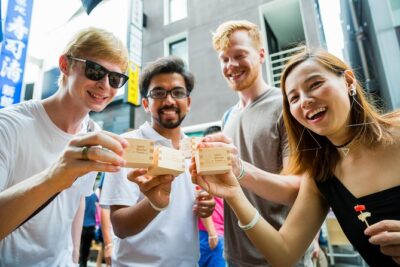
Tokyo Tsukiji Fish Market Food and Culture Walking Tour
Read our review →
Shinsekai Food Tour with 13-15 Dishes at 5 Eateries
Read our review →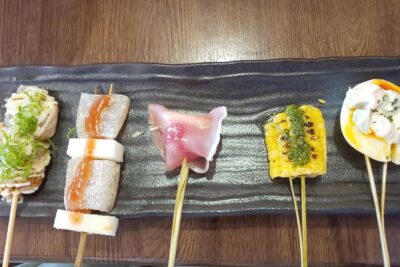
Osaka Food Tour: 13 Dishes at 5 Local Eateries
Read our review →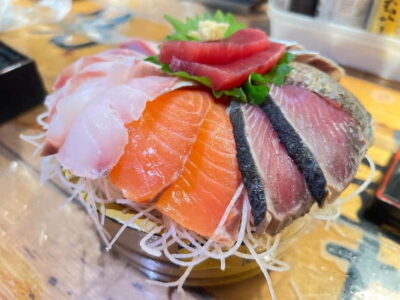
Shinjuku Food Tour (15 Dishes and 4 Eateries)
Read our review →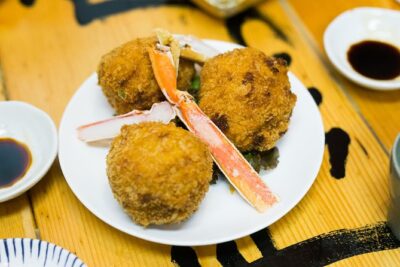
Best of Shinjuku: Izakaya Food Tour (4 Stops, 14+ Tastings)
Read our review →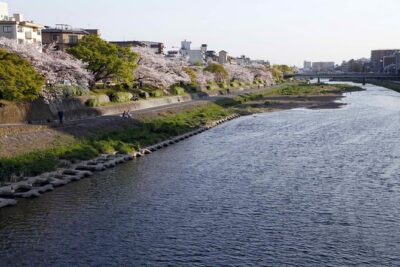
Kyoto Night Foodie Tour in Gion (9+ dishes + 6 Sake tastings)
Read our review →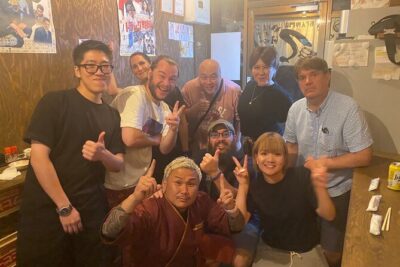
Hungry Osaka Street Food Tour:15 Tastings & 3 Drinks with a Local
Read our review →Browse the lists this tour appears in