Reviewed · TOKYO TOURS
Tokyo Time Machine: Exploring Old School Monzen-Nakacho
Tokyo’s best stories often hide in plain sight. This small-group walk takes you through Monzen-Nakacho, a local district of temples, tiny food shops, neighborhood pubs, and family-run businesses that many first-time visitors miss. You will eat, drink, and learn how food, sake, faith, and local life fit together.
I especially like the maximum group size of six, which makes squeezing into small bars far easier. I also like that food and drinks are included, from fukagawa meshi and snacks to sake, beer, coffee, and dinner. The main consideration is the $195 price, which is a serious outlay for a five- to six-hour walk, especially if you prefer sightseeing without alcohol or several food stops.
The tour begins at 1 p.m. at Monzen-Nakacho Station and returns there. Guides such as Michelle, who has lived in Japan for 20 years, Elly, and Mairi bring strong ties to local restaurants and shop owners. That personal connection is a big part of the appeal, but the experience is best for people aged 18 or older who enjoy walking, eating, drinking, and asking questions.
In This Review
- Key points to know before you book
- Why Monzen-Nakacho makes a good Tokyo food stop
- The first tastes: sushi and fukagawa meshi
- Fukagawa Fudo-do and the Buddhist fire ceremony
- Sake, oysters, and the small businesses behind the food
- The tachinomi: Tokyo food at close range
- What your guide adds to the experience
- Is $195 a fair price?
- Timing, meeting point, and who should book
- Should you book Tokyo Time Machine?
- FAQ
- How long does the Tokyo Time Machine tour last?
- Where does the tour begin and end?
- What food and drinks are included?
- How many people can join the tour?
- Is private transportation included?
- What is the cancellation policy?
Key points to know before you book
- A six-person maximum keeps the tour personal and makes visits to tiny izakayas and standing bars practical.
- Fukagawa meshi introduces a Monzen-Nakacho specialty, with clams served over rice in a local dish tied to the area’s fishing past.
- Fukagawa Fudo-do adds a spiritual side, including a striking Buddhist fire ceremony and an explanation of sake’s place in Japanese culture.
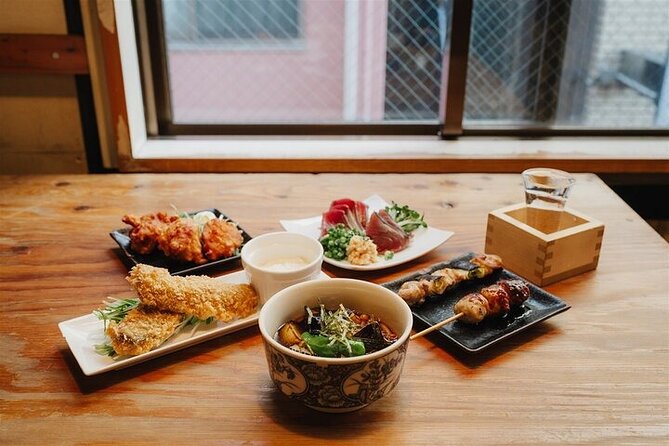
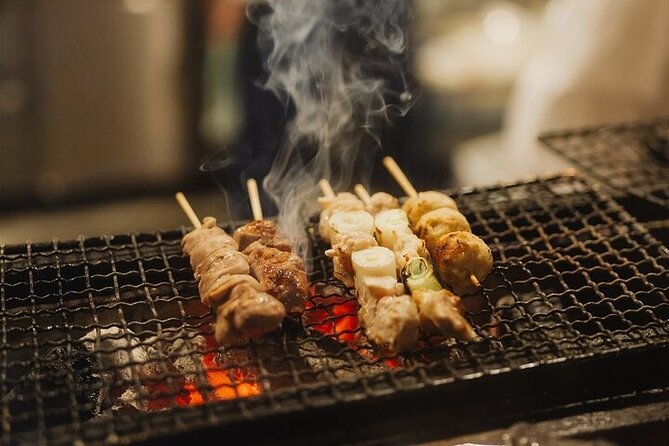
- The food schedule is spread across the afternoon, with sushi, clams, expertly prepared bites, oysters, barbecue, local beer, and sake.
- The tour ends where it starts, at Monzen-Nakacho Station, after roughly five to six hours.
- The price includes the tastings and dinner, but private transportation is not provided.
Why Monzen-Nakacho makes a good Tokyo food stop
Monzen-Nakacho is not the Tokyo most people picture from a first visit. You will not spend the afternoon moving between famous landmarks or department-store food halls. Instead, the route leads into backstreets where small storefronts, old temples, izakayas, and standing bars serve the people who live and work nearby.
That is useful for two reasons. First, the neighborhood gives you a look at daily Tokyo beyond the major sightseeing areas. Second, small food businesses can be difficult to enter without Japanese language skills, local knowledge, or a confident guide. Here, you have someone to explain what you are eating, introduce the setting, and help you understand the customs.
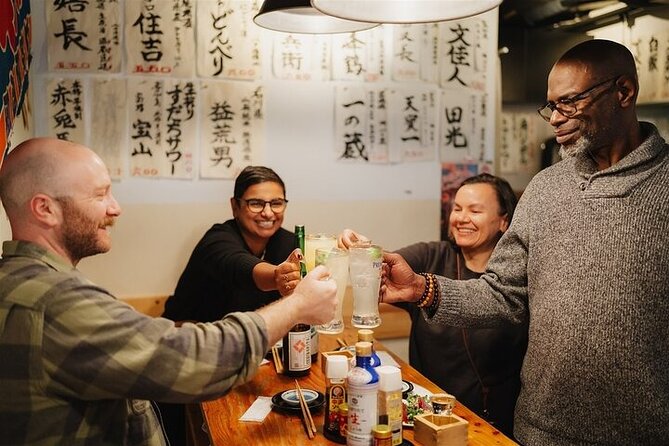
The six-person limit matters. A large group would overwhelm a tiny tachinomi, or standing bar, and make conversation with shop owners awkward. With a small party, you have a better chance to see how these places function rather than simply arrive, take a bite, and leave.
You should still expect a fair amount of walking and standing. The route moves through narrow streets and compact businesses, and some stops are designed for quick food and drink rather than a long sit-down meal. If you want a leisurely restaurant lunch with lots of personal space, this may feel busy.
A few more Tokyo experiences worth weighing up
- Mt Fuji and Hakone 1-Day Bus Tour Return by Bullet Train
★ 5.0 · 26,383 reviews - 1-Day Tokyo Bus Tour
★ 5.0 · 14,250 reviews - Tokyo: TOKYO SKYTREE® Admission ticket
★ 4.5 · 11,192 reviews
The first tastes: sushi and fukagawa meshi
The food begins with one of Monzen-Nakacho’s classic local combinations: sushi and fukagawa meshi. Fukagawa meshi is made with clams served over rice, a simple dish with a strong connection to the neighborhood.
This is a smart opening meal. It gives you something filling before the drinks begin, and it introduces a specialty you might not recognize from a standard Tokyo food itinerary. The clam dish has a homestyle quality, closer to local comfort food than to a flashy tasting menu.
The route also makes room for sushi at a neighborhood spot. Exact dishes can vary, but the point is not to sample every famous Japanese food in one sitting. The focus is on foods and places tied to Monzen-Nakacho itself.
I like the way this approach puts context beside the meal. You are not simply handed a plate and given its English name. The guide explains why the food belongs here and how small businesses keep local traditions going.
One practical point: food is served over several hours, rather than all at once. That spacing helps you enjoy the drinks and later tastings without beginning the afternoon uncomfortably full. Still, the total amount can be substantial, so arrive ready for a long progression of bites and small meals.
Fukagawa Fudo-do and the Buddhist fire ceremony
After the first food stop, the walk heads toward Fukagawa Fudo-do. This temple is one of the tour’s most distinctive parts because it changes the mood from eating and neighborhood wandering to religious ceremony.
The fire ritual is a multisensory experience, with flames, sound, movement, and formal Buddhist practice. Your guide helps explain what you are seeing and how it relates to the temple. Several people describe this ceremony as one of the most memorable parts of the afternoon, and I can see why: it offers something that a standard food crawl usually leaves out.
The temple also provides a useful setting for discussing sake. In Japan, sake is not only a drink for casual socializing. It also has a role in religious and ceremonial life. The tour connects that cultural background to the tastings later in the day, so the alcohol has a bit more meaning than simply being poured into a glass.
This stop is worth keeping in mind if you want a tour with cultural range. You get food, local business, religion, and neighborhood history in one route. If you are mainly interested in eating as much as possible, the temple ceremony takes time away from another food stop. For most people, that trade is a good one.
Please dress and behave respectfully at the temple. The experience includes paying your respects and observing a ceremony, not treating the site as a theatrical backdrop. Your guide can help you understand the proper tone.
Sake, oysters, and the small businesses behind the food
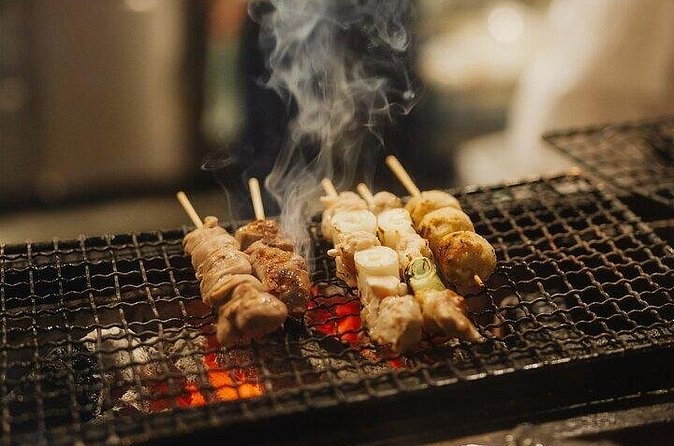
Once the temple visit is finished, the tour shifts toward the neighborhood’s drinking spots. A sake specialist is part of the route, giving you a chance to taste different versions of Japan’s traditional drink and learn how sake fits into local dining.
This section works best if you are curious about flavor and setting. The tasting is not presented as an isolated product demonstration. It is tied to the pubs and small restaurants you visit afterward, where drinks are paired with carefully made bites.
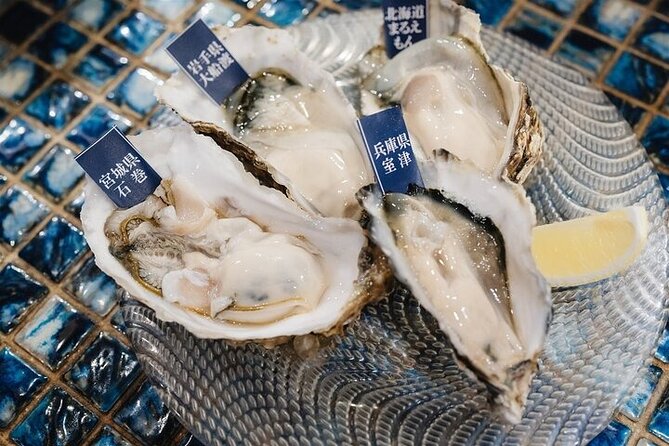
Another stop features an oyster shucker who buys directly from fishermen still dealing with the effects of the 2011 tsunami. That detail gives the stop a human and economic side. You are not only sampling oysters. You are also seeing how a small food business can support producers and help maintain a connection between coastal communities and Tokyo diners.
The inclusion of local beer and barbecue adds variety. Sake is central, but you are not limited to one type of drink or one style of food. The afternoon can include grilled food, seafood, rice-based dishes, beer, sake, and small snacks.
People with celiac disease or gluten-free needs should contact the provider before booking and explain their restrictions clearly. One strong account describes the tour as suitable for a gluten-free diner, but that should not be treated as a blanket guarantee. Ingredients and preparation can vary, particularly in izakayas and small kitchens.
A completely different kind of day out in Tokyo:
- Tokyo: teamLab Planets TOKYO Digital Art Museum Entry Ticket
★ 4.6 · 9,779 reviews - Mt Fuji & Hakone Cruise, Drum Show Bullet Train 1 Day from Tokyo
★ 4.0 · 7,413 reviews - Tokyo: Sumo Show Experience with Chicken Hot Pot and a Photo
★ 4.8 · 6,678 reviews - Tokyo: Shinjuku Food Tour (13 Dishes at 4 Local Eateries)
★ 5.0 · 6,603 reviews
The tachinomi: Tokyo food at close range
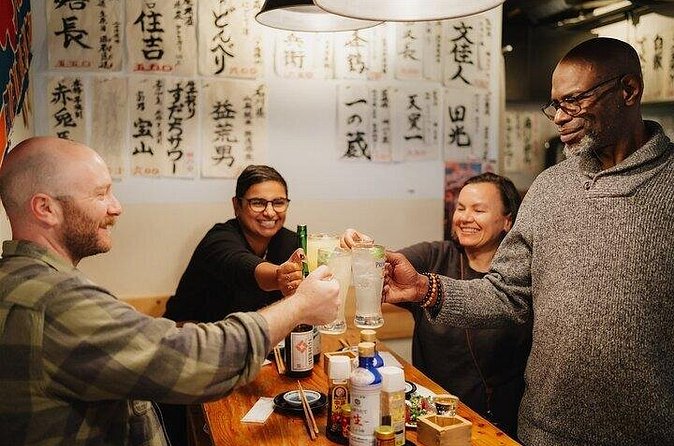
The most atmospheric stop may be a hidden tachinomi, a Japanese standing bar. These places are often compact, informal, and built around quick drinks and small plates. The kitchen may be tiny, but it can still turn out carefully prepared food.
A standing bar is not for everyone. You may have limited room, and the format is less restful than a conventional restaurant. But that is also the point. The arrangement lets you see a practical piece of neighborhood dining that is easy to miss if you stick to large restaurants designed for international visitors.
The guide is especially valuable here. Small bars can have unwritten rules about ordering, where to stand, and how long to remain. A local guide helps you enter without guessing, translates when needed, and explains what makes the place worth your time.
The tour continues to several more spots before finishing. The exact sequence may shift, but the stated plan includes more drinks and food as the afternoon turns toward evening. The pace is intended to be relaxed, with food and drinks spaced out rather than rushed from one venue to the next.
That leisurely timing is one of the tour’s better features. You have time to talk with your guide, notice the streets between stops, and let each place register. The drawback is that the tour may feel long if you do not usually spend five or six hours eating and drinking.
What your guide adds to the experience
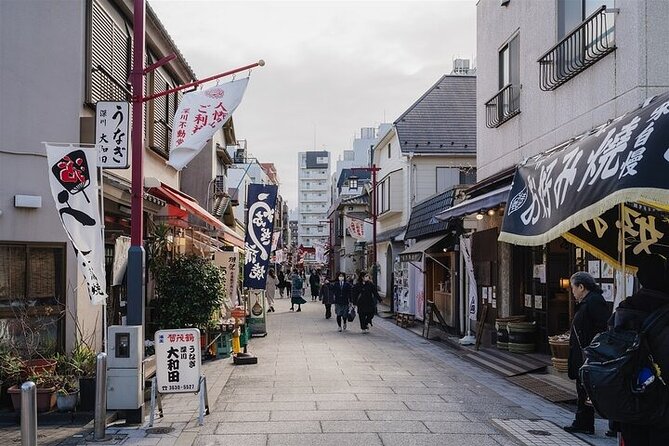
The guide is not just there to lead you from station to restaurant. The strongest part of the experience is the connection between the guide and the neighborhood’s food businesses.
Michelle is Canadian and has lived in Japan for 20 years. Her long residence gives her a useful perspective for explaining local customs in clear English, while her relationships with restaurant owners help make the stops feel welcoming. Elly is praised for her command of the district’s food and past, and Mairi is noted for her long connection with Tokyo and the small businesses on the route.
You may receive a different guide, so the exact personality and conversation will vary. That is worth accepting. The tour’s structure is consistent, but much of its charm depends on how the guide explains the food, handles introductions, and responds to your questions.
This is also where the tour helps with language barriers. You can order and ask about ingredients without trying to manage every interaction alone. At the same time, you are not sealed inside a tour bubble. You are entering working neighborhood establishments and seeing how local dining really happens.
Is $195 a fair price?
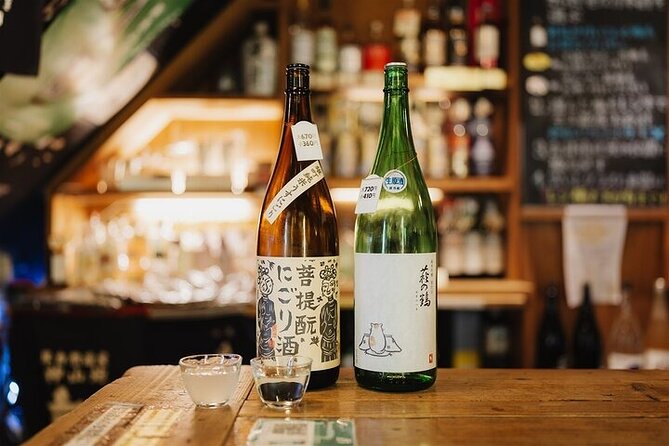
At $195 per person, this is not a budget food walk. The price includes alcoholic beverages, dinner, snacks, coffee or tea, and the guide’s time across five to six hours. You also receive access to places that may be difficult to find or approach independently.
The value depends on how you travel. If you would otherwise pay separately for several meals, drinks, and a guided cultural visit, the total begins to look more reasonable. The small group also matters. A private guide would normally cost much more, while a large group would not work well in the tiny bars described here.
On the other hand, you may not get full value if you drink little alcohol, eat lightly, or prefer choosing your own restaurants. The experience is built around a generous sequence of tastings, not a single meal. You are paying for the neighborhood introductions and the guide’s local relationships as much as for the food itself.
The tour is commonly booked about 93 days ahead, which suggests you should not leave it until the last minute if your Tokyo dates are fixed. Free cancellation is available up to 24 hours before the 1 p.m. start time. Changes or cancellations inside that window are not refunded.
Timing, meeting point, and who should book
You meet at Monzen-Nakacho Station, at 2 Chome-4 Monzennakacho in Koto City. The activity ends back at the same meeting point, which makes the return simple and removes the need to find your way across Tokyo after several drinks.
Private transportation is not included. That is not a major weakness because the tour begins and ends at a rail station, and the route is designed as a walking experience. You should plan your own journey to the station and allow enough time to arrive before 1 p.m.
The activity is for people aged 18 and older. Most people can participate, but the combination of walking, standing, food, and alcohol means you should consider your own comfort. The provider does not list private transport, and the route includes small establishments where space may be tight.
I would recommend this tour to:
- First-time visitors who want a local Tokyo district rather than another major sightseeing area.
- Food-focused visitors who enjoy trying unfamiliar dishes.
- People curious about sake, izakayas, standing bars, and Japanese dining customs.
- Couples or friends who appreciate a small group and guided introductions.
- Repeat visitors who have already seen Tokyo’s main sights.
I would be more cautious if you dislike seafood, rarely drink, need a highly predictable menu, or prefer a short, seated food tour. The route includes clams, oysters, sushi, barbecue, alcohol, and several small food stops, so flexibility is part of the deal.
Should you book Tokyo Time Machine?
Book it if you want food to lead you into local culture rather than simply fill your stomach. The combination of fukagawa meshi, Fukagawa Fudo-do’s fire ceremony, sake, oysters, barbecue, and tiny bars gives the afternoon a clear sense of place.
The strongest reasons to go are the six-person group, the included food and drinks, and guides with long-standing ties to Monzen-Nakacho. The main reason to hesitate is the price, along with the long duration and alcohol-centered format.
For a curious eater who wants help entering Tokyo’s lesser-known neighborhood businesses, this is a well-focused splurge. It will not show you all of Tokyo, but it can show you one district in a way that is hard to reproduce on your own.
FAQ
How long does the Tokyo Time Machine tour last?
The tour lasts approximately five to six hours. It starts at 1 p.m. and ends back at the meeting point.
Where does the tour begin and end?
It begins at Monzen-Nakacho Station, at 2 Chome-4 Monzennakacho, Koto City, Tokyo 135-0048. The activity ends back at the same meeting point.
What food and drinks are included?
Alcoholic beverages, dinner, snacks, coffee, and tea are included. The route includes food such as sushi, fukagawa meshi, oysters, barbecue, and other small bites.
How many people can join the tour?
The tour has a maximum of six participants. This small group suits visits to compact izakayas and standing bars.
Is private transportation included?
No. Private transportation is not included. The tour begins and ends at Monzen-Nakacho Station.
What is the cancellation policy?
You can cancel up to 24 hours before the experience starts for a full refund. Cancellations or changes made less than 24 hours before the 1 p.m. start time are not accepted for a refund.
Just added around Tokyo
- From Tokyo: Tokyo Private Customize Tour With English Driver★ 5.0 · 37 reviews
- Tokyo Tsukiji Fish Market Food & Culture Walking Tour★ 5.0 · 37 reviews
- Private Tokyo with Exceptional Guide Tailored to Your Needs★ 5.0 · 37 reviews
- Tokyo Photoshoot Tour with a Local Photographer★ 5.0 · 37 reviews
- Traditional Japanese Comedy, Juggling & Magic Live Show in Tokyo★ 5.0 · 37 reviews
- Kyoto: Nijo Castle World Heritage Guided Tour with Admission★ 4.9 · 37 reviews
- Tokyo Tower Observation Deck E-Tickets.★ 4.0 · 37 reviews
- Tokyo: 7 Kinds of Sake Tasting with Japanese Food Pairings★ 4.9 · 37 reviews
Tokyo Tours, compared.
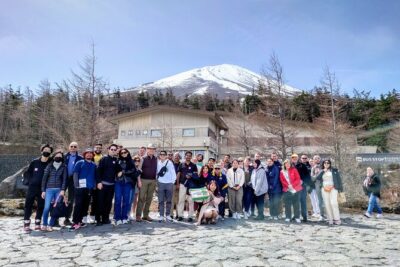
Mt Fuji and Hakone 1-Day Bus Tour Return by Bullet Train
Read our review →
teamLab Planets TOKYO Digital Art Museum Entry Ticket
Read our review →
Mt Fuji & Hakone Cruise, Drum Show Bullet Train 1 Day from Tokyo
Read our review →
Shinjuku Food Tour (13 Dishes at 4 Local Eateries)
Read our review →
Tokyo Mt Fuji 5th St & Hakone Cruise Bus Tour w/Bullet Train
Read our review →