
Reviewed · SAKE TASTING
Tokyo: 7 Kinds of Sake Tasting with Japanese Food Pairings
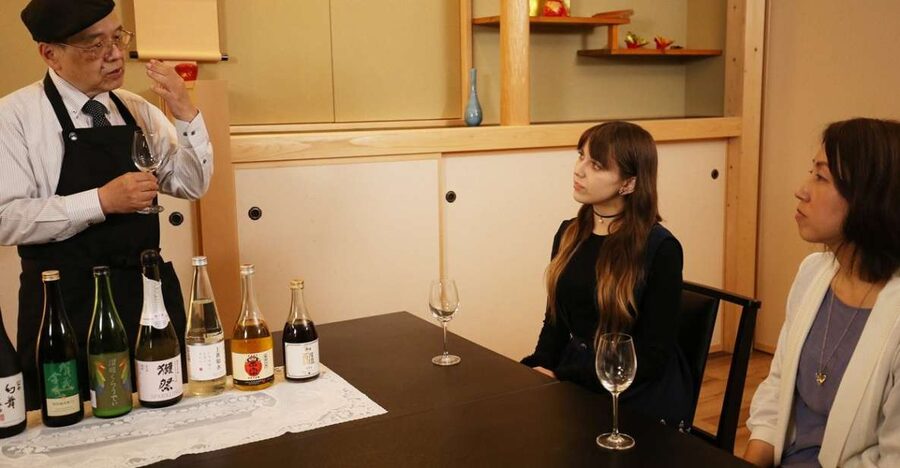
Sake rewards a curious appetite. This 75-minute tasting in Tokyo pairs seven sake styles with Japanese and Western bites, turning a drink sampler into a compact lesson in flavor, production, and tradition. I like the clear progression from sparkling and sweet styles to savory pours, and I like that the food is served as part of the teaching rather than as an afterthought. The main drawback is the meeting point, which can be hard to find inside an office building near Tokyo Tower.
You will learn from an English-speaking, nationally accredited sake instructor, with plenty of room for questions in a group capped at 10 people. I also like the personal feel: some sessions have been led by Tanaka-san and Taka-san, and small bookings have sometimes become nearly private tastings. Allow extra time to locate the building, especially since the basement room number has not always matched the details provided to participants.
In This Review
- Key points to know before booking
- Why this Tokyo sake tasting is more than a flight of drinks
- Seven sake styles, from sparkling to dessert sake
- How the seven food pairings shape the tasting
- The teaching style and the people leading it
- Finding Kikai Shinko Kaikan near Tokyo Tower
- Is $106 a fair price for 75 minutes?
- Who will enjoy this experience most?
- My practical verdict on the Tokyo tasting
- FAQ
- How long does the sake tasting last?
- How many sake samples are included?
- Are food pairings included?
- Is the instruction offered in English?
- Where is the meeting point?
- Can people under 20 join?
Key points to know before booking
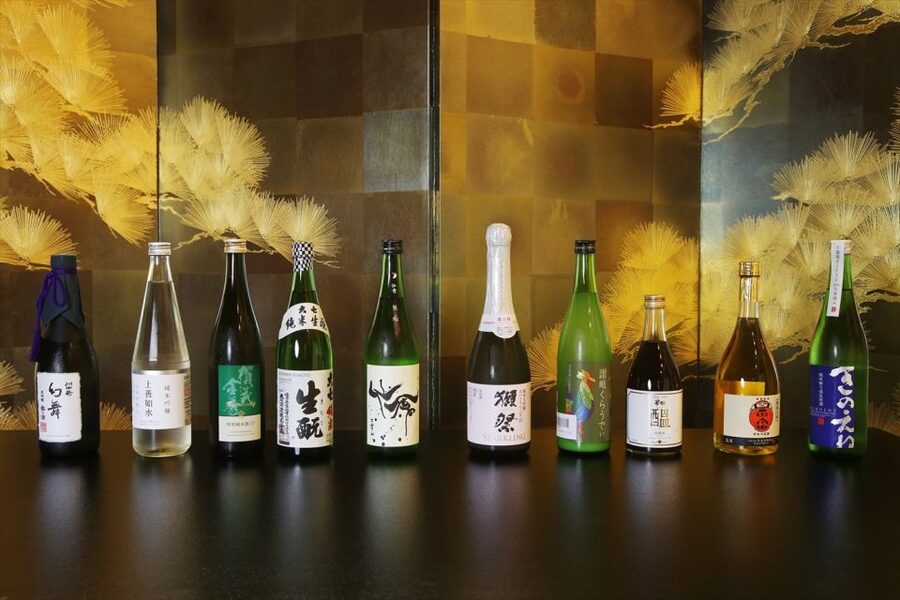
- Seven pours, seven pairings: Each sake sample comes with a matching bite, including Japanese and Western foods.
- A full flavor journey: The selection moves from sparkling and sweet sake to savory examples and finishes with dessert-style sake.
- English instruction: An accredited sake instructor explains production, serving styles, varieties, and sake’s place in Japanese religion and tradition.
- Small-group setting: The class accepts no more than 10 people, though some sessions have had only one or two participants.
- Tokyo Tower location: Meet at the main entrance of Kikai Shinko Kaikan on the first floor, opposite Tokyo Tower, with the teaching room in the basement.
- Good value for drinkers: At $106 per person, the price makes the most sense if you want structured instruction, a meal of pairings, and several carefully selected sakes rather than a quick bar tasting.
Why this Tokyo sake tasting is more than a flight of drinks
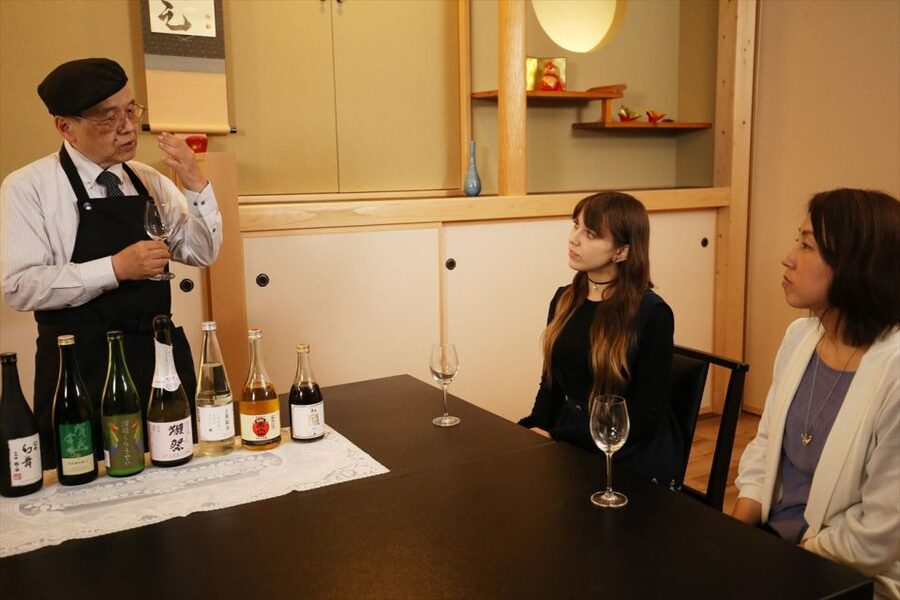
Sake can look simple on a menu, but the category covers a wide range of aromas, sweetness, texture, acidity, and serving styles. If you order a random bottle at a restaurant, you may enjoy it without understanding why it tastes the way it does. This session gives you a framework.
The class begins with the role sake has played in Japan for more than a thousand years. You hear how it connects with religion and tradition, not just modern dining. That context matters because sake is not simply Japan’s answer to wine. It has long appeared in ceremonies and cultural customs, and the drink still carries that weight.
The instructor then explains how sake is made and outlines the main varieties you are likely to encounter in Japan. For a first-time drinker, this is useful groundwork. You can start noticing the difference between a light, sweet pour and a fuller, more savory one instead of treating every glass as the same drink.
I appreciate the format because the lesson stays tied to your senses. You taste a sample, try its food pairing, and then consider how the bite changes the drink. That is a far better way to remember the information than listening to a long lecture before the glasses arrive.
More Food Tours in Tokyo
- Tokyo: Shinjuku Food Tour (13 Dishes at 4 Local Eateries)
★ 5.0 · 6,603 reviews - Tokyo Tsukiji Fish Market Food and Culture Walking Tour
★ 5.0 · 3,184 reviews - Tokyo: Shinjuku Food Tour (15 Dishes and 4 Eateries)
★ 4.9 · 2,033 reviews
Seven sake styles, from sparkling to dessert sake
The tasting includes seven samples selected to show a broad range. The exact labels and sequence are not specified, so you should not book this expecting a fixed bottle list. The point is the contrast between styles.
The opening pours include sparkling sake and sweeter examples. These can be an easy entry for people who are new to the drink, particularly if you usually prefer lighter or fruitier beverages. Starting here also gives you a reference point for the drier and more savory samples that follow.
As the tasting moves along, the instructor explains the differences between the sake in front of you. You might discuss how each one is produced, how it is served, and what kind of food suits it. This is where the class earns its place above a standard tasting flight. You are not just counting seven small glasses. You are learning how to read them.
The savory styles offer a useful contrast. Some sake can work beautifully with salty, rich, or strongly flavored foods, and the pairings give you a practical way to understand that. By the time you reach the later pours, you should have a clearer idea of the styles you want to seek out in restaurants or shops.
The final sample is dessert-style sake, giving the session a sweet finish. That ending is more than a novelty. It reminds you that sake is not confined to one narrow flavor profile and can be part of a meal from the opening bite through dessert.
How the seven food pairings shape the tasting
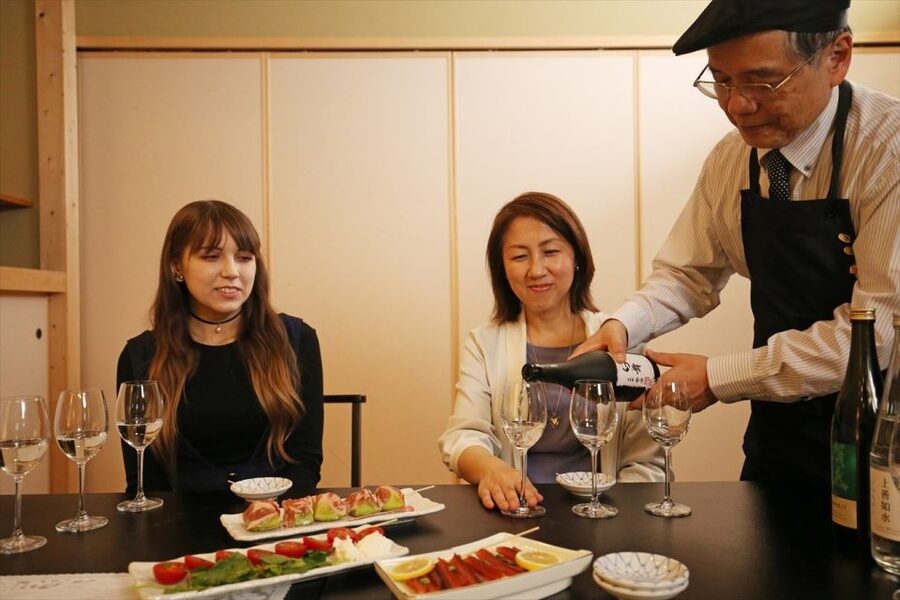
The food is a central part of the experience. You receive seven pairings, with dishes drawn from both Japanese and Western cooking. The available details mention Japanese cheese, crudités, duck, and other prepared bites, with some items cooked in front of you and served hot.
That variety helps you see how pairing works across cuisines. A delicate bite may keep a gentle sake from being overwhelmed. A richer item such as duck can make a more robust pour seem smoother or more balanced. You do not need a trained palate to notice these changes. The instructor guides you through them one step at a time.
I also like that some food is prepared during the session. A hot bite adds a small sense of occasion and gives you a better idea of how sake functions at the table. This is not a full restaurant dinner, but it is more substantial than a plate of crackers beside a few glasses.
Portions are described as bites and pairings, not a large meal. If you arrive very hungry, eat something beforehand. The seven food samples make the tasting comfortable, but you should think of them as a multi-course accompaniment rather than lunch or dinner.
The pairings also make this suitable for a mixed group. A sake enthusiast can focus on production and regional styles, while a newcomer can simply compare the taste of each glass with its food. The food keeps the class social and approachable.
The teaching style and the people leading it
The biggest strength is the instruction. The English-speaking sake expert covers production, tasting, varieties, and culture without reducing the session to a list of technical terms.
The classes have received especially warm comments for friendly and attentive hosting. Tanaka-san and Taka-san have been singled out as welcoming and entertaining, and another session was led by a training sake sommelier who explained how sake is produced, served, and sold in Japan. That mix of expertise and warmth matters in a small room, where a stiff lecture would quickly become tiresome.
You should expect an interactive class rather than a silent tasting. With a maximum of 10 participants, questions are easier to ask, and the instructor can respond to the interests of the group. If your booking has only two or three people, the experience may feel close to a private lesson.
Small groups also make this a good choice for people who want to talk about what they are tasting. You can say that a sample feels too sweet, too dry, or especially good with a particular bite without worrying about holding up a large tour.
The one limitation is that the instructor and exact teaching approach can vary. The activity is conducted in English, but the personality of your session will depend on who leads it and how many people attend.
More Sake Tastings in Tokyo
- Ramen and Sushi Cooking Class with Sake Pairing Set in Tokyo
★ 5.0 · 291 reviews - Sake Tasting Masterclass in Shinjuku (8+ Varieties with a Pro)
★ 5.0 · 271 reviews - Sake Omakase in Tokyo: Guided Tasting by Certified Sommeliers
★ 5.0 · 239 reviews - Tasting All Types of Sake with Sommelier
★ 5.0 · 151 reviews
Finding Kikai Shinko Kaikan near Tokyo Tower
The meeting point is across from Tokyo Tower at the Kikai Shinko Kaikan building. You are instructed to meet at the main entrance on the first floor, where you should look for your instructor.
This sounds simple, but it has caused confusion. The actual teaching space is in Room B109 on the B1 floor, inside a demo kitchen and lunch room used for cooking classes. Some participants have circled the building or had to call for an escort. One practical issue is that the room number in the supplied information has not always been fully up to date.
I would arrive early and identify the main entrance before the start time. If you cannot find the instructor, go to True Japan Tour in Room B109 on the basement level. This is the most important piece of practical advice for the experience. Tokyo Tower is an easy landmark, but the class itself does not take place in a prominent street-front shop.
The location works well as part of a Tokyo day that includes Minato City and Tokyo Tower. It is less convenient if you are booking the tasting only because it happens near a major station, since no hotel pickup or drop-off is included.
Is $106 a fair price for 75 minutes?
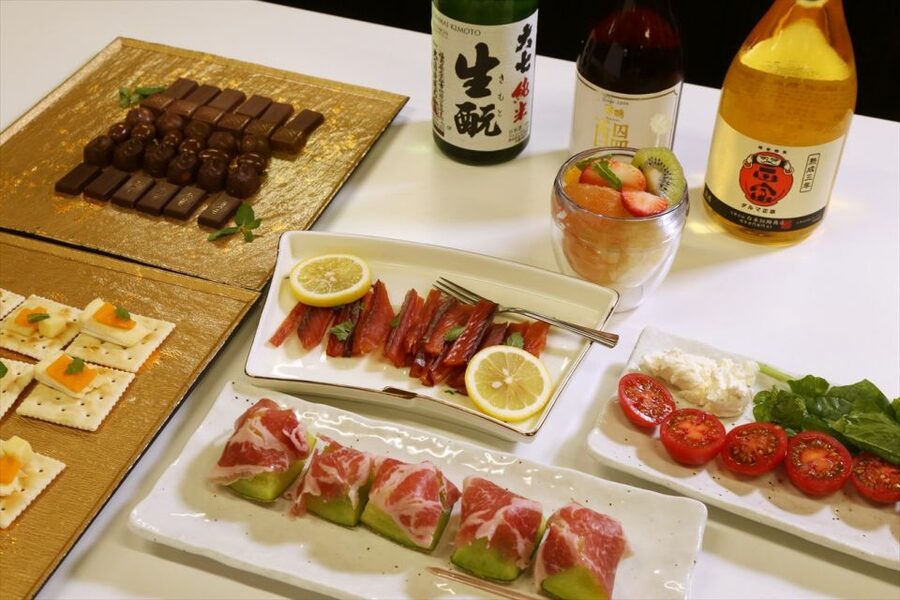
At $106 per person, this is not a bargain basement tasting. You are paying about $1.41 per minute, though that calculation does not tell the whole story. The price includes seven sake samples, seven food pairings, an English-speaking accredited instructor, and a guided lesson on production and culture.
Compared with ordering seven different glasses at a bar, the value is easier to see. You would need to find a place offering that range, arrange the food yourself, and learn the background without a teacher. Here, the pairing and explanation are built into the cost.
The price makes the most sense for three kinds of people. First, it suits sake fans who want to compare styles from different parts of Japan. Second, it works for curious drinkers who want a proper introduction before ordering sake elsewhere. Third, it is a good splurge for food-focused visitors who enjoy tasting menus and small-group instruction.
It is less compelling if you only want one casual drink or if you already have extensive sake knowledge. The session lasts 75 minutes, so the value comes from focus and guidance rather than a long evening of drinking.
The booking terms add some useful flexibility. You can reserve now and pay later, and cancellation is free up to 24 hours before the activity for a full refund. Participants must be at least 20 years old, in line with Japan’s legal drinking age.
Who will enjoy this experience most?
I would choose this class if you want a gentle but serious introduction to sake. You do not need prior knowledge, and the food gives you something concrete to discuss when the terminology becomes unfamiliar.
It also suits couples, friends, and solo visitors who prefer a small class over a large group tour. The limited size means you can ask questions and get a more personal explanation. If you are lucky enough to have a very small booking, the session can feel almost private.
Food lovers should give it special consideration. The Japanese and Western pairings show how sake fits beyond one traditional menu. The hot bites prepared during the tasting add to the sense that you are learning through a meal, not merely sampling alcohol.
The class is wheelchair accessible, which is helpful, though you should still check the meeting instructions carefully because the entrance and basement room may cause more confusion than the activity itself.
I would skip it if you are under 20, do not drink alcohol, or need hotel transport. I would also skip it if your schedule is so tight that a few minutes spent finding the building could create stress.
My practical verdict on the Tokyo tasting
This is a focused, friendly way to understand sake in Tokyo. The strongest features are the seven distinct pours, the matching food, and the instructor’s ability to connect taste with production and tradition. The class feels especially worthwhile when the group is small and the teaching becomes personal.
The meeting point needs improvement, so I would not arrive at the last minute. Find Kikai Shinko Kaikan first, note the basement location, and keep the True Japan Tour room number available.
Book this experience if you want to leave Tokyo knowing what kinds of sake you like and how to pair them with food. At $106, it is a considered purchase, but the combination of instruction, seven samples, and seven bites gives it solid value for a drinker who wants more than a quick taste.
FAQ
How long does the sake tasting last?
The activity lasts 75 minutes.
How many sake samples are included?
Seven sake samples are included, with styles ranging from sparkling and sweet to savory and dessert-style sake.
Are food pairings included?
Yes. The experience includes seven food pairings, using Japanese and Western dishes. Some food may be prepared and served hot during the session.
Is the instruction offered in English?
Yes. The instructor teaches in English, and the activity is led by a nationally accredited sake instructor.
Where is the meeting point?
Meet at the main entrance of Kikai Shinko Kaikan on the first floor, opposite Tokyo Tower in Minato City. If you cannot find the instructor, visit True Japan Tour in Room B109 on the B1 floor.
Can people under 20 join?
No. The activity is not suitable for anyone under 20 years old.
More Drinking Tours
- Tokyo Bar Hopping Tour in Shinjuku (All-You-Can-Drink + Dinner)
★ 5.0 · 3,587 reviews - Best of Shinjuku: Izakaya Food Tour (4 Stops, 14+ Tastings)
★ 5.0 · 1,863 reviews - Tokyo: Shinjuku Local Bar and Izakaya Guided Walking Tour
★ 4.9 · 1,794 reviews - Shibuya Meltdown Nightlife Tour: All-You-Can-Drink Bar Hopping
★ 5.0 · 1,058 reviews
Just added around Tokyo
- Tokyo Time Machine: Exploring Old School Monzen-Nakacho★ 5.0 · 37 reviews
- From Tokyo: Tokyo Private Customize Tour With English Driver★ 5.0 · 37 reviews
- Tokyo Tsukiji Fish Market Food & Culture Walking Tour★ 5.0 · 37 reviews
- Private Tokyo with Exceptional Guide Tailored to Your Needs★ 5.0 · 37 reviews
- Tokyo Photoshoot Tour with a Local Photographer★ 5.0 · 37 reviews
- Traditional Japanese Comedy, Juggling & Magic Live Show in Tokyo★ 5.0 · 37 reviews
- Kyoto: Nijo Castle World Heritage Guided Tour with Admission★ 4.9 · 37 reviews
- Tokyo Tower Observation Deck E-Tickets.★ 4.0 · 37 reviews
Sake Tasting, compared.
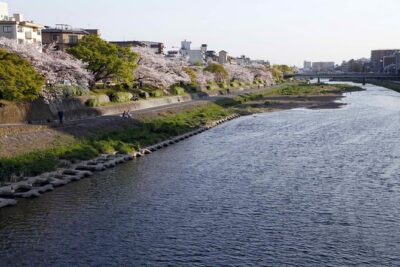
Kyoto Night Foodie Tour in Gion (9+ dishes + 6 Sake tastings)
Read our review →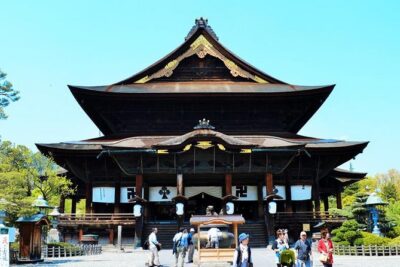
1-Day Snow Monkeys, Zenko-ji Temple & Sake in Nagano
Read our review →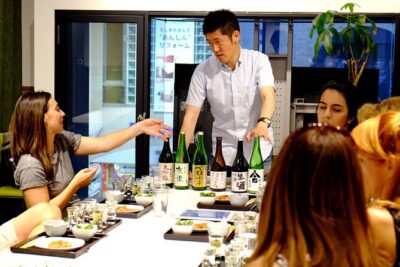
3-Hour Kyoto Insider Sake Brewery Tour with Tastings & Pairings
Read our review →
Arashiyama Bamboo, Temple, Monkeys, or Secret Sake Brewery
Read our review →

Insider Sake Brewery Tour with Sake and Food Pairing
Read our review →
1.5-Hour Kyoto Insider Sake Experience with 7 Tastings & Pairings
Read our review →Browse the lists this tour appears in