
Reviewed · TEMPLE & SHRINE TOURS
Tokyo: Zen Meditation at a Private Temple with a Monk
Quiet can be hard to find in Tokyo. This 90-minute visit takes you into a private Asakusa temple, where you learn Zazen from resident monk Namiki-san, practice seated meditation, and finish with matcha and conversation. The setting feels personal rather than staged, and the experience gives you a rare look at a working Buddhist space not open to the general public.
I like the warm guide-and-monk partnership, especially when English explanations are needed. Guides such as Tamami Shigenobu and Kazu help translate the monk’s ideas clearly without taking over the meeting. I also like the thoughtful mix of meditation, calligraphy, tea, and questions. The main consideration is that meditation time may feel short if you already practice regularly. Some sessions include two periods of about 10 minutes, while other descriptions suggest a longer combined sitting.
The price is $55 per person. That is fair for a private temple visit with a monk, an English-speaking guide, meditation instruction, matcha, sweets, and extra cultural activities. You will not spend the morning touring several sights, but you will get something difficult to arrange on your own: time in a quiet religious space with a resident priest.
In This Review
- Key points at a glance
- Meeting the guide near Tawaramachi Station
- Entering a 400-year-old private temple
- Learning how Zazen works
- Why the meditation feels different in a group
- Calligraphy adds a hands-on Zen lesson
- Matcha, sweets, and an unusually open conversation
- What the $55 price really buys you
- Who will enjoy this experience most
- Practical tips for a smooth visit
- Should you book this Asakusa Zen experience?
- FAQ
- Where does the experience meet?
- How long does the experience last?
- What language is the experience offered in?
- Is transportation included?
- Is the temple open to the general public?
- What is Zazen meditation?
- Is matcha included?
- Is calligraphy included?
- Can I cancel or pay later?
Key points at a glance
- A private Asakusa temple: Enter a small temple with more than 400 years of history, including a family connection spanning three generations of monks.
- Zazen for beginners and regular meditators: Learn the basic principles and posture before sitting in silence under the monk’s direction.
- Calligraphy may be part of the program: Write a Buddhist phrase or sutra-related design while the monk chants, adding a hands-on element to the visit.
- Matcha closes the experience: Tea, sweets, and a relaxed conversation make the final part feel social and welcoming.
- Excellent English support: Guides including Tamami, Kazu, Shota, and others explain Japanese customs and translate the monk’s teaching.
- Easy central meeting point: Meet outside the correct Family Mart near Tawaramachi Station in Asakusa, then enter through a separate temple entrance.
Meeting the guide near Tawaramachi Station
The meeting point is in Asakusa, in front of a Family Mart about two minutes from Tawaramachi Station on the Ginza Line. Take care here: there are two Family Mart branches in the area, so you need the correct one.
This small detail matters. The temple is not presented as a major public attraction with a large sign and a ticket booth. You first meet your guide, then go together to the private location. The guide will contact you through WhatsApp, so download the app before the activity and watch for messages about the meeting.
There is no transportation included. You handle your own trip to the meeting point, but Tawaramachi’s location makes this simple if you are already exploring Asakusa. You can pair the experience with nearby sights such as Senso-ji, though I would avoid rushing straight from a crowded temple visit into meditation. Arrive with a few quiet minutes to spare.
The activity lasts 90 minutes, although one description from a participant refers to a two-hour timeframe. Allow at least 90 minutes, and do not schedule an important appointment immediately afterward. The pace includes several parts, and the end-of-session questions can run naturally when the monk is willing to continue talking.
More Temple & Shrine Tours in Tokyo
- Tokyo: Meiji Shrine, Asakusa, Skytree Bus Tour and Cruise
★ 4.7 · 1,986 reviews - Tokyo: Asakusa Walking Tour with Sensoji Temple Visit
★ 4.8 · 1,583 reviews - Nikko: Kegon Falls, Lake Chuzenji & Toshogu Temple
★ 4.6 · 1,577 reviews
Entering a 400-year-old private temple
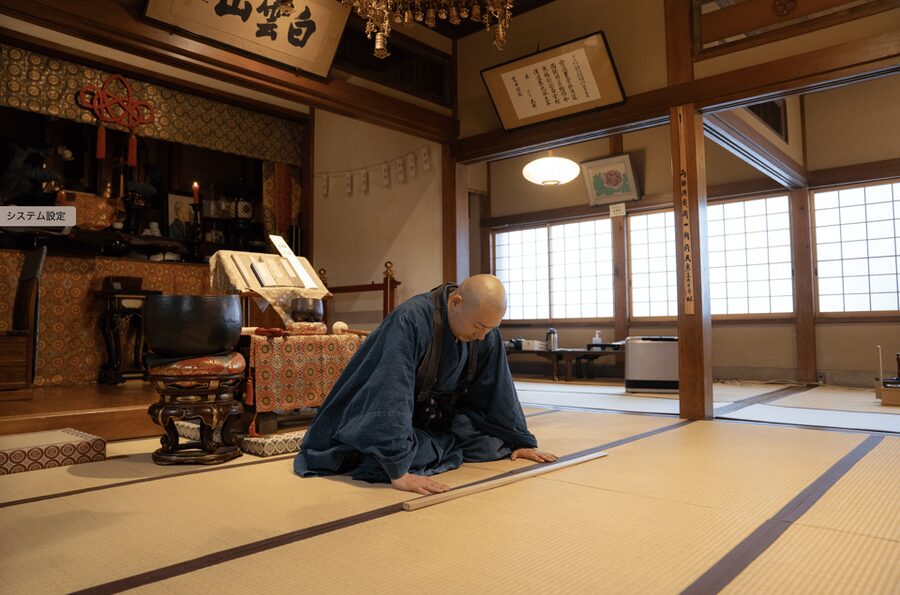
The temple is the heart of the visit. It is a small, private space rather than a large sightseeing complex, and it is not open to the general public. That makes the entry feel different from simply walking through a famous Tokyo temple courtyard.
You may notice the quiet first. Several people describe the scent inside, the calm atmosphere, and the feeling of stepping away from the city. The temple has been home to three generations of monks, and Namiki-san is described as a third-generation monk from his family. Those details give the visit a sense of continuity without turning it into a history lecture.
Your guide gives a short introduction to Japanese culture and Zen before the monk speaks. This is useful because Zen terms can sound abstract when you meet them without context. The guide helps connect the practice to the room, the customs, and the structure of the session.
Photography and video are allowed, including photographs within the temple and with the monk. Still, I would keep your phone away during meditation and use it mainly at the end. The value of the visit is the quiet itself, not collecting a long series of images.
Learning how Zazen works
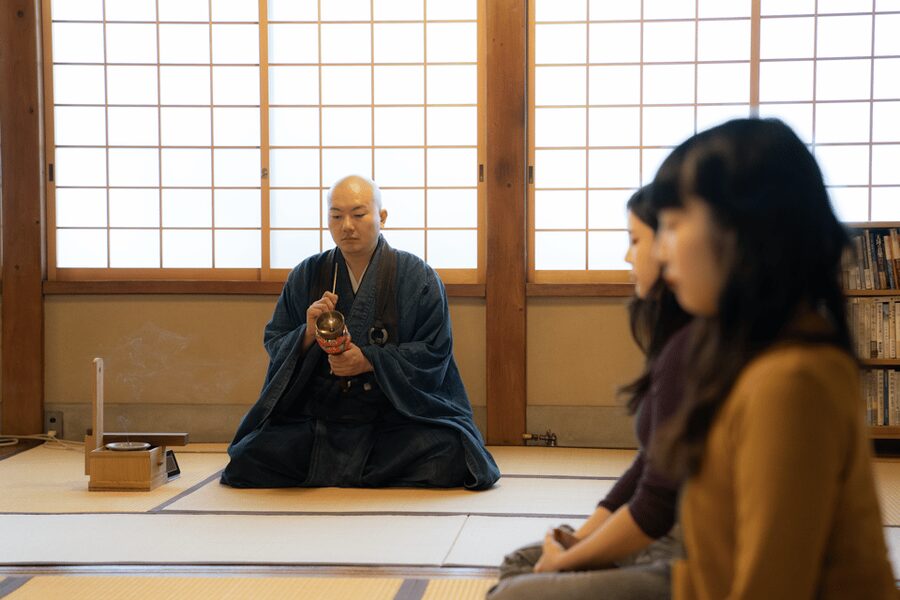
The monk explains Zazen, or seated meditation, as a central Zen practice. You learn about posture, breathing, attention, and the effort to set aside ego and everyday concerns. The teaching is aimed at ordinary people, not only people with a background in Buddhism.
The key word here is practice. You are not simply watching a demonstration. After the explanation, you sit and try the method under the monk’s direction. The instructions focus on rhythmic breathing and bringing the mind back to the present.
If you have never meditated, do not worry about doing it perfectly. The format is welcoming to beginners, and the guide can help clarify the monk’s directions in English. The experience is also suitable for people who already meditate, though seasoned practitioners may want more time in silence.
The sitting periods vary in the accounts of the experience. One detailed visit included two sessions of about 10 minutes each. Another described roughly 25 minutes of silent meditation. In practical terms, expect an introduction followed by one or more short periods of seated practice rather than a long retreat-style session.
That shorter format is both a strength and a limit. You can fit it into a Tokyo sightseeing day without committing to a full morning of silence. On the other hand, if you are hoping for a long, intensive meditation session, this may feel more like an introduction than a complete retreat.
A small point deserves mention: the monk may use a meditation stick during the sitting if you ask. One participant specifically suggested requesting it. If you are curious about traditional Zen practice, ask the guide or monk about it before the session rather than waiting until the meditation begins.
Why the meditation feels different in a group
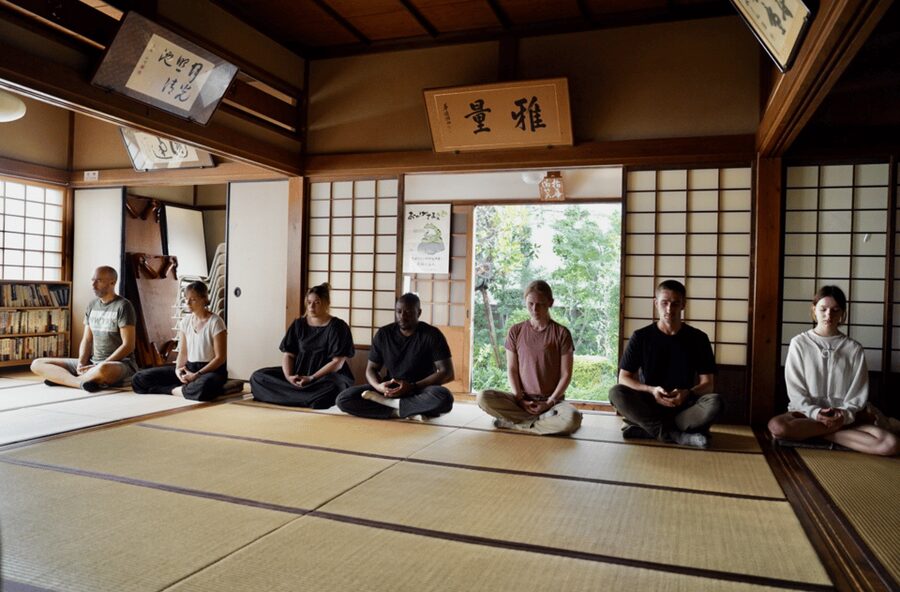
Many people arrive unsure about meditating around strangers. That is understandable. Sitting quietly in a temple can feel exposed at first, especially if this is your first formal attempt.
The private setting helps. The monk leads the practice, and the guide remains available to explain what is happening. The atmosphere is intimate and calm, so you are not left to guess whether you are sitting correctly or missing an important custom.
The aim is not to produce instant enlightenment. A more realistic goal is to give your attention a short break from schedules, screens, and Tokyo’s constant movement. Some people describe leaving with a sense of peace and a more grounded start to the day.
The meditation also offers a useful cultural lesson. Zen is not presented only as a decorative part of Japanese culture. You get to see how a monk talks about attention, anger, comparison, stress, and daily habits. Advice shared during the question period includes focusing fully on small tasks, keeping your surroundings tidy, avoiding comparisons with other people, and tracing anger back to its source.
Those ideas are practical because you can carry them into the rest of your trip. Try applying the same attention to making tea, tying your shoes, or walking through a station. The session becomes more useful when you treat it as a method to test, not a performance to judge.
A completely different kind of day out in Tokyo:
- Mt Fuji and Hakone 1-Day Bus Tour Return by Bullet Train
★ 5.0 · 26,383 reviews - 1-Day Tokyo Bus Tour
★ 5.0 · 14,250 reviews - Tokyo: TOKYO SKYTREE® Admission ticket
★ 4.5 · 11,192 reviews - Tokyo: teamLab Planets TOKYO Digital Art Museum Entry Ticket
★ 4.6 · 9,779 reviews
Calligraphy adds a hands-on Zen lesson
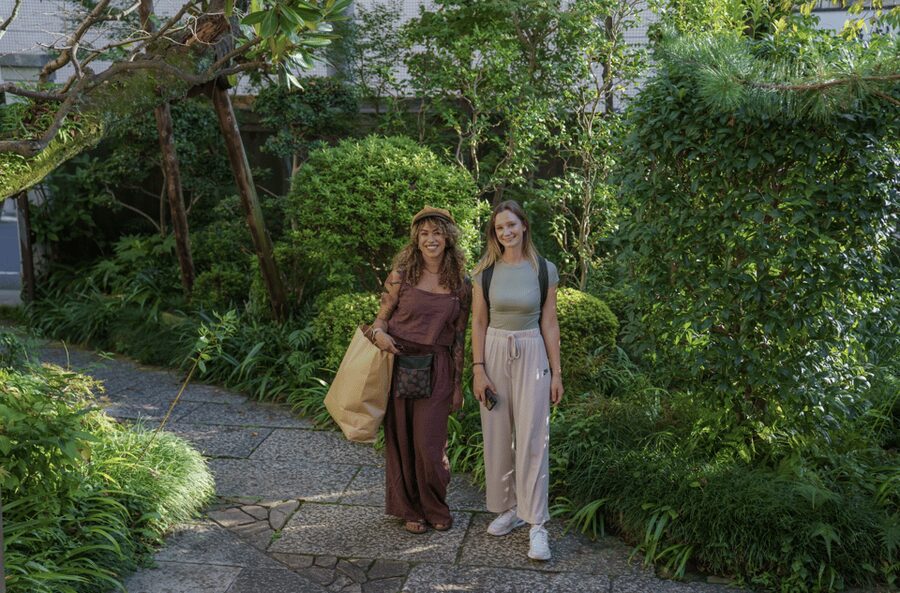
Calligraphy is not listed in every short description, but it appears often in the actual program accounts. You may write a character, design, or part of a sutra while the monk chants. This is one of the best additions because it gives your hands something precise to do after the stillness of meditation.
The exercise is not about producing museum-quality work. It is about slowing down and paying attention to each stroke. The chanting adds a ceremonial quality, while the guide explains what you are doing and helps with translation.
I would think of this as a cultural activity with a meditative purpose. If you are traveling with someone who does not want to sit silently for long, calligraphy provides a second way to connect with the temple’s traditions.
You may be able to take your calligraphy home. One participant kept the finished piece and planned to use it as a reminder to create a daily meditation space. That makes this small activity more meaningful than a disposable souvenir.
Matcha, sweets, and an unusually open conversation
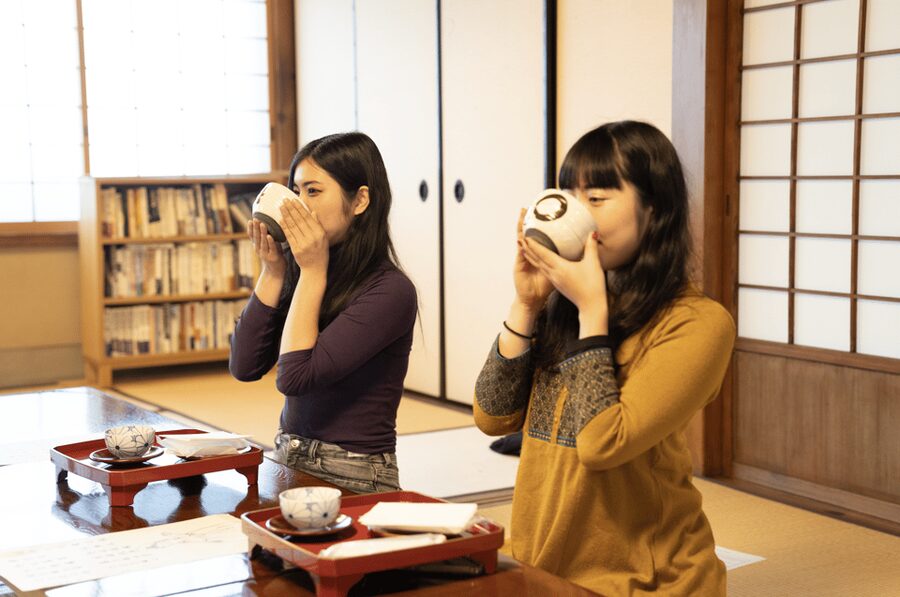
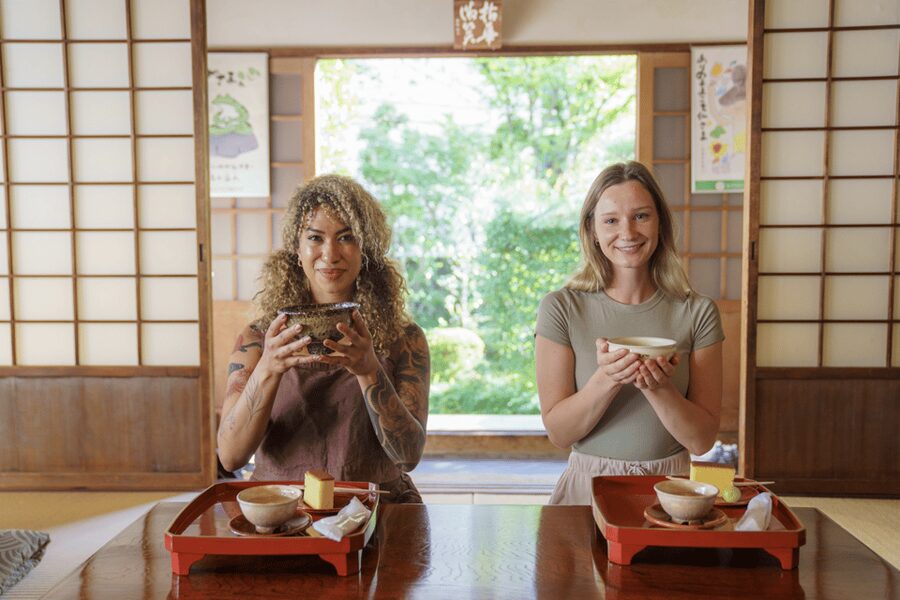
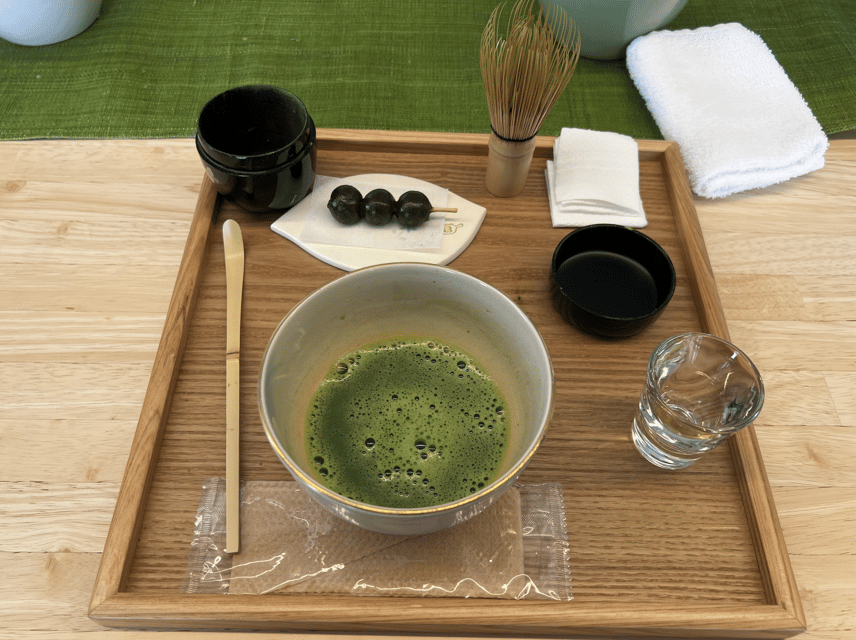
The experience ends with matcha tea, traditional sweets, and a discussion with the monk. This is not a formal tea-school lesson with a long series of intricate procedures. It is a simple tea ceremony and tasting that lets you settle into conversation after meditation.
The sweets matter. Matcha can be strong and bitter if you are not used to it, and the sweet provides a pleasant balance. The tea also gives the final section a clear rhythm: sit, share refreshments, ask questions, and talk.
The question period is one of the strongest parts of the visit. You can ask about Zen, the temple, Buddhist practice, Japanese life, or the monk’s daily experience. Namiki-san is described as patient, friendly, funny at times, and willing to spend time with questions.
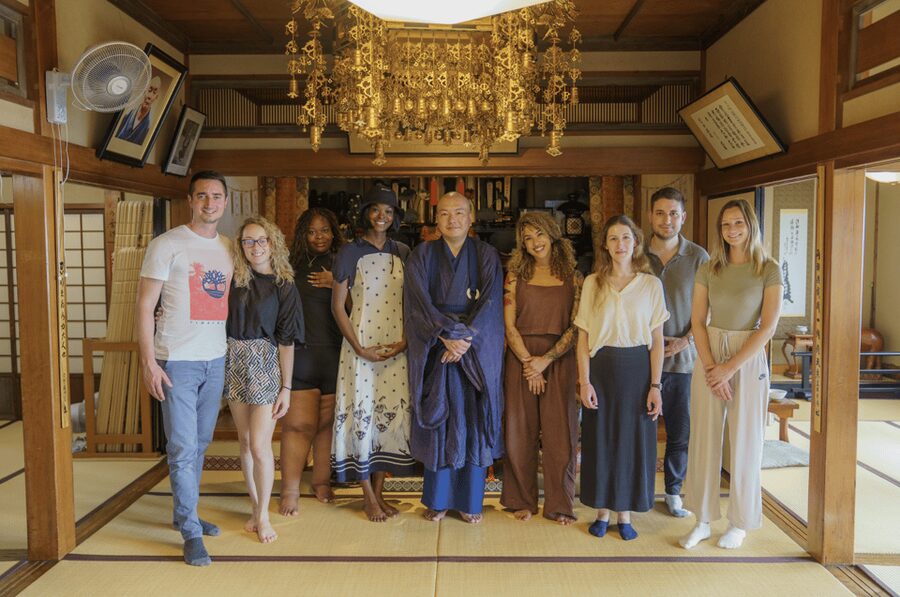
The guide’s role is important here. Tamami Shigenobu is repeatedly praised for clear English, warmth, and smooth translation between Japanese and English. Other guides, including Kazu and Shota, are also described as friendly and effective. Since much of the value comes from conversation, good translation makes a real difference.
This is the point where the experience moves beyond a meditation class. You are not only learning how to sit. You are meeting a person who lives within the tradition and can explain it in plain terms. If you have questions, prepare one or two before you arrive. The open discussion is a better place for them than a rushed sightseeing stop.
What the $55 price really buys you
At $55 per person, the experience costs more than a visit to a public temple, where entry may be free or inexpensive. That comparison is not quite fair, since a public visit does not normally include a private meeting with a monk, guided translation, meditation instruction, tea, or calligraphy.
The value depends on what you want from Tokyo. If you are looking for the largest number of sights per dollar, spend the money elsewhere. If you want personal contact and a calm cultural activity, the price is reasonable.
You are paying for access as much as for time. The temple is not open to the general public, and the guide handles the meeting and explanation. You also avoid the uncertainty of trying to arrange a private visit on your own in a country where language and religious customs may make that difficult.
The 90-minute length is another advantage. It is long enough to include meditation, calligraphy, tea, and questions, but short enough to fit before lunch or into a wider Asakusa day. The only value concern is the amount of actual meditation. If that is your main goal, confirm the expected sitting time and remember that the experience includes several cultural elements.
Free cancellation up to 24 hours before the activity and the reserve-now, pay-later option make booking less risky. The booking terms are useful if your Tokyo plans are still shifting.
Who will enjoy this experience most
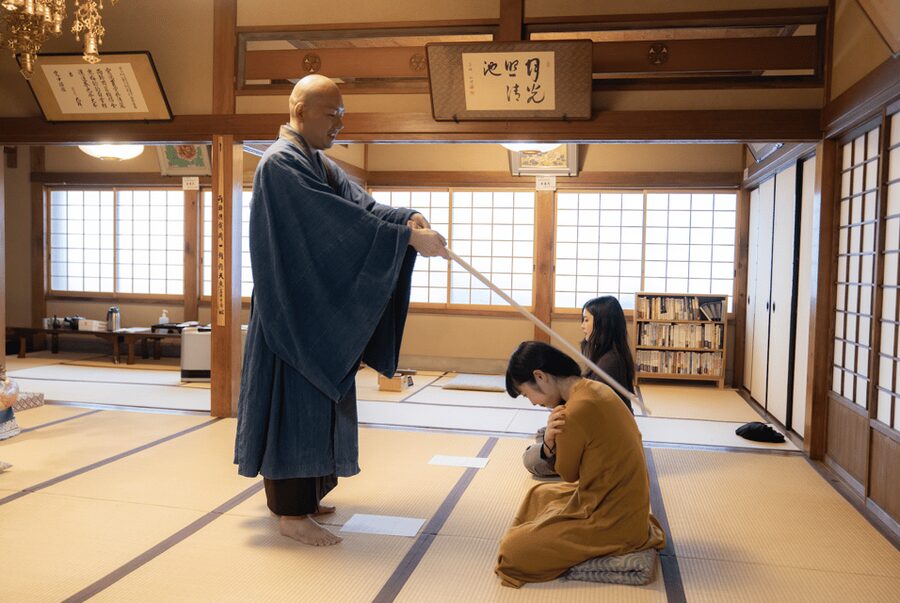
I would recommend it to first-time visitors who want more than a quick photograph at a temple. It is also a good choice if you have already seen Tokyo’s major sights and want a slower morning with a local religious tradition.
You do not need to identify as Buddhist. The session explains the practice in an accessible way, and several parts are cultural as well as spiritual. People curious about meditation, Japanese customs, calligraphy, or the life of a monk can all find a reason to attend.
It suits couples, solo visitors, and families with older children who can sit quietly and take part respectfully. Since the temple is private and the mood is intimate, it may be especially appealing if you prefer small-scale activities over large group sightseeing.
I would be more cautious if you want a physically demanding or highly advanced meditation session. The format is introductory, and the sitting periods may be brief. It also may not suit you if you want complete solitude, since a guide and other participants are part of the experience.
Dress and behavior should reflect the setting. The supplied information does not give a formal dress code, but you are entering an active Buddhist temple. Follow the guide’s instructions, keep your voice low, and treat photography as a privilege rather than the main event.
Practical tips for a smooth visit
- Download WhatsApp before the activity so the guide can contact you.
- Check the exact Family Mart branch carefully. Two are located in the area.
- Meet at the stated time near Tawaramachi Station rather than trying to locate the private temple alone.
- Keep your schedule flexible after the 90-minute session in case the question period runs a little longer.
- Bring a question for the monk. The discussion is one of the most personal parts of the visit.
- Ask about the meditation stick if that traditional detail interests you.
- Treat the meditation as an introduction. If you already practice, use the session to compare methods rather than expecting a long retreat.
- Save your calligraphy if it is included. It can serve as a small reminder of the practice after you leave Tokyo.
Should you book this Asakusa Zen experience?
Book it if you want a calm, personal encounter with Japanese culture and do not mind that meditation shares the schedule with calligraphy, matcha, and conversation. The private temple setting, Namiki-san’s approachable teaching, and strong English support from guides such as Tamami make this feel more personal than a standard sightseeing stop.
Skip it if your only goal is extended silent meditation or if your schedule is so tight that a meeting-point mix-up would cause stress. For most visitors, though, $55 buys a thoughtful 90-minute pause in the middle of Tokyo, with access and conversation you would be unlikely to arrange independently. I would place it high on the list for anyone seeking a quieter, more meaningful side of Asakusa.
FAQ
Where does the experience meet?
You meet in front of the correct Family Mart in the Asakusa area, about two minutes from Tawaramachi Station on the Ginza Line. There are two Family Mart branches nearby, so check carefully.
How long does the experience last?
The stated duration is 90 minutes. Some descriptions of the session refer to a timeframe closer to two hours, so leave extra time if you want to enjoy the question period without rushing.
What language is the experience offered in?
The experience is offered in English. The guide helps translate the monk’s explanations and answers.
Is transportation included?
No. You are responsible for getting to the meeting point near Tawaramachi Station.
Is the temple open to the general public?
No. The experience takes place at a private temple that is not open to the general public.
What is Zazen meditation?
Zazen is seated meditation and a central practice of Zen Buddhism. The monk explains its principles and techniques before you practice.
Is matcha included?
Yes. Matcha tea is included, and the session also includes sweets.
Is calligraphy included?
Calligraphy is included in many sessions described for this experience, sometimes alongside chanting. Since the core inclusions list does not specifically guarantee it, confirm the current program if calligraphy is especially important to you.
Can I cancel or pay later?
You can cancel up to 24 hours in advance for a full refund. The reserve-now, pay-later option allows you to book without paying immediately.
Just added around Tokyo
- Tokyo 6hr Instagram Highlights Private Tour with Licensed Guide★ 5.0 · 38 reviews
- Tokyo Small Group Tour with Guide★ 4.5 · 38 reviews
- Tokyo Sumo Experience with Live Show & Audience Challenge★ 5.0 · 38 reviews
- Very popular in Harajuku♡Animal petting zoo★ 4.6 · 39 reviews
- Japanese Food Cooking Class in Asakusa, Tokyo★ 5.0 · 39 reviews
- Ramen Making from Scratch with Tokyo Mom(Vegan Option Available)★ 5.0 · 39 reviews
- Tokyo: Kimono Rental inside Shinjuku Gyoen National Garden★ 4.9 · 39 reviews
- Tokyo JDM Night: 600hp C63s AMG Edition 1 (Private)★ 4.9 · 39 reviews
Temple & Shrine Tours, compared.
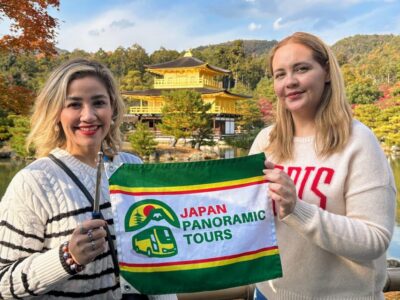
Fushimi Inari, Kinkakuji, Bamboo Grove 1 Day Bus Tour
Read our review →
Tea Ceremony in a Traditional Tea House in Kiyomizu
Read our review →
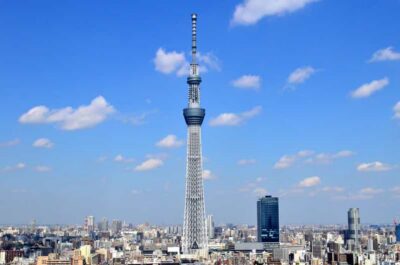
Meiji Shrine, Asakusa, Skytree Bus Tour and Cruise
Read our review →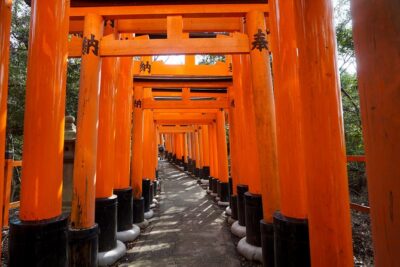
Fushimi Inari Hidden Hiking Tour (Private Option Available)
Read our review →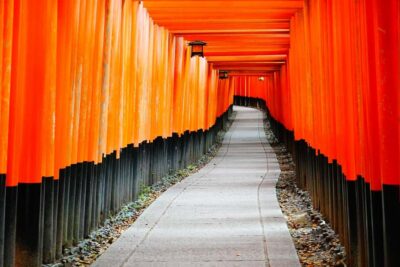
Osaka/Kyoto:Kinkakuji,Arashiyama,FushimiInariShrine,NaraPark
Read our review →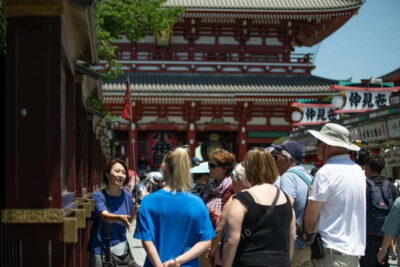
Asakusa Walking Tour with Sensoji Temple Visit
Read our review →
Nikko: Kegon Falls, Lake Chuzenji & Toshogu Temple
Read our review →Browse the lists this tour appears in