
Reviewed · SAKE TASTING
Advanced Kyoto Insider Sake Tasting Experience
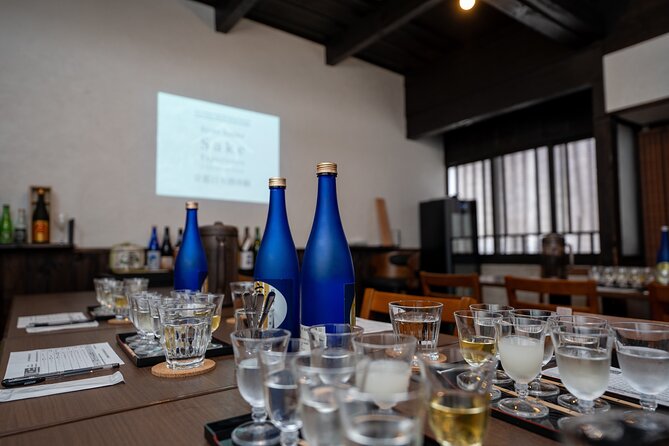
Sake gets far more interesting here. This two-hour Kyoto tasting moves beyond basic categories, comparing 10 distinctive sakes made with old methods, unusual fermentation, and local wood. I like the serious side of the lesson, and I like that you practice reading real bottles and labels used in restaurants. The main drawback is simple: no snacks or food pairing are included, so eat brunch first.
The tasting takes place in a dedicated room in Fushimi, Kyoto’s famous sake district, with a maximum of 12 people. It suits beginners who want a strong foundation, but the unusual bottles and detailed comparisons will mean the most to you if you already enjoy sake and want to sharpen your palate.
In This Review
- Key points at a glance
- Why this Fushimi tasting is different
- Arriving at 271-1 Kurumamachi
- The opening lesson: sake basics with a purpose
- Ten sakes chosen for comparison
- Learning how to taste, not just what to drink
- What the two hours feel like
- The expert guidance earns the praise
- Is $74.64 a fair price?
- Who should book this Kyoto experience?
- My booking advice
- FAQ
- How long does the sake tasting last?
- Where does the experience begin?
- Where does the experience end?
- How many sakes are included?
- Is food included?
- What does the class cover?
- Can I learn how to read sake labels?
- What is the minimum drinking age?
- Can I arrive by car or bicycle?
- What is the cancellation policy?
Key points at a glance
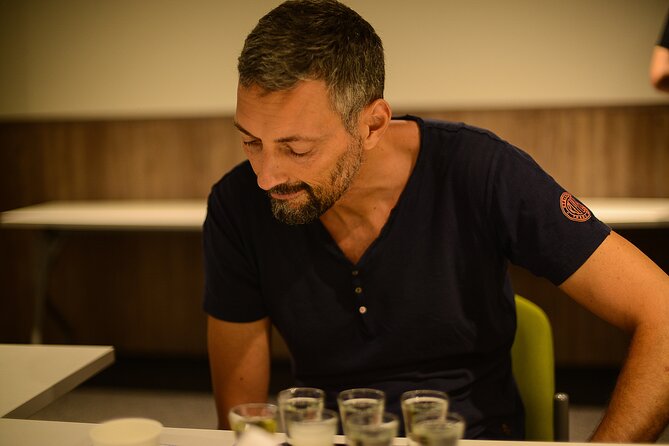
- Ten sakes with very different brewing stories: You compare rare and distinctive bottles rather than sampling ten versions of the same familiar style.
- Ancient and experimental methods: The session looks at traditional brewing, creative fermentation, microorganisms, and sake made with local wood.
- A certified sake expert leads the class: The teaching combines presentations, tasting guidance, production details, and practical label reading.
- A small group capped at 12: This gives the tasting a class-like feel and should make questions easier to ask.
- A useful lesson for restaurant ordering: You work with actual bottles and labels, not just abstract tasting terms.
- Come after lunch or brunch: Food is not included, and ten samples over two hours call for a proper meal beforehand.
Why this Fushimi tasting is different
Many sake tastings work like a polite tour through a few standard types. You taste, hear a short explanation, and move on. This experience takes a more analytical route. Its purpose is to show how the brewer’s choices shape the drink in your glass.
You compare sake made with different philosophies, ingredients, and fermentation techniques. One bottle may point toward an ancient method, while another highlights the work of microorganisms or the character of local wood. That contrast gives you a better sense of sake as a living craft, not simply a clear alcoholic drink served warm or cold.
I like this approach because comparison teaches faster than isolated samples. If you taste one bottle without a reference point, you may only decide that you like it or do not like it. Put several contrasting bottles beside one another, and you can begin to notice structure, aroma, texture, sweetness, dryness, and finish.
The class still covers the basics. You learn about sake production, major styles, and the way flavor develops. But the emphasis is on the less predictable side of nihonshu, the Japanese word commonly used for sake made from rice, water, yeast, and koji.
More Food Tours in Kyoto
- Kyoto Night Foodie Tour in Gion (9+ dishes + 6 Sake tastings)
★ 5.0 · 1,762 reviews - 3-Hour Kyoto Insider Sake Brewery Tour with Tastings & Pairings
★ 5.0 · 917 reviews - Arashiyama Bamboo, Temple, Monkeys, or Secret Sake Brewery
★ 4.8 · 886 reviews
Arriving at 271-1 Kurumamachi
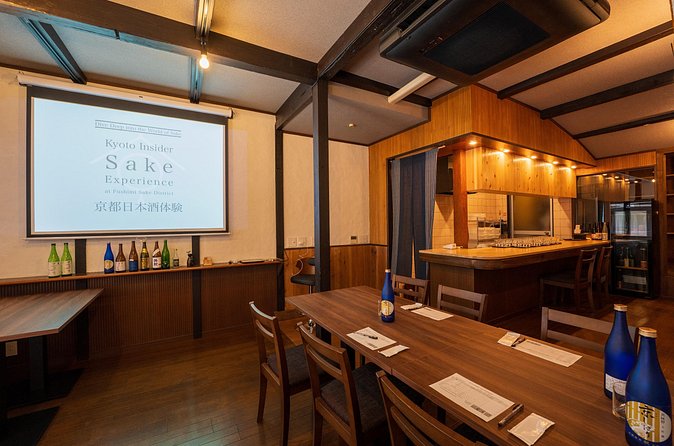
The meeting point is Kyoto Insider Sake Experience at 271-1 Kurumamachi in Fushimi Ward. The site is near public transportation, which matters because you should not drive or cycle to a tasting where ten pours are planned.
The activity begins and ends at the same location. That makes the outing easy to fit into a Kyoto day, especially if you want a focused indoor activity rather than a long sightseeing program. Allow enough time to find the address and arrive ready to start. Confirmation is provided when you book, and the mobile ticket makes access straightforward.
The group limit is 12 people. That is not a private class, but it is small enough to keep the lesson from feeling like a large commercial sampling. A smaller room also makes sense for sake tasting, where you need to hear explanations and compare impressions without too much background noise.
One important rule is easy to miss: alcohol is not served to anyone who arrives by car or bicycle. Non-alcoholic drinks are available, but there is no refund if that prevents you from taking part in the sake tasting. Use public transportation instead.
The opening lesson: sake basics with a purpose
The first part establishes the foundation you need for the more unusual bottles. Expect an explanation of how sake is made, how categories differ, and how production choices affect taste.
The useful point is not memorizing a long list of Japanese terms. It is learning what those terms suggest about the drink in front of you. Rice treatment, fermentation, ingredients, and brewing decisions all affect the final character. Once you understand that, a label becomes more than decoration.
Past participants have found this section helpful even when one person in a group knew little about sake and others already drank it regularly. That mix is a good sign for couples or small groups with different experience levels. A beginner can follow the explanation, while a more experienced drinker has enough detail to keep the lesson interesting.
The teaching also includes presentations. This adds structure to the tasting and helps connect the samples to the production process. You are not simply handed a glass and told to form your own opinion.
Ten sakes chosen for comparison
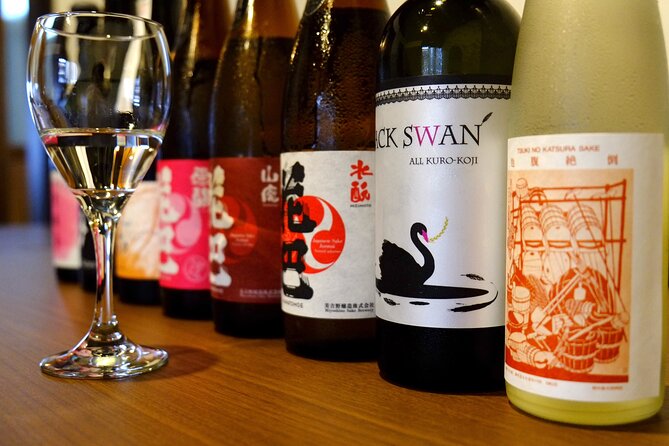
The center of the experience is a tasting of 10 carefully selected sakes. The number is generous for a two-hour class, so the point is not to drink full servings. It is to taste in a focused way and compare the samples while the differences are fresh.
The selection is designed around contrast. You may encounter sake made through older brewing practices, bottles shaped by newer fermentation ideas, and sake influenced by local wood. These choices give the instructor a way to explain how materials and technique can change aroma, texture, and flavor.
The local wood element is especially distinctive. Wood can give a brew a regional character that you would not expect from a drink often described mainly by rice and fermentation. It also makes clear that sake’s identity can come from more than the basic ingredient list.
The focus on microorganisms adds another useful layer. Fermentation is not just a background step in production. It is where tiny living agents help create the flavors and aromas you taste. Seeing that process as a source of creative possibility makes the samples more memorable.
You should expect some bottles to challenge your usual idea of sake. That is part of the point. This is not designed as a safe flight of universally easy-drinking choices. It is better for a curious palate than for someone who wants only a familiar, mild pour.
More Sake Tastings in Kyoto
- Kyoto: Insider Sake Brewery Tour with Sake and Food Pairing
★ 5.0 · 704 reviews - Kyoto Sake Brewery & Tasting Walking Tour
★ 5.0 · 623 reviews - 1.5-Hour Kyoto Insider Sake Experience with 7 Tastings & Pairings
★ 5.0 · 297 reviews - Kyoto: Insider Sake Experience with 7 Tastings and Snacks
★ 5.0 · 266 reviews
Learning how to taste, not just what to drink
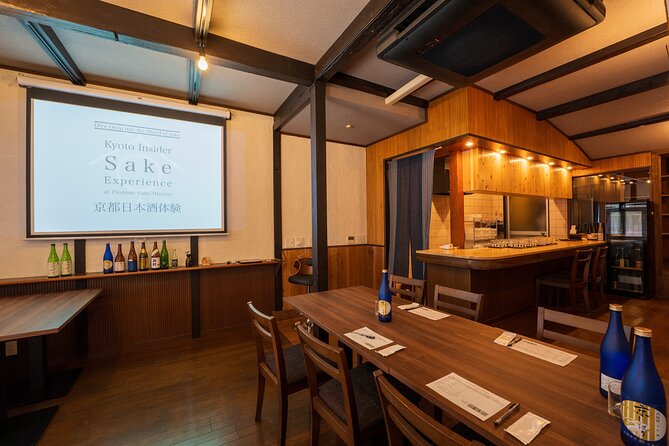
An expert guides you through each sample and explains its flavor structure. The value here comes from learning a method you can use later. You begin to ask why one sake feels round while another seems sharper, why one has a longer finish, or why a brewing choice creates a particular impression.
The tasting notes and reference materials give you something to take away after the class. They can help you remember the styles and methods you found most appealing, instead of letting ten samples blur together by the end.
I also like the practical bottle-reading exercise. You work with real sake bottles and labels used in restaurants. That can remove much of the guesswork from ordering in Kyoto or elsewhere in Japan. Japanese labels can look daunting when you have no idea what information matters. A guided lesson gives you a better way to read them.
This is also where the class earns its advanced title. The goal is not simply to tell you which bottle is best. It helps you understand how to evaluate and choose sake for yourself. That makes the experience useful beyond the tasting room.
What the two hours feel like
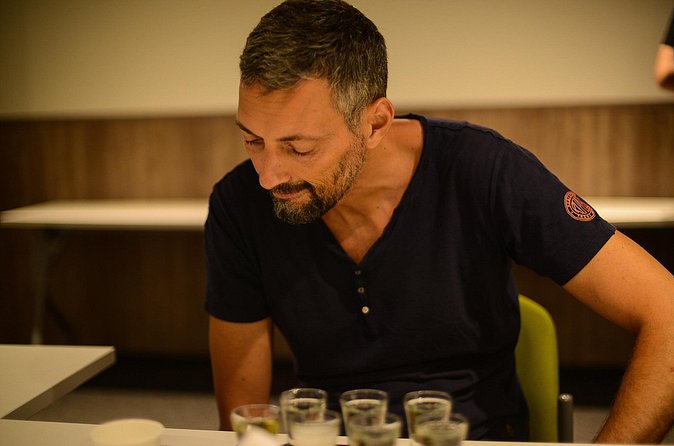
The session is compact but full. You receive production explanations, presentations, ten tastings, comparison practice, and label guidance within about two hours.
That pace should keep the class active, though it leaves little room for a leisurely meal or a long pause between samples. I would eat before arriving and avoid scheduling another demanding activity immediately afterward. The organizers specifically recommend lunch or brunch beforehand, and that is sound advice.
No snacks or food pairing are included. This is the clearest weakness for the price. Food can reveal how sake behaves with salt, fat, sweetness, or savory dishes, so a pairing would add another useful dimension. Still, the absence of food keeps the class centered on brewing methods and flavor comparison.
Because you taste ten sakes, drink responsibly and pay attention to the explanations rather than treating the session like a race. The lesson is most useful when you take small tastes and compare them carefully.
The expert guidance earns the praise
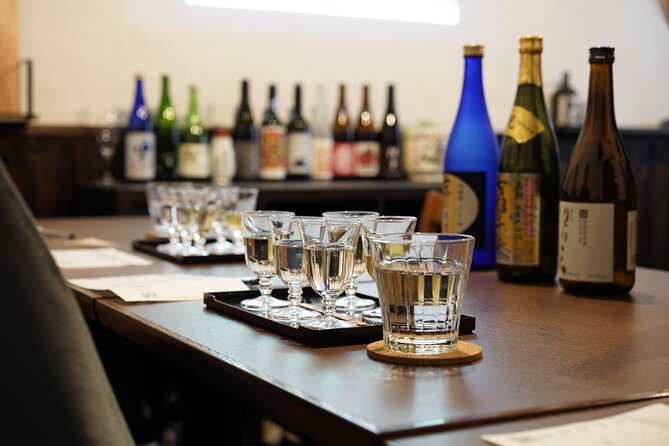
The strongest part of the experience is the teaching. The instructor is described as friendly and highly informed, with clear explanations of sake history, brewing methods, and taste.
That combination matters. A specialist can know the subject inside out and still make a class hard to follow. Here, the teaching is paired with presentations and guided tasting, which gives the information a practical shape.
The class also works for mixed groups. If one person in your party is new to sake, the basic explanations provide a clear entry point. If another person already drinks sake, the rare methods and unusual ingredients give that person something new to consider.
I would book this in preference to a very casual tasting if you want to leave with better buying and ordering skills. The emphasis is educational, but it is not dry. The tasting itself keeps the session social and enjoyable.
Is $74.64 a fair price?
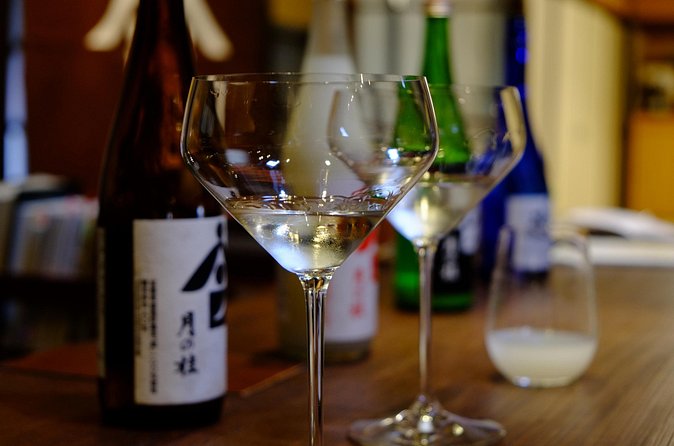
At $74.64 per person, this is not a quick sample stop. You are paying for approximately two hours, 10 sakes, expert instruction, a dedicated tasting room, tasting notes, reference material, and hands-on label practice.
The value is strongest if you would otherwise spend time and money trying to understand unfamiliar bottles on your own. Ten carefully compared sakes can show you more than one or two pours at a bar, especially when an expert explains what to notice.
The price is less attractive if your goal is simply to have a drink in a pleasant setting. There is no meal, snack plate, sightseeing walk, or transport included. You are paying for the lesson and the selection, not a full afternoon of entertainment.
For a serious sake drinker, the rare production methods make the cost easier to justify. For a first-time drinker, the value depends on your interest in learning. If you want a quick introduction with minimal theory, a simpler tasting may suit you better.
Who should book this Kyoto experience?
I would recommend it to:
- Sake drinkers who want to compare unusual brewing styles.
- Beginners who enjoy structured classes and want a solid base.
- Couples or friends with different levels of sake experience.
- Visitors who want to order sake with more confidence in restaurants.
- Anyone curious about fermentation, microorganisms, and traditional craft methods.
I would think twice if you dislike educational tastings, want food included, or prefer a relaxed drink with little explanation. The word advanced is meaningful here. You do not need prior expertise, but you should arrive ready to listen, compare, and think about what is in the glass.
Every participant needs a reservation, including children and people who do not drink. Anyone under 20 receives only non-alcoholic drinks, since Japan’s legal drinking age is 20. The maximum group size is 12, and larger parties should contact the provider before booking.
Free cancellation is available up to 24 hours before the start time. Changes or cancellations inside that window are not refunded. The experience may also be canceled for poor weather or if too few people book, with a different date or a full refund offered in those cases.
My booking advice
Book this if you want sake to make more sense after your Kyoto visit. The best reason to go is not the number 10 by itself. It is the chance to place very different brewing ideas side by side and learn how to read the bottles that produced them.
Eat first, use public transportation, and reserve a spot if your dates are fixed. With a five-star rating from 44 reviews and a 100 percent recommendation rate, the teaching and tasting format have made a strong impression. Still, make the decision based on your interests: this is a focused sake class, not a food tour or a sightseeing excursion.
FAQ
How long does the sake tasting last?
The experience lasts approximately two hours.
Where does the experience begin?
It begins at Kyoto Insider Sake Experience, 271-1 Kurumamachi, Fushimi Ward, Kyoto, 612-8365, Japan.
Where does the experience end?
It ends back at the meeting point.
How many sakes are included?
You taste 10 carefully selected sakes chosen for comparison.
Is food included?
No. Snacks and food pairing are not included, so you should eat lunch or brunch before arriving.
What does the class cover?
It covers sake styles, production, brewing methods, flavor structure, and the effect of different ingredients and techniques.
Can I learn how to read sake labels?
Yes. The experience includes hands-on practice reading real sake bottles and labels used in restaurants.
What is the minimum drinking age?
The legal drinking age in Japan is 20. People under 20 receive only non-alcoholic drinks.
Can I arrive by car or bicycle?
For safety and legal reasons, alcohol is not served to anyone who arrives by car or bicycle. Non-alcoholic drinks are available, but there is no refund if you cannot take part in the sake tasting.
What is the cancellation policy?
You can cancel at least 24 hours before the start time for a full refund. Cancellations or changes made less than 24 hours before the start time are not refunded or accepted.
More Drinking Tours
- Kyoto: Izakaya Bars Guided Walking Tour
★ 4.9 · 815 reviews - Kyoto Bar Hopping Night Tour
★ 5.0 · 613 reviews - Kyoto Local Bar Crawl in Kawaramachi Area
★ 5.0 · 378 reviews - Kyoto: Afternoon Japanese Izakaya Cooking Class
★ 4.9 · 241 reviews
Just added around Kyoto
- Kyoto: Private Customizable Day Trip by Car★ 5.0 · 38 reviews
- Kyoto: Gion Night Walking Tour with Geisha Insight★ 5.0 · 39 reviews
- Kyoto: Full Day Bike Tour★ 4.9 · 39 reviews
- Private Japanese Calligraphy in Kyoto – Learn Shodō with a Master★ 5.0 · 39 reviews
- Kyoto: Gion Evening Walk with Hidden Gems, Geisha & Sake★ 5.0 · 41 reviews
- Experience a tea ceremony in an authentic tearoom, in Kyoto!★ 4.5 · 41 reviews
- Kyoto Private Photo Shoot & Tour by SnapKyoto★ 5.0 · 41 reviews
- The Way of Tea: Kyoto Crafts, Hidden Temples & Wabi-Sabi Walk★ 5.0 · 41 reviews
Sake Tasting, compared.
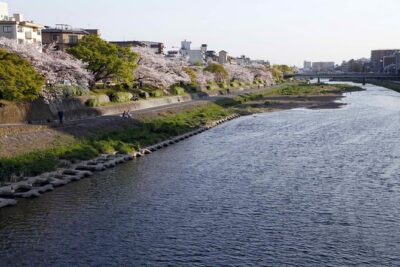
Kyoto Night Foodie Tour in Gion (9+ dishes + 6 Sake tastings)
Read our review →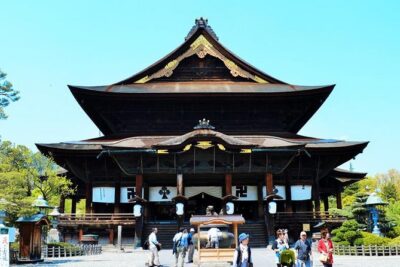
1-Day Snow Monkeys, Zenko-ji Temple & Sake in Nagano
Read our review →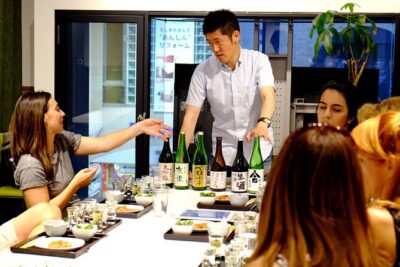
3-Hour Kyoto Insider Sake Brewery Tour with Tastings & Pairings
Read our review →
Arashiyama Bamboo, Temple, Monkeys, or Secret Sake Brewery
Read our review →

Insider Sake Brewery Tour with Sake and Food Pairing
Read our review →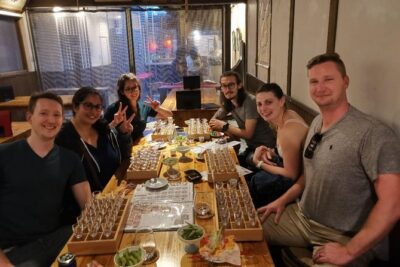
1.5-Hour Kyoto Insider Sake Experience with 7 Tastings & Pairings
Read our review →Browse the lists this tour appears in