
Reviewed · TEMPLE & SHRINE TOURS
Harajuku Meiji Shrine Walking Tour in Tokyo
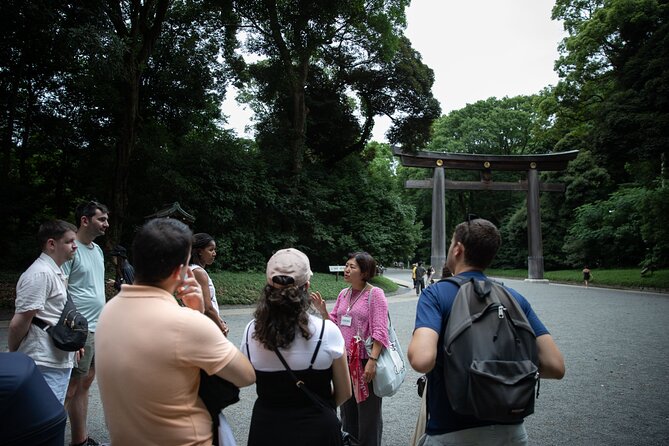
Tokyo changes mood in one block. This two-hour Harajuku walk links the calm forest of Meiji Jingu Shrine with the bright shops and street culture of Takeshita Street. I like the sharp contrast between those stops, and I like having a guide explain shrine etiquette, Japanese history, and local life instead of trying to piece everything together on a phone. The main drawback is the brisk schedule: 40 minutes at the shrine, 30 on Takeshita Street, and 20 along Omotesando leave little room for shopping or a slow visit.
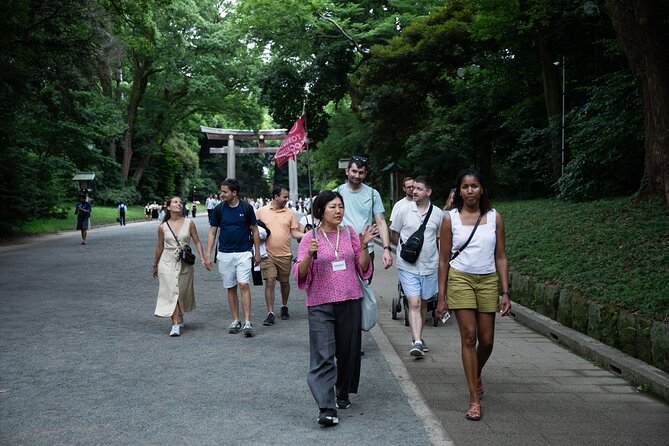
The tour costs $25 per person and takes a small group of no more than 15 people from Harajuku Station to Tokyu Plaza Harajuku HARAKADO. Guides such as Miyu and Hiroko have earned praise for clear explanations, useful tips, and an easy pace. You should expect a social walking tour, not a private deep study of every shrine building or boutique.
In This Review
- Key points to know before booking
- Why this Harajuku route works
- Entering Meiji Jingu’s 70-hectare forest
- Takeshita Street and Harajuku youth culture
- Omotesando’s polished side
- What the guides add to the walk
- Is $25 good value?
- Timing, meeting point, and walking effort
- Who should book this experience?
- Should you book the Harajuku Meiji Shrine Walking Tour?
- FAQ
- How long does the Harajuku walking tour last?
- How much does the tour cost?
- Where does the tour begin?
- Where does the tour end?
- Which places are included on the route?
- How large is the tour group?
- Is admission included?
- Can I cancel for a full refund?
Key points to know before booking
- Meiji Jingu comes first: Enter through large torii gates and walk into a 70-hectare forest in the middle of Tokyo.
- The route covers three distinct sides of Harajuku: Sacred shrine grounds, youth fashion on Takeshita Street, and polished design along Omotesando.
- Miyu and Hiroko are praised by name: Their strengths include shrine etiquette, cultural background, practical tips, and explanations that suit mixed-age groups.
- The group is capped at 15 people: That is small enough for questions without the cost of a private guide.
- The walking is manageable but not leisurely: The planned stops total 90 minutes, with the full experience lasting about two hours.
- The route finishes at HARAKADO: You end near one of Harajuku’s major shopping and design areas rather than returning to the station.
Why this Harajuku route works
Harajuku is easy to misunderstand. A first visit can look like a pile of unrelated images: a quiet Shinto shrine, cartoon-colored sweets, tiny fashion shops, luxury brands, and sleek concrete buildings. This tour gives those pieces a sensible order.
You begin at Harajuku Station, then move toward Meiji Jingu Shrine before the commercial streets take over. That choice matters. The shrine gives you a calm introduction to Japan’s religious customs and modern history, while the later stops show how Harajuku became a center of youth style and shopping.
I particularly like this sequence for a first day in Tokyo. You get cultural orientation early, then practical neighborhood advice as the walk continues. A guide can point out details you might otherwise miss, explain how to behave at a shrine, and help you see that Harajuku is more than a shopping stop.
The tour is also a useful compromise between a large coach excursion and exploring alone. With a maximum of 15 people, you can ask questions without making the group feel like a private appointment. At the same time, the experience remains affordable at $25.
More Temple & Shrine Tours in Tokyo
- Tokyo: Meiji Shrine, Asakusa, Skytree Bus Tour and Cruise
★ 4.7 · 1,986 reviews - Tokyo: Asakusa Walking Tour with Sensoji Temple Visit
★ 4.8 · 1,583 reviews - Nikko: Kegon Falls, Lake Chuzenji & Toshogu Temple
★ 4.6 · 1,577 reviews
Entering Meiji Jingu’s 70-hectare forest
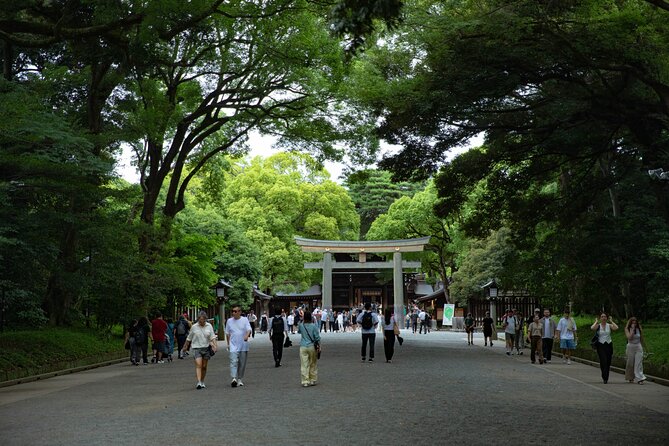
The first stop lasts about 40 minutes at Meiji Jingu Shrine, with no separate admission charge listed. The approach passes through towering torii gates and a tree-lined route into a large forested area. In a city known for traffic, towers, and crowded rail stations, the change in mood is immediate.
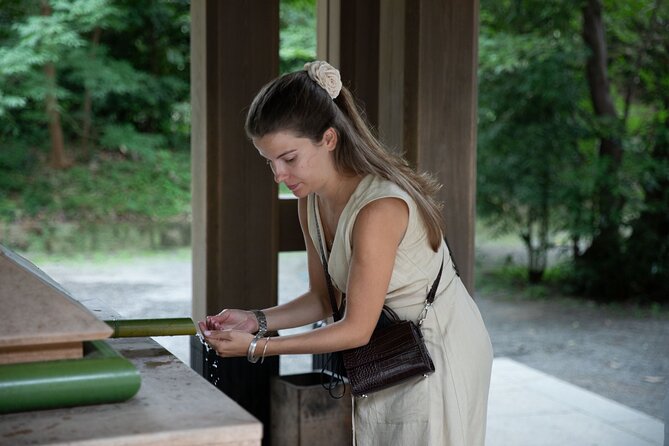
The guide’s role is especially useful here. If this is your first shrine visit in Japan, you may not know the basic etiquette or the difference between a Shinto shrine and other religious sites. Hiroko has been praised for explaining the shrine’s history, religious customs, and proper visitor behavior in a clear way.
That practical help is worth more than a string of dates. You can learn what to do at the entrance, how to approach the worship area, and why certain gestures matter. The supplied information does not specify every ritual covered, so the exact lesson may depend on your guide, but shrine etiquette is a clear part of the experience.
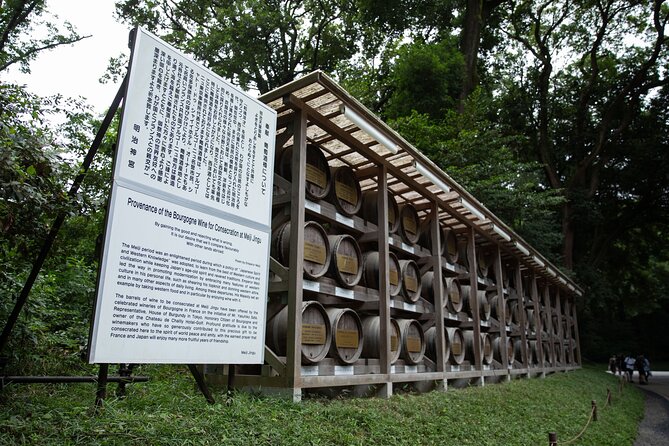
Meiji Jingu also gives the tour a sense of place. The forest covers roughly 70 hectares, yet it sits beside one of Tokyo’s busiest districts. That contrast is one of the strongest reasons to begin here. You are not simply checking off a famous sight. You are seeing how a major city preserves a quiet religious setting beside Harajuku’s fashion streets.
The 40-minute stop is enough for an introduction, but not enough for a slow, independent exploration of the full grounds. If you want extended time for photography, reflection, or a detailed look at every feature, plan to return later on your own. This tour treats the shrine as one part of a neighborhood walk.
Takeshita Street and Harajuku youth culture
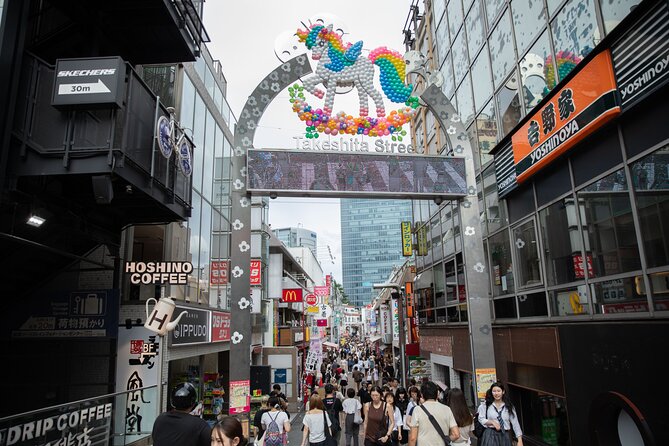
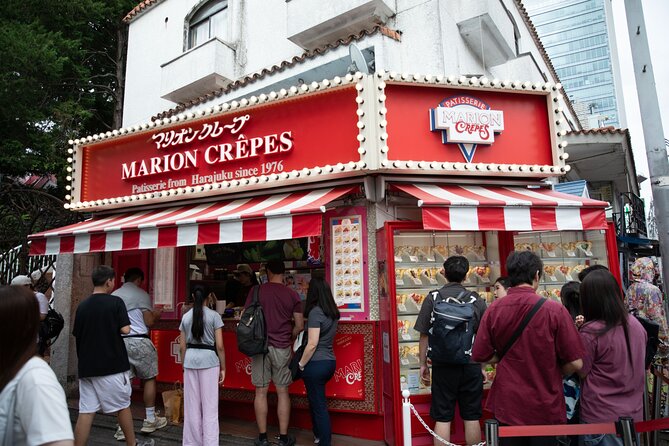
After the shrine, the mood shifts on Takeshita Street. The lane is about 400 meters long and pedestrian-only, with trendy boutiques, accessory shops, and themed businesses packed into a narrow route. The contrast is the point: Meiji Jingu offers quiet and ritual, while Takeshita shows Harajuku’s playful, youthful side.
The scheduled stop lasts 30 minutes. That gives you time to understand the street and hear the guide’s explanation, but it may feel short if you want to shop, take many photos, or stop for food. I would treat this section as an orientation walk rather than a shopping session.
A guide is helpful because Takeshita Street can be easy to experience only at surface level. You see bright signs and unusual storefronts, but local context makes the scene more meaningful. The tour promises fun facts about Tokyo and Harajuku that you could miss while following a map. Miyu has been praised for explaining modern life as well as history, which is exactly the balance this street needs.
The route is likely most useful at the start of your Tokyo stay. You can return later with a better sense of where to browse and how this part of Harajuku fits into the wider district. One direct piece of advice from the experience is to book early in your trip if you want neighborhood tips to shape later visits.
There are tradeoffs. Takeshita Street can be crowded, and a group walk does not let you stop every few steps. If your main goal is to buy fashion, accessories, or themed treats, you may prefer to leave the group at the end and explore again at your own speed. The tour’s value comes from interpretation, not from giving you a long block of free shopping time.
Omotesando’s polished side
The final sightseeing stop is Omotesando, a broad, tree-lined avenue known for high-end boutiques, designer flagships, and modern architecture. The walk here lasts about 20 minutes. It is a brief finish, but it rounds out the picture of Harajuku.
Takeshita Street is narrow, youthful, and playful. Omotesando is wider, more polished, and focused on major brands and design. Seeing both streets in one outing helps you understand the district’s range. Harajuku is not one single style, and the route makes that clear without requiring a full day.
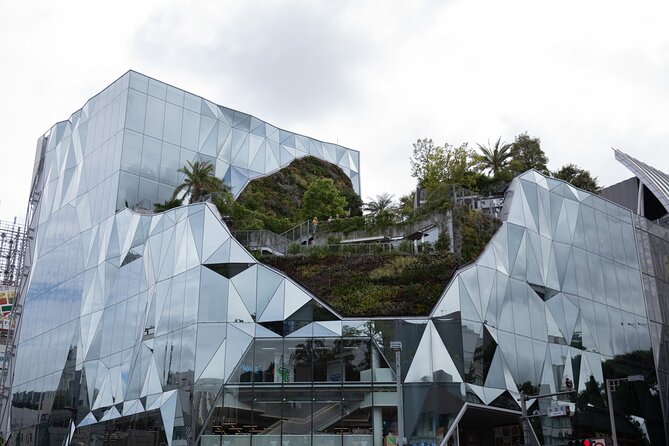
The tour ends at Tokyu Plaza Harajuku HARAKADO, located in Jingumae near Omotesando and Takeshita Street. This is a useful ending point if you want to continue shopping, explore modern architecture, or remain in the area for lunch. It is less useful if you need to return immediately to Harajuku Station, since the tour does not end where it began.
The 20-minute timing also means you should not expect a detailed architecture tour. You will get an introduction to the avenue and its role in Tokyo shopping culture. If designer stores are your priority, use the guide’s overview to decide where to spend more time afterward.
More Walking Tours in Tokyo
- Tokyo Tsukiji Fish Market Food and Culture Walking Tour
★ 5.0 · 3,184 reviews - Tokyo: Imperial Palace and Shogun Historical Walking Tour
★ 5.0 · 2,251 reviews - Tokyo: Shinjuku Local Bar and Izakaya Guided Walking Tour
★ 4.9 · 1,794 reviews - Tokyo: Tsukiji Fish Market Food and Walking tour
★ 5.0 · 1,724 reviews
What the guides add to the walk
The strongest part of this experience is the guide’s ability to connect different subjects. The feedback supplied for Miyu and Hiroko repeatedly points to clear history lessons, Japanese culture, shrine etiquette, and helpful local suggestions.
Miyu is described as friendly, passionate about Harajuku, and good at answering questions. One useful detail is that her explanations were considered well-paced for a group with a broad age range. That matters if you are traveling with children, parents, or a mixed group where not everyone wants a long lecture.
Hiroko is praised for making a first shrine visit easier to understand. Her explanations covered history, religion, and etiquette in a way that helped an entire family enjoy the outing. You should still remember that guides differ, so the exact style depends on who leads your departure.
The tour description promises a small-group experience with room to ask questions. The maximum of 15 is not the same as a private tour, but it avoids the unwieldy feel of a major sightseeing group. If you value conversation and context, this setup should suit you well.
If you prefer to walk silently, shop without pauses, or set your own route, the guide may feel like a constraint. You are following a fixed plan with set time at each stop. That structure is useful for a first visit, but less ideal if you already know Harajuku well.
Is $25 good value?
At $25 per person, the tour sits in an accessible price range for a two-hour guided walk in Tokyo. You are paying for route planning, a local guide, cultural explanations, and the convenience of combining three major Harajuku areas in one outing.
The value is strongest if you are new to Tokyo or uncertain about shrine customs. A wrong turn on a solo walk costs little, but missing context can make Meiji Jingu feel like a quick photo stop. The guide helps turn the visit into an understandable cultural experience.
Admission is included according to the tour details. The listed stops themselves do not show separate admission prices, and the shrine stop is marked as free admission. So the financial value rests less on ticket savings and more on the time saved and the explanations provided.
One piece of information deserves a quick check before you pay: a past description called this a free tour with a tip. The current stated price is $25 per person, so confirm the exact booking terms at checkout rather than relying on older wording.
Free cancellation is available when you cancel at least 24 hours before the start time. Changes or cancellations inside that window are not accepted for a refund. Confirmation arrives when you book, and a mobile ticket is provided.
Timing, meeting point, and walking effort
The meeting point is Harajuku Station at 1 Chome-18 Jingumae, Shibuya, Tokyo 150-0001. Because the walk begins at a station, the start is practical for anyone already moving around Tokyo by rail. The tour finishes at Tokyu Plaza Harajuku HARAKADO, at 6 Chome Jingumae, near the end of the route.
The advertised duration is about two hours. The three listed stops account for 90 minutes, leaving the rest for walking between them, gathering the group, and moving through the neighborhood. Do not treat the schedule as 90 minutes of nonstop sightseeing. The transitions are part of the experience.
The walk is described as not too strenuous or long. Still, you should wear comfortable shoes, since this is a walking tour through shrine paths and busy commercial streets. The provided details do not state the exact distance, rest stops, or seating arrangements, so ask the provider if you need those specifics.
Most people can participate, and service animals are allowed. The tour operates near public transportation. No special accessibility details are provided, so anyone who needs step-free access or other assistance should confirm conditions before booking.
Who should book this experience?
I would choose this tour for a first visit to Harajuku, especially if you want both traditional Japan and present-day Tokyo in one compact outing. It also suits families, couples, and solo visitors who want a little structure without paying for a private guide.
It is a good fit if you want to learn shrine etiquette, understand the local setting, and receive practical suggestions for the rest of your stay. Miyu’s and Hiroko’s praised teaching styles make the tour especially appealing to people who prefer friendly explanations over a formal lecture.
You may want a different plan if shopping is your main purpose. Thirty minutes on Takeshita Street and 20 minutes on Omotesando are enough to get oriented, not enough for a serious shopping day. Likewise, anyone wanting detailed religious study or extensive time at Meiji Jingu should schedule a separate visit.
Book it early in your Tokyo stay if possible. The route gives you a useful map of Harajuku’s main contrasts, and the guide’s tips can help you decide where to return later.
Should you book the Harajuku Meiji Shrine Walking Tour?
Book this $25 walk if you want a friendly introduction to Harajuku, clear cultural background, and an efficient route between Meiji Jingu, Takeshita Street, and Omotesando. The small group, mobile ticket, station meeting point, and free cancellation up to 24 hours ahead make it easy to fit into a Tokyo plan.
Skip it if you already know Harajuku well or want hours of independent shopping. For most first-time visitors, though, the mix is well judged: a quiet shrine, a spirited shopping lane, and a stylish avenue, all explained by a guide who can make the contrasts click.
FAQ
How long does the Harajuku walking tour last?
The tour lasts approximately two hours.
How much does the tour cost?
The stated price is $25 per person.
Where does the tour begin?
It begins at Harajuku Station, 1 Chome-18 Jingumae, Shibuya, Tokyo 150-0001, Japan.
Where does the tour end?
It ends at Tokyu Plaza Harajuku HARAKADO in Jingumae, Tokyo.
Which places are included on the route?
The route includes Meiji Jingu Shrine, Takeshita Street, and Omotesando.
How large is the tour group?
The group can include a maximum of 15 people.
Is admission included?
The tour details state that an admission fee is included. The Meiji Jingu Shrine stop is listed with free admission.
Can I cancel for a full refund?
Yes. You can cancel for a full refund at least 24 hours before the experience start time. Cancellations or changes made less than 24 hours before the start time are not accepted for a refund.
Just added around Tokyo
- Tokyo 6hr Instagram Highlights Private Tour with Licensed Guide★ 5.0 · 38 reviews
- Tokyo Small Group Tour with Guide★ 4.5 · 38 reviews
- Tokyo Sumo Experience with Live Show & Audience Challenge★ 5.0 · 38 reviews
- Japanese Food Cooking Class in Asakusa, Tokyo★ 5.0 · 39 reviews
- Very popular in Harajuku♡Animal petting zoo★ 4.6 · 39 reviews
- Ramen Making from Scratch with Tokyo Mom(Vegan Option Available)★ 5.0 · 39 reviews
- Tokyo JDM Night: 600hp C63s AMG Edition 1 (Private)★ 4.9 · 39 reviews
- Tokyo: Kimono Rental inside Shinjuku Gyoen National Garden★ 4.9 · 39 reviews
Temple & Shrine Tours, compared.
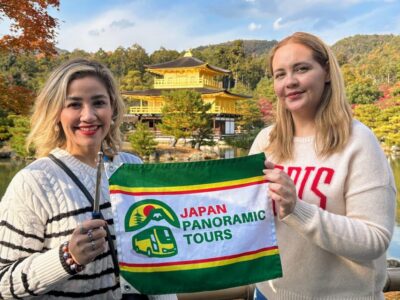
Fushimi Inari, Kinkakuji, Bamboo Grove 1 Day Bus Tour
Read our review →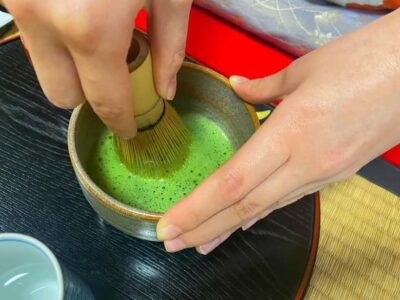
Tea Ceremony in a Traditional Tea House in Kiyomizu
Read our review →
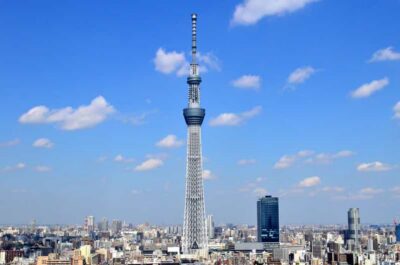
Meiji Shrine, Asakusa, Skytree Bus Tour and Cruise
Read our review →
Fushimi Inari Hidden Hiking Tour (Private Option Available)
Read our review →
Osaka/Kyoto:Kinkakuji,Arashiyama,FushimiInariShrine,NaraPark
Read our review →
Asakusa Walking Tour with Sensoji Temple Visit
Read our review →
Nikko: Kegon Falls, Lake Chuzenji & Toshogu Temple
Read our review →Browse the lists this tour appears in