
Reviewed · MOUNT FUJI TOURS
Mt. Fuji and Hakone Day Trip From Tokyo with Bullet Train Option
Fuji, hot springs, ropeways, and a pirate ship in one day. This packed outing gives you a practical way to leave Tokyo behind and see several famous sights without renting a car or sorting out Hakone’s maze of trains and buses. I especially like the wide mix of scenery and the choice between a long coach ride or a faster bullet train return. The guides are another strong point, with names such as Happy, Ai, Yuka, Rino, Kenji, and Tiako praised for clear English, humor, and careful timekeeping.
The catch is the pace. You may spend long stretches on the road, then get only 20 to 30 minutes at a major stop. Mt. Fuji is never guaranteed, either. Fog, rain, traffic, wind, and crowds can cut the best parts short, so this works better as an efficient first look than as a slow, deep visit to Hakone.
In This Review
- Key points before you book
- Why this day trip works for a first visit
- Meeting at Shinjuku’s LOVE sculpture
- Mt. Fuji’s 5th Station and the short photo stop
- Lunch: convenient, but choose your expectations
- Owakudani’s sulfur vents and black-egg country
- The Hakone Ropeway over volcanic ground
- Lake Ashi and the pirate-themed cruise
- Returning by coach or bullet train
- Is $97.52 good value?
- Who should book this Fuji and Hakone outing?
- FAQ
- How long does the Mt. Fuji and Hakone tour last?
- Where does the tour meet in Tokyo?
- Is lunch included?
- What happens if Mt. Fuji’s 5th Station is closed?
- Is Mt. Fuji guaranteed to be visible?
- Can I return to Tokyo by bullet train?
- Can I cancel for a full refund?
- Should you book it?
Key points before you book
- Three headline experiences in one day: Mt. Fuji’s 5th Station, Owakudani’s volcanic vents, the Hakone Ropeway, and Lake Ashi’s pirate-themed cruise.
- The bullet train return saves energy: Select this option if you prefer to finish the long day quickly, but you must manage the final train connections yourself.
- The meeting point is easy to recognize: Look for the Robert Indiana LOVE sculpture in Shinjuku and staff carrying a blue HIS flag.
- Lunch is optional: The lunch upgrade can simplify the day, but bring food if you choose the no-lunch option.
- Weather controls the Fuji experience: The tour runs in poor visibility, and no refund is offered simply because clouds hide the mountain.
- Expect a full 11 hours: The coach may return to Shinjuku around 7:30 p.m., or later if traffic is heavy.
Why this day trip works for a first visit
Tokyo is a wonderful base, but Mt. Fuji and Hakone are awkward to combine on your own in one day. You can make the trip independently, but it involves several rail lines, local buses, ropeway schedules, and a lake boat. One missed connection can turn a scenic outing into a timetable exercise.
This tour takes care of the main transport links. You board an air-conditioned coach in Shinjuku, travel toward Fuji, and let the tour staff coordinate the changes in Hakone. Free Wi-Fi on the coach is useful, although I would treat it as a small comfort rather than a reason to choose the tour.
The day is built around famous postcard sights rather than quiet villages or long walks. That makes it a good fit if you want to say you saw Fuji, ride the ropeway, cruise Lake Ashi, and return to Tokyo without spending several nights away from the city.
It is less suitable if you dislike group travel or want to set your own pace. The maximum group size is 45, though a smaller van may be used when numbers are low. Stops can be shortened because of traffic, queues, or other delays.
More ways to see Mount Fuji:
- Mt Fuji and Hakone 1-Day Bus Tour Return by Bullet Train
★ 5.0 · 26,383 reviews - Mt Fuji & Hakone Cruise, Drum Show Bullet Train 1 Day from Tokyo
★ 4.0 · 7,413 reviews - Tokyo Mt Fuji 5th St & Hakone Cruise Bus Tour w/Bullet Train
★ 4.4 · 5,024 reviews
Meeting at Shinjuku’s LOVE sculpture
The day starts at 8:30 a.m. beside the Robert Indiana LOVE sculpture at 6-chōme-5-1 Nishishinjuku. Staff wait with a blue HIS flag, which helps at a meeting point that can otherwise feel confusing in the middle of Shinjuku.
Plan extra time to get there. The operator does not allow late joiners to meet the group partway through the route, and no refund is offered for arriving late. This is one of those mornings when being early is worth more than squeezing in one last coffee.
The coach ride is a major part of the day. One especially negative account described spending most of the morning on the bus before reaching the main sights, while other accounts praised the countryside views and the guide’s commentary. Both impressions are possible. Traffic around Tokyo and Fuji can be severe, and the schedule has little spare room.
Guides can make a big difference here. Happy was praised for history, humor, and even an origami lesson on the coach. Yuka was noted for asking questions and keeping the group involved, while Rino was praised for interesting stories and keeping everyone on schedule. That sort of personal touch helps turn long transfers into part of the experience instead of dead time.
Mt. Fuji’s 5th Station and the short photo stop
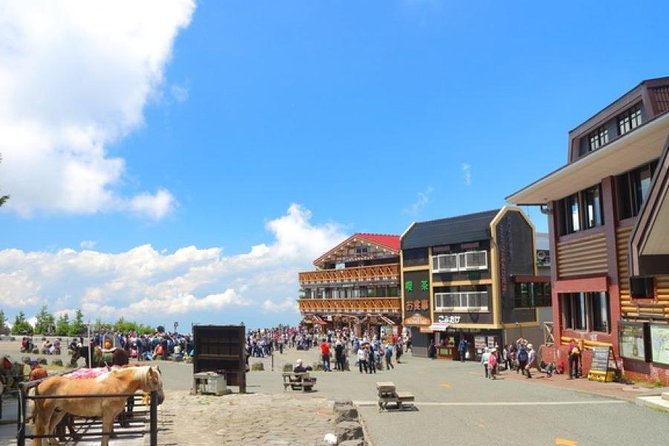
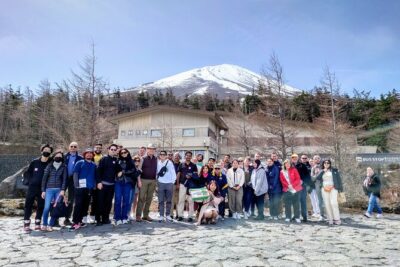
The first major stop is usually Mt. Fuji’s 5th Station, reached by the Subaru Line. At roughly the mountain’s middle level, it offers a close view of the upper slopes and broad views across the surrounding area when the air is clear. The site also has a sacred feel, with shrines and mountain-related shops adding context beyond the photo opportunity.
You get about 30 minutes here. That is enough to take pictures, look around, and visit the facilities, but not enough for a proper walk or a relaxed meal. Some departures have allowed only about 20 minutes, so keep your expectations modest.
Clear weather can make this the emotional high point of the day. One clear morning produced excellent views from the Fuji station and Lake Ashi, while fog on another departure hid almost everything. Mt. Fuji is a mountain with its own schedule, and the tour cannot change that.
If the road to the 5th Station is closed because of weather or road conditions, the itinerary changes. Possible alternatives include the Fuji World Heritage Center, Oshino Hakkai, Lake Kawaguchi Oishi Park, Lake Yamanakako Hana no Miyako Park, or sightseeing at a lower Fuji station. These may be worthwhile, but they are not the same as reaching the 5th Station.
A useful planning rule is simple: book this for the full day of Fuji and Hakone sights, not for a guaranteed mountain photograph. If Fuji is your single reason for leaving Tokyo, check the forecast and accept that clouds may win.
Lunch: convenient, but choose your expectations
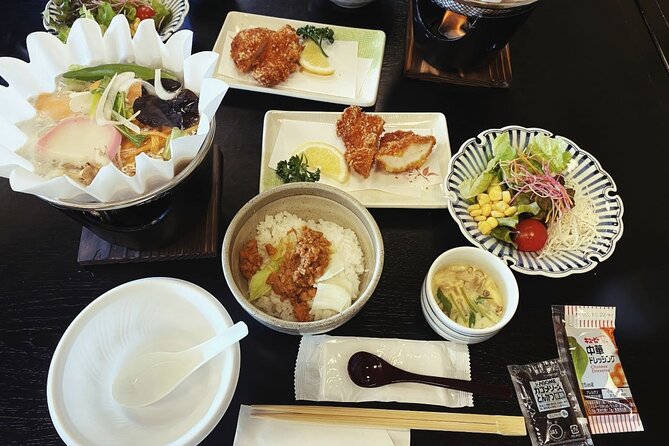
The lunch option adds ease to a day with many moving parts. A Japanese-style meal or buffet has received mixed but often positive comments, with some people enjoying a hotpot and varied choices. Others found the meal ordinary or disliked the restaurant setting.
I would choose lunch if you prefer not to search for food during a tight itinerary. Thirty minutes can disappear quickly when you are also finding restrooms and rejoining a large group. If you choose the tour without lunch, prepare food before departure because suitable meal stops may not be available.
Food requests can be accommodated in many cases, but gluten-free meals are not provided. Alcohol is also not included. If you have a serious allergy, communicate it when booking and confirm what can be handled before the morning begins.
A few more Tokyo experiences worth weighing up
- From Tokyo: Mt. Fuji & Hakone Tour w/ Return by Bullet Train
★ 4.2 · 1,278 reviews - From Tokyo 1-Day Kyoto English-guided Tour by Bullet Train
★ 4.0 · 376 reviews - Mt. Fuji & Hakone Bus Tour Bullet Train Return & 28-Hotel Pick-up
★ 4.5 · 107 reviews - Tokyo: Kamakura & Enoshima Day Tour with Pickup & Train Ride
★ 4.1 · 61 reviews
Owakudani’s sulfur vents and black-egg country
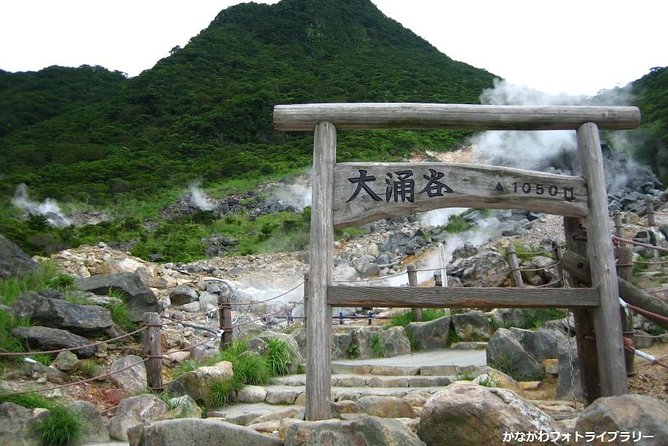
Owakudani is the most unusual stop on the route. This volcanic valley has steaming vents, sulfurous vapors, hot springs, and dark, rugged ground shaped by geothermal activity. It is a sharp change from Tokyo’s towers and from the calm water of Lake Ashi later in the day.
The stop lasts about 30 minutes. Your guide explains the volcanic activity, then you have time to look around and take photographs. The smell of sulfur can be strong, and the area may feel exposed in poor weather, so dress for changing conditions.
Owakudani is a good example of why the tour is more than a Fuji photo run. You see a working geothermal area, then move through it by ropeway instead of simply stopping at a viewpoint. Still, half an hour is brief, particularly if queues are long.
Crowds are a real issue here. One departure lost a great deal of time waiting for the ropeway, forcing changes later in the day. If you see a long line, listen carefully to the guide. The schedule may be adjusted to protect the rest of the route.
The Hakone Ropeway over volcanic ground
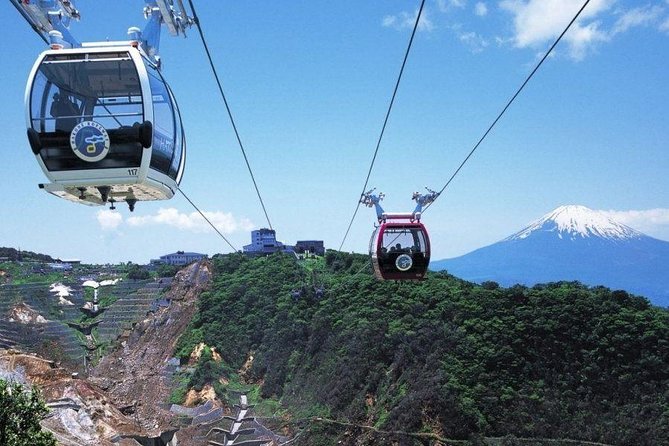
The ropeway is included in the price and is one of the day’s best activities. You glide above the Owakudani area toward the Hakone stations, with views of steaming vents and steep mountain terrain. On a clear day, the ride gives you a different angle on Fuji and the surrounding hills.
The scheduled ride lasts about 25 minutes. That sounds generous until you account for queues, transfers, and crowd control. The ropeway can be affected by high winds, heavy rain, fog, or other operating problems.
This is where the tour’s strict timing can become frustrating. A long wait may leave less time for the cruise, and one reported departure had to skip or shorten part of the lake experience after a delay. The operator may substitute another ropeway, a Lake Ashi boat, a Lake Kawaguchi cruise, the Mt. Fuji Panoramic Ropeway, Mishima Skywalk, Odawara Castle, or another Hakone attraction if the planned ride is unavailable.
You should see the ropeway as a valuable included experience, but not as a promise of a particular route in every season. Wear shoes that make walking easy. You may need to stand in lines and move between transport points at a steady pace.
Lake Ashi and the pirate-themed cruise
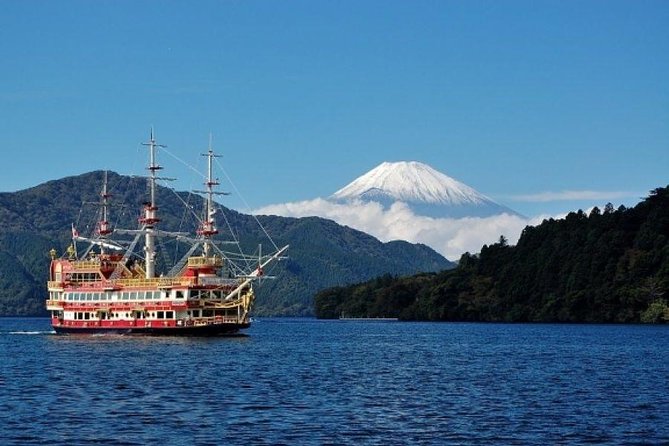
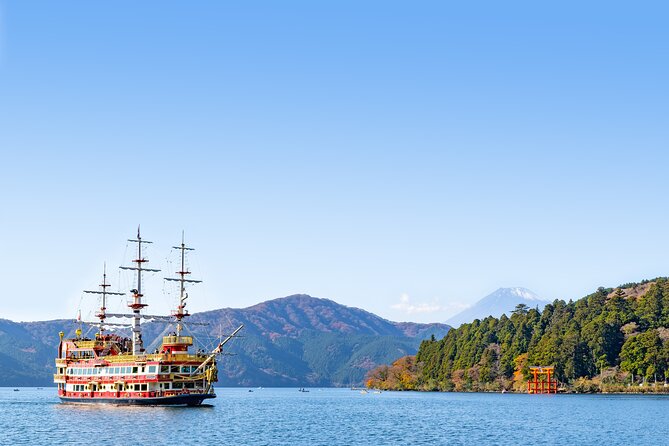
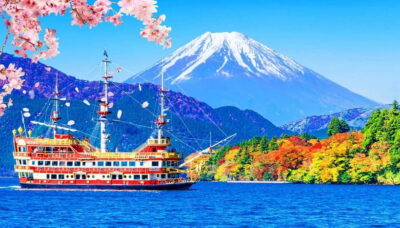
The Lake Ashi cruise gives the day a welcome change of rhythm. After the bus and ropeway, you board a large pirate-themed pleasure boat and cross the lake for about 30 minutes. The ship is playful rather than historically important, but it offers open-air decks, cool air, and good photo angles.
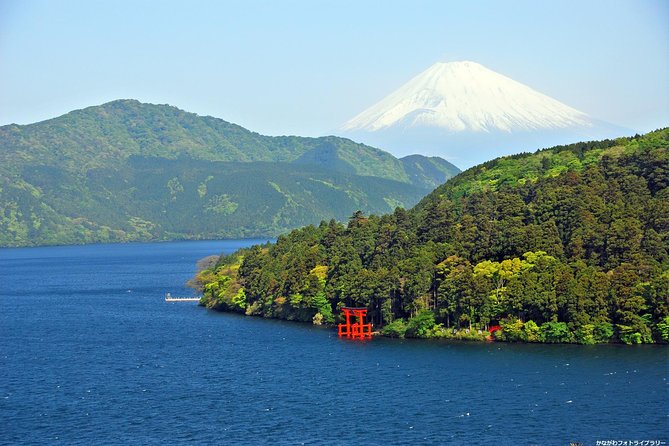
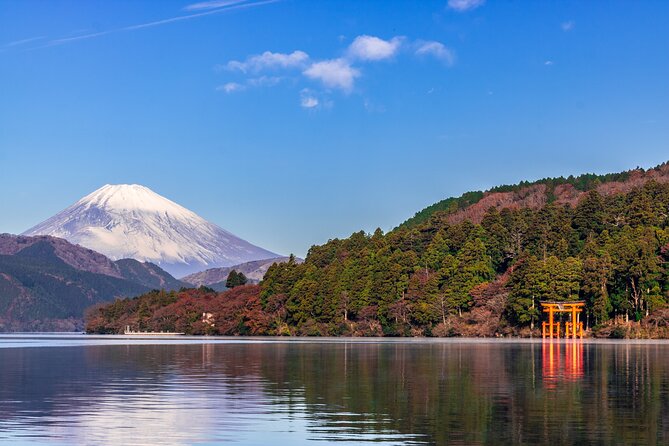
When the sky is clear, Mt. Fuji may appear behind the hills. The view can be wonderful, but it is just as weather-dependent as the 5th Station. Fog can leave you with a pleasant boat ride but little scenery, and one departure found the ship overcrowded.
Wind can also cancel the cruise. If that happens, the route may shift to Hakone Machi or another listed alternative. No refund is issued simply because the scheduled boat or the views are unavailable, so keep the weather policy in mind before booking.
The cruise is less about learning the lake in detail and more about enjoying a scenic transport link. If you want a quiet lake outing, the group setting and busy sailing times may disappoint. If you enjoy novelty and photographs, it is a fun finish to the Hakone portion.
Returning by coach or bullet train
The return choice changes the feel of the whole day. The standard coach return takes you back toward Shinjuku and usually ends near the Mode Gakuen Cocoon Tower at the west exit around 7:30 p.m. Traffic can push that later, especially after an already long day.
The bullet train option separates from the group at Odawara Station. You receive a non-reserved seat ticket for the Shinkansen to Tokyo Station, with about two trains per hour on average. After leaving the coach, the guide does not ride the train with you.
That option is attractive after 10 hours of sightseeing. It avoids the full road journey back and gives you a faster, more interesting ride into Tokyo. The important catch is navigation. You must choose the bullet train return when booking, select a departure from Odawara, and pay attention to the instructions at the station.
If you miss the train because of a tour delay, no refund is provided. You are told to use the next train in the non-reserved section. The bullet train takes you to Tokyo Station, not directly to Shinjuku, and you must handle onward travel yourself. Clear directions are especially important here because Tokyo Station and the connecting rail network can be confusing after a tiring day.
You can also get off at Hakone-Yumoto or Odawara at the end of the coach option if you tell the operator in advance. The price remains the same, and you cannot change the scheduled return location after the tour begins.
Is $97.52 good value?
At $97.52 per person, the tour offers solid value if you want several paid transport links bundled into one day. The coach, guide, ropeway, lake cruise, and taxes are included. The lunch upgrade adds another practical convenience.
The price is harder to justify if Fuji is hidden and the itinerary loses time to traffic or queues. You may spend much of the day moving between places, with only short visits at the main stops. The tour is buying convenience and coverage, not slow travel.
Doing the route independently may give you more control, particularly if your main goal is Hakone’s ropeway and Lake Ashi. But you would need to arrange the connections yourself and accept responsibility for delays. For a first visit, the organized route can be worth the tradeoff.
Who should book this Fuji and Hakone outing?
I would recommend it for first-time Tokyo visitors who want a broad sample of the region in one day. It also suits families and mixed-age groups, since most of the sightseeing is by coach, boat, or ropeway rather than on a demanding hike.
It is a good choice if you value:
- A fixed plan with transport handled for you
- English commentary and group assistance
- A chance to see both Fuji and Hakone
- The convenience of a bullet train return
- A full day away from Tokyo without changing hotels
I would think twice if you want long walks, quiet viewpoints, or a flexible schedule. It may also frustrate serious photographers who need time to wait for the perfect light. In bad weather, the tour still offers transport and alternative sights, but it cannot provide the Fuji view you may have pictured.
The tour runs with up to 45 people, and the coach has no restroom. Wear comfortable shoes, bring water, and keep a light jacket or rain layer handy. Japanese law requires seat belts on the bus, so use yours throughout the ride.
FAQ
How long does the Mt. Fuji and Hakone tour last?
The tour lasts approximately 11 hours. It starts at 8:30 a.m., and the coach return to Shinjuku is expected around 7:30 p.m., though traffic may make it later.
Where does the tour meet in Tokyo?
The meeting point is the Robert Indiana LOVE sculpture at 6-chōme-5-1 Nishishinjuku, Shinjuku City. Staff wait there with a blue HIS flag.
Is lunch included?
Lunch is included only when you select the option with lunch. If you book without lunch, food may not be available during the schedule, so preparing something before departure is recommended.
What happens if Mt. Fuji’s 5th Station is closed?
The tour visits the highest accessible station or changes to an alternative such as the Fuji World Heritage Center, Oshino Hakkai, Lake Kawaguchi Oishi Park, Lake Yamanakako Hana no Miyako Park, or another Fuji-area stop.
Is Mt. Fuji guaranteed to be visible?
No. Fog, rain, humidity, and cloud can hide Mt. Fuji. The tour generally continues in poor visibility, and no refund is issued when the mountain cannot be seen.
Can I return to Tokyo by bullet train?
Yes, if you select the bullet train option when booking. You leave the group at Odawara Station and take a non-reserved Shinkansen seat to Tokyo Station. The guide does not ride the train with you.
Can I cancel for a full refund?
You can cancel at least 24 hours before the local start time for a full refund. If the operator cancels the experience because of severe weather, you are offered another date or a full refund. Changes or cancellations made less than 24 hours before departure are not refunded.
Should you book it?
Book this tour if your goal is to cover Mt. Fuji and Hakone in one organized day. The combination of Fuji’s 5th Station, Owakudani, the ropeway, and Lake Ashi is hard to arrange without planning, and the bullet train return is a smart option after a long day.
Skip it if you need guaranteed mountain views or generous time at each stop. The best version of this outing comes with clear skies, light traffic, and a strong guide such as Happy, Yuka, Rino, Ai, or Kenji. On a foggy, crowded day, it can feel like a lot of bus time for a few hurried glimpses. That is the honest tradeoff: excellent coverage and convenience, but weather and timing control much of the experience.
Just added around Tokyo
- Tokyo 6hr Instagram Highlights Private Tour with Licensed Guide★ 5.0 · 38 reviews
- Tokyo Small Group Tour with Guide★ 4.5 · 38 reviews
- Tokyo Sumo Experience with Live Show & Audience Challenge★ 5.0 · 38 reviews
- Japanese Food Cooking Class in Asakusa, Tokyo★ 5.0 · 39 reviews
- Very popular in Harajuku♡Animal petting zoo★ 4.6 · 39 reviews
- Ramen Making from Scratch with Tokyo Mom(Vegan Option Available)★ 5.0 · 39 reviews
- Tokyo JDM Night: 600hp C63s AMG Edition 1 (Private)★ 4.9 · 39 reviews
- Tokyo: Kimono Rental inside Shinjuku Gyoen National Garden★ 4.9 · 39 reviews
Mount Fuji Tours, compared.
Mt Fuji and Hakone 1-Day Bus Tour Return by Bullet Train
Read our review →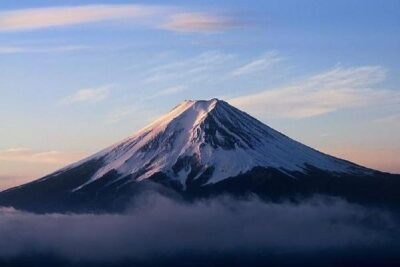
Mt Fuji & Hakone Cruise, Drum Show Bullet Train 1 Day from Tokyo
Read our review →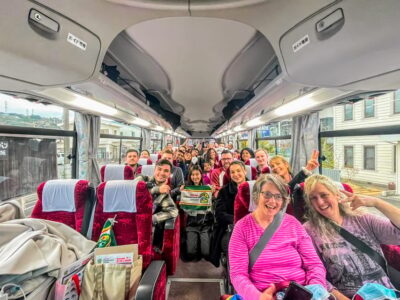
Tokyo Mt Fuji 5th St & Hakone Cruise Bus Tour w/Bullet Train
Read our review →
Mt. Fuji Tour, Hakone Ropeway, Owakudani, Lake Ashi
Read our review →
Mt.Fuji,Kawaguchiko Oishi Park,Arakurayama Sengen Park
Read our review →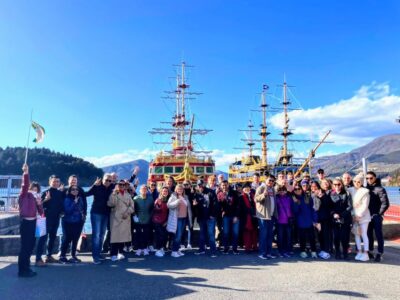
Mt. Fuji 5th Station & Hakone Cruise 1-Day Bus Tour
Read our review →
Mt Fuji Top 5 Spots Day Tour: Arakurayama Park,Oshino Hakkai
Read our review →Browse the lists this tour appears in