
Reviewed · MOUNT FUJI TOURS
Mt. Fuji & Hakone Bus Tour Bullet Train Return & 28-Hotel Pick-up
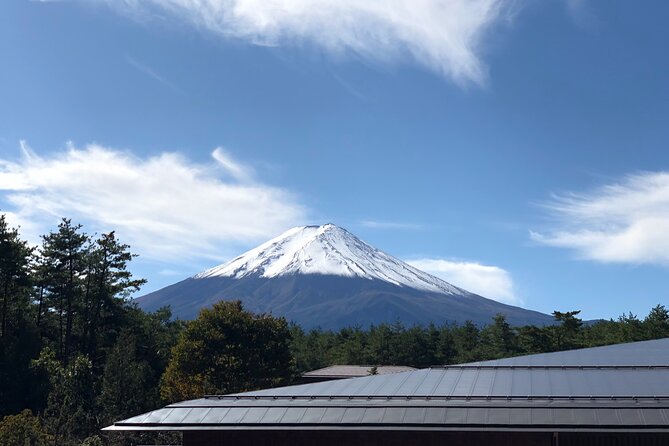
Fuji, Hakone, and a bullet train in one day. This organized trip gives you a practical way to see several famous Japanese sights without planning a web of trains, buses, boats, and cable cars yourself. I especially like the wide range of scenery, from Mt. Fuji’s upper slopes to volcanic Owakudani and Lake Ashi, and I like the option to return by Shinkansen instead of sitting on a bus all the way back to Tokyo. The main catch is pace: this is a very full day, with long road stretches and short visits.
The tour costs about $145.35 per person, with lunch and the bullet train depending on the package you choose. Guides such as Izumi, Yuki, Yoshi, and Mi Kami receive especially warm praise for their cultural explanations, humor, and help with onward trains. Still, pickup timing can be confusing, and poor weather can remove the very Mt. Fuji view you came to see.
In This Review
- Five things to know before booking
- Why this day trip works for a short Tokyo stay
- Hotel pickup and the first hours on the road
- Mt. Fuji 5th Station: dramatic altitude, limited time
- Gotemba lunch: a welcome pause in the middle
- Hakone Ropeway and Owakudani’s sulfur air
- Lake Ashi cruise and the Hakone Shrine torii
- Odawara and the Shinkansen return
- What the $145.35 price really buys you
- Who should book this Fuji and Hakone tour?
- Final call: a useful but tightly packed day
- FAQ
- How long does the Mt. Fuji and Hakone tour last?
- What time does the tour start?
- Is hotel pickup included?
- Is lunch included in the price?
- Is the bullet train back to Tokyo included?
- What happens if Mt. Fuji 5th Station is closed?
- Can the Hakone Ropeway or Lake Ashi cruise be canceled?
- Is the tour suitable for people with health or mobility concerns?
Five things to know before booking
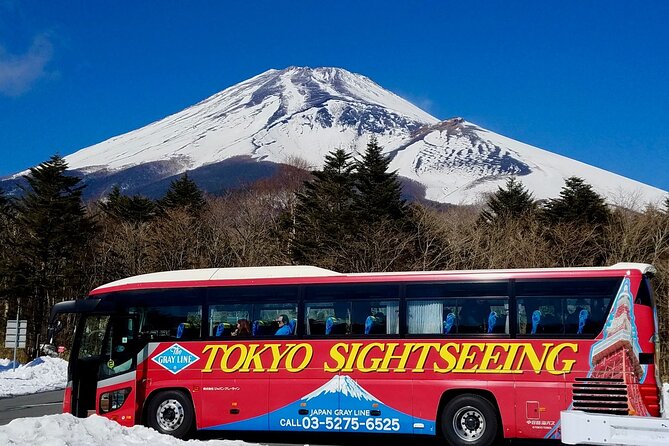
- Mt. Fuji 5th Station is a short stop: You get about 30 minutes at the highest normally accessible point, not a mountain hike.
- Hakone supplies the variety: The day adds a ropeway, sulfur vents, black eggs, a Lake Ashi cruise, and Hakone Shrine.
- The bullet train saves time: The Odawara to Tokyo ride takes about 35 minutes, far quicker than returning by road.
- Lunch is an upgrade: A Japanese-style meal, including a vegetarian choice, is available only with the selected lunch package.
- Weather controls the day: Snow, cloud, wind, traffic, or restricted access can change the route and replace planned stops.
- Pickup requires care: The listed start is 8:30 a.m., but your exact hotel pickup time may be later, so check the final instructions closely.
Why this day trip works for a short Tokyo stay
Tokyo can easily fill four or five days by itself. Add Kyoto, Osaka, or Hiroshima, and many people skip the Fuji and Hakone region simply because moving around takes time. This tour solves that problem with one coach, one guide, and a fixed route.
You leave from a designated Tokyo hotel in the morning and return to Tokyo Station Marunouchi around 6:30 to 7 p.m. if you select the bullet train. That is a long day, close to 10 hours, but it covers several places that would be awkward to combine independently.
I like the practical design. You do not need to work out the correct bus for the 5th Station, find the Hakone Ropeway entrance, figure out the Lake Ashi boat schedule, and then reach Odawara in time for a train. Your guide handles the transitions while you watch the countryside pass by.
The tradeoff is clear. You are buying reach, not freedom. A maximum group size of 45 means the coach can feel busy, and stops are governed by the clock. If you want a quiet Fuji photography session or a long walk around Hakone, this will feel compressed.
More Bus Tours in Tokyo
- Mt Fuji and Hakone 1-Day Bus Tour Return by Bullet Train
★ 5.0 · 26,383 reviews - 1-Day Tokyo Bus Tour
★ 5.0 · 14,250 reviews - Tokyo Mt Fuji 5th St & Hakone Cruise Bus Tour w/Bullet Train
★ 4.4 · 5,024 reviews
Hotel pickup and the first hours on the road
Pickup is offered at designated hotels in Tokyo, and the advertised start time is 8:30 a.m. The exact pickup time depends on your hotel. One useful warning: the booking confirmation may show 8:30 even when the actual hotel timetable gives a later meeting time, such as 8:55.
Check the final message carefully, arrive early, and ask the hotel desk for help if you are unsure where to wait. In some cases, a taxi may take you from the original hotel to another nearby meeting point. A guide might not accompany that first taxi transfer, so do not assume the person collecting you will be the main guide.
The early drive is part of the price, but it is also part of the challenge. Traffic leaving Tokyo can be heavy, and the journey to Mt. Fuji may take around two and a half hours. That makes the tour less attractive for anyone who dislikes coach travel.
On the other hand, the ride gives you a change from city streets. During autumn, the countryside can be particularly pleasant, with colored trees and occasional clear views of Fuji. Your guide usually fills the journey with information about Japanese culture and the places ahead.
Guides are one of the tour’s strongest features. Izumi, also called Spring in English, is praised for warmth, humor, organization, and extra cultural details. Yuki is noted for answering questions and helping with individual needs. Yoshi has helped people find connecting trains after the tour. These details matter on a long day, since a good guide can make transfer time feel useful rather than wasted.
Mt. Fuji 5th Station: dramatic altitude, limited time
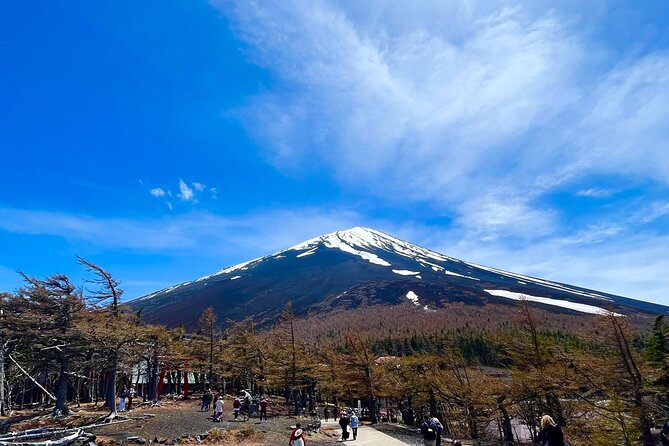
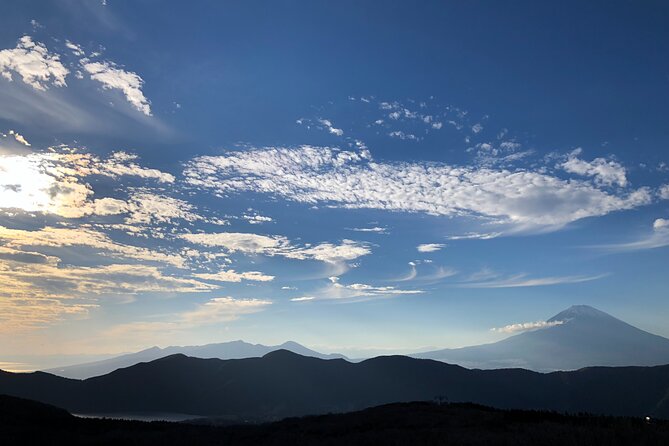
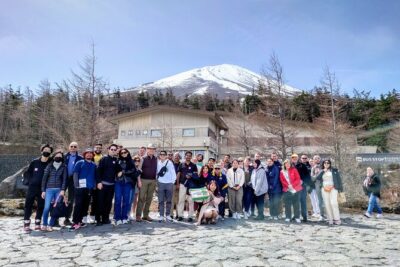
Mt. Fuji is Japan’s most recognizable natural sight, and the 5th Station is the highest point most vehicles can reach under normal conditions. At roughly this stage of the tour, you get a chance to step out, take photographs, look across the surrounding area, and buy a small souvenir if time allows.
The stop lasts about 30 minutes. That is enough for a quick look and photos, but not enough for a relaxed visit. Several people have found the time too short for browsing the shop, sending a postcard, and taking photographs without rushing. If the mountain is clear, use the first few minutes for the view before shopping.
Do not treat the 5th Station as a guaranteed full-mountain panorama. You may see only part of Fuji from the immediate viewpoint, and clouds can cover the summit. In poor conditions, the road may close because of snow, traffic, or other restrictions. The coach then goes to the highest accessible point or changes the stop.
This is the emotional gamble of the trip. A clear day can produce the tour’s best moment, especially when the snow-capped cone is visible. A cloudy day can leave you wondering why you spent hours getting there. The operator may substitute sights such as Peace Park in Gotemba, a lake, or another Fuji-area viewpoint, but those alternatives cannot promise the same mountain view.
Bring a warm layer and rain protection. Conditions at altitude can feel much colder than Tokyo, and the tour specifically advises a raincoat and umbrella. Comfortable shoes also help, since the day involves outdoor walking and stairs.
Gotemba lunch: a welcome pause in the middle
The Gotemba stop is scheduled for about 40 minutes and includes a Japanese-style lunch only if you select the lunch package. A vegetarian option is available, and the meal has been described as filling, fresh, and enjoyable, with hotpot mentioned as a highlight.
I see lunch as more than a meal here. After the long morning drive and the quick Fuji stop, sitting down gives you a proper break. It also adds a small taste of Japanese dining without requiring you to choose a restaurant while keeping up with a group.
Do not book the lunch package if you have serious food allergies or special dietary needs. The tour states that special meals cannot be provided, so the safer choice is the option without lunch. You can also skip the meal package if you prefer to spend less or make your own food arrangements.
The restaurant requires stairs, an important point for anyone with limited mobility or a recent injury. The day already includes outdoor surfaces, boarding points, and movement between attractions, so think honestly about your energy and knees before booking.
More ways to see Mount Fuji:
- Mt Fuji & Hakone Cruise, Drum Show Bullet Train 1 Day from Tokyo
★ 4.0 · 7,413 reviews - From Tokyo: Mount Fuji Full-Day Sightseeing Trip
★ 4.5 · 4,970 reviews - Tokyo: Mt. Fuji Tour, Hakone Ropeway, Owakudani, Lake Ashi
★ 4.7 · 4,002 reviews - Tokyo:Mt.Fuji,Kawaguchiko Oishi Park,Arakurayama Sengen Park
★ 4.4 · 2,682 reviews
Hakone Ropeway and Owakudani’s sulfur air
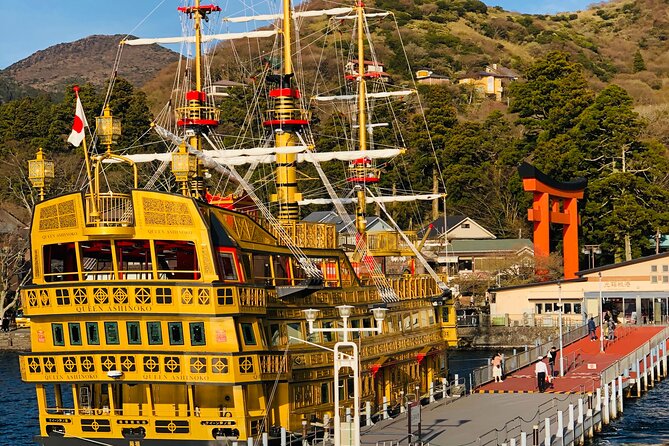
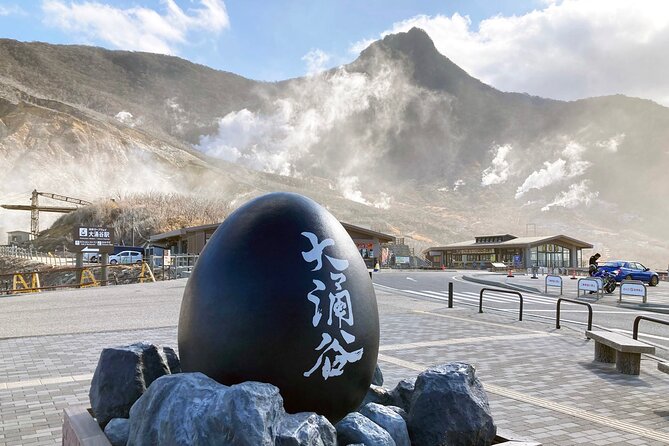
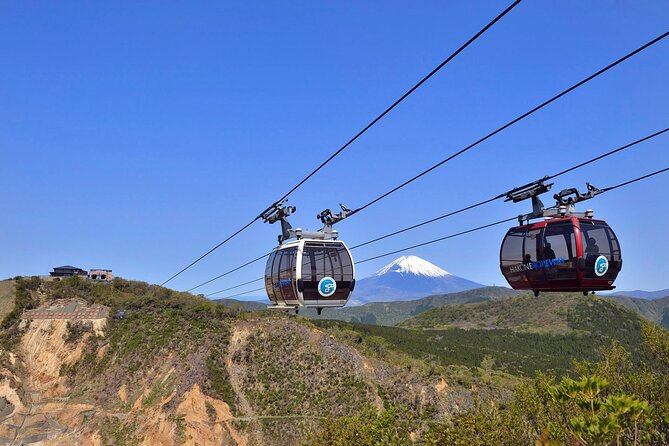
After lunch, the tour moves into Hakone, a famous hot spring area southwest of Tokyo. The Hakone Ropeway provides a short sky gondola ride toward Owakudani Valley, a volcanic area known for sulfur vents and hot spring activity.
The gondola ride itself lasts about 15 minutes. It offers a high view over the valley and surrounding mountains, though the experience depends heavily on visibility and operating conditions. Strong wind, bad weather, restricted access, or heavy traffic can cause the ropeway to be removed from the schedule.
Owakudani means Great Boiling Valley. The area’s famous black eggs are ordinary eggs cooked in hot spring water, and the dark shells make an entertaining snack or souvenir. You have around 20 minutes here, so expect a quick look rather than an extended walk.
The sulfur smell is real and can be strong. If you have allergic asthma, bronchial or respiratory problems, heart complaints, or use a pacemaker, the tour advises avoiding outdoor activity at Owakudani. This is not a minor footnote. The volcanic environment may be unpleasant or unsafe for some people.
If the valley cannot be visited, alternatives may include the Hakone Geo Museum, Mt. Komagatake, the Komagatake Ropeway, another cruise, Narukawa Museum, or a Fuji-area attraction. The backup plan keeps the day moving, but it also means the final route is not fully fixed.
Lake Ashi cruise and the Hakone Shrine torii
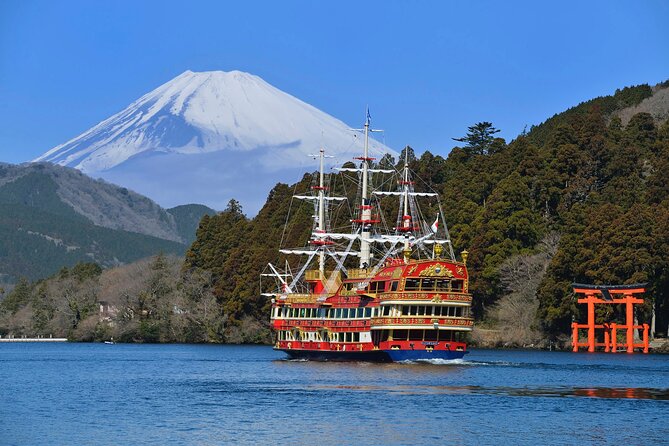
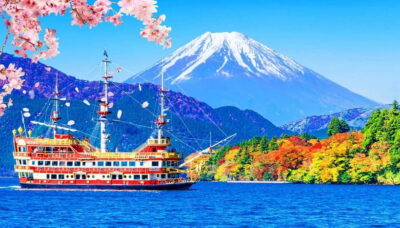
The Lake Ashi boat ride lasts about 30 minutes and uses a ship designed like a pirate vessel. It is more themed attraction than quiet lake ferry, but the ride adds a welcome change from the bus and gondola.
From the water, you may see the surrounding mountains, the famous red torii gate associated with Hakone Shrine, and Mt. Fuji if the weather cooperates. On crowded days, the boat can fill quickly. You may need to stand outside or take turns at the rail for photographs, so do not expect a private viewing platform.
The cruise is followed by about 30 minutes at Hakone Shrine, one of the region’s major Shinto sites. Its red torii by the lake is one of the most recognizable photo spots in Hakone. The stop gives you a chance to connect the scenic outing with a place of worship and local tradition.
Thirty minutes is enough to see the key area, but not enough for a slow shrine visit. The route may also be adjusted if boat operations are affected by weather, traffic, or access restrictions. In that case, the guide chooses one or two substitute sights.
The best way to approach this part of the day is to accept the mix. You are not getting an in-depth Hakone visit. You are getting a taste of several different sides of the area: volcanic geology, a lake, a shrine, and a cable car.
Odawara and the Shinkansen return
The final transfer is through Odawara Station. If you choose the bullet train option, you board a Shinkansen for Tokyo Station, with a ride of roughly 35 minutes and an expected arrival between 6:30 and 7 p.m.
This is the smartest upgrade for many people. A road return can take about two to two and a half hours, depending on traffic. The Shinkansen gives you a clean, fast finish and leaves you at Tokyo Station, where the guide can help explain onward train connections.
If you use a Japan Rail Pass, the tour information says you can board the bullet train. Confirm exactly how your pass applies before the day, since the included ticket and pass arrangements may differ.
There is no hotel drop-off. The tour ends at Tokyo Station, so plan your final journey from there. If you leave at Odawara and a delay causes you to miss your scheduled train, the stated policy directs you to take non-reserved seats on the next train, with no refund for the missed departure.
What the $145.35 price really buys you
At about $145.35 per person, this is not the cheapest way to reach Mt. Fuji. Yet the price can be fair if you value time and simplicity. You receive hotel pickup at designated locations, an English-speaking national licensed guide-interpreter, the ropeway, the Lake Ashi cruise, and the bullet train when that option is selected.
Lunch is not automatically included. The same applies to the return train, so compare the package details before you pay. A lower headline price may not include the two extras that make the day easier.
The value is strongest if you have only a few days in Tokyo. Fitting Fuji, Hakone, a boat ride, a ropeway, and Odawara into one day would require careful independent planning, and one missed connection could unravel the schedule.
The value is weaker if you want time at each sight. You pay for access to many places, but you will often have 15 to 40 minutes at each one. Think of this as a sampler plate, not a leisurely regional tour.
Who should book this Fuji and Hakone tour?
I would choose this tour for a first visit to Japan when your Tokyo schedule is tight. It suits you if you want a guide, prefer not to manage rural transport, and enjoy seeing several famous sights in one ambitious day.
It is also a good fit if the bullet train return appeals to you. That short ride is a satisfying end to a long outing and cuts down the risk of being trapped in evening road traffic.
I would hesitate if your main goal is a guaranteed, postcard-perfect view of Mt. Fuji. No tour can control clouds, snow, wind, or road closures, and this itinerary gives limited time even on a clear day.
I would also think twice if you have breathing, heart, mobility, or knee concerns. Owakudani has sulfurous air, the restaurant requires stairs, and the day involves repeated boarding, walking, and outdoor stops.
The cancellation terms allow free cancellation up to 24 hours before the start time. If poor weather causes the operator to cancel the experience, the stated policy offers another date or a full refund. At the same time, route changes caused by weather, traffic, or restricted access may proceed without a fare refund, so read the conditions carefully.
Final call: a useful but tightly packed day
This Mt. Fuji and Hakone tour earns its strong reputation through its guide service, broad itinerary, and efficient bullet train finish. I especially value the chance to move from mountain views to volcanic scenery and a lake cruise without changing hotels or solving every transport problem yourself.
The weaknesses are just as plain: long coach rides, a group of up to 45, short stops, uncertain pickup timing, and no promise that Fuji will appear through the clouds. Book it if your priority is seeing a lot with minimal planning. Skip it if you want a slower Fuji visit, serious hiking, or plenty of time for photographs and shrine exploration.
FAQ
How long does the Mt. Fuji and Hakone tour last?
The experience lasts approximately 10 hours. The bullet train option is expected to reach Tokyo Station between 6:30 and 7 p.m.
What time does the tour start?
The listed start time is 8:30 a.m. Your exact pickup time depends on the designated Tokyo hotel, so check the final pickup instructions carefully.
Is hotel pickup included?
Pickup is offered from designated hotels in Tokyo. Hotel drop-off after the tour is not included.
Is lunch included in the price?
Lunch is included only when you select the package with lunch. A Japanese-style meal and a vegetarian option are available, but special meals for allergies or dietary restrictions cannot be provided.
Is the bullet train back to Tokyo included?
The bullet train ride from Odawara to Tokyo Station is included only with the Bullet Train option. People with a Japan Rail Pass may also board according to the tour information.
What happens if Mt. Fuji 5th Station is closed?
If snow, traffic, or another operational issue closes the road, the coach goes to the highest accessible point or the guide substitutes another sightseeing stop. The tour may continue without a refund for that change.
Can the Hakone Ropeway or Lake Ashi cruise be canceled?
Yes. Weather, traffic, restricted entry, or other operational problems can remove or replace the gondola ride, Owakudani visit, or boat cruise. The guide may select one or two alternative attractions.
Is the tour suitable for people with health or mobility concerns?
The tour includes outdoor walking and stairs at the restaurant. People with allergic asthma, bronchial or respiratory complaints, heart complaints, or pacemakers are advised to avoid outdoor activity at Owakudani.
More Train Experiences
- From Tokyo: Mt. Fuji & Hakone Tour w/ Return by Bullet Train
★ 4.2 · 1,278 reviews - From Tokyo 1-Day Kyoto English-guided Tour by Bullet Train
★ 4.0 · 376 reviews - Mt. Fuji and Hakone Day Trip From Tokyo with Bullet Train Option
★ 4.0 · 368 reviews - Tokyo: Kamakura & Enoshima Day Tour with Pickup & Train Ride
★ 4.1 · 61 reviews
Just added around Tokyo
- Tokyo 6hr Instagram Highlights Private Tour with Licensed Guide★ 5.0 · 38 reviews
- Tokyo Small Group Tour with Guide★ 4.5 · 38 reviews
- Tokyo Sumo Experience with Live Show & Audience Challenge★ 5.0 · 38 reviews
- Very popular in Harajuku♡Animal petting zoo★ 4.6 · 39 reviews
- Japanese Food Cooking Class in Asakusa, Tokyo★ 5.0 · 39 reviews
- Ramen Making from Scratch with Tokyo Mom(Vegan Option Available)★ 5.0 · 39 reviews
- Tokyo: Kimono Rental inside Shinjuku Gyoen National Garden★ 4.9 · 39 reviews
- Tokyo JDM Night: 600hp C63s AMG Edition 1 (Private)★ 4.9 · 39 reviews
Mount Fuji Tours, compared.
Mt Fuji and Hakone 1-Day Bus Tour Return by Bullet Train
Read our review →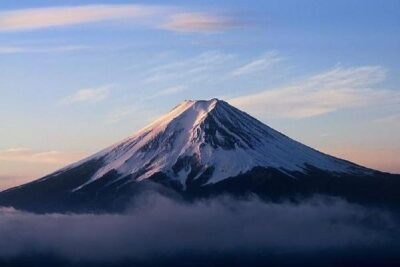
Mt Fuji & Hakone Cruise, Drum Show Bullet Train 1 Day from Tokyo
Read our review →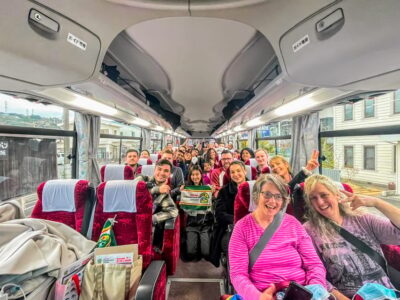
Tokyo Mt Fuji 5th St & Hakone Cruise Bus Tour w/Bullet Train
Read our review →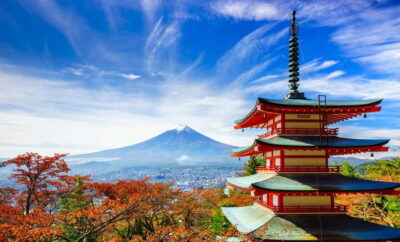
Mt. Fuji Tour, Hakone Ropeway, Owakudani, Lake Ashi
Read our review →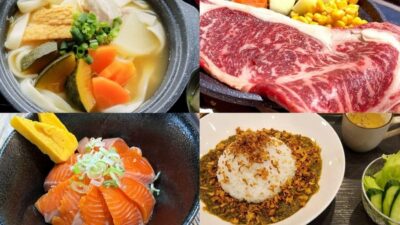
Mt.Fuji,Kawaguchiko Oishi Park,Arakurayama Sengen Park
Read our review →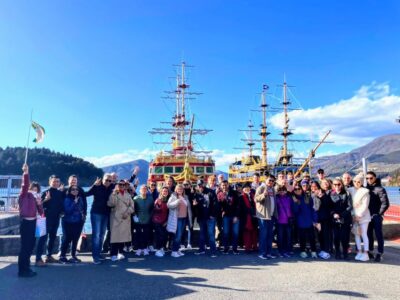
Mt. Fuji 5th Station & Hakone Cruise 1-Day Bus Tour
Read our review →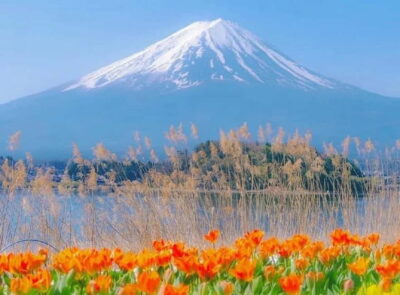
Mt Fuji Top 5 Spots Day Tour: Arakurayama Park,Oshino Hakkai
Read our review →Browse the lists this tour appears in