
Reviewed · MOUNT FUJI TOURS
Mt. Fuji and Hakone Private Tour with English Speaking Guide
Mount Fuji rewards patience. This private day trip from Tokyo combines famous Fuji viewpoints, Lake Kawaguchiko, Hakone Shrine, Lake Ashi, the ropeway, and Owakudani in one long outing. I like the freedom to travel in a private, air-conditioned vehicle, and I like having highway tolls, fuel, parking, and transport included in the $579 group price.
The two biggest benefits are flexibility and the chance to avoid Tokyo’s crowded trains and buses. But the route covers a lot of ground, and heavy traffic can eat up much of the 10-hour day. Some guides have provided warm, helpful commentary, while others have functioned mainly as drivers, so your experience may depend heavily on the person assigned to your group.
In This Review
- Key points to know before booking
- Why this private day trip appeals
- A long road from Tokyo to Fuji country
- Arakurayama Sengen Park and the famous pagoda view
- Lake Kawaguchiko and Kachi Kachi Mountain
- Oishi Park and its changing flowers
- Hakone Shrine and the torii in Lake Ashi
- Lake Ashi’s pirate-style sightseeing cruise
- Hakone Ropeway over Owakudani
- Owakudani’s smoke, sulfur, and black eggs
- The guide question: driver, interpreter, or true guide?
- What the price includes, and what it does not
- Who should book this tour?
- Should you book the Fuji and Hakone private tour?
- FAQ
- How long does the private Mt. Fuji and Hakone tour last?
- How many people can join the private tour?
- Is pickup from Tokyo offered?
- Are the Lake Ashi cruise and Hakone Ropeway included in the price?
- Is food included?
- Does the tour require physical fitness?
- What happens if bad weather prevents the tour?
Key points to know before booking
- Fuji views depend on weather: Clouds and rain can hide the mountain from every viewpoint, even on a well-planned day.
- Private transport saves effort: Your group of up to three rides round-trip from Tokyo in an air-conditioned vehicle.
- The route is ambitious: Kawaguchiko and Hakone are both included, but traffic may force changes or shorten stops.
- Your guide can shape the day: You may choose activities, ask for photo stops, or follow the driver’s suggested route.
- Major rides cost extra: Lake Ashi’s sightseeing cruise and the Hakone Ropeway are not included in the tour price.
- Guide quality matters: Some guides, including Sakib, Hadi, Malik, Nabeel, Rafat, and Sheikh, have been praised for courtesy and help with photographs. Other experiences describe limited English and little guiding.
Why this private day trip appeals
The basic idea is strong. Mt. Fuji and Hakone are close enough to combine on a map, but they are spread across a wide area. Public transport is possible, yet it means matching train and bus schedules, changing routes, and carrying yourself between scattered sights.
Here, you are picked up in Tokyo and driven throughout the day. You do not need to figure out which station serves Lake Kawaguchiko, how to reach Owakudani, or where to board the Lake Ashi cruise. For a small group, that convenience has real value.
The cost is $579 per group of up to three people. Split three ways, that is $193 per person. For two people, it is $289.50 each. That is far more than a basic public transport day, but you are paying for a private vehicle, fuel, parking, tolls, and direct transport from Tokyo.
I would view the price as reasonable only if convenience is important to you, especially if you are traveling with luggage, have limited time, or want to avoid navigating several connections. It is harder to justify if you mainly want one Fuji viewpoint and a simple, low-cost excursion.
More ways to see Mount Fuji:
- Mt Fuji and Hakone 1-Day Bus Tour Return by Bullet Train
★ 5.0 · 26,383 reviews - Mt Fuji & Hakone Cruise, Drum Show Bullet Train 1 Day from Tokyo
★ 4.0 · 7,413 reviews - Tokyo Mt Fuji 5th St & Hakone Cruise Bus Tour w/Bullet Train
★ 4.4 · 5,024 reviews
A long road from Tokyo to Fuji country
The day lasts about 10 hours, but that does not mean 10 hours of sightseeing. The drive can be slow, especially on weekends and during popular viewing periods. One especially difficult experience involved reaching the Fuji area around 1:30 p.m. after severe traffic, leaving only short visits before the return drive.
That is the central practical issue. The vehicle is comfortable, but it cannot escape congestion. An early departure may help, though one scheduled 8 a.m. start was changed by the operator, and another group agreed to leave earlier than planned at the driver’s request.
You should confirm the pickup time and the planned route before the day begins. Ask how much time is realistically available for Fuji, Kawaguchiko, and Hakone. If you have dinner reservations in Tokyo, leave plenty of room for delay.
The route may also change according to traffic, weather, road conditions, and your preferences. Flexibility is useful, but it can also mean that a stop advertised in the plan is shortened or skipped.
Arakurayama Sengen Park and the famous pagoda view
Arakurayama Sengen Park is one of the best-known photo locations in the Fuji area. The view combines Mt. Fuji with the crimson pagoda and, in spring, cherry blossoms.
The scheduled visit lasts about 45 minutes, and admission is free. That is enough for photographs and a quick look, but the park includes a long staircase of roughly 400 steps according to one account of the visit. I would not treat this as a flat roadside photo stop.
The climb is part of the appeal, but it requires moderate physical fitness. If your group includes older people or anyone with mobility limits, discuss the stop with the driver before committing to the full climb.
When Fuji is clear, this is an excellent place for the classic Japan photograph. When clouds cover the mountain, the pagoda and surrounding town still offer a worthwhile view, but the main reason for coming is diminished.
Lake Kawaguchiko and Kachi Kachi Mountain
Lake Kawaguchiko is the second-largest of the Fuji Five Lakes. Its broad water views give you a different angle on the mountain, and the area offers a sightseeing boat and the Panoramic Ropeway to an observation point on Kachi Kachi Mountain.
About two hours are allowed here, though that time may need to cover several activities. The boat provides a relaxed look at the lake, while the ropeway gives a higher viewpoint. Neither the boat nor the ropeway ticket is included, so you should budget for those separately.
This is one place where your preferences matter. If you want photographs, you may prefer the ropeway and lakeshore views. If you want a calmer break from the car, the boat may be more appealing. Doing both can make the stop feel rushed, especially if queues are long.
Ask your guide what can fit comfortably. A private tour should give you room to choose, but a 10-hour schedule covering two major regions has limits.
A few more Tokyo experiences worth weighing up
- 1-Day Tokyo Bus Tour
★ 5.0 · 14,250 reviews - Tokyo: TOKYO SKYTREE® Admission ticket
★ 4.5 · 11,192 reviews - Tokyo: teamLab Planets TOKYO Digital Art Museum Entry Ticket
★ 4.6 · 9,779 reviews - Tokyo: Sumo Show Experience with Chicken Hot Pot and a Photo
★ 4.8 · 6,678 reviews
Oishi Park and its changing flowers
Oishi Park sits on the north shore of Lake Kawaguchiko. Its 350-meter walking path follows the lake and offers open views toward Mt. Fuji.
The park changes with the season. Moss phlox flowers color the area pink from early April to late May. Lavender is at its best from late June into late July, and kokia shrubs turn red from mid to late October.
Admission is free, and the planned stop lasts about 30 minutes. That is enough for a walk and photographs, but not enough for a slow visit to every feature. The Kawaguchiko Natural Living Center is also here, with fruit jam making, cherry and blueberry picking, and a café serving blueberry ice cream.
Do not expect every seasonal feature on every visit. Oishi Park is most rewarding when the flowers match your travel dates and Fuji is visible across the lake. Even without peak blooms, it gives you a pleasant open-air stop after time on the road.
Hakone Shrine and the torii in Lake Ashi
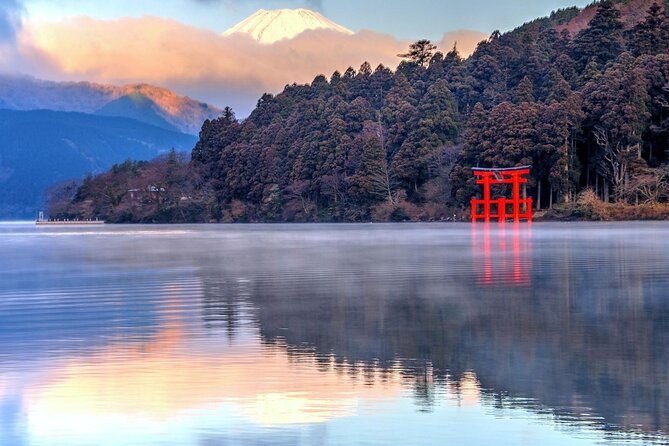
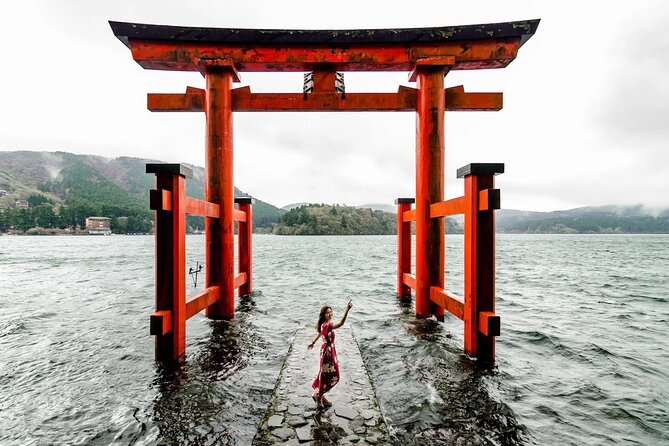
Hakone Shrine dates to 757 and sits near Lake Ashi. Its red torii gate, known as the Heiwa no Torii or Gate of Peace, rises from the lake and is one of Hakone’s most recognizable views.
The shrine stop lasts about 30 minutes and is free. That is a short visit, so you may have time only for the main approach, the lakeside gate, and a quick look at the shrine grounds.
The setting is more than a photo opportunity. Shrine visits are an easy way to encounter Japanese religious customs, and one guide was praised for explaining traditions and proper shrine practices. If your assigned driver offers cultural context, this stop can feel much more meaningful than a quick picture beside the water.
The lakeside torii is popular, and access to the best photo position may involve waiting. Keep your expectations realistic during a busy day.
Lake Ashi’s pirate-style sightseeing cruise
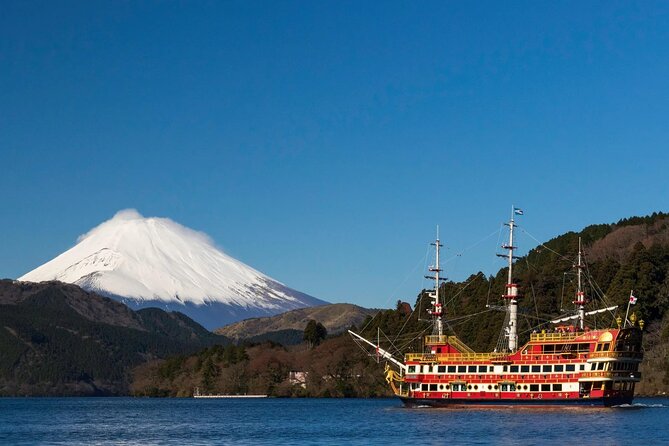
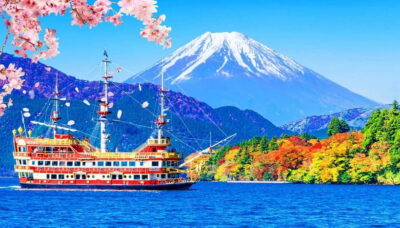
The Lake Ashi cruise usually takes about 25 to 40 minutes, depending on the route between Togendai-ko, Hakone-machi-ko, and Moto-Hakone-ko. The boats are designed like pirate ships, with three different styles in service.
The cruise is included in the route but not in the tour price. You should confirm the current fare and boarding point with your guide. The boat offers a welcome change from driving and gives you views of the lake, surrounding mountains, Hakone Shrine’s torii, and, on a clear day, Mt. Fuji.
Children may enjoy the ship’s pirate decorations and three-dimensional art. Adults will likely care more about the views and the chance to sit down for a while.
The main weakness is timing. A cruise requires getting to the right pier and fitting into the boat schedule. If traffic has already shortened the day, your guide may need to adjust the plan. Ask early whether the cruise is a priority for you.
Hakone Ropeway over Owakudani
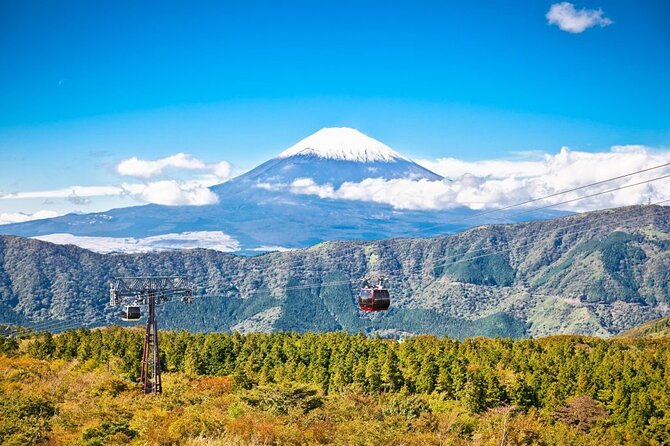
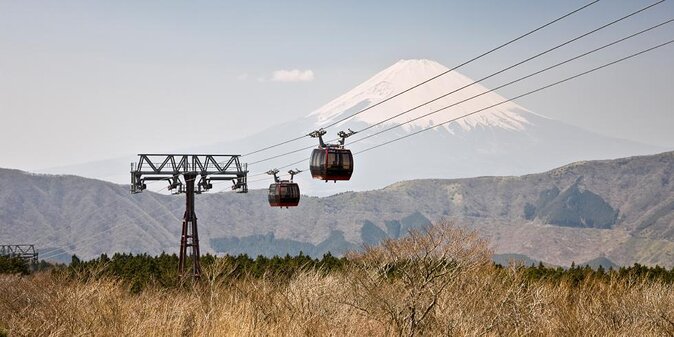
The Hakone Ropeway is one of the day’s most memorable rides. From Sounzan toward Owakudani, you can look down into the volcanic valley. From Owakudani toward Togendai, the views include Lake Ashi and, when the weather cooperates, Mt. Fuji.
The planned ropeway visit takes about an hour, and the fare is not included. This is not simply transport between two points. The ride itself provides the broadest aerial view of the Hakone area.
The ropeway can be affected by volcanic conditions and weather, so conditions may determine how much of the route operates. The supplied information does not give a fixed fare or guarantee full operation, so check with the guide on the day.
If you dislike heights, this may be the least comfortable part of the outing. For most people, though, it is a good use of time because you get moving views without a long hike.
Owakudani’s smoke, sulfur, and black eggs
Owakudani is a volcanic valley formed after an eruption nearly 3,000 years ago. Bare ground and white plumes of smoke give the area a stark appearance, and the smell of sulfur makes it clear that this is an active geothermal zone.
The local specialty is the black egg. Its shell turns dark through a chemical reaction involving geothermal heat and volcanic gas. The eggs are a simple but memorable snack, though food and drinks are not included.
You should expect an unusual setting rather than a peaceful mountain walk. The sulfur smell may bother you, and conditions can change. Still, Owakudani gives the Hakone portion a strong sense of place. It is not just another viewpoint. You are seeing the volcanic forces that shaped the region.
The stop is scheduled for about an hour. That allows time for the main observation areas and the black eggs, but the day can feel rushed if the road from Tokyo has been slow.
The guide question: driver, interpreter, or true guide?
This is the most important uncertainty. The experience promises an English-speaking driver, but the actual level of guiding has varied.
Sakib was praised for offering choices and taking his group to beautiful locations. Hadi was described as friendly, professional, and good with suggestions. Malik made extra efforts to find Fuji views when clouds spoiled the planned stops. Nabeel was praised for stopping repeatedly for photographs, and Rafat was described as polite, punctual, and able to speak Japanese fluently while helping with photo stops. Nabeel and Sheikh were also praised for their kindness and useful information.
At the same time, some groups found their driver more like a transport service than a guide. One experience involved a driver whose English made conversation difficult. Another group felt the driver did not provide enough information about Mt. Fuji and the surrounding area.
I would confirm two points before departure: Is the assigned person an English-speaking guide as well as a driver, and can the driver explain the cultural and historical background at each stop? The answer may shape your expectations more than the vehicle itself.
What the price includes, and what it does not
The $579 group price includes:
- Private round-trip transport
- An air-conditioned vehicle
- Fuel
- Highway tolls
- Parking fees
- An English-speaking driver
You still pay for entrance tickets, the Lake Ashi cruise, the Hakone Ropeway, food, and drinks. The free stops, including Arakurayama Sengen Park, Oishi Park, and Hakone Shrine, help keep extra costs manageable.
Bring water and food for the road. The tour does not include meals or beverages, and one difficult day included little time to stop for food because of traffic and queues. A takeaway meal may end up being eaten in the car if the schedule slips.
For three people, the private format makes better financial sense. For one person, the cost is difficult to defend unless private transport is essential.
Who should book this tour?
I would recommend it to a small group that values comfort, privacy, and flexibility more than the lowest price. It can work especially well for a family of three, a couple with luggage, or people who want to combine Fuji and Hakone without managing several public transport connections.
It also suits photographers. Guides have stopped repeatedly for extra Fuji pictures, and the route offers many angles: the pagoda, Lake Kawaguchiko, Oishi Park, Lake Ashi, the ropeway, and Hakone’s volcanic valley.
I would be cautious if you have only one free day and must see every listed stop. I would also be cautious if Mt. Fuji is your single purpose. Cloud cover can block the mountain, and traffic can leave you with far less time than expected.
The tour requires moderate physical fitness. The steps at Arakurayama, walking around shrine and park areas, and moving through ropeway and cruise facilities may be tiring for some people.
Cancellation is free up to 24 hours before the start time. If poor weather causes the operator to cancel, you are offered another date or a full refund. That weather provision is useful, but it does not solve the traffic problem.
Should you book the Fuji and Hakone private tour?
Book it if you want a private vehicle, are traveling in a group of up to three, and accept that the schedule may change. The strongest days combine clear weather with a helpful guide who knows when to pause for photographs and when to cut a stop short.
Do not book it expecting a perfectly controlled sightseeing day. The route is too ambitious for that, especially on weekends. Before paying, ask for the likely departure time, confirm that the assigned person speaks English well, and decide which two or three stops matter most to you.
I see this as a convenient but weather-sensitive day trip, not a guaranteed Fuji-viewing machine. With the right expectations, it can deliver a memorable mix of mountain views, shrine culture, lake scenery, and volcanic sights.
FAQ
How long does the private Mt. Fuji and Hakone tour last?
The experience lasts approximately 10 hours.
How many people can join the private tour?
The price covers one private group of up to three people.
Is pickup from Tokyo offered?
Yes. Pickup is offered, with private round-trip transport from Tokyo.
Are the Lake Ashi cruise and Hakone Ropeway included in the price?
No. Entrance passes and activity fees are not included. The Lake Ashi cruise and Hakone Ropeway require separate payment.
Is food included?
No. Food and beverages are not included.
Does the tour require physical fitness?
Yes. A moderate level of physical fitness is recommended. The route includes walking and the staircase at Arakurayama Sengen Park.
What happens if bad weather prevents the tour?
If the experience is canceled due to poor weather, you will be offered a different date or a full refund. You can also cancel up to 24 hours before the start time for a full refund.
Just added around Tokyo
- Tokyo 6hr Instagram Highlights Private Tour with Licensed Guide★ 5.0 · 38 reviews
- Tokyo Small Group Tour with Guide★ 4.5 · 38 reviews
- Tokyo Sumo Experience with Live Show & Audience Challenge★ 5.0 · 38 reviews
- Japanese Food Cooking Class in Asakusa, Tokyo★ 5.0 · 39 reviews
- Very popular in Harajuku♡Animal petting zoo★ 4.6 · 39 reviews
- Ramen Making from Scratch with Tokyo Mom(Vegan Option Available)★ 5.0 · 39 reviews
- Tokyo JDM Night: 600hp C63s AMG Edition 1 (Private)★ 4.9 · 39 reviews
- Tokyo: Kimono Rental inside Shinjuku Gyoen National Garden★ 4.9 · 39 reviews
Mount Fuji Tours, compared.
Mt Fuji and Hakone 1-Day Bus Tour Return by Bullet Train
Read our review →
Mt Fuji & Hakone Cruise, Drum Show Bullet Train 1 Day from Tokyo
Read our review →
Tokyo Mt Fuji 5th St & Hakone Cruise Bus Tour w/Bullet Train
Read our review →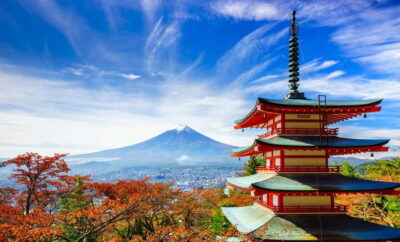
Mt. Fuji Tour, Hakone Ropeway, Owakudani, Lake Ashi
Read our review →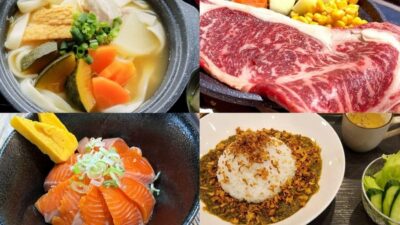
Mt.Fuji,Kawaguchiko Oishi Park,Arakurayama Sengen Park
Read our review →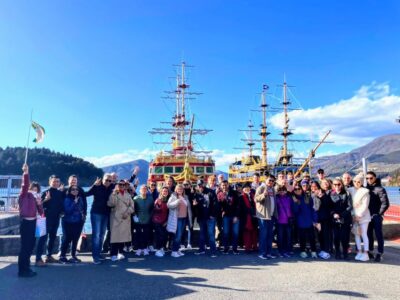
Mt. Fuji 5th Station & Hakone Cruise 1-Day Bus Tour
Read our review →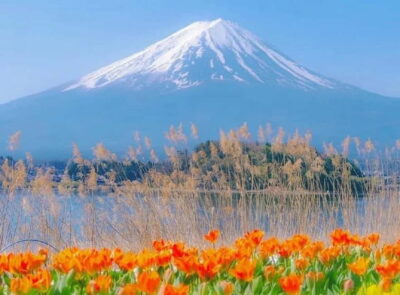
Mt Fuji Top 5 Spots Day Tour: Arakurayama Park,Oshino Hakkai
Read our review →Browse the lists this tour appears in