
Reviewed · SNOW MONKEY TOURS
Private Tour to Monkey Park and Arashiyama Highlights
Monkeys, bamboo, temples, and river views await. This private Arashiyama outing packs Kyoto’s best-known sights into a friendly guided walk, with the added pleasure of feeding Japanese macaques from a safe rest area. I especially like the personal guide service and the chance to combine nature, Zen gardens, and city views in one visit. The main caution is the uphill walk to Monkey Park, plus some uncertainty about how the advertised boat ride fits into the three-hour schedule.
Guide Masahiko, often called Masa, receives especially warm praise for his humor, steady pace, local knowledge, and willingness to take photos at good viewpoints. Still, you should check the exact schedule before paying, since the detailed plan describes Monkey Park, Tenryuji Temple, the Bamboo Grove, and Togetsukyo Bridge, but does not clearly explain when the Oi River boat trip takes place.
In This Review
- Key things to know before booking
- Starting at Hankyu-Arashiyama Station
- The uphill walk to Iwatayama Monkey Park
- Feeding the monkeys safely
- Tenryuji Temple and its Zen garden
- Walking through Arashiyama’s Bamboo Grove
- Togetsukyo Bridge and the Oi River
- A three-hour tour with a timing puzzle
- Who will enjoy this private outing
- What to bring and how to prepare
- Should you book the Monkey Park and Arashiyama tour?
- FAQ
- Where does the tour meet?
- Is the meeting point at Randen or JR Arashiyama Station?
- How long does the tour last?
- Is the tour private?
- What language does the guide speak?
- How difficult is the walk to Monkey Park?
- Can I feed the monkeys?
- Are entrance fees included?
- Is transportation included?
- Is the boat trip on the Oi River included?
Key things to know before booking
- The monkey climb takes about 20 minutes uphill: You need comfortable shoes and a reasonable level of fitness.
- Feeding happens from inside a rest area: You do not hand-feed monkeys in the open, and food cannot be brought into the rest area.
- Masa adds personal touches: He uses quizzes, explains local customs, controls the walking pace, and can take photos for you.
- Tenryuji’s garden is a major highlight: The Zen temple offers a quiet change of mood after the lively monkey encounter.
- The tour meets at Hankyu-Arashiyama Station: It does not meet at Randen or JR Arashiyama Station.
- The schedule needs clarification: The listed duration is three hours, while the detailed description allocates one hour to Monkey Park and three hours to Arashiyama sights.
Starting at Hankyu-Arashiyama Station
Your meeting point is the plaza just outside the ticket gates at Hankyu-Arashiyama Station. Look for the guide holding a sign with your name. This detail matters because Arashiyama has several railway stations, and Hankyu, Randen, and JR are not the same place.
You are specifically told to use Hankyu-Arashiyama, not the Randen or JR station. Arrive with enough time to find the correct exit and station area without rushing. Transportation to the attractions is not included, so the tour is built around walking from the meeting point.
A private group is a good fit here. Arashiyama’s main sights can feel confusing, especially when several temple lanes, river paths, and station areas meet. A guide can keep the route moving and help you avoid spending your short visit staring at a map.
The experience is offered in English. The strongest praise goes to Masahiko, whose approach sounds relaxed rather than formal. He has used monkey quizzes to make the climb more fun, shared advice about food and Kyoto, and adjusted the pace so people did not exhaust themselves before reaching the top.
More Arashiyama and bamboo grove walks:
- Kyoto: Fushimi Inari, Kinkakuji, Bamboo Grove 1 Day Bus Tour
★ 4.8 · 4,316 reviews - Osaka/Kyoto:Kinkakuji,Arashiyama,FushimiInariShrine,NaraPark
★ 4.1 · 1,596 reviews - Kyoto/Osaka: Nara, Fushimi Inari Taisha, Arashiyama Bus Tour
★ 4.7 · 1,275 reviews
The uphill walk to Iwatayama Monkey Park
The first major stop is Arashiyama Monkey Park Iwatayama. Reaching the park requires roughly a 20-minute uphill walk, so this is not a flat sightseeing stroll. The climb is an important part of the outing, and you should treat it as light exercise rather than a simple walk between attractions.
Wear walking shoes with good support. High heels are not allowed, and the park is not suitable for people with low fitness, mobility impairments, wheelchair users, or people who are afraid of heights. The information also lists the experience as unsuitable for pregnant women, people over 75, and people weighing more than 130 kilograms.
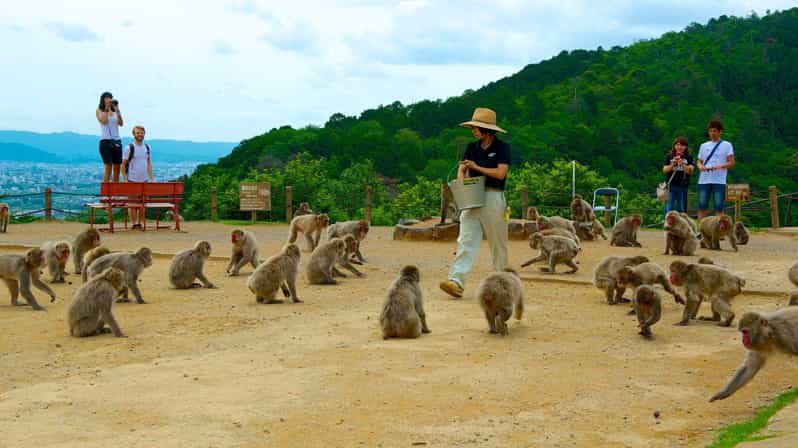
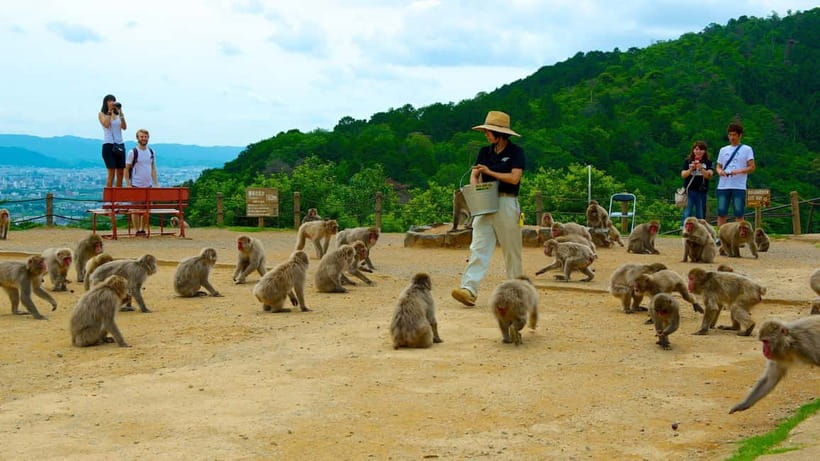
The route gives you time to watch for macaques along the way. Once you reach the park, Japanese macaques move freely through the area. You might see them walking close by, climbing through trees, or passing through the hut near the feeding area.
That closeness is exciting, but it also calls for care. These are wild animals in a managed park setting, not tame pets. Feeding is allowed only from inside the rest area, which gives you a barrier between your hands and the monkeys. Do not bring your own food into the rest area.
The feeding fee is included in the tour, though one person described using 100-yen coins for food bags. It is sensible to carry a few 100-yen coins anyway, since the food may be distributed in small bags and the exact procedure can vary.
Feeding the monkeys safely
Feeding the macaques is the most unusual part of the day. You place the food through the safe area while the monkeys approach from the other side. This gives you a close look without asking you to walk among animals while holding snacks.
Masa explains the monkeys’ behavior and social structure as you go. That context helps you read what you are seeing. Instead of simply pointing at an animal and saying it is funny, he can explain how macaques interact and why the feeding area is arranged as it is.
You should follow the park rules closely. Do not touch the monkeys, do not tease them, and do not attempt to feed them outside the approved area. The supplied guidance also says not to touch plants, and it bans fire, fireworks, strollers, baby carriages, and electric wheelchairs.
The reward is not only the animals. From the top, you get wide views over Kyoto and the surrounding mountains. Several people found the climb worthwhile for this reason alone. The city view gives you a helpful sense of Kyoto’s setting, while the free-roaming macaques make the stop feel different from a standard temple visit.
Bring water and a snack for yourself, but keep your food separate from the monkey feeding area. Rain gear is also recommended. Weather can change the comfort of the climb, and a damp uphill path is less pleasant in unsuitable shoes.
Tenryuji Temple and its Zen garden
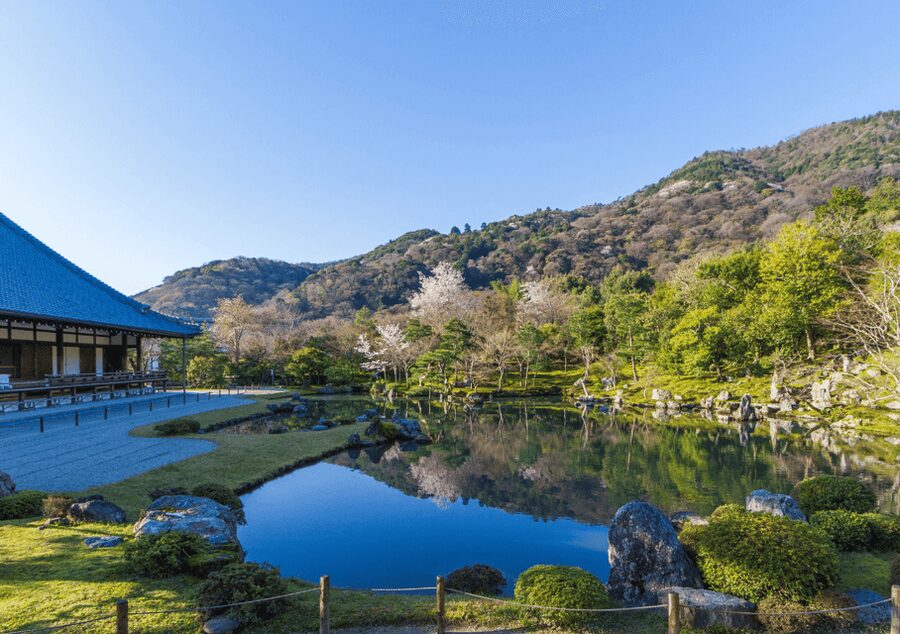
After Monkey Park, the tour turns toward Tenryuji Temple, one of Kyoto’s important Zen temples and a UNESCO World Heritage Site. The mood changes quickly. The monkeys are active and unpredictable; Tenryuji offers gardens, architecture, and quiet spaces arranged for slower attention.
The gardens are the main reason to make time for Tenryuji. They blend temple structures with the surrounding setting and create a calm place to pause. The Zen garden was singled out as spectacular, and several people praised the peace of the temple grounds.
Masa explains the temple’s past, architecture, and connection with Zen thought. He also places the site within everyday life in Kyoto and Japan, which can make the visit easier to understand than a quick look at a building and a few translated signs.
Admission to Tenryuji is included. That improves the value of the tour, since you do not need to decide at the gate whether to pay extra for one of Kyoto’s best-known temple visits.
Allow yourself to slow down here. The value of a guide is not just getting you from one entrance to another. A good explanation can help you notice the relationship between the garden, the buildings, and the wider setting. Masa’s strength appears to be his ability to explain without making the stop feel like a lecture.
More snow monkey trips:
- Kyoto: Afternoon Bamboo Forest and Monkey Park Bike Tour
★ 4.9 · 83 reviews - 1-Day Snow Monkeys, Zenko-ji Temple & Sake in Nagano
★ 5.0 · 1,020 reviews - Nagano: Snow Monkeys, Zenkoji Temple & Sake Day Trip
★ 4.9 · 833 reviews - From Tokyo: Snow Monkey 1 Day Tour with Beef Sukiyaki Lunch
★ 4.6 · 295 reviews
Walking through Arashiyama’s Bamboo Grove
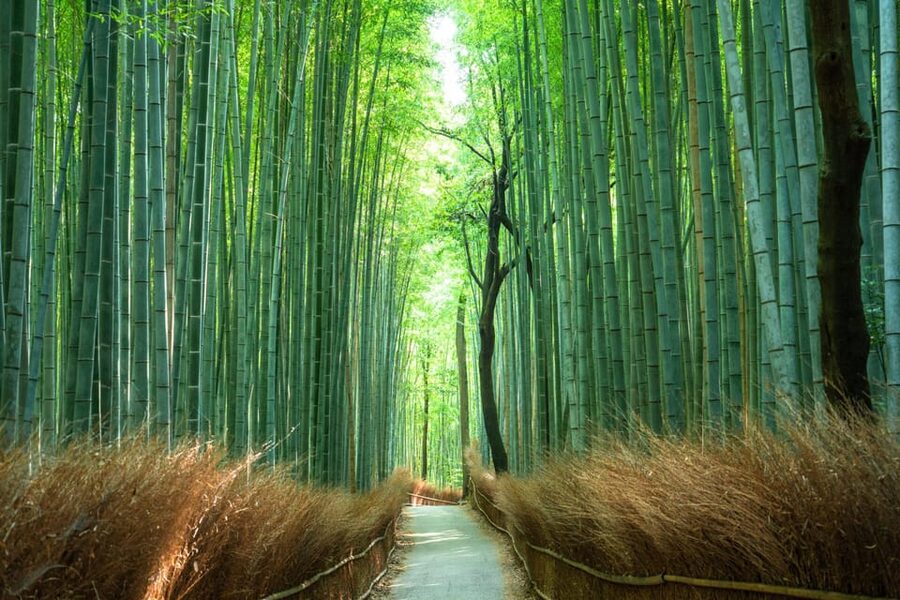
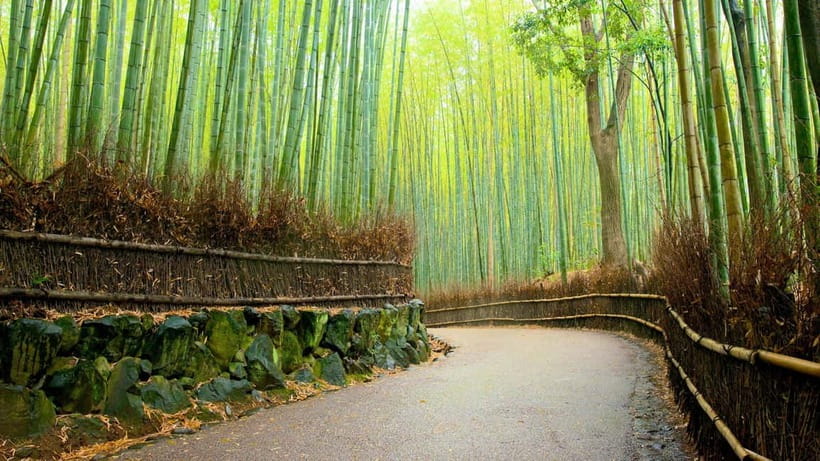
The Bamboo Grove is one of Kyoto’s most recognizable walks. Tall bamboo rises on both sides of the path, and the light filters through the leaves above. The sound of the stalks moving in the breeze is often as memorable as the sight itself.
The path is free and open from 9:00 to 17:00. That opening information is useful when planning the rest of your Kyoto day. If your tour starts late or runs behind, you should confirm that you will still reach the grove during those hours.
The grove is best approached as a short scenic walk, not as a long wilderness hike. You can take photos, listen to the bamboo, and let the guide point out details that are easy to miss. Masa is also willing to take photos for the people in his group, a small service that can matter when you want a picture of everyone together.
This is one of the places where a private tour helps. You can ask questions, stop for a photo, or set a pace that suits your group. The tradeoff is time. Monkey Park, Tenryuji, the bamboo path, and Togetsukyo Bridge are a lot to fit into three hours, especially when the monkey climb alone takes about 20 minutes each way.
The Bamboo Grove may also feel less quiet than its photographs suggest, particularly during busy periods. The supplied information does not promise an empty path, so book this tour for the chance to see the grove with context and guidance, not for guaranteed solitude.
Togetsukyo Bridge and the Oi River
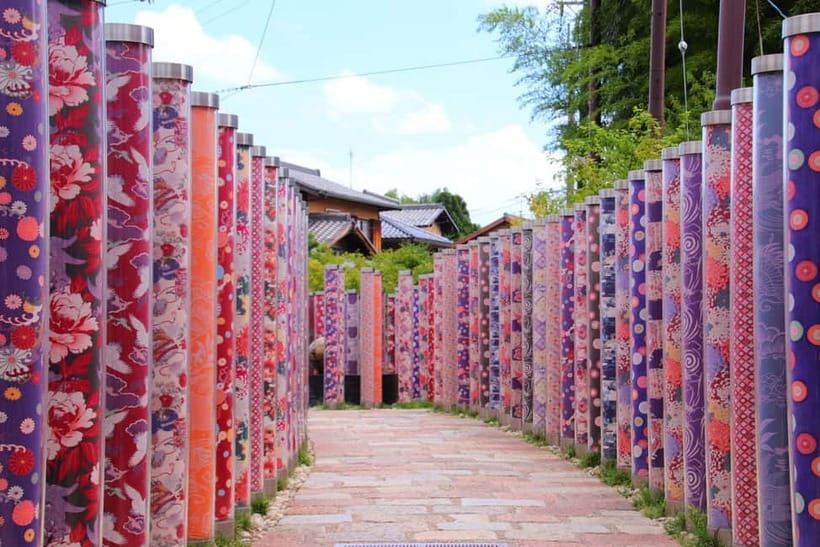
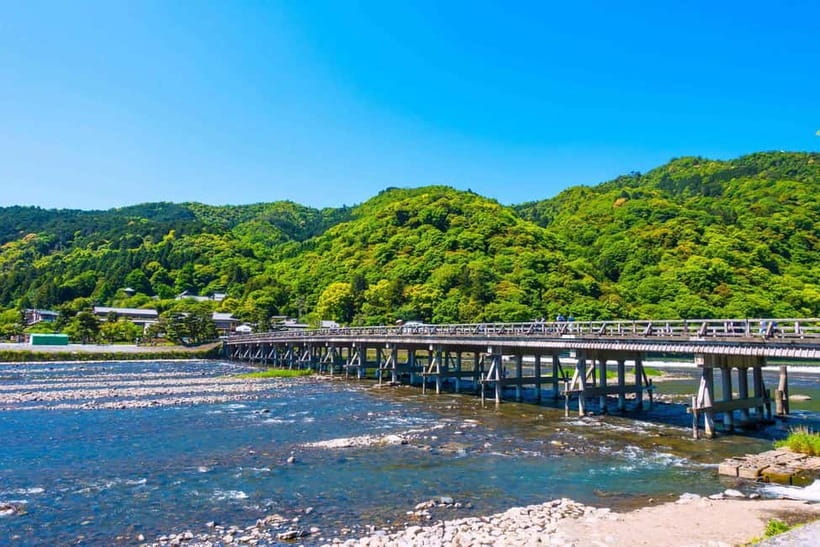
Togetsukyo Bridge is Arashiyama’s best-known river landmark. It crosses the Oi River, described in the tour information as leisurely flowing, with mountains and seasonal plants around it. The setting changes with the time of year, including cherry blossoms in spring and colorful leaves in autumn.
The bridge is a good final stop because it opens the view after the enclosed bamboo path and the shaded temple garden. You can take photos, look along the river, or sit for a short rest. The bridge also gives you a clear sense of why Arashiyama became such a popular scenic part of Kyoto.
The advertised highlights include a leisurely boat trip on the Oi River. However, the detailed schedule only explains the Monkey Park, Tenryuji Temple, Bamboo Grove, and Togetsukyo Bridge. It does not state whether a boat ride is included, how long it lasts, or how it fits into the three-hour duration.
That is the largest planning question in the experience. If the boat ride is important to you, ask the provider to confirm the exact arrangement before booking. Do not assume that a river view at Togetsukyo Bridge includes a boat excursion.
A three-hour tour with a timing puzzle
The price is listed at $38 per person, which is appealing for a private English-guided outing that includes admissions to Monkey Park, Tenryuji Temple, and the Bamboo Grove, along with the monkey feeding fee. If you value explanations and help with photos, the price is stronger than it first appears.
You are not paying only for entrance tickets. You are also paying for a guide who can lead the uphill walk, explain macaque behavior, interpret the temple, suggest places to eat, and adjust the pace. One outing included a stop at a local food market, coffee, and fresh orange juice, though those extras should not be treated as guaranteed parts of every booking.
The main value limit is the schedule. The description calls the experience three hours, but the sections say one hour at Monkey Park and three hours for the Arashiyama highlights. Those figures add up to four hours before allowing for walking, photos, or a boat trip.
That may simply reflect a mistake in the description, or the three-hour figure may refer to one part of the experience. Ask for clarification about the start time, end time, and boat ride. This is especially important if you have a train reservation, a restaurant booking, or another Kyoto activity afterward.
Who will enjoy this private outing
I would recommend this tour most strongly to first-time Kyoto visitors who want Arashiyama explained rather than simply photographed. It also suits families with older children who are excited about monkeys and couples who want a private pace.
The guide’s style appears especially helpful for people who do not want to manage the route alone. Masahiko has been praised for his English, kindness, humor, local advice, and careful pacing. He can also take photos at the best spots, which removes the awkward phone-on-a-timer routine.
Animal lovers should understand that the monkeys roam free and may come close, but the feeding is controlled. If you have animal allergies, fear heights, or dislike being near free-roaming animals, choose another Kyoto activity.
This is not a good choice for anyone who needs step-free access or finds uphill walking difficult. Strollers, baby carriages, and electric wheelchairs are not allowed. The listed restrictions also include lactose intolerance, though the supplied information does not explain the reason for that restriction.
What to bring and how to prepare
Wear comfortable walking shoes and bring water. Add rain gear, especially if the forecast is uncertain. A small snack is useful after the climb, but keep it away from the monkey rest area.
Carry a few 100-yen coins for the monkey food bags. The feeding fee is included, but the practical payment method may still involve coins.
Plan for outdoor walking, uneven effort, and changing scenery. You will move from an uphill forest route to a temple garden, then through bamboo and along the river. The day is not technically difficult for a fit person, but it can feel tiring if you have already spent the morning walking around Kyoto.
Free cancellation is available up to 24 hours before the tour for a full refund, and you can reserve now and pay later. Those terms are useful when weather or a packed Kyoto schedule is still uncertain.
Should you book the Monkey Park and Arashiyama tour?
Book it if you want a private guide, enjoy animals, and can handle the 20-minute uphill walk to Monkey Park. The combination of macaques, Kyoto views, Tenryuji’s garden, the Bamboo Grove, and Togetsukyo Bridge gives you a broad introduction to Arashiyama without having to plan every turn yourself.
The strongest reason to choose it is Masahiko’s personal approach. His quizzes, steady pace, history explanations, local suggestions, and willingness to take photos add real value to a short visit.
Skip it if you need accessible transport, want a completely flat outing, or mainly want a confirmed boat cruise. Before booking, ask the provider to reconcile the three-hour duration with the longer itinerary and to confirm whether the Oi River boat trip is included. With that point settled, this is a well-priced way to see several major Arashiyama sights in one private experience.
FAQ
Where does the tour meet?
The meeting point is Hankyu-Arashiyama Station, in the plaza just outside the station ticket gates. The guide will hold a sign with your name.
Is the meeting point at Randen or JR Arashiyama Station?
No. The meeting point is Hankyu-Arashiyama Station, not Randen or JR Arashiyama Station.
How long does the tour last?
The activity is listed as three hours. The detailed schedule describes one hour at Monkey Park and three hours for the Arashiyama highlights, so you should confirm the exact timing before booking.
Is the tour private?
Yes. It is offered as a private group experience.
What language does the guide speak?
The live tour guide service is offered in English.
How difficult is the walk to Monkey Park?
You should expect about a 20-minute uphill walk to reach the monkey park. Comfortable walking shoes and a reasonable level of fitness are recommended.
Can I feed the monkeys?
Yes. Monkey feeding is included, but it is allowed only from inside the rest area and under supervision. You must not bring food into the rest area.
Are entrance fees included?
Admission to Arashiyama Bamboo Forest, Iwatayama Monkey Park, and Tenryuji Temple is included. The monkey feeding fee is also included.
Is transportation included?
No. Transportation to and from the attractions is not included.
Is the boat trip on the Oi River included?
The experience highlights a leisurely boat trip on the Oi River, but the detailed schedule does not explain its timing or inclusion. Confirm this with the provider before booking if the boat ride matters to you.
Just added around Kyoto
- Tea Ceremony in 150 Years Old Townhouse with Tables and Chairs★ 5.0 · 22 reviews
- Kyoto to Arashiyama Day Trip – Private & Personalized★ 4.3 · 22 reviews
- Kyoto Ramen Tour★ 5.0 · 22 reviews
- Kyoto: Arashiyama Walking Tour with Local Guide★ 4.9 · 22 reviews
- Kyoto Japanese Tea Ceremony Experience in Ankoan★ 5.0 · 22 reviews
- Private & Custom KYOTO Walking Tour – your Travel Companion★ 4.0 · 23 reviews
- Kyoto Railway Museum Admission Ticket★ 4.3 · 23 reviews
- Kyoto Matcha Green Tea Tour★ 4.5 · 23 reviews
Snow Monkey Tours, compared.
1-Day Snow Monkeys, Zenko-ji Temple & Sake in Nagano
Read our review →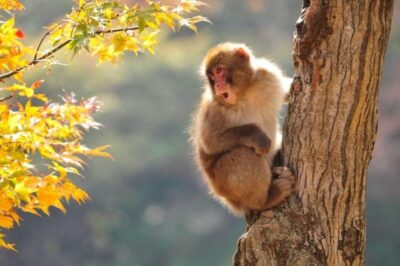
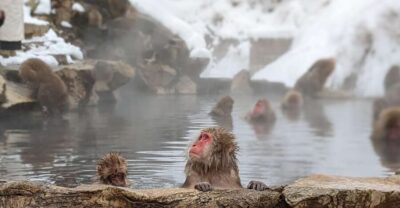
Snow Monkey 1 Day Tour with Beef Sukiyaki Lunch
Read our review →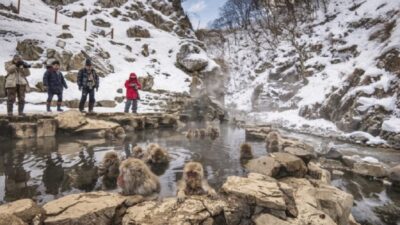
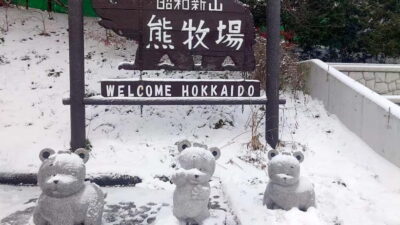
Hokkaido Seasonal: Lake Toya & Noboribetsu Jigokudani Valley
Read our review →
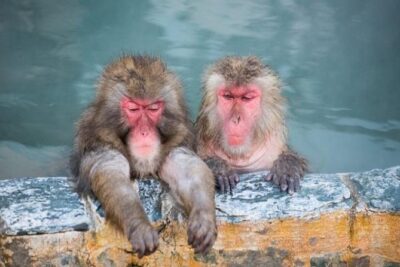
Nagano Snow Monkey 1 Day Tour with Beef Sukiyaki Lunch from Tokyo
Read our review →
1-Day Snow Monkeys & Snow Fun in Shiga Kogen Tour
Read our review →Browse the lists this tour appears in