
Reviewed · ARASHIYAMA & BAMBOO GROVE TOURS
Kyoto: Arashiyama Walking Tour with Local Guide
Arashiyama rewards slow steps. This two-hour Kyoto tour pairs the famous bamboo forest with Hogon-in Temple’s Zen garden, while certified local guides explain the customs and stories behind what you see. I like the use of public transport and the personal guidance from hosts such as Yuko, Yoriko, and Charlie. The main drawback is that train fare is extra, and the tour runs only on weekdays from October 6 to 31, 2025.
I also like the sensible starting point at Kyoto Station, especially if you are carrying luggage and want an easy place to meet. The tour is a good fit if you want more than bamboo photos, though its short duration means you will not cover every corner of Arashiyama.
In This Review
- Key points to know before booking
- Why Arashiyama works better with a guide
- Starting at Kyoto Station with a useful luggage option
- The train ride to Arashiyama
- Walking through Arashiyama’s bamboo forest
- Hogon-in Temple and its Zen garden
- Walking toward Togetsu-kyo Bridge
- What the $34 price really includes
- Who should book this walking tour
- Small details that can make the day easier
- Should you book the Arashiyama tour?
- FAQ
- Where does the tour begin?
- How do I find Kyo-Navi at Kyoto Station?
- Does the tour include train fare?
- Is hotel pickup included?
- How long does the walking tour take?
- Which language is used during the tour?
- Is entry to Hogon-in Temple included?
- Can children join for free?
- When does this tour operate?
Key points to know before booking
- Hogon-in Temple is the cultural centerpiece: Your entry includes the temple and its carefully arranged Zen garden.
- The tour runs only on October weekdays: It operates from October 6 through 31, 2025, excluding Saturdays and Sundays.
- You pay train fare separately: The guide accompanies you by public transport from Kyoto Station to Arashiyama.
- The walking portion takes about two hours: Wear comfortable shoes and expect a steady stroll.
- Bamboo Forest is included, but crowds are possible: The tour gives you context and direction, not private access.
- One child aged 0 to 6 can join free: More than one child requires an adult ticket for each additional child.
Why Arashiyama works better with a guide
Arashiyama is easy to recognize but less easy to understand. The bamboo path is instantly familiar from photographs, yet the district also includes temples, gardens, shrines, river views, and customs that are easy to pass without context.
This tour gives you a local guide for that missing layer. You are not simply pointed toward a bamboo grove and sent on your way. The guide explains Kyoto traditions, local customs, and the meaning behind the gardens. That matters at a place where a few quiet details can be more interesting than another photo.
The group begins at Kyoto Station, then travels by train to Arashiyama with the guide. Public transport keeps the outing practical and avoids adding a private vehicle to an already busy sightseeing area. You will need to pay your own train fare, so the advertised $34 price is not the full cost of the morning or afternoon.
At 4.9 out of 5 from 22 ratings, the experience has a strong record. The most consistent praise goes to the guides. Yuko is described as thoughtful and highly informed about Japanese history and garden styles. Yoriko is praised for being fun and attentive, while Charlie receives a simple but clear note of appreciation. That range matters because a guide can make a short walk feel either hurried or personal.
More Walking Tours in Kyoto
- Kyoto Geisha Walking Tour: Gion District & Hidden Gems
★ 4.7 · 3,273 reviews - Kyoto: Gion Magical Night Walking Tour with Geisha Trivia
★ 4.9 · 2,393 reviews - Kyoto: Gion Geisha District Walking Tour – Stories of Geisha
★ 4.7 · 2,187 reviews
Starting at Kyoto Station with a useful luggage option
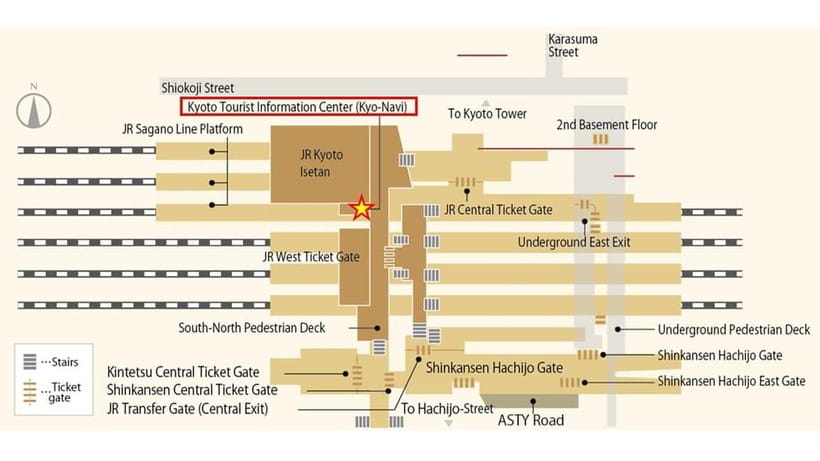
The meeting point is the Kyo-Navi Kyoto Tourist Information Center on the second floor of Kyoto Station. It is on the north side of the station, beside the south side of JR Kyoto Isetan and near the pedestrian walkway.
If you are unsure, ask for Kyo-Navi, written 京なび. That name is more useful than searching for a generic tourist desk. Your confirmation email contains the exact meeting details, so check it before leaving your hotel.
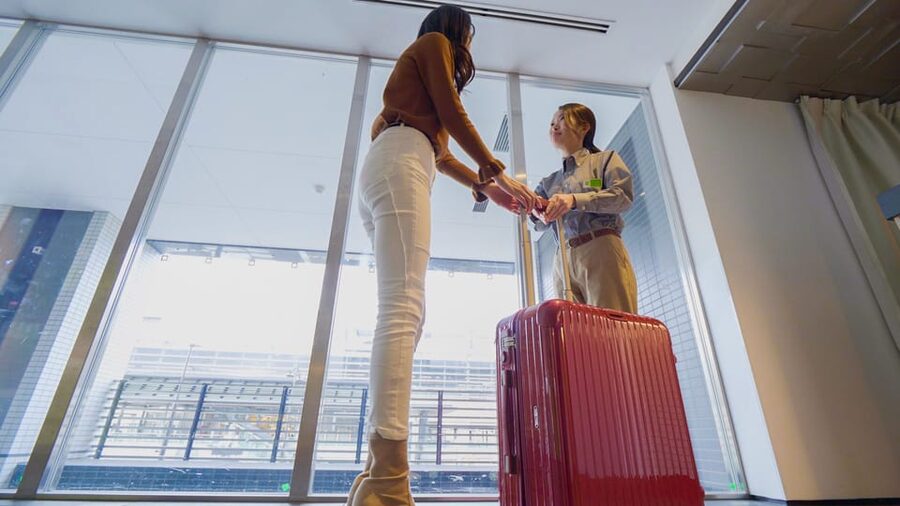
After meeting the guide, you leave luggage at Crosta Kyoto. This can be handy if Arashiyama is your first stop after arriving in Kyoto or your last outing before catching a train. The luggage service is not simply free for every child arrangement, however. A child aged 0 to 6 may join free with each paying adult, but if that child uses the luggage service, a service fee applies.
The tour later ends back at the meeting point. The sightseeing sequence finishes with the walk toward Togetsu-kyo Bridge, so listen carefully to the guide’s instructions about the return to Kyoto Station. The supplied details describe the bridge as the final sightseeing stop but list the station meeting point as the end location.
The train ride to Arashiyama
The trip to Arashiyama uses public transport, with the guide accompanying you. The train fare is not included, so bring enough Japanese yen or a suitable transit payment method for your journey.
The train is part of the practical appeal. You begin in the center of Kyoto and watch the city give way to the western district, while the guide talks about local customs and the character of Kyoto. It is a small but useful introduction before the walking begins.
Do not expect a long transport lecture or a sightseeing train ride. The value is in having someone explain what you are about to see and help you reach the district without having to sort out the route alone.
Starting at Kyoto Station also makes the tour easy to fit into a larger itinerary. You can meet there before heading out, rather than spending time finding a separate meeting point in Arashiyama. The tradeoff is that you must get to Kyoto Station yourself, and hotel pickup and drop-off are not provided.
Walking through Arashiyama’s bamboo forest
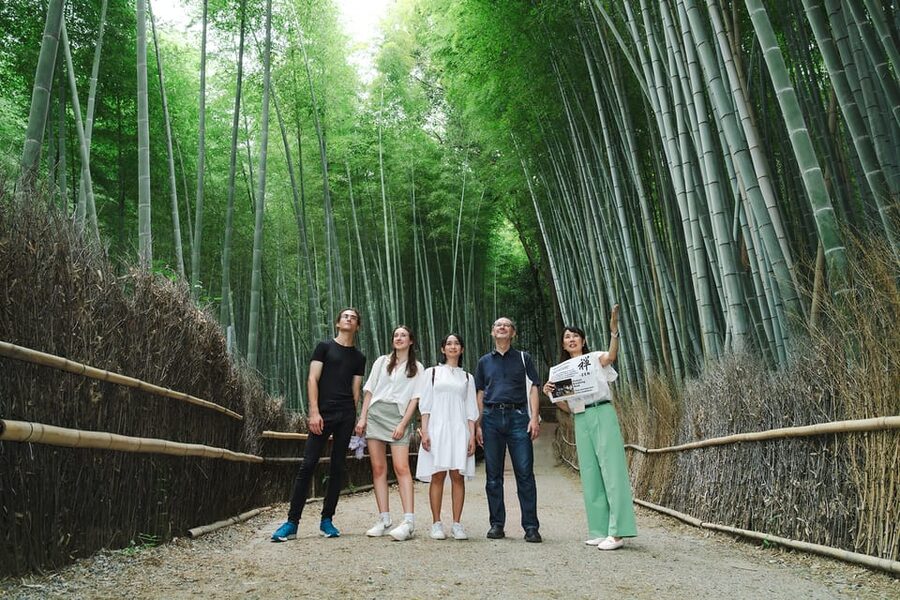
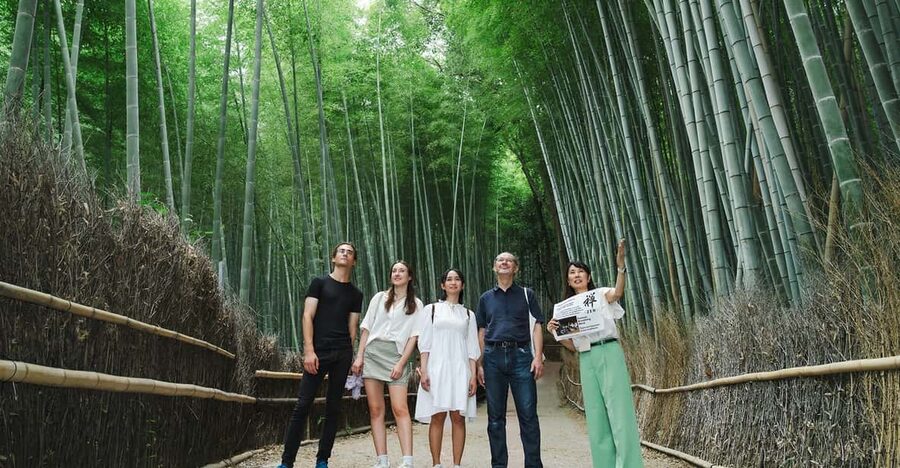
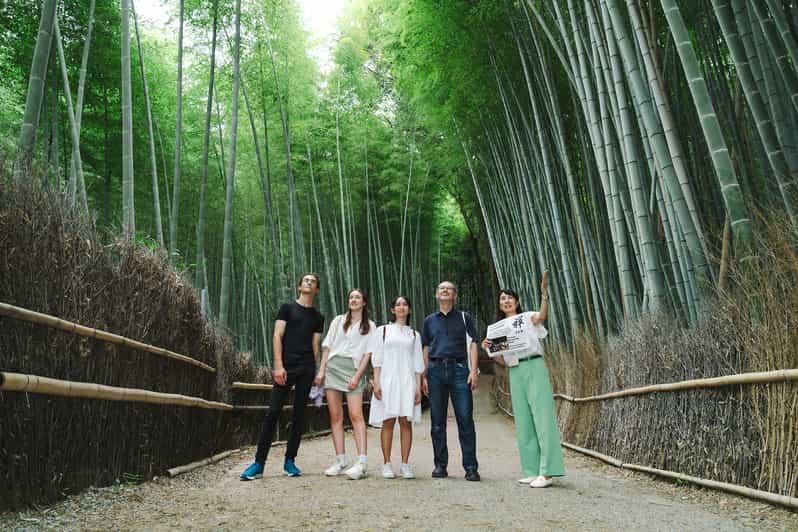
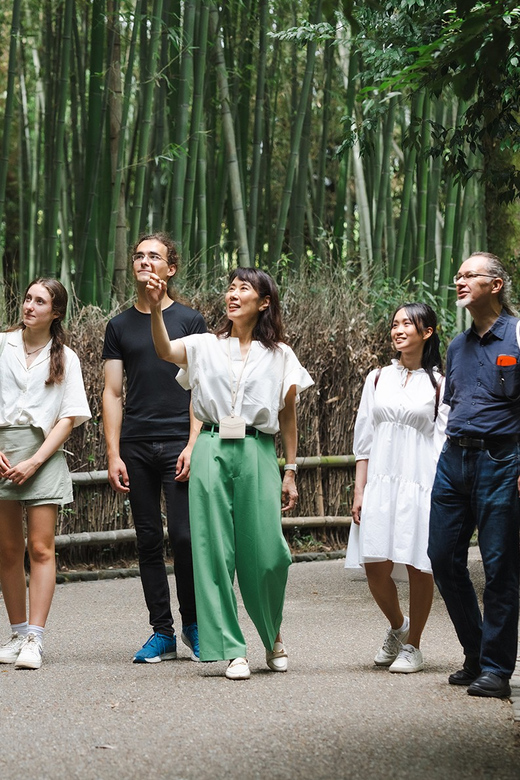
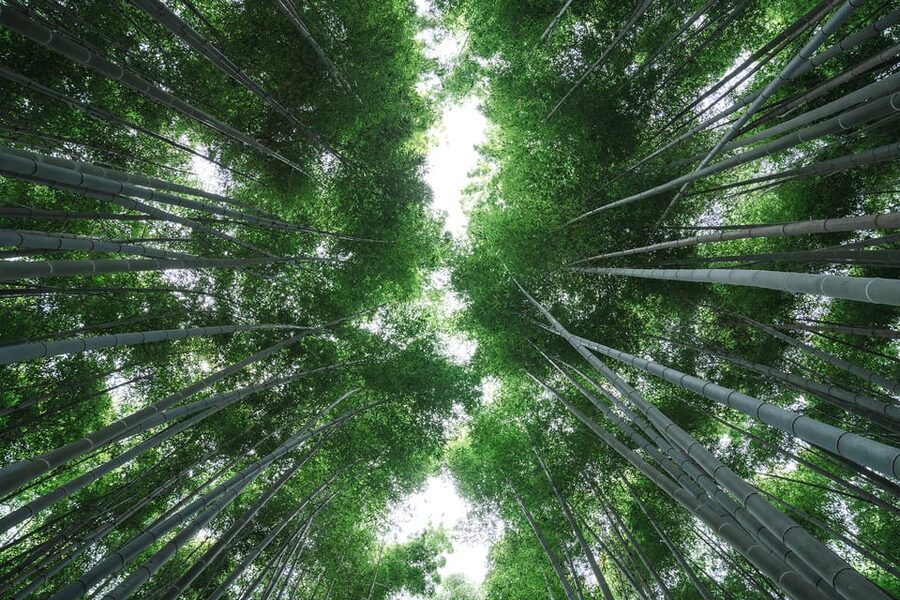
The bamboo forest is the image most people associate with Arashiyama. Tall green stalks line the path, with sunlight filtering through the leaves and creating shifting patches of light. It is a striking setting, and the guide helps you notice more than the obvious photo opportunity.
The path can feel peaceful in one moment and crowded in the next. The tour does not promise a private or empty bamboo grove, so set your expectations accordingly. You will share the route with other visitors, especially at popular points.
This is where a guide adds practical value. Instead of wandering through, you receive background about the area and Kyoto’s customs. You can also ask questions as the scenery changes, which is more useful than reading a short sign and moving on.
Bring comfortable shoes. The full tour lasts about two hours and includes the bamboo forest, temple grounds, and a riverside walk. That is not a punishing hike, but it is still a walking tour, not a bus tour with short photo stops.
Photography is clearly part of the appeal. The filtered light and narrow green corridor offer plenty of picture opportunities, but remember that a guided group needs to keep moving. If you want a long solo photography session, you will need extra time in Arashiyama after the tour.
More Arashiyama and bamboo grove walks:
- Kyoto: Fushimi Inari, Kinkakuji, Bamboo Grove 1 Day Bus Tour
★ 4.8 · 4,316 reviews - Osaka/Kyoto:Kinkakuji,Arashiyama,FushimiInariShrine,NaraPark
★ 4.1 · 1,596 reviews - Kyoto/Osaka: Nara, Fushimi Inari Taisha, Arashiyama Bus Tour
★ 4.7 · 1,275 reviews - Kyoto Arashiyama Walking Tour: Bamboo, Monkeys, Gardens & Secrets
★ 5.0 · 1,216 reviews
Hogon-in Temple and its Zen garden
Hogon-in Temple is the strongest reason to choose this tour over a simple bamboo forest visit. Entry is included, and the guide brings the temple’s story to life with an explanation of its past and garden design.
The Zen garden is especially valuable for visitors who are unsure how to read Japanese gardens. Yuko has been praised for explaining different garden types, which gives you a framework for understanding what you see. Rather than treating the garden as a pretty backdrop, you learn how its arrangement reflects Zen ideas and Japanese taste.
The tour description calls the garden a quieter, less obvious part of the Arashiyama visit. That does not mean you should expect complete solitude. It means the garden offers a calmer contrast to the busy bamboo route and gives the walk a stronger cultural center.
Hogon-in is also a good place to slow down. Bamboo is dramatic, but a garden asks you to observe details: the placement of stones, the balance of plants, and the way views are framed. The guide’s explanation can help you appreciate those choices without needing prior knowledge of Japanese architecture or religion.
The temple entry is included in the $34 price, which improves the value. You are paying not only for a walk but also for access to a specific cultural site and a certified guide who interprets it. Since the train fare is extra, the total remains modest rather than all-inclusive.
Walking toward Togetsu-kyo Bridge
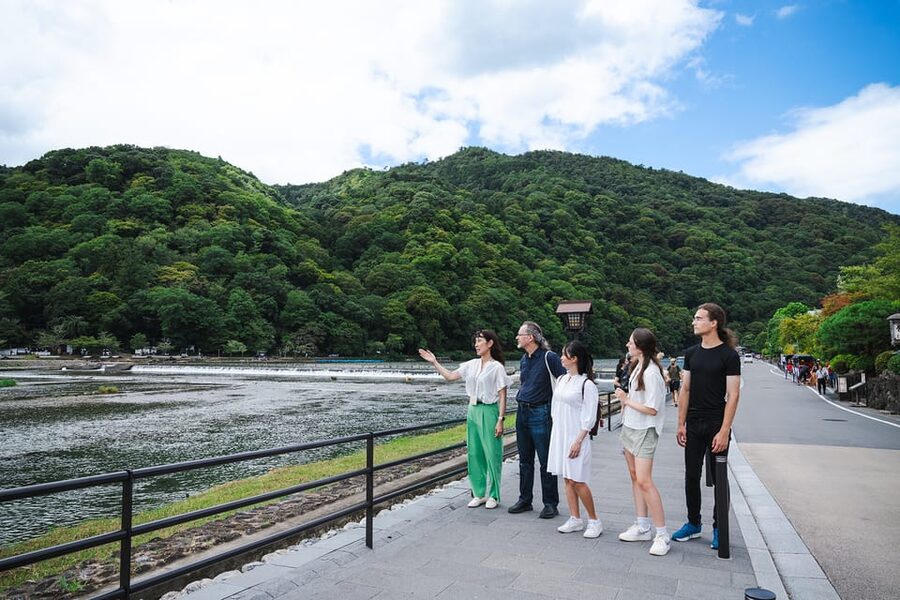
After Hogon-in Temple, the route continues toward Togetsu-kyo Bridge. This riverside crossing is one of Arashiyama’s best-known views and provides a pleasant change from enclosed paths and temple gardens.
The bridge is a natural closing point because it gives you a broad view after the narrow bamboo grove. You can enjoy the river setting and see why this district became such a popular part of Kyoto’s sightseeing circuit.
The tour does not appear to include a long stop for shopping, meals, or independent temple visits. That is useful if you want a focused introduction, but limiting if you hope to spend a whole day exploring Arashiyama’s many attractions. Ask the guide for recommendations before saying goodbye. The tour specifically includes local suggestions for making better use of the surrounding area.
That advice may be one of the most practical parts of the experience. After two hours, you will have a clearer idea of where to return, what deserves more time, and how to shape the rest of your visit. You can then continue independently, subject to the tour’s stated return arrangements.
What the $34 price really includes
At $34 per person, this is reasonably priced for a guided Kyoto outing. The price includes a certified city guide and entry to Hogon-in Temple. It does not include the train fare to Arashiyama, meals, or hotel transfers.
I see the value in the combination. A self-guided visit to the bamboo forest costs little beyond transport, but it gives you no explanation of garden styles, customs, or temple history. Here, the extra fee buys structure and interpretation, not just movement from one photo stop to another.
The price is less attractive if you already know Arashiyama well or plan to spend a full day there on your own. You may prefer to use the two hours for independent exploration and pay temple admissions as you go. The tour is better suited to a first visit or to anyone who wants a clear introduction without researching every stop.
You can reserve now and pay later, which helps if your Kyoto schedule is still changing. Cancellation is free up to 24 hours before the tour for a full refund. Those terms make it easier to place the experience into a busy Japan itinerary.
Who should book this walking tour
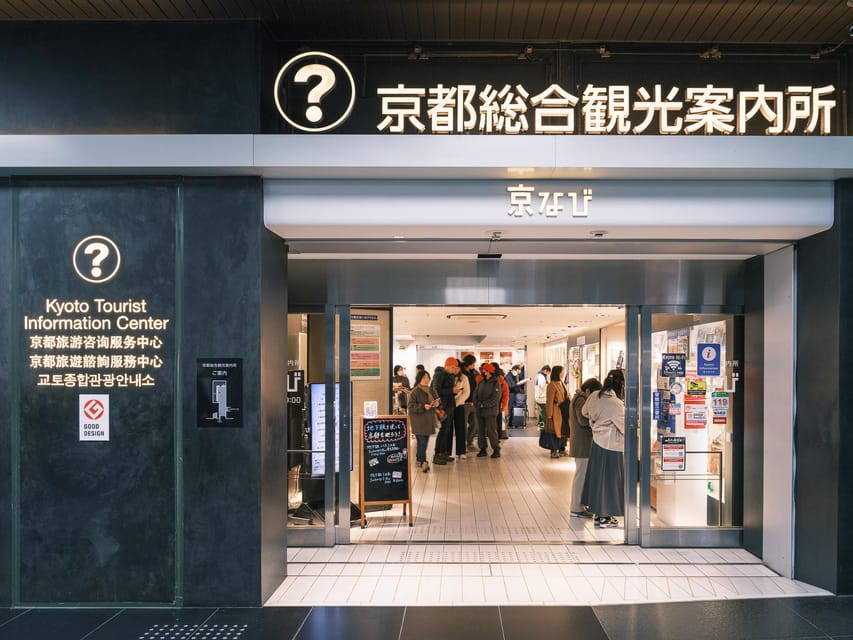
I would recommend it to first-time Kyoto visitors who want Arashiyama explained in plain English. It also suits solo visitors, couples, and small groups who prefer a guided introduction before exploring on their own.
Families can join, with one child aged 0 to 6 free for each paying adult. An unaccompanied minor cannot join, and each additional child beyond the free allowance needs an adult ticket. The tour is conducted only in English.
You should be comfortable walking for roughly two hours. The route includes a train journey, bamboo paths, temple grounds, and a riverside stroll. If you have mobility concerns, the available information does not provide enough detail to confirm whether every part of the route suits you, so ask before booking.
The October schedule is important. This tour runs only from October 6 to 31, 2025, and does not operate on Saturdays or Sundays. If you are visiting outside those dates, this specific experience will not fit your plans.
Small details that can make the day easier
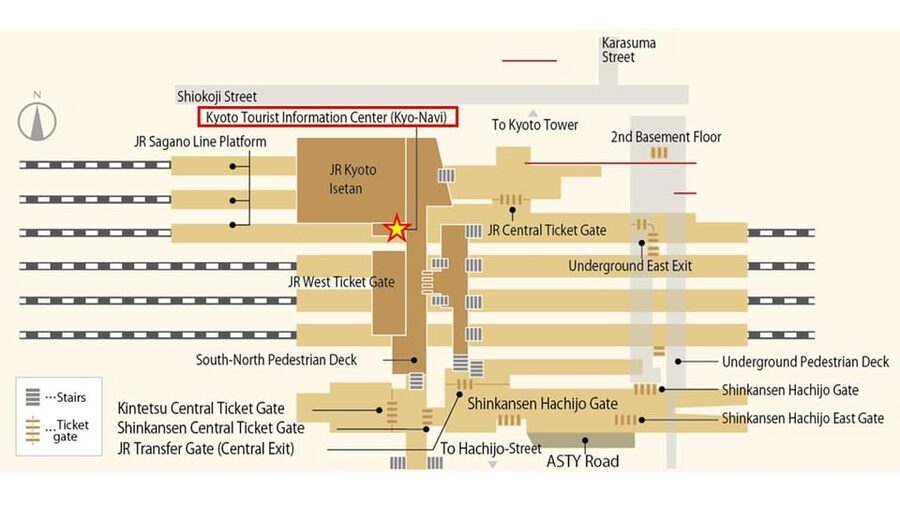
Arrive at Kyoto Station with time to find the second-floor pedestrian walkway and Kyo-Navi. Kyoto Station is large, and a few spare minutes will prevent a stressful start.
Wear shoes made for walking rather than fashion. The route is only about two hours, but the combination of transport, temple paths, bamboo forest, and bridge walk calls for comfort.
Keep your confirmation email available. It includes the meeting point details, and the local name Kyo-Navi is more useful than simply asking for tourist information.
Plan your expectations around the group. The guide needs to keep everyone together, so you will have time for photographs but not unlimited time at every viewpoint.
Finally, ask for recommendations before the tour ends. The guides are there not only to explain Arashiyama but also to point you toward useful ways to continue your visit.
Should you book the Arashiyama tour?
Book it if you want a short, well-organized introduction to Arashiyama that includes the bamboo forest, Hogon-in Temple, and a guide who can explain Kyoto’s customs and garden traditions. The strongest reason to choose it is the human explanation, especially if Yuko, Yoriko, Charlie, or another similarly engaged guide leads your group.
Skip it if you want a full day in Arashiyama, dislike group walking, or need a weekend outing during the stated October period. You will also need to budget separately for the train.
For $34, the tour offers solid value for a focused first visit. It gives you the famous bamboo path, a worthwhile temple garden, public transport with local guidance, and a clear starting point at Kyoto Station. Just arrive ready to walk and do not confuse a short guided introduction with a complete tour of every corner of Arashiyama.
FAQ
Where does the tour begin?
The tour begins at the Kyo-Navi Kyoto Tourist Information Center on the second floor of Kyoto Station.
How do I find Kyo-Navi at Kyoto Station?
The center is on the north side of the second floor, beside the south side of JR Kyoto Isetan and near the pedestrian walkway. You can ask for Kyo-Navi, also written 京なび.
Does the tour include train fare?
No. You pay the train fare to Arashiyama separately.
Is hotel pickup included?
No. Hotel pickup and drop-off are not included.
How long does the walking tour take?
The walking tour takes approximately two hours.
Which language is used during the tour?
The tour is conducted only in English.
Is entry to Hogon-in Temple included?
Yes. Entry to Hogon-in Temple is included in the tour price.
Can children join for free?
Each paying adult can bring one child aged 0 to 6 free of charge. If that child uses the luggage service, a service fee applies. Each additional child must purchase an adult ticket.
When does this tour operate?
It operates from October 6 through October 31, 2025, excluding Saturdays and Sundays.
Just added around Kyoto
- Tea Ceremony in 150 Years Old Townhouse with Tables and Chairs★ 5.0 · 22 reviews
- Kyoto to Arashiyama Day Trip – Private & Personalized★ 4.3 · 22 reviews
- Private Tour to Monkey Park and Arashiyama Highlights★ 5.0 · 22 reviews
- Kyoto Ramen Tour★ 5.0 · 22 reviews
- Kyoto Japanese Tea Ceremony Experience in Ankoan★ 5.0 · 22 reviews
- Private & Custom KYOTO Walking Tour – your Travel Companion★ 4.0 · 23 reviews
- Kyoto Railway Museum Admission Ticket★ 4.3 · 23 reviews
- Private Cooking Class Udon in Kyoto Japan★ 5.0 · 23 reviews
Arashiyama & Bamboo Grove Tours, compared.
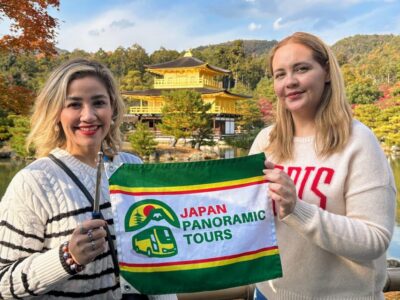
Fushimi Inari, Kinkakuji, Bamboo Grove 1 Day Bus Tour
Read our review →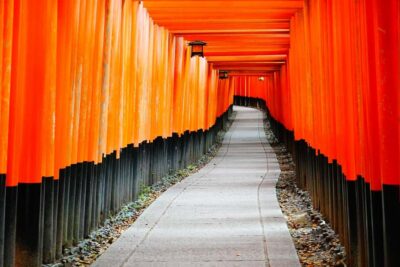
Osaka/Kyoto:Kinkakuji,Arashiyama,FushimiInariShrine,NaraPark
Read our review →
Kyoto/Osaka: Nara, Fushimi Inari Taisha, Arashiyama Bus Tour
Read our review →
Kyoto Arashiyama Walking Tour: Bamboo, Monkeys, Gardens & Secrets
Read our review →
Arashiyama Bamboo, Temple, Monkeys, or Secret Sake Brewery
Read our review →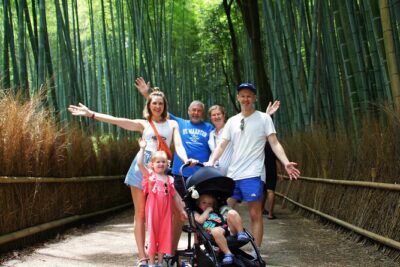
Arashiyama Bamboo Forest, Monkeys, Matcha & Temple Tour
Read our review →
Osaka/Kyoto: Arashiyama, Nara & Fushimi Inari Shrine w/Lunch
Read our review →
Nijo, Kinkaku-ji, Arashiyama, Kiyomizu & Fushimi Inari
Read our review →Browse the lists this tour appears in