
Reviewed · TEA CEREMONY EXPERIENCES
Tea Ceremony in 150 Years Old Townhouse with Tables and Chairs
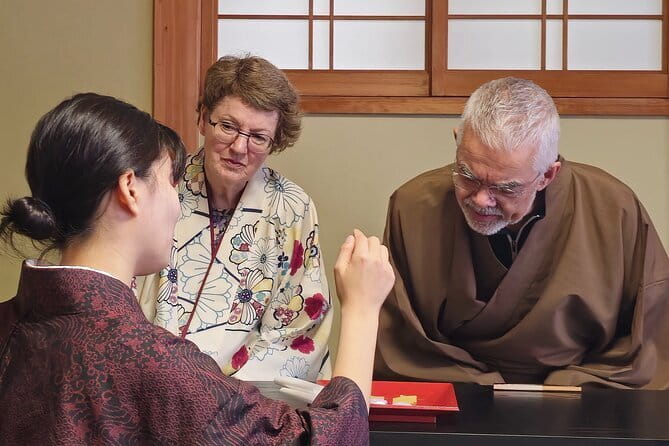
Matcha tastes better when you make it yourself. This 50-minute tea ceremony in Kyoto’s Ninenzaka area gives you a clear, hands-on introduction to Japanese tea culture inside a 150-year-old townhouse. I like the calm setting and the chance to prepare your own cup instead of simply watching a demonstration. I also like that the session includes two cups of Uji matcha and two seasonal Japanese sweets.
The main thing to consider is the group format. Up to 15 people may attend, and the mood depends partly on everyone arriving on time and behaving respectfully. You also need socks, modest clothing, and no perfume in the tea room.
In This Review
- Key points to know before you book
- Arriving in Ninenzaka for the tea ceremony
- What happens before you drink the tea
- Preparing your own Uji matcha
- Seasonal sweets in the tea room
- A traditional setting with modern comfort
- How much value do you get for $28.90?
- The tone depends on your fellow participants
- Who will enjoy this Kyoto activity most?
- Final verdict: Should you book it?
- FAQ
- How long does the tea ceremony last?
- Where does the experience take place?
- Is the tea ceremony held in English?
- Is making matcha part of the activity?
- What food and drinks are included?
- Can children participate?
- Do I need to wear special clothing?
Key points to know before you book
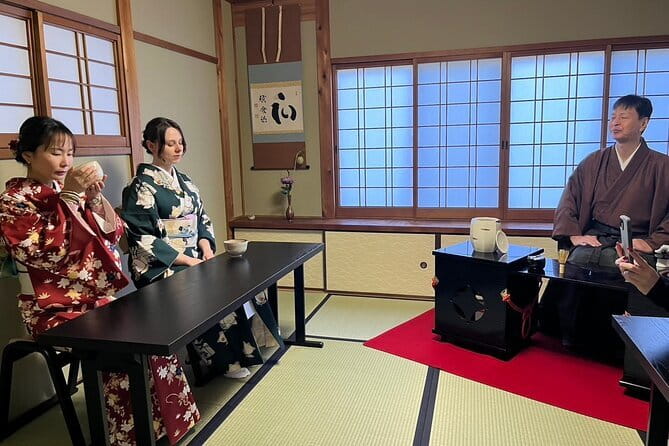
- You make your own matcha: The tea master gives step-by-step instructions, so beginners can take part without prior knowledge.
- The setting is part of the appeal: The ceremony takes place in a 150-year-old townhouse near Ninenzaka and Sannenzaka.
- Two teas and two sweets are included: You receive high-quality matcha from Uji, Kyoto, along with two handcrafted seasonal Japanese sweets.
- Tables and chairs make it easier: This is not described as a floor-seated ceremony, which may suit people who find traditional kneeling uncomfortable.
- English instruction is available daily: An assistant or interpreter helps explain the tea master’s demonstration and answers questions.
- The group may reach 15 people: Book this for an approachable cultural lesson, not for a private, silent ceremony.
Arriving in Ninenzaka for the tea ceremony
The meeting point is Tea Ceremony & Cultural Experience Kangetsu Kyoto at 349-19 Masuyacho in Kyoto’s Higashiyama Ward. You are in the Ninenzaka and Sannenzaka area, one of Kyoto’s best-known sightseeing districts, so it makes sense to pair this activity with a walk through the nearby streets.
The exact address matters here. Ninenzaka has many lanes, shops, tea houses, and traditional buildings, and it is easy to lose a few minutes looking for the right doorway. The provider sends location information by text, and clear directions have helped people find the venue without much trouble. I would still arrive promptly. The ceremony is timed, and one late group can hold up everyone else.
The townhouse itself adds more than scenery. A building that has been in use for roughly 150 years gives you a physical connection to Kyoto’s older neighborhoods. You are not sitting in a modern hotel meeting room while someone gives a presentation about Japanese customs. The setting helps explain why tea ceremonies place such weight on quiet behavior, careful movement, and attention to small details.
The activity begins and ends at the same location. Since the session lasts about 50 minutes, you can fit it neatly before or after sightseeing in Higashiyama. Give yourself extra time to reach the area, especially if you are coming from another part of Kyoto.
More Tea Ceremonies in Kyoto
- Kyoto: Tea Ceremony in a Traditional Tea House in Kiyomizu
★ 4.9 · 3,519 reviews - Kyoto: Tea Ceremony Ju-An at Jotokuji Temple
★ 4.9 · 3,207 reviews - Kyoto: 45-Minute Tea Ceremony Lesson Experience
★ 4.3 · 2,378 reviews
What happens before you drink the tea
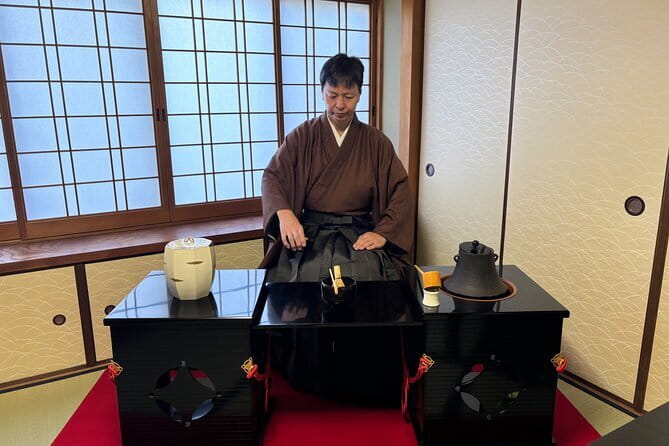
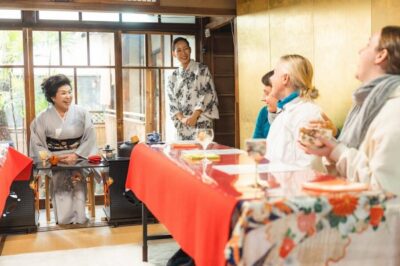
The session begins with an explanation of the ceremony and its place in Japanese culture. The tea master introduces the basic ideas behind matcha, then explains the utensils and the order of the ritual. This introductory section is important because the movements can seem mysterious if you only watch them without context.
You learn why the tools matter, how the tea is prepared, and how guests are expected to behave. The teaching is designed for people who know little or nothing about tea ceremony customs. That makes this a good first cultural activity in Kyoto, particularly if you want more than a photo in a rented kimono.
The English support is another practical strength. The tea master demonstrates the process, while an assistant or interpreter explains it step by step in English. Several parts of the session are specifically built around questions, so you can ask about the tea, the utensils, or the meaning of a particular action.
I like this approach because it keeps the ceremony approachable. You are not expected to understand every gesture on sight. At the same time, the presentation does not reduce the ceremony to a quick tourist trick. You get enough background to see the purpose behind the formal movements.
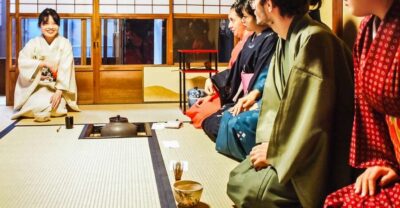
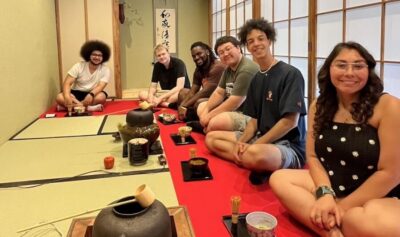
The group size can reach 15 people, so you should expect a shared lesson rather than one-on-one instruction. The room may feel intimate, but it will not be completely private. One poor-mannered participant can affect the quiet tone, which is why arriving on time and following the house rules matter.
Preparing your own Uji matcha
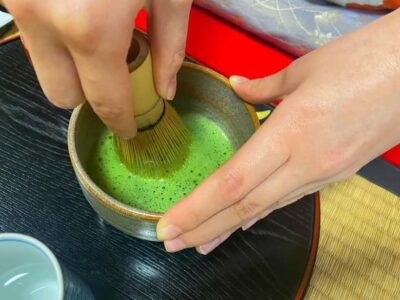
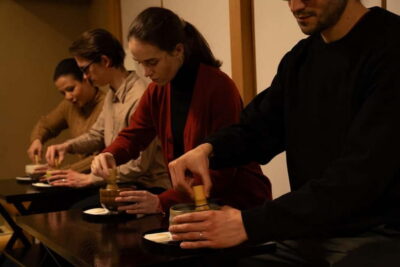
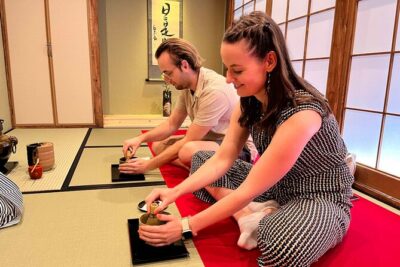
The hands-on portion is the heart of the activity. After watching the tea master, you have the chance to prepare your own cup of matcha using the provided tools. The instructions are clear and designed to help first-time tea makers succeed.
This is more satisfying than simply being served a bowl. You see how the powder, hot water, whisk, and technique work together. You also gain a better sense of why matcha is treated with such care in Japan. The goal is not just to produce a drink. It is to focus on the preparation and the act of serving it properly.
The tea comes from Uji, the Kyoto area closely associated with high-quality matcha. Two cups of matcha are included, which gives you time to taste the tea and then appreciate the difference after taking part in the preparation. Coffee and/or tea are also listed among the inclusions, although matcha is the central drink of the session.
Do not worry if your first cup is not perfect. That is part of the value. You are learning a method, not taking a professional tea exam. The tea master and assistant guide you through the process, and the atmosphere is intended to be relaxed.
The taste can be stronger and more vegetal than the sweet green tea served in many restaurants. The sweets help balance it. If you already enjoy matcha, this section gives you a closer look at how it is made. If you are new to it, you get a gentle introduction rather than being left with a bowl and vague instructions.
Seasonal sweets in the tea room
The ceremony includes two different handcrafted Japanese sweets. They are seasonal and traditional, so they may change depending on the time of year. Their purpose is not only to provide a snack. Japanese sweets are often served with tea to balance the flavor of matcha and prepare your palate for the drink.
The sweets also make the ceremony easier to appreciate. Japanese tea customs involve a careful relationship between taste, appearance, season, and presentation. Even a small sweet can reflect the time of year or the style of the tea service.
You receive two types rather than one identical treat. That gives you a small comparison and adds variety to a short session. Do not expect a full meal. Bottled water, soda, and alcoholic drinks are not included, so have those elsewhere if you need more than tea and sweets.
The tea room is a place to slow down. You are asked to avoid perfume because it can interfere with the scent of the tea and incense. This rule may sound strict, but it makes sense in a room where smell is part of the experience. Strong fragrance can overpower the delicate aroma of matcha and distract from the ceremony.
A completely different kind of day out in Kyoto:
- PERFECT KYOTO 1-Day Bus Tour
★ 5.0 · 13,518 reviews - Kyoto: Fushimi Inari, Kinkakuji, Bamboo Grove 1 Day Bus Tour
★ 4.8 · 4,316 reviews - Kyoto Geisha Walking Tour: Gion District & Hidden Gems
★ 4.7 · 3,273 reviews - Kyoto: Gion Magical Night Walking Tour with Geisha Trivia
★ 4.9 · 2,393 reviews
A traditional setting with modern comfort
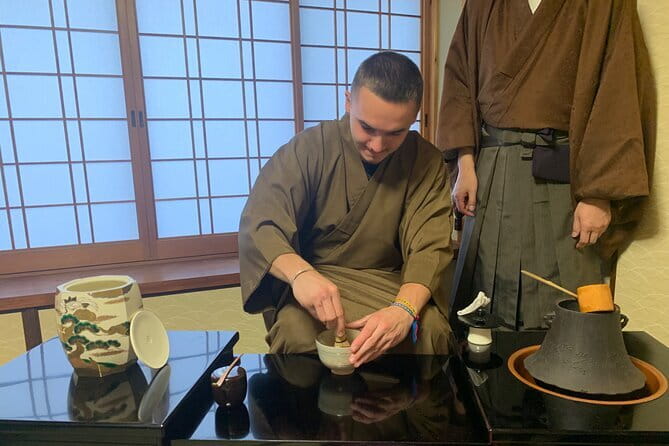
The title highlights tables and chairs, and that detail is useful. Some tea ceremonies require sitting on the floor or kneeling for long periods. Here, the use of tables and chairs makes the activity more comfortable for people who prefer not to sit in a traditional floor position.
That does not make the ceremony casual in every sense. You still need to wear socks, and the provider asks you to avoid clothing that exposes too much skin. If you forget socks, you are expected to purchase them. It is best to handle that before entering the tea room rather than treat it as a last-minute detail.
Only smartphones are allowed in the tea room. Video recording during the instructor’s demonstration is prohibited. You may be offered the chance to take a photograph with the tea master, but this is not a session built around constant filming. The rules help preserve the quiet atmosphere and keep phones from becoming the main event.
Perfume is strictly prohibited. Children under seven are not allowed to participate, while older children can take part if they can stay attentive and respectful. The activity has worked well for families with children aged 11 and 13, especially because the lesson combines history, a demonstration, and a practical task.
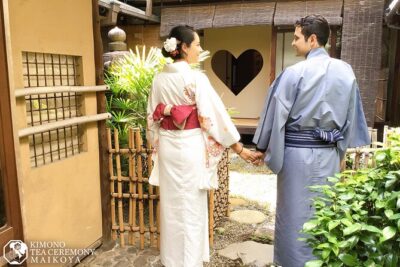
A simple two-piece kimono rental is available for an additional 1,000 yen per person. It is optional and not included in the listed price. This can make the occasion more festive and may appeal to you if you want photographs in traditional clothing, but you do not need it to take part in the tea ceremony.
How much value do you get for $28.90?
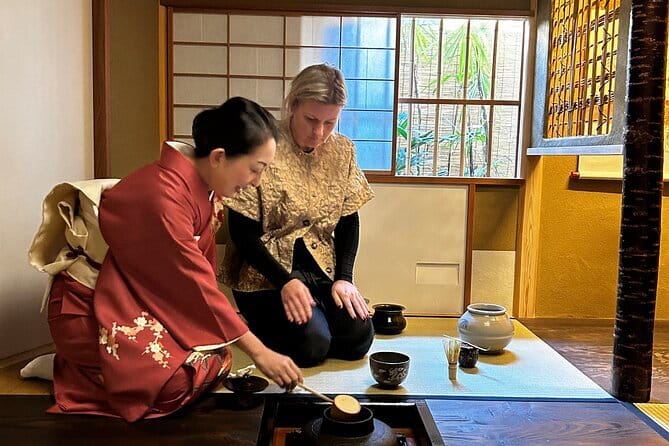
At $28.90 per person, this is a reasonably priced cultural activity in central Kyoto. You receive the instruction, use of the tea-making tools, two cups of Uji matcha, two seasonal sweets, and all fees and taxes. The price is especially fair if you want a short activity that teaches you something rather than simply serving a drink.
The 50-minute duration keeps the commitment manageable. You can add it to a busy sightseeing day without giving up half a day. The tradeoff is that the session cannot cover every detail of tea ceremony culture. You get a focused introduction, not an advanced study of the art.
The value also depends on what you want. If you are looking for a private ceremony with personal attention, this may not be the right choice. The activity is a group session, with a maximum of 15 people. One low-rated account came from someone who expected a private ceremony and included traditional attire as part of the booking. That is a warning to read the booking details carefully: the standard activity is a group experience, and the kimono costs extra.
For most first-time visitors, the price works because the activity combines place, instruction, food, and participation. You leave with more than a cup of tea. You understand the basic etiquette and can repeat the preparation at home with the right tools.
The provider also allows free cancellation up to 24 hours before the start time. Changes or cancellations inside that window are not accepted for a refund. The activity requires good weather according to the provider, and if poor weather causes a cancellation, you are offered another date or a full refund.
The tone depends on your fellow participants
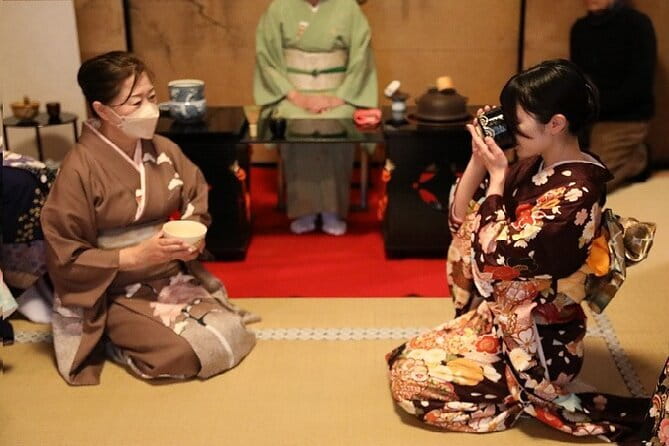
The ceremony is designed to feel intimate, but a group of up to 15 can change the atmosphere. Most of the session is structured, and the tea master leads the room, so you are not left to manage the group yourself. Still, punctuality and manners matter more here than on a typical sightseeing tour.
One delayed group caused an awkward wait and disrupted the sense of respect owed to the tea master. Another participant felt that poor behavior inconvenienced others. These are not reasons to reject the activity, but they are useful reminders to arrive early, silence your phone, and treat the room as a cultural space rather than a casual workshop.
The strongest praise centers on the teaching. The tea master and assistant are described as warm, clear, and good at answering questions. The session is informative without feeling stiff, and several people found it relaxing as well as educational.
That balance is the main reason I would recommend it. You get an authentic introduction, but you are not expected to know the rules before you arrive. The English explanations help remove the worry of doing something wrong.
Who will enjoy this Kyoto activity most?
I would choose this ceremony if you are visiting Kyoto for the first time and want a manageable way to learn about Japanese customs. It suits couples, families with children aged seven or older, and anyone interested in tea, food, design, or traditional buildings.
It is also a good choice for you if you enjoy hands-on activities. Making your own matcha gives the session a clear purpose and makes it easier to remember what you learned.
You may want to skip it if you dislike group activities, cannot follow the clothing and fragrance rules, or want a long, highly formal ceremony with no interpretation. The 50-minute format is friendly and efficient, but it is not an exhaustive study of tea ceremony.
If you have allergies, tell the provider in advance. The sweets are part of the activity, and advance notice gives the staff a chance to respond appropriately. Since the drinks and sweets are the main refreshments, do not book this expecting lunch or a broad menu.
Final verdict: Should you book it?
Book this tea ceremony if you want a well-priced, English-friendly introduction to matcha in a historic Kyoto setting. The combination of a 150-year-old townhouse, two Uji matcha servings, seasonal sweets, and hands-on preparation gives you real value in less than an hour.
I especially like it for first-time visitors who want context, not just ceremony. You learn what the tools do, why the ritual matters, and how to make your own cup. The main caution is to keep your expectations realistic: this is a shared session, not a private tea master appointment, and the optional kimono costs an extra 1,000 yen.
Arrive early, wear socks, skip the perfume, and approach the room with respect. Do that, and this small activity can become one of the more memorable stops in Kyoto’s Ninenzaka district.
FAQ
How long does the tea ceremony last?
The activity lasts approximately 50 minutes.
Where does the experience take place?
It takes place at Tea Ceremony & Cultural Experience Kangetsu Kyoto, 349-19 Masuyacho, Higashiyama Ward, Kyoto, near the Ninenzaka and Sannenzaka area.
Is the tea ceremony held in English?
Yes. English experiences are provided every day, with an assistant or interpreter helping explain the tea master’s demonstration.
Is making matcha part of the activity?
Yes. You can use the provided tools to prepare your own cup of matcha under instruction.
What food and drinks are included?
The experience includes two cups of high-quality matcha from Uji, Kyoto, and two different seasonal Japanese sweets. Bottled water, soda, and alcohol are not included.
Can children participate?
Children under seven years old are not allowed to participate. Children aged seven and older may join, provided they can follow the ceremony’s rules.
Do I need to wear special clothing?
A kimono is not required. You must wear socks and clothing that does not expose too much skin. Perfume is prohibited in the tea room, and a two-piece kimono can be rented for an additional 1,000 yen per person.
Just added around Kyoto
- Kyoto to Arashiyama Day Trip – Private & Personalized★ 4.3 · 22 reviews
- Kyoto Ramen Tour★ 5.0 · 22 reviews
- Private Tour to Monkey Park and Arashiyama Highlights★ 5.0 · 22 reviews
- Kyoto: Arashiyama Walking Tour with Local Guide★ 4.9 · 22 reviews
- Kyoto Japanese Tea Ceremony Experience in Ankoan★ 5.0 · 22 reviews
- Private & Custom KYOTO Walking Tour – your Travel Companion★ 4.0 · 23 reviews
- Kyoto Railway Museum Admission Ticket★ 4.3 · 23 reviews
- Kyoto Matcha Green Tea Tour★ 4.5 · 23 reviews
Tea Ceremony Experiences, compared.
Tea Ceremony in a Traditional Tea House in Kiyomizu
Read our review →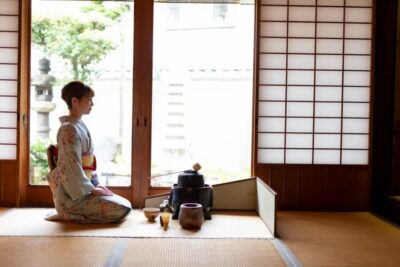
Browse the lists this tour appears in