Reviewed · KYOTO TOURS
Kyoto Matcha Green Tea Tour
Matcha tastes better at its source. In Uji, this three-hour, 15-minute tour takes you beyond Kyoto’s central sights for local tea shops, guided tastings, a hands-on tea experience, lunch, and a visit to Byodoin Temple. I especially like the access to smaller tea shops, where a guide can help with translation, and the fact that the experience includes more than one cup of green tea. You also try wagashi sweets and matcha ice cream, then sit down for a set lunch.
The main drawback is the price: $221 per person is a serious outlay for a half-day activity. Transportation to and from Uji is not included, and the tour is not a good fit for vegans or people avoiding gluten. Still, with a small maximum of 10 people, a 4.7 rating from 23 published ratings, and 91 percent of customers recommending it, this is a strong choice if matcha is a major reason for your Japan trip.
In This Review
- Key points at a glance
- Why Uji makes sense for a matcha tour
- Starting at Uji Station
- Tea shops, tastings, and the local tea experience
- Uji Shrine and the quieter side of the route
- Crossing Amagasetsuri Bridge
- Lunch, sweets, and the Masuda Chaho finish
- Byodoin Temple and the UNESCO highlight
- Is $221 a fair price?
- Food restrictions and family details
- Weather, changes, and cancellation
- Who should book the Uji matcha tour?
- Should you book this Uji tea tour?
- FAQ
- Where does the Kyoto Matcha Green Tea Tour start?
- Where does the tour end?
- How long does the tour last?
- Is lunch included?
- Is matcha tasting included?
- Does the tour include matcha making?
- Are wagashi sweets and matcha ice cream included?
- Is transportation included?
- Is the tour suitable for vegans or people eating gluten-free?
- What is the cancellation policy?
Key points at a glance
- Uji is the main event: You visit the Kyoto-area district most closely linked with high-quality Japanese green tea.
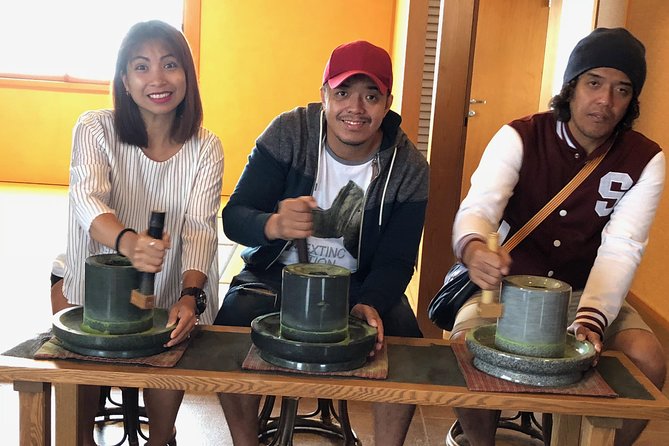
- Tea is made in front of you: The tour includes a matcha-making experience, not just a tasting.
- Lunch is included: A set meal gives the outing more substance than a quick tea stop.
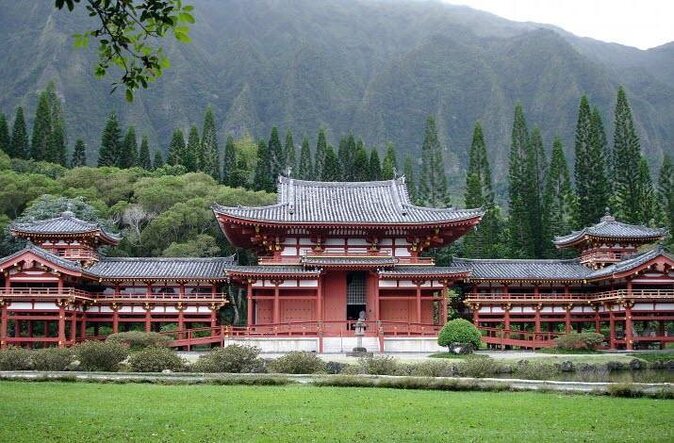
- Byodoin Temple adds cultural depth: You visit a UNESCO World Heritage Site during the same route.
- The group stays small: The maximum is 10 people, which should make translation and questions easier.
- The route ends near shopping streets: You can continue browsing tea shops and souvenirs after the formal tour ends.
Why Uji makes sense for a matcha tour
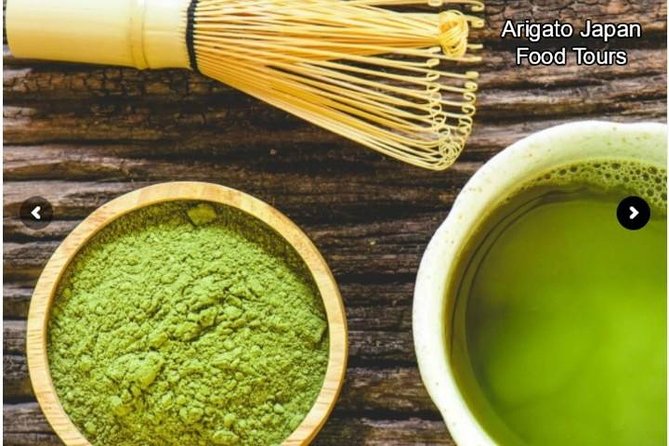
Uji sits south of Kyoto and is closely associated with Japanese green tea. That makes it a better setting for a matcha-focused outing than a general Kyoto food walk. You are not simply tasting a fashionable drink. You are visiting a place where tea production, tea shops, sweets, and local tourism all meet.
I like the way this tour uses Uji as more than a backdrop. The route includes local shops, a tea experience with a local host, old religious sites, and time to browse for souvenirs. You get a useful mix of food, culture, and place.
The meeting point is Uji Station at 11:00 a.m. That timing creates a straightforward morning arrival and leaves the afternoon open after the tour ends near the shopping streets around Byodoin. Since transportation is not included, you need to arrange your own train or other transport to Uji. The station meeting point is practical, but it is an important cost and planning detail when you compare the $221 tour price with a self-guided visit.
A few more Kyoto experiences worth weighing up
- PERFECT KYOTO 1-Day Bus Tour
★ 5.0 · 13,518 reviews - Kyoto: Fushimi Inari, Kinkakuji, Bamboo Grove 1 Day Bus Tour
★ 4.8 · 4,316 reviews - Kyoto: Tea Ceremony in a Traditional Tea House in Kiyomizu
★ 4.9 · 3,519 reviews
Starting at Uji Station
Your guide meets you at Uji Station, Otsukata, Uji, Kyoto. From there, the experience moves through Uji’s tea-focused streets and cultural sites. The route lasts about three hours, though the full stated duration is approximately three hours and 15 minutes.
A small group matters here. With no more than 10 people, you should have a better chance to hear explanations, ask questions, and get help when shopping or ordering. This is especially useful if you do not speak Japanese. One of the tour’s strongest practical features is guide assistance with translation at local tea shops.
The pace should suit anyone who prefers a guided introduction rather than a long formal lecture. You walk between stops, browse shops, sample tea, eat lunch, and visit a temple. A moderate level of physical fitness is recommended, so you should be comfortable spending several hours on your feet.
Tea shops, tastings, and the local tea experience
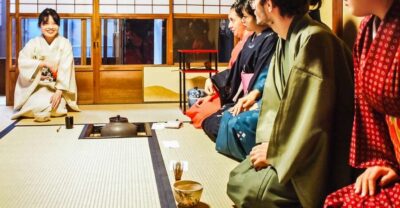
The tea portion is the heart of the outing. You visit shops that can be difficult to locate or navigate on your own, then sample different varieties of matcha and other Japanese teas. The experience also includes hojicha, a roasted tea that gives you a useful contrast to matcha’s stronger green flavor.
I like tours that explain what you are tasting instead of treating food as a series of photo stops. Here, you watch matcha being prepared and learn how to craft a cup. That hands-on element gives you something useful to take home: a better sense of how matcha is made and why preparation affects the final drink.
The program also includes wagashi sweets and matcha ice cream. Wagashi are traditional Japanese confectionery, often served with tea, so this pairing helps show how tea fits into Japanese food culture. The ice cream offers a simpler, familiar way to enjoy the same flavor.
The precise tea shops or tasting sequence can change. Restaurant schedules, public holidays, weather, and other unexpected issues may lead to substitutions. That flexibility is worth keeping in mind. You are paying for the overall Uji tea experience, not for a guarantee of one specific shop at one exact time.
Uji Shrine and the quieter side of the route
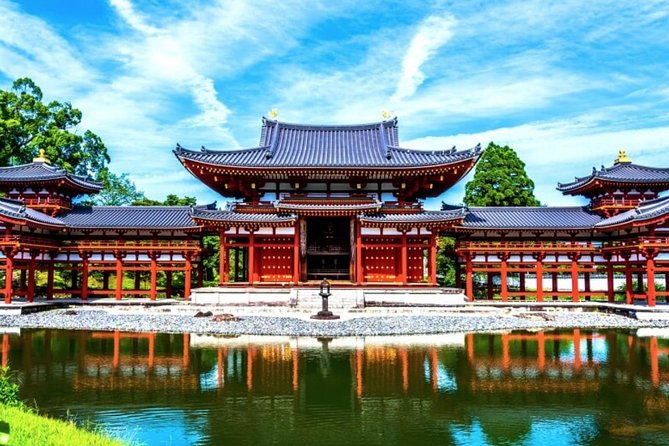
Uji Shrine is included among the cultural stops. This Shinto shrine is often visited with nearby Ujigami Shrine and gives the walking route a calmer religious setting between food stops.
The shrine may appeal most to you if you enjoy seeing how local spiritual sites fit into an ordinary town visit. It is not presented as a long guided temple tour, so do not expect the entire experience to focus on architecture or religious history. Instead, it helps break up the tea tastings and shopping with a quieter stop.
This is also where the tour can feel more personal than a standard food excursion. You move through Uji with someone who can explain what you are seeing and help you understand the difference between a tea shop, a shrine, and a major heritage site.
A completely different kind of day out in Kyoto:
- Kyoto Geisha Walking Tour: Gion District & Hidden Gems
★ 4.7 · 3,273 reviews - Kyoto: Tea Ceremony Ju-An at Jotokuji Temple
★ 4.9 · 3,207 reviews - Kyoto: Gion Magical Night Walking Tour with Geisha Trivia
★ 4.9 · 2,393 reviews - Kyoto: 45-Minute Tea Ceremony Lesson Experience
★ 4.3 · 2,378 reviews
Crossing Amagasetsuri Bridge
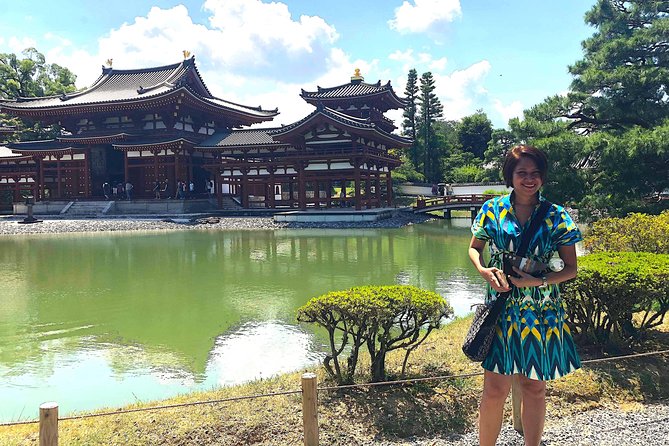
The route also includes Amagasetsuri Bridge, a wooden suspension bridge over the Uji River. It adds a scenic walk to a tour otherwise centered on tea and food.
The bridge gives you views of the river and the surrounding town. It is a simple stop, but that is part of its value. After tea preparation and lunch, a short crossing provides a change of pace and a chance to see Uji from a different angle.
Because the tour involves walking between several sites, comfortable shoes are sensible. The physical demand is not described as strenuous, but the moderate fitness recommendation tells you to expect a walking outing rather than a seated tasting session.
Lunch, sweets, and the Masuda Chaho finish
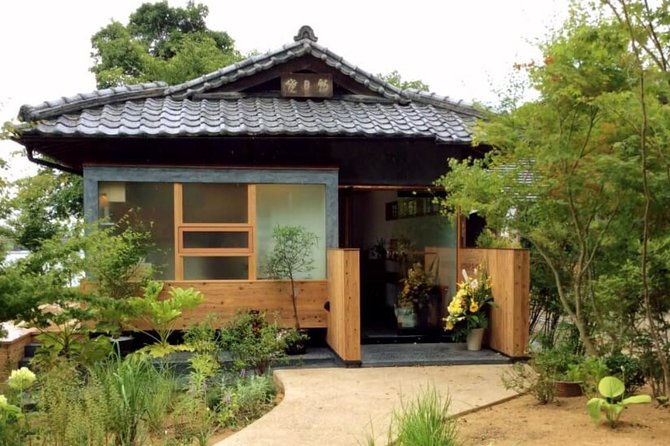
A set lunch at a restaurant is included, which makes the $221 price easier to assess. You do not need to search for food during the tour, and the meal gives you time to sit down and continue the cultural conversation.
The exact menu is not provided, so I would not book this expecting a particular dish. The important point is that lunch is part of the experience, along with the tea tastings, wagashi, and matcha ice cream. That combination makes this more substantial than a short café visit.
The listed final tea stop is Masuda Chaho, a tea shop where you can have premium Uji matcha or hojicha. It is described as a place to relax at the end of the food tour, giving the experience a natural finish before you continue around the Byodoin shopping streets.
Masuda Chaho also shows the range of tea available in Uji. Matcha is the headline drink, but hojicha provides a roasted, less grassy option. If you are unsure about strong green tea, this part of the tour may be especially helpful.
Byodoin Temple and the UNESCO highlight
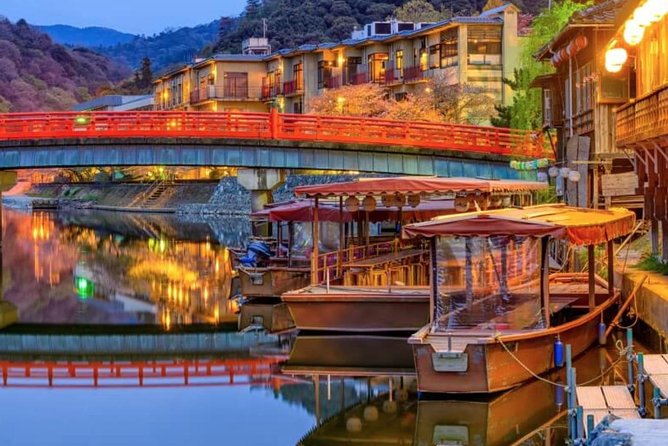
Byodoin Temple is the major cultural landmark on the route. It is a UNESCO World Heritage Site and one of the most recognizable places in Uji. The visit is listed as a short stop of about five minutes, with admission shown as free in the tour details.
That brief timing is the main limitation. You should see the temple as an important snapshot within a food and tea tour, not as a full temple visit with extensive time for the grounds. If Byodoin is one of your top priorities in Uji, you may want to return independently after the tour, provided opening hours and your schedule allow.
Still, including Byodoin gives the day welcome balance. Without it, the experience could feel like a series of tastings and shops. With the temple, you get a clear link between Uji’s tea culture and its wider cultural importance.
The tour ends at Byodoin Temple, with the final point described as the shopping streets in the Byodoin area. That is convenient if you want to continue browsing tea, sweets, and souvenirs after the guide leaves.
Is $221 a fair price?
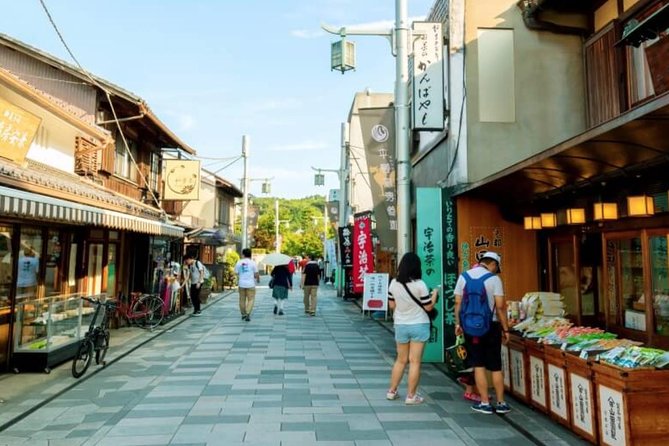
At $221 per person, this is not a budget activity. You can visit Uji independently, walk around the tea shops, and see Byodoin without paying for a private-style guided package. The tour earns its price through convenience and access rather than transport or luxury.
Your fee covers matcha tastings, a local tea experience, matcha making, wagashi sweets, matcha ice cream, a restaurant lunch, guided translation, shopping time, and the organized route through Uji. It also gives you a small group, capped at 10 people.
I see the value most clearly for visitors who want context. If you are curious about tea but do not know how to compare varieties, prepare matcha, or choose products in a Japanese shop, the guide can save you time and confusion. The included meal and several food tastings also make the outing feel like a full cultural activity.
The value is weaker if you mainly want independent wandering or if you are already comfortable navigating Japanese tea shops. You also need to pay for your own transportation to and from Uji, so include that in your day’s budget.
Food restrictions and family details
The tour is vegetarian-friendly, but it is not recommended for vegans or people following a gluten-free diet. The menu is not specified, so anyone with serious dietary restrictions should contact the operator before booking rather than assume substitutions will be available.
Children must be accompanied by an adult. A copy of passport information is required for children aged 10 and above. The activity is described as family-friendly, but younger children may find the walking, tea explanations, and shrine stops less exciting than the ice cream and sweets.
The minimum drinking age is listed as 21. Since the core activity is tea tasting, this note may relate to any alcoholic item connected with the meal or program. If that matters to your group, confirm the details before departure.
Solo travelers are asked to email the operator. That is a small but important point, since individual bookings may require extra confirmation.
Weather, changes, and cancellation
The experience requires good weather. If poor weather causes cancellation, you are offered another date or a full refund. The operator may also change restaurants or stops because of schedules, holidays, weather, or other unexpected problems.
You can cancel for a full refund up to 24 hours before the start time. Cancellations or changes made less than 24 hours before the 11:00 a.m. start are not refunded or accepted. The minimum number of participants must also be met, or you will be offered another date or experience, or a full refund.
These rules are fairly manageable, but I would avoid placing this tour on the final morning of your Japan trip. A schedule change would be harder to absorb then.
Who should book the Uji matcha tour?
I would choose this tour if you want a guided introduction to Uji and care more about understanding tea than simply drinking it. It suits couples, families with older children, and solo visitors who prefer help with translation and local food choices.
It is also a good pick if you want several experiences in one compact outing: tea tasting, tea preparation, sweets, lunch, a shrine, a bridge, shopping, and Byodoin Temple. The small group should keep the experience more personal than a large bus tour.
I would skip it if you are vegan, gluten-free, looking for a low-cost day, or hoping to spend a long time inside Byodoin Temple. Independent visitors may prefer to use the tour’s suggested area as a starting point and make their own tea-shop schedule.
Should you book this Uji tea tour?
Book it if matcha is high on your Japan list and you want a guide to turn Uji’s tea shops into a clear, enjoyable story. The included lunch, sweets, tea preparation, translation help, and small group add real value, while Byodoin gives the afternoon a strong cultural anchor.
Skip it if the $221 price feels too high for three hours, since transportation is extra and the Byodoin visit is short. For the right visitor, this is a focused and convenient way to understand Uji. For everyone else, Uji remains easy to explore at your own pace.
FAQ
Where does the Kyoto Matcha Green Tea Tour start?
The tour starts at Uji Station in Otsukata, Uji, Kyoto, at 11:00 a.m.
Where does the tour end?
The tour ends at Byodoin Temple, with the final point listed as the shopping streets in the Byodoin area.
How long does the tour last?
The experience lasts approximately three hours and 15 minutes. The itinerary also lists three hours for the Uji portion.
Is lunch included?
Yes. A set lunch at a restaurant is included.
Is matcha tasting included?
Yes. Matcha tasting is included, along with a tea experience.
Does the tour include matcha making?
Yes. The experience includes watching and taking part in matcha making.
Are wagashi sweets and matcha ice cream included?
Yes. Wagashi sweets and matcha ice cream are listed among the included food experiences.
Is transportation included?
No. Hotel pickup and drop-off are not included, and transportation costs are also excluded.
Is the tour suitable for vegans or people eating gluten-free?
The tour is vegetarian-friendly, but it is not recommended for vegans or people following a gluten-free diet.
What is the cancellation policy?
You can cancel up to 24 hours before the start time for a full refund. Cancellations or changes made less than 24 hours before the experience are not accepted or refunded.
Just added around Kyoto
- Tea Ceremony in 150 Years Old Townhouse with Tables and Chairs★ 5.0 · 22 reviews
- Kyoto to Arashiyama Day Trip – Private & Personalized★ 4.3 · 22 reviews
- Kyoto Ramen Tour★ 5.0 · 22 reviews
- Private Tour to Monkey Park and Arashiyama Highlights★ 5.0 · 22 reviews
- Kyoto: Arashiyama Walking Tour with Local Guide★ 4.9 · 22 reviews
- Kyoto Japanese Tea Ceremony Experience in Ankoan★ 5.0 · 22 reviews
- Private & Custom KYOTO Walking Tour – your Travel Companion★ 4.0 · 23 reviews
- Kyoto Railway Museum Admission Ticket★ 4.3 · 23 reviews
Kyoto Tours, compared.
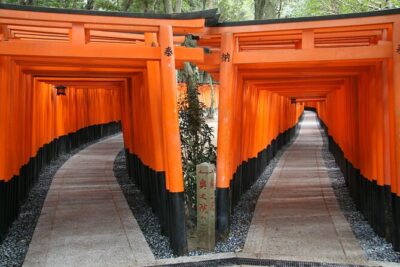
Fushimi Inari, Kinkakuji, Bamboo Grove 1 Day Bus Tour
Read our review →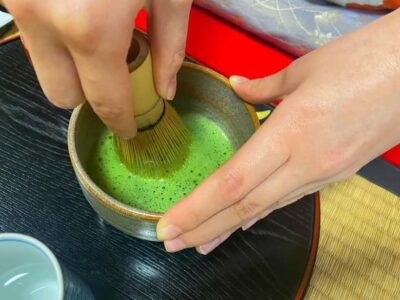
Tea Ceremony in a Traditional Tea House in Kiyomizu
Read our review →
Kyoto Geisha Walking Tour: Gion District & Hidden Gems
Read our review →

Gion Magical Night Walking Tour with Geisha Trivia
Read our review →