

Reviewed · MUSEUMS
Kyoto Railway Museum Admission Ticket
Japan’s trains tell a bigger story. At Kyoto Railway Museum, you can walk among 53 real trains, from steam locomotives to Shinkansen, while hands-on displays explain how rail travel works. I love the rare mix of serious railway history and playful exhibits, and I especially like that you can step inside the trains instead of only viewing them behind glass.
The working steam locomotive ride is another major draw. I also enjoy the roundhouse turntable, where the engines rotate into position in a scene that feels wonderfully old-fashioned. The main drawback is that the museum is closed every Wednesday, and popular features may require patience when queues build.
In This Review
- Key points to know before you go
- Entering Kyoto’s world of locomotives
- The 53-train collection is the main event
- Steam power and the roundhouse turntable
- Hands-on displays explain how trains work
- The Sky Terrace gives you a change of pace
- A practical visit plan for one day
- Who will enjoy this museum most?
- Is the $9 admission good value?
- Final verdict: should you book the Kyoto Railway Museum?
- FAQ
- Where is the Kyoto Railway Museum?
- How long is the ticket valid?
- Is the Kyoto Railway Museum open on Wednesdays?
- How much does admission cost?
- Is the museum wheelchair accessible?
- Is the ticket refundable?
Key points to know before you go
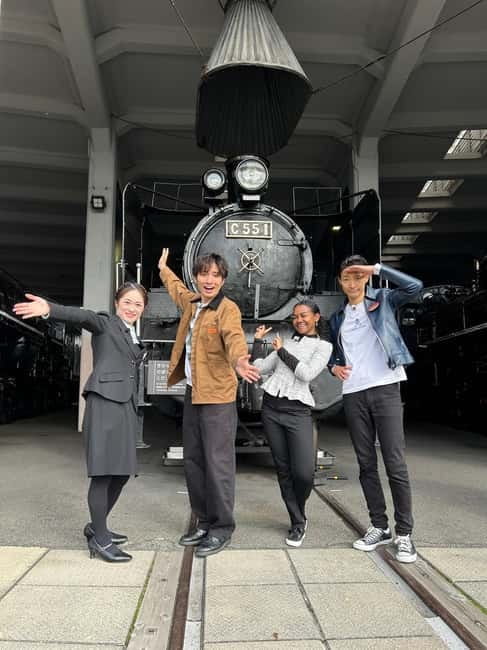
- 53 full-size trains: See Japanese railway development through steam engines, older passenger cars, and the famous Shinkansen.
- A working steam locomotive: Add a nostalgic ride to your museum visit for a small extra moment of railway theater.
- Historic roundhouse turntable: Watch locomotives rotate in one of the museum’s most memorable sights.
- Hands-on learning: Try train-driving simulators, railway dioramas, and practical displays about how trains operate.
- Sky Terrace views: Take a break above the exhibits and watch the railway world beyond the museum.
- Plan around Wednesday closure: The museum is open for one day per ticket, but opening hours can change, so check the official website before setting out.
Entering Kyoto’s world of locomotives
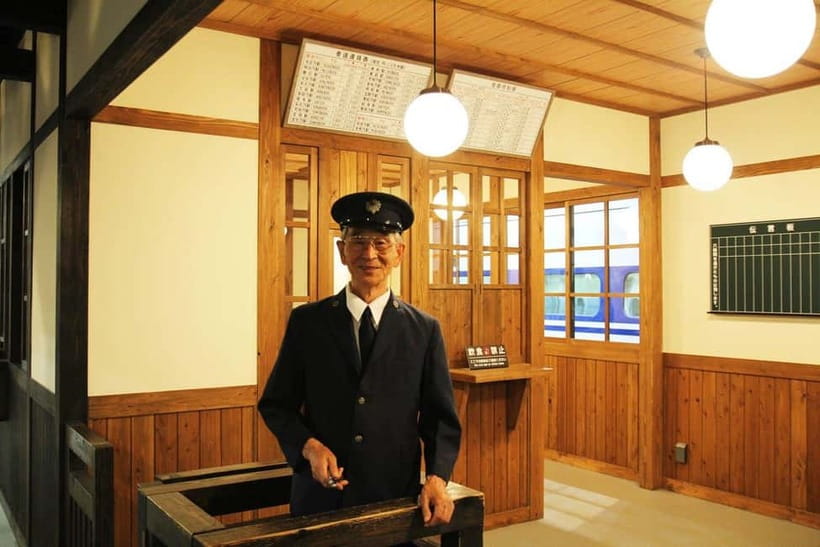
The Kyoto Railway Museum sits in Honshu, Japan, at 34.9870986, 135.7422732. You go directly to the museum to redeem your admission ticket, rather than meeting a guide elsewhere. That makes the visit easy to fit into a Kyoto day, especially if you want an attraction with a clear start and finish.
Your standard admission covers entry to the museum. At about $9 per person, the price is modest for a full-day attraction with large machinery, interactive displays, train interiors, and a steam locomotive experience. I consider it good value even if you spend only several hours inside, since the collection offers far more than a quick display of old engines.
The ticket is valid for one day. Keep it handy if you leave and plan to return, since staff need to see the admission ticket when you re-enter. This small detail matters if you want lunch outside or need a short break during a longer visit.
The museum is wheelchair accessible, which helps if you need step-free access around a large exhibition space. Infants under three enter free. Children from three to seven can buy tickets on-site for 200 yen, so families should compare that local child price with the adult booking arrangement before purchasing.
More Museum Visits in Kyoto
- Kyoto: Tea Museum Tickets and Matcha Grinding Experience
★ 4.9 · 739 reviews - Skip the lines Basic Ticket at SAMURAI NINJA MUSEUM KYOTO
★ 4.5 · 632 reviews - Kyoto : Geiko Maiko Dance of Kyoto & Visits of Gion Museum
★ 4.6 · 415 reviews
The 53-train collection is the main event
The museum’s strongest feature is its scale. Fifty-three real trains give you a physical sense of Japan’s railway development that photographs cannot match. You see the change from steam power to modern high-speed rail in a single visit, with plenty of machinery between those two points.
The collection includes steam locomotives and Shinkansen trains, so you get both ends of Japan’s railway image. The steam engines bring smoke, metal, and old railway drama to mind. The bullet train offers a sharp contrast, with its famous streamlined shape and place in modern Japanese transport.
I recommend taking your time around the trains before rushing to the more playful exhibits. Look at the size of the wheels, the arrangement of the carriages, and the difference between the older engines and the sleek high-speed trains. Even if you are not a dedicated rail fan, the physical scale makes the subject easy to understand.
The ability to step inside iconic trains adds real value. You can see passenger spaces from close range and imagine how railway travel changed over time. This is far more engaging for children than reading labels alone, and adults who remember their own train journeys may find the older cars especially appealing.
The collection also works for visitors with different levels of interest. A railway enthusiast can focus on the locomotives and technical details. Someone who simply wants a memorable Kyoto attraction can concentrate on the large trains, the Shinkansen, and the hands-on sections.
Steam power and the roundhouse turntable

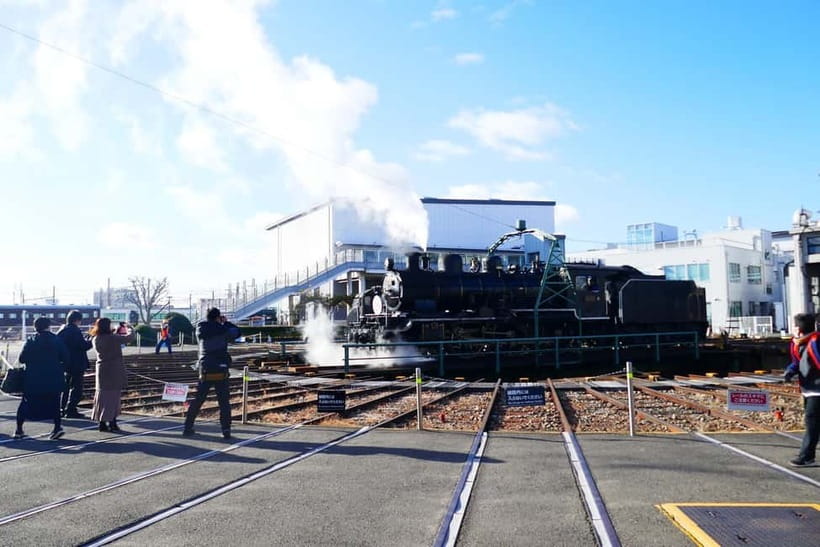
The working steam locomotive ride is one of the museum’s most appealing extras. It gives you a short taste of railway travel powered by an engine rather than an electric system. The point is not speed. It is the atmosphere and the chance to see a historic machine doing its job.
For children, the ride gives the museum a clear emotional high point. For adults, it connects the displays to the sound and movement of working rail equipment. Since the museum includes so many static exhibits, this moving section helps the visit feel active.
The roundhouse is another essential stop. Here, you can watch the turntable rotate locomotives into position. It is a simple piece of railway engineering, but it has strong visual appeal. A large engine slowly turning on a circular platform is the kind of scene you remember after leaving.
I would make a point of checking the day’s schedule for the steam ride and turntable activity when you arrive. The supplied information does not give fixed operating times, so you should not assume you can catch every feature at any moment. Ask museum staff early, then plan the rest of your visit around those times.
Hands-on displays explain how trains work
The museum is not just a collection of large vehicles. Interactive exhibits explain railway systems and the technical work behind them. You can move from simply looking at trains to understanding signals, operation, and the mechanics that make rail travel possible.
Train-driving simulators are a major attraction. They let you try the controls in a controlled setting, giving you a sense of the attention required to operate a train. I would expect these popular features to be more crowded than ordinary display areas, so visit early or be ready to wait.
The simulator is useful because it changes your role. Instead of watching a train arrive or reading about railway operations, you take part in a simplified version of the task. That makes the museum especially suitable for families, though adults who enjoy machines and transport will find plenty to do as well.
Railway dioramas offer a different kind of experience. These detailed miniature scenes show trains and rail networks in motion, helping you see how individual lines fit into a larger system. They are also a good pause between the full-size engines and the more technical displays.
The museum’s educational approach is one reason it earned a strong overall rating of 4.3 from 23 ratings. The appeal is broad: the exhibits can explain railway technology to a newcomer while still giving rail fans a large collection to inspect.
A few more Kyoto experiences worth weighing up
- From Osaka: Sagano Train Ride and Kyoto Guided Day Tour
★ 4.3 · 180 reviews - Full Day Hiroshima and Miyajima Tour by Bullet Train from Kyoto
★ 4.5 · 120 reviews - Kyoto: Arashiyama Day Tour with Train, Boat, and Onsen
★ 4.9 · 48 reviews - Mt Fuji and Hakone 1-Day Bus Tour Return by Bullet Train
★ 5.0 · 26,383 reviews
The Sky Terrace gives you a change of pace
After walking through engines, carriages, and interactive displays, the Sky Terrace offers a useful break. You can take in views from above and watch the railway world from a different angle. The terrace keeps the visit from becoming one long indoor circuit.
Some of the strongest comments about the museum describe it as quiet, cool inside, and full of things to see and use. That matters during a busy Kyoto sightseeing day. You get an attraction with indoor space, practical exhibits, and a place to pause without leaving the museum grounds.
I would save the Sky Terrace for the middle or later part of your visit. It gives you a chance to rest and decide how much more you want to see. Since the ticket covers the full day, you do not need to race through every section in one pass.
The museum also works well in poor weather, though the information provided does not promise specific indoor conditions beyond visitor impressions. You should still check current hours and operating details on the official website before going, as schedules can change.
A practical visit plan for one day
Start by checking the museum’s opening hours and closure calendar. Wednesday is the fixed weekly closure noted here, but daily hours may vary. Do this before you buy or use a non-refundable ticket, since the admission cannot be canceled.
On arrival, proceed directly to the Kyoto Railway Museum for ticket redemption. If the entrance queue is long, follow the instructions to wait in the line marked Early Bird Advance Ticket. That wording can be confusing, so pay attention to the staff and signs rather than joining a different queue at random.
Once inside, I would use this order:
- Begin with the full-size train collection to get your bearings.
- Step inside the notable trains, including the Shinkansen.
- Visit the interactive railway displays and simulators.
- Check the timing for the steam locomotive ride and turntable rotation.
- See the railway dioramas at a slower pace.
- Finish with the Sky Terrace and any exhibits you skipped.
This plan is flexible. If the steam ride is operating soon after arrival, change the order and catch it first. The same applies to the turntable rotation, since these moving features are tied to operating schedules rather than your personal pace.
A one-day ticket gives you room to pause. You can leave and return the same day if you show your admission ticket, which is useful if you need time away from the museum. Just remember that the ticket is non-refundable, so confirm your date carefully.
Who will enjoy this museum most?
Families should find the museum easy to enjoy. Children can climb into train interiors, watch machinery move, use interactive displays, and try the simulators. The full-size trains give younger visitors something impressive to see even if they do not read every explanation.
Railway enthusiasts will have the most to inspect. The 53-train collection, historic roundhouse, working steam locomotive, and Shinkansen displays provide a full day of focused interest. If you already know Japanese train types, you can spend more time on technical details and historical changes.
I also recommend it to anyone interested in Japanese technology. You do not need to know railway terminology in advance. The exhibits connect the trains to the systems around them, showing that rail travel depends on more than the vehicle itself.
It may be less suitable if you want a short, tightly guided attraction with a fixed route. The museum is self-directed, and its size can feel like a lot if you are only in Kyoto for a brief stop. You should allow enough time to make the entry fee worthwhile.
The museum can also be a good choice for a quieter indoor activity. One of the most positive impressions attached to the experience is that it felt quiet and cool inside, with many exhibits available to explore. That makes it a sensible change from outdoor sightseeing, especially when you want a slower afternoon.
Is the $9 admission good value?
At $9, the value is strong. You are paying for access to a large collection of real trains, technical exhibits, simulators, dioramas, a roundhouse, a steam locomotive experience, and the Sky Terrace. Even if some hands-on features have queues, the main collection gives you plenty to see without paying for a separate guided tour.
The value is best if you enjoy spending time with exhibits. A rushed visit will still let you see the major trains, but the museum rewards patience. I would not treat it as a quick photo stop, since the technical displays and train interiors are what make the admission worthwhile.
Families also get a helpful price break for younger children. Infants under three are free, and children aged three to seven can buy admission on-site for 200 yen. Check the exact current arrangements before purchase, but this can make the museum an affordable family outing.
The main financial caution is the non-refundable policy. Do not book until your Kyoto schedule is firm, and check the Wednesday closure and current opening hours first. The low price reduces the risk, but it does not remove the need to choose your date carefully.
Final verdict: should you book the Kyoto Railway Museum?
I would book this experience if you like trains, machines, Japanese technology, or family attractions with plenty to touch and see. The combination of 53 real trains, a working steam locomotive, a rotating roundhouse turntable, simulators, and the Shinkansen gives the museum real range.
I would also choose it for a rainy or slower Kyoto day, provided the opening schedule works for you. The museum offers enough material for several hours and can fill a full day for dedicated rail fans.
Skip it only if your itinerary has no room for a self-guided museum or if you want a short attraction with no waiting for scheduled features. For about $9, though, the Kyoto Railway Museum is an unusually good-value stop, and its strongest moments come from seeing real railway equipment move, rotate, and open for you to explore.
FAQ
Where is the Kyoto Railway Museum?
The museum is in Kyoto on Honshu, Japan. The listed coordinates are 34.9870986, 135.7422732. You should proceed directly to the museum for ticket redemption.
How long is the ticket valid?
The admission ticket is valid for one day. If you leave and return on the same day, present your admission ticket to staff when re-entering.
Is the Kyoto Railway Museum open on Wednesdays?
No. The museum is closed every Wednesday. Opening hours may also change, so check the official website before your visit.
How much does admission cost?
The listed price is $9 per person for standard museum admission. Children aged three to seven can purchase tickets on-site for 200 yen, and children under three enter free.
Is the museum wheelchair accessible?
Yes. The activity information states that the Kyoto Railway Museum is wheelchair accessible.
Is the ticket refundable?
No. The activity is non-refundable, so confirm your date, the Wednesday closure, and the current opening hours before booking.
Just added around Kyoto
- Tea Ceremony in 150 Years Old Townhouse with Tables and Chairs★ 5.0 · 22 reviews
- Kyoto to Arashiyama Day Trip – Private & Personalized★ 4.3 · 22 reviews
- Kyoto Ramen Tour★ 5.0 · 22 reviews
- Private Tour to Monkey Park and Arashiyama Highlights★ 5.0 · 22 reviews
- Kyoto Japanese Tea Ceremony Experience in Ankoan★ 5.0 · 22 reviews
- Kyoto: Arashiyama Walking Tour with Local Guide★ 4.9 · 22 reviews
- Private & Custom KYOTO Walking Tour – your Travel Companion★ 4.0 · 23 reviews
- Private Cooking Class Udon in Kyoto Japan★ 5.0 · 23 reviews
Museums, compared.

teamLab Planets TOKYO Digital Art Museum Entry Ticket
Read our review →
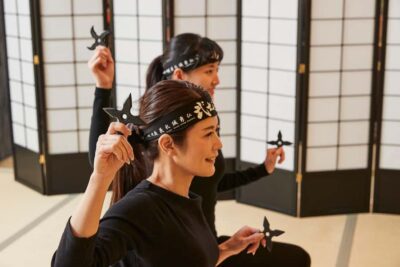
Samurai Ninja Museum Guided tour and Experience
Read our review →
Tea Museum Tickets and Matcha Grinding Experience
Read our review →
Skip the lines Basic Ticket at SAMURAI NINJA MUSEUM KYOTO
Read our review →
Ninja Experience (Family Friendly) at Samurai Ninja Museum TOKYO
Read our review →
Tokyo Studio Ghibli Museum and Ghibli Film Appreciation Tour
Read our review →
Geiko Maiko Dance of Kyoto & Visits of Gion Museum
Read our review →Browse the lists this tour appears in