
Reviewed · MIYAJIMA ISLAND TOURS
Full Day Hiroshima and Miyajima Tour by Bullet Train from Kyoto
Two sacred places, one very long day. This Kyoto excursion pairs the beauty of Miyajima Island with Hiroshima’s deeply moving peace sites, and I like that reserved Shinkansen travel and local transport are included. I also like the way an English-speaking guide adds context that signs alone cannot provide. The main drawback is the tight schedule: Miyajima and the Peace Memorial Museum can both feel rushed.
At $399.71 per person, this is not a cheap day out. Still, the price covers return bullet train tickets, ferries, local transport, admissions, the Miyajima visitor tax, and a licensed English guide during the Hiroshima portion. If you want to see both places from Kyoto in one day without organizing several train and ferry connections, the cost can make sense.
In This Review
- Key points to know before booking
- Why this Kyoto day trip works
- Meeting at Kyoto Station at 7:30 a.m.
- The Kyoto to Hiroshima Shinkansen ride
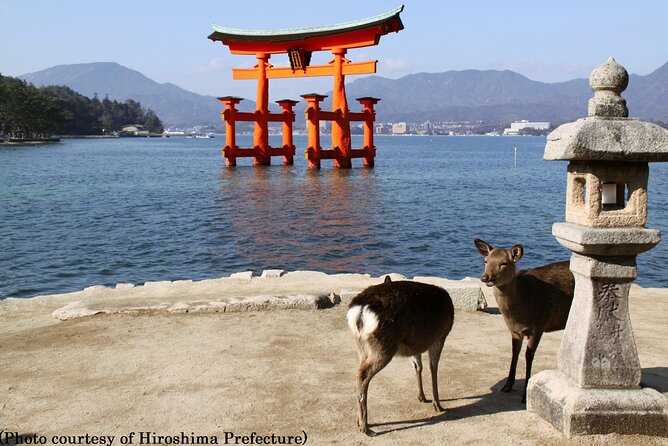
- Miyajima and the first view of Itsukushima Shrine
- Choosing lunch on Miyajima
- The Atomic Bomb Dome and Peace Memorial Park
- One hour inside the Hiroshima Peace Memorial Museum
- Returning to Kyoto after a full day
- What the $399.71 price really covers
- Who should book this experience?
- Should you book the Kyoto to Hiroshima tour?
- FAQ
- Where does the tour start in Kyoto?
- What time does the tour start?
- How long does the experience last?
- When does the tour return to Kyoto?
- Is transportation from Kyoto to Hiroshima included?
- Is lunch included?
- What foods are available on Miyajima?
- Is Itsukushima Shrine included?
- Is the Hiroshima Peace Memorial Museum included?
- Can I cancel for a full refund?
Key points to know before booking
- A 13-hour, 20-minute day from Kyoto: You meet at 7:30 a.m. and return to Kyoto Station at about 9:00 p.m.
- Reserved Shinkansen seats are included: You travel between Kyoto and Hiroshima by bullet train, in either a standard car or Green Car.
- Miyajima comes before Hiroshima’s memorial sites: The day begins with Itsukushima Shrine, the famous torii gate, deer, lunch time, and island scenery.
- Lunch is not included: You choose and pay for your own meal on Miyajima, where oysters, okonomiyaki, and conger eel rice bowls are common options.
- The Peace Museum deserves your full attention: The visit is powerful, but some people feel the allotted hour is too short.
- The meeting point takes care: The Sunrise Tours Desk is inside the basement level of Avanti, across from Kyoto Station’s Hachijo Exit.
Why this Kyoto day trip works
Hiroshima is possible as a day trip from Kyoto, but the distance makes planning matter. The bullet train takes about two hours each way, and this tour removes much of the guesswork. You are guided to the train in Kyoto, met in Hiroshima, and moved between Miyajima, the peace park, and the station by boat, train, bus, or vehicle as required.
That structure is the tour’s biggest strength. You do not need to work out the ferry connection to Miyajimaguchi, locate Itsukushima Shrine, or calculate how to get back to Hiroshima Station in time for the return train. The day keeps moving.
The tradeoff is clear: this is a survey of Hiroshima and Miyajima, not a slow visit to either one. You get the major sights, but not much room for wandering, shopping, extra museum time, or a relaxed meal.
The group can reach up to 40 people. That is large enough to feel like a proper group excursion, though the quality of the day depends partly on how well you can hear the guide and keep close to the group.
More Miyajima island trips:
- Peaceful Hiroshima & Miyajima UNESCO 1 Day Bus Tour
★ 5.0 · 5,309 reviews - Hiroshima: Hiroshima and Miyajima UNESCO Sites 1-Day Tour
★ 4.9 · 2,330 reviews - Hiroshima / Miyajima Full-day Private Tour with Government Licensed Guide
★ 5.0 · 1,298 reviews
Meeting at Kyoto Station at 7:30 a.m.
The official meeting point is the JTB Sunrise Tours Desk inside Avanti B1F, at 31 Higashikujō Nishisannōchō, across from Kyoto Station’s Hachijo Exit. Staff then walk with you to Kyoto Station and help you reach the platform.
Give yourself extra time. The desk is downstairs, and the location can be hard to spot if you only look around the main station concourse. Clearer signs would help, so I would aim to arrive well before 7:30 a.m. rather than trying to find the desk at the last moment.
This early start is part of the bargain. You need it to fit both destinations into one day, but it also means you should expect to be tired by the return to Kyoto. Bring water, comfortable shoes, and something small to eat for the train if breakfast is not practical.
The Kyoto to Hiroshima Shinkansen ride
The bullet train is a major part of the experience, not just a way to get from one place to another. The ride to Hiroshima takes about one hour and 40 minutes according to the scheduled itinerary, while the tour overview describes the journey as roughly two hours. Your return is by Shinkansen as well.
Reserved seating is included, with seats in either a standard car or the premium Green Car. Seats may not be designated in advance, so your exact place on the train can vary. Even so, having train arrangements handled for you is valuable on a long day.
The ride gives you time to rest before the sightseeing begins. Your Hiroshima guide introduces the city’s story, from earlier periods through the 1945 bombing and the postwar rebuilding. Several guides, including Masako, Azusa, Taeko Watanabe, Akiko, Hiro, and Takeshi, received especially warm praise for being organized, friendly, and clear in English.
Guide quality may vary. One poor experience involved a guide who was described as curt and difficult to engage, while another complaint focused on limited English and reading from notes. Most of the available feedback is strongly positive, but the mixed comments are worth keeping in mind when you book a guided day rather than a self-directed trip.
Miyajima and the first view of Itsukushima Shrine
From Hiroshima, you travel to Miyajimaguchi by train or vehicle, then cross the water by boat to Miyajima, also called the Sacred Island. The boat ride changes the pace nicely. After the early train, you get open views and a sense of arrival.
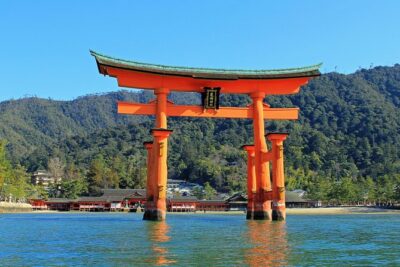
Itsukushima Shrine is the island’s main draw. Founded in the sixth century, it is known for its Heian-period Shinden-zukuri design and its large torii gate, which can appear to float on the water at high tide.
The shrine is included, as is the Miyajima visitor tax. You should have about an hour at the shrine stop, followed by roughly an hour for lunch and free time on the island. The exact order and timing can change with traffic and congestion.
Miyajima is the lighter opening to a serious day. You might see tame deer roaming around the island, and the setting gives you time to take photographs and absorb the scenery before the afternoon’s difficult subject matter.
Still, an hour at the shrine is not generous. If you want to study the architecture, visit other religious buildings, shop, eat slowly, and take photographs at the torii gate, you will need to choose carefully. The island is beautiful, but this tour gives you an introduction rather than a full island visit.
A few more Kyoto experiences worth weighing up
- From Osaka: Sagano Train Ride and Kyoto Guided Day Tour
★ 4.3 · 180 reviews - Kyoto: Arashiyama Day Tour with Train, Boat, and Onsen
★ 4.9 · 48 reviews - Mt Fuji and Hakone 1-Day Bus Tour Return by Bullet Train
★ 5.0 · 26,383 reviews - Mt Fuji & Hakone Cruise, Drum Show Bullet Train 1 Day from Tokyo
★ 4.0 · 7,413 reviews
Choosing lunch on Miyajima
Lunch is at your own expense, and that is both useful and limiting. You can select what suits your appetite and budget instead of being tied to a fixed group menu. The island is known for oysters, Hiroshima-style okonomiyaki, and conger eel rice bowls.
The limited time matters here. You may need to choose a restaurant quickly, especially if the island is crowded. A long sit-down meal could leave you with little time for photographs, shops, or a closer look around the shrine.
Vegetarian choices may require care. One person found the available food options limited, so if you have dietary needs, do not assume the group lunch arrangements will solve them. The tour does not include meal charges or promise a specific restaurant.
After the island visit, you return by boat toward Hiroshima. The water crossing offers a welcome pause before the peace memorial sites.
The Atomic Bomb Dome and Peace Memorial Park
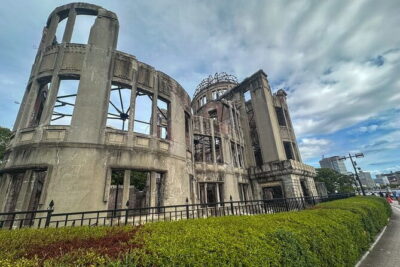
The afternoon turns from scenic to solemn. The Atomic Bomb Dome, also called the Genbaku Dome or Hiroshima Peace Memorial, is one of the few buildings left standing after the atomic bomb was dropped on August 6, 1945.
The structure is preserved as a reminder of the bombing and as a symbol of peace. Seeing it in person is different from seeing a photograph because the remains sit within the modern city, surrounded by the life of present-day Hiroshima.
You spend about 40 minutes at the dome and nearby memorial sites. The Children’s Peace Monument is covered with thousands of origami cranes made by children. The Atomic Bomb Memorial Mound contains the ashes of 70,000 victims, many of whom were unidentified or had no relatives able to claim them.
Your guide explains the sites as you move through the park. This is where a good guide adds real value. Names such as Sato, Takeshi, and Azusa were praised for making the history clear, personal, and thoughtful without losing control of the group’s schedule.
The park is not simply a collection of monuments. It asks you to connect the physical remains, individual victims, children’s memorials, and the city’s recovery. Allow yourself a little quiet time between explanations. It is an emotional part of the day.
One hour inside the Hiroshima Peace Memorial Museum
The museum is the most important stop for many people. Its exhibits examine the atomic bombing, its effects on the people of Hiroshima, and the city’s recovery after the war.
The tour includes admission and a guided introduction. After that, you have time to see the exhibits yourself. The scheduled museum visit lasts about one hour, which is enough to understand the main displays but not enough for a slow reading of every panel.
This is the clearest weakness in the itinerary. Several people wanted more time in the museum and less time on Miyajima. The building can be crowded and warm, and difficulty hearing the guide has also been reported when audio receivers did not work properly.
If the guide points you toward the main building first, follow that advice. One family found this helped them use the limited time well. You may be able to leave the organized tour and stay longer, but you would need to change your return Shinkansen ticket yourself. That is not a casual option, so only do it if you are comfortable managing the train change.
The museum contains upsetting material, including photographs and accounts of injuries and deaths. Parents should consider this carefully for younger children. Participants under 18 need written parental permission, and anyone under 15 or not yet in middle school must be accompanied by a parent or guardian.
Returning to Kyoto after a full day
After the museum and memorial sites, the group travels back to Hiroshima Station by vehicle or train. The return Shinkansen brings you to Kyoto Station in the evening, usually around 9:00 p.m.
There is no hotel drop-off. Once you arrive, you make your own way to your next destination. This is simple if you are staying near Kyoto Station, but less convenient if you still have a long local train or bus journey ahead.
The final hour can feel long. On the other hand, the return train gives you a quiet place to rest, talk with people from the group, or reflect on the day. The tour’s organized transport is especially helpful at this point because you do not have to solve another connection after a demanding afternoon.
What the $399.71 price really covers
At $399.71, this tour costs more than buying some of the transport and visits independently. The value comes from what is bundled together:
- Return Kyoto to Hiroshima Shinkansen travel
- Reserved seating in standard or Green Car service
- Transportation between Hiroshima, Miyajimaguchi, Miyajima, and the memorial sites
- Boat transportation to Miyajima
- Itsukushima Shrine admission
- Hiroshima Peace Memorial Museum admission
- Miyajima visitor tax
- A licensed English guide during the Hiroshima segment
Lunch is extra, and so are any costs not specifically listed. You also pay for convenience. The company coordinates a complicated route in a single day and provides a guide who can explain the background at each location.
I would call the tour good value for someone with only one day available and little desire to plan. If you are comfortable buying train tickets, checking ferry times, and organizing local transport, an independent trip may cost less and give you more time at the museum. But it also requires careful timing, especially for the return to Kyoto.
The tour makes the most financial sense for first-time visitors who place a high value on structure, reserved transport, and historical explanation.
Who should book this experience?
I would recommend it to adults, families with older children, and anyone staying in Kyoto who wants to see Hiroshima without changing hotels. It is also a strong choice if you want the famous island shrine and the peace memorial sites in one day.
You should be ready for a long day with plenty of walking, transfers, and emotional weight. The tour is not ideal if you prefer slow meals, long museum visits, independent photography, or flexible timing.
The guide is a central part of the value. The best guides, including Masako, Azusa, Taeko Watanabe, Akiko, Hiro, Marie, Sato, Takeshi, and Miki, were praised for warmth, organization, humor, and clear explanations. At the same time, the uneven comments about guide style and audio equipment show why expectations should remain practical.
Should you book the Kyoto to Hiroshima tour?
Book it if you want maximum coverage in one day and value having the trains, ferry, admissions, and local transport arranged. You will see Miyajima’s most famous shrine, the Atomic Bomb Dome, the Children’s Peace Monument, the memorial mound, and the Peace Memorial Museum without building the route yourself.
Skip it if the museum is your main reason for visiting Hiroshima. In that case, spend a night in the city or plan an independent visit with more time. For everyone else, this is a demanding but worthwhile day trip, provided you accept the early start, extra lunch cost, crowded sights, and limited time at each major stop.
FAQ
Where does the tour start in Kyoto?
The tour starts at the JTB Sunrise Tours Desk inside Avanti B1F, across from Kyoto Station’s Hachijo Exit, at 31 Higashikujō Nishisannōchō.
What time does the tour start?
The scheduled start time is 7:30 a.m.
How long does the experience last?
The tour lasts approximately 13 hours and 20 minutes.
When does the tour return to Kyoto?
The tour returns to Kyoto Station at about 9:00 p.m.
Is transportation from Kyoto to Hiroshima included?
Yes. Return Shinkansen transportation between Kyoto Station and Hiroshima Station is included, with reserved seating in either a standard car or Green Car.
Is lunch included?
No. Lunch is not included. You choose and pay for your own meal on Miyajima.
What foods are available on Miyajima?
Miyajima is known for oysters, Hiroshima-style okonomiyaki, and conger eel rice bowls.
Is Itsukushima Shrine included?
Yes. Admission to Itsukushima Shrine is included, along with the Miyajima visitor tax.
Is the Hiroshima Peace Memorial Museum included?
Yes. Museum admission is included, and the guide leads the group through the Hiroshima Peace Memorial Park and museum visit.
Can I cancel for a full refund?
Yes. You can cancel up to 24 hours before the experience start time for a full refund. Changes or cancellations made less than 24 hours before the start time are not accepted or refunded.
Just added around Kyoto
- Kyoto: Gion Night Walking Tour with Geisha Insight★ 5.0 · 39 reviews
- Kyoto: Private Customizable Day Trip by Car★ 5.0 · 38 reviews
- Kyoto: Full Day Bike Tour★ 4.9 · 39 reviews
- Private Japanese Calligraphy in Kyoto – Learn Shodō with a Master★ 5.0 · 39 reviews
- Kyoto: Gion Evening Walk with Hidden Gems, Geisha & Sake★ 5.0 · 41 reviews
- Experience a tea ceremony in an authentic tearoom, in Kyoto!★ 4.5 · 41 reviews
- Kyoto Private Photo Shoot & Tour by SnapKyoto★ 5.0 · 41 reviews
- The Way of Tea: Kyoto Crafts, Hidden Temples & Wabi-Sabi Walk★ 5.0 · 41 reviews
Miyajima Island Tours, compared.
Peaceful Hiroshima & Miyajima UNESCO 1 Day Bus Tour
Read our review →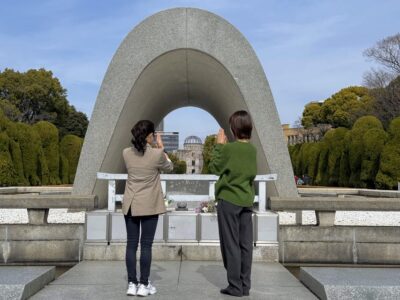
Hiroshima and Miyajima UNESCO Sites 1-Day Tour
Read our review →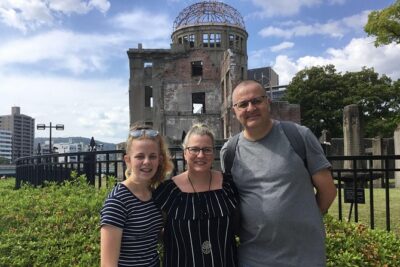
Hiroshima / Miyajima Full-day Private Tour with Government Licensed Guide
Read our review →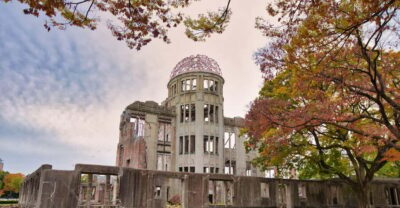
Osaka/Kyoto: Hiroshima Miyajima Bus Tour & Shinkansen Ticket
Read our review →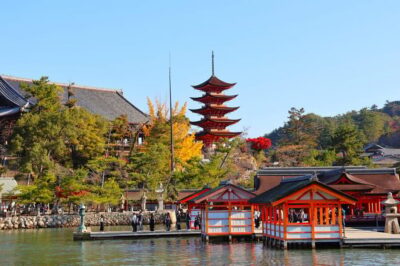
Hiroshima and Miyajima Day Trip with Itsukushima Shrine & Ferry
Read our review →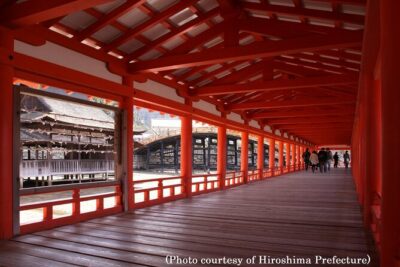
Full Day Hiroshima and Miyajima Bus Tour from Hiroshima
Read our review →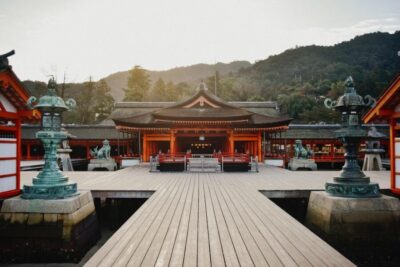
Miyajima Peace Memorial Icons of Peace and Beauty
Read our review →Browse the lists this tour appears in