
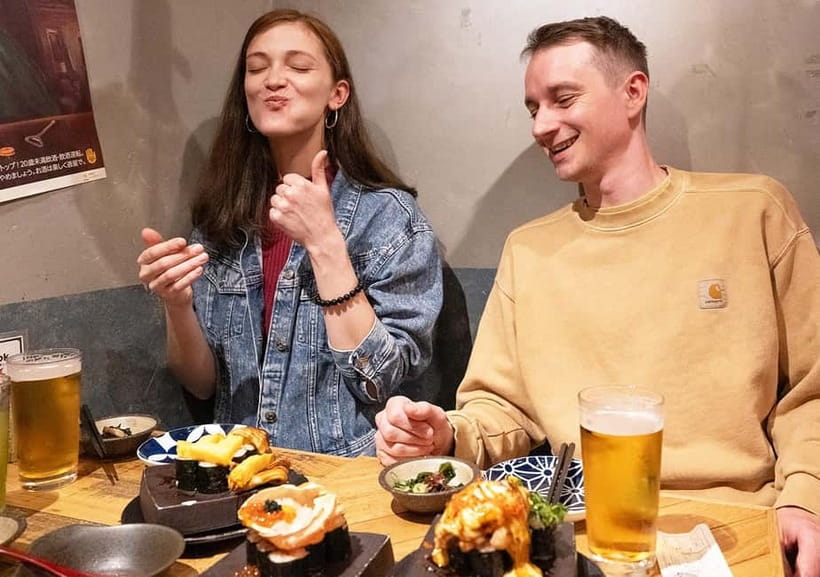
Reviewed · FOOD & DRINK
Shinjuku: Food Tour – 15 Dishes at 4 local eateries
Tokyo tastes better after dark. This three-hour Shinjuku food tour takes you through four local eateries for sushi, gyoza, kushikatsu, tonkatsu, takoyaki, sake, and other Japanese favorites. I like the generous range of food and the way the guide connects each dish with local customs. I also like that you walk through Omoide Yokocho, Kabukicho, and Golden Gai rather than simply sitting in one restaurant.
The main drawback is that the tour moves through busy nightlife streets and compact eateries, so it may not suit you if you want a quiet, slow dinner. The drinks allowance also needs checking at booking: the headline says two drinks, while the included list says three.
In This Review
- Why This Shinjuku Food Tour Is Worth Your Evening
- Four Stops, Fifteen Dishes, One Busy Tokyo Evening
- Omoide Yokocho: A Compact Start With Classic Japanese Flavors
- Kabukicho: Food Alongside Shinjuku’s Nightlife
- Golden Gai: Tiny Bars and a Sake-Focused Finish
- What You Actually Eat and Drink
- Why the Guide Matters More Than the Restaurant Names
- Is $72 Good Value?
- Practical Tips for a Smoother Night
- Who Should Book This Experience?
- Should You Book the Shinjuku Food Tour?
- FAQ
- How long does the Shinjuku food tour last?
- Where does the tour start?
- How do I identify the guide?
- How many eateries does the tour visit?
- How many dishes are included?
- How many drinks are included?
- Can someone under 20 join?
- Which languages are available?
- Can I cancel for a full refund?
- Do I have to pay when I reserve?
Why This Shinjuku Food Tour Is Worth Your Evening
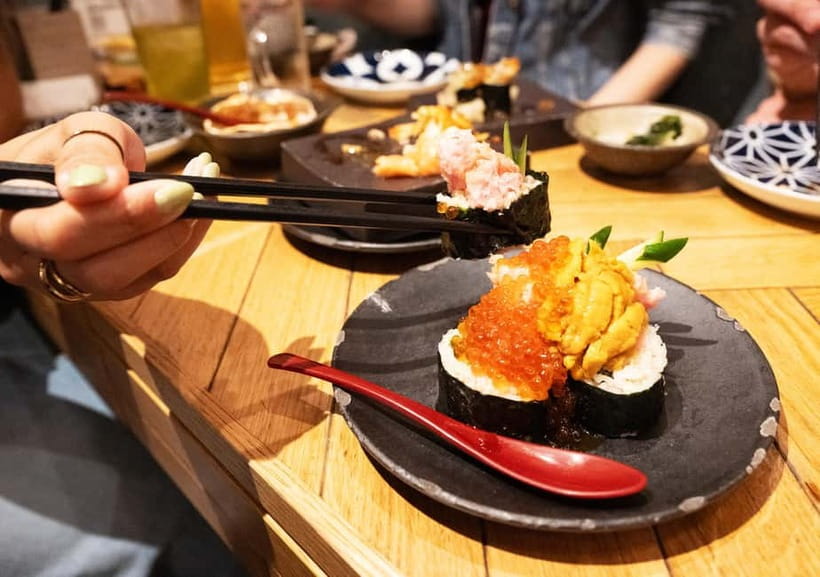
- Fifteen dishes make this a full meal, not just a few sample bites.
- Four eateries give you variety, from food stalls and izakayas to specialty restaurants and a sake bar.
- Omoide Yokocho, Kabukicho, and Golden Gai show three very different sides of Shinjuku after dark.
- Guides such as Sota, Ayaka, Shun, Yuto, and Sakura are praised for explaining food, etiquette, neighborhood customs, and drink choices.
- The $72 price includes food, drinks, and guiding, which can be useful when menus and ordering customs feel unfamiliar.
- The tour works well for curious first-time visitors, families with older children, and anyone who wants help finding small local places.
Four Stops, Fifteen Dishes, One Busy Tokyo Evening
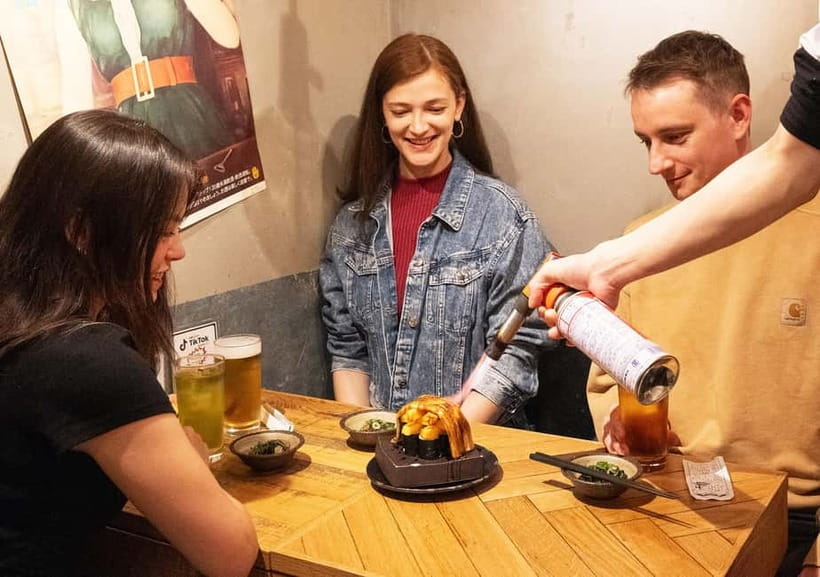
This is not a fine-dining experience. That is part of its appeal. You eat the sort of comforting, familiar food associated with everyday Japanese dining, usually in lively places where the focus is on good food and company rather than ceremony.
The tour starts at the Shinjuku Station East Exit Police Box, at 3-38-1 Shinjuku. Look for the guide holding a sign marked Local Guide Stars. Shinjuku Station is enormous and crowded, so allow extra time to reach the East Exit. One useful tip from the tour experience is simple: save the meeting-point map before you leave your hotel and keep WhatsApp ready, since the guide contacts you through that app.
From there, the evening unfolds on foot. Each stop adds food, but the walking matters just as much. Between meals, your guide points out arcades, alleys, nightlife streets, and corners that are easy to miss when you are navigating alone.
The pace is one of the tour’s strengths. You eat, walk, listen, and have time to chat before the next serving. One three-hour schedule is divided roughly into an hour around each main area, although the exact restaurant order and dishes can change with the season and restaurant availability.
More Food Tours in Tokyo
- Tokyo: Shinjuku Food Tour (13 Dishes at 4 Local Eateries)
★ 5.0 · 6,603 reviews - Tokyo Tsukiji Fish Market Food and Culture Walking Tour
★ 5.0 · 3,184 reviews - Tokyo: Shinjuku Food Tour (15 Dishes and 4 Eateries)
★ 4.9 · 2,033 reviews
Omoide Yokocho: A Compact Start With Classic Japanese Flavors
Omoide Yokocho is a narrow dining lane near Shinjuku Station, known for its small food counters and closely packed eateries. It is a good place to begin because the setting immediately feels different from a standard restaurant district. You are surrounded by tiny dining rooms, glowing signs, cooking smells, and the practical energy of people stopping for food and drinks.
Here, you might encounter grilled items, dumplings, fried dishes, or other familiar Japanese plates. The advertised selection includes juicy gyoza, crispy tonkatsu, takoyaki, sushi, and other seasonal choices, but the final menu is not fixed.
This is where a guide adds real value. Japanese menus may include dishes you recognize only by name, and the guide can explain what you are ordering, how it is normally eaten, and which choices suit your preferences. Guides including Ayaka and Rinna have been praised for helping with menus and offering food suggestions. That assistance is especially useful if you have dietary likes, dislikes, or limited experience with Japanese cuisine.
The possible downside is physical space. Omoide Yokocho eateries are often small, and this tour is designed around local-style dining rather than spacious tables. If you dislike tight seating or busy streets, take that into account before booking.
Kabukicho: Food Alongside Shinjuku’s Nightlife
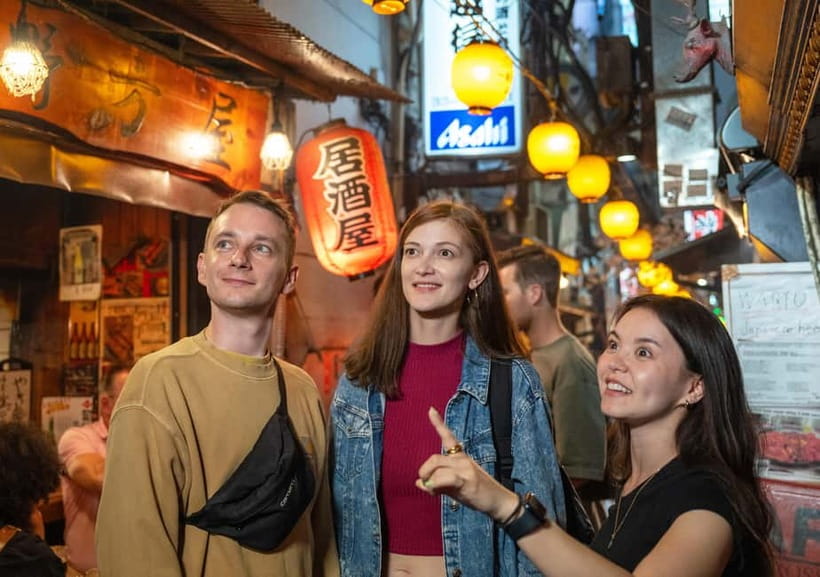
The walk into Kabukicho changes the mood. This is one of Tokyo’s best-known nightlife districts, filled with bright signs, restaurants, arcades, bars, and streets that become especially active after sunset.
The tour does not treat Kabukicho as just a backdrop for dinner. Your guide gives context about the area and leads you through parts you might not think to explore alone. Some food stops are near streets associated with Shinjuku’s former red-light district, giving you a more layered look at the neighborhood than a simple restaurant visit would provide.
Food here can include sushi, fried cutlets, dumplings, takoyaki, and other small plates. The point is variety. Rather than ordering one large dish and calling it dinner, you work through a succession of tastes. You may also receive drinks such as a lemon sour, highball, plum wine, or Japanese sake, depending on the evening’s menu.
This part of the experience suits you if you like learning small cultural details while you eat. Guides are praised for explaining Japanese food customs and etiquette in an easy, conversational way. Yuki, for example, has been singled out for explaining why certain habits exist and for helping with drink choices. That kind of explanation turns a plate of food into something more memorable.
Kabukicho is also the part of the tour where the crowd level may be most noticeable. Keep close to your group, listen for street crossings, and wear shoes you can walk in comfortably. You are not covering huge distances, but the evening involves steady movement through busy public areas.
Golden Gai: Tiny Bars and a Sake-Focused Finish
Golden Gai is made up of narrow lanes lined with very small bars and eateries. It feels intimate, idiosyncratic, and unlike the broad commercial streets around Shinjuku Station. The tour’s final area provides a fitting end because it focuses on the social side of Japanese nightlife.
Some groups finish at a sake bar and taste several types of sake. The exact drink service can vary, but the experience may include different sake styles alongside other alcoholic or non-alcoholic options. If you are curious about sake but do not know where to begin, this is more useful than choosing a bottle at random from a large menu.
The setting also gives your guide room to explain bar customs and local drinking culture. You can ask questions that might feel awkward when ordering alone, such as what to try first or how a particular drink is normally served.
Golden Gai is not designed for a large, quiet dinner. Its narrow passages and small venues are part of the character, but they can also make the experience feel close and crowded. The tour is a better fit for you if you enjoy atmospheric places and social dining than if you prefer polished interiors and plenty of personal space.
A completely different kind of day out in Tokyo:
- Mt Fuji and Hakone 1-Day Bus Tour Return by Bullet Train
★ 5.0 · 26,383 reviews - 1-Day Tokyo Bus Tour
★ 5.0 · 14,250 reviews - Tokyo: TOKYO SKYTREE® Admission ticket
★ 4.5 · 11,192 reviews - Tokyo: teamLab Planets TOKYO Digital Art Museum Entry Ticket
★ 4.6 · 9,779 reviews
What You Actually Eat and Drink
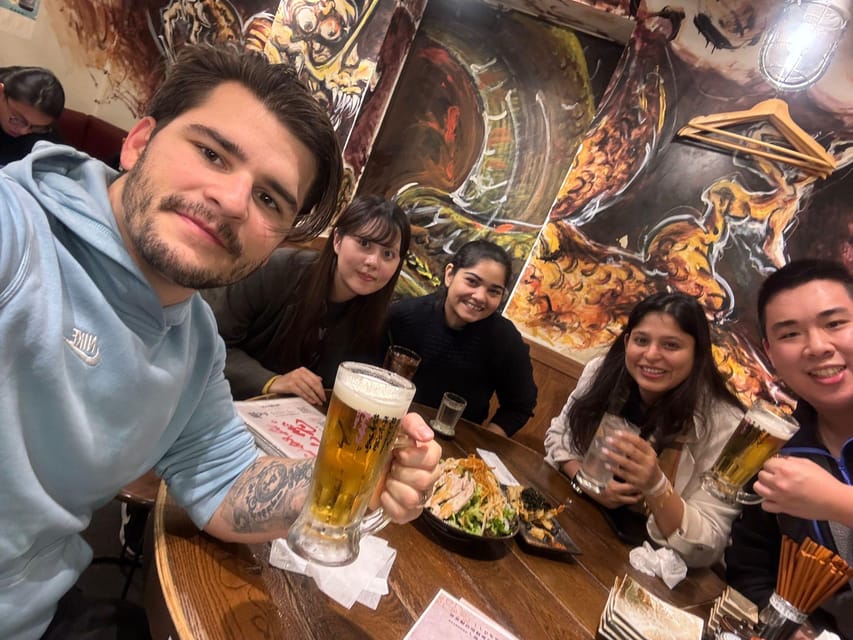
The advertised menu offers up to 15 Japanese dishes, enough for a full meal. The examples include:
- Fresh sushi
- Gyoza
- Kushikatsu
- Tonkatsu
- Takoyaki
- Japanese sake
- Lemon sours and highballs
- Plum wine
- Matcha ice cream
The food is intended to cover different textures and styles. You get crisp fried items, soft dumplings, savory grilled or cooked dishes, fresh seafood, and a sweet finish may appear depending on the evening.
The menu is not guaranteed dish by dish. Seasonal ingredients, restaurant availability, and the needs of the group can affect what appears. That flexibility is normal for a food walk, but you should not book expecting a precise 15-item checklist with every example listed above.
There is also a small inconsistency in the published details. The highlights describe two drinks, while the included section says three drinks, including alcoholic and non-alcoholic choices. I would confirm the current drink allowance when booking rather than build your budget around the higher number.
Under-20 participants may join, but they cannot drink alcohol. The information provided does not list a separate child menu, so families should be prepared for the regular food selection and ask the guide about non-alcoholic choices.
Why the Guide Matters More Than the Restaurant Names
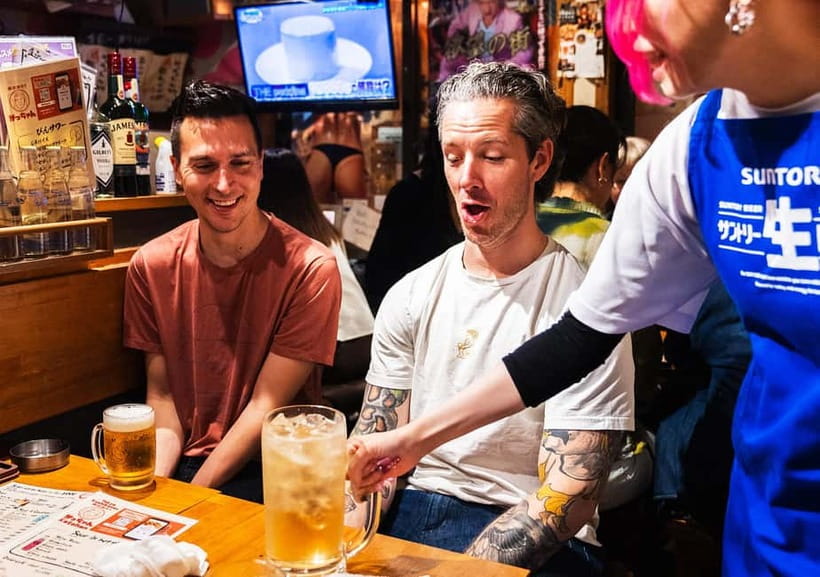
The restaurants are important, but the guide is the thread holding the evening together. You are not simply being dropped at four eateries. You are being helped through ordering, pacing, neighborhood navigation, and food etiquette.
Several guides have received especially warm praise for their approach. Sota is noted for clear explanations and strong recommendations, with experience living in the United Kingdom that helps him communicate with English-speaking visitors. Ayaka is repeatedly praised for her energy, food knowledge, cultural explanations, and willingness to offer further Tokyo suggestions after the tour.
Shun is another guide whose style comes through clearly: funny, personable, relaxed, and happy to let the group set a comfortable pace. Yuto has been appreciated for sharing his own life in Tokyo while leading groups through four food stops. Sakura, Naoto, Hannah, Mana, Noa, Angie, and others have also been praised for warmth, patience, and enthusiasm.
Of course, you cannot choose your guide in advance unless the operator confirms one. Still, the repeated strength of the guiding team is reassuring. The best guides do more than recite facts. They help you feel comfortable ordering unfamiliar food, explain why a neighborhood looks and behaves as it does, and answer the practical questions that arise during a first visit to Japan.
The group setting is another plus. Some evenings form small groups, which makes conversation easier around the tables. You meet other people while sharing dishes, and that can be a pleasant part of the night. If you want a private food tour for just your own party, this is not presented as that kind of experience.
Is $72 Good Value?
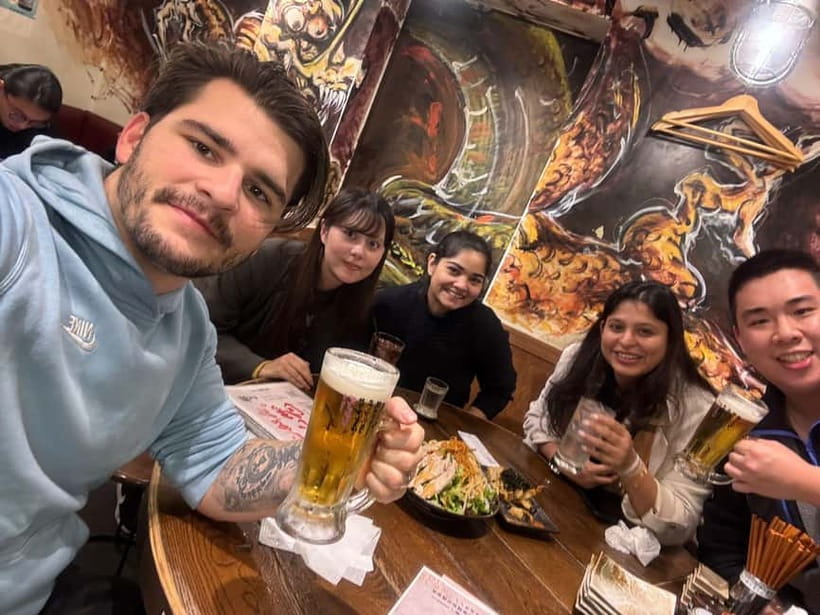
At $72 per person, the price is reasonable if you use the full package. You receive up to 15 dishes, drinks, visits to four eateries, a local guide, neighborhood walks, and help with ordering. Buying that much food and drink separately could quickly approach the same cost, especially if you are sampling several types of Japanese cuisine.
The value is not only in the amount of food. You are paying to avoid guesswork. A guide can take you to places you might not locate on your own, explain unfamiliar menus, and structure the evening so you do not spend half your time deciding where to eat.
It is less valuable if you are already comfortable in Shinjuku, speak Japanese, know which eateries you want to visit, and prefer choosing your own portions. You also pay for the social element and the neighborhood walking, so someone interested only in a fast, inexpensive meal may find the tour less compelling.
Additional food and drinks cost extra. Since 15 dishes are described as enough for a full meal, you should not need much more, but appetites vary. Check the drink allowance before you go, since two and three drinks are both stated in the supplied details.
Practical Tips for a Smoother Night
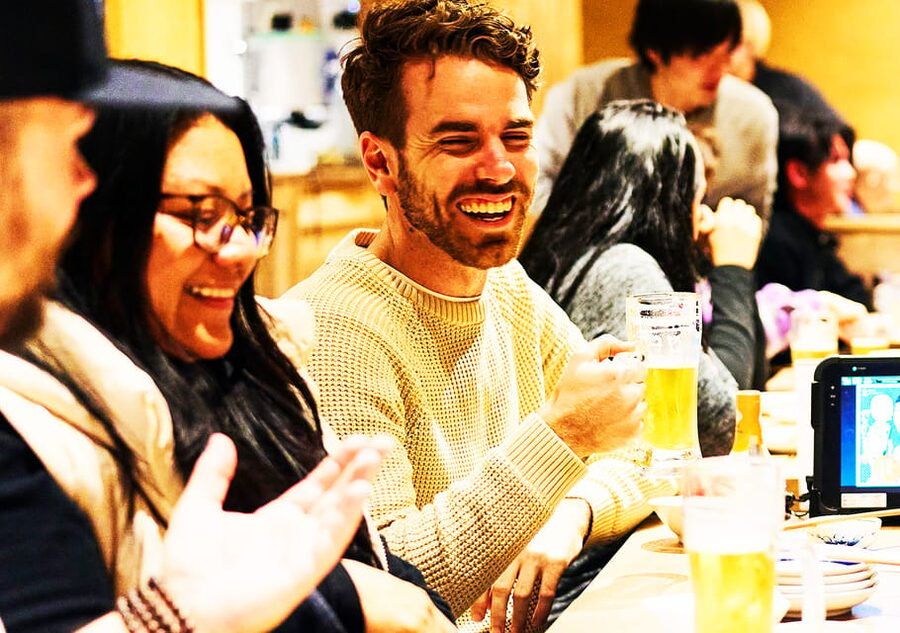
Arrive early at the East Exit Police Box. Shinjuku Station can be confusing even when you know Tokyo well, and one participant specifically found the meeting point tricky to locate.
Download WhatsApp before the tour. The guide uses it to contact you, and having the app ready avoids last-minute communication problems.
Wear comfortable shoes. The walking is not described as strenuous, but the route moves through Omoide Yokocho, Kabukicho, and Golden Gai, with time spent standing and moving between eateries.
Keep an open mind about the menu. The dishes are selected to show a range of Japanese food, and the menu may change with the season or restaurant availability.
Tell the guide about your preferences early. The supplied experiences show that guides are willing to suggest dishes and drinks, but the available information does not promise accommodation for every allergy or dietary restriction. If food allergies are important, contact the provider before booking.
For families, remember the age rule. Anyone under 20 may join but cannot consume alcohol. Adults who want sake, plum wine, highballs, or lemon sours should keep alcoholic drinks for themselves.
The tour is available with an English or Japanese-speaking guide. English-speaking guides such as Sota, Ayaka, Shun, and Yuto have been praised for clear communication, but guide assignment varies.
Free cancellation is available up to 24 hours before the tour for a full refund, and you can reserve now and pay later. Starting times depend on availability, so check the schedule that fits your evening.
Who Should Book This Experience?
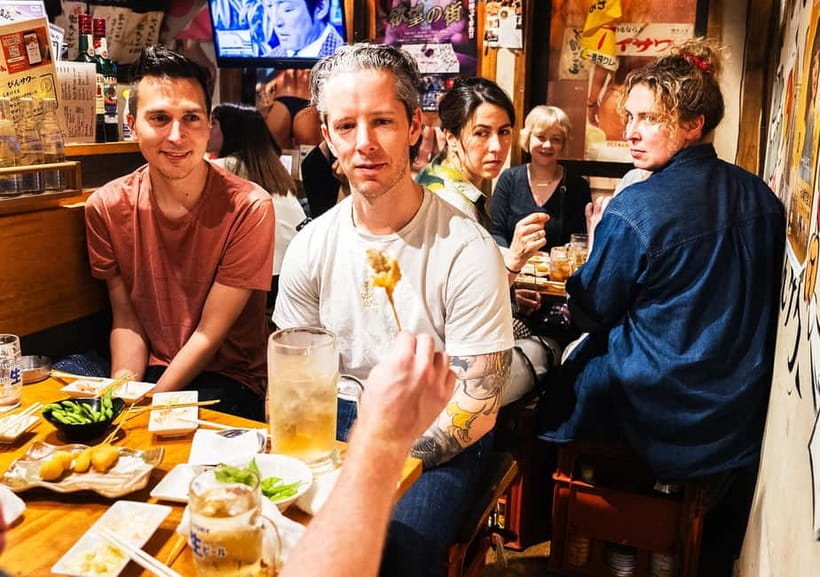
I would recommend this tour to first-time visitors who want a friendly introduction to Shinjuku at night. It is also a good choice if Japanese menus make you nervous, if you want to sample many dishes without ordering full portions yourself, or if you enjoy meeting other people while eating.
Food-focused couples and small groups of friends should find the format easy and social. Families can join too, including those with teenagers, provided everyone understands that under-20 participants cannot drink alcohol.
I would be more cautious if you need a quiet meal, have strict dietary requirements, dislike compact eateries, or want complete control over the restaurant choices. The tour is about local-style food, movement, and atmosphere. It is not a luxury dining evening and does not promise a fixed menu.
Should You Book the Shinjuku Food Tour?
Book it if you want a full evening of Japanese food plus neighborhood context, especially during your first Tokyo visit. The four-stop structure gives you more range than a single restaurant booking, and the guides add practical help that is hard to replace when you are new to Japanese dining customs.
The strongest reasons to go are the 15-dish format, the chance to enter small local eateries, and the guide support from meeting point to final drink. I would book early for an evening that fits your schedule, confirm whether two or three drinks are included, and arrive well before the meeting time.
Skip it if you already have a carefully planned Shinjuku food itinerary or prefer independent dining. For most visitors who want an easy, sociable introduction to Japanese food after dark, $72 buys a well-filled evening and a useful first look at Shinjuku’s nightlife districts.
FAQ
How long does the Shinjuku food tour last?
The tour lasts three hours, including food stops and guided walking through Shinjuku.
Where does the tour start?
It starts at the Shinjuku Station East Exit Police Box, located at 3-38-1 Shinjuku, Shinjuku-ku, Tokyo.
How do I identify the guide?
Look for a guide holding a sign that says Local Guide Stars.
How many eateries does the tour visit?
The experience includes visits to four local eateries.
How many dishes are included?
Up to 15 dishes are included, and the food is described as enough for a full meal.
How many drinks are included?
The supplied information is inconsistent. The highlights state two drinks, while the included section states three alcoholic and non-alcoholic drinks. Confirm the current allowance when booking.
Can someone under 20 join?
Yes. Participants under 20 may join, but they are not allowed to consume alcohol.
Which languages are available?
The tour is offered with live guides speaking English or Japanese.
Can I cancel for a full refund?
Yes. You can cancel up to 24 hours in advance for a full refund.
Do I have to pay when I reserve?
No. The reserve-now, pay-later option allows you to hold your place without paying immediately.
Just added around Tokyo
- From Tokyo: Tokyo Private Customize Tour With English Driver★ 5.0 · 37 reviews
- Tokyo Time Machine: Exploring Old School Monzen-Nakacho★ 5.0 · 37 reviews
- Tokyo Tsukiji Fish Market Food & Culture Walking Tour★ 5.0 · 37 reviews
- Private Tokyo with Exceptional Guide Tailored to Your Needs★ 5.0 · 37 reviews
- Tokyo Photoshoot Tour with a Local Photographer★ 5.0 · 37 reviews
- Traditional Japanese Comedy, Juggling & Magic Live Show in Tokyo★ 5.0 · 37 reviews
- Kyoto: Nijo Castle World Heritage Guided Tour with Admission★ 4.9 · 37 reviews
- Tokyo Tower Observation Deck E-Tickets.★ 4.0 · 37 reviews
Food & Drink, compared.
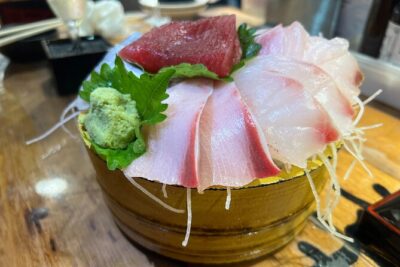
Shinjuku Food Tour (13 Dishes at 4 Local Eateries)
Read our review →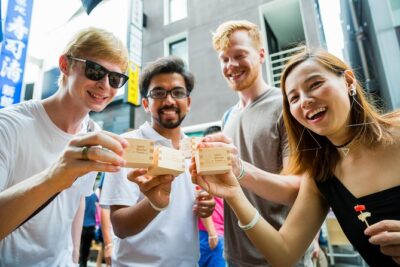
Tokyo Tsukiji Fish Market Food and Culture Walking Tour
Read our review →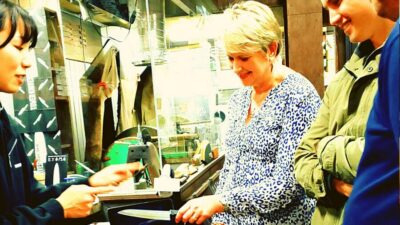
Shinsekai Food Tour with 13-15 Dishes at 5 Eateries
Read our review →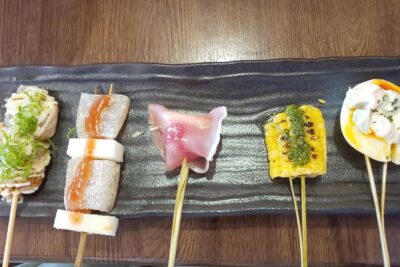
Osaka Food Tour: 13 Dishes at 5 Local Eateries
Read our review →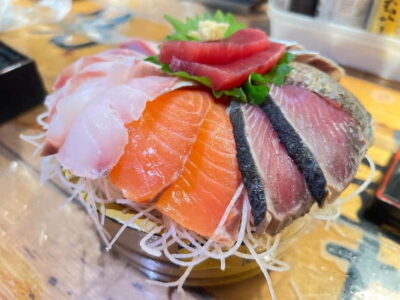
Shinjuku Food Tour (15 Dishes and 4 Eateries)
Read our review →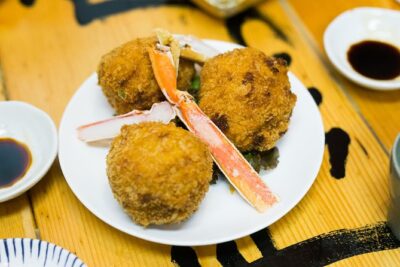
Best of Shinjuku: Izakaya Food Tour (4 Stops, 14+ Tastings)
Read our review →
Kyoto Night Foodie Tour in Gion (9+ dishes + 6 Sake tastings)
Read our review →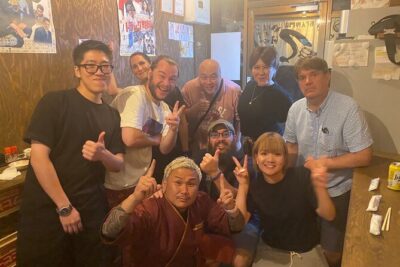
Hungry Osaka Street Food Tour:15 Tastings & 3 Drinks with a Local
Read our review →Browse the lists this tour appears in