
Reviewed · TEMPLE & SHRINE TOURS
Tokyo Asakusa Temple & Shrine Walking Tour with Local Guide
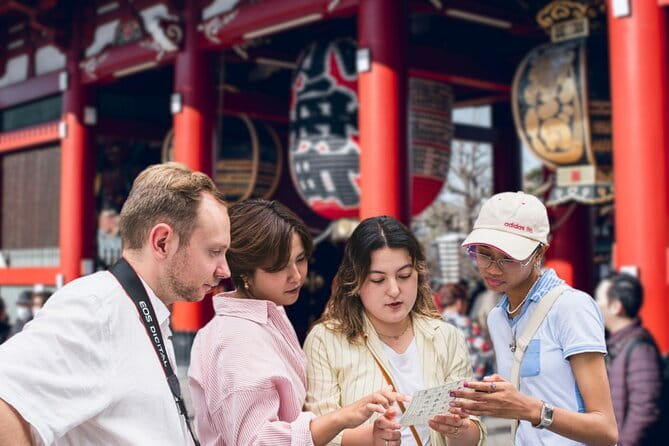
Asakusa gives you old Tokyo in two hours. This small-group walk links Sensoji Temple, Asakusa Shrine, and Nakamise Street with a local guide who explains what you are seeing rather than simply pointing at it. I especially like the group limit of eight people and the chance to try temple and shrine customs, including hand cleansing, prayer, and omikuji fortune-telling.
I also like the low price, about $19.82 per person, which makes guided help affordable in one of Tokyo’s most visited districts. The main consideration is time: two hours is enough for an introduction, but not enough for a slow visit to every corner, extended shopping, or a relaxed meal. The walk also ends where it starts, so you will need to continue exploring on your own afterward.
In This Review
- Key details that shape the experience
- Why Asakusa works so well for a short walking tour
- Azumabashi Bridge and the first view of old Tokyo
- Kaminarimon and its famous 700-kilogram lantern
- Nakamise Shopping Street, snacks, and souvenir time
- Hozomon Gate and the approach to Sensoji
- Sensoji Temple, Tokyo’s best-known Buddhist stop
- Temizu, prayer, and omikuji fortune-telling
- Asakusa Shrine and the blend of Shinto and Buddhism
- A guide makes the crowded route easier
- What the $19.82 price really gets you
- Who should book this Asakusa walk
- Should you book it?
- FAQ
- How long does the Asakusa walking tour last?
- What is the price per person?
- How large is the tour group?
- Where does the tour begin?
- Where does the tour end?
- Which major sights are included?
- Are temple and shrine rituals part of the experience?
- Is admission to Sensoji included?
- Can I cancel for a full refund?
Key details that shape the experience
- A compact two-hour route: You get a focused introduction to Asakusa without giving up half a day.
- A maximum of eight people: The small group should make it easier to hear explanations and ask questions.
- Hands-on customs: You learn how to cleanse your hands, pray, and use an omikuji fortune slip.
- The major Asakusa landmarks: The walk includes Azumabashi Bridge, Kaminarimon, Nakamise Shopping Street, Hozomon Gate, Sensoji Temple, and Asakusa Shrine.
- A strong value at $19.82: The price is modest for a guided introduction in central Tokyo.
- A highly rated experience: It has a 4.9 rating from 52 reviews and a 98 percent recommendation rate.
Why Asakusa works so well for a short walking tour
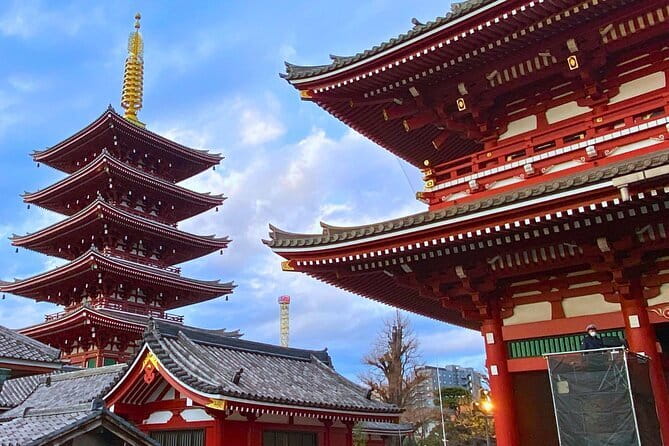
Asakusa is one of Tokyo’s easiest districts for seeing several layers of Japanese culture in a small area. Buddhist temple buildings, Shinto worship, old shopping lanes, river views, souvenir stalls, and modern city architecture all appear within a short walk.
That mix is useful because you do not need to spend hours crossing the city. A guide can connect the sights into one story, explain the difference between a temple and a shrine, and help you avoid the common mistake of treating every ritual as a photo opportunity.
The route begins at Burger King Asakusa Azumabashi, at Kaminarimon 2-chome, near public transportation. The meeting point is practical, but you should allow time to find the exact building address, listed as Cross Building Royal Palace. A mobile ticket is provided, and confirmation arrives when you book.
More Temple & Shrine Tours in Tokyo
- Tokyo: Meiji Shrine, Asakusa, Skytree Bus Tour and Cruise
★ 4.7 · 1,986 reviews - Tokyo: Asakusa Walking Tour with Sensoji Temple Visit
★ 4.8 · 1,583 reviews - Nikko: Kegon Falls, Lake Chuzenji & Toshogu Temple
★ 4.6 · 1,577 reviews
Azumabashi Bridge and the first view of old Tokyo
The opening stop at Azumabashi Bridge gives you a quick look over the Sumida River and toward the Tokyo skyline. This is a good starting point because it places Asakusa beside the water, not just inside a temple complex.
Your guide explains the bridge’s connection to the district and its role as an entry point to old Tokyo. The stop is brief, so think of it as orientation rather than a long photo session. If you want detailed skyline pictures, you may need to return later on your own.
The bridge also helps you understand the change in pace ahead. Modern Tokyo is visible around you, while the route soon leads into one of the city’s most recognizable historic quarters.
Kaminarimon and its famous 700-kilogram lantern
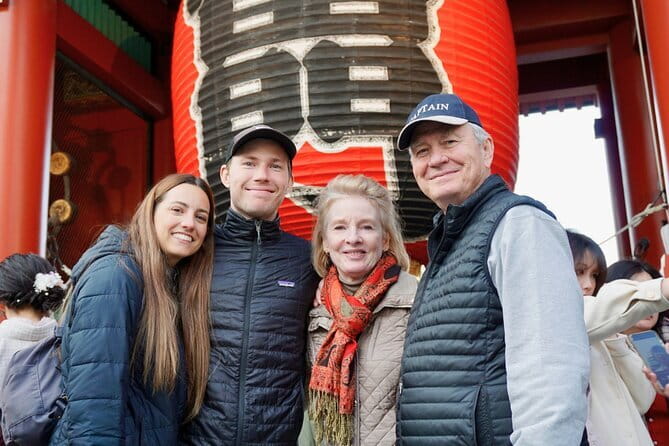
The red Thunder Gate, or Kaminarimon, is one of Asakusa’s great first impressions. Its enormous red lantern weighs about 700 kilograms, and the gate has been rebuilt several times after fires.
A guide adds useful context here. You learn why the gate is called Kaminarimon and why it matters in Japanese culture, rather than simply taking the standard entrance photo and moving on. The repeated rebuilding also gives you a clearer sense of Tokyo’s difficult relationship with fire and destruction.
This stop can be crowded, especially around the lantern and the main approach. A group of eight is much easier to manage than a large coach group, but you will still need to stay close to the guide and remain aware of people passing through the gate.
Nakamise Shopping Street, snacks, and souvenir time
From Kaminarimon, the walk continues along Nakamise Shopping Street. The lane is lined with traditional shops selling snacks, crafts, souvenirs, and small gifts connected with temple visits.
This part of the route adds everyday life to the grand monuments. You can see what people buy before or after worship, and your guide explains how the street developed as part of the approach to Sensoji.
The tour includes exploring the street, but personal purchases are not included. That is worth remembering if you are tempted by local snacks or crafts. Two hours passes quickly, so you may prefer to note what catches your eye and come back after the tour for shopping.
Nakamise is also one of the points where the tour may feel busiest. The guide’s navigation is helpful, but this is not a quiet stroll. If you prefer empty lanes and long pauses, the schedule may feel brisk.
More Walking Tours in Tokyo
- Tokyo Tsukiji Fish Market Food and Culture Walking Tour
★ 5.0 · 3,184 reviews - Tokyo: Imperial Palace and Shogun Historical Walking Tour
★ 5.0 · 2,251 reviews - Tokyo: Shinjuku Local Bar and Izakaya Guided Walking Tour
★ 4.9 · 1,794 reviews - Tokyo: Tsukiji Fish Market Food and Walking tour
★ 5.0 · 1,724 reviews
Hozomon Gate and the approach to Sensoji
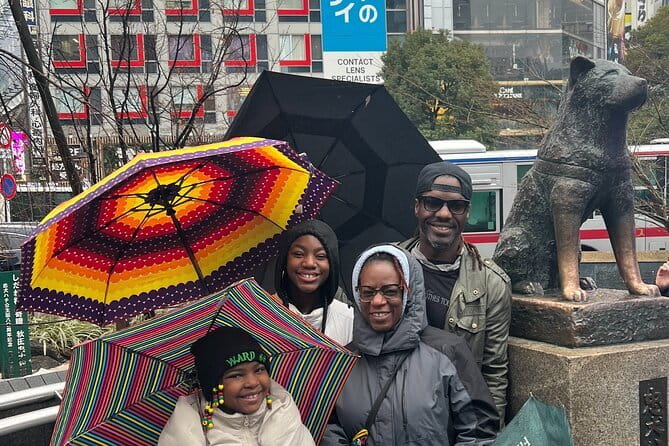
The Hozomon Gate is another major entrance, and your guide points out its architectural features and symbolic role. It protects the temple grounds and creates a strong transition from the commercial street into the main religious site.
This is where the route starts to feel less like a sightseeing walk and more like a lesson in how the complex functions. The gates are not just decorative frames. They mark movement from one space to another, and the guide helps you read that change.
The approach can be busy, but the route is simple enough to follow. You do not need to spend your time checking a map or wondering which entrance comes next. That practical help is one of the tour’s clearest benefits.
Sensoji Temple, Tokyo’s best-known Buddhist stop
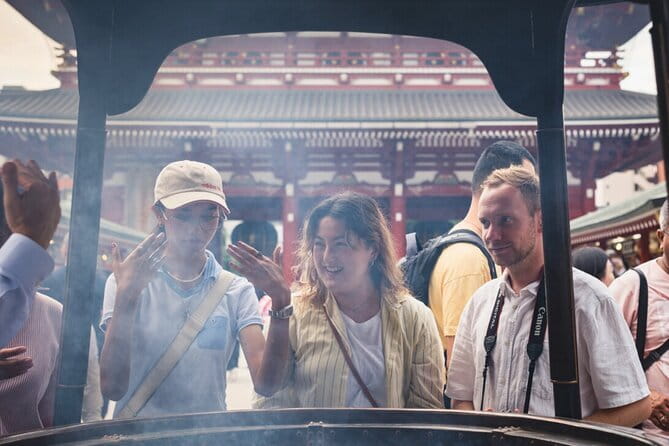
Sensoji is the centerpiece of the walk. It is Tokyo’s oldest and most famous Buddhist temple, and the guide explains its background, cultural role, and important features.
You will hear stories connected with the temple’s landmark buildings and learn how to behave respectfully in the grounds. The tour is not only about looking at a large temple from the outside. It also explains the actions people perform there, which gives the visit more meaning.
The information supplied for the route repeats Sensoji several times, but the practical takeaway is straightforward: expect the bulk of the two-hour experience to focus on the temple area. The guide may pause at more than one point to explain the site, its buildings, and the customs connected with worship.
Because admission is free, the price is not paying for an entrance ticket. You are paying for the guide’s route planning, explanations, and help with the rituals. At roughly twenty dollars, that is a reasonable trade if you want context and have limited time in Tokyo.
Temizu, prayer, and omikuji fortune-telling
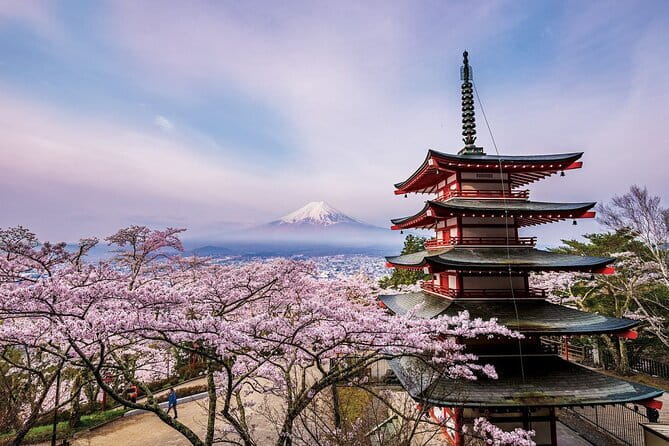
The hands-on customs are a major reason to choose this experience. You learn about temizu, the hand cleansing ritual used before worship, and receive guidance on prayer at the temple and shrine.
For someone visiting Japan for the first time, these small instructions can remove uncertainty. You do not have to guess what to do at the water basin or watch several other people before taking part. The guide explains the process and the meaning behind it.
The tour also includes omikuji fortune-telling. Fortune slips are a familiar part of Japanese religious sites, but the custom can be confusing if you do not know how it works. Having a guide explain the slips makes the activity more than a random souvenir.
You should treat the ritual portion with respect. These are religious practices, not simply staged demonstrations. The guide’s role is most useful here because cultural details are easy to miss when you visit alone.
Asakusa Shrine and the blend of Shinto and Buddhism
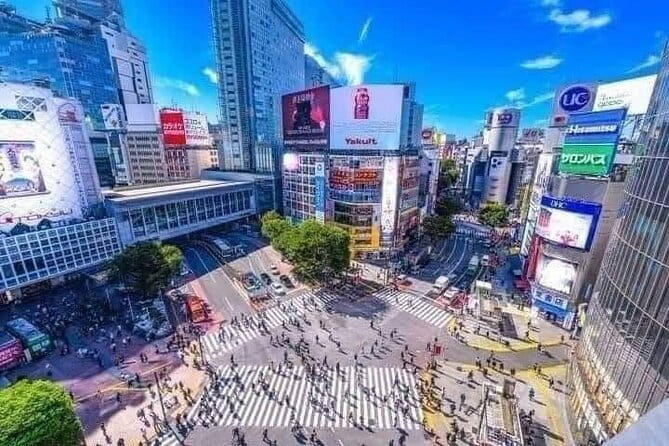
Asakusa Shrine adds an important contrast to Sensoji. The tour explains the relationship between Shinto and Buddhism in the area and shows how the two traditions can appear close together in Japanese life.
That comparison is one of the strongest educational features of the walk. You are not just collecting famous names. You are learning why a temple and shrine may sit within the same historic district and how their customs differ.
The supplied route gives much more detail about Sensoji than about the shrine itself, so you should expect Asakusa Shrine to be one part of the larger walk rather than a long, separate guided visit. If the shrine is your main interest, ask the guide questions while you are there.
A guide makes the crowded route easier
Asakusa is not difficult to reach, but it can be confusing once you leave the station area. A local guide takes care of the order of stops, the turns between the bridge, gates, shopping street, temple, and shrine, and the timing.
The small group limit matters here. With no more than eight participants, the guide can keep the group together more easily and explain details without a microphone. You also have a better chance to ask a question about a ritual, building, or local custom.
The guide’s personal background may vary. One highly praised experience was led by a young man from the United Kingdom spending a gap year in Japan. He was not Japanese, yet his preparation and command of the subject made the walk useful. That is a helpful reminder that guide quality depends on research, communication, and care, not nationality alone.
The tour is advertised as helping with language barriers. You should still view it as a general cultural introduction, not a private specialist lecture. The format works best when you want clear explanations and a friendly pace.
What the $19.82 price really gets you
At $19.82, this is a low-cost guided activity for central Tokyo. You receive a two-hour walk, a guide, temple and shrine visits, explanations of local customs, and navigation through a district that can be packed with people.
The admission cost at Sensoji is free, and snacks and souvenirs are extra. That means the value rests almost entirely in the human guidance. If you are comfortable researching Asakusa, reading signs, and learning rituals from posted instructions, you may prefer to visit independently.
I think the price makes the tour particularly attractive for a first day in Tokyo, a short stop in Asakusa, or anyone who wants a quick cultural foundation before exploring alone. It is less useful for someone who wants long photography stops, extensive shopping, or a private pace.
The 4.9 rating from 52 reviews and 98 percent recommendation rate support the idea that the format works well for most people. Those figures do not remove the time limit, but they suggest a dependable introduction at a modest cost.
Who should book this Asakusa walk
I would recommend it to first-time visitors who want to understand the basics without spending hours planning a route. It also suits solo visitors, couples, and families who prefer a guide to explain etiquette and keep the day moving.
The tour is a good fit if you like:
- Short walks with several major sights
- Local customs explained in plain language
- Small groups instead of large guided crowds
- A mix of history, architecture, religion, shopping, and city views
- Free time after the tour to return to favorite spots
You may want to skip it if you already know Asakusa well or prefer to set your own pace. The two-hour schedule leaves little room for lingering, and the shopping street may tempt you to stop when the group needs to continue.
Comfortable walking shoes are sensible, though the provided information does not state a required fitness level. Most people can participate, and the meeting point is near public transportation.
The experience ends back at the starting point. That is convenient if you want to collect your bearings, but it also means you should plan your next Asakusa activity afterward rather than expecting the guide to finish at another neighborhood.
Should you book it?
Book this tour if you want a practical introduction to Asakusa, especially if temple and shrine customs feel unfamiliar. The combination of Sensoji, Asakusa Shrine, Nakamise, Kaminarimon, and the cleansing and prayer rituals gives you a useful first look at the district for about twenty dollars.
Skip it if you want a slow, independent visit or already have a detailed plan for Asakusa. For most first-time visitors with only a few hours, though, the small group, clear route, and hands-on cultural guidance make this a sensible buy.
Cancellation is free when you cancel at least 24 hours before the start time. Changes or cancellations made later are not refunded, and the activity is operated by Sunrise Adventure.
FAQ
How long does the Asakusa walking tour last?
The tour lasts approximately two hours.
What is the price per person?
The listed price is $19.82 per person.
How large is the tour group?
The group is capped at a maximum of eight participants.
Where does the tour begin?
It begins at Burger King Asakusa Azumabashi in Tokyo’s Taito City, near Kaminarimon, at the listed Cross Building Royal Palace address.
Where does the tour end?
The activity ends back at the meeting point.
Which major sights are included?
The walk includes Azumabashi Bridge, Kaminarimon, Nakamise Shopping Street, Hozomon Gate, Sensoji Temple, and Asakusa Shrine.
Are temple and shrine rituals part of the experience?
Yes. The tour includes explanations and participation in temizu cleansing, prayer, and omikuji fortune-telling.
Is admission to Sensoji included?
Admission is free, so there is no separate entrance charge listed for the temple.
Can I cancel for a full refund?
Yes, provided you cancel at least 24 hours before the experience start time. Cancellations made less than 24 hours ahead are not refunded.
Just added around Tokyo
- Tokyo 6hr Instagram Highlights Private Tour with Licensed Guide★ 5.0 · 38 reviews
- Tokyo Small Group Tour with Guide★ 4.5 · 38 reviews
- Tokyo Sumo Experience with Live Show & Audience Challenge★ 5.0 · 38 reviews
- Japanese Food Cooking Class in Asakusa, Tokyo★ 5.0 · 39 reviews
- Very popular in Harajuku♡Animal petting zoo★ 4.6 · 39 reviews
- Ramen Making from Scratch with Tokyo Mom(Vegan Option Available)★ 5.0 · 39 reviews
- Tokyo JDM Night: 600hp C63s AMG Edition 1 (Private)★ 4.9 · 39 reviews
- Tokyo: Kimono Rental inside Shinjuku Gyoen National Garden★ 4.9 · 39 reviews
Temple & Shrine Tours, compared.
Fushimi Inari, Kinkakuji, Bamboo Grove 1 Day Bus Tour
Read our review →
Tea Ceremony in a Traditional Tea House in Kiyomizu
Read our review →
Meiji Shrine, Asakusa, Skytree Bus Tour and Cruise
Read our review →
Fushimi Inari Hidden Hiking Tour (Private Option Available)
Read our review →
Osaka/Kyoto:Kinkakuji,Arashiyama,FushimiInariShrine,NaraPark
Read our review →
Asakusa Walking Tour with Sensoji Temple Visit
Read our review →
Nikko: Kegon Falls, Lake Chuzenji & Toshogu Temple
Read our review →Browse the lists this tour appears in