
Reviewed · TEMPLE & SHRINE TOURS
Tokyo: Asakusa Temple & Shrine Walking Tour with Local Guide
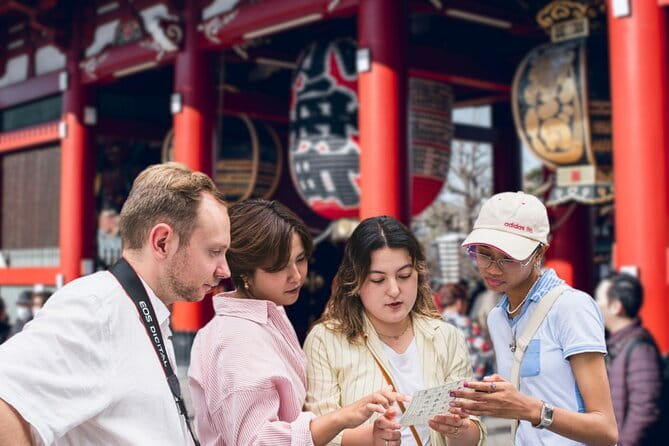
The best Asakusa stories hide in plain sight. This two-hour walk brings you from Azuma Bridge to Sensoji Temple, Asakusa Shrine, smaller religious sites, and the busy Nakamise shopping street with a local guide who explains what you are seeing instead of simply pointing at it. At $30 per person, the small group of up to eight offers a useful balance of price and personal attention.
I especially like the opening views of the Tokyo Skytree and the unusual golden sculpture locals call the golden poop, followed by the lookout from the Asakusa Culture Tourist Information Center. I also like the hands-on approach: you learn temizu hand washing, incense customs, omikuji fortune telling, and the different ways to pray at a Buddhist temple and Shinto shrine. The main consideration is physical: this is a walking tour with no wheelchair access, and hot weather, rain, crowds, and uneven pacing around temple grounds may be tiring.
In This Review
- Key points to know before you book
- Why Asakusa is a smart place to begin in Tokyo
- Azuma Bridge and the golden poop view
- The Asakusa Culture Tourist Information Center viewpoint
- Kaminarimon Gate and the 700-kilogram lantern
- Nakamise Shopping Street and useful local advice
- Hozomon Gate and the smaller religious sites
- Sensoji Temple and the rituals you can try
- Asakusa Shrine and the difference in prayer
- The guides make the small group worthwhile
- Is $30 a fair price for two hours?
- Pace, weather, and practical limits
- Should you book the Asakusa walking tour?
- FAQ
- How long does the Asakusa Temple and Shrine Walking Tour last?
- Where does the tour meet?
- How many people are in each group?
- Which languages are available?
- What should I bring?
- Is there a dress code, and are tattoos allowed?
- Can I cancel or pay later?
Key points to know before you book
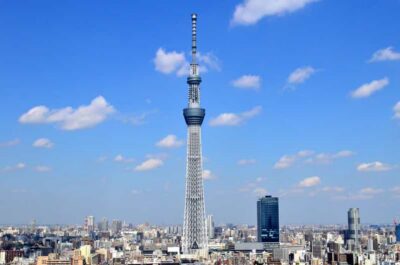
- Start with two excellent city views: See the Tokyo Skytree from Azuma Bridge, then look across the Sensoji grounds from the Asakusa Culture Tourist Information Center.
- Learn the difference between Buddhism and Shinto: The guide explains how the two traditions share space in Asakusa and how their rituals differ.
- Practice the rituals, not just watch them: You can try hand washing, incense customs, omikuji fortune telling, and temple and shrine prayers.
- Keep the group small: With no more than eight participants, you can ask questions and request help with photos or translations.
- Expect a friendly, flexible guide: Guides such as Nicolas, Erik, Nana, Lino, Diane, Ayaka, and Arief have been praised for clear explanations, patience, and personal help.
- Wear practical shoes: The tour runs for two hours in the open air, rain or shine, and includes steady walking through crowded areas.
Why Asakusa is a smart place to begin in Tokyo
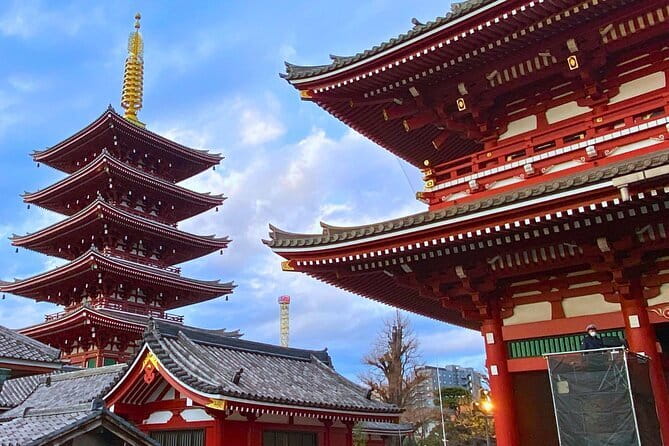
Asakusa gives you an introduction to several parts of Japanese life in one compact area. You get old temple traditions, Shinto customs, shopping streets, local snacks, modern Tokyo views, and a feel for how a historic district works inside a huge modern city.
Sensoji is the star, but it can be hard to understand on your own. The crowds, bright signs, souvenir shops, incense smoke, gates, and religious customs arrive all at once. A good guide helps you separate the ceremony from the commerce and explains why both belong to the experience.
This tour also helps you avoid treating Japanese religious sites like ordinary sightseeing stops. You learn where to wash your hands, how incense is used, how to approach a Buddhist prayer, and how the process changes at Asakusa Shrine. That practical instruction is useful for the rest of your Japan trip, since you are likely to visit other temples and shrines after Asakusa.
The 105 reviews supplied for this experience give it a five-star rating. The strongest praise centers on the guides rather than on the famous buildings alone. People repeatedly valued the relaxed pace, clear explanations, willingness to answer questions, help with family photos, and extra local advice.
More Temple & Shrine Tours in Tokyo
- Tokyo: Meiji Shrine, Asakusa, Skytree Bus Tour and Cruise
★ 4.7 · 1,986 reviews - Tokyo: Asakusa Walking Tour with Sensoji Temple Visit
★ 4.8 · 1,583 reviews - Nikko: Kegon Falls, Lake Chuzenji & Toshogu Temple
★ 4.6 · 1,577 reviews
Azuma Bridge and the golden poop view
The meeting point is at Burger King Asakusa Azumabashi, unless your booking option gives another arrangement. From there, the group walks toward Azuma Bridge for roughly ten minutes of guided sightseeing and photographs.
This is a clever beginning because you see Asakusa from outside its temple zone. The river gives you space, and the Tokyo Skytree provides an unmistakable reference point for the district. You also get the amusing sight of the gold-colored sculpture on the Asahi Group building, known locally as the golden poop. It is a quick laugh, but it also helps break the ice at the start of the walk.
The bridge stop is mainly for views and orientation, not a long riverside stroll. If you want extended time for photographs, tell your guide early. The walk has a planned schedule, and the tour needs to keep moving toward the temple area.
The Asakusa Culture Tourist Information Center viewpoint
The next stop lasts about fifteen minutes and includes a visit to the upper level of the Asakusa Culture Tourist Information Center. The useful feature here is the broad view over the Sensoji complex.
From street level, Kaminarimon Gate and Nakamise can feel like one continuous stream of people. The high viewpoint lets you see how the approach, gates, temple buildings, and surrounding streets fit together. I would pay close attention to the guide’s orientation here, since it makes the later walk easier to follow.
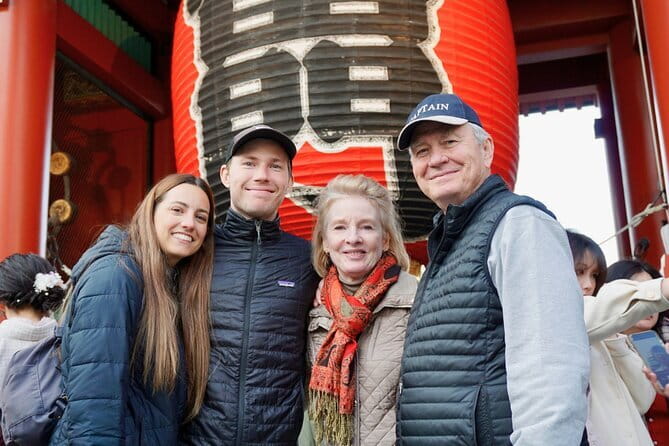
This is also one of the tour’s best photo opportunities. Ask your guide for the preferred angle and timing. The tour description specifically encourages you to request help with photographs, and several guide accounts praise the personal assistance, including taking family pictures.
Kaminarimon Gate and the 700-kilogram lantern
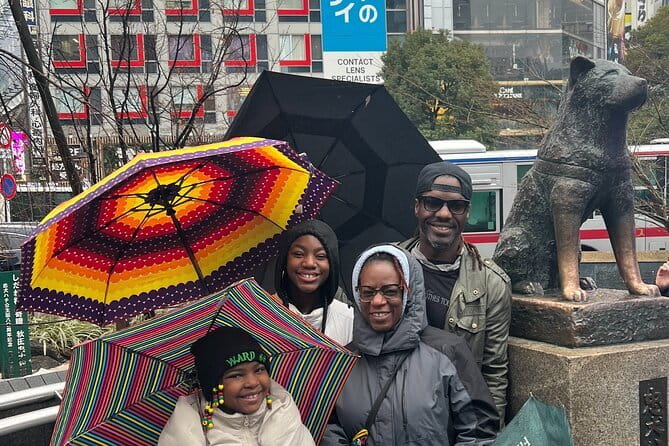
Kaminarimon means Thunder Gate, and the guide uses the ten-minute stop to explain both the name and the massive red lantern. The lantern weighs about 700 kilograms, so it is worth looking up before you hurry through the gate.
The gate is one of Tokyo’s most familiar sights, but the explanation gives it more meaning. You learn what the name refers to and why the entrance matters as the gateway to Sensoji. This is a busy place, so expect people stopping for photographs and groups moving in several directions.
Your guide can help you find a better position for photographs, but do not expect the area to feel quiet. The value here is not solitude. It is getting enough context to understand the gate before you enter the long shopping approach.
More Walking Tours in Tokyo
- Tokyo Tsukiji Fish Market Food and Culture Walking Tour
★ 5.0 · 3,184 reviews - Tokyo: Imperial Palace and Shogun Historical Walking Tour
★ 5.0 · 2,251 reviews - Tokyo: Shinjuku Local Bar and Izakaya Guided Walking Tour
★ 4.9 · 1,794 reviews - Tokyo: Tsukiji Fish Market Food and Walking tour
★ 5.0 · 1,724 reviews
Nakamise Shopping Street and useful local advice
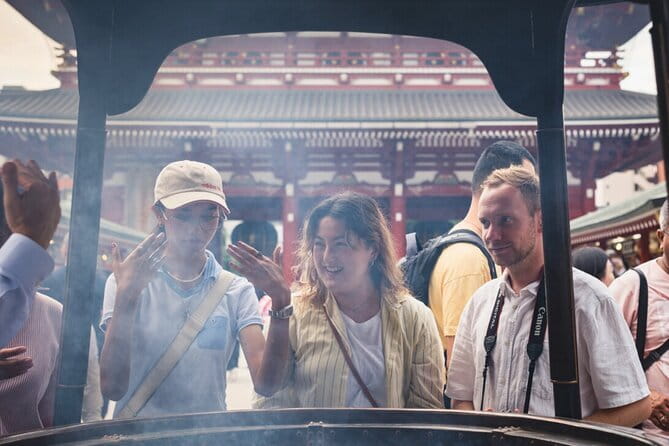
Nakamise takes about fifteen minutes. This historic shopping street leads toward Sensoji and is lined with sweets, snacks, souvenirs, and traditional-looking goods.
The guide explains the cultural role of the treats and points out where to look for worthwhile purchases. That can save you from buying the first souvenir you see, particularly when the street is crowded and the choices feel repetitive. You can also ask for help with translations if you need to understand a sign or communicate with a vendor.
The tour includes sightseeing and shopping, but this is not a dedicated food tour. Personal purchases are not included in the $30 price, so bring money separately if you want snacks or gifts. You may also want to save larger shopping plans for after the walk, when you can browse at your own pace.
Families may enjoy this section most. One guide, Erik, kept children interested with historical details and shopping recommendations, while Nana was praised for making the experience understandable for children aged five and eight. That suggests the tour can work well for families, although young children still need to manage the walking.
Hozomon Gate and the smaller religious sites
After Nakamise, the route continues through Hozomon Gate and several smaller temple or shrine sites. The supplied itinerary lists two additional ten-minute stops without naming them, so you should not expect a fixed list of specific buildings. The important point is that the guide takes you beyond the main postcard locations.
This is where the walk becomes more useful than a simple route to Sensoji. Smaller sites can reveal how religious practice fits into ordinary neighborhood life. You are shown that Asakusa is not only a grand temple entrance and a souvenir street. It is also a working spiritual district with several layers of tradition.
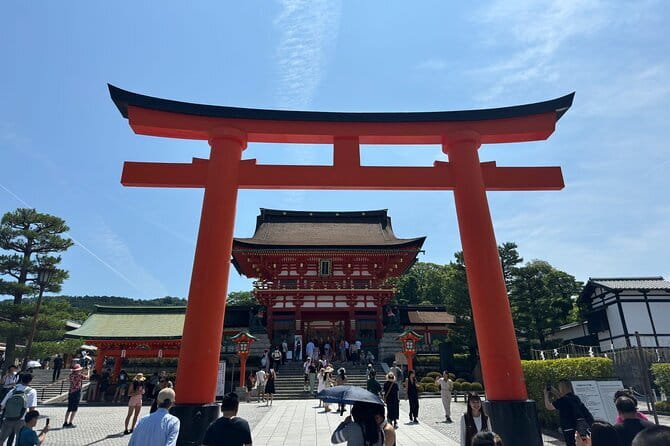
Your guide explains how Shinto and Buddhism coexist. You will hear why a torii gate belongs to a Shinto setting, where to walk when passing through one, and how the etiquette differs from Buddhist temple customs. These details may seem small, but they help you behave respectfully and confidently during the rest of your time in Japan.
The less famous stops also provide some relief from the most crowded sections. Do not expect the entire tour to be quiet, especially during busy periods, but the guide can adjust the pace and route when possible. A June booking in intense heat was still described as relaxed, and another tour continued successfully through heavy rain.
Sensoji Temple and the rituals you can try
The main Sensoji visit lasts about thirty minutes. That is enough time for a guided look at the temple grounds, an explanation of the buildings and customs, and a chance to take part in several rituals.
You can learn temizu, the hand-washing practice used to prepare before entering a sacred space. The guide explains how to use the water properly rather than leaving you to copy the nearest person. You can also try omikuji, the traditional fortune-telling practice, and learn what to do with the result.
Incense is another memorable part of the visit. The tour explains why people direct incense smoke toward themselves for physical and mental healing. These activities make the visit feel active, but the guide presents them as cultural experiences rather than forced performances. You can ask questions and take part at a comfortable level.
At Sensoji, the guide teaches the Buddhist style of prayer. This is especially useful because many first-time visitors know that they should show respect but are unsure what to do. One guide even provided small coins for a participant who did not have any, then explained courteous behavior at the temple.
Sensoji can be extremely crowded. The thirty-minute stop may feel short if you want to study every detail or take many photographs. I would treat the guided visit as an introduction, then return later if you want quiet time or a closer look.
Asakusa Shrine and the difference in prayer
The final major stop is Asakusa Shrine, with about fifteen minutes for photographs, sightseeing, and explanation. Located near Sensoji, it offers a useful comparison because you move from a Buddhist temple to a Shinto shrine within the same district.
This side-by-side contrast is one of the tour’s strongest teaching points. You learn that the prayer process is different, that the torii gate has its own etiquette, and that Japanese religious practice is not one single system. The guide also discusses how Buddhism and Shinto have shared space over time, something many visitors miss when they label every religious building simply as a temple.
You do not need specialist background to follow the explanations. The guides have been praised for making the subject clear and easy to understand, including by people who asked many questions. If you have wondered why one site has a torii and another has a temple gate, this is the stop that ties those details together.
The guides make the small group worthwhile
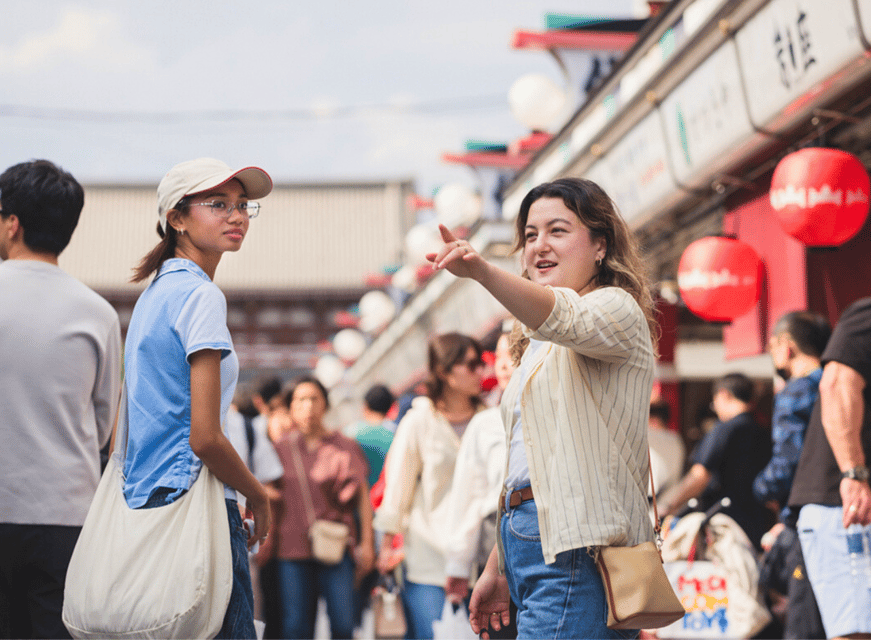
The group is limited to eight people, and that number matters in Asakusa. Crowds can split a larger group, while a small party can gather around a gate, move through a narrow approach, and stop for questions without creating as much confusion.
The guide names praised in the supplied feedback include Nicolas, Erik, Lino, Nana, Diane, Ayaka, Arief, Somi, Joe, and Ariel. The common strengths are friendliness, clear English, patience, and a willingness to adapt. French is also available, depending on the guide and departure.
Nicolas receives especially frequent praise for his explanations of Buddhist and Shinto customs and his personal connection to Asakusa. He also helped one participant find a restaurant and showed another the way toward Kappabashi Street after the tour. Those extras are not guaranteed, but they show the kind of local questions you can ask during a small-group walk.
The experience can feel almost private if few people book a departure. One participant had the entire tour alone, while another group of four found it easy to stay together in the crowds. You should not book on the assumption that you will receive a private tour, but a quiet departure is possible.
Is $30 a fair price for two hours?
At $30, this is a reasonable price if you want cultural explanation and practical guidance. You could walk through Sensoji and Asakusa Shrine without paying, but you would miss the organized comparison between Buddhism and Shinto, the ritual instruction, the viewpoint, and the advice about smaller sites and local shopping.
The value is strongest for first-time visitors. If you already know Japanese temple etiquette, understand the difference between Buddhist and Shinto sites, and have spent time in Asakusa before, the tour may feel less essential. Even then, the small group and local recommendations may justify the cost.
The tour does not include snacks, souvenirs, or other personal purchases. It also does not cover a kimono rental, though the company can provide information about a partner shop located two minutes from the meeting point. Ask before or after the walk if wearing a kimono is part of your Asakusa plan.
Free cancellation is available up to 24 hours before the start, and you can reserve now and pay later. Those terms help if your Tokyo schedule is still changing, but the limited group size means booking ahead is sensible during busy travel periods.
Pace, weather, and practical limits
Wear comfortable walking shoes and bring water, especially during hot weather. Vending machines are available along the route, but carrying a bottle is simpler.
The walk goes ahead in rain or shine, so dress for the forecast. The open-air route has little protection from heat or rain, and one highly praised tour took place during heavy rain at a slower pace. Another took place during intense heat and heavy crowds, yet remained enjoyable because the guide kept things relaxed.
This is not a suitable activity for wheelchair users, people with mobility impairments, or people with a low level of fitness. Smoking, drones, alcohol, and drugs are not allowed. Tattoos are welcome, and there is no dress code, which makes the tour easy to join after a normal day of sightseeing.
Solo visitors, couples, families, and first-time Tokyo visitors are all good matches. You will get the most from it if you enjoy asking questions and want to understand customs rather than only collect photographs.
Should you book the Asakusa walking tour?
Book it if you want a friendly guide to explain the customs behind Sensoji, Asakusa Shrine, and the smaller sites around them. The best reasons are the limited group size, the hands-on rituals, the excellent opening viewpoints, and the guide’s willingness to answer questions about Tokyo beyond the planned route.
Skip it if you prefer exploring entirely alone, dislike walking in crowds, or need step-free access. Two hours is enough for a helpful introduction, not enough for an exhaustive study of every temple building or a long shopping session.
For most first-time visitors, I would schedule this early in your Tokyo stay. Once you know how to wash your hands, handle incense, read the difference between a shrine and temple, and pray respectfully, later visits around Japan become easier and more rewarding. At $30, that practical lesson is the real bargain.
FAQ
How long does the Asakusa Temple and Shrine Walking Tour last?
The tour lasts two hours, including guided stops at Azuma Bridge, the Asakusa Culture Tourist Information Center, Kaminarimon Gate, Nakamise Shopping Street, Hozomon Gate, Sensoji Temple, Asakusa Shrine, and smaller religious sites.
Where does the tour meet?
The listed meeting point is Burger King Asakusa Azumabashi. The exact meeting point may vary depending on the option you book.
How many people are in each group?
The tour is limited to eight participants, making it a small-group experience.
Which languages are available?
Live guiding is available in English and French.
What should I bring?
Bring comfortable walking shoes and water. You should also dress for the weather because the tour takes place outdoors in rain or shine.
Is there a dress code, and are tattoos allowed?
There is no dress code, and tattoos are welcome.
Can I cancel or pay later?
You can cancel up to 24 hours in advance for a full refund. A reserve-now, pay-later option is also available.
Just added around Tokyo
- Tokyo 6hr Instagram Highlights Private Tour with Licensed Guide★ 5.0 · 38 reviews
- Tokyo Small Group Tour with Guide★ 4.5 · 38 reviews
- Tokyo Sumo Experience with Live Show & Audience Challenge★ 5.0 · 38 reviews
- Japanese Food Cooking Class in Asakusa, Tokyo★ 5.0 · 39 reviews
- Very popular in Harajuku♡Animal petting zoo★ 4.6 · 39 reviews
- Ramen Making from Scratch with Tokyo Mom(Vegan Option Available)★ 5.0 · 39 reviews
- Tokyo JDM Night: 600hp C63s AMG Edition 1 (Private)★ 4.9 · 39 reviews
- Tokyo: Kimono Rental inside Shinjuku Gyoen National Garden★ 4.9 · 39 reviews
Temple & Shrine Tours, compared.
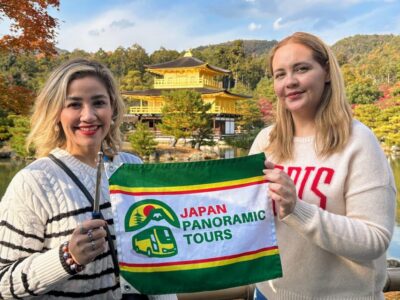
Fushimi Inari, Kinkakuji, Bamboo Grove 1 Day Bus Tour
Read our review →
Tea Ceremony in a Traditional Tea House in Kiyomizu
Read our review →
Meiji Shrine, Asakusa, Skytree Bus Tour and Cruise
Read our review →
Fushimi Inari Hidden Hiking Tour (Private Option Available)
Read our review →
Osaka/Kyoto:Kinkakuji,Arashiyama,FushimiInariShrine,NaraPark
Read our review →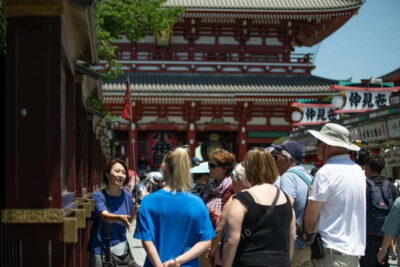
Asakusa Walking Tour with Sensoji Temple Visit
Read our review →
Nikko: Kegon Falls, Lake Chuzenji & Toshogu Temple
Read our review →Browse the lists this tour appears in