
Reviewed · CASTLE TOURS
Tokyo: Edo Castle & East Garden of the Imperial Palace Tour
History hides in plain sight here. This two-hour walk through Tokyo’s Imperial Palace East Gardens follows the grounds of Edo Castle, where shoguns once ruled Japan and emperors later made their home. I like the slow, well-paced route, which leaves room for photos and questions, and I like the way guides such as Hitoshi, Naoko, Shigeru, and Masahito bring old walls, gardens, and royal stories to life. The main catch is simple: you do not enter the Inner Palace, and the East Gardens close on Mondays and Fridays.
At $42 per person, this is not the cheapest way to enter a free public garden. You are paying for context, direction, and an English-speaking guide who can explain what you are seeing instead of leaving you to guess. If you enjoy history, Japanese culture, and an easy walk rather than a fast sightseeing march, the price can make sense.
In This Review
- Key points at a glance
- Why the East Gardens matter
- Meeting at Wadakura Fountain Park
- Entering the former castle grounds
- Reading Edo Castle through stone and garden
- The garden walk and its quieter pleasures
- The koi fish detail
- The guides make the difference
- Is $42 a fair price?
- Who should book this walk?
- Practical planning for a better visit
- Final verdict: a smart history lesson in central Tokyo
- FAQ
- How long does the Imperial Palace East Gardens tour last?
- Where does the tour begin?
- How will I identify the guide?
- Where does the tour finish?
- Does the tour enter the Inner Palace?
- Is the East Garden open every day?
- What language is the tour conducted in?
- Is garden admission included?
- Are bags inspected at the entrance?
Key points at a glance
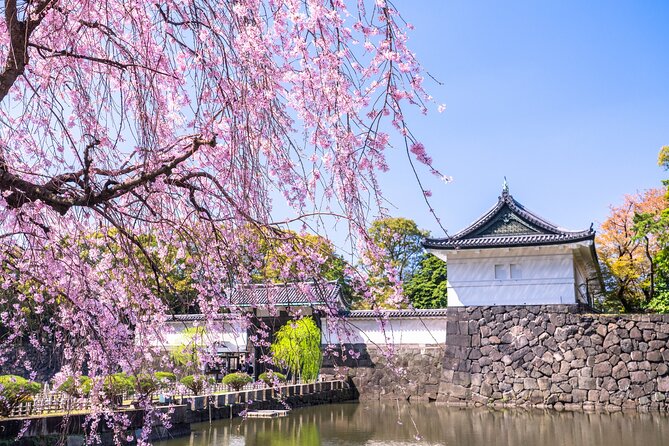
- Walk across former Edo Castle grounds: The East Gardens occupy the main grounds of the castle complex once controlled by Japan’s shoguns.
- Meet beside Wadakura Fountain Park: Look for the guide holding a sign marked Gotcha in front of the fountain.
- Expect a gentle two-hour route: The pace suits visitors who want time for photos, questions, and short stops.
- See history through surviving features: Stone walls, old building remains, gates, garden details, and visual aids help explain the site.
- Keep an eye out for special koi: The tour calls attention to a one-of-a-kind magical breed of koi fish.
- Plan around closure days: The East Gardens are closed on Mondays and Fridays, and baggage inspections take place at entry.
Why the East Gardens matter
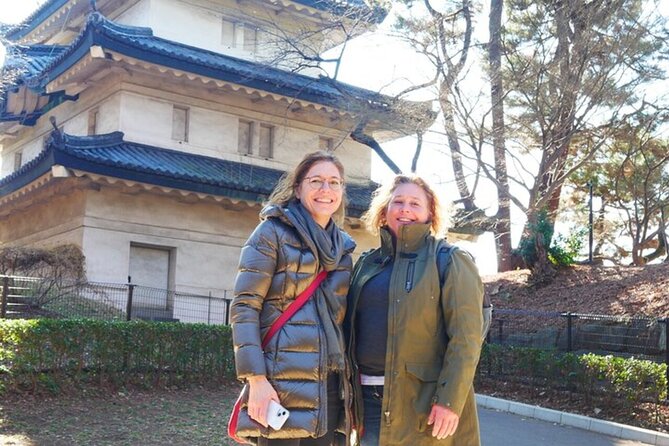
Tokyo can feel new at every turn: trains, towers, shops, and neon. The Imperial Palace East Gardens offer a useful pause, but this is not simply a green patch in the middle of the city. The garden occupies part of the former Edo Castle grounds, the center of political power during the shogun era.
That setting gives the walk its purpose. You are not only looking at clipped trees and ponds. You are walking through a place where military government, court life, ceremony, and changing ideas about Japan all met.
A guide helps connect those pieces. Without one, you can still enjoy the quiet paths and carefully arranged plants, but the stonework and open spaces may seem like attractive scenery without a clear story. Guides use pictures, explanations, and short anecdotes to show how the site looked in earlier periods.
I especially like this kind of tour early in a Tokyo stay. A broad introduction to Japanese history can make later visits to temples, castles, museums, and historic neighborhoods easier to understand. Several guides also use the gardens to explain customs, architecture, plants, and the distinction between shoguns and the imperial family.
More Castle Tours in Tokyo
- Tokyo Castle & Imperial PalaceーShogun Walking Tour
★ 4.7 · 1,068 reviews - Tokyo Castle & Imperial PalaceーShogun Walking Tour
★ 5.0 · 724 reviews - Imperial Palace East Garden and Edo Castle Walking Tour in Tokyo
★ 5.0 · 510 reviews
Meeting at Wadakura Fountain Park
The tour begins at Wadakura Fountain Park, at the fountain. This is a sensible meeting point near the palace grounds, but give yourself enough time to find the exact spot in the large central Tokyo area.
The guide will be holding a sign that says Gotcha. That unusual marker is useful in a place where several paths, entrances, and open areas can look similar. Clear meeting instructions have been one of the practical strengths of this experience, but you should still arrive early rather than trying to identify the group at the last second.
The walk returns to the same fountain after about two hours. That makes it easier to plan a meal, museum visit, or train journey afterward. One guide even helped a visitor reach a subway station and another walked a participant all the way to the platform. Treat that as personal courtesy rather than a guaranteed part of the tour, but it shows the helpful tone many guides bring.
Entering the former castle grounds
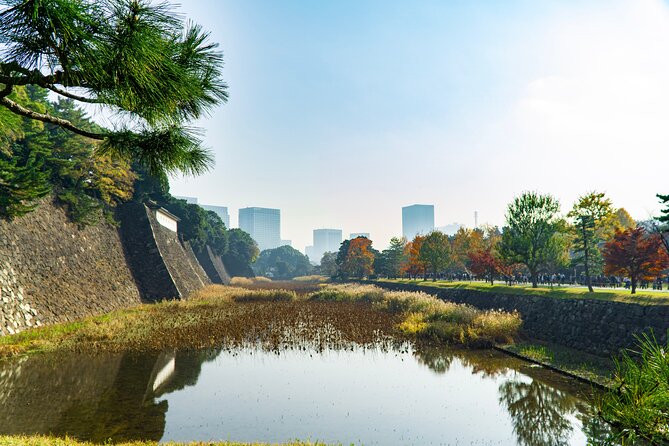
The East Gardens are free to enter, so the guide fee is not an admission charge in the usual sense. You are paying for the walk and the explanation. On entering the palace grounds, expect a baggage inspection.
That matters if you have spent the morning shopping. The tour information specifically warns against arriving with Japanese knives or other objects that could be used as weapons, including purchases from Tsukiji or Asakusa. Put those items in a coin locker or similar storage before meeting the group.
Once inside, the contrast with Tokyo’s busy streets is immediate. The gardens provide open space and a calmer setting for learning. You will walk through areas connected to the old castle while hearing how power was organized and how the site changed over time.
The route is not presented as a strenuous hike. It is a guided walking tour at a leisurely pace, with time to stop and look. That pace has worked well for older participants, families, and people who prefer not to rush from one landmark to another. One guide, Hitoshi, received particular praise for assisting a wheelchair user and paying close attention to comfort and access.
Still, this is an outdoor walk. Your experience will depend on weather and your ability to walk around garden paths. Rain did not prevent some groups from enjoying the tour, but poor weather can reduce the pleasure of the views. Wear shoes you can walk in and bring suitable protection from sun or rain.
Reading Edo Castle through stone and garden
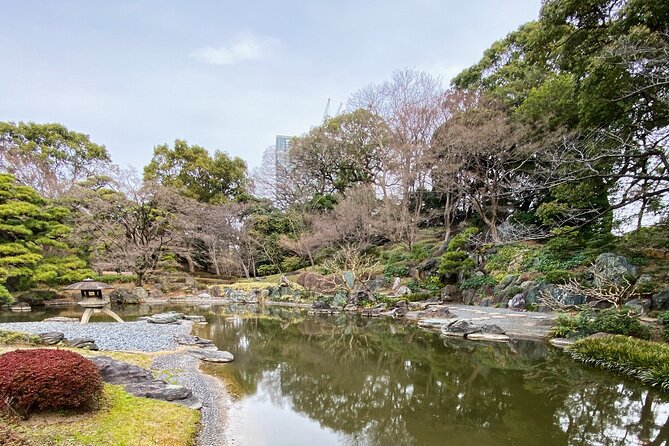
Edo Castle is no longer a complete castle complex, and that is an important expectation to set. You will not find a fully restored fortress waiting behind the palace walls. Instead, the visit uses remaining structures, foundations, walls, entrances, and the shape of the grounds to suggest what once occupied the area.
This is where the guide earns the fee. A good explanation can turn a wall or empty section of garden into evidence of an earlier city. Mr. Hirashima, Masahito, Mikio, and others have been praised for explaining both the buildings and the gardens rather than treating the site as one or the other.
Visual material makes a difference. Naoko was praised for using pictures and clear visual explanations, while Mikio used images and stories to show how the area looked in former times. Those tools are helpful because there is not always enough physical structure left to make the old castle easy to picture.
The stories also give scale to the site. You hear about shoguns, daimyo, ninjas, the imperial family, and the political changes that shaped Japan. The guide may also explain architectural details and the role of trees or plants within the garden.
I would not choose this tour if you only want a quick photo stop. The best part is the interpretation. You need to listen, ask questions, and allow the place to unfold slowly.
A completely different kind of day out in Tokyo:
- Mt Fuji and Hakone 1-Day Bus Tour Return by Bullet Train
★ 5.0 · 26,383 reviews - 1-Day Tokyo Bus Tour
★ 5.0 · 14,250 reviews - Tokyo: TOKYO SKYTREE® Admission ticket
★ 4.5 · 11,192 reviews - Tokyo: teamLab Planets TOKYO Digital Art Museum Entry Ticket
★ 4.6 · 9,779 reviews
The garden walk and its quieter pleasures
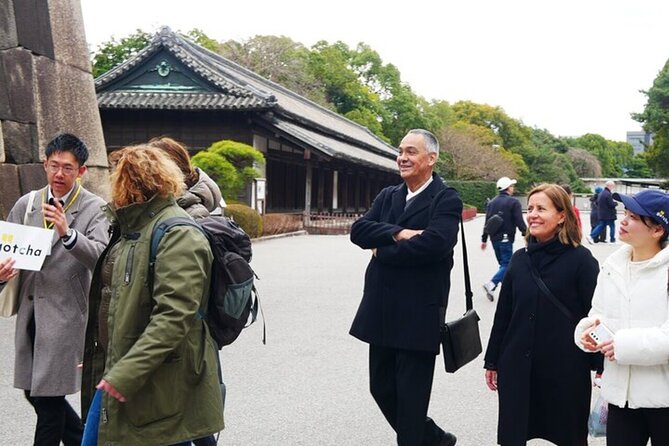
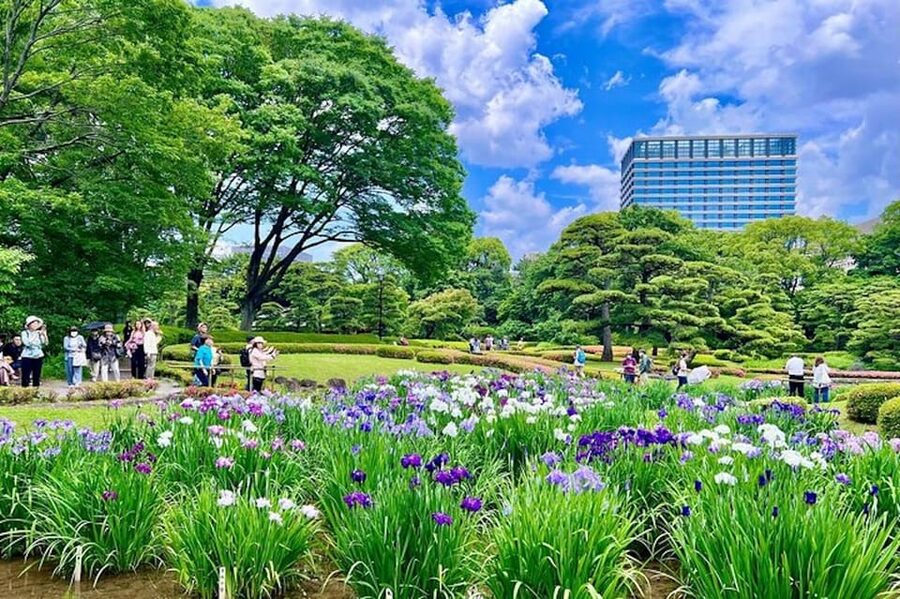
The East Gardens are carefully arranged, but the tour is not only about grand historical events. You also get time to notice the garden itself. Paths, plants, water, old walls, and open views create a gentler side of the Imperial Palace grounds.
Guides point out details that are easy to miss. One guide explained the meaning of different trees and plants, while another showed less obvious features and took photos at attractive spots. These small acts matter when you are visiting with children or trying to make the most of limited time in Tokyo.
The experience can also adapt to the group. Some guides keep the route moving; others pause often and answer questions at length. A small group of two was given extra time and a slower pace, while a group of eight older visitors appreciated a patient guide who kept the material interesting.
Do not expect a formal botany lesson. The main subject is the connection between the garden, the castle, Japanese culture, and the imperial site. If you love gardens mainly for plant labels or specialist horticultural detail, this may feel more historical than botanical.
The koi fish detail
The tour highlights a special breed of koi fish as a must-see feature. That is an appealing detail for families and anyone who enjoys Japanese garden culture, but the available information does not explain the breed’s name or exactly where it is found.
Keep your eyes open near the garden’s water features and listen for the guide’s explanation. The koi add a memorable, more personal detail to a tour that could otherwise focus heavily on walls, rulers, and dates.
For children, this can provide a welcome visual break from history. A nine-year-old joined one tour and benefited from the guide’s ability to explain the subject in an accessible way. The fish, gardens, and photographs help younger visitors stay connected while adults follow the larger story.
The guides make the difference
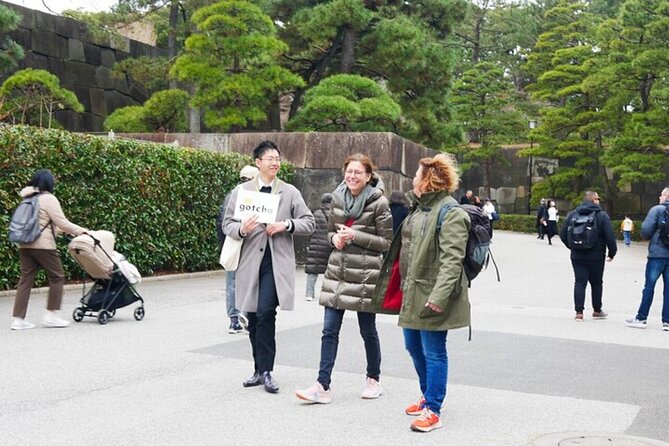
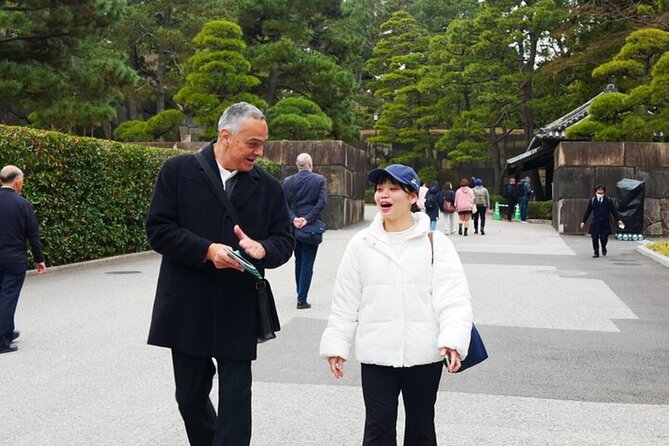
The tour uses different English-speaking guides, so the style can vary. The strongest pattern is clear: guides are praised for their English, patience, preparation, and ability to answer questions.
Hitoshi appears especially suited to groups that value careful pacing and broad historical context. He has helped older visitors, wheelchair users, and people finding their way to the subway. Shigeru has been praised for giving a clear introduction to Japanese history, taking photos, showing garden details, and even folding an origami crane for a participant.
Naoko’s style seems warm and classroom-like. She uses visual aids, keeps explanations engaging, and has handled groups of seniors with patience. Masahito is described as friendly, prepared, and good-humored, with a talent for explaining both palace grounds and Japanese culture.
Mikio has a gift for making incomplete remains easier to picture. If you are the kind of person who asks how a wall was used, what a former building looked like, or how the garden changed, that approach will suit you.
You cannot choose your guide from the information provided, so book this as a strong guided experience rather than as a promise of one particular person. The repeated praise for several guides suggests a reliable standard, but every group will have its own rhythm.
Is $42 a fair price?
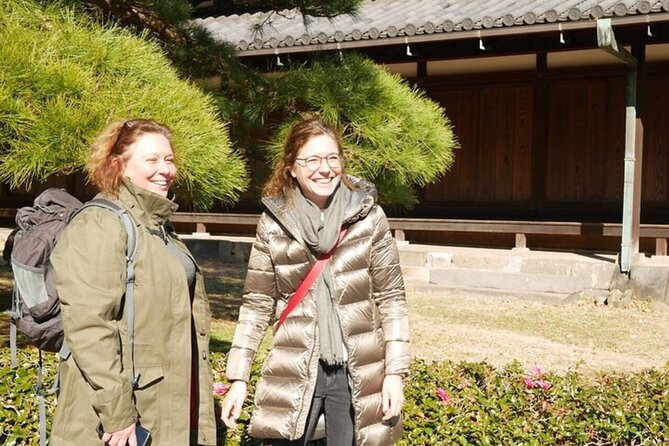
The garden itself is free, and that is the main point to consider. At $42, the tour costs much more than simply walking through the East Gardens on your own.
I think the fee is fair if you value explanation. You get two hours with an English guide, a planned route, historical background, help with photos, and the chance to ask questions as you go. The site has many layers, and the guide can save you from missing the meaning behind the remains.
The fee is harder to justify if you are comfortable reading signs, researching Edo Castle beforehand, or mainly want a quiet stroll. You could enter the garden without paying for a tour. One participant questioned the price because the same amount could fund a full-day outing to Nikko or Mount Fuji.
That is a valid comparison. This is a compact city activity, not a full-day excursion. Its value comes from convenience and interpretation, not from covering a large distance or visiting multiple major attractions.
For a first or second day in Tokyo, I see the price more favorably. The tour gives you a historical framework that can sharpen the rest of your Japan visit. For a return visitor who already knows the Edo period well, independent exploration may be better value.
Who should book this walk?
I would recommend it to:
- First-time Tokyo visitors who want historical context without spending a full day in a museum.
- Families with children who learn better through stories, pictures, and real places.
- Older visitors who prefer a slow pace and the support of a guide.
- People interested in shoguns, daimyo, imperial history, Japanese culture, and traditional gardens.
- Visitors who want a calm two-hour break from Tokyo’s crowded streets.
- Anyone who likes asking questions rather than simply following a map.
I would be more cautious if you expect to enter the working Imperial Palace or see the private residence of the imperial family. That is not part of this experience. The tour visits the East Gardens only, and the Inner Palace is not open to the group.
You should also avoid scheduling it on a Monday or Friday, when the garden is closed. Check the starting time when booking, since the available hours can vary.
Practical planning for a better visit
Bring water and dress for the weather. You will be outdoors for two hours, and even a relaxed route can feel tiring in heat, rain, or unsuitable shoes.
Arrive with your bags in order. The baggage inspection is part of entering the grounds, and knives or other potentially weapon-like purchases should be stored elsewhere before you meet the guide.
Keep your schedule flexible after the tour. The official route returns to Wadakura Fountain Park, but a helpful guide may suggest the best way to continue. Do not depend on an escort to the subway, yet feel free to ask for local direction if you need it.
The tour offers free cancellation up to 24 hours before departure, and you can reserve now and pay later. Those terms are useful when Tokyo weather or a packed sightseeing plan may change.
Final verdict: a smart history lesson in central Tokyo
Book this tour if you want the Imperial Palace East Gardens to mean more than a pleasant walk. The free entry is worth remembering, but the guide adds the part you cannot get from scenery alone: the story of Edo Castle, the shoguns, the imperial family, Japanese culture, and the people who shaped the site.
I would not book it for palace interiors, a grand restored castle, or a full-day adventure. I would book it for a calm, well-explained introduction to Japan’s political and cultural past, especially early in a Tokyo visit.
The strongest reason to go is the human element. Guides such as Hitoshi, Naoko, Shigeru, Masahito, and Mikio have helped make the walk patient, personal, and easy to follow. At $42, it is a considered purchase, not a bargain admission ticket. For the right visitor, though, it turns a free garden into a much more meaningful stop.
FAQ
How long does the Imperial Palace East Gardens tour last?
The guided walking tour lasts two hours.
Where does the tour begin?
It begins in front of the fountain at Wadakura Fountain Park.
How will I identify the guide?
The guide will be holding a sign that says Gotcha.
Where does the tour finish?
The tour returns to Wadakura Fountain Park.
Does the tour enter the Inner Palace?
No. The Inner Palace is not open to the public as part of this tour.
Is the East Garden open every day?
No. The East Garden is closed on Mondays and Fridays.
What language is the tour conducted in?
The tour is conducted in English with a live guide.
Is garden admission included?
The tour includes the guided walk. The East Gardens are free to enter, but the $42 price covers the tour guide and walking experience.
Are bags inspected at the entrance?
Yes. Visitors are subject to a baggage inspection when entering the Imperial Palace grounds. If you buy Japanese knives or similar items before the tour, store them in a coin locker or comparable place first.
Just added around Tokyo
- Tokyo 6hr Instagram Highlights Private Tour with Licensed Guide★ 5.0 · 38 reviews
- Tokyo Small Group Tour with Guide★ 4.5 · 38 reviews
- Tokyo Sumo Experience with Live Show & Audience Challenge★ 5.0 · 38 reviews
- Japanese Food Cooking Class in Asakusa, Tokyo★ 5.0 · 39 reviews
- Very popular in Harajuku♡Animal petting zoo★ 4.6 · 39 reviews
- Ramen Making from Scratch with Tokyo Mom(Vegan Option Available)★ 5.0 · 39 reviews
- Tokyo JDM Night: 600hp C63s AMG Edition 1 (Private)★ 4.9 · 39 reviews
- Tokyo: Kimono Rental inside Shinjuku Gyoen National Garden★ 4.9 · 39 reviews
Castle Tours, compared.
Tokyo Castle & Imperial PalaceーShogun Walking Tour
Read our review →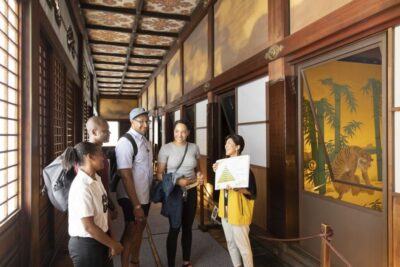
Nijo-jo Castle and Ninomaru Palace Guided Tour
Read our review →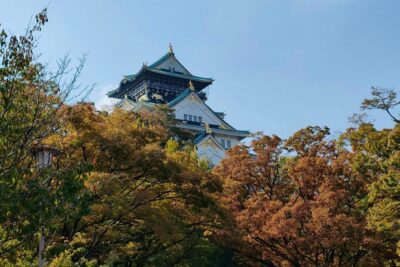
Ultimate Osaka Walking Tour: Castle, Dotonbori & Hidden Gems
Read our review →Tokyo Castle & Imperial PalaceーShogun Walking Tour
Read our review →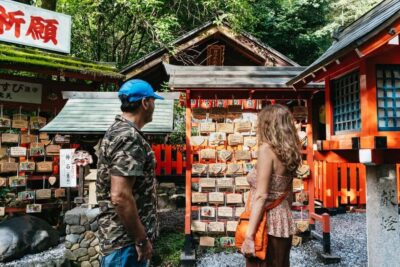
Nijo Castle, Kiyomizu & Fushimi Inari Guided Tour
Read our review →
Osaka Castle Walking Tour and Castle Tower Admission
Read our review →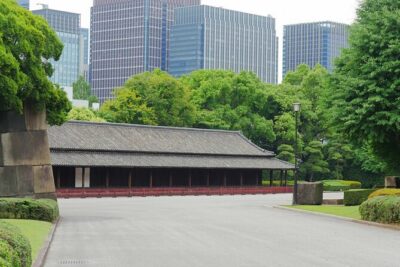
Imperial Palace East Garden and Edo Castle Walking Tour in Tokyo
Read our review →Browse the lists this tour appears in