
Reviewed · TEMPLE & SHRINE TOURS
Tokyo: Meiji Shrine and Shinto Culture Walking Tour
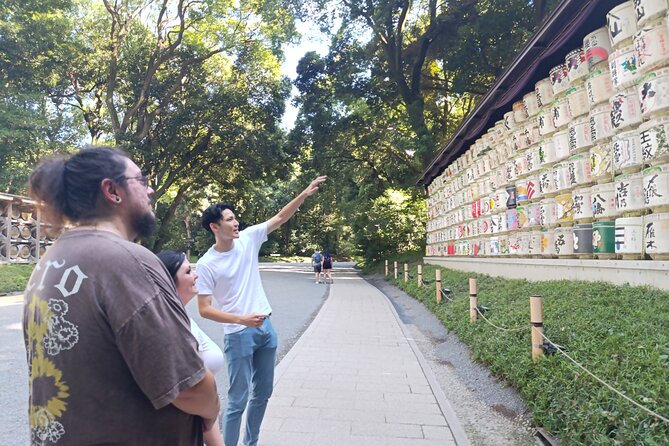
Tokyo’s quietest escape may be beside Harajuku. This two-hour walking tour makes Meiji Jingu Shrine easier to understand, pairing its forest paths and huge torii gates with clear explanations of Shinto customs. I like the small-group format, capped at 15 people, and the modest $18 price, which includes admission and a guide. The main drawback is that the visit is fairly short, so you get a focused introduction rather than a leisurely look at every corner of the grounds.
I also like the human touch provided by guides such as Yumi, Sara, Haydn, Matt, and Benjamin, who have helped visitors understand everything from Meiji-era history to bowing and ritual cleansing. You should allow for a fair amount of walking, and rain can make the forest path less comfortable, though Matt’s calm guidance helped one group enjoy the experience despite wet weather.
In This Review
- Key points to know before you book
- Why Meiji Jingu is worth your time
- Meeting at WITH HARAJUKU
- Walking beneath Japan’s largest wooden myojin torii
- The forest walk and the one-hour shrine visit
- Learning Shinto customs you might otherwise miss
- What the small group changes
- How much value do you get for $18?
- Who will enjoy this walking tour most?
- My verdict on the guide-led Meiji Jingu visit
- FAQ
- How long does the Meiji Shrine and Shinto Culture Walking Tour last?
- Where does the tour begin?
- Where does the tour finish?
- Is admission to Meiji Jingu included?
- How many people can join the tour?
- What does the guide explain?
- Can I cancel for a full refund?
Key points to know before you book
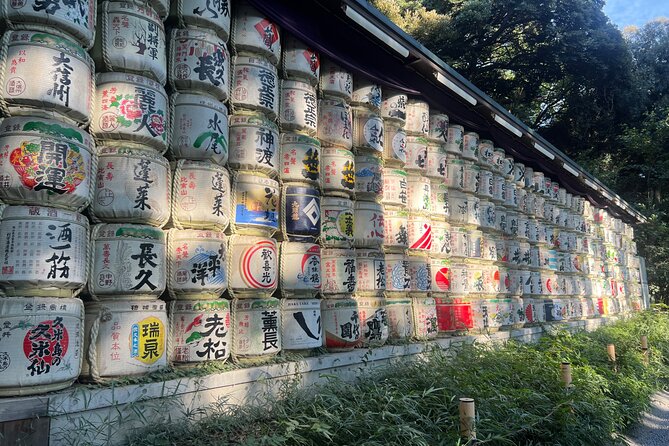
- The giant torii sets the tone: At 12 meters tall and 17.1 meters wide, the wooden gate gives you an immediate sense of the shrine’s scale and importance.
- Shinto customs get practical explanations: Your guide can show you how to approach the gates, cleanse yourself, and understand the meaning behind shrine rituals.
- A 15-person maximum keeps questions possible: This is not a large coach group. You should have a better chance to hear the guide and ask about Japanese spirituality.
- The shrine sits in a 70-hectare forest: The peaceful setting feels far removed from Harajuku’s busy streets, even though the neighborhood is close by.
- The tour costs $18 per person: Admission and guiding are included, making this a good-value cultural stop, though tips are extra.
- The meeting point is easy to identify: Begin at Starbucks Coffee at WITH HARAJUKU in Jingumae, near public transportation, and finish back at the same place.
Why Meiji Jingu is worth your time
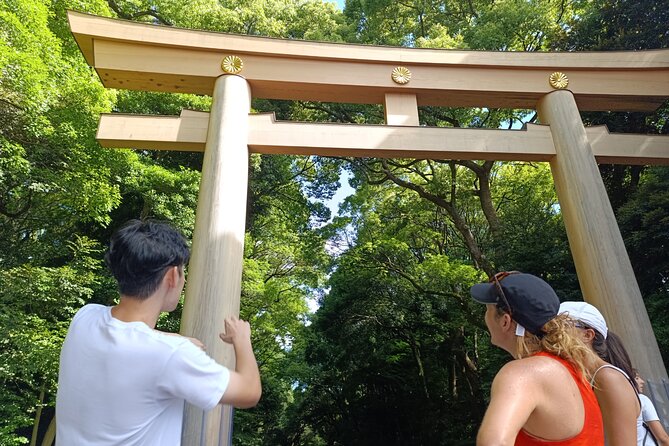
Meiji Jingu is one of Tokyo’s best places to see Shinto as a living practice rather than a museum subject. The shrine is dedicated to the deified spirits of Emperor Meiji and Empress Shoken. It was established in 1920 and sits within a huge artificial forest covering about 70 hectares.
That setting matters. Tokyo can feel packed, loud, and intensely modern, but the approach to Meiji Jingu gives you a gradual change of pace. You pass through towering torii gates and follow a broad, wooded route toward the shrine buildings. The forest is not an untouched wilderness. It was planted as part of the shrine project, yet it creates a strong feeling of separation from the city.
I think this is where a guide earns the $18 price. On your own, you can admire the trees, gates, and architecture. You may miss why people bow at the entrance, how ritual cleansing works, or what the shrine’s ceremonies mean. The guide helps turn a pleasant walk into a lesson in Japanese belief and behavior.
The tour is especially useful if you are visiting Japan for the first time. Shinto customs can look simple from the outside, but small actions carry meaning. A short explanation at the right moment helps you observe respectfully instead of copying what someone else is doing without knowing why.
More Temple & Shrine Tours in Tokyo
- Tokyo: Meiji Shrine, Asakusa, Skytree Bus Tour and Cruise
★ 4.7 · 1,986 reviews - Tokyo: Asakusa Walking Tour with Sensoji Temple Visit
★ 4.8 · 1,583 reviews - Nikko: Kegon Falls, Lake Chuzenji & Toshogu Temple
★ 4.6 · 1,577 reviews
Meeting at WITH HARAJUKU
The tour starts at Starbucks Coffee at WITH HARAJUKU, 1-chome 14-30 Jingumae, Shibuya, Tokyo 150-0001. The location is near public transportation, and using a recognizable café as the meeting point should make the start easier than searching for a guide inside the shrine grounds.
You should arrive with enough time to locate the Starbucks and check your mobile ticket. The ticket is provided on your phone, so there is no need to manage a paper voucher. Since the tour returns to the meeting point, you do not need to plan for a separate pickup or a complicated finish.
The meeting arrangement also gives you a useful way to place the tour in your day. You can begin near Harajuku, walk through Meiji Jingu with the guide, and return to the same area afterward. The experience does not include tips, so bring that cost into your planning if you want to thank the guide for a helpful visit.
Walking beneath Japan’s largest wooden myojin torii
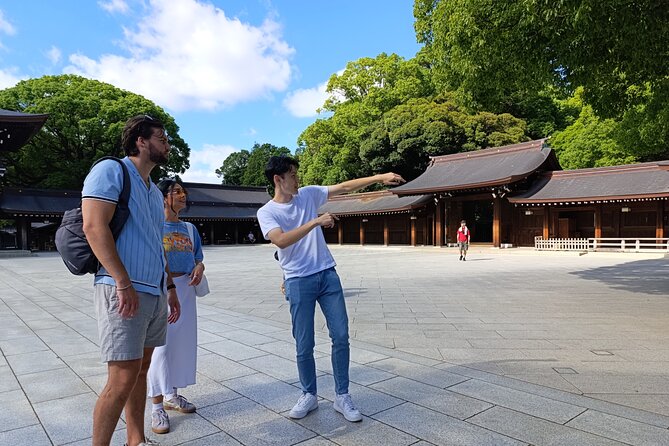
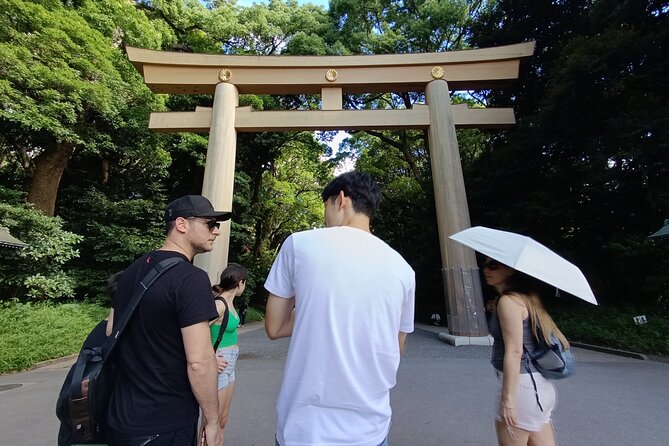
One of the first memorable sights is the enormous wooden torii. It is described as the largest wooden myojin-style torii of its kind in Japan, measuring 12 meters high and 17.1 meters across.
This is not a detail you need to memorize, but the size helps explain the feeling of arrival. The gate marks a boundary between ordinary city space and the sacred grounds. Your guide can explain the proper approach, including the custom of bowing at the gate.
The torii also makes a useful opening lesson because it shows how Shinto places meaning on transitions. You are not simply walking under an impressive wooden structure. You are being invited to change your behavior as you enter a sacred area. That kind of context is difficult to pick up from a quick photograph stop.
The path beyond the gate is one of the tour’s most attractive parts. It runs through the planted forest, with the city’s noise reduced around you. The distance and shade give the shrine a calm, park-like character. One visitor described the grounds as beautiful despite being in one of Tokyo’s busiest parts, and that contrast is central to the appeal.
The forest walk and the one-hour shrine visit
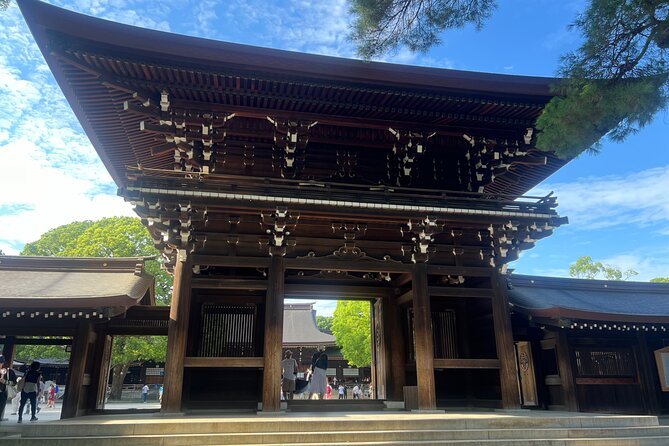
The main shrine stop is listed at about one hour, within a tour lasting roughly two hours. The rest of the time is used for walking, explanations, and moving through the approach to the shrine.
That timing is a sensible compromise. You get enough time to see the important areas and learn the basics without giving up half a day. At the same time, you should not expect a slow, highly detailed architectural study. If you want to linger at every gate, sign, or nearby attraction, the group schedule may feel brisk.
The forest route is part of the experience, not just a way to reach the shrine. Your guide can connect the physical setting to the shrine’s purpose and to the role of Emperor Meiji and Empress Shoken in modern Japanese history. Matt, for example, was praised for explaining the Meiji Restoration and Emperor Meiji’s achievements in a memorable way.
That historical angle keeps the tour from becoming a simple nature walk. Meiji Jingu is tied to a major period of change in Japan, and the shrine reflects how national memory, imperial history, and religious practice can meet in one place. I would pay attention here if you want more than pretty scenery.
More Walking Tours in Tokyo
- Tokyo Tsukiji Fish Market Food and Culture Walking Tour
★ 5.0 · 3,184 reviews - Tokyo: Imperial Palace and Shogun Historical Walking Tour
★ 5.0 · 2,251 reviews - Tokyo: Shinjuku Local Bar and Izakaya Guided Walking Tour
★ 4.9 · 1,794 reviews - Tokyo: Tsukiji Fish Market Food and Walking tour
★ 5.0 · 1,724 reviews
Learning Shinto customs you might otherwise miss
The strongest part of the tour is the explanation of ritual. You may learn how to bow at the gates, why visitors cleanse themselves, and how to behave near the shrine buildings. Benjamin was praised for explaining these Japanese customs with patience and calm, while Sara was described as friendly and clear when discussing Shinto beliefs and practices.
These lessons are useful because they are practical. You leave better prepared for other shrines in Japan, not just Meiji Jingu. You also gain a clearer idea of the difference between watching a ritual and taking part in one respectfully.
The guide’s role is not to turn Shinto into a long academic lecture. The best feedback points to an interactive style, with room for questions and useful advice about navigating Tokyo. Yumi, in particular, was praised for being accommodating and for sharing practical city tips along with information about the shrine.
The exact quality of the visit will depend on your assigned guide. The named guides have received warm praise, but schedules can change. Still, the consistently high rating, with 225 reviews and 100 percent recommending the experience, suggests that the guiding is the main strength of this tour.
What the small group changes
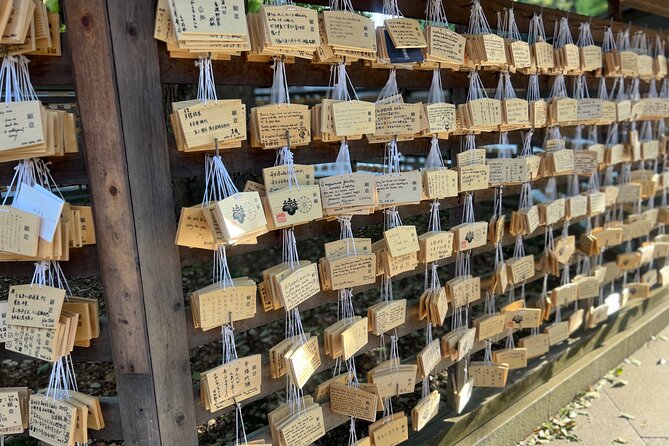
The group maximum is 15 people. That is not a private tour, but it is much easier to manage than a large crowd. You can usually hear the guide more clearly, and the guide has a reasonable chance to respond when you ask about a ritual or historical point.
A small group also works well in a shrine setting. The walking route is more pleasant when you are not waiting for a long line of people to gather at every stop. It allows the guide to point out details without turning each explanation into a formal presentation.
Families can benefit from this setup. A family of four enjoyed an interactive visit with Sara in June 2025, including explanations of Meiji Jingu and its customs. The format should also suit solo visitors and couples who want company without joining a huge organized group.
The group size is still worth keeping in mind if you prefer complete control over timing. You cannot simply leave early or spend twenty minutes at one favorite spot without affecting the others. For most people, the structure will be a help, but independent visitors who already know Shinto may find the pace less flexible.
How much value do you get for $18?
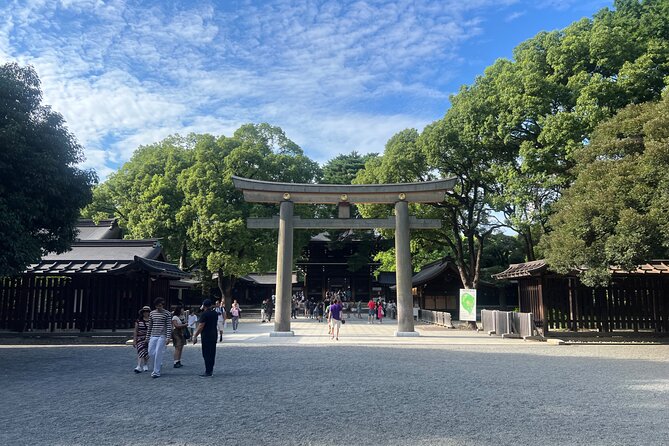
At $18 per person, this is one of the easier Tokyo tours to justify. Admission is included, as is the guide and historical information about the area. You are mainly paying for interpretation, organization, and the chance to ask questions while you walk.
The value is strongest if you are unfamiliar with Shinto. A free visit would still let you see the shrine, but you would need to read up beforehand or rely on signs and observation. The tour puts explanations beside the gates and rituals when they matter most.
I would not book it solely to save time. Meiji Jingu is straightforward to visit, and the shrine grounds are available without this tour. Book it because you want cultural context, especially if you are curious about Japanese spirituality, shrine etiquette, or the history connected with Emperor Meiji.
Tips are not included. The cancellation policy allows a full refund if you cancel at least 24 hours before the start time. A cancellation made less than 24 hours before the start is not refunded, and changes in that period are not accepted.
Who will enjoy this walking tour most?
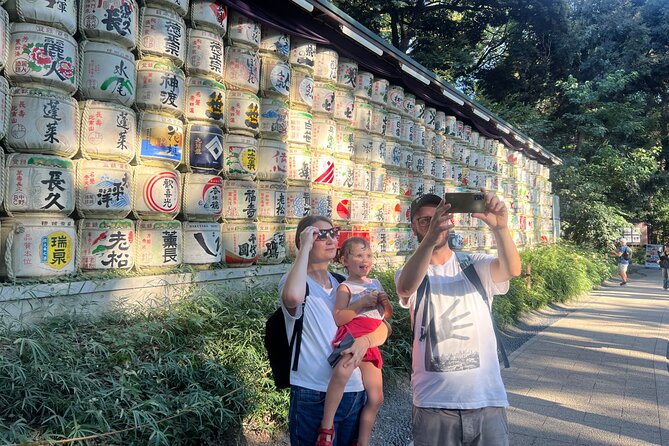
This experience fits you well if you:
- Want a first, clear introduction to Shinto
- Prefer a guide to explain rituals as you see them
- Have about two hours for a cultural activity
- Like walking tours with a small group
- Are visiting Harajuku and want a calmer nearby stop
- Want historical context about Emperor Meiji and Empress Shoken
- Prefer a modestly priced activity with admission included
It is also a good choice for families. The interactive style described by visitors suggests that children and adults can ask questions rather than simply follow a silent route.
You might skip it if you have already studied Shinto, visited Meiji Jingu several times, or want to explore alone at your own pace. You might also prefer a longer tour if you want extensive time inside the grounds or a broader look at Harajuku beyond the shrine.
Rain is another practical consideration. The tour continues in wet weather, and the forest paths may be less comfortable. Matt’s thoughtful guidance helped one group enjoy a rainy visit, but you should still dress for the conditions and expect to walk outdoors.
My verdict on the guide-led Meiji Jingu visit
I like this tour because it focuses on something many people miss at Meiji Jingu: meaning. The huge torii, planted forest, and shrine buildings are easy to admire, but the guide explains why people bow, cleanse themselves, and move through the grounds with care.
The $18 cost is fair, the two-hour length fits neatly into a Tokyo itinerary, and a maximum of 15 people keeps the experience personal enough for questions. The main limitation is its fixed pace and short duration. You will get an introduction, not every detail.
Book it if you want Meiji Jingu to make sense rather than simply appear on your camera roll. If you are already comfortable with Shinto customs and prefer independent wandering, save the money and explore on your own. For first-time visitors seeking a polite, useful introduction to Japanese spirituality, this is a strong pick.
FAQ
How long does the Meiji Shrine and Shinto Culture Walking Tour last?
The tour lasts approximately two hours. The Meiji Jingu Shrine portion is listed at about one hour, with the remaining time used for walking and explanations.
Where does the tour begin?
The meeting point is Starbucks Coffee at WITH HARAJUKU, 1-chome 14-30 Jingumae, Shibuya, Tokyo 150-0001.
Where does the tour finish?
The activity ends back at the meeting point.
Is admission to Meiji Jingu included?
Yes. An admission ticket is included with the tour.
How many people can join the tour?
The activity has a maximum of 15 participants.
What does the guide explain?
The guide explains Meiji Jingu, the history of Emperor Meiji and Empress Shoken, Shinto beliefs, shrine rituals, bowing at the gates, and ritual cleansing. Historical information about the surrounding district is also included.
Can I cancel for a full refund?
Yes, if you cancel at least 24 hours before the experience start time. Cancellations made less than 24 hours before the start time are not refunded, and changes during that period are not accepted.
Just added around Tokyo
- Tokyo 6hr Instagram Highlights Private Tour with Licensed Guide★ 5.0 · 38 reviews
- Tokyo Small Group Tour with Guide★ 4.5 · 38 reviews
- Tokyo Sumo Experience with Live Show & Audience Challenge★ 5.0 · 38 reviews
- Very popular in Harajuku♡Animal petting zoo★ 4.6 · 39 reviews
- Japanese Food Cooking Class in Asakusa, Tokyo★ 5.0 · 39 reviews
- Ramen Making from Scratch with Tokyo Mom(Vegan Option Available)★ 5.0 · 39 reviews
- Tokyo: Kimono Rental inside Shinjuku Gyoen National Garden★ 4.9 · 39 reviews
- Tokyo JDM Night: 600hp C63s AMG Edition 1 (Private)★ 4.9 · 39 reviews
Temple & Shrine Tours, compared.
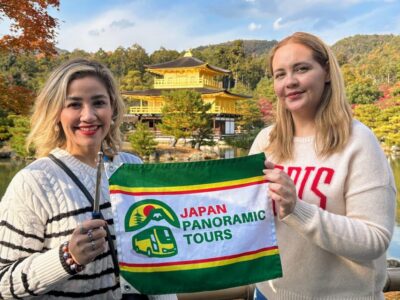
Fushimi Inari, Kinkakuji, Bamboo Grove 1 Day Bus Tour
Read our review →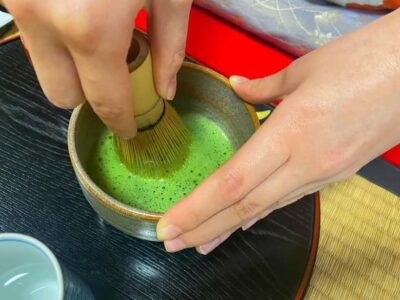
Tea Ceremony in a Traditional Tea House in Kiyomizu
Read our review →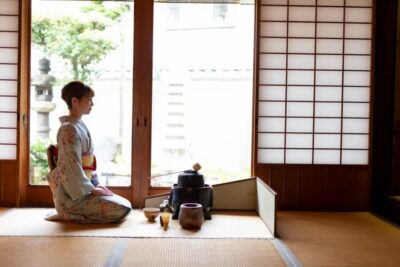
Meiji Shrine, Asakusa, Skytree Bus Tour and Cruise
Read our review →
Fushimi Inari Hidden Hiking Tour (Private Option Available)
Read our review →
Osaka/Kyoto:Kinkakuji,Arashiyama,FushimiInariShrine,NaraPark
Read our review →
Asakusa Walking Tour with Sensoji Temple Visit
Read our review →
Nikko: Kegon Falls, Lake Chuzenji & Toshogu Temple
Read our review →Browse the lists this tour appears in