
Reviewed · BAR HOPPING & IZAKAYA TOURS
Tokyo: The Best of Izakaya in Shinjuku Food & Cultural Tour
Neon, noodles, sake, and tiny bars await. This three-hour evening tour gives you a useful way into Shinjuku, pairing 14-plus Japanese dishes with walks through Golden Gai, Kabukicho, and Omoide Yokocho. It is part dinner, part neighborhood tour, and part social night out.
I especially like the generous food portions and the chance to visit places you would probably miss on your own. Guides such as Max, Joe, Chizuru, Ayaka, and Hawaii Joe are praised for mixing food explanations with local history, humor, and practical Tokyo tips. The main drawback is the $129 price, since inexpensive meals are easy to find in Tokyo. You are paying for access, guidance, drinks, and a full evening, not just food.
The tour is listed as three hours, though the schedule given runs from 17:00 to 20:30, or about three and a half hours. You walk between stops, so comfortable shoes matter. The group is limited to 10 people, which helps keep the evening personal.
In This Review
- Key points at a glance
- Starting beside Kirin City in east Shinjuku
- Golden Gai, a tiny district with a big personality
- Shinjuku food stops built around sharing
- Sake and the drinking culture of an izakaya
- Kabukicho after dark
- Omoide Yokocho and the final walk
- The guides make or break the evening
- Is $129 a fair price in Tokyo?
- Who will enjoy this Shinjuku tour most?
- Practical tips for a smoother evening
- Should you book it?
- FAQ
- How long does the Shinjuku izakaya tour last?
- Where is the meeting point?
- How much food is included?
- Are drinks included?
- Can food allergies or dietary restrictions be accommodated?
- Is transportation included?
Key points at a glance
- Dinner-sized food portions: Chicken skewers, sashimi, handmade croquettes, dumplings, tonkotsu, izakaya snacks, dessert, and more may appear.
- Four very different Shinjuku areas: The route includes Golden Gai, Kabukicho, Omoide Yokocho, and restaurant streets around Shinjuku Station.
- Two alcoholic drinks included: You can choose drinks, including sake that may not be available where you live.
- Strong guide element: Guides explain dishes, pronunciation, food customs, neighborhood stories, and Tokyo culture.
- A good solo traveler option: A small group gives you an easy way to meet people over shared plates.
- Food requests can be addressed: Allergies and dietary restrictions can be accommodated, but you should provide those details when booking.
Starting beside Kirin City in east Shinjuku
The meeting point is in front of Kirin City Shinjukuhigashi, a beer hall in east Shinjuku. Look for the guide carrying a tote bag with the Ninja Bowl logo. That detail matters in a district filled with signs, crowds, and competing restaurants.
Try to arrive with enough time to locate the meeting point. Shinjuku Station is famously large and confusing, and the route around the station can feel much longer than it looks on a map. Transportation to and from the tour is not included, so plan your own way to the start and finish.
This is an evening tour, normally beginning at 17:00. That timing works well because Shinjuku changes character after work. Shopfronts light up, restaurant doors open, and the narrow lanes begin to fill with people looking for dinner.
The first 40 to 50 minutes are spent walking through the area. This is not a long-distance hike, but you will be on your feet before settling in for the food stops.
More Bar Hopping Tours in Tokyo
- Tokyo Bar Hopping Tour in Shinjuku (All-You-Can-Drink + Dinner)
★ 5.0 · 3,587 reviews - Best of Shinjuku: Izakaya Food Tour (4 Stops, 14+ Tastings)
★ 5.0 · 1,863 reviews - Tokyo: Shinjuku Local Bar and Izakaya Guided Walking Tour
★ 4.9 · 1,794 reviews
Golden Gai, a tiny district with a big personality
Golden Gai is one of the most memorable parts of the route. Its narrow lanes contain small bars packed close together, with unusual building layouts and a visual style unlike the broad streets near the station.
The tour gives you about 30 minutes here. That is enough to see the lanes, hear how the district fits into Shinjuku’s past, and understand why the area is so distinctive. You are not simply being taken from one restaurant to another. The walk gives the meal a sense of place.
Golden Gai can also be cramped. The lanes are narrow, the bars are tiny, and the infrastructure may look improvised. That is part of the charm, but anyone expecting a polished sightseeing district may find it rough around the edges.
The guide is important here. Joe has been praised for explaining the area and its architecture, while Max and Chizuru are noted for adding stories about food and local customs. A guide can point out details you might pass without noticing and help you understand the difference between seeing a district and merely walking through it.
Shinjuku food stops built around sharing
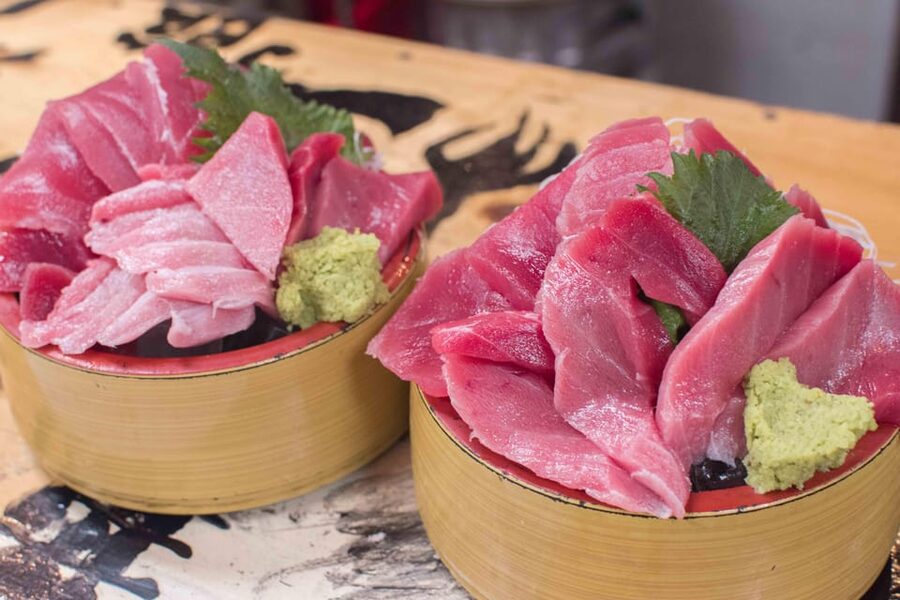
The main food portion takes about two and a half hours. You visit two popular local restaurants according to the supplied schedule, though some past tour descriptions refer to several restaurant or izakaya stops. The exact dishes and locations can change with the day’s fresh ingredients, so you should treat the menu as a strong outline rather than a fixed promise.
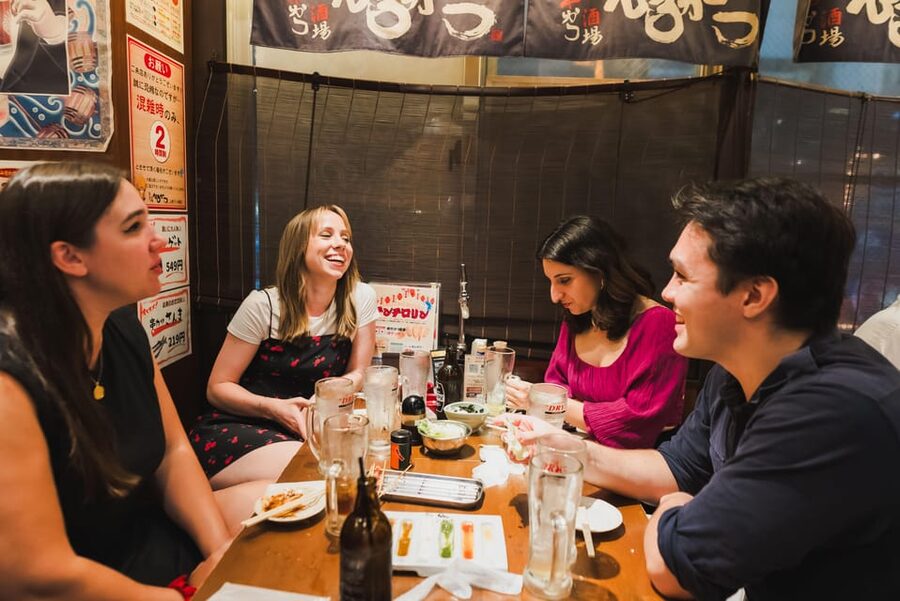
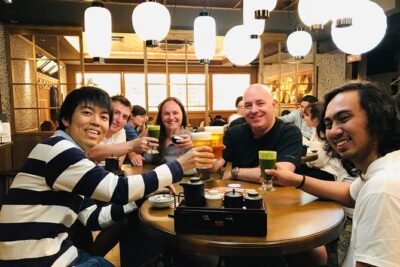
The food is served in a Japanese izakaya style, with multiple dishes shared around the table. This format suits groups because you can try more items than you would order alone. It also makes conversation easier, especially if you are joining by yourself.
Typical dishes include:
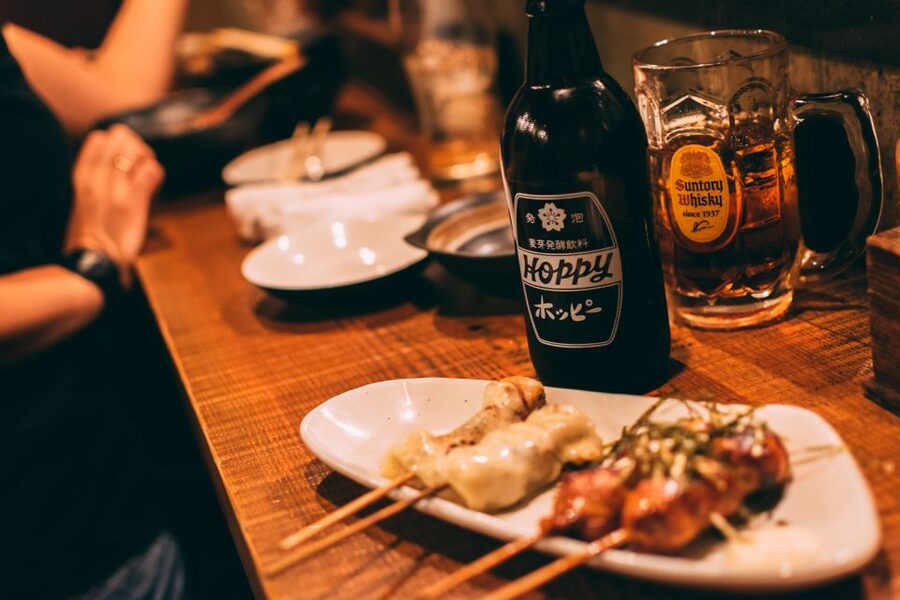
- Chicken skewers
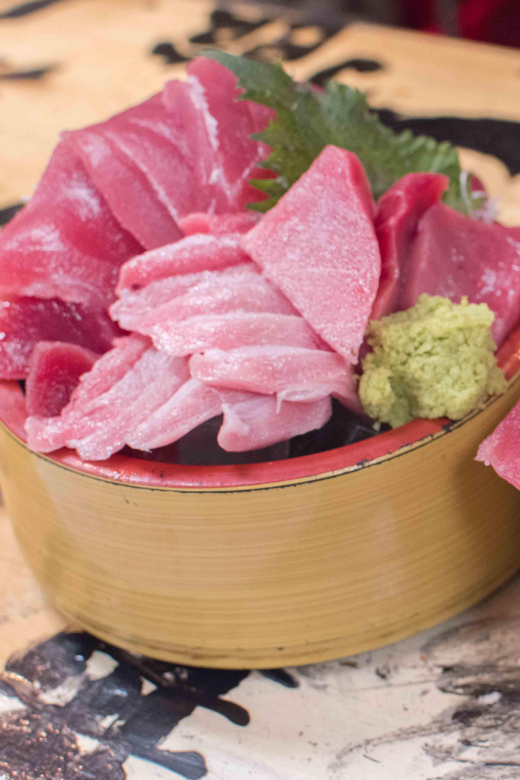
- Fresh sashimi
- Handmade Japanese croquettes
- Dumplings
- Tonkotsu
- Traditional izakaya snacks
- Lemon sorbet or another small sweet finish
The portions are a major strength. Several people specifically describe the food as generous rather than sample-sized. You should arrive hungry, but not so hungry that you rush through the walking portion. By the end, the meal is intended to replace dinner.
The selection also gives you a broad look at Japanese eating habits. Sashimi shows off clean, fresh flavors. Skewers offer a more casual, grilled style. Croquettes and dumplings bring comfort food into the mix. Tonkotsu adds a hearty bowl or soup element, depending on the restaurant’s presentation.
This range is useful for first-time visitors because you can compare several styles in one evening. It is less useful if you want a focused tour devoted only to sushi, ramen, or sake.
Sake and the drinking culture of an izakaya
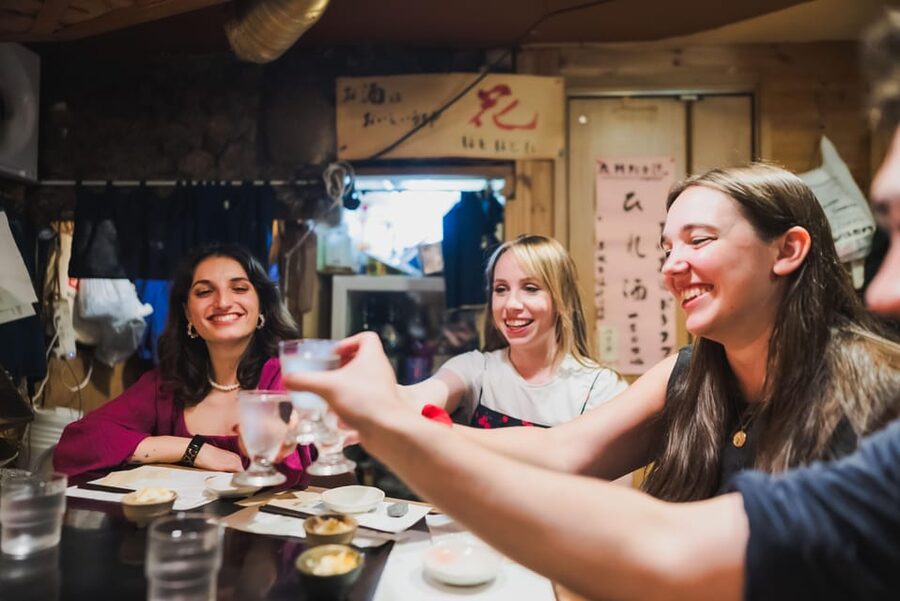
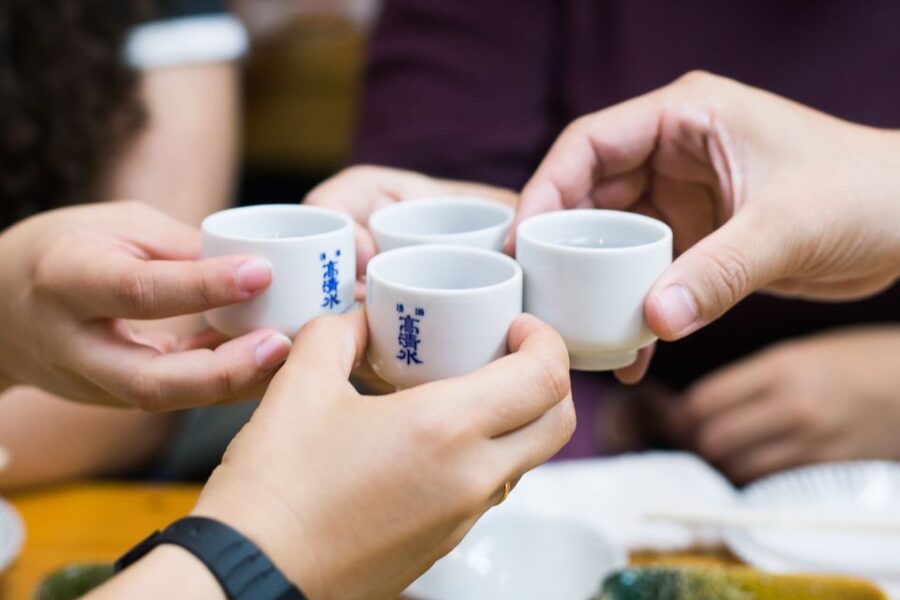
Two alcoholic drinks are included in the price. The options can include beer, other drinks, and sake, with the guide helping you choose. One of the stated aims is to let you try higher-quality Japanese sake that may not be available in your home country.
The sake portion adds cultural value. You learn not just what is in the glass, but how drinking fits into a Japanese meal. Chizuru, for example, has been praised for making the sake experience especially enjoyable, while Max has helped explain how to taste it properly.
You do not need to drink alcohol to take part. Non-drinkers still receive more than 10 food samplings and get the same izakaya setting and neighborhood walk. This makes the tour workable for mixed groups, though the two included alcoholic drinks are naturally more valuable to people who plan to use them.
If sake is new to you, this is a relaxed way to try it without ordering an unfamiliar bottle in a busy restaurant. If you already know sake well, the experience may feel more like a pleasant introduction than a specialist tasting.
More Food Tours in Tokyo
- Tokyo: Shinjuku Food Tour (13 Dishes at 4 Local Eateries)
★ 5.0 · 6,603 reviews - Tokyo Tsukiji Fish Market Food and Culture Walking Tour
★ 5.0 · 3,184 reviews - Tokyo: Shinjuku Food Tour (15 Dishes and 4 Eateries)
★ 4.9 · 2,033 reviews - Tokyo: Tsukiji Fish Market Food and Walking tour
★ 5.0 · 1,724 reviews
Kabukicho after dark
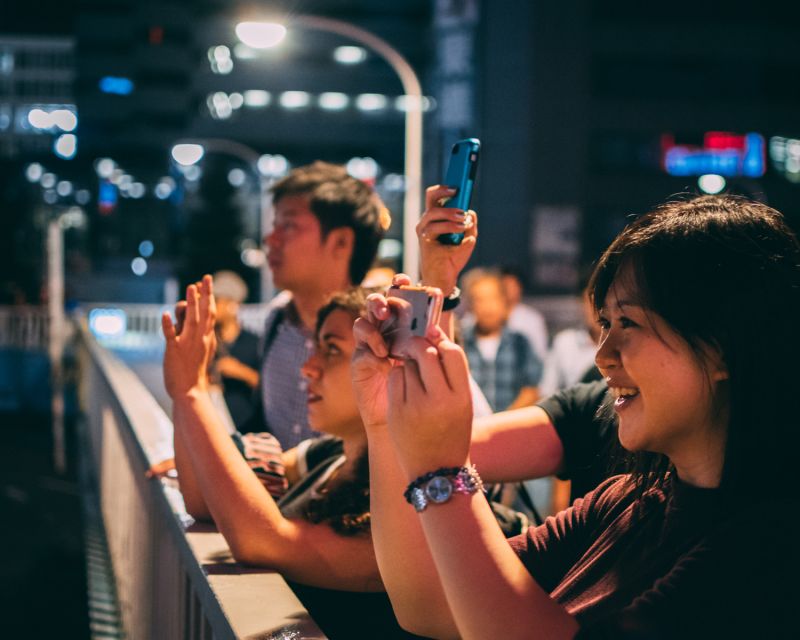
Kabukicho is the entertainment district at the center of Shinjuku’s evening energy. The tour includes about 30 minutes in the area, giving you a look at one of Tokyo’s best-known nightlife zones without leaving you to work out the streets alone.
Your guide can add context about the district, local customs, and the way Shinjuku developed as a center for dining and entertainment. Several guides have also been praised for explaining Tokyo history and architecture during the walking sections.
Kabukicho is bright, loud, and busy. You may see restaurant signs, entertainment venues, crowds, and plenty of visual noise. That makes it an entertaining part of the route, but it is not a quiet cultural stop. Keep your belongings secure and stay with the group at street crossings and crowded corners.
The tour offers a short introduction rather than a full nightlife visit. You will not have time to explore every side street, and the evening remains centered on food.
Omoide Yokocho and the final walk
Omoide Yokocho receives about 15 minutes. This narrow restaurant lane is known for its compact dining spaces and old-fashioned atmosphere. It gives you another view of Shinjuku’s small-scale food culture, different from the neon streets and tiny bars of Golden Gai.
The short stop is enough to see the lane and understand its place in the neighborhood. Do not expect a long meal here unless the schedule changes. The main tasting takes place during the longer restaurant portion.
The tour finishes near Nishishinjuku at Wako-re Shinjuku Daiichi Building, listed as 7-7-26 Nishishinjuku, Shinjuku City. Since the ending point is not the same as the starting point, check your route home before the tour begins. The price includes the guide, meals, and drinks, but not transportation.
The guides make or break the evening
The strongest part of this experience is the human element. A food tour can quickly become a string of plates, but the guides add rhythm and connection to the night.
Max is repeatedly praised for his enthusiasm for Japanese cuisine, thoughtful drink suggestions, and attention to individual needs. Joe, including the guide known as Hawaii Joe, is described as funny, energetic, and generous with restaurant recommendations. Chizuru is praised for her warmth, food knowledge, and ability to explain Japanese culture in a clear way.
Ayaka has been noted for taking people off the usual path and explaining the neighborhood. Megan and Julian are praised for making the group comfortable and handling food sensitivities. Nobu is described as especially good at helping a group relax and teaching the pronunciation of Japanese places and dishes.
The guide you receive will depend on the date. That means the tone may vary, but the recurring strengths are clear: friendly hosting, food explanations, cultural context, and a willingness to answer questions.
This is particularly useful on your first trip to Tokyo. You get guidance on what you are eating, how to approach an izakaya, and which places may deserve a return visit. Some people have gone back to restaurants from the tour later in their trip, which is a good sign that the stops are practical discoveries, not just one-night stage scenery.
Is $129 a fair price in Tokyo?
At $129 per person, this is not a cheap way to eat in Shinjuku. You can certainly find filling Japanese food for much less, especially if you order ramen, curry, rice bowls, or casual counter meals.
The value comes from the package. You receive a full dinner, 14 or more tastings, two alcoholic drinks, a small-group guide, neighborhood walks, history, restaurant access, and help with ordering. You also avoid spending time guessing which unfamiliar places are worth entering.
I would consider the price reasonable for a first evening in Tokyo if you want structure and variety. It is less appealing if you are already comfortable ordering in Japanese, have researched izakayas, or mainly want the lowest possible food cost.
Portion size improves the value. This is not a tour where you leave hungry and then search for dinner afterward. The food is often described as more than enough, with even large appetites satisfied.
Who will enjoy this Shinjuku tour most?
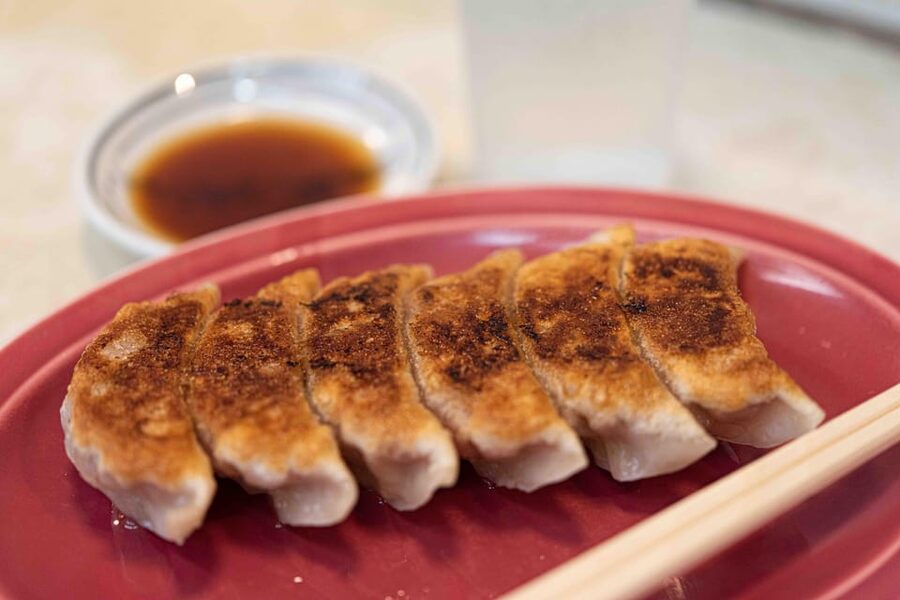
I would recommend it to first-time Tokyo visitors who want food and culture in one outing. The route gives you a useful introduction to Shinjuku’s different personalities, from preserved lanes to modern nightlife streets.
It is also a strong choice for solo visitors. The small group creates an easy social setting, and shared dishes give you an immediate reason to talk. Several guides make a point of bringing the group together rather than leaving people to sit silently through the meal.
Food-curious eaters will get the most from the variety. You can try sashimi, skewers, croquettes, dumplings, tonkotsu, sake, and other dishes without building a long order by yourself.
Families and cautious eaters should read the menu carefully and provide allergy or dietary information in advance. The operator says food requests can be accommodated, but the available substitutions are not detailed. If you have serious allergies, explain them clearly before the tour.
You should also be comfortable walking through crowded entertainment areas and sitting in compact restaurant spaces. The tour is not designed around luxury dining, private rooms, or a quiet pace.
Practical tips for a smoother evening
Arrive early at Kirin City Shinjukuhigashi and look for the Ninja Bowl tote bag. Shinjuku Station can consume time, especially if you exit on the wrong side.
Wear shoes suited to walking and narrow lanes. The walking distance is described as manageable, but you move between districts and restaurant stops.
Tell the operator about food allergies and restrictions before arrival. The fresh-ingredient menu changes, so do not assume every dish can be removed at the table.
Come hungry, but bring a little patience. Shared dishes may arrive in stages, and the evening is meant to be social as well as filling.
If you do not drink alcohol, say so at the start. You can still enjoy the food and atmosphere, and the tour provides more than 10 food tastings without requiring you to drink.
Book this early in your Tokyo stay if possible. The guide’s recommendations can help shape the rest of your dining plans, and you may want to return to one of the stops.
The experience allows free cancellation up to 24 hours before departure, and you can reserve now and pay later. Those terms are useful if your Tokyo schedule is still shifting.
Should you book it?
Book this tour if you want a generous dinner, a small group, and a friendly introduction to Shinjuku’s food culture. The strongest reasons are the full portions, the range of dishes, the sake option, and the guides who bring humor and local context to the evening.
Skip it if $129 feels too high for a meal, or if you prefer to wander and choose restaurants on your own. Tokyo rewards independent eating, but it also rewards a good guide when the streets are confusing and the menus are unfamiliar.
For a first night in Tokyo, I think this is a smart choice. It gives you dinner, orientation, and a list of places to revisit, all while showing you the narrow lanes and nightlife streets that are easy to miss from the main roads.
FAQ
How long does the Shinjuku izakaya tour last?
The activity is described as three hours, while the stated schedule runs from 17:00 to 20:30, or about three and a half hours. The walking portion takes roughly 40 to 50 minutes, followed by the main food experience.
Where is the meeting point?
Meet in front of Kirin City Shinjukuhigashi, a beer hall. The guide will be holding a tote bag with the Ninja Bowl logo.
How much food is included?
The tour includes 14 or more Japanese dishes and enough food for dinner. Typical items can include chicken skewers, sashimi, handmade croquettes, dumplings, tonkotsu, and izakaya snacks.
Are drinks included?
Yes. The price includes two alcoholic drinks of your choice, which may include Japanese sake. People who do not drink alcohol can still join and enjoy more than 10 food samplings.
Can food allergies or dietary restrictions be accommodated?
Food requests can be accommodated based on allergies and restrictions. Provide your requirements in advance because the menu changes with the fresh ingredients available that day.
Is transportation included?
No. Transportation is not included. You are responsible for getting to the meeting point and arranging transportation from the finishing point in Nishishinjuku.
More Drinking Tours
- Shibuya Meltdown Nightlife Tour: All-You-Can-Drink Bar Hopping
★ 5.0 · 1,058 reviews - Tokyo: Pub Crawl and Bar Tour
★ 4.5 · 951 reviews - Tokyo: Shinjuku Local Bar & Izakaya Crawl Tour
★ 5.0 · 890 reviews - Tokyo: Shinjuku Bar Hopping with All-You-Can-Drink & Dinner
★ 4.9 · 440 reviews
More History Tours in Tokyo
- Tokyo: Imperial Palace and Shogun Historical Walking Tour
★ 5.0 · 2,251 reviews - Tokyo: Imperial Palace Japanese History Walking Tour
★ 4.9 · 987 reviews - Tokyo: Shinjuku Historical Walking Tour & Secret Backstreets
★ 5.0 · 530 reviews - Yanaka Walking Tour: Historic and Traditional District of Tokyo
★ 5.0 · 530 reviews
Just added around Tokyo
- Tokyo 6hr Instagram Highlights Private Tour with Licensed Guide★ 5.0 · 38 reviews
- Tokyo Small Group Tour with Guide★ 4.5 · 38 reviews
- Tokyo Sumo Experience with Live Show & Audience Challenge★ 5.0 · 38 reviews
- Japanese Food Cooking Class in Asakusa, Tokyo★ 5.0 · 39 reviews
- Very popular in Harajuku♡Animal petting zoo★ 4.6 · 39 reviews
- Ramen Making from Scratch with Tokyo Mom(Vegan Option Available)★ 5.0 · 39 reviews
- Tokyo JDM Night: 600hp C63s AMG Edition 1 (Private)★ 4.9 · 39 reviews
- Tokyo: Kimono Rental inside Shinjuku Gyoen National Garden★ 4.9 · 39 reviews
Bar Hopping & Izakaya Tours, compared.
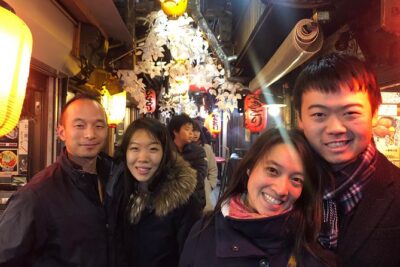
Tokyo Bar Hopping Tour in Shinjuku (All-You-Can-Drink + Dinner)
Read our review →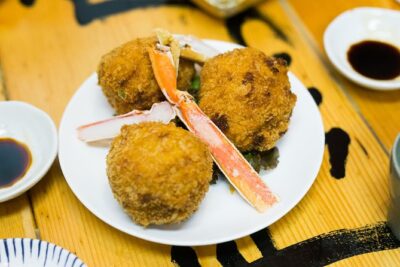
Best of Shinjuku: Izakaya Food Tour (4 Stops, 14+ Tastings)
Read our review →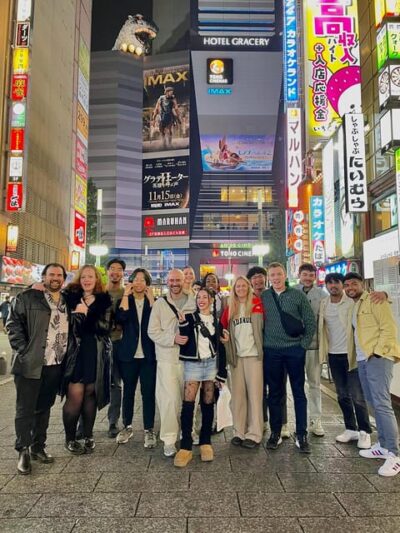
Shinjuku Local Bar and Izakaya Guided Walking Tour
Read our review →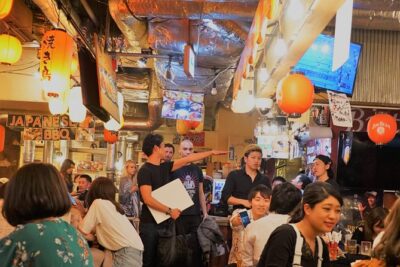
Shibuya Meltdown Nightlife Tour: All-You-Can-Drink Bar Hopping
Read our review →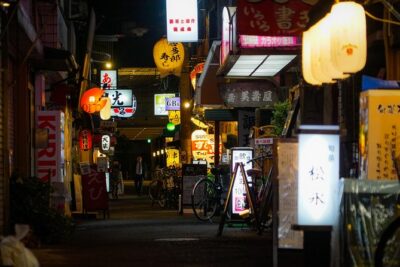
Osaka Bar Hopping Night Walking Tour in Namba (3 bars, 6 tastes)
Read our review →
Browse the lists this tour appears in