
Reviewed · MOUNT FUJI TOURS
Tokyo:Sea of Mount Fuji, Hakone Ropeway, Ōwakudani, Enoshima
Fuji views come with a weather warning. This 10-hour day trip from Tokyo packs three very different Japan experiences into one outing: a pirate ship across Lake Ashi, the Hakone Ropeway above volcanic Owakudani, and a coastal visit to Enoshima. I like the strong mix of scenery and the simple bus-based plan, especially at about $50 per person. My main caution is time: there is a lot of driving, and Enoshima gets only a short visit.
I also like that the day does not rely on one Fuji viewpoint. You may see the mountain from a lake, a cable car, and Sagami Bay. Guides such as Belle, Jimmy, Pin, Kishida, Aki, and Augustin are repeatedly praised for clear instructions, humor, and keeping the group together. Still, Mt. Fuji is never guaranteed, and traffic or clouds can change the day.
In This Review
- Key points at a glance
- What this $50 day trip really offers
- Meeting in Tokyo and setting out
- Lake Ashi and the classic Hakone view
- The pirate ship across Lake Ashi
- Riding above Owakudani on the Hakone Ropeway
- Owakudani and the famous black eggs
- The long road to Enoshima
- Enoshima’s shrine route and food streets
- Fuji weather can make or break the day
- Traffic, comfort, and the rhythm of the day
- Who will get the most from this tour?
- Should you book the Fuji, Hakone, and Enoshima day trip?
- FAQ
- How long does the tour last?
- Where does the tour meet in Tokyo?
- Is Mount Fuji guaranteed to be visible?
- Are the pirate ship and Hakone Ropeway included?
- What happens if I cannot take the boat or ropeway?
- Are meals included?
- Should I bring cash?
- What languages does the guide speak?
- Can I bring a stroller or large luggage?
- Who is the tour not suitable for?
Key points at a glance
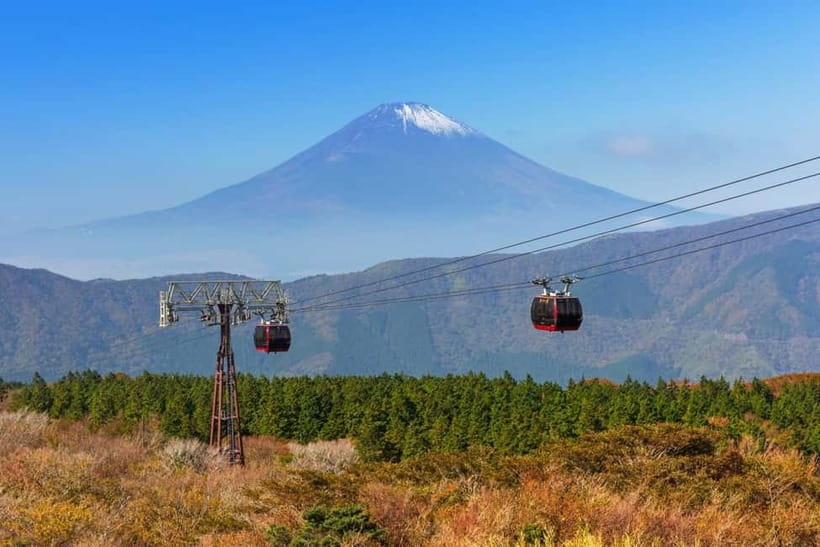
- Three views of Mount Fuji: Look for the mountain from Lake Ashi, the Hakone Ropeway, and the coast near Enoshima.
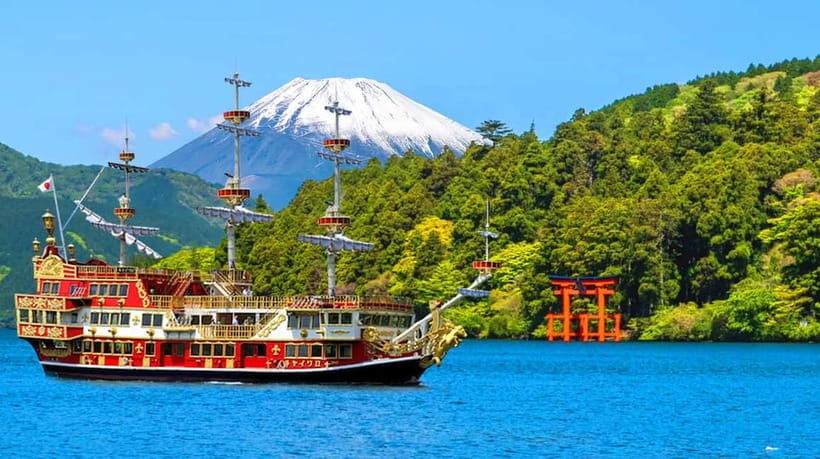
- A pirate ship across Lake Ashi: The 25-minute cruise gives you open-air views of the lake, Hakone Shrine’s red torii, and distant peaks.
- Owakudani’s sulfur valley: Steam rises from the ground, and the famous black eggs are boiled in sulfurous hot springs.
- Enoshima adds a seaside Japan: Shrines, stone steps, Sagami Bay, and snack shops make this a change from mountain scenery.
- Good value for a planned day: Transportation, guide service, road costs, taxes, and parking are covered, while food and some admissions may cost extra.
- A long day with tight stops: The bus ride links far-flung places, but you will not have much spare time for slow exploring.
What this $50 day trip really offers
At $50, this is less a deep visit to Hakone or Enoshima and more a scenic sampler. You get transport from Tokyo, an English or Chinese-speaking guide, an air-conditioned vehicle, and the road expenses that can quietly add up on an independent day out.
The value is strongest if you want to see several famous sights without working out the connections yourself. Hakone’s boat and ropeway involve separate transport arrangements, and Enoshima is in another direction entirely. This tour handles the broad route in one day.
The tradeoff is a packed schedule. You spend substantial time in the vehicle, and one recent description called the van clean but tight. The vehicle has been praised as comfortable, but if the trip sells out, you should expect a full vehicle rather than a roomy private ride.
The listed plan includes the cruise and ropeway as optional admissions, depending on the package you choose. Check your selected option carefully. Meals, drinks, and personal purchases are not included, so bring cash as many small shops may not accept cards.
More ways to see Mount Fuji:
- Mt Fuji and Hakone 1-Day Bus Tour Return by Bullet Train
★ 5.0 · 26,383 reviews - Mt Fuji & Hakone Cruise, Drum Show Bullet Train 1 Day from Tokyo
★ 4.0 · 7,413 reviews - Tokyo Mt Fuji 5th St & Hakone Cruise Bus Tour w/Bullet Train
★ 4.4 · 5,024 reviews
Meeting in Tokyo and setting out
The listed Tokyo meeting point is at Tokyo Mode Gakuen, 1-chōme-5-1 Marunouchi, at STAND T on the first floor. The exact meeting point can vary by booking option, so check your confirmation rather than assuming every departure uses the same place.
The meeting location cannot be changed on the day. If you need a different arrangement, the provider asks you to request it at least one day ahead. You should also report a stroller or large luggage when booking, since space in the vehicle matters.
Your guide is an important part of the day. Guides including Aki have sent detailed meeting information in advance, while Jimmy has been praised for clear messages before and during the outing. That kind of communication helps when a long day depends on everyone returning to the vehicle on time.
Bring a small snack, since food is not allowed inside the vehicle and lunch is not included. You will have chances to buy food, especially at Enoshima, but a late lunch can limit your choices. One useful tip is to decide promptly if a restaurant does not suit you, rather than spending the whole break searching.
Lake Ashi and the classic Hakone view
Lake Ashi was formed by Hakone’s volcanic activity thousands of years ago. Today it is one of the area’s most recognizable scenes, with wooded mountains around the water and Mount Fuji often visible beyond them.
The first lake visit is listed as a 20-minute photo stop and sightseeing break. That is enough to take in the setting and frame a few photographs, but not enough for a long lakeside walk. Your best chance for a clear Fuji view depends on the weather, especially clouds around the mountain.
The famous red torii associated with Hakone Shrine rises near the water. When the sky is clear, the combination of torii, lake, mountain, and green hills gives you the postcard version of Hakone. When clouds cover Fuji, the lake and shrine still provide a worthwhile scene, but the main visual prize is missing.
I recommend having your camera ready before you leave the vehicle. The schedule is tight, and the stop is designed for a quick look rather than a relaxed period beside the water.
The pirate ship across Lake Ashi
The Hakone Sightseeing Cruise lasts about 25 minutes. Its decorated pirate ship is playful rather than traditional, but it makes the crossing more memorable than an ordinary ferry ride. Step onto the open deck if conditions allow and watch the shoreline change as the vessel moves across the lake.
This is one of the strongest parts of the outing because it gives you a different angle on Hakone. From the water, the surrounding hills feel broader, and you may spot the red torii and Mount Fuji in the same general view.
The ship ride is included only with certain options, so confirm that detail before paying. If you cannot take the sightseeing boat, the tour provides a bus alternative. That keeps the day moving, but it also means losing one of the most enjoyable changes of pace.
On cold days, the open deck can be chilly. Dress for wind rather than relying only on Tokyo’s conditions. The mountain area may feel much cooler than the city, particularly in winter.
A few more Tokyo experiences worth weighing up
- 1-Day Tokyo Bus Tour
★ 5.0 · 14,250 reviews - Tokyo: TOKYO SKYTREE® Admission ticket
★ 4.5 · 11,192 reviews - Tokyo: teamLab Planets TOKYO Digital Art Museum Entry Ticket
★ 4.6 · 9,779 reviews - Tokyo: Sumo Show Experience with Chicken Hot Pot and a Photo
★ 4.8 · 6,678 reviews
Riding above Owakudani on the Hakone Ropeway
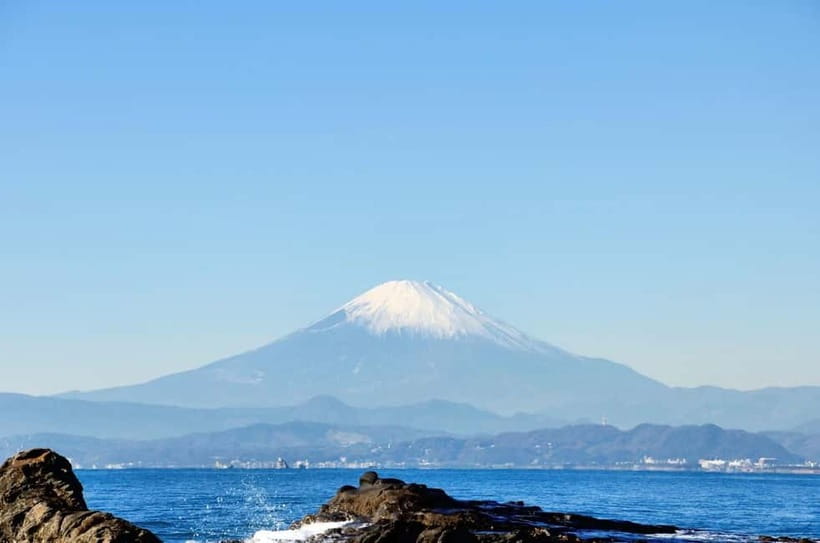
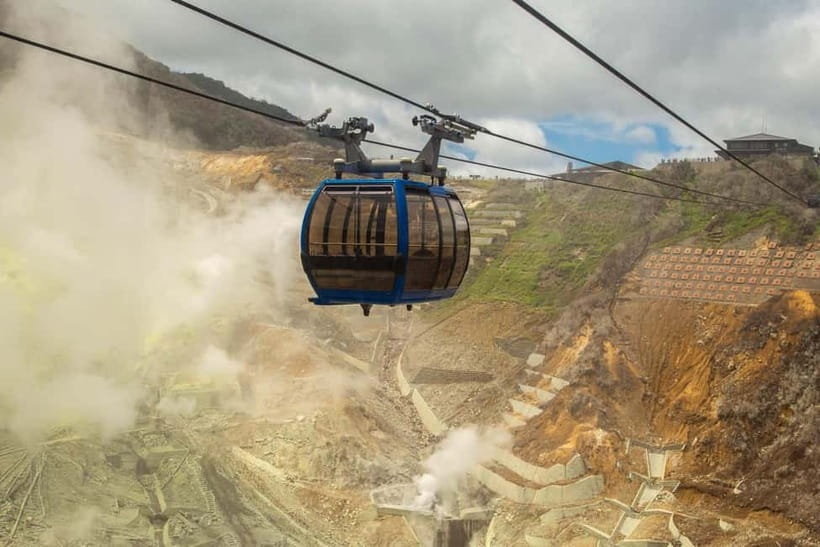
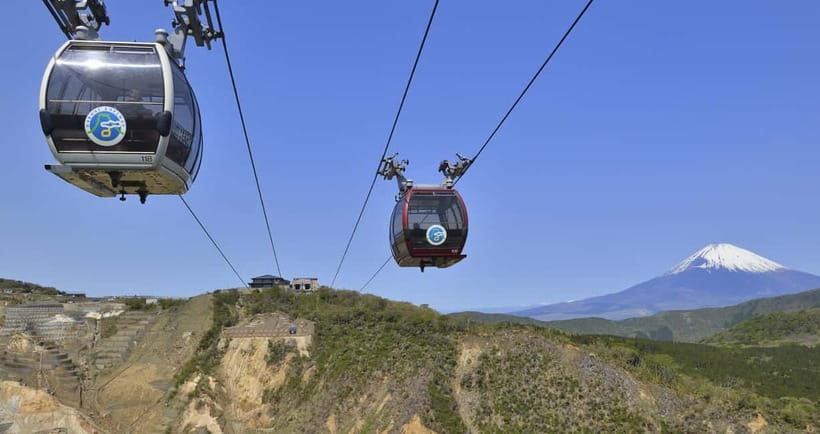
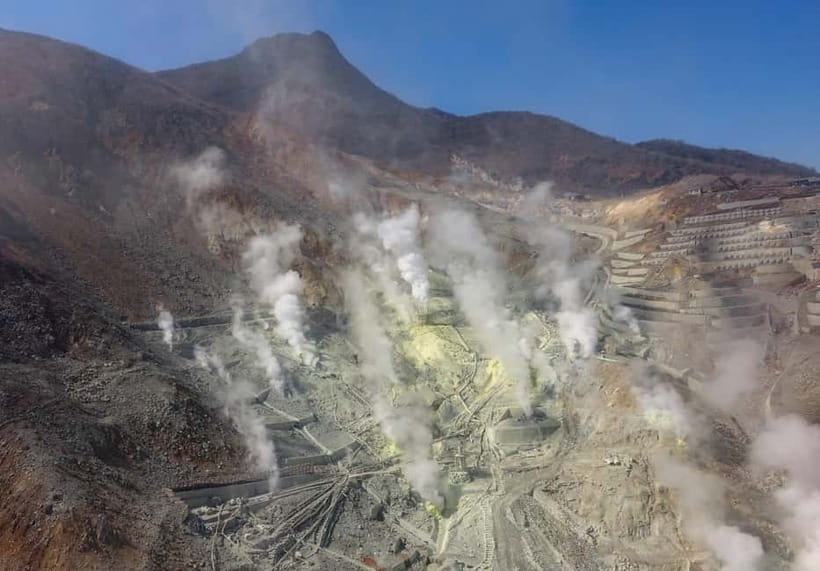
The Hakone Ropeway takes about 25 minutes and carries you above the volcanic area around Owakudani. As the car rises, you can look down toward steam vents and gray, ochre, and rusty ground shaped by ongoing geothermal activity.
This ride gives you the day’s most unusual view. Lake Ashi is scenic and Enoshima is coastal, but Owakudani shows the earth still releasing heat and sulfur beneath you. On clear days, you may also see Mount Fuji on the horizon, with Lake Ashi below.
The ropeway is included only with the relevant option. If you cannot ride the cable car, a bus is available instead. The vehicle alternative is practical, but it removes the aerial view, so check the physical requirements before booking.
The route described in the schedule may use the ropeway in one direction and the vehicle for the return. That arrangement saves time, but it also explains why the visit feels more like a carefully managed circuit than free exploration.
Owakudani and the famous black eggs
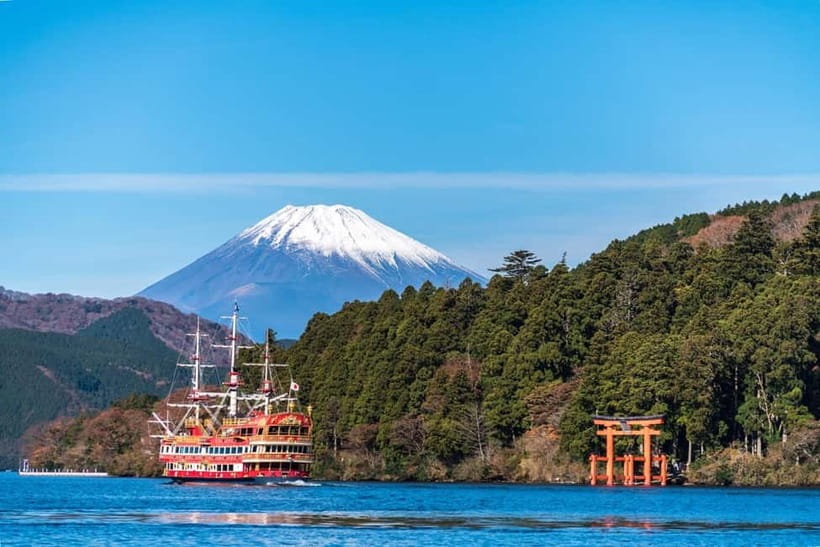
Owakudani feels raw and volcanic. Sulfur smoke rises from cracks in the ground, and the air carries a strong mineral smell. You get about 30 minutes for photographs, a short walk, and a look at the shops.
The local specialty is the kuro-tamago, or black egg. These eggs are hard-boiled in sulfur springs, which darkens the shells. Local lore says that eating one adds seven years to your life. No one should treat that as a medical promise, but it is a fun bit of local tradition and an easy food experience to fit into a short stop.
The eggs have been praised as tasty, not just novel. If you want one, carry cash because small local shops may not take credit cards. You can also ask the guide for help with purchases, particularly if you are unsure where to go.
Owakudani may not suit you if sulfur smells bother you or if you have difficulty with altitude. The activity is specifically listed as unsuitable for people with altitude sickness, pregnant women, wheelchair users, and people over 70. Those aged 70 and above are asked to sign a travel waiver on arrival.
The long road to Enoshima
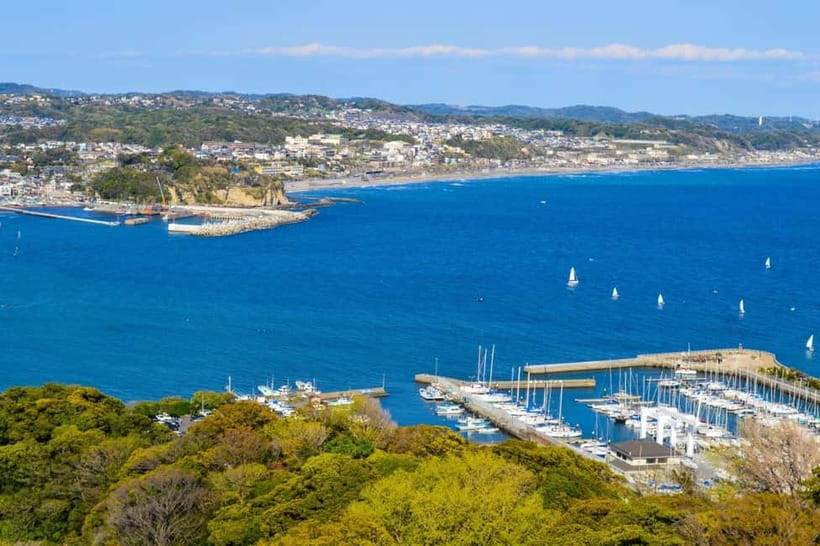
After the mountain portion, the tour heads toward the coast. This is where the day changes character. Enoshima is surrounded by water and reached through an area of shrines, stone steps, small lanes, and food shops.
The schedule allows about 30 minutes for general Enoshima sightseeing, followed by short visits to key shrine areas. That is enough to see the island’s main approach and sample the atmosphere, but it is not enough to explore every path or spend a leisurely afternoon by the sea.
The island is linked with Benzaiten worship, and the shrine setting gives the visit a different feel from the volcanic sights in Hakone. You may climb stone steps toward the lookout area, where the open sea spreads out in front of you. On a clear day, Mount Fuji may appear across the water, creating the special Sea of Mount Fuji view that gives the outing its name.
The coast is called Sagami Bay in the itinerary, and there is a 20-minute photo and sightseeing stop connected with the bay. The blue water and sea breeze offer a welcome break after the mountain roads.
Enoshima’s shrine route and food streets
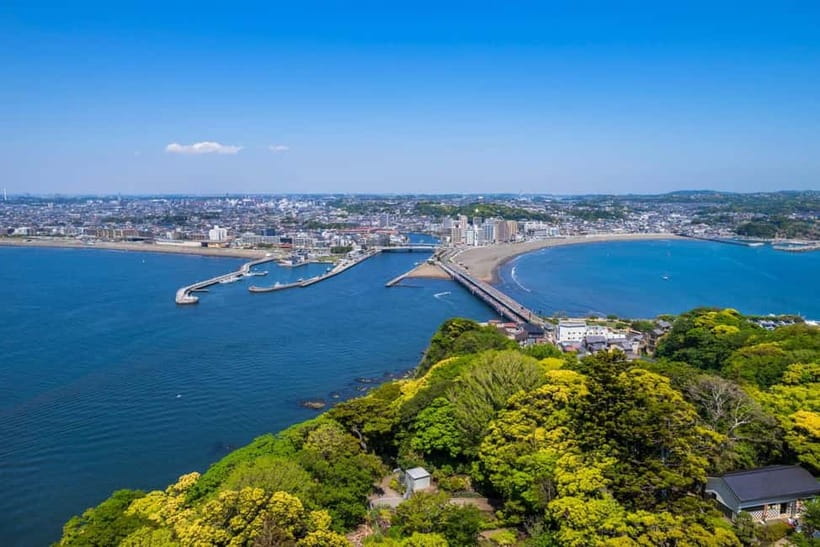
The Enoshima section moves through several named sights:
- Hetsunomiya, one of Enoshima Shrine’s main shrine areas
- Benzaiten Nakamise Dori, the approach lined with food and shops
- The Bronze Torii of Enoshima Shrine
- Zuishinmon Gate
- Sagami Bay viewpoints
The Bronze Torii and Zuishinmon Gate are quick stops, listed at about 10 minutes each. Hetsunomiya receives around 20 minutes, while Nakamise Dori gets roughly 30 minutes. That tells you how to use the time: focus on the main shrine route and choose your food before wandering too far.
Local specialties described for Enoshima include anchovies, seaweed rolls, and Shonan milk ice cream. I would save part of your break for a snack rather than treating the island only as a photo stop. The food is one of the few chances to make the final part of the day feel personal.
The most common practical complaint about this section is not that Enoshima lacks interest, but that the visit is too short. If you want the island’s caves, lookout areas, or a slow meal, you need a separate visit. Here, the goal is a first taste.
Fuji weather can make or break the day
Mount Fuji is the star, but it is not a guaranteed performer. Clear winter days have produced excellent views from the boat, ropeway, and coast. Other departures have reached the mountain area in rain or cloud and seen little or nothing, even from close below the summit.
Check the forecast before you book if Fuji is your main reason for going. The provider may change the schedule because of weather or traffic, but you should not assume a cloudy day will be postponed for personal preference. The tour continues with Lake Ashi, Owakudani, and Enoshima even when Fuji disappears.
The best approach is to treat Fuji as a bonus rather than the only purpose. If the mountain is hidden, the day still gives you a volcanic valley, a lake crossing, shrines, and a coastal view. If the sky clears, the same route becomes a superb Fuji photo hunt.
Traffic, comfort, and the rhythm of the day
This is a full 10-hour outing, and the route covers considerable ground. Traffic is common on weekends, public holidays, and peak seasons. Keep your evening plans flexible, especially if you have a dinner reservation or a train to catch.
The air-conditioned vehicle has been described as clean, with curtains and headrests kept in good condition. Still, space may feel limited when the group is full. People who dislike long road journeys or winding mountain roads should think carefully before booking.
The positive side is that the guide and driver handle the difficult parts. Guides such as Kishida have been praised for keeping the group on time, while other guides have helped with directions, photographs, and local explanations. Some guides also add cultural context, such as explaining Hatsumode, the Japanese New Year shrine visit.
Smoking and food are not allowed in the vehicle. Carry water and snacks for use outside the bus, and bring cash for the eggs, cruise or ropeway tickets if your option does not include them, and Enoshima food.
Who will get the most from this tour?
I would recommend this trip to you if you are staying in Tokyo and want one organized day beyond the city. It works especially well for first-time visitors, families who prefer a fixed plan, and anyone who wants Fuji, Hakone, and Enoshima without managing several train and bus connections.
It also suits photographers who are happy to work with changing conditions. You get several possible Fuji angles, so a cloud bank at Lake Ashi does not end the day’s chances.
I would hesitate if you want long walks, quiet shrine time, or an in-depth Hakone visit. The short Enoshima stops and long vehicle periods are part of the deal. Wheelchair users, pregnant women, people with altitude sickness, and people over 70 should note the stated restrictions before booking.
Free cancellation is available up to 24 hours before departure, and you can reserve while paying later. Those policies help if your Tokyo plans are still shifting, but they do not remove the need to check the weather and the selected admission option.
Should you book the Fuji, Hakone, and Enoshima day trip?
Book it if you value breadth, convenience, and a strong chance at several scenic settings more than slow exploration. At $50, the included transport, guide, fuel, tolls, parking, taxes, and environmental fees make the price attractive, especially for a visitor who would otherwise assemble the route alone.
Do not book it expecting a relaxed Hakone holiday or a full Enoshima day. You will spend a lot of time on the road, and Fuji may be hidden. But if you keep your expectations realistic, this is an efficient way to see a lake, volcano, mountain, shrine island, and bay in one ambitious day.
FAQ
How long does the tour last?
The tour lasts 10 hours. Traffic and weather can affect the schedule and return time.
Where does the tour meet in Tokyo?
One listed meeting point is Tokyo Mode Gakuen, 1-chōme-5-1 Marunouchi, STAND T on the first floor. The meeting point may vary by booking option.
Is Mount Fuji guaranteed to be visible?
No. Visibility depends on weather and cloud conditions. You should check the forecast before booking.
Are the pirate ship and Hakone Ropeway included?
Admission depends on the option you choose. Check the selected package, as the cruise and ropeway may require separate payment.
What happens if I cannot take the boat or ropeway?
A bus alternative is available for people who cannot take the sightseeing boat or cable car.
Are meals included?
No. Meals and drinks are not included. You can buy food at places such as Enoshima and Owakudani.
Should I bring cash?
Yes. Many local shops may not accept credit cards, so cash is useful for food, black eggs, and admissions not covered by your option.
What languages does the guide speak?
The tour offers live guiding in English and Chinese.
Can I bring a stroller or large luggage?
You must indicate when booking if you plan to bring a stroller or large luggage. Vehicle space may be limited.
Who is the tour not suitable for?
The tour is not suitable for pregnant women, wheelchair users, people with altitude sickness, or people over 70. People aged 70 and above are asked to sign a travel waiver on arrival.
Just added around Tokyo
- Tokyo 6hr Instagram Highlights Private Tour with Licensed Guide★ 5.0 · 38 reviews
- Tokyo Small Group Tour with Guide★ 4.5 · 38 reviews
- Tokyo Sumo Experience with Live Show & Audience Challenge★ 5.0 · 38 reviews
- Very popular in Harajuku♡Animal petting zoo★ 4.6 · 39 reviews
- Japanese Food Cooking Class in Asakusa, Tokyo★ 5.0 · 39 reviews
- Ramen Making from Scratch with Tokyo Mom(Vegan Option Available)★ 5.0 · 39 reviews
- Tokyo: Kimono Rental inside Shinjuku Gyoen National Garden★ 4.9 · 39 reviews
- Tokyo JDM Night: 600hp C63s AMG Edition 1 (Private)★ 4.9 · 39 reviews
Mount Fuji Tours, compared.
Mt Fuji and Hakone 1-Day Bus Tour Return by Bullet Train
Read our review →
Mt Fuji & Hakone Cruise, Drum Show Bullet Train 1 Day from Tokyo
Read our review →
Tokyo Mt Fuji 5th St & Hakone Cruise Bus Tour w/Bullet Train
Read our review →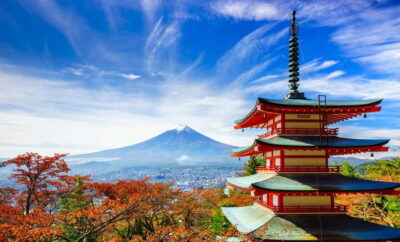
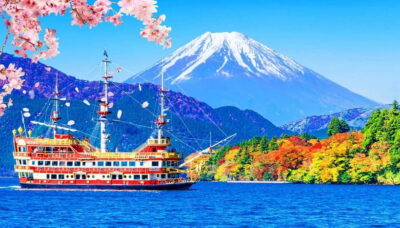
Mt. Fuji Tour, Hakone Ropeway, Owakudani, Lake Ashi
Read our review →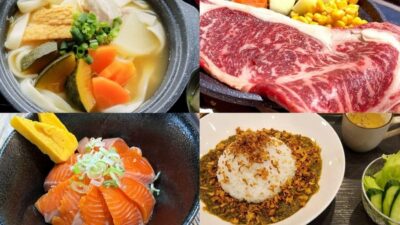
Mt.Fuji,Kawaguchiko Oishi Park,Arakurayama Sengen Park
Read our review →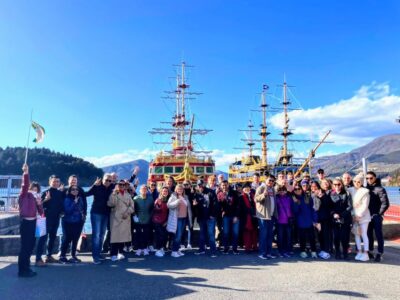
Mt. Fuji 5th Station & Hakone Cruise 1-Day Bus Tour
Read our review →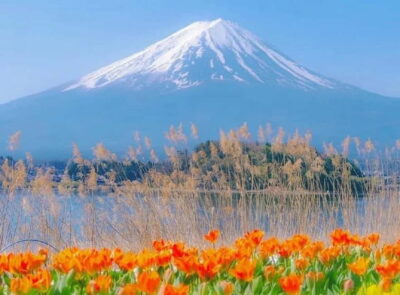
Mt Fuji Top 5 Spots Day Tour: Arakurayama Park,Oshino Hakkai
Read our review →Browse the lists this tour appears in