
Reviewed · MARKETS
Tuna Auction Market Guided Private Tour in Nachi-Katsuura
Wake up to the sound of the fishing trade. This small-group experience takes you inside Nachi-Katsuura’s tuna market, where you can watch the auction, learn how buyers judge quality, and hear the local stories that a casual visit would miss. I like the access to the live auction and the way the guide explains not just the fish, but the people and work behind it. I also like the focus on fresh, never-frozen tuna and long-line fishing. The main consideration is timing: the visit lasts only 40 minutes to 1 hour 15 minutes, and breakfast afterward costs extra.
This is a private tour, so you are not sharing the guide with strangers. Stella, also known as Chizuko, is praised for her warm manner, strong English, and clear explanations. She can also offer local tips after the market. You should expect a working seafood facility rather than a polished attraction, which is exactly the point, but some people may prefer a longer port tour.
In This Review
- Key points at a glance
- Why a tuna auction makes a good Kii Peninsula stop
- Seeing the auction at JF Katsuura Seafood Market
- How experts judge fresh tuna
- Long-line fishing and the case for fresh, never-frozen tuna
- The exhibition room adds the missing background
- Optional tuna breakfast at Katsuura Nigiwai Market
- Stella and Chizuko make the private format worthwhile
- Price, duration, and what you really get
- Who should book this market experience?
- Practical advice before you go
- Should you book the Nachi-Katsuura tuna auction tour?
- FAQ
- How long does the tuna auction tour last?
- How much does the tour cost?
- Where does the tour start and end?
- Is this a private tour?
- Is hotel pickup available?
- Is breakfast included?
- Can I cancel for a full refund?
Key points at a glance
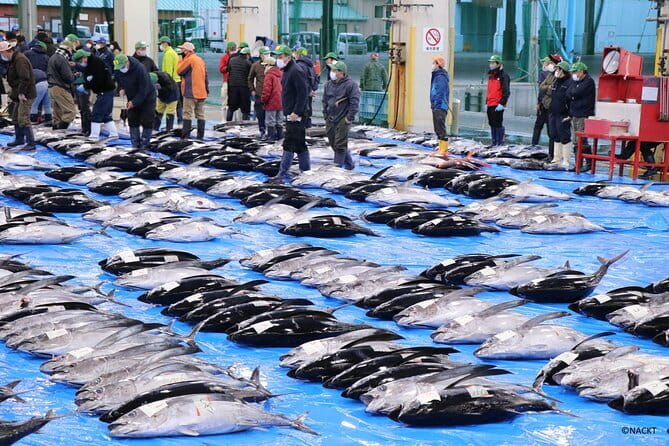
- Watch tuna being auctioned at JF Katsuura Seafood Market, with a guide explaining the roles and steps involved.
- Learn how professionals assess fresh tuna, using visual aids, maps, illustrations, and videos.
- Hear the story of Nachi-Katsuura’s fishing community, including why tuna fishermen do not actually live in the town.
- Understand long-line fishing, a lower-impact method connected with the area’s fresh, never-frozen tuna.
- End with an optional tuna breakfast at Katsuura Nigiwai Market, with the restaurant introduction handled by your guide.
- Enjoy a private visit for your own group, with walking transfers from your accommodation offered when practical.
Why a tuna auction makes a good Kii Peninsula stop
Nachi-Katsuura is better known to many international visitors as a base for the Kumano Kodō and the sacred sites of the Kii Peninsula. That makes the tuna market a useful change of pace. Instead of another shrine, trail, or scenic lookout, you get a close look at the working economy of a Japanese port town.
The market gives you a reason to pay attention to details that would otherwise pass in a blur. Rows of tuna, buyers moving through the space, and the auction itself may look impressive even if you know little about seafood. The guide turns that visual scene into something you can understand.
I especially like that the tour does not stop at look at the tuna. You learn what buyers look for when judging quality and how the auction works. That matters because the market is not designed as a visitor attraction. Without explanation, you could easily watch the activity and still have no idea what is happening.
The experience also puts local food in context. The tuna you may eat afterward is connected to a specific fishing method, a specific port, and a chain of people working behind the scenes. That link between meal and source is one of the best reasons to book.
More market tours in Japan:
- Tokyo Tsukiji Fish Market Food and Culture Walking Tour
★ 5.0 · 3,184 reviews - Tokyo: Tsukiji Fish Market Food and Walking tour
★ 5.0 · 1,724 reviews - Tokyo: Tsukiji Fish Market Guided Walking Tour
★ 4.9 · 1,397 reviews
Seeing the auction at JF Katsuura Seafood Market
The first stop is JF Katsuura Seafood Market at 7-chōme-12-12 Tsukiji, Nachikatsuura. This is the center of the tour and takes about 40 minutes. Admission to the market portion is included.
You will watch the tuna auction from close by while the guide points out the different jobs involved. The supplied tour information does not promise a particular number of fish, auction price, or exact activity level on your chosen day, so keep your expectations sensible. This is a working market, not a staged show. The appeal is seeing the real process as it happens.
Your guide helps explain the flow of the auction and the roles of the people around it. That is valuable for first-time visitors because a Japanese fish auction can be hard to read from the outside. The guide can also explain the work of buyers and other local professions connected with the market.
Photos and videos are part of the experience, but you should remain aware that this is a place of business. Follow the guide’s instructions and avoid treating the market like a set built for tourists. A respectful approach will make the visit more comfortable for everyone.
The auction portion may be the most rewarding part for people who like food culture, photography, and everyday local life. It is also the part most dependent on market conditions. If you need a carefully timed, highly controlled attraction, this may feel less predictable than a museum visit.
How experts judge fresh tuna
A good guide can change the way you see a market. Here, the focus is not simply on identifying tuna, but on understanding how professionals assess its quality.
You will hear about the criteria buyers use and the process behind the sale. The tour summary also points to the distinction between fresh and frozen tuna, a key part of Nachi-Katsuura’s identity. You may already know that freshness affects taste, but the market visit shows that freshness also affects value and the decisions made before the fish reaches a restaurant.
The exact explanation can be especially useful if you plan to eat tuna in town afterward. Instead of seeing breakfast as an unrelated meal, you can connect it to the auction and the work you have just watched.
I would not book this tour expecting a technical seafood certification course. The experience is short and designed for visitors, not industry training. Still, it offers enough background to make the auction easier to follow and your next tuna meal more meaningful.
Long-line fishing and the case for fresh, never-frozen tuna
The tour gives special attention to long-line fishing. In the material provided, this method is described as low impact and more friendly to the ocean than some alternatives. The point is not only environmental. It also helps explain why Nachi-Katsuura promotes tuna that is fresh and never frozen.
That connection is useful because sustainability claims can otherwise remain vague. Here, you hear how a particular fishing method relates to the way the tuna is handled and sold. You can then decide for yourself how important those points are when choosing what to eat.
The guide also explains why no tuna fishermen actually live in the town, along with the other professions found in the local fishing community. This is an unusual detail, and it prevents you from reducing Nachi-Katsuura to a simple story about boats and seafood.
I like this part because it adds human scale. A port depends on more than the people who catch fish. Buyers, market workers, restaurant staff, and others all play a role. The short tour gives you a clearer sense of that network without pretending to cover every part of the industry.
More shopping tours in Japan:
- Nishiki Market Brunch Walking Tour (7 Tastings + Brunch)
★ 5.0 · 1,355 reviews - Tsukiji Fish Market Guided Tour and Sushi Making with Pro Chef
★ 5.0 · 775 reviews - Tokyo: Tsukiji Fish Market Food and Culture Walking Tour
★ 4.7 · 757 reviews - Tsukiji Fish Market: Street Food & Culture Walking Tour
★ 5.0 · 669 reviews
The exhibition room adds the missing background
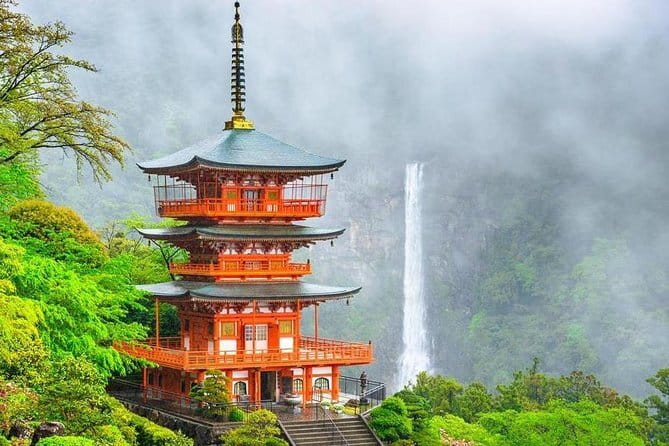
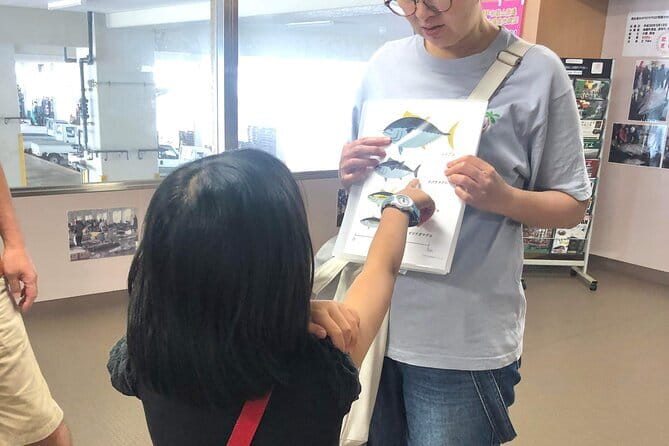
After the market, you spend about 20 minutes in a special exhibition room at JF Katsuura Seafood Market. This is where maps, illustrations, and videos help fill in the gaps left by the live auction.
The order works well. First, you see the action. Then you get the explanations. If the auction feels fast or confusing, the exhibition room gives the guide a calmer setting for questions.
This is also the place to ask about topics that catch your attention at the market. You might want to know more about tuna quality, the fishing process, the town’s working population, or the reason fresh tuna matters so much here. Stella and Chizuko are repeatedly praised for answering questions patiently, so this private format should suit curious visitors.
The drawback is simple: 20 minutes is not long. You will get an introduction rather than a full museum visit. If you are hoping for a large collection or a long independent exploration, this room may feel brief. Its value comes from the guide’s interpretation, not from the size of the display.
Optional tuna breakfast at Katsuura Nigiwai Market
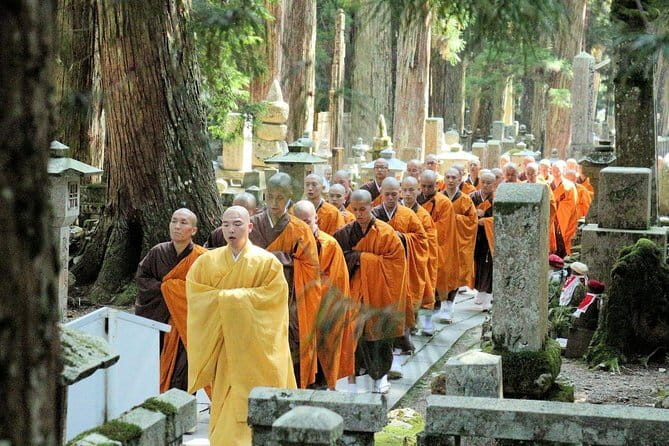
The final stop is Katsuura Nigiwai Market, where your guide can introduce you to a local restaurant serving breakfast. The stop takes about 15 minutes as part of the stated schedule, but the meal itself is not included in the tour price.
This is an optional extra, so you can decide based on your appetite, budget, and plans for the day. I would consider it a strong add-on if you want to taste the tuna soon after learning where it came from. Several comments praise the breakfast, and one person specifically enjoyed having the guide answer further questions over the meal.
Do not confuse the restaurant introduction with a prepaid food tour. You pay for breakfast separately, and the available information does not state a fixed menu or meal price. Ask the guide about the restaurant and cost before ordering if you need to keep your spending predictable.
The food stop also makes the tour feel less like a short market visit and more like a compact introduction to Nachi-Katsuura. If you are heading out on the Kumano Kodō or continuing around the Kii Peninsula, the guide may also offer useful suggestions for the rest of your day.
Stella and Chizuko make the private format worthwhile
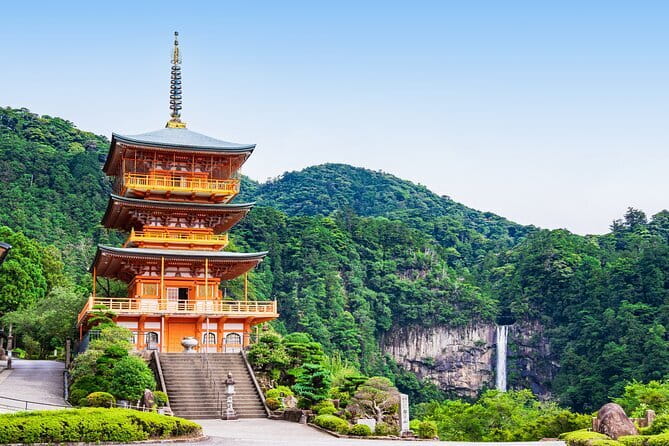
The guide is a major part of the value here. Stella, also referred to as Chizuko, is praised for excellent English, a warm personality, and strong knowledge of tuna, commercial fishing, the auction, and local life.
Those qualities matter more in a market than they would at a standard sightseeing stop. You need someone who can explain unfamiliar activity quickly, answer follow-up questions, and adjust the explanation to your interests. A private guide can spend more time on the subjects you care about instead of following a fixed script for a large group.
The guide also brings teaching aids to the experience. Maps, illustrations, and videos are especially helpful for understanding details that are difficult to see in the market itself.
Another practical advantage is local advice. Stella has suggested coffee shops, restaurants, and plans for the rest of the day to people on the tour. That is not a formal part of the listed itinerary, so do not book solely for personal recommendations, but it is a useful bonus when you are making a short stop in Katsuura.
Some information also refers to an audio tour option, with Stella available to answer questions. If that matters to you, confirm the format at booking, since this product is described as a guided private tour.
Price, duration, and what you really get
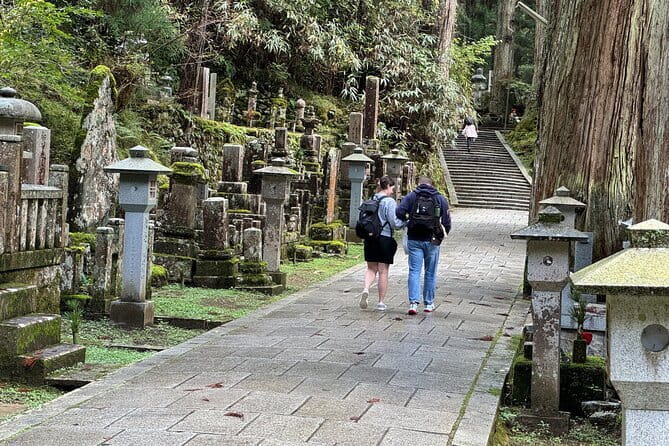
The listed price is $42.93 per person. For a private experience that includes a guide, market interpretation, an exhibition-room explanation, and an optional restaurant introduction, I consider that fair value.
The price works best for couples, families, or small groups who want a focused introduction rather than a full-day activity. A family of six can share the same private guide, which can make the per-person cost easier to justify. You are paying for access to context and questions, not for admission to an expensive attraction.
The stated duration ranges from 40 minutes to 1 hour 15 minutes. The market takes about 40 minutes, the exhibition room about 20 minutes, and the optional food guidance about 15 minutes. That range explains why your total time can vary.
The tour includes one guide and walking transfers to and from your accommodation. If you need a taxi or other transport instead of walking, that cost is extra. The meeting and ending point is the JF Katsuura Seafood Market, so check the route from your hotel and allow enough time to arrive there.
The fact that it is often booked well in advance is worth noting. It averages 78 days in advance, which suggests you should reserve ahead if your dates are fixed. Confirmation is sent within 48 hours, subject to availability.
You receive free cancellation if you cancel at least 24 hours before the start time. Cancellations or changes made later are not refunded or accepted. The cut-off follows local time in Japan.
Who should book this market experience?
I would recommend it to you if you fit one or more of these descriptions:
- You want to see a real working market rather than a standard sightseeing attraction.
- You are interested in Japanese food, fishing, or sustainable seafood.
- You are visiting Kii-Katsuura while walking the Kumano Kodō.
- You prefer a private guide who can answer questions in English.
- You want local suggestions for coffee, food, or the rest of your day.
- You are traveling with family and want a short activity that most people can join.
It is also a good choice for photographers, provided you are comfortable working within market rules. The rows of tuna and the auction activity offer strong visual interest, but the experience is not designed as a photography workshop.
You may want to skip it if you dislike seafood, have no interest in how food reaches a restaurant, or need a long, leisurely attraction. The total visit is compact, and the breakfast is optional and extra. It is best treated as a focused local experience, not a full morning of sightseeing.
Practical advice before you go
Start by checking the meeting point carefully. The tour begins and ends at JF Katsuura Seafood Market, 7-chōme-12-12 Tsukiji, Nachikatsuura, Higashimuro District, Wakayama 649-5335. Walking pickup from your accommodation is offered, but taxis and other paid transport are not included.
Wear sensible clothing for a market visit and be ready to follow instructions about where you can stand and when you can take photos or videos. The available information does not specify a dress code or special equipment, so you do not need to plan for anything elaborate.
Keep your schedule flexible enough to allow the full 75 minutes, especially if you want the restaurant introduction. If you have a train, bus, trail start, or other fixed appointment, use the shorter market visit as the minimum and leave extra time around it.
Most people can participate, and service animals are allowed. The meeting point is near public transportation. Since the activity is private, tell the provider in advance if your group has specific needs or questions.
Should you book the Nachi-Katsuura tuna auction tour?
Book it if you want a short, personal look at the working heart of Katsuura. The strongest reasons are the live market access, the explanation of tuna quality and long-line fishing, and the chance to ask Stella or Chizuko questions in excellent English.
The $42.93 price is reasonable for a private guide, especially for a couple, family, or small group that values local context. Add the tuna breakfast if you want to turn the lesson into a meal, but remember that food costs extra.
I would make this a priority during a Kii Peninsula visit, particularly if you are passing through on the Kumano Kodō. Just book early, confirm the tour format, plan your transport to the market, and accept that this is a real working port with a short schedule. That combination of limits and authenticity is what gives the experience its appeal.
FAQ
How long does the tuna auction tour last?
The experience lasts approximately 40 minutes to 1 hour 15 minutes. The market visit takes about 40 minutes, the exhibition room about 20 minutes, and optional breakfast guidance about 15 minutes.
How much does the tour cost?
The listed price is $42.93 per person. Breakfast is not included, and you pay separately for any meal or transportation such as a taxi.
Where does the tour start and end?
It starts and ends at JF Katsuura Seafood Market, 7-chōme-12-12 Tsukiji, Nachikatsuura, Higashimuro District, Wakayama 649-5335, Japan.
Is this a private tour?
Yes. Only your group participates in the activity.
Is hotel pickup available?
Walking transfers to and from your accommodation are offered. Transportation costs such as taxis are not included if you do not travel on foot.
Is breakfast included?
No. The guide can introduce you to a local restaurant at Katsuura Nigiwai Market, but you pay for breakfast separately.
Can I cancel for a full refund?
Yes, if you cancel at least 24 hours before the experience start time. Cancellations or changes made less than 24 hours before the start time are not refunded or accepted.
Just added around Japan
- Kanazawa private half day/Photoshoot by professional photographer★ 5.0 · 38 reviews
- Osaka Food Tour with 10 Classic Japanese Tastings & Drinks★ 5.0 · 38 reviews
- Osaka: Highlights & Hidden Gems Private Walking Tour★ 4.7 · 38 reviews
- Tokyo Small Group Tour with Guide★ 4.5 · 38 reviews
- Tokyo 6hr Instagram Highlights Private Tour with Licensed Guide★ 5.0 · 38 reviews
- From Tokyo: Kamakura Private Customize Tour by Luxury Van★ 4.6 · 38 reviews
- Tokyo Sumo Experience with Live Show & Audience Challenge★ 5.0 · 38 reviews
- Kyoto: Private Customizable Day Trip by Car★ 5.0 · 38 reviews
Markets, compared.
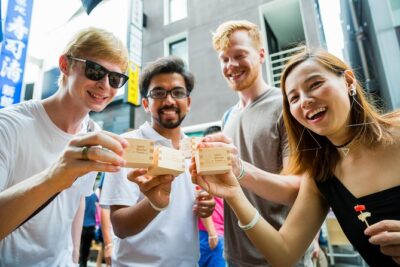
Tokyo Tsukiji Fish Market Food and Culture Walking Tour
Read our review →
Nishiki Market Brunch Walking Tour (7 Tastings + Brunch)
Read our review →
Tsukiji Fish Market Guided Tour and Sushi Making with Pro Chef
Read our review →Tsukiji Fish Market Food and Culture Walking Tour
Read our review →
Tsukiji Fish Market: Street Food & Culture Walking Tour
Read our review →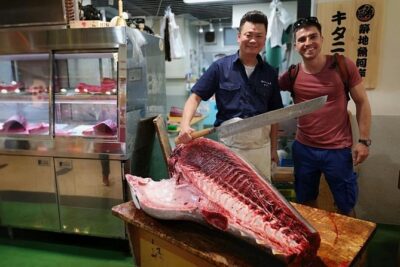
Tsukiji Fish Market Small-Group Food Walking Tour
Read our review →Browse the lists this tour appears in