
Reviewed · KAMAKURA TOURS
When Emperors Reigned and Shoguns Ruled
Kamakura makes Japan’s past feel close. This private four-hour walk connects the town’s main sights with the story of the Kamakura Period, when samurai rule, shogun government, and Zen Buddhism changed Japan. I especially like the small-group format, which gives you room to ask questions, and the guide’s photographer service, a useful perk for solo visitors and families who want good pictures together. The main consideration is cost: at $108.99 per person, it is a serious spend, and entrance fees plus food and local transportation are extra.
Guide Virgil receives especially strong praise for his clear English, patience, historical storytelling, and flexible pace. He has also guided families with teenagers, a parent and a 10-year-old child, solo visitors, and groups of up to eight. The route begins at Kamakura Station and finishes at Hase Station, so you do not return to your starting point.
In This Review
- Key points to know before booking
- Why Kamakura works so well for a half-day tour
- Starting along Wakamiya Main Street
- Tsurugaoka Hachimangu and the first shogun
- Komachidori, where old Kamakura meets today
- The Great Buddha of Kamakura
- Hasedera Temple and its many layers
- What makes Virgil a strong guide
- The price and who gets good value
- Who should book this Kamakura experience
- Should you book it?
- FAQ
- How long does the Kamakura tour last?
- Where does the tour begin?
- Where does the tour end?
- Is this a private tour?
- What attractions are included in the route?
- Are entrance fees included?
- Is food or transportation included?
- Can the guide take photographs?
Key points to know before booking
- A private route through five major Kamakura stops: You visit Wakamiya Main Street, Tsurugaoka Hachimangu, Komachidori, the Great Buddha, and Hasedera Temple.
- History gives the sightseeing shape: The focus is the Kamakura Period from 1185 to 1333, with attention to Minamoto Yoritomo, samurai government, Shinto, and Zen Buddhism.
- Virgil is the central strength: His warm manner, clear English, historical anecdotes, and willingness to adjust the pace receive repeated praise.
- The photographer feature matters: Virgil can take photos of you, a real advantage for solo visitors and families without a willing photographer in the group.
- You finish at Hase Station: This makes the route practical for continuing around Hase, but you need to plan your own onward transportation.
- Budget for extras: The Great Buddha and Hasedera require admission fees, while food, drinks, and transportation are not included.
Why Kamakura works so well for a half-day tour
Kamakura is an easy side trip from Tokyo, but it is not simply a place to check off a list of temples. Its importance comes from the period when military leaders began to hold Japan’s political power in Kamakura rather than at the imperial court in Kyoto.
That shift made the town a center of samurai culture. It also helped Buddhist movements, including Zen, gain influence among the warrior class. Shinto shrines, Buddhist temples, military traditions, gardens, and modern shopping streets all sit close together here.
I like this tour because it does not treat the sights as separate photo stops. The guide links them. You see where people shop today, then move into shrines and temples that carry memories of the first shogunate. That connection makes the morning or afternoon easier to understand.
The private format is important. With only your own group, you can ask why a shrine matters, pause for a photograph, or spend less time at a crowded stop. The stated group limit is eight people, making this suitable for one person, a couple, or a family group that does not want to follow a large flag through town.
The tour takes about four hours. That is enough time for the principal sights, but not enough for every temple and side street in Kamakura. Think of it as a focused introduction rather than a complete town tour.
A few more Japan experiences worth weighing up
- Tokyo: Kamakura & Enoshima Day Trip including Temple Tickets
★ 4.5 · 1,375 reviews - From Tokyo: Kamakura & Enoshima 1-Day Bus Tour
★ 4.5 · 189 reviews - Kamakura Historical Walking Tour with the Great Buddha
★ 5.0 · 129 reviews
Starting along Wakamiya Main Street
The meeting point is Kamakura Station, at 1-chōme-1-15 Onarimachi. From there, the first section follows Wakamiya Main Street toward the main shrine.
This is a useful opening because you begin in present-day Kamakura rather than inside a quiet religious compound. The walk gives you time to get oriented and observe ordinary local life before the formal history begins. Shops, pedestrians, and the broad approach to the shrine help show how the old town remains part of daily life.
The walk is listed at about 20 minutes and has no admission charge. It is not the headline stop, but it sets up the rest of the route. Ask your guide to explain how Kamakura developed around the shrine and the military government. That kind of question is where a private tour earns its keep.
Tsurugaoka Hachimangu and the first shogun
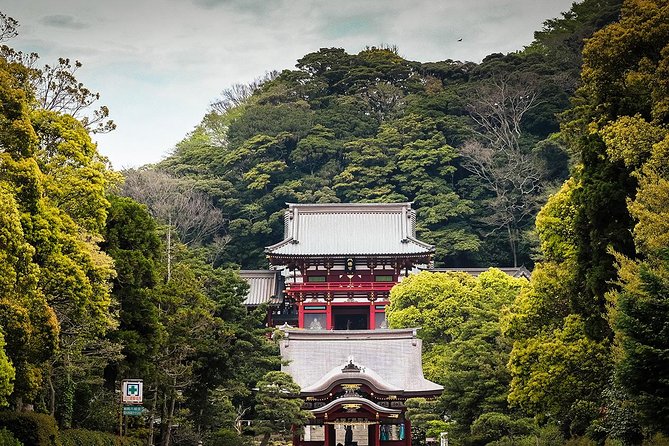
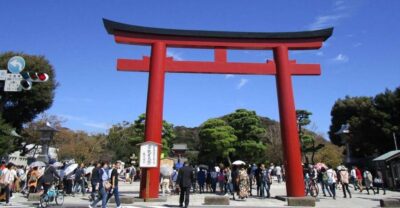
Tsurugaoka Hachimangu is the historical heart of the route. The shrine is described as one of Japan’s three most important Shinto shrines and was built by Minamoto Yoritomo, the first shogun, in the 12th century.
Allow about 50 minutes here. The time is long enough to see the main religious setting without making the tour feel like a rushed photograph-and-go exercise. The shrine gives you a direct way to understand the link between faith and political power. Hachiman was associated with warriors, so this is not just a beautiful shrine in a pleasant setting. It reflects the values of the samurai government that made Kamakura important.
This is also the point where Virgil’s historical skill appears most useful. A guide can explain the rise of the shogunate in plain language, rather than leaving you to sort out names and dates from a signboard. His storytelling is often praised for adding personal anecdotes and putting events into context.
The shrine is free to enter, which helps offset the paid stops later. Still, the approach can be busy, and the tour does not promise an empty or quiet visit. If you prefer to linger at sacred sites, tell Virgil early. The private arrangement gives him more freedom to adjust the pace than a fixed group excursion.
Komachidori, where old Kamakura meets today
After the shrine, the tour moves to Komachidori, Kamakura’s famous shopping street. You spend about 50 minutes among shops and stalls selling sweets, snacks, and souvenirs.
This section keeps the experience from becoming a string of ancient monuments. You see how Kamakura functions now, with food, small shops, and the steady rhythm of a popular day out. I like that contrast. A town with a major medieval past is still a living place, not a museum set.
Komachidori is also the natural place to ask about a snack or pause for a small purchase. Food and drinks are not included, and neither is lunch, so use this stop to buy something if you need it. One account of the experience includes matcha ice cream, and another includes a soba lunch, but these are not guaranteed parts of the tour. Treat them as possible choices, not included features.
The shopping street can feel crowded, especially on a Sunday or a long weekend. A guide who knows the area can help you keep moving and still reach the major sights. Virgil has been praised for guiding groups through busy periods and for adapting when people walk slowly.
A completely different kind of day out in Japan:
- Mt Fuji and Hakone 1-Day Bus Tour Return by Bullet Train
★ 5.0 · 26,383 reviews - 1-Day Tokyo Bus Tour
★ 5.0 · 14,250 reviews - PERFECT KYOTO 1-Day Bus Tour
★ 5.0 · 13,518 reviews - Tokyo: TOKYO SKYTREE® Admission ticket
★ 4.5 · 11,192 reviews
The Great Buddha of Kamakura
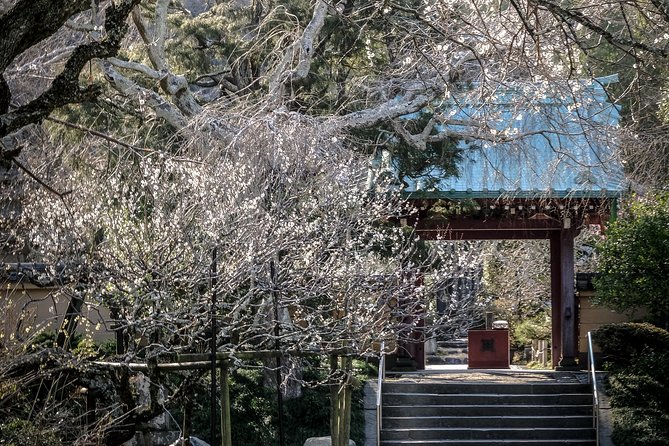
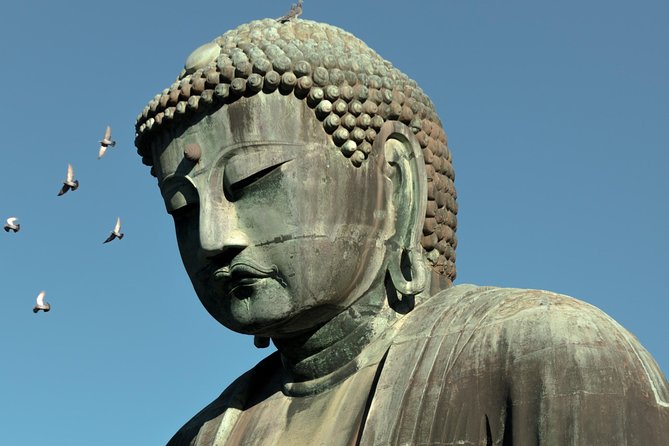
Kotoku-in Temple is home to the Great Buddha of Kamakura, a giant bronze statue of Amida Buddha dating from the 13th century. The planned visit lasts about 40 minutes.
The statue is one of Kamakura’s best-known sights, and its scale gives the tour a strong visual center. After hearing about shoguns and warrior culture, you encounter a Buddhist image that reflects another major force in medieval Japan. The focus here is not just size. The statue helps show how Buddhism shaped the town and its identity.
Admission is not included, so you should expect an additional fee. The tour information does not state the current entrance price, so check locally or at booking time if you need a precise budget.
Forty minutes is a sensible amount of time for the statue and its surroundings. You can take photographs, listen to the explanation, and ask questions without spending the entire afternoon here. If you want extended time for quiet viewing, communicate that to the guide, since the next stop is the longest and most detailed part of the route.
Hasedera Temple and its many layers
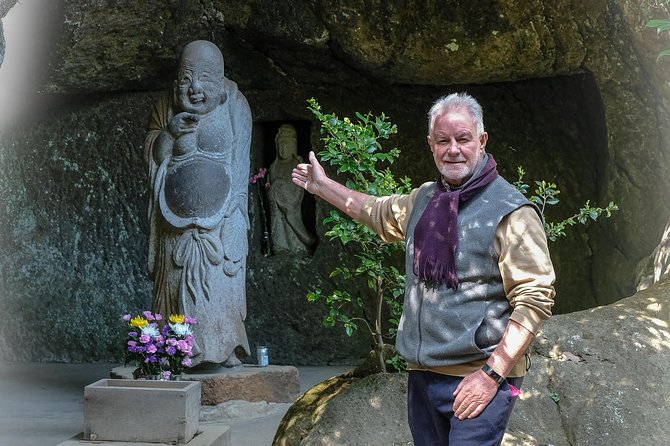
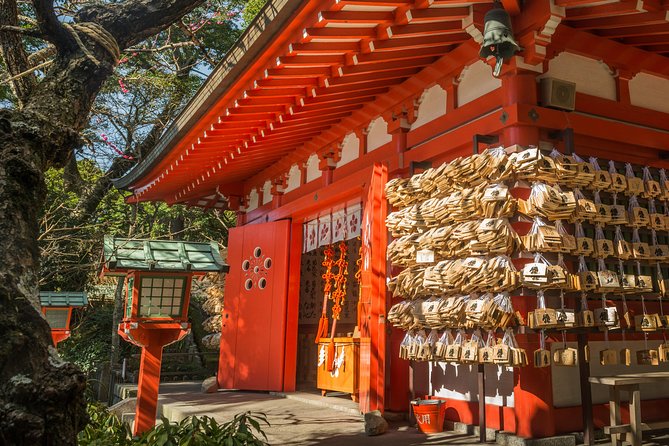
Hasedera receives about one hour and 20 minutes, making it the longest stop. That extra time is well used. The Buddhist temple spreads across several levels and includes gardens, ponds, caves, and an ancient 11-headed statue of Kannon, the Goddess of Mercy.
This is not a single courtyard that you see in ten minutes. The different levels create a changing visit, with religious art, natural features, and paths between them. You might find the stairs and multiple sections more demanding than the earlier street walks, particularly if someone in your group moves slowly. The private guide can help keep the pace comfortable, and one family specifically praised Virgil’s patience with teenagers and repeated questions.
Hasedera also gives the tour more depth than a simple shrine-and-statue outing. Tsurugaoka Hachimangu represents Shinto and the political world of the shogunate. Hasedera lets you consider Buddhist practice, compassion, and sacred art. The two places are different, and that contrast is one of the tour’s best teaching tools.
Admission is extra here too. Since the temple is large and the visit lasts well over an hour, this is the stop where a guide’s explanations can save you from wandering without knowing what you are seeing.
The official finish is Hase Station, at 2 Chome-14 Hase, on the Enoden Line. Ending here is convenient if you want to continue around Hase, but hotel return is not included.
What makes Virgil a strong guide
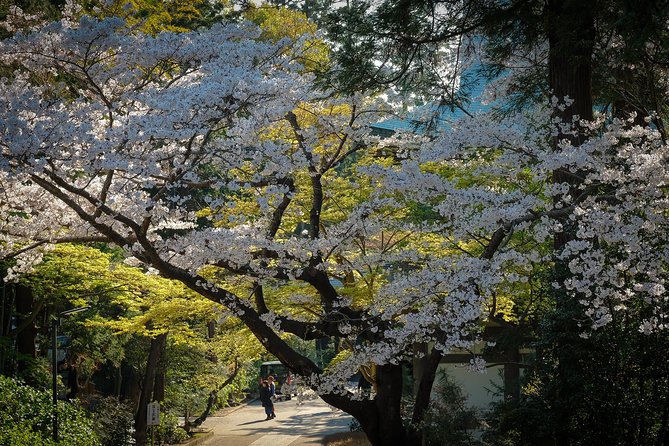
The most consistent praise goes to Virgil. He is described as friendly, patient, flexible, and deeply familiar with Japanese history and culture. His English is clearly spoken, and he also speaks Spanish.
That matters because Kamakura’s story includes unfamiliar names, changing forms of government, and religious ideas that can blur together. Virgil’s approach appears to be conversational rather than purely academic. He explains the sites, adds historical anecdotes, and responds to questions instead of delivering one fixed speech.
His flexibility is another major benefit. He has adjusted the route for slow walking, helped a visitor who became lost, and made room for families with many questions. A solo visitor particularly valued the ability to move at a natural pace. That is exactly where a private tour can feel more humane than a packed schedule.
The photography service adds practical value. Virgil can take pictures of you at the sights, so solo visitors do not have to rely on strangers or settle for selfies. Families also gain a person who can capture the whole group. This does not turn the experience into a professional photo shoot, but it is a useful extra.
One point to keep clear: the experience includes a local guide, photographer guide, and tour host, but it does not include lunch, food, drinks, hotel pickup, or drop-off. Transportation to and from attractions is also listed separately. Ask how the day will move between stops and set aside money for those costs.
The price and who gets good value
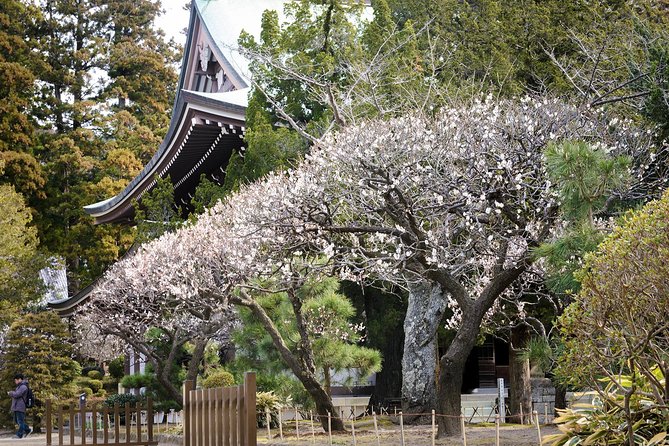
The price is $108.99 per person. That is not the cheapest way to see Kamakura, especially once you add entrance fees, food, and local transportation. The tour is also about four hours, so you are paying for a concentrated private experience rather than a full-day outing.
Still, the value improves if you are traveling alone or with a small group. A solo visitor gets a guide, history explanations, route planning, and someone to take photographs. A group of up to eight can share the private guide cost, which may make the per-person price easier to justify.
I would also consider the cost in relation to your interests. If you only want to see the Great Buddha and take a few pictures, you can probably explore independently for less. If you want to understand why Kamakura mattered, move efficiently between major sites, and ask questions along the way, the fee buys more than transportation between monuments.
The booking pattern suggests that people reserve this experience well ahead of time, with an average of 71 days in advance. That does not guarantee every date will sell out, but it is a good reason to book early if you want a particular start time or are visiting during a busy season.
Who should book this Kamakura experience
I would recommend it most strongly to:
- Solo visitors who want photographs and company without joining a large group
- Families with children or teenagers who need patience and flexibility
- First-time visitors who want the main sights explained in historical context
- Couples and small groups who prefer to ask questions freely
- Anyone interested in samurai government, Shinto, Buddhism, and the Kamakura Period
It may be less suitable if you want a very slow temple study, a food-focused tour, or a full-day exploration of lesser-known sites. The route is tightly focused on the central highlights, and the four-hour schedule means you cannot stop everywhere.
Choose from several start times, then meet at Kamakura Station. Wear comfortable shoes and plan for walking between streets, shrines, and temple grounds. Since the route ends at Hase Station, think about what you want to do afterward before you set out.
The cancellation terms are forgiving if your plans change: you can receive a full refund when canceling at least 24 hours before the start time. Changes or cancellations inside that window are not accepted for a refund.
Should you book it?
Book this tour if you want Kamakura to make sense, not just look pretty. Virgil’s storytelling, patient manner, flexibility, and photography help turn a half-day visit into a personal introduction to the town’s samurai and Buddhist past.
Skip it if you are comfortable planning the route alone, want to keep costs low, or prefer to spend an entire day moving at your own very slow pace. For most first visits, though, the combination of Tsurugaoka Hachimangu, Komachidori, the Great Buddha, and Hasedera gives you a well-shaped sample of Kamakura, with a guide who can connect the pieces.
FAQ
How long does the Kamakura tour last?
The experience lasts approximately four hours.
Where does the tour begin?
It begins at Kamakura Station, at 1-chōme-1-15 Onarimachi, Kamakura, Kanagawa 248-0012, Japan.
Where does the tour end?
The tour ends at Hase Station, 2 Chome-14 Hase, Kamakura, Kanagawa 248-0016, on the Enoden Line.
Is this a private tour?
Yes. Only your group participates, with a maximum group size of eight people.
What attractions are included in the route?
The route includes Wakamiya Main Street, Tsurugaoka Hachimangu Shrine, Kamakura Komachidori, Kotoku-in and the Great Buddha of Kamakura, and Hasedera Temple.
Are entrance fees included?
No. Admission to Kotoku-in and Hasedera Temple is not included. Tsurugaoka Hachimangu and Wakamiya Main Street are listed without an admission charge.
Is food or transportation included?
No. Food, drinks, lunch, transportation to and from attractions, and hotel pickup and drop-off are not included.
Can the guide take photographs?
Yes. The experience includes a professional photographer guide who can take photographs of you during the tour.
Just added around Japan
- Kanazawa private half day/Photoshoot by professional photographer★ 5.0 · 38 reviews
- Osaka Food Tour with 10 Classic Japanese Tastings & Drinks★ 5.0 · 38 reviews
- Osaka: Highlights & Hidden Gems Private Walking Tour★ 4.7 · 38 reviews
- Tokyo Small Group Tour with Guide★ 4.5 · 38 reviews
- Tokyo 6hr Instagram Highlights Private Tour with Licensed Guide★ 5.0 · 38 reviews
- From Tokyo: Kamakura Private Customize Tour by Luxury Van★ 4.6 · 38 reviews
- Tokyo Sumo Experience with Live Show & Audience Challenge★ 5.0 · 38 reviews
- Kyoto: Private Customizable Day Trip by Car★ 5.0 · 38 reviews
Kamakura Tours, compared.
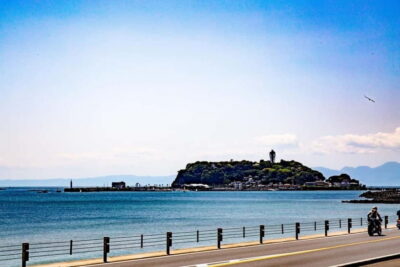
Kamakura & Enoshima Day Trip including Temple Tickets
Read our review →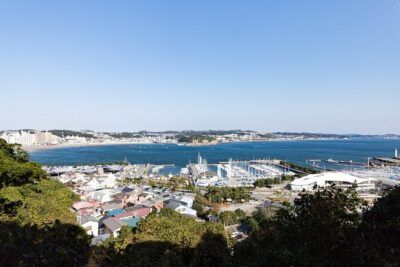
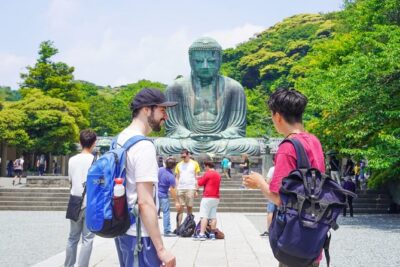
Kamakura Historical Walking Tour with the Great Buddha
Read our review →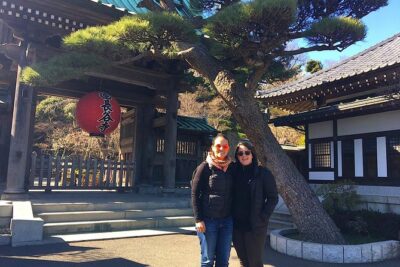
Kamakura Private Tour: Temples, Nature, and the Great Buddha
Read our review →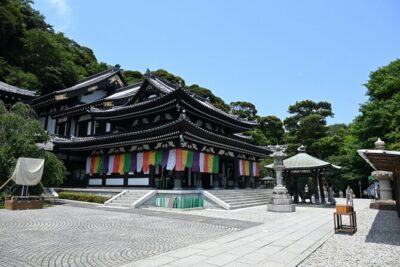
Kamakura: Private Guided Walking Tour with Local Guide
Read our review →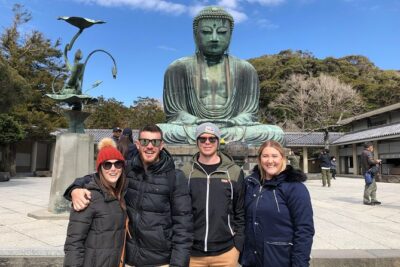
Kamakura 4hr Private Trip with Government-Licensed Guide
Read our review →
Kamakura Full Day Tour with a Local Expert Guide
Read our review →Browse the lists this tour appears in