
Reviewed · TEMPLE & SHRINE TOURS
Kamakura Private Tour: Temples, Nature, and the Great Buddha
Kamakura rewards curious walkers. This private half-day outing links quiet Zen grounds, forest trails, unusual shrines, the Great Buddha, and the coast, giving you far more context than a quick temple stop. I especially like the private format, which lets your guide adjust the pace and answer your questions, and the way the route mixes famous sights with quieter mountain paths. The main caution is simple: this is a real walk, at least 5 kilometers with an uphill pass, not a gentle stroll.
The tour begins at Kita-Kamakura Station and usually finishes at Hase Station, though your guide may accompany you onward toward Kamakura Station. Admission to Jochiji, Hasedera, and Kotoku-in is covered, while food, drinks, local transport, and hotel pickup cost extra. Hot weather, rain, or a sore knee can change the plan, so comfortable shoes and a little flexibility matter.
In This Review
- Key points at a glance
- Why Kamakura works so well as a day away from Tokyo
- Starting quietly at Jochiji Temple
- Crossing the Kamakura hills on foot
- The unusual entrance to Zeniarai Benten
- A quieter story at Sasuke Inari Shrine
- Meeting Kamakura’s Great Buddha
- Hasedera brings gardens and ocean views
- Ending at Yuigahama Beach and Hase Station
- How the private guiding changes the day
- Is $98.44 per person a fair price?
- Weather, pace, and practical planning
- Who should book this Kamakura tour?
- Should you book it?
- FAQ
- Where does the Kamakura tour begin?
- Where does the tour end?
- How long does the experience last?
- How much walking is involved?
- Are temple entrance fees included?
- Is lunch included?
- Is hotel pickup available?
- Can the tour be changed for bad weather?
- Can the tour be extended?
Key points at a glance
- Forest route with cultural stops: You walk from Kita-Kamakura through mountain trails, shrines, and temple grounds rather than simply riding between landmarks.
- A private guide makes a difference: Guides such as Yumi, Yu, Teiko, Yoko, Noriko, and Naho have been praised for adjusting pace, explaining customs, and helping with trains and restaurants.
- Three important admissions included: Your price covers Jochiji Temple, Kotoku-in’s Great Buddha, and Hasedera Temple.
- The hike is more serious than the name suggests: Expect at least 5 kilometers, uneven ground, and a mountain pass. Heat and humidity can make the route tiring.
- A strong half-day value from $98.44 per person: The price works best for two or more people who want history, nature, and personal guidance without arranging every detail themselves.
- A flexible finish by the sea: The route ends near Hase Station and Yuigahama Beach, leaving you well placed for more sightseeing, shopping, or lunch.
Why Kamakura works so well as a day away from Tokyo
Kamakura feels different from central Tokyo almost as soon as you leave the station area. This former political center is filled with Buddhist temples, Shinto shrines, wooded hills, and a south-facing beach. You get culture and fresh air in the same outing, with no long intercity journey once you reach the area.
A self-guided visit can work, especially if you are happy to use trains, buses, and maps. The harder part is linking the northern temples to the mountain route and southern sights. Some paths are not clearly marked in English, and the route includes small shrines that are easy to miss without local direction.
That is where this experience earns its price. You are not paying only for transportation or entry tickets. You are paying for someone to explain why a place matters, show you how to behave at a shrine or temple, and adjust the day when the weather or your energy changes.
The tour has a minimum booking requirement of two people. It is private, so only your group participates. That makes it a good match for families, couples, and friends who want to stop for questions or take a slower pace without holding up a larger group.
More temple & shrine tours in Japan:
- Kyoto: Fushimi Inari, Kinkakuji, Bamboo Grove 1 Day Bus Tour
★ 4.8 · 4,316 reviews - Kyoto: Tea Ceremony in a Traditional Tea House in Kiyomizu
★ 4.9 · 3,519 reviews - Kyoto: Tea Ceremony Ju-An at Jotokuji Temple
★ 4.9 · 3,207 reviews
Starting quietly at Jochiji Temple
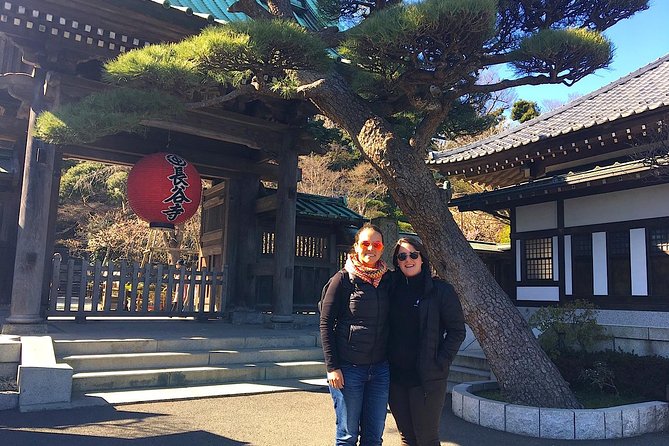
Meet your English-speaking guide at Kita-Kamakura Station. Jochiji is a fitting first stop because it begins the day in a calm setting rather than with Kamakura’s most crowded attraction.
Built in 1281 by Hojo Tokiyori to honor his son, the temple is connected to the Kamakura Shogunate and Zen Buddhism. You have about 25 minutes here, enough to stroll through the grounds and take in the forest setting without rushing through every corner.
I like this opening because it gives you a useful frame for the rest of the day. Your guide can explain the difference between Buddhist temples and Shinto shrines, along with the customs that help you visit respectfully. Several guides have been praised for making these explanations clear without turning the walk into a lecture.
Jochiji is also a good reminder that Kamakura is not only about the Great Buddha. The quiet sites often provide the better sense of place. The tradeoff is timing: 25 minutes is enough for an introduction, but not for a long, unhurried temple visit.
Crossing the Kamakura hills on foot
After Jochiji, you enter the Kamakura hiking trails for roughly 40 minutes. This is the part that gives the experience its character. You leave ordinary streets behind and walk through the wooded hills toward the Daibutsu Hiking Course.
The route passes over a mountain section, so expect uphill and downhill walking rather than a flat park path. You should wear shoes with a firm grip and bring water, especially in summer. A physical fitness level described as moderate is required, and the total distance is at least 5 kilometers.
The trail is rewarding because it connects places that feel separate on a normal sightseeing map. You are not just ticking off temples. You are moving through the natural setting that surrounds Kamakura’s religious sites.
Still, do not underestimate the heat. One account described a day around 95°F, or 35°C, when the group needed extra breaks and could not cover as many places as planned. Rain can also make mountain paths slippery. In poor weather, the guide may replace part of the walk with trains, buses, or streets. That is sensible, but it means the outdoor section may be shorter than expected.
The unusual entrance to Zeniarai Benten
The next stop is Zeniarai Benten Ugafuku Shrine, reached along the Daibutsu Hiking Course. The approach is memorable: a mysterious opening in the hillside, framed by a torii gate, leads into the shrine area.
You have about 25 minutes here, with no separate admission charge. This is exactly the sort of place where a guide adds value. The setting is unusual, and without an explanation, you could easily walk through, take a photo, and miss the religious meaning of the site.
The name is associated with washing money at the shrine, a custom that several participants enjoyed learning about. Your guide can explain the practice and the shrine’s place within Kamakura’s traditions. This is also a practical point to ask questions about Shinto rituals, offerings, and the role of torii gates.
The stop is not large, so 25 minutes should feel comfortable. If you are hoping for a long break, though, this is not that kind of stop. The day keeps moving.
A few more Japan experiences worth weighing up
- Tokyo: Kamakura & Enoshima Day Trip including Temple Tickets
★ 4.5 · 1,375 reviews - From Tokyo: Kamakura & Enoshima 1-Day Bus Tour
★ 4.5 · 189 reviews - Kamakura Historical Walking Tour with the Great Buddha
★ 5.0 · 129 reviews - Kamakura Walking Tour – The City of Shogun
★ 5.0 · 100 reviews
A quieter story at Sasuke Inari Shrine

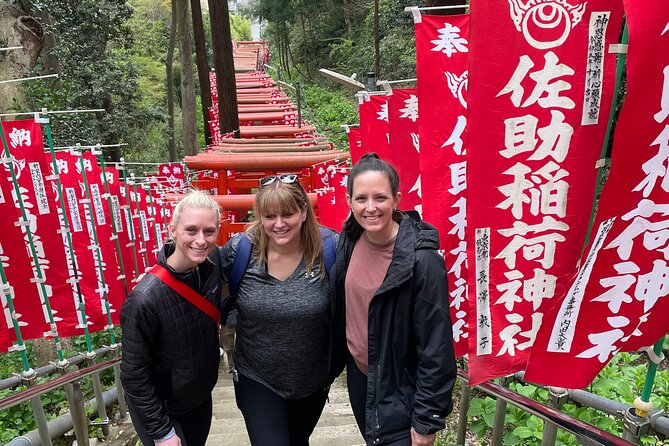
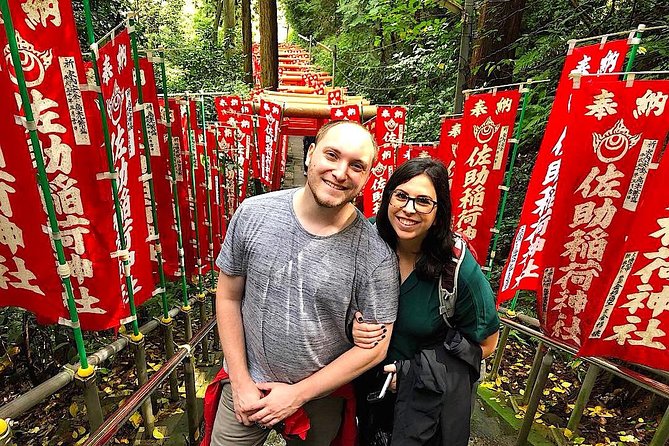
Sasuke Inari Shrine receives about 20 minutes. Its story reaches back to Minamoto Yoritomo, Kamakura’s first shogun, who was said to have received battle advice in a dream from a white fox, or Inari.
That legend gives the shrine a different flavor from the Zen temple and money-washing shrine. You see how local sacred places often combine landscape, folklore, political memory, and daily worship.
This stop also helps explain why a private route can feel more personal than a standard city tour. The Great Buddha needs no introduction as a landmark, but smaller shrines rely on context. Your guide can tell you what to notice, explain the customs, and respond to your own interests.
You should keep an eye on the clock here. With seven stops in about five hours, each visit is fairly compact. The benefit is variety. The cost is that you will not have unlimited time at any one shrine.
Meeting Kamakura’s Great Buddha
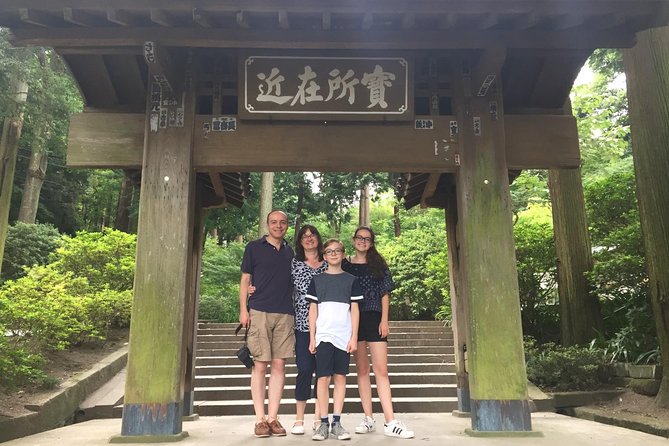
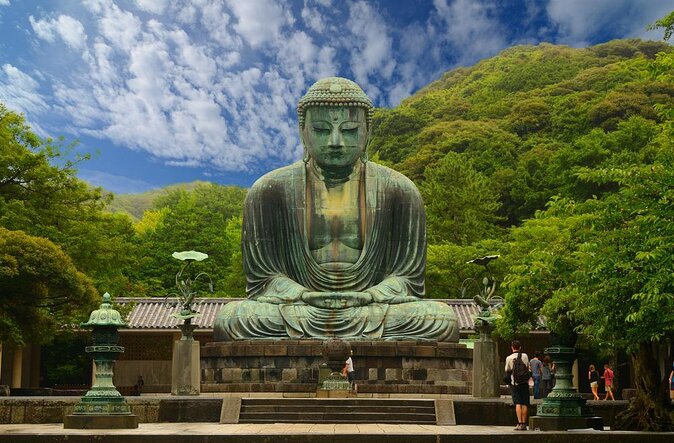
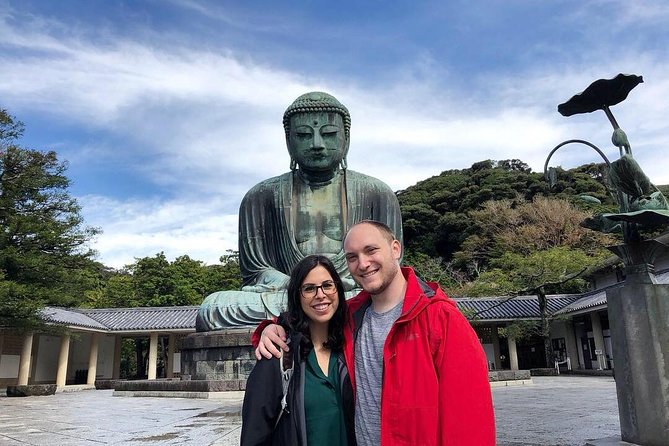
Kotoku-in contains the attraction most people associate with Kamakura: the bronze Great Buddha. The statue is 13.35 meters tall and weighs about 121 tons. The bronze image seen today dates from 1252, giving it a direct link to the city’s medieval past.
Admission is included, and the visit lasts about 20 minutes. That is enough to see the statue, hear its story, and take photographs. One useful detail from the experience is that the statue’s interior can be visited, though access may depend on the conditions in effect that day and the timing of your visit.
The Great Buddha is the most famous stop, so it may feel busier than the smaller sites. That contrast is part of the route’s appeal. You first spend time among quiet hills and modest shrines, then arrive at a monumental landmark with a much larger audience.
Your guide helps make the visit more than a photo stop. Ask about the statue’s construction, its setting, and how it fits into Kamakura’s Buddhist tradition. Since the stop is short, listen first, then take your photographs before moving on.
Hasedera brings gardens and ocean views
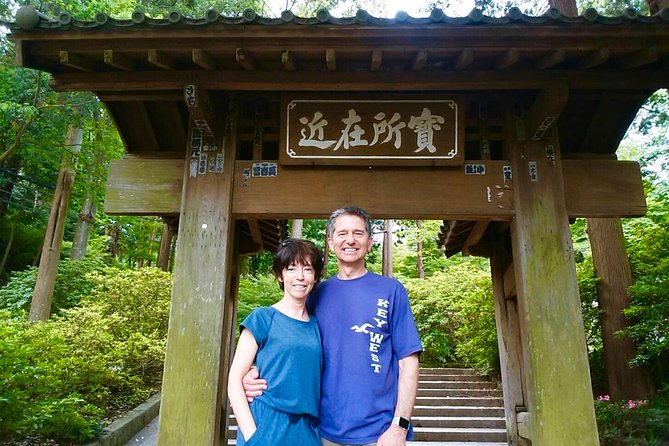
Hasedera is given about 30 minutes and includes admission. The temple sits partway up Mount Kamakura, with views south toward the ocean and Yuigahama Beach.
This is one of the most scenic sections of the day. The temple combines religious buildings, gardens, hillside paths, and open views. In June and July, hydrangeas add seasonal color, though the exact display depends on timing and conditions.
Hasedera also creates another small physical challenge. Because it is on a hillside, you will continue dealing with steps and slopes after the mountain trail. If anyone in your group has a knee problem or difficulty with hills, tell the guide early. One family had to use a taxi after a participant hurt a knee and missed part of the planned route.
That example is useful, not alarming. The private setup allows the guide to respond to real needs. Guides have slowed the pace for older family members, arranged alternatives in rain, and used local transport when walking no longer made sense.
Ending at Yuigahama Beach and Hase Station
The final listed stop is Yuigahama Beach, where you have about 15 minutes to relax. The beach faces south, so you look toward the sun over the water. In summer, an open-air market called Umi-no-ie operates along the shore.
This is a pleasant ending after the hills and temple steps. You can pause, enjoy the coastal view, and let the day shift from history to ordinary Kamakura life. The tour ends at Hase Station, a practical point for continuing by rail.
The guide usually accompanies the group toward Kamakura Station as well. That extra help matters if you are unfamiliar with the local train system. Several guides have made sure groups boarded the right trains or understood how to reach shopping areas and other sights.
The route does not include lunch. Some guides have helped arrange a restaurant, including a reasonably priced local meal or a grill-style lunch, but you should treat that as an optional addition rather than part of the package. Food and drinks are your responsibility, as are any fares for trains, buses, or taxis.
How the private guiding changes the day
The strongest part of this experience is the human element. Guides named Yumi, Yu, Teiko, Yoko, Noriko, Naho, Takami, and others have been praised for warm conversation, clear English, cultural explanations, and careful attention to individual needs.
The best examples go beyond basic sightseeing. One guide helped a family with an autistic child feel comfortable. Another looked after a participant who tripped. Guides have lent umbrellas, arranged lunch, taken photographs of the group, and walked people to stations at the end.
You should not assume you will receive a particular guide unless that is confirmed in advance. But the pattern is clear: this is designed as a personal experience, not a fixed speech delivered to a crowd.
The private format also helps families. Children can ask questions, take breaks, and move at a manageable pace. Older relatives can use a gentler route if weather or terrain becomes difficult. Solo bookings are not possible under the stated minimum of two people, but small groups receive the same benefit of flexibility.
Is $98.44 per person a fair price?
At $98.44 per person, the value depends on how much support you want. You receive an English-speaking guide, taxes and fees, photographs of the group, and admission to three major sites. You do not receive lunch, hotel transport, or private vehicle service.
For two people, the cost is higher than using public transport and visiting only the major temples independently. But independent planning takes time, and the mountain route can be confusing if you do not read Japanese maps easily. You also lose the explanations that connect Zen temples, Shinto shrines, legends, and Kamakura’s political past.
For families or groups, discounts may improve the per-person value. Hotel pickup is available for an extra 8,000 yen per person, which can be convenient but changes the budget quickly. Private transport by taxi, car, or bus is not included, so keep cash or another payment method available for local fares and optional changes.
The experience has been booked at least five times in a recent week and carries a 4.9 rating from 121 ratings, with 98 percent recommending it. Those figures suggest strong demand and satisfaction, but they do not remove the key question: are you happy walking several kilometers through hills?
Weather, pace, and practical planning
Plan on about five hours, but do not treat every minute as fixed. Weather can change the trail, and a private guide may add breaks, use local transport, or alter the order of stops.
Rain does not automatically ruin the day. A guide has used buses and trains to keep a group visiting the temples during steady rain. Still, the mountain path may be skipped when it becomes slippery, so you should choose this experience for the temples and cultural guidance as much as for the hike.
Free cancellation is available if you cancel at least 24 hours before the start time. Changes made inside that period are not accepted, and late cancellations are not refunded. If poor weather forces the operator to cancel, you are offered another date or a full refund.
You can also extend the experience for 1,000 yen per person per extra half hour, paid in cash. That may help if you want more time, but the guide still needs to work within opening hours, weather, and transport schedules.
Who should book this Kamakura tour?
I would choose this tour if you want a clear introduction to Kamakura without spending your morning piecing together transport and walking directions. It suits couples, families, and small groups who value conversation and can manage a moderate hike.
It is especially useful for you if:
- You want both major sights and smaller shrines.
- You enjoy learning about Buddhist and Shinto customs.
- You are taking a day trip from Tokyo and want someone to handle the route.
- You prefer a private pace over a large group.
- You want help with lunch ideas, photographs, or trains.
- You can walk uphill for several kilometers.
I would think twice if you have limited mobility, a recent injury, or no tolerance for heat and uneven paths. You can ask for alternatives, but the central character of the experience is walking through the hills. If you mainly want the Great Buddha and Hasedera, a shorter transport-based visit may suit you better.
Should you book it?
Book this tour if you want Kamakura to make sense, not just look pretty in photographs. The combination of Jochiji, the mountain pass, Zeniarai Benten, Sasuke Inari, the Great Buddha, Hasedera, and Yuigahama gives you a broad view of the town in one well-supported outing.
Go prepared: wear walking shoes, allow for heat or rain, and budget for food and local transport. If you do that, the private guiding, included admissions, seaside finish, and access to quieter religious sites make $98.44 a reasonable price for a carefully guided half-day.
FAQ
Where does the Kamakura tour begin?
It begins at Kita-Kamakura Station in Yamanouchi, Kamakura.
Where does the tour end?
The tour ends at Hase Station. The guide usually accompanies the group toward Kamakura Station as well.
How long does the experience last?
The tour lasts approximately five hours.
How much walking is involved?
You will walk at least 5 kilometers, including a mountain pass. The route requires a moderate level of physical fitness.
Are temple entrance fees included?
Yes. Admission to Jochiji Temple, Kotoku-in, and Hasedera Temple is included.
Is lunch included?
No. Food and drinks are not included. Local guides may help arrange a restaurant, but you pay for meals separately.
Is hotel pickup available?
Yes. Hotel pickup can be arranged for an extra 8,000 yen per person. Hotel drop-off is not included in the standard package.
Can the tour be changed for bad weather?
The route may be changed because of rain or slippery mountain paths. If the operator cancels because of poor weather, you are offered another date or a full refund.
Can the tour be extended?
Yes. Extra time costs 1,000 yen per person for each additional half hour and must be paid in cash.
Just added around Japan
- Kanazawa private half day/Photoshoot by professional photographer★ 5.0 · 38 reviews
- Osaka Food Tour with 10 Classic Japanese Tastings & Drinks★ 5.0 · 38 reviews
- Osaka: Highlights & Hidden Gems Private Walking Tour★ 4.7 · 38 reviews
- Tokyo Small Group Tour with Guide★ 4.5 · 38 reviews
- Tokyo 6hr Instagram Highlights Private Tour with Licensed Guide★ 5.0 · 38 reviews
- From Tokyo: Kamakura Private Customize Tour by Luxury Van★ 4.6 · 38 reviews
- Tokyo Sumo Experience with Live Show & Audience Challenge★ 5.0 · 38 reviews
- Kyoto: Private Customizable Day Trip by Car★ 5.0 · 38 reviews
Temple & Shrine Tours, compared.
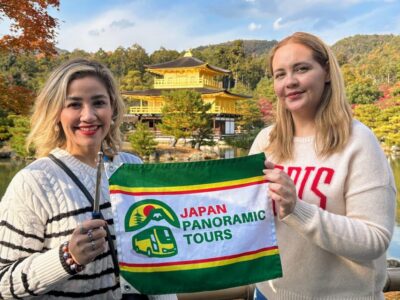
Fushimi Inari, Kinkakuji, Bamboo Grove 1 Day Bus Tour
Read our review →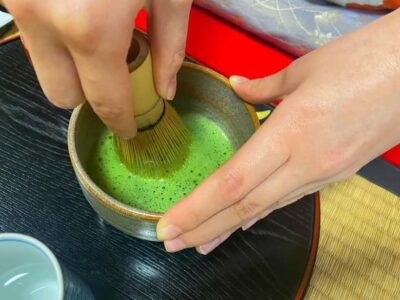
Tea Ceremony in a Traditional Tea House in Kiyomizu
Read our review →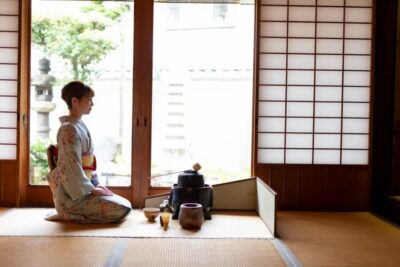
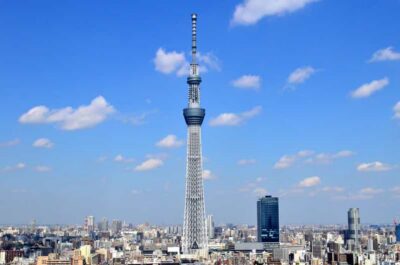
Meiji Shrine, Asakusa, Skytree Bus Tour and Cruise
Read our review →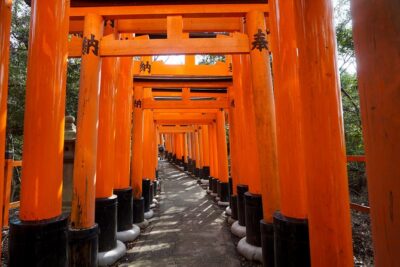
Fushimi Inari Hidden Hiking Tour (Private Option Available)
Read our review →
Osaka/Kyoto:Kinkakuji,Arashiyama,FushimiInariShrine,NaraPark
Read our review →
Asakusa Walking Tour with Sensoji Temple Visit
Read our review →
Nikko: Kegon Falls, Lake Chuzenji & Toshogu Temple
Read our review →Browse the lists this tour appears in