
Reviewed · WALKING TOURS
Kamakura: Private Guided Walking Tour with Local Guide
Kamakura packs centuries into one walk. This private tour makes a smart day trip from Tokyo, pairing major sights with a local guide who can shape the route around your interests. I like the personal itinerary and the chance to enter the Great Buddha, while the guides’ friendly, careful explanations bring Japan’s samurai-era culture into focus. The main drawback is that the $106 price excludes entrance fees, meals, and transport between sites.
I also like the flexible timing. You can choose four or six hours, meet your guide on foot near your accommodation if it is close enough, and ask for a brisk schedule, a food stop, or fewer temples with more time at each one. Just remember that this is a walking tour, not a private-vehicle excursion, and the tour is not fully confirmed until a guide accepts it.
In This Review
- Key points to know before booking
- Why Kamakura works so well as a Tokyo day trip
- Starting with a route that fits your interests
- Entering the Great Buddha at Kotoku-in
- Hase-dera’s gardens and seasonal hydrangeas
- Washing money at Zeniarai Benten Shrine
- Hokoku-ji and its bamboo garden
- Adding major shrines and northern temples
- Finding lunch and local places
- Walking, trains, and the real cost
- What the guide adds to the day
- Limits you should understand before reserving
- Who should book this Kamakura tour?
- Should you book it?
- FAQ
- How long is the Kamakura private walking tour?
- How much does the tour cost?
- Is this a private tour?
- Is transportation included?
- Can I request a custom itinerary?
- Does the tour include the Great Buddha?
- Are entrance fees included?
- What languages are available?
- Is the tour wheelchair accessible?
Key points to know before booking
- The Great Buddha can be entered: You do not only view Kamakura’s famous bronze figure from outside.
- Your guide can build the day around you: You can request certain temples, shrines, food stops, or a faster pace.
- Hase-dera changes with the season: Around June, about 2,500 hydrangeas in 40 varieties bloom in the temple gardens.
- Transportation is extra: You may walk, use public transit, or take local taxis between distant sites.
- Six hours gives you room to breathe: Four hours works for a compact route, while six hours suits several temples and shrines.
- The guides are nationally licensed: English and Japanese tours are available, with guides certified by the Japanese government.
Why Kamakura works so well as a Tokyo day trip
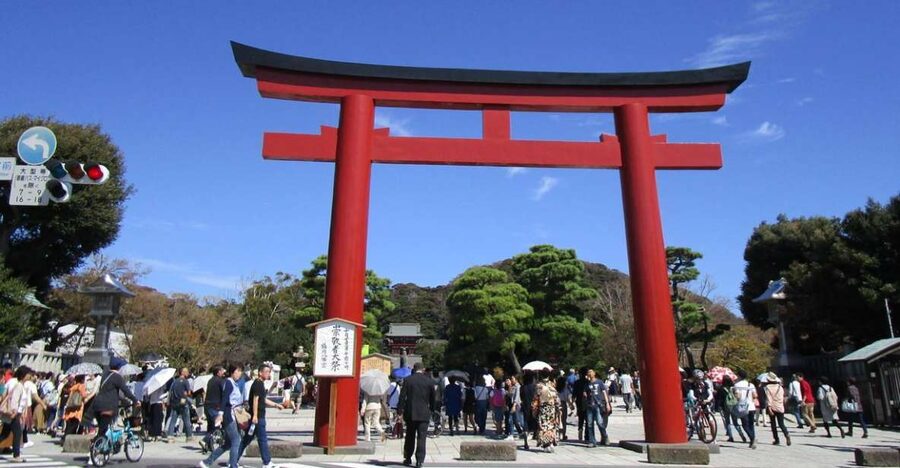
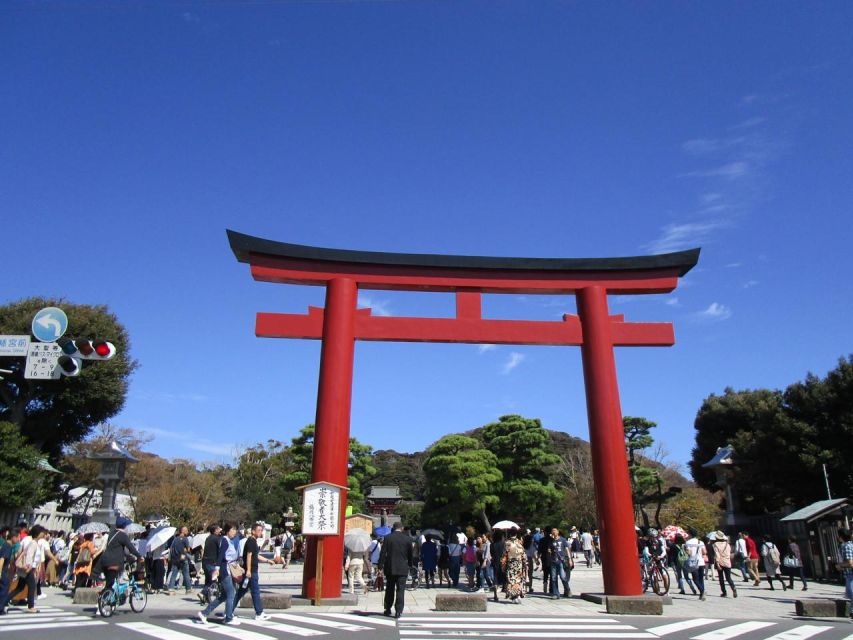
Kamakura sits about one hour from Tokyo, but the mood changes quickly. Tokyo is a huge modern capital. Kamakura offers temple gates, shrine paths, old religious centers, and the presence of the sea nearby. It was also the home of the samurai government, giving the town an important place in Japanese history.
The trouble is choice. Kamakura has more temples and shrines than most first-time visitors can sensibly fit into one day. A map can make the town look manageable, but the sights are spread across different areas. You can spend half your day deciding what to skip.
That is where a private guide earns the fee. Shinji, An, Yuki, Emiko, Taku, Tome, and other guides have shown they can set a useful route, adjust the pace, and explain why a site matters instead of simply pointing at a gate. Yuki met one group at the train station and kept a quick-moving day on track. Shinji planned a route that ended only five minutes from the station, a small detail that made the return to Tokyo much easier.
More walking tours in Japan:
- Kyoto Geisha Walking Tour: Gion District & Hidden Gems
★ 4.7 · 3,273 reviews - Tokyo Tsukiji Fish Market Food and Culture Walking Tour
★ 5.0 · 3,184 reviews - Kyoto: Gion Magical Night Walking Tour with Geisha Trivia
★ 4.9 · 2,393 reviews
Starting with a route that fits your interests
Before the tour, the local team contacts you to confirm the arrangements. Use that chance well. Tell the guide if you care most about Buddhist temples, Shinto shrines, photography, food, gardens, samurai history, or a quieter route.
You can also mention your walking speed and schedule. One guest had a limited amount of time and still visited three destinations with Kei. Another wanted a quick pace, and Yuki adapted without making the day feel rushed. Emiko arranged a route in advance by email, then managed the timing carefully on the day.
The four-hour option is best for a focused visit. You might choose the Great Buddha, Hase-dera, and one major shrine, with time for explanations and photographs. The six-hour option gives you a better chance of combining the western temple area with central Kamakura or the northern temple district.
Do not assume every named attraction fits into one tour. Kamakura’s sites are spread out, and transfers take time. A good guide will help you choose rather than promise everything at once.
Entering the Great Buddha at Kotoku-in
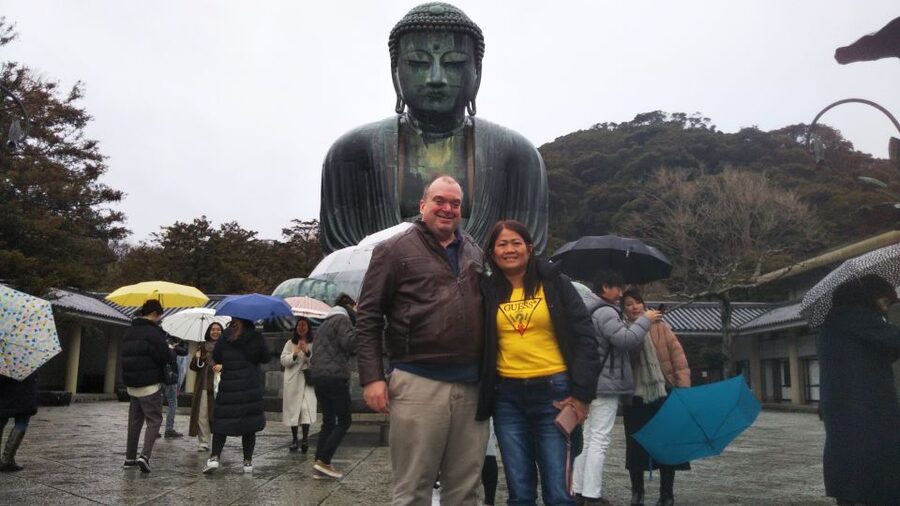
The Great Buddha is Kamakura’s symbol, and it deserves more than a quick photograph. The huge bronze statue is an impressive sight from the temple grounds, but this experience also includes entry into the interior.
That small extra step changes the visit. From outside, you take in the scale and the calm expression. Inside, you gain a closer sense of how the statue was made and how its hollow structure works. Your guide can place the Buddha within Kamakura’s religious and political story, giving the statue meaning beyond its size.
This is one of the strongest reasons to choose a guide rather than simply arrive with a phone camera. You can ask questions as they come up, and the explanation can be adjusted to your interests. Goto, for example, was praised for explaining the importance of Kamakura’s main sites in depth.
Allow time for photos, but do not let the Buddha become only a photo stop. The value here is the combination of scale, setting, and explanation.
Hase-dera’s gardens and seasonal hydrangeas
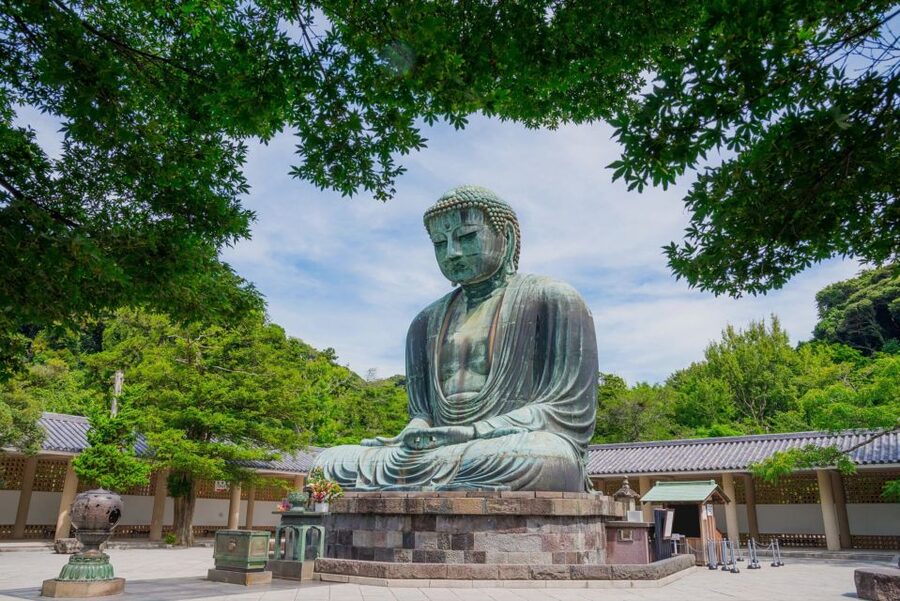
Hase-dera is one of Kamakura’s most attractive temple stops. Its gardens are a major draw, and the visit gives your day a welcome change of pace after the open grounds around the Great Buddha.
The temple is especially famous during the rainy season, around June, when approximately 2,500 hydrangeas in 40 varieties bloom together. If your visit falls then, ask your guide how to handle the crowds and how much time to allow. The flowers are a seasonal bonus, not a year-round feature.
Even outside the hydrangea season, Hase-dera gives you gardens, religious buildings, and views to enjoy at a slower pace. Your guide can explain the setting and point out details you might otherwise pass without noticing.
Keep in mind that the temple visit involves walking through garden areas. If accessibility is important for your group, raise the subject before the tour and ask the guide to confirm the most suitable route.
A few more Japan experiences worth weighing up
- Tokyo: Kamakura & Enoshima Day Trip including Temple Tickets
★ 4.5 · 1,375 reviews - From Tokyo: Kamakura & Enoshima 1-Day Bus Tour
★ 4.5 · 189 reviews - Kamakura Historical Walking Tour with the Great Buddha
★ 5.0 · 129 reviews - Kamakura Private Tour: Temples, Nature, and the Great Buddha
★ 5.0 · 121 reviews
Washing money at Zeniarai Benten Shrine
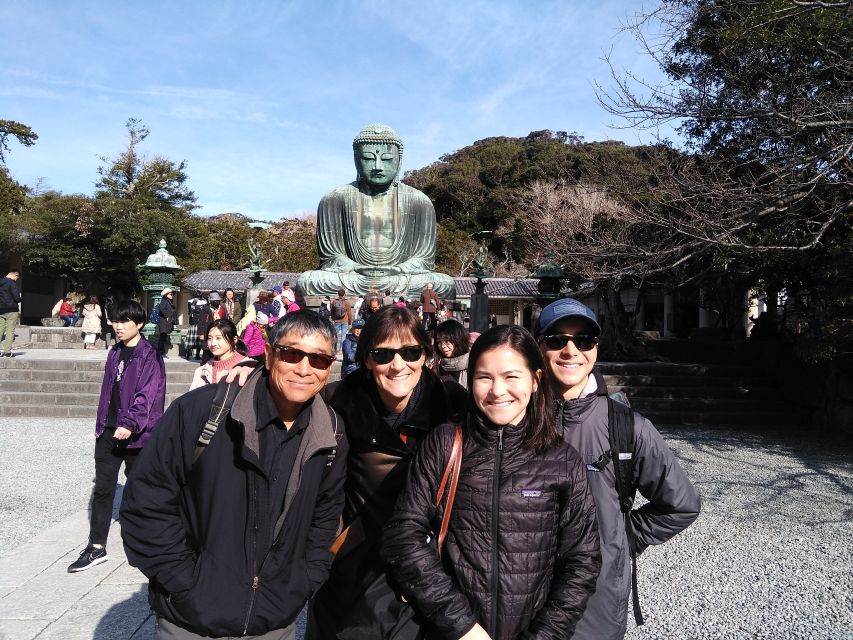
Zeniarai Benten is a memorable stop because its tradition is easy to understand and fun to take part in. Local legend says that washing your money in the shrine’s holy spring will help you earn more money.
The ritual gives the visit a personal angle. You are not just looking at a building or reading a sign. You have a small custom to follow, and your guide can explain the belief behind it and how the shrine fits into Japanese religious practice.
This is also the kind of place where a local guide helps with manners. Shrine visits have customs, and it is useful to know what to do before you step into the sacred area. The stop will not appeal as much if you only want major monuments, but it adds character to the day.
Hokoku-ji and its bamboo garden
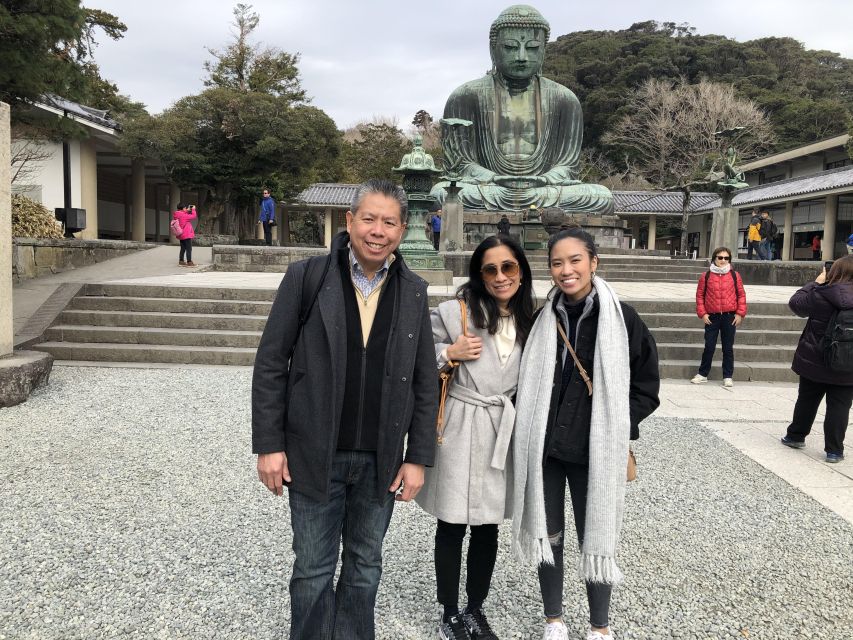
Hokoku-ji is known for its bamboo forest garden, a quieter and more enclosed setting than Kamakura’s largest attractions. The tall bamboo creates a strong visual change, especially if your day has already included broad temple grounds and busy streets.
The tour includes the chance to sample matcha while looking toward the bamboo garden. That pause matters. Four or six hours of walking can become a blur of gates, statues, and names. A cup of tea gives you time to sit, look around, and ask your guide about what you have seen.
Hokoku-ji may be a particularly good choice for you if gardens and atmosphere matter as much as famous landmarks. It does require a route decision, since fitting it alongside the Great Buddha, Hase-dera, and central Kamakura takes planning.
Adding major shrines and northern temples
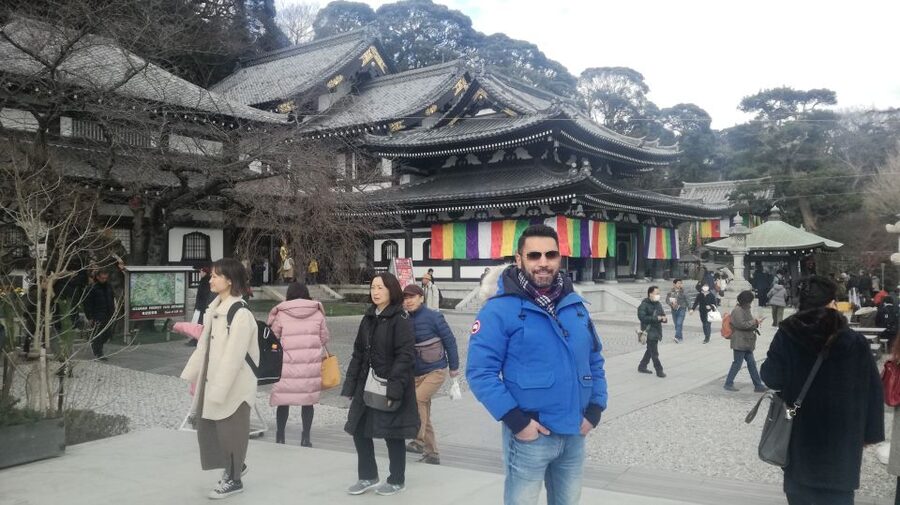
The route can extend beyond the headline attractions. Tsurugaoka Hachimangu Shrine is one possible central Kamakura stop, while Kencho-ji and Engaku-ji are among the temples that can be included on a longer itinerary.
One six-hour route combined the Great Buddha, Hase-dera, Tsurugaoka Hachimangu, Kencho-ji, and Engaku-ji, with lunch after the first three hours. That is a full schedule, but it shows what careful planning can accomplish.
The northern temples are useful if you want a wider view of Kamakura’s religious culture. The central shrine gives you a different setting and tradition from the Buddhist temples. You should not treat the sites as interchangeable. Ask your guide to explain the difference between Buddhist and Shinto spaces, and the day becomes much more rewarding.
There is a practical limit, though. The more sites you add, the less time you have for each one. I would rather visit four places with clear explanations than race through eight and remember only a few gate names.
Finding lunch and local places
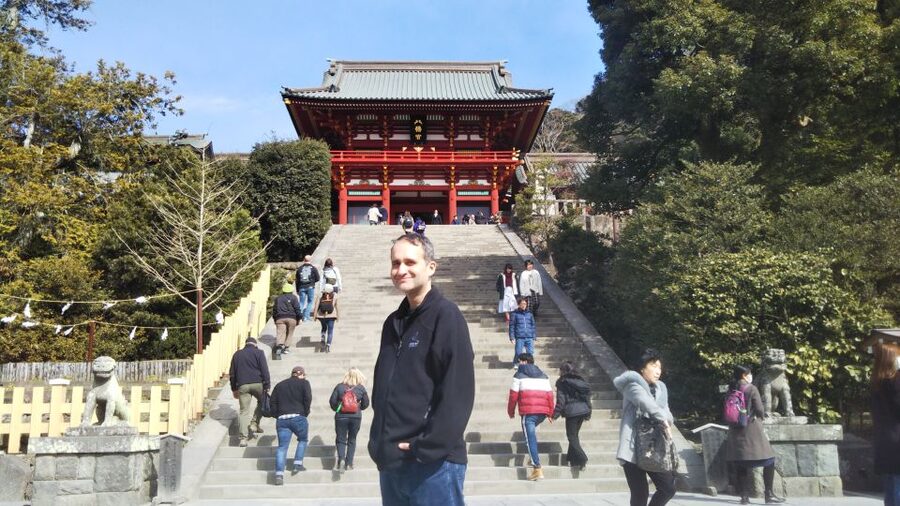
Food and drinks are not included, but your guide can suggest or arrange a sensible stop. Yuki found a sushi restaurant, and Tome included soba noodles and tempura during a day of shrine and temple visits. Another guest said food was important, and Yutaka shaped the experience around that request.
This is a useful part of the private format. You can explain dietary needs, preferred meal style, or the amount of time you want to spend eating. The guide may also point you toward local shops and favorite places that you would not notice on a standard sightseeing route.
Budget separately for lunch, snacks, and drinks. Ask about the likely timing early in the day so you are not choosing a restaurant in a hurry. If you want a long meal, tell the guide, since it will affect the number of sights you can visit.
Walking, trains, and the real cost
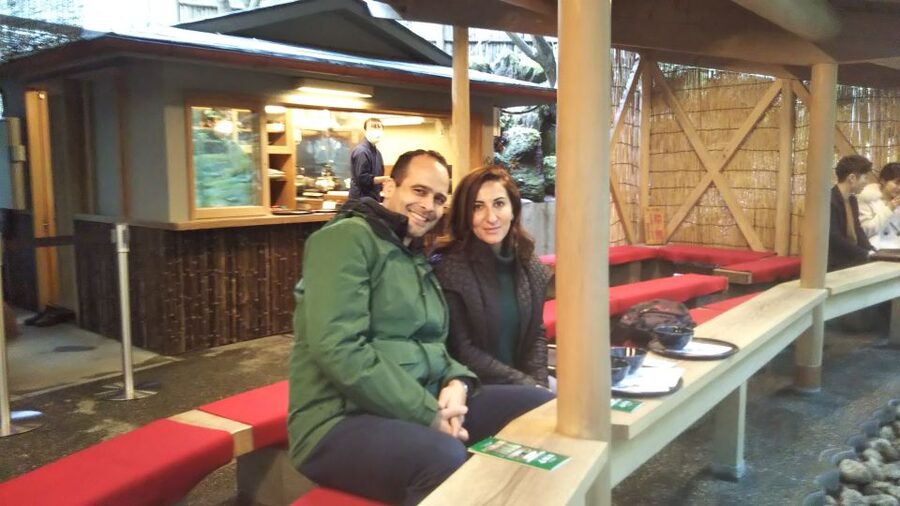
The listed price is $106 per person. For a private tour, that can be good value if you are traveling with several people and want help choosing among Kamakura’s many sites. A group of up to seven passengers can take part, but the fee is charged per person.
The price includes a private, personalized walking tour and a nationally licensed local guide. It does not include entrance fees, food, drinks, or transportation during the tour. Those extra costs are not surprises if you plan for them, but they do raise the final price above the headline amount.
There is no private vehicle included. You may use trains, buses, or local taxis between sites, and you should carry Japanese yen for those costs. If you want a private vehicle, it must be arranged directly at least five days ahead, and the vehicle option is limited to a maximum of seven passengers.
The walking format is part of the appeal. You get a closer sense of the town and avoid sitting in a vehicle all day. It also means you should wear practical shoes and be ready for a substantial amount of time on your feet. If you need a wheelchair-accessible route, the experience is listed as wheelchair accessible, but confirm the exact sites and transfers with the local team before finalizing your plan.
What the guide adds to the day
The strongest part of this experience is the guide-to-guest connection. An was praised for her warmth and clear explanations. Shinji was described as easygoing and able to answer a wide range of questions. Hirosan even adjusted the route to give one group a rare view of Mount Fuji.
That last detail captures the advantage of a private tour. You are not locked into a fixed script. A guide can respond to weather, your interests, your energy, and the time available. You can ask for photographs, cultural explanations, or help finding the station at the end.
The national certification matters too. All guides hold Japan’s government-issued Nationally Licensed Tour Guide-Interpreter certification, which requires solid knowledge of Japanese culture and history. The certification does not make every guide identical, but it gives you a useful standard.
English and Japanese tours are available. Guide assignments vary, so if a particular style matters to you, explain your preferences when the local team contacts you.
Limits you should understand before reserving
This is not a fixed tour with a guaranteed guide and a guaranteed list of every stop. The booking is not confirmed until a guide accepts it. Most guides make contact within seven days, but the local team may continue searching and send updates until 24 hours before the start.
That arrangement requires some patience. If you need a fully confirmed plan far in advance, contact the operator promptly and keep an eye on the messages. If a guide cannot be found, you can cancel without a fee up to 24 hours before the start.
The tour runs rain or shine, so plan for changing weather. A private route can be adjusted, but outdoor temple and shrine visits remain outdoor visits. Comfortable shoes, weather protection, and a realistic site list will make the day better.
Free cancellation is available up to 24 hours before the start, and you can reserve now and pay later. Those terms are helpful if your Tokyo plans are still shifting.
Who should book this Kamakura tour?
I would choose this experience if you want Kamakura’s major sights but do not want to spend your morning comparing temple maps. It is especially useful for first-time visitors, families, small groups, people with a strong interest in Japanese culture, and anyone who wants a local person to handle the day’s route.
It also suits repeat visitors who want something more personal. You can skip the places you already know and ask for gardens, food, quieter shrines, or a different part of town.
I would think twice if you prefer to travel entirely on your own, dislike walking, or want one fixed all-inclusive price. You will need to pay for admissions, food, and local transport, and the final route depends on guide availability and your requests.
Should you book it?
Book it if you want personal planning and cultural context more than a simple checklist of sights. The strongest value comes from a guide who can connect the Great Buddha, Hase-dera, Zeniarai Benten, Hokoku-ji, and the wider temple district into a coherent day.
Choose six hours if you want several areas, lunch, and a relaxed pace. Choose four hours for a tighter route focused on the Great Buddha, Hase-dera, and one or two additional stops. Tell the guide what matters before the day begins, carry yen for transport, and leave room for the kind of useful detour that makes a private tour worthwhile.
FAQ
How long is the Kamakura private walking tour?
You can choose a four-hour or six-hour tour. Starting times depend on availability.
How much does the tour cost?
The listed price is $106 per person. Entrance fees, food, drinks, and transportation during the tour are not included.
Is this a private tour?
Yes. It is a private group experience with a maximum of seven passengers.
Is transportation included?
No. This is a walking tour, and no private vehicle is included. You may need to pay separately for public transportation or local taxis between sites.
Can I request a custom itinerary?
Yes. The experience can be personalized around your interests and preferences. You can suggest specific sites or allow the guide to plan the route.
Does the tour include the Great Buddha?
The route includes a visit to the Great Buddha, including entry into the statue’s interior.
Are entrance fees included?
No. You must pay entrance fees separately at the sites that charge them.
What languages are available?
Tours are available in English and Japanese.
Is the tour wheelchair accessible?
The experience is listed as wheelchair accessible. Contact the local team before the tour to confirm the route and site arrangements for your needs.
Just added around Japan
- Kanazawa private half day/Photoshoot by professional photographer★ 5.0 · 38 reviews
- Osaka Food Tour with 10 Classic Japanese Tastings & Drinks★ 5.0 · 38 reviews
- Osaka: Highlights & Hidden Gems Private Walking Tour★ 4.7 · 38 reviews
- Tokyo Small Group Tour with Guide★ 4.5 · 38 reviews
- Tokyo 6hr Instagram Highlights Private Tour with Licensed Guide★ 5.0 · 38 reviews
- From Tokyo: Kamakura Private Customize Tour by Luxury Van★ 4.6 · 38 reviews
- Tokyo Sumo Experience with Live Show & Audience Challenge★ 5.0 · 38 reviews
- Kyoto: Private Customizable Day Trip by Car★ 5.0 · 38 reviews
Walking Tours, compared.
Kyoto Geisha Walking Tour: Gion District & Hidden Gems
Read our review →
Tokyo Tsukiji Fish Market Food and Culture Walking Tour
Read our review →
Gion Magical Night Walking Tour with Geisha Trivia
Read our review →
Imperial Palace and Shogun Historical Walking Tour
Read our review →
Gion Geisha District Walking Tour – Stories of Geisha
Read our review →
Shinjuku Local Bar and Izakaya Guided Walking Tour
Read our review →
Browse the lists this tour appears in