Reviewed · PRIVATE
Chill Out in Tokyo: Personalized Private Tours with Local Friends
Tokyo is easier with a friendly local beside you. This private Howzit Japan experience gives you a flexible walking tour built around your interests, with a guide who can meet you at a convenient location and help you get your bearings without the stress of planning every train ride.
I like the personal format and the chance to ask questions as you go. I also like that the guides can shape the outing for families, first-time visitors, food fans, shoppers, or people who want an evening in places such as Golden Gai. The main catch is time: the advertised tour lasts two to four hours, so you cannot realistically cover every listed stop in one outing.
In This Review
- Key points to know before booking
- A private Tokyo day instead of a fixed bus route
- How the two to four hours really work
- Shibuya Crossing and the city’s fast pulse
- Yoyogi Park and Meiji Shrine, Tokyo’s calm side
- Takeshita Street and Harajuku’s playful shopping
- Shinjuku Gyoen and the option of Golden Gai
- Senso-ji Temple and the old streets of Asakusa
- Ame Yokocho and Ueno’s culture corridor
- Akihabara for electronics and anime culture
- Tsukiji Market, from seafood counters to lunch
- Odaiba and Tokyo’s futuristic waterfront
- What the guides do best
- Who should book, and who should skip it
- Should you book this Tokyo experience?
- FAQ
- Where does the tour start?
- Can the guide meet me somewhere else?
- How long does the tour last?
- Is transportation included?
- Are food and drinks included?
- Will the tour visit every listed Tokyo stop?
- Is cancellation free?
Key points to know before booking
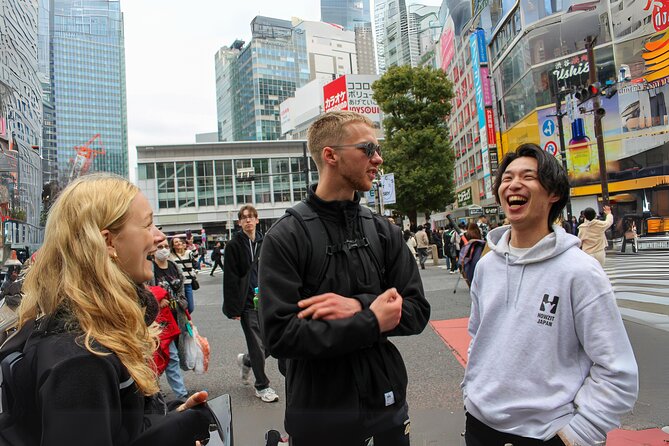
- Your guide can meet you in Tokyo: The usual starting point is Shibuya Station, but an optional meetup at your desired location can be arranged.
- The stop list is a menu, not a promise: Shibuya, Meiji Shrine, Asakusa, Ueno, Akihabara, Tsukiji, and Odaiba are possible choices, but two to four hours allows only a selection.
- This is mostly a walking experience: Some public transportation is used, and fares are not included.
- Families and mixed-interest groups benefit most: Guides have helped groups balance shopping, temples, food, culture, and teenage interests.
- Specific guides receive warm praise: Yu, Yuki, Ayumi, Kanta, Ikumi, Yohei, and others are described as attentive, adaptable, and easy to spend time with.
- Budget for food and lunch: Food and drinks are extra, and lunch for you and your guide usually costs about 1,000 to 3,000 JPY per person.
A private Tokyo day instead of a fixed bus route
The strength of this experience is its lack of a rigid sightseeing script. You do not have to spend half an hour at a place that does nothing for you simply because it appears on a printed schedule. Tell your guide what you want from Tokyo, then use the time where it matters most.
That may mean a first look at Shibuya Crossing, followed by Meiji Shrine and a quiet walk through Yoyogi Park. It could mean Tsukiji food stops and Senso-ji Temple. A family might want Akihabara, Takeshita Street, and a few cultural sights. A returning visitor could ask for Shinjuku’s Golden Gai or Omoide Yokocho, areas that can feel intimidating without someone familiar with them.
The guides are the heart of the experience. Yu is praised for planning relaxed but well-organized days, while Ayumi has adjusted the pace for someone dealing with a sore leg. Kanta has handled a family outing that mixed Tsukiji tastings, sushi and tempura, Senso-ji, and matcha. These details point to the tour’s real value: not simply showing you Tokyo, but adjusting Tokyo to your group.
The advertised price is $105.71 per person. That is not the cheapest way to see the city, especially since train fares, food, and drinks are extra. But for a private group, the price can make sense if you value saved planning time and personal attention. You are paying for a guide who can answer questions, adjust the pace, and help a group with different priorities enjoy the same few hours.
A few more Tokyo experiences worth weighing up
- Mt Fuji and Hakone 1-Day Bus Tour Return by Bullet Train
★ 5.0 · 26,383 reviews - 1-Day Tokyo Bus Tour
★ 5.0 · 14,250 reviews - Tokyo: TOKYO SKYTREE® Admission ticket
★ 4.5 · 11,192 reviews
How the two to four hours really work
The possible stops add up to much more than a half-day. Shibuya, Yoyogi Park, Meiji Shrine, Takeshita Street, Shinjuku Gyoen, Senso-ji, Ueno, Akihabara, Tsukiji, and Odaiba are spread across a large city. Public transport and station changes take time, even when the route is sensible.
Think of the published places as a set of choices. In two hours, you may focus on one neighborhood or two nearby areas. In four hours, you can make a broader route, but you still need to choose. A Shibuya, Meiji Shrine, and Harajuku combination is practical. Senso-ji, Ueno Park, and Ame Yokocho also fit together well. Tsukiji and Odaiba can be paired, but crossing Tokyo means less time on foot.
One unusual point is that some accounts describe six-hour custom outings and even two full days with Howzit Japan. That suggests longer arrangements may be possible, but the experience described here is listed as two to four hours. Ask about the exact length and plan before you arrive. Do not assume that every stop will be included.
The tour usually begins at Shibuya Station, at 2 Chome-24, Shibuya, Tokyo 150-0002, and ends back at the meeting point. Pickup is offered, but this normally does not mean a private car. Expect to walk and use public transportation. Transportation fees are not included, so keep an IC card or some fare money ready.
Shibuya Crossing and the city’s fast pulse
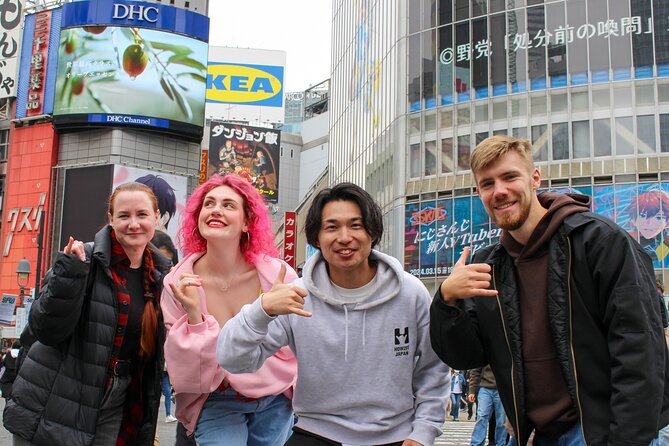
Shibuya is a sensible starting point for a first visit. The famous crossing gives you an immediate sense of Tokyo’s scale and rhythm, with streams of people moving in several directions at once. The district also suits anyone interested in shopping, youth fashion, food, or modern city life.
The listed stop allows about 30 minutes, which is enough for a look at the crossing and a short orientation. It is not enough for serious shopping. Tell your guide if you want photos, department stores, street fashion, or simply an explanation of the surrounding area, because each choice changes how you should use the time.
Shibuya works especially well for first-time visitors who want help understanding how the city fits together. It is less useful if your main goal is a slow cultural visit, since the area is fast-moving and commercial.
Yoyogi Park and Meiji Shrine, Tokyo’s calm side
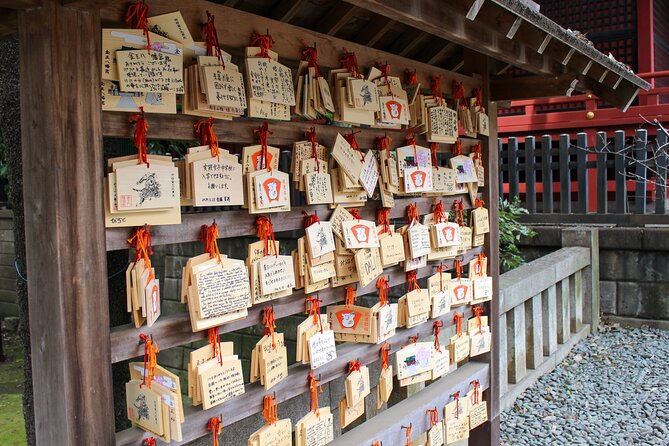
Yoyogi Park offers a useful change of pace. You can walk, pause, picnic, jog, or look for seasonal scenery. Events and festivals are often held here, so the atmosphere can vary. The park is a good choice when you want open space after crowded streets.
Nearby Meiji Shrine gives the outing a more traditional setting. A walk through the wooded grounds leads to a Shinto shrine where you can observe worship and learn about customs. The contrast between the packed streets of Shibuya and the quiet shrine approach is one of the best reasons to combine these areas.
The listed timing gives each place about 30 minutes. That is enough for a taste, but not a long park walk or a careful shrine visit. If you want a slower experience, ask your guide to drop another stop. The phrase Imperial Garden in the stop title can be confusing, since this visit centers on Meiji Shrine and its surrounding grounds rather than a broad palace tour.
A completely different kind of day out in Tokyo:
- Tokyo: teamLab Planets TOKYO Digital Art Museum Entry Ticket
★ 4.6 · 9,779 reviews - Mt Fuji & Hakone Cruise, Drum Show Bullet Train 1 Day from Tokyo
★ 4.0 · 7,413 reviews - Tokyo: Sumo Show Experience with Chicken Hot Pot and a Photo
★ 4.8 · 6,678 reviews - Tokyo: Shinjuku Food Tour (13 Dishes at 4 Local Eateries)
★ 5.0 · 6,603 reviews
Takeshita Street and Harajuku’s playful shopping
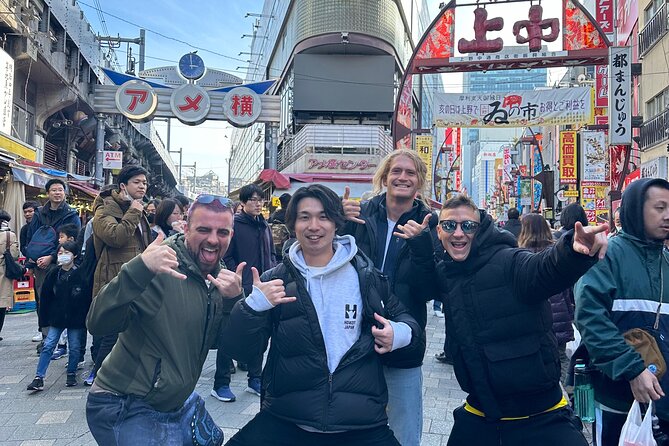
Takeshita Street is a short, lively stop for pop culture, fashion boutiques, cafes, crepes, and ice cream. It is especially suitable for teenagers and anyone curious about Japanese youth style.
Only about 15 minutes is assigned here, so treat it as a quick look rather than a shopping session. Crowds and browsing can easily eat that time. If your group wants food or souvenirs, say so at the start. A guide can help you decide if this street deserves more time than one of the temples or parks.
The value here is not a formal explanation. It is having someone help you make sense of a very busy retail street and point you toward the parts that match your interests.
Shinjuku Gyoen and the option of Golden Gai
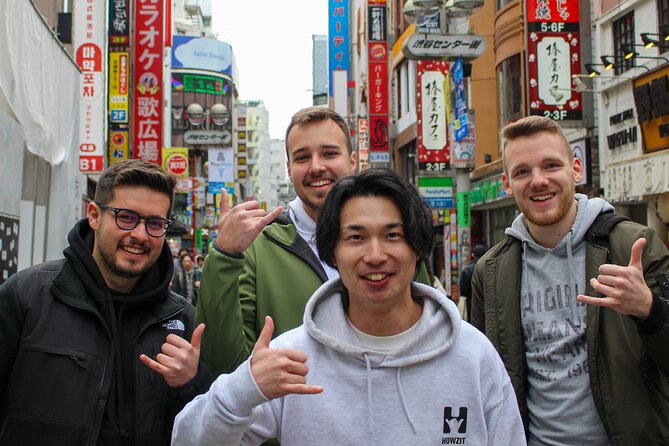
Shinjuku Gyoen National Garden brings ponds, streams, bridges, and seasonal plants into the middle of Tokyo. It is a good pick for a slower walk and a break from dense commercial districts. The suggested 15-minute visit is brief, so you will get an introduction rather than a complete tour of the garden.
The official daytime choices do not tell the whole story of what Howzit Japan may arrange. Ayumi has guided an evening outing through Golden Gai and helped make the narrow bar district feel less intimidating. That kind of personal escort can be valuable if you want to see nightlife but are unsure about local customs or where to begin.
Golden Gai is not the right choice for every group. Families with young children may prefer a park or temple, and anyone wanting a quiet evening should say so. The private format lets you make that call instead of being carried along with a group.
Senso-ji Temple and the old streets of Asakusa
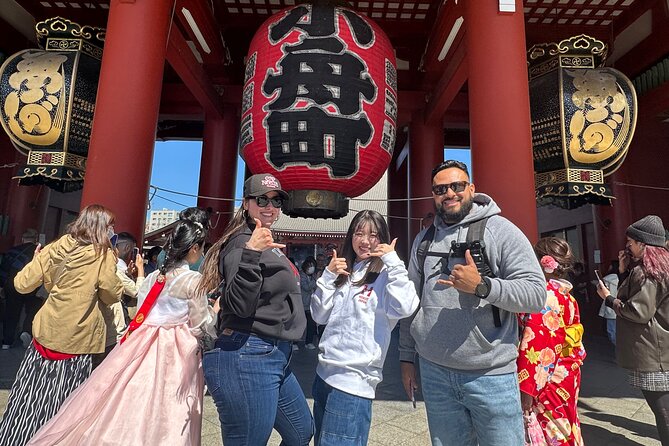
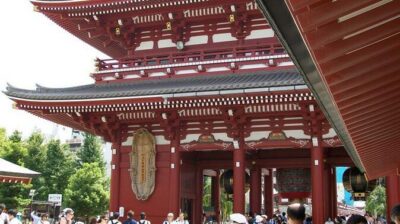
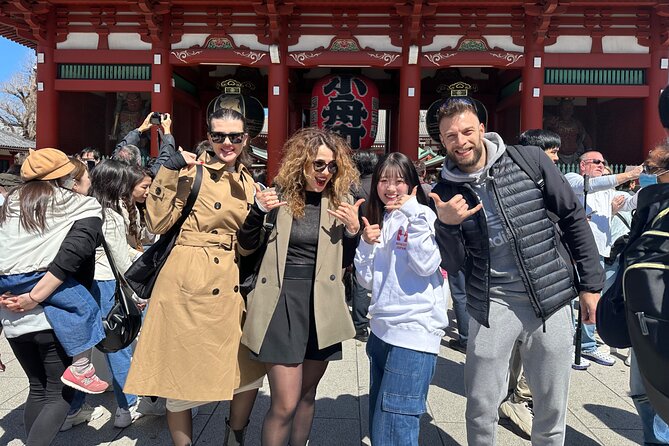
Senso-ji is one of Tokyo’s oldest and best-known temples. You approach through the Thunder Gate and along a busy path lined with shops, souvenirs, amulets, and snacks. You can draw a fortune slip and observe the rituals around the temple grounds.
The listed visit is only 15 minutes, which is enough to see the main approach and temple area if you keep moving. Asakusa deserves more time if you want to browse, ask questions about worship, or explore nearby streets. A guide can explain what you are seeing and help you avoid treating the temple as just a photo stop.
This area is a strong choice for a first Tokyo visit because it gives you a direct connection with older customs. Pair it with Ueno and Ame Yokocho if your group wants traditional streets, food, and museums rather than modern shopping.
Ame Yokocho and Ueno’s culture corridor
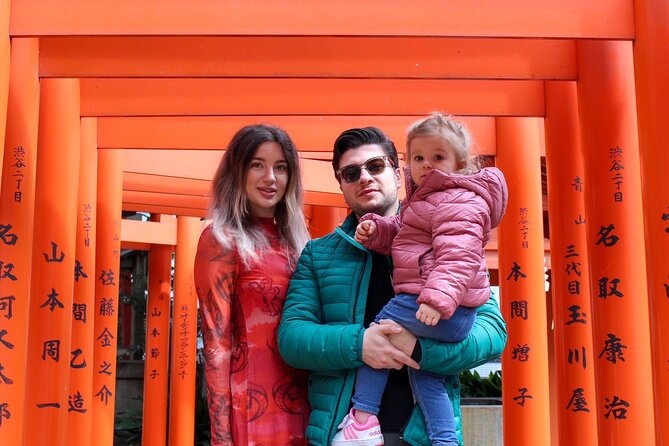
Ame Yokocho is a traditional shopping street near Ueno, with food stalls, small shops, clothing, souvenirs, and casual eateries. Possible street foods include takoyaki, okonomiyaki, and skewers. Food is not included, but this is one of the easiest places to turn a walking tour into a snack break.
Ueno Park combines green space with major cultural facilities, including Ueno Zoo and the Tokyo National Museum. The suggested 15-minute stop is too short for the museum or zoo, so choose this area for a walk and general orientation unless you arrange a longer custom visit.
Ame Yokocho and Ueno make a practical pair. The market gives you street energy and inexpensive food options, while the park offers room to slow down. Just remember that the guide’s lunch is your responsibility too. Lunch usually runs about 1,000 to 3,000 JPY per person, and drinks are also extra.
Akihabara for electronics and anime culture
Akihabara is the clearest choice for electronics, anime merchandise, and otaku culture. The central streets are lined with electric shops and specialty stores, creating a very different mood from Asakusa or Meiji Shrine.
The suggested 30-minute visit works as an introduction. It does not leave much time for comparing electronics or browsing several specialty shops. If Akihabara is a major reason for booking, make it the center of your route and be clear about what you want to find.
This is another place where a local guide can save time. You can ask for general orientation, shopping help, or a route focused on the part of the district that interests you. The experience does not include purchases, and any shopping costs are your own.
Tsukiji Market, from seafood counters to lunch
Tsukiji is a natural choice for people who plan their Tokyo days around food. The market area offers seafood restaurants and shops selling ingredients, condiments, and souvenirs. It is also one of the best places to ask your guide for help choosing between a quick taste and a proper meal.
The suggested visit lasts 30 minutes, but food queues and browsing may stretch that time. If you want lunch here, build the meal into the plan instead of trying to squeeze it between several other stops.
Food and drinks are not included. That is a drawback for anyone expecting an all-inclusive food tour, but it gives you control over what you buy and how much you spend. One family outing combined Tsukiji tastings with sushi and tempura lunch, showing how well this area can work when food is a main goal.
Odaiba and Tokyo’s futuristic waterfront
Odaiba offers a different side of the city, with entertainment, shopping malls, attractions, and Odaiba Seaside Park. You can walk, picnic, and look toward Rainbow Bridge, especially if your timing allows for evening views.
The suggested 15 minutes is a quick scenic stop. It is not enough for the malls and attractions as well as the waterfront. Odaiba is also farther from the central neighborhoods on this list, so transportation time matters more here.
I would choose Odaiba for a relaxed waterfront outing or a modern Tokyo theme. I would not add it to a route that already includes Shibuya, Asakusa, Ueno, and Akihabara in only four hours.
What the guides do best
The strongest pattern in the guide feedback is flexibility. Yu is described as professional, fun, and attentive to requests. Yu and Yuki have planned thoughtful outings for families visiting Japan for the first time. Ayumi has adapted a route to a slower walking pace and has guided visitors into Golden Gai and Omoide Yokocho.
That matters because Tokyo can overwhelm a group with different goals. One family had two teenage daughters with separate must-see lists, and the day was adjusted so everyone could get something they wanted. This is where a private tour earns its price more convincingly than a standard sightseeing route.
The experience is also useful for cultural questions. Guides have introduced visitors to local places, explained Japanese culture, and helped with everyday skills such as using public transportation. You should arrive with a short list of priorities, but leave room for the guide to suggest a better order.
Who should book, and who should skip it
I would recommend this for first-time visitors who want a gentle introduction, families with mixed interests, and anyone nervous about navigating Tokyo alone. It also fits returning visitors who want help with a specific neighborhood, food area, or nightlife district.
It is less suitable if you want a detailed museum tour, a full-day city tour, or guaranteed access to every stop named above. It may also feel expensive if you are comfortable planning routes, reading train signs, and choosing restaurants yourself.
The booking pattern suggests people reserve about 37 days ahead on average, so planning early is sensible. Confirmation is provided within 48 hours, subject to availability. Free cancellation is available up to 24 hours before the start time, but poor weather can lead to a different date or a full refund. Changes or cancellations inside that 24-hour window are not accepted.
Should you book this Tokyo experience?
Book it if you want a flexible local introduction rather than a checklist tour. The best use of the experience is to choose one clear theme, such as modern Tokyo, temples and markets, family highlights, food, or nightlife, then let the guide shape the route.
At $105.71 per person, it is a splurge for a short outing. For a private group that wants personal help, a slower pace, and fewer navigation worries, the cost can be fair. Just confirm the duration, agree on your priority stops, and remember that transport, meals, and drinks are extra.
FAQ
Where does the tour start?
The standard meeting point is Shibuya Station at 2 Chome-24, Shibuya, Tokyo 150-0002, Japan.
Can the guide meet me somewhere else?
Yes. An optional meetup at your desired location can be arranged.
How long does the tour last?
The tour is advertised as approximately two to four hours. Some custom outings described in the available information lasted longer, so confirm the exact duration when arranging your experience.
Is transportation included?
No. The tour is mainly on foot, with some public transportation used. Transportation fees are not included.
Are food and drinks included?
No. Food and drinks are extra. Lunch for you and your guide usually costs about 1,000 to 3,000 JPY per person.
Will the tour visit every listed Tokyo stop?
No guarantee is provided. The listed locations are possible stops, but the two to four-hour duration means you will need to select the places that best match your interests.
Is cancellation free?
You can cancel at least 24 hours before the start time for a full refund. Poor weather may result in a different date or a full refund, while late cancellations and changes are not accepted.
Just added around Tokyo
- Tokyo Small Group Tour with Guide★ 4.5 · 38 reviews
- Tokyo 6hr Instagram Highlights Private Tour with Licensed Guide★ 5.0 · 38 reviews
- Tokyo Sumo Experience with Live Show & Audience Challenge★ 5.0 · 38 reviews
- Very popular in Harajuku♡Animal petting zoo★ 4.6 · 39 reviews
- Japanese Food Cooking Class in Asakusa, Tokyo★ 5.0 · 39 reviews
- Ramen Making from Scratch with Tokyo Mom(Vegan Option Available)★ 5.0 · 39 reviews
- Tokyo: Kimono Rental inside Shinjuku Gyoen National Garden★ 4.9 · 39 reviews
- Tokyo JDM Night: 600hp C63s AMG Edition 1 (Private)★ 4.9 · 39 reviews
Private, compared.
Tokyo 6hr Private Tour with Government-Licensed Guide
Read our review →
Private Tour to Mt. Fuji and Hakone (Fully Licenced Operator)
Read our review →
Fushimi Inari Hidden Hiking Tour (Private Option Available)
Read our review →
Private Kyoto Tour with a Local, Highlights & Hidden Gems, Personalised
Read our review →
Tokyo Customized Private Tour (Must See Places in 1 Day)
Read our review →
Mount Fuji Full-Day Private Tour from Tokyo (Customizable)
Read our review →
Private City Highlights Tour with Local Guide
Read our review →