
Reviewed · FISH MARKET TOURS
Classic Tsukiji Food Tour
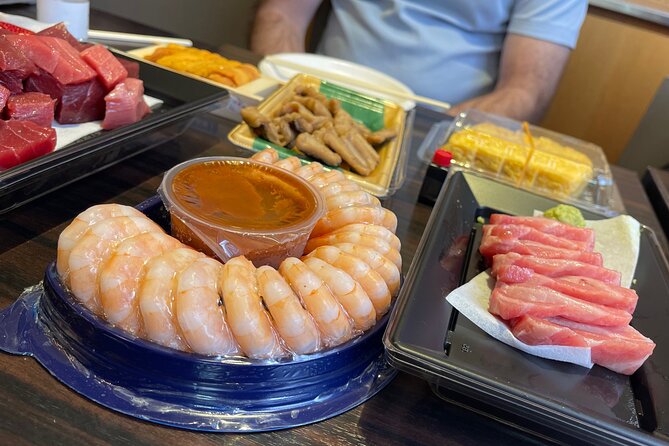
Fresh fish is only the beginning. The Classic Tsukiji Food Tour gives you a three-hour morning walk through Tokyo’s historic outer market, where food stalls, seafood shops, shrines, and small eateries still shape daily life. I like the small group of no more than 10 people, and I like that the tour includes a full specialty seafood breakfast rather than a few token bites. The main drawback is the $231 price, especially if you do not eat seafood or prefer to explore markets at your own pace.
You meet at Turret Coffee Tsukiji at 8:30 a.m. and return to the same area. The tour includes one drink, tastings, breakfast, and an English-speaking guide, but not transportation, extra food, or hotel pickup. Guides such as Asami, Jordan, and Asha have earned especially warm praise for making the food easy to understand and treating the group like family.
In This Review
- Key points to know before booking
- Why Tsukiji still matters after the wholesale move
- Meeting at Turret Coffee Tsukiji
- Coffee, orientation, and the first taste
- Tsukiji Hongan-ji adds a quieter pause
- Walking the outer market with a guide
- Seasonal bites before the main breakfast
- The specialty seafood breakfast
- Namiyoke Inari Shrine and a sweet finish
- Group size, walking, and timing
- Who will get the most from this tour?
- Should you book the Classic Tsukiji Food Tour?
- FAQ
- Where does the Classic Tsukiji Food Tour start?
- What time does the tour begin?
- How long does the experience last?
- Is breakfast included?
- Does the tour include transportation or hotel pickup?
- Can vegetarians or people on special diets join?
- What happens if the tour is canceled because of weather?
Key points to know before booking
- A morning start at 8:30 a.m. puts you in Tsukiji while the market area is active and many food businesses are open.
- Breakfast is part of the tour, with a full specialty seafood meal rather than only small samples.
- The outer market remains the focus, since wholesale fish operations moved elsewhere, but many specialty vendors stayed in Tsukiji.
- Asami, Jordan, and Asha have been praised for clear explanations, cultural insight, and a friendly approach.
- Namiyoke Inari Shrine and Tsukiji Hongan-ji add religious and neighborhood context to the food stops.
- Cash matters, since credit cards are not generally accepted at market shops and stalls.
Why Tsukiji still matters after the wholesale move
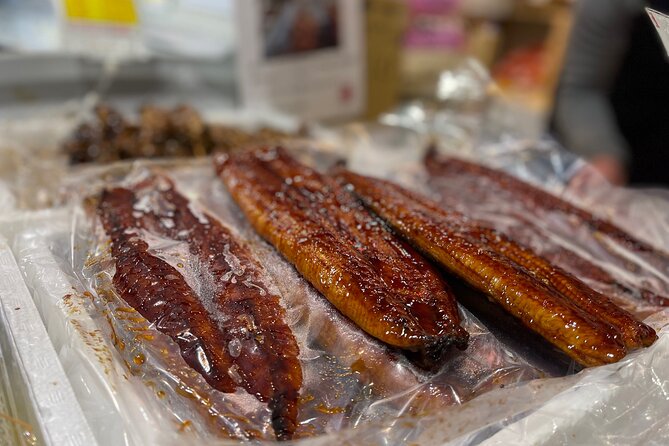
Many people first hear about Tsukiji because of its famous wholesale fish market. The wholesale vendors have moved, but the outer market remains a major food district, with seafood shops, restaurants, specialty sellers, and businesses that have stayed in the area for generations.
That distinction matters. This experience is not a tour of the old wholesale auction floor. You will not be touring every working section of the former market. Instead, you will spend your time in the public-facing outer area, where you can see how ingredients are sold, prepared, discussed, and folded into ordinary Japanese meals.
I think that makes the tour a useful first look at Tokyo food culture. You are not simply walking past stalls with a guide naming fish. You are given tastings, explanations, and a proper meal, so the market becomes easier to understand through your appetite.
The setting also gives you a look at small businesses that chose to remain in Tsukiji. That adds a sense of continuity to the visit. Some shops are modern, while others carry traditions that reach back more than 100 years.
More Food Tours in Tokyo
- Tokyo: Shinjuku Food Tour (13 Dishes at 4 Local Eateries)
★ 5.0 · 6,603 reviews - Tokyo Tsukiji Fish Market Food and Culture Walking Tour
★ 5.0 · 3,184 reviews - Tokyo: Shinjuku Food Tour (15 Dishes and 4 Eateries)
★ 4.9 · 2,033 reviews
Meeting at Turret Coffee Tsukiji
The tour begins at Turret Coffee Tsukiji, at 2-chōme-12-6 Tsukiji, Chuo City. Your start time is 8:30 a.m., and the tour ends back in the same Tsukiji area.
Beginning with coffee is a smart choice. You have a chance to get oriented before the food stops begin, and the first drink is included. The meeting point is near public transportation, but hotel pickup is not included, so you need to make your own way there.
The early start is worth noting when planning your Tokyo days. You will need to reach Tsukiji on time, and a three-hour food walk works best when you have not already eaten a large breakfast. The tour is family-friendly, but children must be accompanied by an adult. Children aged 10 and above require a copy of passport information.
If you are traveling alone, contact the provider by email before booking. That small step can help confirm how solo participants are placed in the group.
Coffee, orientation, and the first taste
After meeting your guide, you start with a drink and an introduction to the Tsukiji neighborhood. The opening stop is brief, but it gives the tour a gentle beginning instead of sending you straight into a line at a food stall.
The guide’s role becomes important here. A good market visit needs more than names and directions. You want to know why a certain food matters, how it is usually eaten, and what makes it different from something you may have tried at home.
The strongest feedback about this tour centers on the guides. Asami is described as warm and especially good at making Japanese customs understandable. Jordan has guided alongside her as a newer Tsukiji guide, while Asha has also been praised for clear explanations and a friendly manner.
I would value that personal approach in a market. Food customs can be easy to misunderstand when you are looking at an unfamiliar ingredient or eating something in a way you did not expect. The tour is designed to provide the context at the moment you need it.
Tsukiji Hongan-ji adds a quieter pause
The route includes Tsukiji Hongan-ji, a major Buddhist temple near the market. The supplied schedule does not give a separate duration for this stop, so treat it as part of the walking route rather than a long temple visit.
This pause helps break up the food sampling. Tsukiji can feel like a place of constant movement, and a temple stop gives you a chance to notice the neighborhood beyond its shops and restaurants. Your guide may connect the temple and surrounding streets to local customs, but exact explanations can vary with the day’s route and conditions.
The temple also makes the tour feel broader than a simple breakfast crawl. You are seeing food within a living neighborhood, not in an isolated tourist display. That is one reason the experience can work well near the beginning of a Tokyo visit.
More fish market tours in Tokyo:
- Tokyo: Tsukiji Fish Market Food and Walking tour
★ 5.0 · 1,724 reviews - Tokyo: Tsukiji Fish Market Guided Walking Tour
★ 4.9 · 1,397 reviews - Tokyo Sushi Making Class in Tsukiji with Professional Chef
★ 5.0 · 1,177 reviews - Tsukiji Fish Market Guided Tour and Sushi Making with Pro Chef
★ 5.0 · 775 reviews
Walking the outer market with a guide
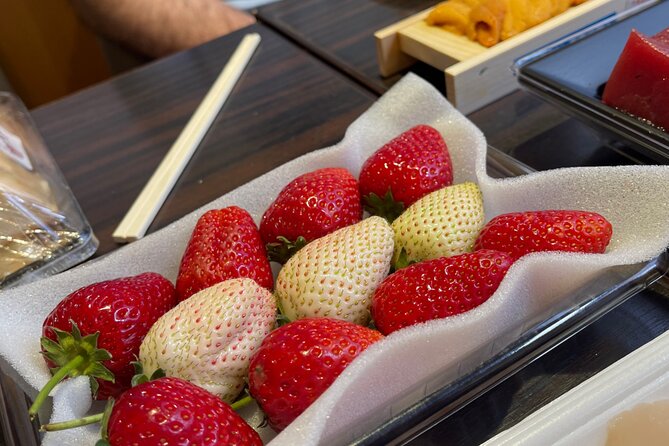
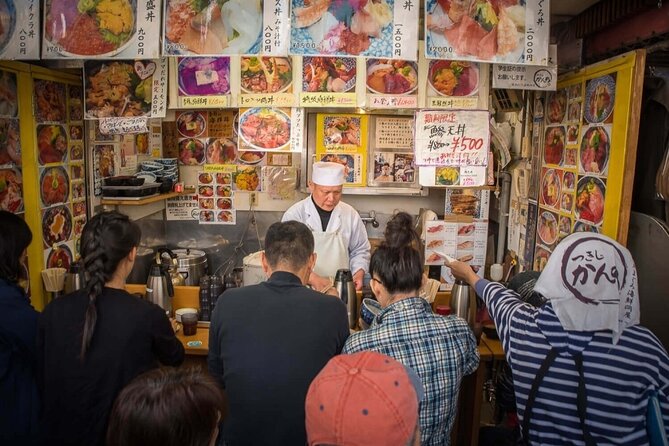
The main portion takes place in the Tsukiji Outer Market. You visit specialty seafood vendors and traders who remained in the district after the wholesale market moved.
Expect a guided walk through food businesses rather than a formal museum-style tour. The group stops to learn about seafood specialists, market products, and Japanese food traditions, with seasonal tastings along the way. Some of the stops may change because of restaurant schedules, public holidays, weather, or other conditions.
The short stop descriptions should not lead you to expect a long visit at every individual business. The full experience lasts about three hours, but the route includes several moving parts: coffee, market walks, tastings, a shrine, and breakfast. You are likely to spend more time experiencing the area as a whole than standing in one shop.
One especially memorable detail from the tour is the chance to see a live blowfish. That is not a promise that every market visit will produce the same sight, but it shows the kind of food-world detail that can make this tour more interesting than a standard tasting route.
I also like that the food is not limited to one narrow category. The experience focuses on seafood, but the food coverage includes more than fish alone. You may learn about ingredients and customs that place seafood within the wider Japanese meal.
Seasonal bites before the main breakfast
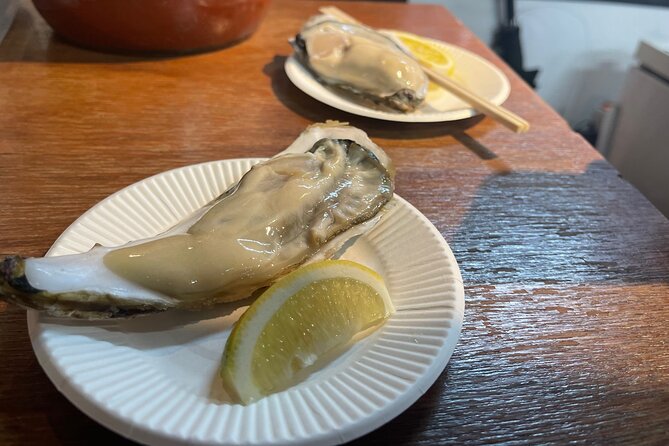
A special tasting break is included during the market walk. The exact items are seasonal, so you should expect the menu to change rather than arrive with a fixed checklist of dishes.
That flexibility is useful in a working market. Fresh products depend on supply, shop schedules, and the time of year. It also means you should think of the tour as an introduction to Tsukiji’s food culture, not as a guaranteed list of specific delicacies.
The tasting format gives you a chance to try foods with guidance before sitting down to eat. If you are unsure about an ingredient, this is the moment to ask your guide about flavor, preparation, or local custom.
Bring cash if you plan to buy extra snacks, gifts, or ingredients. Credit cards are not generally accepted at market shops and stalls. Extra food and drinks are also not included, so your spending can rise beyond the tour price if you start buying souvenirs.
The specialty seafood breakfast
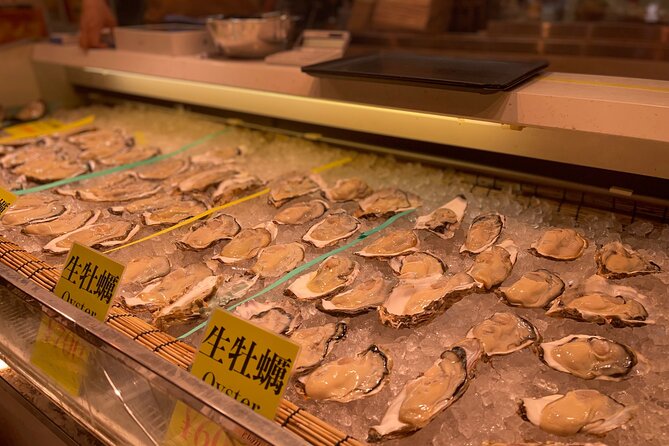
The included breakfast is the heart of the experience. It is described as a full Tsukiji specialty seafood breakfast, not merely a small plate passed around during the walk. One drink is included as well.
This is where the $231 price needs a fair look. You are paying for a three-hour guided experience, multiple tastings, breakfast, a drink, and access to a guide who can explain what you are seeing. For someone who wants a structured introduction to Tsukiji and would otherwise struggle to choose among unfamiliar shops, that package may offer solid value.
For a confident Tokyo eater who enjoys finding food alone, the cost may feel high. You could explore the outer market independently and pay only for what you order. The tour makes more sense if you want help with choices, cultural background, and the social ease of a small group.
The breakfast also places practical limits on who should book. Vegetarian, pescatarian, and gluten-free arrangements are available, but the tour is not recommended for vegans or people who do not eat seafood. Tell the provider about your dietary needs when arranging the experience, and remember that menu substitutions may depend on what is available.
Namiyoke Inari Shrine and a sweet finish
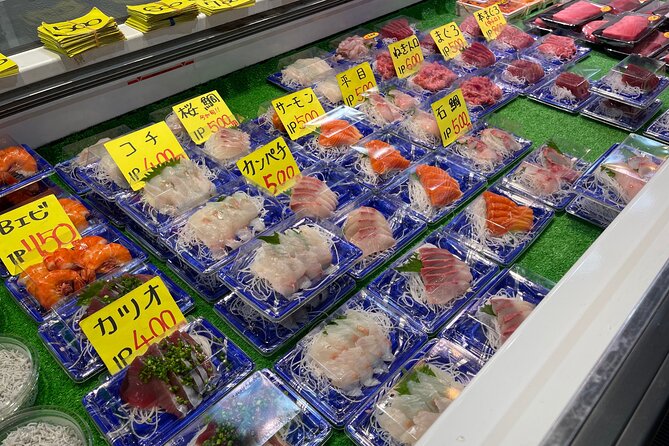
Namiyoke Inari Shrine is another short stop on the route. The visit is listed at about five minutes, so expect a quick blessing and orientation rather than an extended religious tour.
The shrine is closely tied to the local market community, making it a fitting stop during a food-focused walk. It gives you a chance to see the spiritual side of the neighborhood and to understand that the market is more than a collection of commercial stalls.
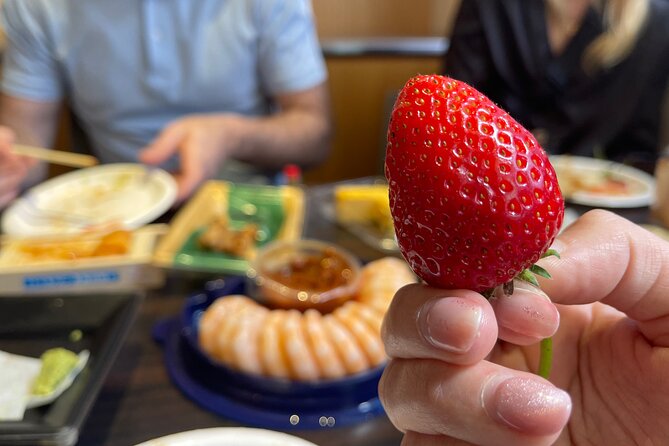
The day finishes with a sweet Japanese snack. This is a good piece of pacing. After coffee, savory tastings, seafood, and breakfast, a sweet bite gives the tour a clear ending without adding another full meal.
Your return point is the same Tsukiji address where you began. That is convenient if you want to continue exploring the area afterward, though any later food, shopping, or transportation costs are your responsibility.
Group size, walking, and timing
The maximum group size is 10 people. That is small enough for questions and for a guide to keep the group together in narrow market passages, though the experience is still a walking tour in a working food district.
You should have a moderate level of physical fitness. The supplied information does not give a precise walking distance or list specific accessibility features, so anyone with mobility concerns should contact the provider before booking.
Plan for changes. Market calendars, restaurant hours, public holidays, weather, and other unexpected issues can affect the route and the places you visit. Substitutions may be made when needed. This is normal for a working market, but it means you should not treat every stop as fixed.
The tour requires good weather and a minimum number of participants. If poor weather or low enrollment cancels the experience, you will be offered another date or experience, or a full refund.
Who will get the most from this tour?
I would recommend it most strongly to first-time Tokyo visitors who want an easy introduction to Japanese food customs. You will get more from the walk if you enjoy asking questions, trying seafood, and learning why a dish or ingredient belongs in the market.
It also suits families with older children, couples who want a food-centered morning, and solo visitors who prefer a guide and a small group. The friendly teaching style associated with Asami, Jordan, and Asha is a real benefit for anyone who wants cultural explanation along with breakfast.
You may want to skip it if you are vegan, avoid seafood, or dislike scheduled tastings. It is also less appealing if the $231 cost would prevent you from eating at other restaurants during your Tokyo stay.
The tour is a good fit for a first or second day in the city because it can help you understand Japanese food habits early in your trip. If you already know Tsukiji well, the value depends on how much you want guided interpretation and access to organized tastings.
Should you book the Classic Tsukiji Food Tour?
Book it if you want more than a walk through food stalls. The combination of a small group, local English-speaking guide, seasonal samples, shrine stops, and a full seafood breakfast gives you a clear introduction to Tsukiji’s public market area.
I would not book it solely because you expect to see the old wholesale fish auction. That is not what this experience offers. Book it for the outer market, the vendors who stayed, the food traditions, and the chance to ask questions while you eat.
At $231 per person, it is a premium morning outing. The price is easiest to justify if you value guidance and would otherwise feel unsure about where to eat. Bring cash, arrive ready for breakfast, and accept that weather or market schedules may change the route.
FAQ
Where does the Classic Tsukiji Food Tour start?
The tour starts at Turret Coffee Tsukiji, 2-chōme-12-6 Tsukiji, Chuo City, Tokyo 104-0045, Japan.
What time does the tour begin?
The tour begins at 8:30 a.m.
How long does the experience last?
The walking tour lasts approximately three hours.
Is breakfast included?
Yes. The experience includes a full Tsukiji specialty seafood breakfast and one drink.
Does the tour include transportation or hotel pickup?
No. Hotel pickup, hotel drop-off, and transportation costs are not included.
Can vegetarians or people on special diets join?
Vegetarian, pescatarian, and gluten-free options are available. The tour is not recommended for vegans or people who do not eat seafood.
What happens if the tour is canceled because of weather?
You will be offered a different date or a full refund if poor weather causes the experience to be canceled.
Just added around Tokyo
- Tokyo 6hr Instagram Highlights Private Tour with Licensed Guide★ 5.0 · 38 reviews
- Tokyo Small Group Tour with Guide★ 4.5 · 38 reviews
- Tokyo Sumo Experience with Live Show & Audience Challenge★ 5.0 · 38 reviews
- Japanese Food Cooking Class in Asakusa, Tokyo★ 5.0 · 39 reviews
- Very popular in Harajuku♡Animal petting zoo★ 4.6 · 39 reviews
- Ramen Making from Scratch with Tokyo Mom(Vegan Option Available)★ 5.0 · 39 reviews
- Tokyo JDM Night: 600hp C63s AMG Edition 1 (Private)★ 4.9 · 39 reviews
- Tokyo: Kimono Rental inside Shinjuku Gyoen National Garden★ 4.9 · 39 reviews
Fish Market Tours, compared.
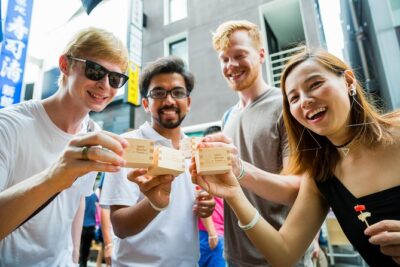
Tokyo Tsukiji Fish Market Food and Culture Walking Tour
Read our review →
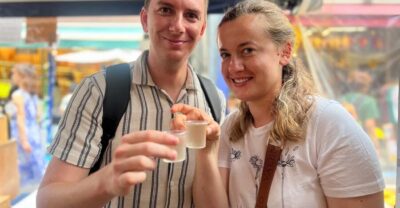

Tokyo Sushi Making Class in Tsukiji with Professional Chef
Read our review →
Tsukiji Fish Market Guided Tour and Sushi Making with Pro Chef
Read our review →Tsukiji Fish Market Food and Culture Walking Tour
Read our review →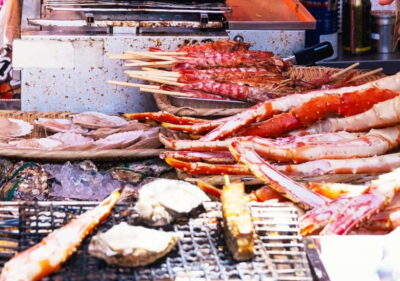
Tsukiji Fish Market: Street Food & Culture Walking Tour
Read our review →
Tsukiji Fish Market Small-Group Food Walking Tour
Read our review →Browse the lists this tour appears in