
Reviewed · CYCLING TOURS
Discover Kyoto at Night by Bike
Kyoto looks different after sunset. This 3-hour-45-minute bicycle tour links lantern-lit Gion, Fushimi Inari, Yasaka Pagoda, Ninenzaka, and other historic corners while the streets grow quieter. I like the chance to ride along the river and see temples and shrines at night, and I like the small maximum group of nine, which should make it easier to keep the outing personal. The main caution is pace: the guide-led stops can mean more standing and listening than some cyclists expect.
I especially like that the tour includes the bicycle, entrance fees, and bottled water, so the $80 price is fairly clear from the start. I also like the bilingual guiding and the chance to see Kyoto away from the strongest daytime crowds. You should be a reasonably confident cyclist, though, and come prepared for a tour where cultural explanation is a major part of the experience.
In This Review
- Key points before you book
- Why Kyoto works so well after sunset
- Fushimi Inari: 40 minutes among the torii gates
- Miyagawa-cho and Gion: lanterns, lanes, and old Kyoto
- Yasui-Konpiragu and the meaning behind the shrine
- Yasaka Pagoda and Ninenzaka after dark
- How much riding should you expect?
- Riding ability, comfort, and group size
- What the $80 price really covers
- Booking timing and cancellation flexibility
- Who will enjoy this evening most?
- Should you book Discover Kyoto at Night by Bike?
- FAQ
- Where does the Kyoto night bicycle tour start?
- What time does the tour begin?
- Where does the activity end?
- How long does the tour last?
- What is included in the price?
- Is hotel transportation included?
- How many people can join the tour?
- What happens if bad weather cancels the tour?
Key points before you book
- Fushimi Inari after dark: Spend about 40 minutes at Kyoto’s famous shrine and its thousands of torii gates.
- A small group of up to nine: The limited size is useful for city riding and makes it easier to hear the guide.
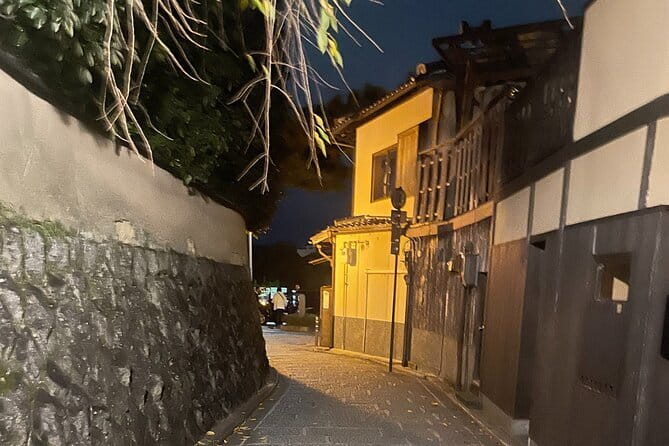
- A lantern-lit historic route: Miyagawa-cho, Gion, Yasaka Pagoda, and Ninenzaka are especially atmospheric at night.
- About $80 with the basics included: The price covers the bicycle, entrance fees, and bottled water, but not gratuities or hotel transport.
- Best for confident riders: You need moderate physical fitness, and one rider specifically advised against treating this as a first bicycle outing.
- A guide-focused experience: Expect history, customs, and conversation as well as cycling. The balance may not suit anyone seeking a fast-paced ride.
Why Kyoto works so well after sunset
Kyoto is often at its prettiest when the daylight softens. Lanterns pick out old wooden buildings, narrow lanes feel more intimate, and the city’s major sights can seem less crowded than during the middle of the day.
A bicycle gives you a useful middle ground. You cover more ground than on foot, but you are still close enough to notice small details in the streets. You also avoid spending the whole evening stepping on and off buses or walking between districts.
This is not simply a bicycle rental with a suggested route. The guide leads the group through a series of historic areas and explains Kyoto’s customs, religious sites, and traditional neighborhoods. The bilingual format is helpful if you want context rather than a ride with no commentary.
The meeting point is at the 7-Eleven at 44-1 Higashikujō Kamitonodachō in Minami Ward. The scheduled start is 5:00 pm, and the ride returns to that same meeting point. Since the exact amount of daylight changes with the season, you may begin in fading light and finish fully after dark, but the experience is designed around Kyoto’s evening atmosphere.
More Bike Tours in Kyoto
- Hidden Kyoto E-Biking tour
★ 5.0 · 1,843 reviews - Bike Tour Exploring North Kyoto plus Lunch
★ 5.0 · 1,087 reviews - Arashiyama Bamboo Forest & Hidden Gems Bike Tour (Early Bird)
★ 5.0 · 613 reviews
Fushimi Inari: 40 minutes among the torii gates
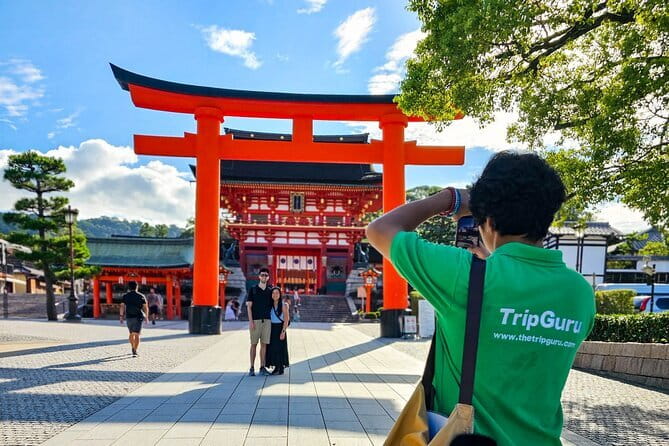
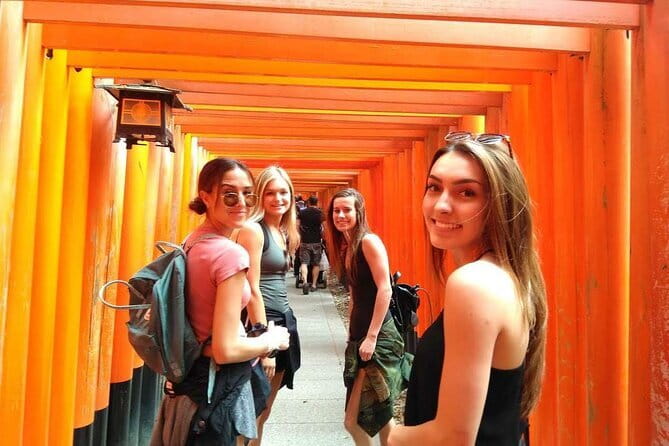
The first major stop is Fushimi Inari-taisha, Kyoto’s most visited Shinto shrine. Its thousands of torii gates form the famous orange corridors that climb into the wooded hills.
The tour allows about 40 minutes here, the longest stop on the route. That gives you enough time to take in the entrance area and walk among some of the gates without turning the visit into a long uphill excursion.
At night, Fushimi Inari has a different mood from the bright, crowded daytime version. The lanterns and shadowed paths can make the shrine feel more solemn. You should also keep your expectations sensible: 40 minutes is enough for a taste, not for a full walk up the mountain.
There is no separate admission fee listed for this stop. The value here comes from having a bicycle route that connects Fushimi Inari with the evening neighborhoods farther west, rather than visiting the shrine as an isolated stop.
Miyagawa-cho and Gion: lanterns, lanes, and old Kyoto
After Fushimi Inari, the route moves toward Miyakawa-cho Dori, also called Miyagawa-cho. This district runs parallel to the Kamogawa River, just south of Gion, and is known for its traditional atmosphere.
The stop lasts about 15 minutes. That is brief, but it gives you a chance to see the lantern-lit street and hear how the district fits into Kyoto’s performing arts culture. The appeal is less about entering a particular building and more about seeing the old streets in the evening.
The route then continues to Gion for about 10 minutes. Hanamikoji Street, with its traditional tea houses, is one of Kyoto’s best-known historic lanes. At night, the wooden facades and restrained lighting create a scene that feels very different from a daytime sightseeing street.
You should treat these areas with care. Gion is a working neighborhood, not a theme park, and the tour’s value is in observing its streets respectfully. The short stop also means you should not expect a long visit inside a tea house or a scheduled performance. This is an outdoor introduction to the district.
Yasui-Konpiragu and the meaning behind the shrine
Yasui-Konpiragu is a small but unusual stop. After riding through maiko and geisha areas, you visit a Shinto shrine associated with cutting ties to harmful relationships or habits and forming better ones.
The stop is scheduled for about 10 minutes. That may be enough to hear the story and understand why the shrine matters, but it is not a long spiritual visit. The site adds variety to the evening because it is not just another photogenic street or large temple.
I like this kind of stop on a guided route. It gives you a cultural detail that is easy to miss if you only follow Kyoto’s most famous photo spots. The shrine’s purpose also shows how religious practice in Kyoto can be direct and personal, tied to everyday hopes and problems.
There is no separate admission fee listed. As with the other short stops, listen closely to the explanation, then let the group continue rather than expecting a long period for independent exploration.
A completely different kind of day out in Kyoto:
- PERFECT KYOTO 1-Day Bus Tour
★ 5.0 · 13,518 reviews - Kyoto: Fushimi Inari, Kinkakuji, Bamboo Grove 1 Day Bus Tour
★ 4.8 · 4,316 reviews - Kyoto: Tea Ceremony in a Traditional Tea House in Kiyomizu
★ 4.9 · 3,519 reviews - Kyoto Geisha Walking Tour: Gion District & Hidden Gems
★ 4.7 · 3,273 reviews
Yasaka Pagoda and Ninenzaka after dark
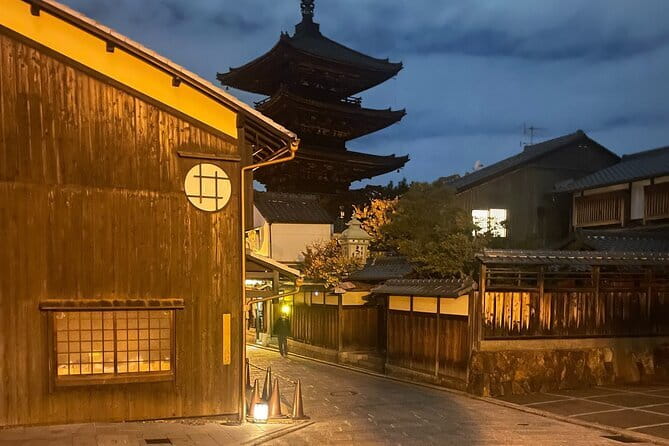
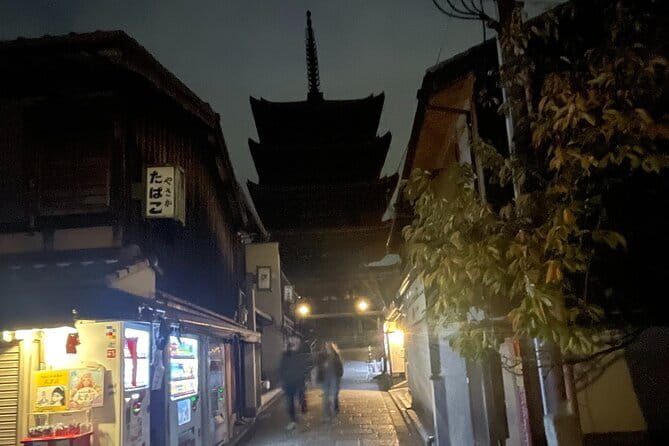
Hōkan-ji Temple, better known as Yasaka Pagoda, is one of the most recognizable sights in the Higashiyama district. The pagoda rises above narrow stone streets and traditional machiya townhouses, making this one of the strongest photo stops on the ride.
The planned visit lasts about 15 minutes. That is enough to pause, frame the pagoda, and look around the surrounding lanes. It is not enough for a detailed temple visit, and the schedule does not promise entry into the pagoda itself.
Ninenzaka follows for another 15 minutes. This sloping street is often described as one of Kyoto’s most traditional areas, with old-style buildings and a strong sense of place. At night, the reduced light can make the street especially attractive in photographs.
There is a practical issue here: historic lanes and slopes are not the same as smooth cycle paths. You will need to pay attention to the bicycle, the group, and other people using the street. The tour is not a race, and careful riding matters more than covering every meter quickly.
The itinerary also includes a park described as the best-known park in Higashiyama, with cherry trees, ponds, and wooden bridges. The supplied schedule does not give the park’s name or a precise time allocation, so you should regard it as an additional scenic stop rather than plan around a long visit.
How much riding should you expect?

The tour lasts approximately 3 hours and 45 minutes, but not all of that time is spent pedaling. The listed stops account for roughly 105 minutes, before allowing for transitions, orientation, and conversation.
That matters because this is a sightseeing tour by bicycle, not a continuous cycling excursion. One outing reportedly included about 1 hour and 45 minutes of actual riding, with the remaining time spent at sights or listening to the guide. On another occasion, the tour ran about 45 minutes beyond the stated finish because the guide’s explanations continued.
Some people will see that as a benefit. If you want Kyoto’s stories, customs, and neighborhood context, the stops give the evening shape. If you booked this mainly for exercise or a long ride, the amount of talking may feel excessive.
The best approach is to choose this experience for its combination of cycling and guided sightseeing. Before booking, ask yourself which part matters more. You should be happy with a measured pace and regular pauses.
Riding ability, comfort, and group size
The tour requires a moderate level of physical fitness. You do not need to be an athlete, but you should already feel comfortable controlling a bicycle in an urban setting and managing a ride that lasts several hours.
A past participant described the outing as unsuitable for first-time riders and advised choosing a warmer night. That is useful guidance. Kyoto evenings can feel cool, and you will be outside for most of the experience, so seasonal clothing matters even though the tour does not list special clothing as an inclusion.
The group maximum is nine people. That is a sensible size for moving through city streets and keeping the guide within speaking distance. It also gives the experience a more personal feel than a large coach excursion.
Safety depends partly on your own riding habits. Stay alert near narrow streets, slopes, pedestrians, and busy areas. The tour visits historic districts rather than a dedicated bicycle track, so confidence and patience are more important than speed.
One especially positive account described guide Juan as attentive to bicycle safety. The guide’s care helped make the ride comfortable, particularly for a solo participant who ended up as the only person booked that evening. The operator did not cancel that departure, which turned the outing into a private-style experience at the regular tour format.
What the $80 price really covers
At $80 per person, this is not the cheapest way to see Kyoto’s temples and streets. You can walk through several of these districts without paying for a tour, and many shrine grounds have no admission charge.
The price makes more sense if you put value on the bicycle, the route planning, the guide, and the evening timing. You receive use of the bicycle, all entrance fees, and bottled water. You also get a structured path between Fushimi Inari, southern Higashiyama, Gion, and the river area, which would take more planning to organize independently.
The small group helps the value. A maximum of nine people is far more manageable for cycling than a large sightseeing group. If the group is small on your date, you may receive extra attention and a calmer ride.
The price does not include transport from your hotel or a gratuity for the guide. You must reach the 7-Eleven meeting point yourself, and the activity ends there as well. The meeting point is near public transportation, which helps, but hotel pickup is not part of the package.
For me, the price is fair if you want a guided evening with cultural explanation and do not mind spending substantial time stopped. It is less convincing if you want maximum cycling time for your money.
Booking timing and cancellation flexibility
This experience is commonly booked about 25 days in advance, so you should reserve ahead if your Kyoto schedule is fixed. The small group limit can make popular dates harder to secure.
A mobile ticket is provided, and confirmation arrives when you book. The activity requires good weather, so a rainy forecast can affect the departure. If poor weather cancels the tour, you are offered another date or a full refund.
You can cancel for a full refund up to 24 hours before the start time. Cancellations or changes inside that 24-hour window are not refunded or accepted, and all cut-off times use Kyoto local time.
Who will enjoy this evening most?
I would choose this tour if you want to see several famous Kyoto districts in one evening without arranging the route yourself. It is a good fit for a reasonably fit cyclist who likes history, local customs, and photo stops.
It also suits solo visitors and couples who want a small-group outing. The possibility of a very small departure, as happened for one participant, is a pleasant bonus, though you should not count on having a private tour.
You may want another option if you are a first-time cyclist, dislike riding after dark, or want a nonstop route. You should also think twice if long guide explanations quickly lose your attention. The tour leader’s enthusiasm is a strength for some people and a pacing problem for others.
Should you book Discover Kyoto at Night by Bike?
Book it if you want a gentle, story-filled way to connect Kyoto’s major evening districts. Fushimi Inari, Gion, Miyagawa-cho, Yasaka Pagoda, and Ninenzaka make a strong route, and the lantern-lit setting gives familiar sights a fresh mood.
Skip it if you expect nearly four hours of continuous riding. The experience works best when you see it as a guided cultural tour that uses bicycles for movement, not as a cycling workout. At $80, the included bicycle, water, fees, bilingual guide, and small group make the cost reasonable for the right kind of cyclist.
FAQ
Where does the Kyoto night bicycle tour start?
The tour starts at the 7-Eleven located at 44-1 Higashikujō Kamitonodachō, Minami Ward, Kyoto, 601-8002, Japan.
What time does the tour begin?
The scheduled start time is 5:00 pm.
Where does the activity end?
The tour returns to the original meeting point at the end of the experience.
How long does the tour last?
The duration is approximately 3 hours and 45 minutes.
What is included in the price?
The price includes use of a bicycle, all entrance fees, and bottled water.
Is hotel transportation included?
No. Hotel transportation is not included, so you must make your own way to the meeting point and return from there.
How many people can join the tour?
The activity has a maximum group size of nine people.
What happens if bad weather cancels the tour?
If poor weather causes a cancellation, you are offered a different date or a full refund. You can also cancel up to 24 hours before the start time for a full refund.
Just added around Kyoto
- Kyoto: Private Customizable Day Trip by Car★ 5.0 · 38 reviews
- Kyoto: Gion Night Walking Tour with Geisha Insight★ 5.0 · 39 reviews
- Kyoto: Full Day Bike Tour★ 4.9 · 39 reviews
- Private Japanese Calligraphy in Kyoto – Learn Shodō with a Master★ 5.0 · 39 reviews
- Experience a tea ceremony in an authentic tearoom, in Kyoto!★ 4.5 · 41 reviews
- Kyoto: Gion Evening Walk with Hidden Gems, Geisha & Sake★ 5.0 · 41 reviews
- Kyoto Private Photo Shoot & Tour by SnapKyoto★ 5.0 · 41 reviews
- The Way of Tea: Kyoto Crafts, Hidden Temples & Wabi-Sabi Walk★ 5.0 · 41 reviews
Cycling Tours, compared.
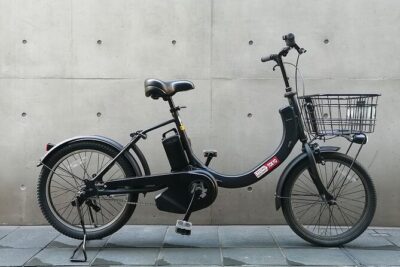
3h Tokyo E-Bike Tour: Hidden Gems, and Local Life with guide
Read our review →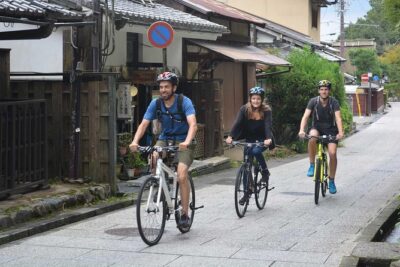
Arashiyama Bamboo Forest & Hidden Gems Bike Tour (Early Bird)
Read our review →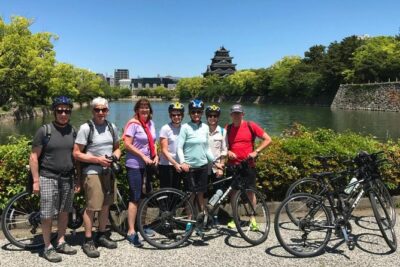
Hiroshima in a Nutshell: Morning Bike Adventure
Read our review →Browse the lists this tour appears in