Reviewed · PRIVATE
Kamakura Private & Customizable Tour – All-in-One Experience
Kamakura rewards a slower look. This private tour lets you shape the day around temples, nature, food, family needs, or lesser-known spiritual sites, rather than forcing you through a fixed route. I especially like the pre-tour planning session, which gives you a chance to explain your interests before meeting your guide. I also like the one-to-one attention, since guides such as Deen, Marco, Sofia, and Lauren have adjusted pace, food plans, transport help, and sightseeing choices for different groups.
The main drawback is that the $51 per-person price does not include public transport, private transport, or entrance tickets. You also need a reasonable level of fitness, since Kamakura sightseeing can involve stairs and plenty of walking. Still, for a solo visitor, couple, or family that wants help without joining a large group, this is an unusually adaptable way to see the city.
Your guide can help before, during, and after the tour. Deen has helped families with young children, train navigation, restaurant choices, and photography, while Marco has guided visitors through Kamakura’s temples and religious traditions. The advertised duration runs from two to eight hours, so you can book a quick introduction or build a full day around your interests.
In This Review
- Key points at a glance
- Why a private Kamakura tour makes sense
- Building your route before you arrive
- Kotoku-in and Kamakura’s great Buddha
- Hasedera for gardens, views, and religious detail
- Tsurugaoka Hachimangu and Kamakura’s shrine tradition
- Nature, quieter sites, and a slower pace
- Using trains and walking around Kamakura
- How much value do you get for $51?
- What the guides do best
- Who should book this experience?
- Practical details before you book
- FAQ
- How long does the Kamakura private tour last?
- Is the tour private?
- Can I customize the itinerary?
- Is hotel pickup included?
- Are transport fares and entrance tickets included?
- Can children join the tour?
- What should I bring?
- Is the tour suitable for wheelchair users?
- Should you book the Kamakura private tour?
Key points at a glance
- Your itinerary is planned with you: Choose temples, nature, culture, shopping areas, food, or quieter spiritual places.
- Guides adjust to your pace: Fast walkers, families with children, and visitors with mobility limits have all received different styles of touring.
- Kamakura’s major sights can fit into one route: Possible stops include Kotoku-in, Hasedera, Tsurugaoka Hachimangu, and nearby areas.
- Public transport becomes less stressful: Guides can help with local trains and stations, though fares are not included.
- Children under 12 join free: They must still be included in the booking.
- Photography may be available: Your guide can take pictures during the tour, with an optional photography session mentioned by past customers.
Why a private Kamakura tour makes sense
Kamakura is compact on a map but spread across several sightseeing areas. The city has famous temples, shrines, wooded paths, shopping streets, coastal scenery, and links to Enoshima. A fixed group tour can cover the headline sights, but it may leave little room for a quiet shrine, a food stop, or a slower visit with children.
This experience works differently. Before the day begins, your assigned guide sends start-time choices, a suggested route based on your interests, possible destinations, and pickup details if you select that option. You can accept the plan or change it.
That planning step matters. If you want religious history, your guide can give more time to temple and shrine visits. If your children tire quickly, you can keep the route shorter and less demanding. If you have already seen the main monuments, you can ask for nature, shopping, or places away from the busiest route.
The private format also means you can ask simple questions without worrying about holding up a group. Guides have explained Japanese customs, religious traditions, daily life, and local history in a conversational way. Deen, in particular, has been praised for adjusting how much detail he gives, explaining complex subjects clearly while keeping younger family members involved.
A few more Tokyo experiences worth weighing up
- Mt Fuji and Hakone 1-Day Bus Tour Return by Bullet Train
★ 5.0 · 26,383 reviews - 1-Day Tokyo Bus Tour
★ 5.0 · 14,250 reviews - Tokyo: TOKYO SKYTREE® Admission ticket
★ 4.5 · 11,192 reviews
Building your route before you arrive
The tour does not promise one standard itinerary, and that is its strength. You are not simply handed a map and told to keep up. The guide proposes a plan, then you decide what belongs in your day.
You might choose a short essentials route lasting about three hours. That can suit a first visit when you want the major sights without spending the whole day in Kamakura. Chad found this length a good match for his family, including teenagers, because it covered the city’s main points while keeping the day manageable.
With four to eight hours, you can add more temple time, a meal, shopping, nature, or Enoshima if the schedule and route allow it. One family visited Kotoku-in, Hasedera, Tsurugaoka Hachimangu, and Enoshima with Deen. That is a full day, not a quick stroll, so discuss priorities before booking rather than assuming every possible sight will fit.
You can also use the planning call for practical questions. Food restrictions, a toddler, luggage, a preferred pace, or a limited departure schedule are all worth mentioning early. Lauren helped one family work a restaurant into the plan around food restrictions and stayed engaging with the child during the day.
Kotoku-in and Kamakura’s great Buddha
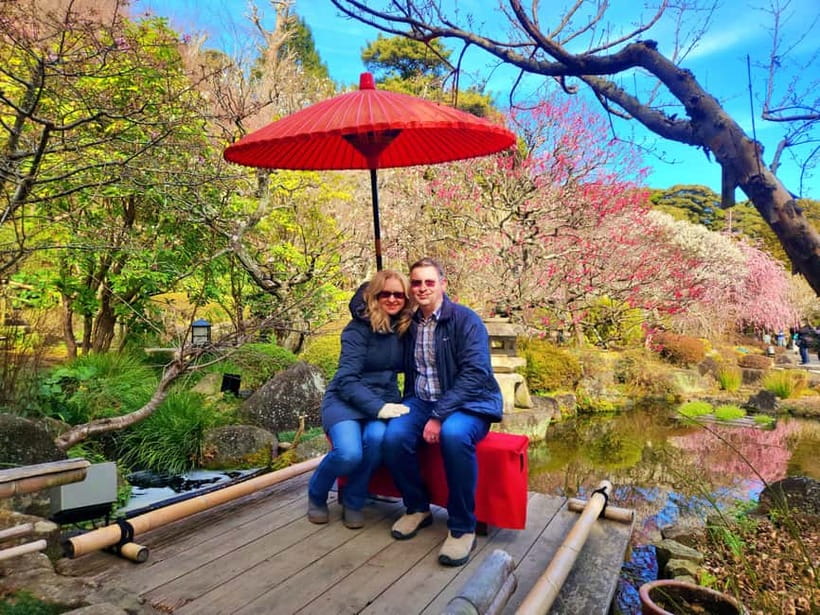
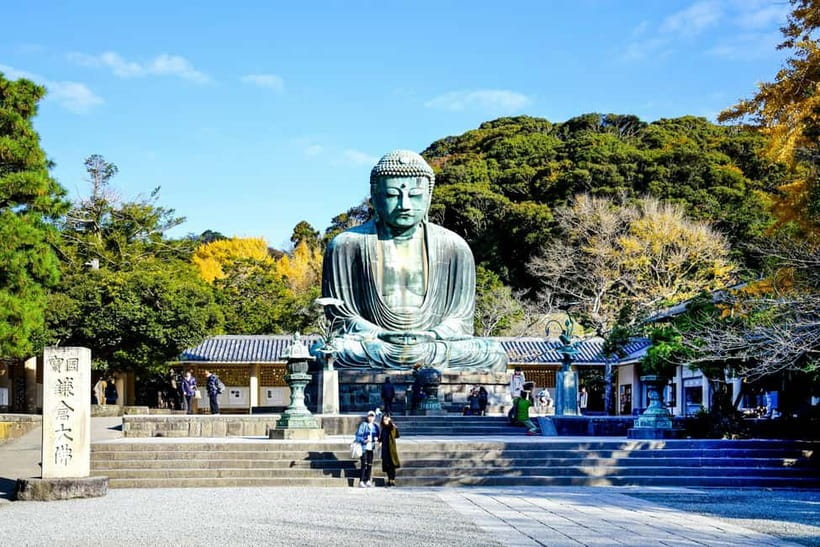
Kotoku-in is home to Kamakura’s famous Great Buddha, officially called the Kamakura Daibutsu. It is one of the city’s essential stops and a natural choice for a first-time route.
A guide adds value here by explaining the setting and religious background instead of leaving you with a quick photograph and a name. If you are interested in Japanese Buddhism, this is a good place to ask for more context. If your group includes children, a guide can keep the visit active with stories and simple explanations.
The entrance ticket is not included, so carry cash. The tour information specifically advises bringing cash, which is useful for admission fees and other small purchases during the day.
Kotoku-in can be busy, especially when combined with other major stops. A private guide cannot remove the crowds, but can help you decide how long to stay and what to see next. If your main goal is quiet reflection, make that clear during planning and balance this famous monument with a calmer stop.
Hasedera for gardens, views, and religious detail
Hasedera is another strong choice for a Kamakura itinerary. It combines temple buildings, religious art, gardens, and scenic viewpoints, making it more varied than a single monument stop.
This is a place where pacing matters. The route includes stairs, and the tour is not suitable for wheelchair users or people with a low level of fitness. Comfortable shoes are essential. If you have knee problems, travel with a young child, or simply dislike uphill walking, tell the guide before the route is finalized.
The reward is a visit with several layers. You can focus on Buddhist traditions, enjoy the garden setting, or pause for views and photographs. Deen has been praised for studying different religions, which can be helpful when you want more than basic facts about what you are seeing.
Hasedera is also a good test of the tour’s private format. You can move quickly if you have limited time, or slow down if the gardens and religious details interest you. In a large group, that choice is rarely yours.
A completely different kind of day out in Tokyo:
- Tokyo: teamLab Planets TOKYO Digital Art Museum Entry Ticket
★ 4.6 · 9,779 reviews - Mt Fuji & Hakone Cruise, Drum Show Bullet Train 1 Day from Tokyo
★ 4.0 · 7,413 reviews - Tokyo: Sumo Show Experience with Chicken Hot Pot and a Photo
★ 4.8 · 6,678 reviews - Tokyo: Shinjuku Food Tour (13 Dishes at 4 Local Eateries)
★ 5.0 · 6,603 reviews
Tsurugaoka Hachimangu and Kamakura’s shrine tradition
Tsurugaoka Hachimangu is one of the most important shrine stops in central Kamakura. It gives you a chance to learn about Shinto practice and the city’s political and spiritual past.
The approach and grounds offer plenty to discuss, from shrine customs to the relationship between worship, local tradition, and Japanese history. Your guide can explain what you are looking at and how to behave respectfully, which is useful if you are visiting Japanese shrines for the first time.
This stop also pairs well with shopping and food in the central area. You can build a day around the shrine, then ask your guide for suggestions nearby. Guides have offered restaurant recommendations and practical advice about places to eat in Kamakura and Yokohama.
Tsurugaoka Hachimangu may not suit you if you want only quiet woodland temples. It is a major sight, and the central location can make it feel more active than smaller religious sites. Mention your priorities during the consultation so the guide gives it the right amount of time.
Nature, quieter sites, and a slower pace
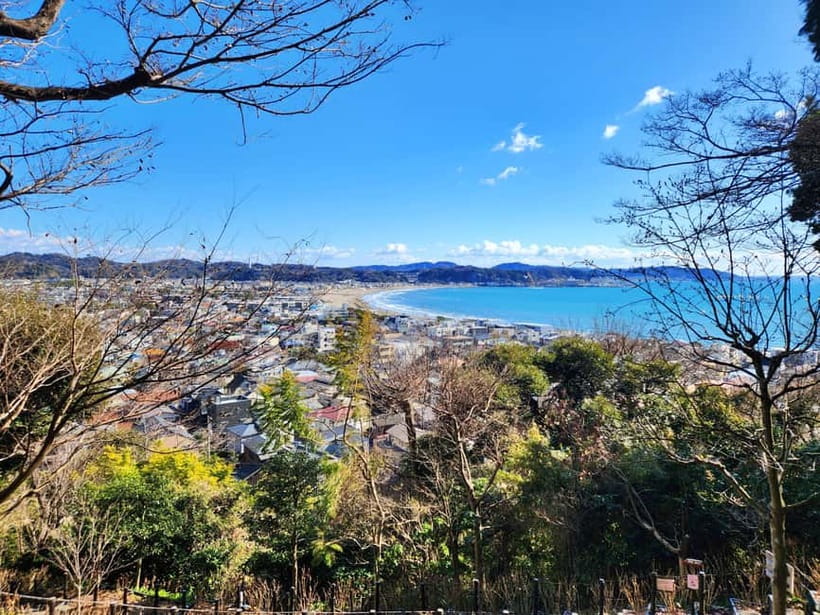
The tour is not limited to the best-known temples. You can request nature, scenic viewpoints, and less familiar spiritual places. That option makes the experience useful for repeat visitors and anyone who finds a checklist of famous sights tiring.
The exact quieter stops are not fixed in advance. Your guide sends a suggested list of destinations and can explain which choices fit your interests and available hours. That is better than promising a secret route that may not suit your fitness, weather, or transport plans.
A nature-focused day can also help families. Children may respond better to open spaces, stories, and shorter visits than to several similar temple interiors. Deen has been praised for sensing when younger children need attention or a change of pace, while still giving adults time to appreciate the surroundings.
You should still expect walking. The flexible structure changes how much you do, but it does not turn Kamakura into a ride-based sightseeing day. Private car or bus transport is not included, and the tour can use public transport and walking between places.
Using trains and walking around Kamakura
Public transport is part of the practical side of this experience, but fares are separate. A guide can help you understand the route, find the correct platform, and move through the train system with less worry.
Deen helped one family navigate transportation to Kamakura, and Marco assisted another group with baggage storage and the correct platform for a train from Yokohama to Haneda Airport. That kind of help can be valuable at the beginning or end of a trip, especially when you are carrying luggage or working against a flight schedule.
Optional pickup is available on foot in Tokyo, Yokohama, and Kamakura areas. This is not private vehicle pickup. It means the guide can meet you and walk with you, subject to the pickup details agreed before the tour.
Because routes and start times are arranged after booking, do not treat the 9:00 AM time shown during the reservation process as final. It is a system placeholder. The actual time is confirmed after the request is reviewed, with operating hours listed as 9:00 AM to 6:00 PM Japan time.
How much value do you get for $51?
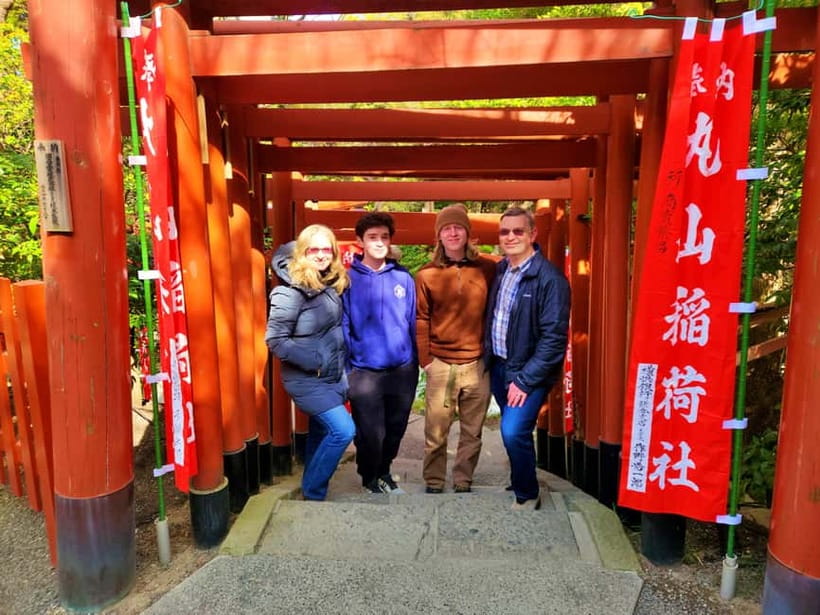
At $51 per person, the value depends on how much use you make of the guide’s planning and local help. The price is not an all-inclusive admission-and-transport package. You pay extra for train fares, buses if needed, and entrance tickets.
The real product is private guidance. You are paying for a route shaped around your interests, a guide who can explain what you see, and the ability to change pace during the day. For a solo visitor, the cost buys companionship and help with decisions. For a family, the per-person price can be worthwhile because children under 12 join free when included in the booking.
A short two-hour visit may be enough if you want orientation and one or two main sights. An eight-hour booking makes more sense if you want several temple and shrine stops, food, nature, or Enoshima. Compare the price with the value of your time. If you would otherwise spend hours sorting train routes and deciding which sites fit together, the guide may save enough effort to justify the cost.
The extra photography option can also matter to solo visitors. Your guide may take pictures during the tour, and one customer specifically found an added photography session worthwhile. Confirm what is included in your chosen booking before assuming a dedicated photography session forms part of the base price.
What the guides do best
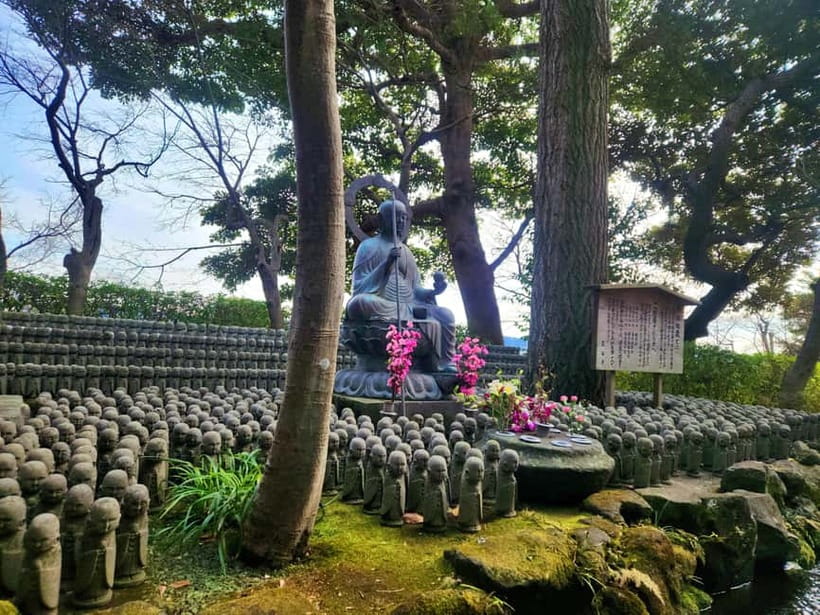
The most consistent strength is personal attention. Deen has been described as friendly, funny, relaxed, and easy to talk with. He has guided adults, teenagers, a toddler, and families with different expectations, often adjusting explanations and pace without making the day feel formal.
Marco brings strong background on Kamakura’s temples, traditions, and religions. Sofia has suited a fast pace while still providing history and food suggestions. Lauren has helped with food restrictions and made the day work for a parent and child.
The guide quality matters more here than on a simple transfer because the route is open-ended. You want someone who listens, not just someone who recites facts. The available experiences suggest that this service is particularly good at conversation, practical help, and making cultural subjects approachable.
Still, your experience depends on the guide assigned to you. When you receive the follow-up email, reply clearly with your priorities, walking limits, preferred pace, and any food or family concerns. Good planning gives the guide useful material to work with.
Who should book this experience?
I would choose this tour if you want Kamakura explained by a local rather than visited as a string of photo stops. It suits solo visitors, couples, families, and small private groups that dislike rigid schedules.
Families get special value from the free admission for children under 12, the private pace, and the chance to ask for child-friendly adjustments. Solo visitors may appreciate the company, train help, and optional photographs. Couples can build a day around temples, gardens, food, and quiet places without waiting for a group.
It is less suitable if you want private vehicle transport, a fully prepaid package, or a route requiring very little walking. It is also not the right choice for wheelchair users, based on the stated restrictions.
Book it if you enjoy asking questions and making choices as you go. If you prefer a fixed coach-style itinerary with every ticket included, choose a different format.
Practical details before you book
The tour is private and conducted in English. It lasts from two to eight hours, with available start times shown during booking, though the final start time is confirmed later.
Hotel or location pickup is an optional add-on and is available on foot in the Tokyo, Yokohama, and Kamakura areas. Private bus or car transport is not included, and public transportation is also separate.
Bring comfortable shoes and cash. Cancel up to 24 hours before the tour for a full refund, and reserve now with payment later if you want to keep your plans open.
FAQ
How long does the Kamakura private tour last?
You can book a tour lasting from two to eight hours. The right length depends on how many sights and activities you want to include.
Is the tour private?
Yes. The experience is for a private group and includes a live English-speaking guide.
Can I customize the itinerary?
Yes. Your guide sends a proposed itinerary and suggested destinations based on your interests. You can follow the plan or adjust it.
Is hotel pickup included?
Pickup is optional and takes place on foot. It is available in the Tokyo, Yokohama, and Kamakura areas.
Are transport fares and entrance tickets included?
No. Public transportation, private transport, and entrance tickets are not included in the tour price.
Can children join the tour?
Children under 12 join free, but you must include them in the booking.
What should I bring?
Bring comfortable shoes and cash. Walking is part of the experience, and admission fees are paid separately.
Is the tour suitable for wheelchair users?
No. The experience is not suitable for wheelchair users or people with a low level of fitness.
Should you book the Kamakura private tour?
Book this experience if you want a thoughtful, adjustable day rather than a fixed sightseeing march. The strongest reasons are the planning support, private pace, English-speaking guides, and practical help with trains, food, families, and local customs.
I would choose a shorter booking for the major sights, especially Kotoku-in, Hasedera, and Tsurugaoka Hachimangu. Choose a longer day if you want nature, quieter religious sites, shopping, a meal, or Enoshima. Just budget separately for transport and admission, wear shoes made for walking, and tell your guide exactly what kind of Kamakura you want to see.
Just added around Tokyo
- Tokyo 6hr Instagram Highlights Private Tour with Licensed Guide★ 5.0 · 38 reviews
- Tokyo Small Group Tour with Guide★ 4.5 · 38 reviews
- Tokyo Sumo Experience with Live Show & Audience Challenge★ 5.0 · 38 reviews
- Japanese Food Cooking Class in Asakusa, Tokyo★ 5.0 · 39 reviews
- Very popular in Harajuku♡Animal petting zoo★ 4.6 · 39 reviews
- Ramen Making from Scratch with Tokyo Mom(Vegan Option Available)★ 5.0 · 39 reviews
- Tokyo JDM Night: 600hp C63s AMG Edition 1 (Private)★ 4.9 · 39 reviews
- Tokyo: Kimono Rental inside Shinjuku Gyoen National Garden★ 4.9 · 39 reviews
Private, compared.
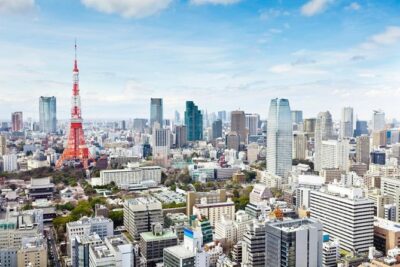
Tokyo 6hr Private Tour with Government-Licensed Guide
Read our review →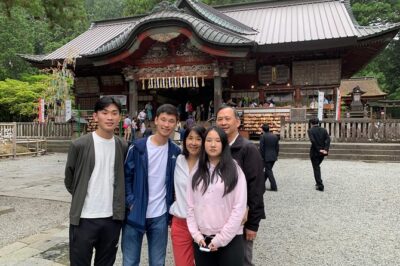
Private Tour to Mt. Fuji and Hakone (Fully Licenced Operator)
Read our review →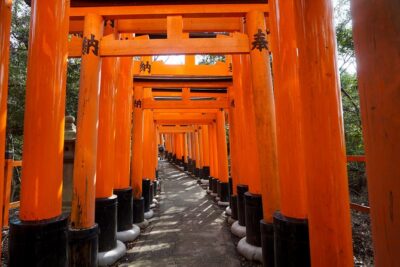
Fushimi Inari Hidden Hiking Tour (Private Option Available)
Read our review →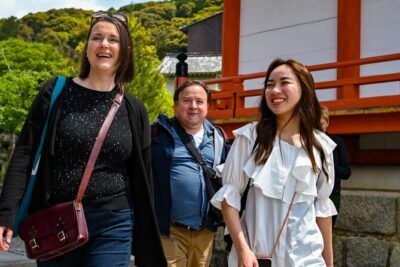
Private Kyoto Tour with a Local, Highlights & Hidden Gems, Personalised
Read our review →
Tokyo Customized Private Tour (Must See Places in 1 Day)
Read our review →
Mount Fuji Full-Day Private Tour from Tokyo (Customizable)
Read our review →
Private City Highlights Tour with Local Guide
Read our review →