
Reviewed · WALKING TOURS
Kanazawa Private/Group Walking Tour: Local & Major Highlight
Kanazawa rewards slow looking. This private walking tour links the city’s best-known sights with the small stories that give them meaning, from samurai streets and castle grounds to Shinto shrines and traditional teahouses. I especially like the local food stop at Omicho Market and the chance to shape the tour around your interests. The main catch is its brisk 2 to 4 hour schedule, which leaves limited time for long visits inside each major sight.
I also like the guides’ practical help. Emi, Yu Noda, Hirofumi, and Aiko are praised for clear explanations, restaurant advice, and personal attention, though one guest found a guide’s English somewhat difficult to follow. The tour costs about $48 per person, a fair price if you want context and conversation rather than simply walking past Kanazawa’s landmarks.
In This Review
- Five useful things to know before you book
- Why this route works well in Kanazawa
- Nagamachi: earthen walls and samurai homes
- Omicho Market: Kanazawa on a plate
- Oyama Shrine and the meeting of Shinto and Buddhism
- Kanazawa Castle: a short lesson in power
- A café break with a view
- Kenrokuen: Japan’s famous garden in a tight window
- Higashi Chaya: wooden teahouses and a graceful finish
- What the guides add to the experience
- Walking, transport, and accessibility
- Is $48 a good price?
- Who should book this Kanazawa walk?
- Final verdict: book it for context, not just sightseeing
- FAQ
- How long does the Kanazawa walking tour last?
- What places are included on the route?
- Is this a private tour or a group tour?
- Is hotel pickup available?
- Is transportation included?
- Are food and drinks included?
- What languages are offered?
- Is the tour wheelchair accessible?
- Can I visit inside Kanazawa Castle?
- Can I cancel the booking?
Five useful things to know before you book

- The route covers seven major stops: Nagamachi, Omicho Market, Oyama Shrine, Kanazawa Castle, a local café, Kenrokuen Garden, and Higashi Chaya District.
- Yu Noda and Emi receive especially warm praise for lively storytelling, strong English, and personal recommendations.
- The tour is mainly on foot, with a listed 10-minute bus or coach segment and public transport not included.
- Kenrokuen and Kanazawa Castle are short visits, so this works best as an introduction rather than a full museum-style tour.
- Wheelchair access is available, and guides have adapted routes and arrangements for guests using wheelchairs.
- You can meet at a central hotel on request, but the exact starting point depends on the option you select.
Why this route works well in Kanazawa

Kanazawa is easy to appreciate but not always easy to understand at first glance. Its samurai homes, castle grounds, gardens, markets, temples, and geisha quarters are spread across the city. A local guide gives you the connections between them.
That connection is the real value here. You are not just seeing an old wall or a polished garden. You are learning how the city developed around the Maeda family, how samurai households lived, how trade shaped local food, and how Shinto and Buddhism have influenced Japanese life.
The route also has a sensible rhythm. It begins with older residential streets, shifts to food and religious history, then moves through the castle and garden before ending among the wooden teahouses of Higashi Chaya. You get architecture, local customs, food, religion, and daily life in one outing.
The experience is available as a private tour or for a small group. That matters because the guide can adjust the pace and spend more time on subjects that interest you. Families can ask plenty of questions, while couples may prefer a quieter walk with restaurant advice at the end.
More walking tours in Kanazawa:
- Kanazawa: Private Walking Tour with a Local
★ 4.8 · 141 reviews - True Kanazawa: Private Walking tour with a Local guide
★ 5.0 · 66 reviews - Kanazawa: City Highlights & Hidden Gems Private Walking Tour
★ 4.8 · 42 reviews
Nagamachi: earthen walls and samurai homes
The Nagamachi Samurai District is a strong opening stop. Its preserved earthen walls and traditional residences offer a clear picture of the area once associated with samurai families.
Your guide explains the district while you walk, rather than treating it as a quick photo stop. That makes the streets more useful for first-time visitors who may not know what they are looking at. The 20-minute visit is enough for an introduction and photographs, but not a long examination of every house.
I would pay attention to the walls and narrow lanes here. They give the neighborhood a different feel from the grand public spaces later in the route. This is also one of the better places to ask how rank, family life, and social position shaped residential design during the Edo period.
If you have a strong interest in samurai architecture, you may want to return later for a longer visit. The tour gives you the setting and the story, but the schedule does not allow a slow inspection of every interior.
Omicho Market: Kanazawa on a plate

Omicho Market brings the tour down to street level. Fresh seafood and local food traditions are central here, and the market is a good place to understand what people in Kanazawa eat, not just what they built.
Your guide can point out local specialties and explain how to approach the market. That is useful because you may otherwise see a busy row of stalls without knowing which foods are especially tied to the area. Food and drinks are not included, so carry cash or a credit card if you want to buy something.
The listed visit lasts about 20 minutes. That is enough to walk through, hear an explanation, and decide what you want to return for. It is not enough for an unhurried meal, so I would plan lunch separately after the tour.
This stop also gives the route a welcome change of pace. After the quiet samurai district, the market is full of movement, smells, and displays. I like that the tour treats food as part of local culture rather than an optional add-on.
Oyama Shrine and the meeting of Shinto and Buddhism
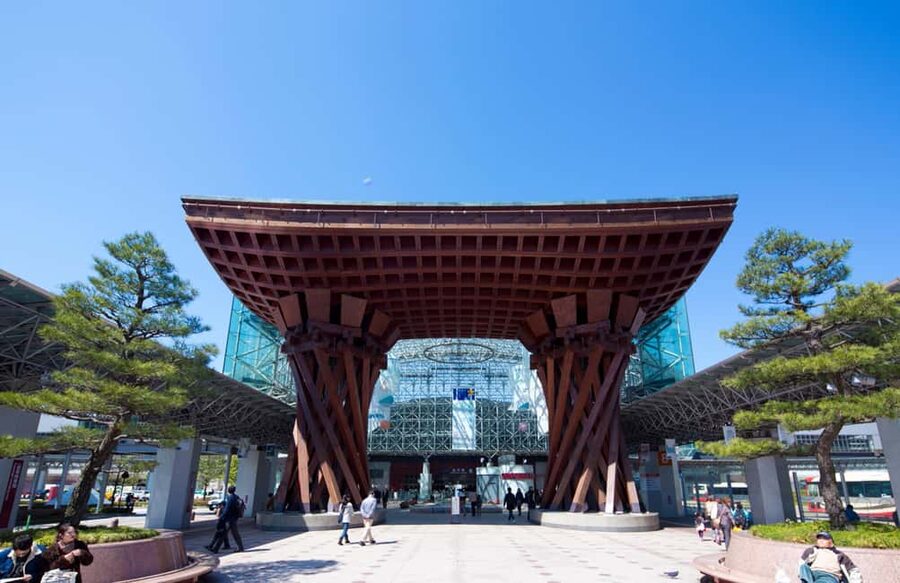
Oyama Shrine is one of Kanazawa’s notable religious sites. The guide introduces its connection to the samurai leader associated with Kanazawa Castle and his wife, while also explaining the place of shrines in Japanese life.
This is where the tour’s religious context becomes especially useful. Japan’s religious practices do not always fit neatly into Western categories. A guide can explain the relationship between Shinto and Buddhism in plain language and help you understand what you are seeing at a shrine.
The stop lasts around 20 minutes. You should have time to view the grounds, take photographs, and ask questions, but this is not a formal religious study visit. The focus is on history, customs, and the role of the shrine in Kanazawa.
The tour also highlights seasonal details such as plum blossoms when they are in bloom. Timing matters, of course, and flowers depend on the date, but the guide can help you notice how seasonal changes shape Japanese gardens and shrine visits.
A few more Kanazawa experiences worth weighing up
- World Heritage Shirakawa-go and Experience Tours from Kanazawa
★ 5.0 · 4,049 reviews - Kanazawa: Kenrokuen Tea Ceremony Experience
★ 4.8 · 1,139 reviews - Kanazawa Half Day Tour (Private Guide)
★ 5.0 · 361 reviews - Kanazawa Full Day Tour (Private Guide)
★ 5.0 · 323 reviews
Kanazawa Castle: a short lesson in power

Kanazawa Castle Park is only a short walk from Oyama Shrine. The route allows about 30 minutes here, including time to go inside the castle area.
The castle is important because it helps explain Kanazawa’s political and social order. Your guide places the buildings and grounds within the story of the Maeda family and the Edo period, so the visit is more than a collection of attractive walls and gates.
Thirty minutes passes quickly. You will see the main features and hear the essential background, but you probably will not explore every section at leisure. If the castle is a top priority, note what you want to revisit after the tour.
The guide’s storytelling makes a difference here. Yu Noda, in particular, is praised for mixing historical facts with personal anecdotes and explanations of modern Japan. That style suits Kanazawa, where the old city remains part of present-day life.
A café break with a view

The café break lasts about 20 minutes and offers a pause before Kenrokuen. The guide’s favorite café is described as a place to enjoy tea or coffee while looking toward the castle scenery.
Food and drinks are not part of the tour price, so expect to pay for your own order. This is a small but useful pause, especially if you are walking with children, older family members, or anyone who needs a moment to sit down.
Some guides arrange a more distinctive drink experience. One guest enjoyed a private upstairs session with a Sakura latte, while another praised a matcha experience. These touches may depend on the guide and the day, so do not assume a particular beverage or café arrangement is guaranteed.
Still, the break adds balance. A walking tour that keeps moving for several hours can become a blur of gates and explanations. A short rest helps you enjoy the garden that follows.
Kenrokuen: Japan’s famous garden in a tight window

Kenrokuen Garden is one of Japan’s three celebrated gardens, and it is the visual centerpiece of the route. Traditional Japanese gardening here changes with the seasons, so the garden can feel different in spring, summer, autumn, and winter.
The tour allows approximately 30 minutes. That is enough to see selected areas, understand the garden’s design, and take photographs, but it is a quick introduction. You will not have time to wander every path or sit beside every pond.
Your guide can explain why the garden is arranged as it is and point out seasonal features such as plum blossoms. This is valuable because Japanese gardens often reward a different kind of attention. Water, borrowed views, trees, stones, and open space are placed to create changing scenes as you walk.
I would not book this tour expecting a leisurely garden visit. I would book it to learn how Kenrokuen fits into Kanazawa’s story, then return independently if you want more quiet time. The tour’s final drop-off options make that practical, since you can continue exploring the city afterward.
Higashi Chaya: wooden teahouses and a graceful finish

The route ends in Higashi Chaya District, one of Kanazawa’s traditional geisha areas. Its beautifully preserved wooden teahouses give you a final look at the city’s performing arts and social customs.
The guided portion lasts around 20 minutes, followed by some free time and self-guided exploration. That arrangement is sensible. You get the background first, then space to look at the streets, browse, or decide where to return.
The district is photogenic, but it deserves more than a quick picture. Ask your guide about the role of teahouses, geisha entertainment, and the difference between a historic district and a working modern neighborhood. You may find that the short explanation changes how you see the wooden facades.
The tour ends with free time for lunch or further sightseeing. That is one of its practical strengths. You are not forced back to a single hotel or train station at the exact end of the walk.
What the guides add to the experience
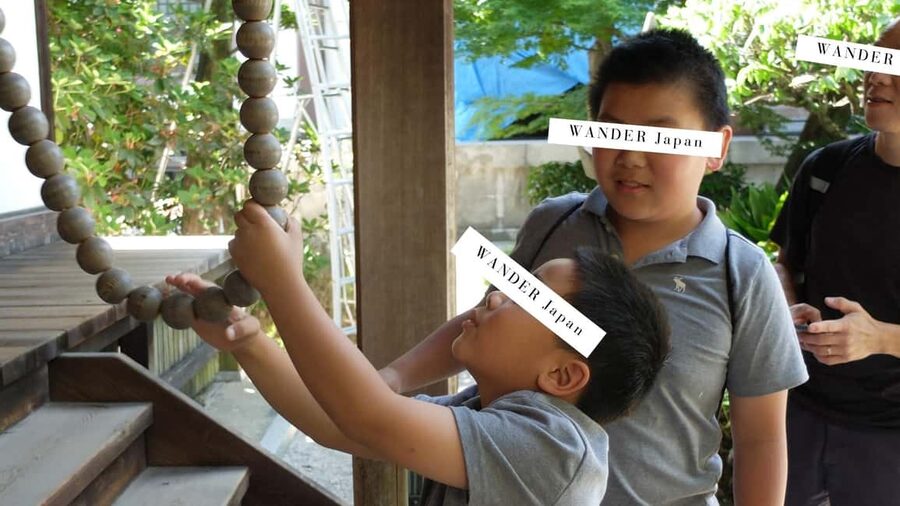
The strongest part of this tour is the human element. Emi is repeatedly praised for her warmth, humor, preparation, and pride in Kanazawa. Yu Noda is noted for excellent English, lively explanations, patience with children, and useful restaurant suggestions.
Hirofumi is praised for contacting guests before the tour, learning where they were staying, and adjusting the route around their plans. That kind of communication is especially helpful if you are arriving by cruise, staying outside the usual center, or trying to fit the walk around a train departure.
Aiko is described as warm and proud of her city. One guide even followed up after the tour with extra research for a guest. These details suggest that the guides do more than recite dates. They try to make the visit personal.
English ability can vary. One guest found a guide’s English a little hard to understand, while many others specifically praised Yu’s fluent English. If precise historical explanations matter to you, ask about the guide and language arrangement when booking.
Walking, transport, and accessibility
This is primarily a walking experience. The route includes a listed 10-minute bus or coach segment, but transportation is not included in the price and public transport may be used depending on the day and selected option.
Expect several hours on city streets, paths, and historic districts. Comfortable shoes are a sensible choice. Bring a credit card and some cash, especially if you want food at Omicho Market or a drink at the café.
The activity is listed as wheelchair accessible. That is encouraging, but the route still includes multiple stops and transfers between districts. Yu has adapted the experience for wheelchair users, including helping with arrangements from a cruise terminal and making small route changes. If you use a wheelchair, share your needs in advance so the guide can plan sensibly.
The starting point varies by booking option. A hotel meet-up is available on request for a central location. Confirm the exact meeting point before the day of the tour.
Is $48 a good price?
At about $48 per person, this is good value if you want a personal introduction to Kanazawa. You are paying for a local guide, route planning, historical explanation, and practical advice, not entry to every attraction or a meal.
The price looks strongest for first-time visitors with only a short stay. In three or four hours, you can see the main districts and learn how they connect. Without a guide, you would spend more time navigating and might miss the meaning behind the shrine, market, or samurai walls.
The calculation changes if you already know Kanazawa well or want extended visits inside the castle and garden. You could walk between several of these places independently and spend the same afternoon at your own pace.
Choose the three-hour option if you want a focused orientation. Choose four hours if available and you prefer more breathing room. The two-hour version may feel rushed across this many stops, especially if you want time for photographs or food.
Who should book this Kanazawa walk?
I would recommend it to first-time visitors, families, couples, solo visitors, and anyone who wants history explained without a formal lecture. It is also a smart first activity after arrival because it helps you understand where to spend the rest of your time.
Families may appreciate the conversational format. One guide handled an 11-year-old’s many questions with patience, and several guides are described as friendly and easy to talk with.
Food-minded visitors will like the market stop and restaurant advice. Garden lovers should book it as an introduction, then return to Kenrokuen for a longer visit. People interested in religion will benefit from the explanation of Shinto and Buddhism at Oyama Shrine.
I would hesitate only if you want a slow, highly detailed visit to every attraction, or if you dislike walking between several stops. The route covers a lot of ground in a short period.
Final verdict: book it for context, not just sightseeing
Book this tour if you want Kanazawa to make sense. The route gives you samurai homes, market food, a shrine, castle grounds, a famous garden, and a geisha district, while the local guide supplies the links between them.
Its best qualities are the adaptable guides, useful recommendations, and balance between major sights and everyday culture. The tradeoff is time. Each stop is short, and you will need to return independently if you want a full garden, castle, or market visit.
For a first day in Kanazawa, I think the $48 price is justified. It gives you a well-planned orientation and leaves you with better ideas for the rest of your stay. Bring comfortable shoes, allow extra money for food and drinks, and ask for a guide whose language skills match your needs.
FAQ
How long does the Kanazawa walking tour last?
The tour lasts between 2 and 4 hours, depending on the option selected and availability.
What places are included on the route?
The example route visits Nagamachi Samurai District, Omicho Market, Oyama Shrine, Kanazawa Castle Park, a local café, Kenrokuen Garden, and Higashi Chaya District.
Is this a private tour or a group tour?
Both options are available. You can book a private experience or join a small group, depending on the selected option.
Is hotel pickup available?
A hotel meet-up is available on request for a central location. The exact meeting point depends on the option booked.
Is transportation included?
The experience is mainly on foot. A 10-minute bus or coach segment is listed, but transportation and public transport costs are not included.
Are food and drinks included?
No. Food and drinks are not included, so bring cash or a credit card if you want to eat at Omicho Market or order at the café.
What languages are offered?
The live tour is offered in English and Japanese.
Is the tour wheelchair accessible?
Yes, the activity is listed as wheelchair accessible. Guides have also adapted routes and arrangements for guests using wheelchairs.
Can I visit inside Kanazawa Castle?
The example schedule includes time to visit inside the castle area, with about 30 minutes allocated to Kanazawa Castle Park.
Can I cancel the booking?
You can cancel up to 24 hours in advance for a full refund. The reserve-now, pay-later option allows you to hold a place without paying immediately.
Just added around Kanazawa
- Kanazawa private half day/Photoshoot by professional photographer★ 5.0 · 38 reviews
- Kanazawa: City Highlights & Hidden Gems Private Walking Tour★ 4.8 · 42 reviews
- Photoshoot session by professional photographer in Kanazawa★ 5.0 · 42 reviews
- Kanazawa Half Day E-bike Tour★ 5.0 · 42 reviews
- Kanazawa Private Tour: Highlights of an Old Samurai Town★ 5.0 · 46 reviews
- [Day trip bus tour from Kanazawa Station] Weekend only! World Heritage Shirakawago Day Bus Tour★ 5.0 · 46 reviews
- Kanazawa Gourmet Experience Omicho Market Tour★ 5.0 · 50 reviews
- Private Tour of Shirakawago and Gokayama from Kanazawa★ 5.0 · 50 reviews
Walking Tours, compared.
Kyoto Geisha Walking Tour: Gion District & Hidden Gems
Read our review →
Tokyo Tsukiji Fish Market Food and Culture Walking Tour
Read our review →
Gion Magical Night Walking Tour with Geisha Trivia
Read our review →
Imperial Palace and Shogun Historical Walking Tour
Read our review →
Gion Geisha District Walking Tour – Stories of Geisha
Read our review →

Shinjuku Local Bar and Izakaya Guided Walking Tour
Read our review →
Browse the lists this tour appears in