
Reviewed · COOKING CLASSES
Kanazawa: Sushi & Japanese Cooking Class at a Historic School
Japanese food is best learned with your hands. This class turns a meal near Kanazawa Station into a practical lesson in sushi, dashi, tamago, miso soup, and Jibuni, a Kanazawa dish with samurai-era roots. I especially like the fresh seafood sourced from Omicho Market and the fact that you cook every dish yourself, rather than watching a chef do all the work. The one important drawback is dietary: vegan diets and meals without fish-based dashi cannot be accommodated.
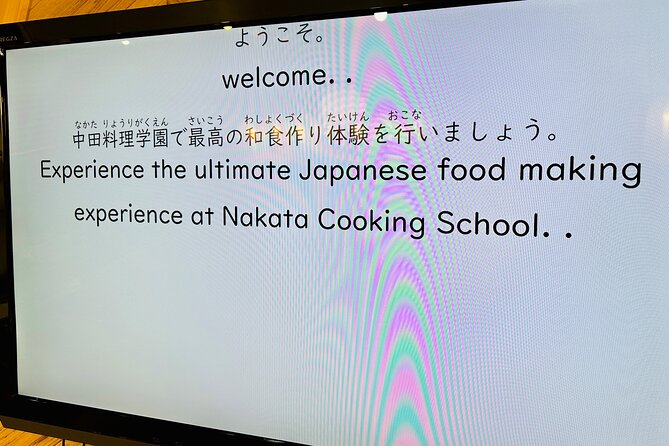
I also like the small maximum of eight participants, which gives the instructor room to help with knife work, sushi shaping, and rolled omelets. The real-time AI translation on a large screen is a clever fix for the language gap, and the chef, Seiji Nakata, uses it with enough humor to keep the class lively.
At $99.10 per person, this is not a cheap lunch, but it includes instruction, five dishes, an aperitif, knife use, photos, recipes, and a certificate. For me, the value is strongest if you want skills to take home, not simply a meal you could order at a restaurant.
In This Review
- Key points at a glance
- Starting three minutes from Kanazawa Station
- A school with local roots, not a staged restaurant
- Five dishes that show how Japanese cooking fits together
- Nigiri sushi with Kanazawa seafood
- Dashi broth and miso soup
- Dashi-maki tamago
- Jibuni, Kanazawa’s signature stew
- Seasonal side dish
- What the 150 minutes feels like
- Why the English support matters
- Price, value, and what you take home
- Dietary limits and family suitability
- Timing your class in Kanazawa
- Should you book this Kanazawa cooking class?
- FAQ
- How long does the cooking class last?
- Where does the class begin and end?
- How many people can join the class?
- Which dishes will I prepare?
- Is English support available?
- Can the class accommodate vegan diets?
- What happens if I need to cancel?
Key points at a glance
- Three minutes from Kanazawa Station: Easy to fit into a short stay or a day of sightseeing.
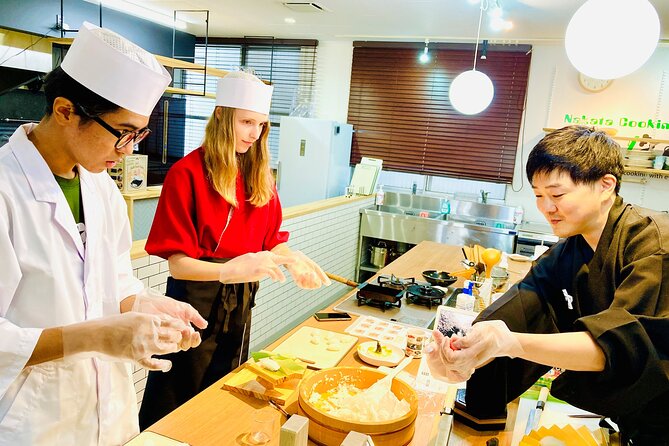
- Five dishes made by you: Prepare nigiri sushi, Jibuni, dashi-maki tamago, dashi broth, a seasonal side dish, and miso soup.
- Fresh fish from Omicho Market: The seafood reflects Kanazawa’s strong food culture rather than a generic cooking-school menu.
- A 56-year-old culinary school: The setting gives the class a local, working-school feel.
- Live AI translation and a small group: Instructions appear in English by voice and text, with no need to rely on gestures alone.
- Photos and a named certificate included: You can focus on cooking while the staff records the experience.
Starting three minutes from Kanazawa Station
The location is one of the class’s strongest practical features. Nakata Cooking School and Knife Shop is about three minutes from Kanazawa Station, at Konohanamachi 4-13, on the second floor. You arrange the visit in advance, then return to the same place when the class ends.
That short walk matters. Kanazawa rewards slow wandering, but a cooking class can be awkward to reach when you are carrying luggage, managing children, or working around train times. This location makes it possible to schedule the class soon after arrival or before an evening departure, provided you leave enough time for the full two and a half hours.
The class is limited to eight participants. That does not guarantee a private lesson, but it should give you more direct help than a large demonstration class. Some sessions may be especially small, even just a couple, which can make the teaching feel personal.
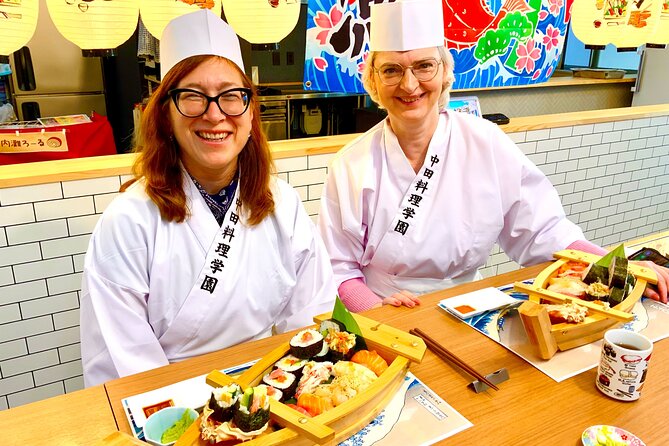
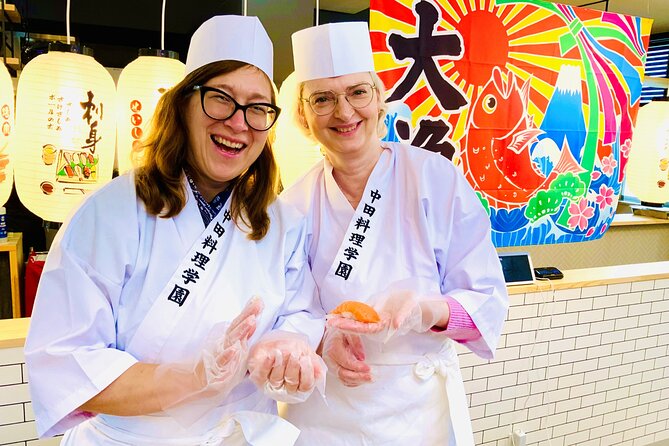
On arrival, you change into a sushi chef uniform. It is a small touch, but it helps mark the experience as more than a standard lunch. You are there to work, not just to sample prepared food.
More cooking classes:
- Ramen Cooking Class at Ramen Factory in Kyoto
★ 5.0 · 1,937 reviews - Ramen & Gyoza Cooking Class in Tokyo with Local Supermarket Visit
★ 5.0 · 823 reviews - Kyoto: Ramen Cooking Class at a Ramen Factory with Souvenir
★ 4.9 · 532 reviews
A school with local roots, not a staged restaurant
The school has been operating for 56 years. That age gives the setting a useful sense of place, even though the kitchen itself is described as clean and modern. You get the feel of a long-running culinary school while working with professional-grade tools and ingredients.
The instructor is Seiji Nakata, supported at times by his wife, Ikumi. His teaching style is energetic and humorous. If you expect a quiet, formal lesson, you may find the tone more playful than anticipated. That is usually an advantage here, since the translation technology can produce funny moments of its own.
The cultural explanations are part of the class. You learn not only what to chop or stir, but why certain ingredients and methods matter in Japanese cooking. Small points can carry real meaning, such as shaping sushi rice carefully, preparing mushrooms for appearance as well as flavor, and building the correct balance between fish and rice.
This is still a tourist activity, but it does not sound like a token demonstration designed to keep you entertained for an hour. You spend the time cooking, handling ingredients, and eating what you prepare. The class is relaxed, yet it has enough technique to make the food lessons useful at home.
Five dishes that show how Japanese cooking fits together
The menu is well chosen because it covers several basic parts of a Japanese meal. You are not making five versions of the same dish.
Nigiri sushi with Kanazawa seafood
The sushi uses wild fish from Omicho Market, Kanazawa’s famous food market. The quality of the seafood is a major part of the meal, but the class also focuses on the less glamorous details that determine whether sushi works.
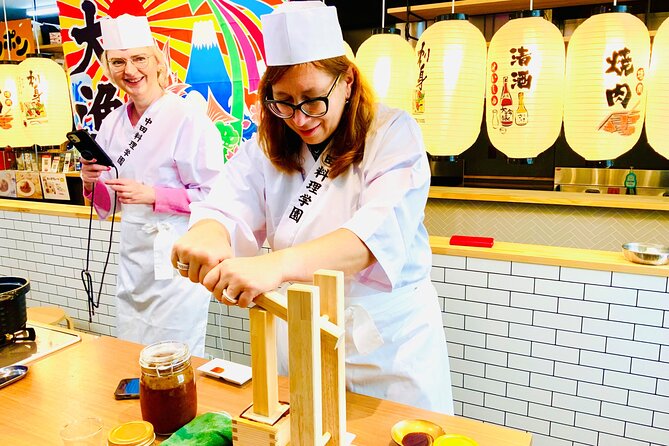
You learn to shape the rice and place the fish correctly. One useful lesson from the class is the suggested 15-gram weight for rice in a sushi piece. That kind of detail is easy to miss when you only eat sushi in restaurants, yet it explains why proportion matters so much.
Sushi shaping looks simple until you try to make several pieces with the same size and structure. The process gives you a better sense of the craft without pretending that a short class makes you a sushi chef.
More history tours in Kanazawa:
- World Heritage Shirakawa-go and Experience Tours from Kanazawa
★ 5.0 · 4,049 reviews - [One-day bus tour departing from Kanazawa Station] Shirakawa-go and Gokayama – Two World Heritage Villages Enjoyable Bus Tour
★ 5.0 · 253 reviews - World Heritage Shirakawa-go Perfect Guided Tour from Kanazawa
★ 5.0 · 220 reviews - [Day trip bus tour from Kanazawa Station] Weekend only! World Heritage Shirakawago Day Bus Tour
★ 5.0 · 46 reviews
Dashi broth and miso soup
Dashi is the foundation of many Japanese dishes. Here, it is made with bonito and kelp, giving you a clear example of how umami develops from a few carefully handled ingredients.
The broth then supports the miso soup and other parts of the meal. This is valuable because dashi is a method you can repeat at home, provided you are comfortable using fish-based stock. It also explains why the dietary restriction is firm. The class cannot accommodate anyone avoiding fish-based dashi.
You should expect an introduction rather than a complete study of regional stocks. Still, learning to make one of Japan’s central cooking bases gives the rest of the menu more meaning.
Dashi-maki tamago
The rolled omelet is soft, layered, and more difficult than it looks. The class uses a recipe described as Michelin-style, but the practical benefit is in watching how liquid dashi changes the texture of the egg and how careful rolling builds the layers.
This is one of the better dishes for learning a technique you can practice later. You will not simply crack eggs, cook them, and move on. You must control the mixture and shape it as it sets.
Some participants with previous sushi-making experience still found new details in this part of the lesson. That makes the omelet a good reason to attend even if sushi is already familiar to you.
Jibuni, Kanazawa’s signature stew
Jibuni is the class’s most distinctive local dish. It is a Kanazawa specialty with roots reaching back to the samurai era, and it gives the menu a strong connection to the city.
The dish is a chicken stew, prepared with Japanese ingredients and served as part of the meal you make. Its place in the menu matters because many cooking classes stop at familiar items such as sushi and miso soup. Jibuni gives you something you are less likely to encounter in a standard international class.
The cultural background also helps. Food becomes easier to remember when you understand how a dish fits into a city’s past and daily cooking traditions.
Seasonal side dish
The final element is a seasonal side dish, which changes the menu according to available ingredients. That is a useful reminder that Japanese cooking is not only about sushi and soy sauce. Small side dishes balance a meal through color, texture, and seasonality.
Because the exact side dish is not specified, you should expect some variation. This is a positive if you like local cooking to reflect the time of year, but less useful if you want a fixed menu before booking.
What the 150 minutes feels like
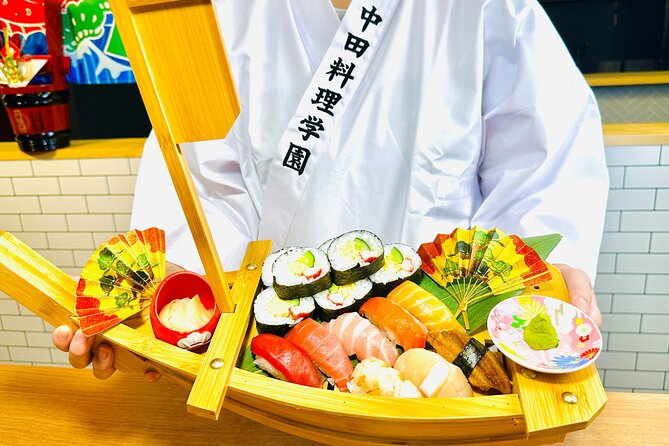
The experience lasts about two hours and 30 minutes. You should expect a steady, hands-on session rather than long stretches of lecture.
The class begins with food culture, ingredients, and preparation. You receive guidance on knife use and work with premium Japanese kitchen knives. The instructor then leads you through the dishes step by step, using the large screen for spoken and written English translation.
The translation system is not just a practical aid. It also becomes part of the class’s personality. Japanese jokes and explanations appear in English, sometimes with amusing results. That keeps communication moving and lets you ask questions without depending entirely on gestures or a phrasebook.
You prepare the dishes, then sit down to eat them. A small aperitif is included, either Kanazawa plum wine or local sake. Beer, soft drinks, and extra sake are available for purchase, but additional drinks are not part of the stated price.
Photos are taken throughout the class, and the staff can send them to you at the end, including by AirDrop according to the experience details. That is useful because you can concentrate on cooking instead of constantly stopping to take pictures. You also receive a Japanese certificate of completion with your name.
The certificate is a fun souvenir rather than a professional qualification. Still, paired with the photos and recipes, it gives you something more lasting than a meal that disappears as soon as you leave.
Why the English support matters
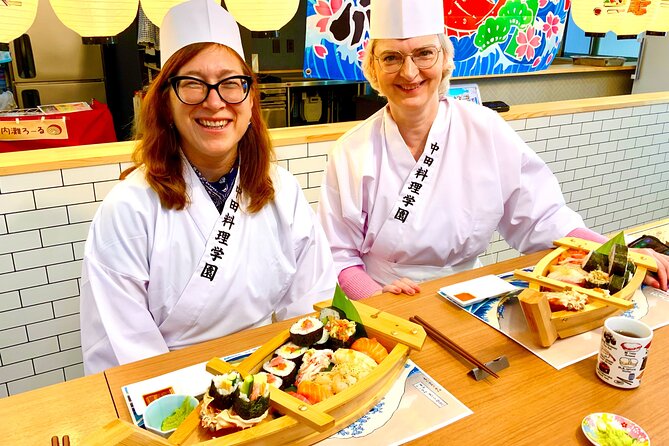
Japanese cooking terms can be hard to follow when the lesson moves quickly. Dashi, rice texture, knife angles, and omelet technique all depend on small instructions. The real-time AI system provides both voice and text translation on a large screen, which makes the class accessible to English speakers without requiring the instructor to deliver every explanation in polished English.
The system is not the same as a fluent bilingual teacher. Translation software can be literal or occasionally odd. That can create a laugh, but you should be ready to confirm a detail if an instruction seems unclear.
The reviews describe the instructor as patient, funny, and easy to follow. That human element matters more than the technology itself. Seiji’s humor and willingness to explain help turn a potential language problem into part of the experience.
Price, value, and what you take home
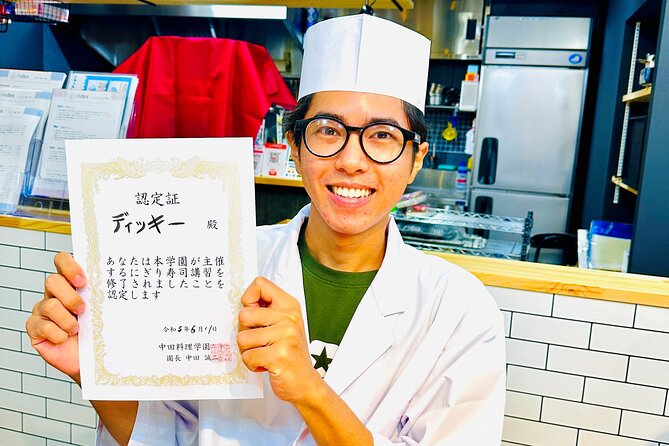
At $99.10 per person, the class sits in the premium range for a two-and-a-half-hour activity. The price includes five dishes, all the food you prepare, an aperitif, uniform rental, premium knife use, live translation, photos, a certificate, and an English recipe sent by email the day before.
The strongest value is the amount of participation. You are not paying $99 for a short sushi rolling photo opportunity. You spend most of the session preparing a full Japanese meal with guidance. If you cook at home, the dashi, tamago, soup, and sushi techniques can continue to pay off after your holiday.
Fresh seafood from Omicho Market also helps justify the cost. You are using ingredients associated with Kanazawa’s food scene, not simply assembling supermarket items chosen for convenience.
The optional knife purchase deserves a careful look. Participants can buy premium Japanese knives through the school, and the class includes access to a Knife Museum, scheduled to open in July 2025, with a 10 percent discount for participants. I would treat this as an optional extra, not a reason to book. A good knife can be a useful souvenir, but you should compare the price, weight, maintenance needs, and airline rules before buying.
Tips are not required. Transportation to the school is also not included, though the station location keeps that cost and effort low.
Dietary limits and family suitability
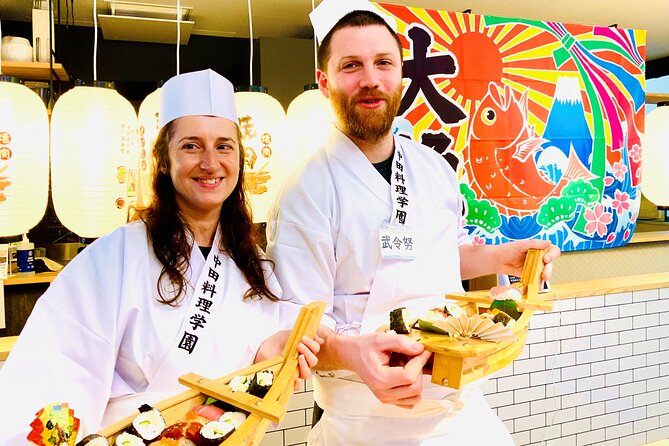
The class works well for couples, families, food lovers, and older children or teenagers who enjoy practical activities. Three teenagers and two adults have taken part together, and the format gives everyone something to do. The work is not described as highly technical or physically demanding, but it does require attention and participation.
It is especially suited to you if you want to understand Japanese food beyond restaurant dining. You will leave with techniques, recipes, photos, and a clearer idea of how several familiar dishes are built.
The dietary rules are strict. Vegan diets cannot be accommodated, and neither can anyone avoiding fish-based dashi. You must report other dietary restrictions when booking, since changes on the day are not accepted. If you have a serious allergy or a complicated diet, ask before paying rather than hoping the kitchen can adapt.
Because the class is hands-on, it may be less suitable for someone who wants a passive tasting or a polished restaurant meal. The food should be the reward for your work, and the final plates may not look identical to a chef’s.
Timing your class in Kanazawa
The class ends back at the school, so you can plan around the station without arranging a separate return transfer. That is convenient for a short Kanazawa visit, especially if you schedule it near other station-area plans.
Allow time beyond the stated 150 minutes if you have a train to catch. The class includes cooking, eating, photos, and the certificate, and you should not want to rush the final meal.
The English recipe arrives by email the day before the class. Check that message before you go, especially if you want to review the menu or note any dietary issue. Booking confirmation is received at the time of booking, and the activity has a maximum of eight participants.
Free cancellation is available up to 24 hours before the start time. Within 24 hours, refunds are not provided and changes are not accepted. The class also requires a minimum number of participants, so a cancellation by the provider would bring an alternative date or experience, or a full refund.
Should you book this Kanazawa cooking class?
I would book it if you enjoy cooking, want a meal tied to Kanazawa, or need a worthwhile activity close to the station. The combination of Omicho Market seafood, local Jibuni, dashi instruction, live translation, and a small group gives the class more substance than a basic sushi workshop.
I would skip it if you are vegan, avoid fish-based stock, or only want to eat rather than cook. For everyone else, $99.10 is fair when you count the food, instruction, recipe, photos, aperitif, and time spent actively learning.
The best reason to choose this class is simple: you do not just taste Kanazawa. You learn how to bring part of it home.
FAQ
How long does the cooking class last?
The class lasts approximately two hours and 30 minutes.
Where does the class begin and end?
It begins and ends at Nakata Cooking School and Knife Shop, at Konohanamachi 4-13, second floor, about three minutes from Kanazawa Station.
How many people can join the class?
The activity has a maximum of eight participants.
Which dishes will I prepare?
You will prepare nigiri sushi, Jibuni chicken stew, dashi-maki tamago, dashi broth, a seasonal side dish, and miso soup.
Is English support available?
Yes. Real-time AI translation provides voice and written English support on a large screen.
Can the class accommodate vegan diets?
No. Vegan diets and participants avoiding fish-based dashi cannot be accommodated. Other dietary restrictions must be provided when booking.
What happens if I need to cancel?
You can receive a full refund if you cancel at least 24 hours before the start time. Cancellations or changes made within 24 hours are not accepted and are not refunded.
Just added around Kanazawa
- Kanazawa private half day/Photoshoot by professional photographer★ 5.0 · 38 reviews
- Photoshoot session by professional photographer in Kanazawa★ 5.0 · 42 reviews
- Kanazawa: City Highlights & Hidden Gems Private Walking Tour★ 4.8 · 42 reviews
- Kanazawa Half Day E-bike Tour★ 5.0 · 42 reviews
- Kanazawa Private Tour: Highlights of an Old Samurai Town★ 5.0 · 46 reviews
- [Day trip bus tour from Kanazawa Station] Weekend only! World Heritage Shirakawago Day Bus Tour★ 5.0 · 46 reviews
- Kanazawa Gourmet Experience Omicho Market Tour★ 5.0 · 50 reviews
- Private Tour of Shirakawago and Gokayama from Kanazawa★ 5.0 · 50 reviews
Cooking Classes, compared.
Ramen Cooking Class at Ramen Factory in Kyoto
Read our review →
Ramen & Gyoza Cooking Class in Tokyo with Local Supermarket Visit
Read our review →
Ramen Cooking Class at a Ramen Factory with Souvenir
Read our review →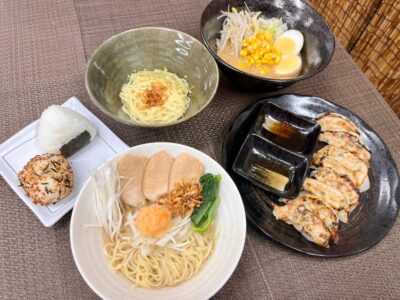
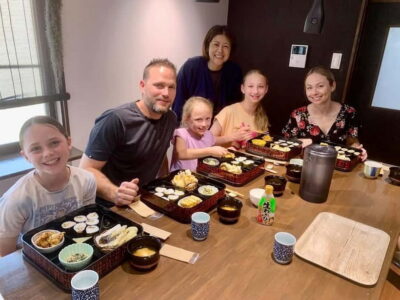
Japanese Washoku Bento Small Group Cooking Class
Read our review →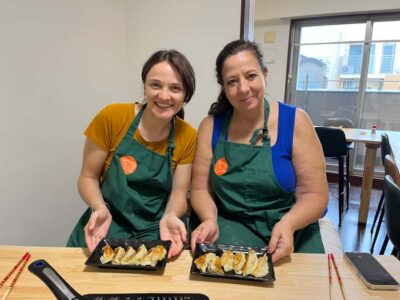

Easy Ramen Cooking Experience in Kabukicho, Shinjuku
Read our review →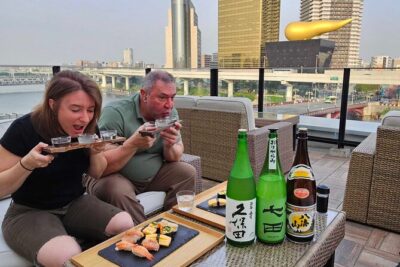
Ramen and Sushi Cooking Class with Sake Pairing Set in Tokyo
Read our review →Browse the lists this tour appears in