
Reviewed · RAMEN & NOODLE TOURS
Mondo’s most popular plan! Experience making soba noodles and the king of Japanese cuisine, tempura, in Sapporo!
Making noodles is the tasty part of the lesson. This Sapporo experience gives you hands-on practice mixing, stretching, and cutting soba, then serves your work with freshly made tempura. I especially like the small, personal setting and the chance to learn from Taku and his partner. The main thing to note: you make the soba, but the restaurant prepares the tempura, so this is not a two-dish cooking class.
I also like that the activity works well for families, with children taking part in the noodle-making process. The meal includes cold and warm soba sauces, plus soba-yu, the traditional finishing broth. At $85.79 per person, the price is fair for a private English-led food experience, though it may feel high if you expect a full cooking lesson or a long cultural talk.
In This Review
- Key points to know before you book
- What makes Mondo’s soba class special
- Getting to the restaurant in Miyanosawa
- The 30-minute noodle-making lesson
- Tempura is prepared for you, not by you
- Eating your own noodles with two sauces
- A friendly private activity with a local feel
- The value of $85.79 per person
- Who should book this Sapporo food experience?
- Timing, punctuality, and cancellation
- Should you book Mondo’s soba and tempura experience?
- FAQ
- How long does the soba-making experience take?
- What steps will I learn?
- Is the tempura included?
- Is the experience conducted in English?
- How do I reach the restaurant?
- Can I cancel for a refund?
Key points to know before you book
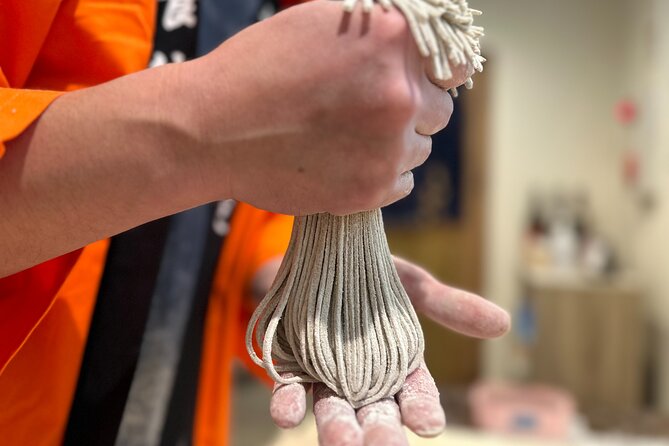
- You make soba from buckwheat flour and water, then stretch and cut the dough yourself.
- Taku leads the English-language experience, with a friendly, patient teaching style and plenty of humor.
- Your noodles are cooked for you and served with artisan tempura, including seafood and vegetables.
- The full visit takes about 1 hour and 15 minutes, although the hands-on noodle work lasts about 30 minutes.
- The restaurant is a five-minute walk from Miyanosawa Station, with four parking spaces in front.
- This is a private activity for your group, and children can take part, but the event requires at least two people.
What makes Mondo’s soba class special
Sapporo is famous for its food, but many visitors stick to ramen, seafood, and dairy products. This experience takes you toward another side of Hokkaido’s table: handmade soba served in the place where it is prepared.
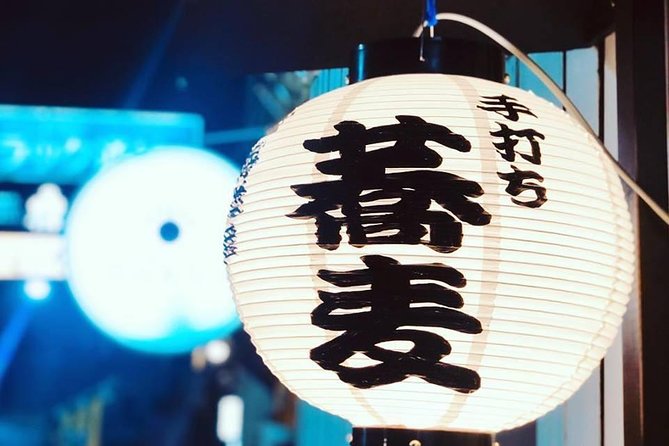
Mondo is a handmade soba restaurant in Sapporo’s Nishi Ward. During the lunch period, it operates as a regular restaurant. The soba-making activity takes place afterward, giving you a look at the work behind one of Japan’s most familiar dishes.
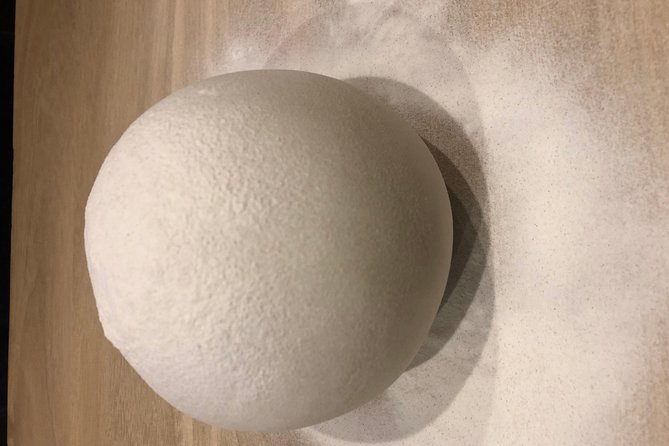
Soba is made from buckwheat flour, usually mixed with water and handled with care. The dough can be difficult to manage because it does not behave like wheat dough. It can crack, dry out, or become uneven. That is part of the lesson. You quickly see why experienced soba makers use practiced movements and a very sharp knife.
I like this kind of activity because the finished meal has a direct connection to the work you have just done. You are not simply tasting a local dish. You have mixed the flour, shaped the dough, and cut the noodles. Even imperfect noodles can taste especially satisfying when they reach the bowl.
More ramen tours:
- Popular in SapporoExperience authentic hand-made soba at a real soba shop!
★ 5.0 · 77 reviews - Ramen Cooking Class at Ramen Factory in Kyoto
★ 5.0 · 1,937 reviews - Eat and Drink Like a Local: Tokyo Ueno Food Tour-Taverns&Ramen
★ 5.0 · 957 reviews
Getting to the restaurant in Miyanosawa
The meeting point is 9-chōme-17-28 Hassamu 6 Jō, in Sapporo’s Nishi Ward. Miyanosawa Station on the Sapporo Subway Tozai Line is about a five-minute walk away, making the restaurant fairly simple to reach by public transportation.
The location is outside the center of Sapporo, so you should allow extra time if you are staying around Odori, Susukino, or Sapporo Station. This is not a central walking tour that you can add between major downtown sights. It works best as a planned food outing, especially if you are already exploring western Sapporo.
If you drive, the restaurant has four parking spaces in front. That is useful, but parking is limited. I would not count on finding a space if your group arrives in several cars.
Finding the entrance may take a little attention. One person specifically found the location difficult to identify, even though the owners were friendly and professional. Use the full address, check your route before leaving, and arrive early enough to find the shop without rushing.
The 30-minute noodle-making lesson
The practical part begins with mixing buckwheat flour. Your instructor explains the process and guides you through the dough. The activity is conducted in English, and the teaching style is designed for beginners rather than professional cooks.
Next comes stretching. This is where the flour changes from a rough mixture into a sheet of dough. You learn how to handle it without tearing it and how to create an even shape. The process is simple to describe, but it requires a gentle touch.
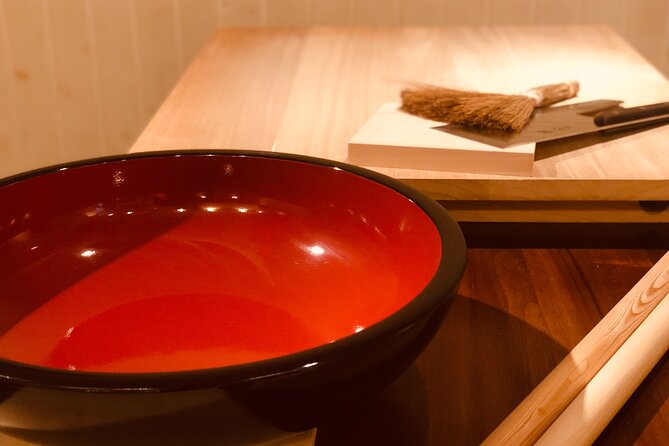
Finally, you cut the soba noodles. This is one of the most enjoyable parts because the result becomes instantly recognizable. You use a traditional method to slice the dough into strands, and the thickness of your cuts affects how the noodles look and cook.
You should not expect to master professional soba technique in half an hour. The point is to understand the basic steps and feel the difference between handmade noodles and a packaged product. The activity is short enough to hold a child’s attention, yet practical enough for adults to enjoy.
Several families found the process easy for children, including a 10-year-old who enjoyed taking part. Another parent said their daughter loved making the noodles and felt proud when they later ate them. For a family visiting Hokkaido, that sense of ownership can be more memorable than watching another demonstration.
The staff also explain how Japanese diners eat soba. That matters because soba has its own customs and small rituals. You learn how to use the sauce, how the dish may be served, and how to finish with soba-yu. The instructions are intended to be clear and approachable, not formal or intimidating.
Tempura is prepared for you, not by you
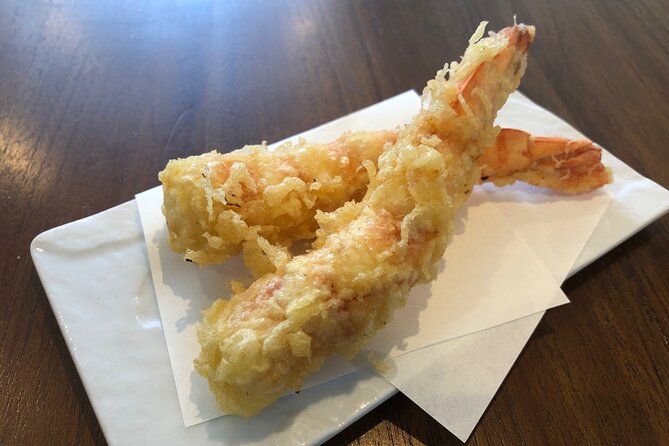
The meal pairs your soba with tempura made by the restaurant’s food craftsman. Typical ingredients can include shrimp, eggplant, seasonal vegetables, scallops, and other local seafood or produce.
This is an excellent pairing. Cold soba has a clean, savory taste and a firm bite. Tempura brings warmth, crunch, and the flavor of the ingredients inside the batter. Together, the two dishes create a more satisfying meal than either would alone.
Still, make this distinction before booking: the tempura is served to you, but you do not learn to make it. At least one participant expected to cook both dishes and felt disappointed by the difference. The experience description emphasizes soba making with tempura included, but the wording can lead some people to expect a tempura lesson too.
If your main goal is learning how to make soba, this arrangement works well. You can focus on the noodles while enjoying tempura prepared by someone who makes it as part of the restaurant’s regular food service. If you want to batter and fry shrimp yourself, this will not meet that goal.
A few more Sapporo experiences worth weighing up
- Sapporo Bar Hopping Food Tour
★ 5.0 · 232 reviews - Hokkaido Seasonal: Lake Toya & Noboribetsu Jigokudani Valley
★ 4.7 · 173 reviews - Sapporo Private Tour with a Local – Highlights & Hidden Gems
★ 5.0 · 91 reviews - Sapporo: Sumo Show Experience with Japanese food & Photo
★ 4.9 · 81 reviews
Eating your own noodles with two sauces
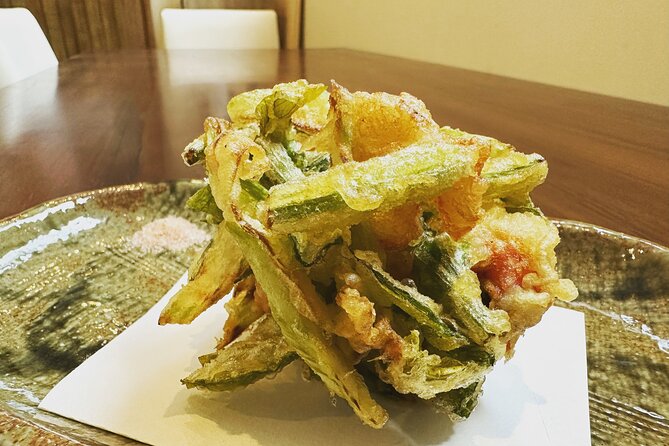
After the cutting stage, the restaurant cooks your soba and serves it with tempura. You receive both cold and warm soba sauce, which lets you try the noodles in different ways.
The cold style highlights the texture of the noodles. It is a good way to notice whether your strands are thick, thin, soft, or pleasantly chewy. The warm preparation gives you a more comforting bowl and changes the way the buckwheat aroma comes through.
The meal ends with soba-yu. This is the starchy water left from cooking soba, traditionally served at the end of the meal. You add it to the remaining dipping sauce and drink it as a warm finish.
I appreciate that the meal includes this final step because it turns the tasting into a lesson in Japanese dining habits, not just a quick sample. You are shown how to enjoy the food from beginning to end.
The exact amount of food is not stated, so do not book this expecting a large multi-course lunch. It is a tasting meal built around the noodles you made, tempura, sauces, and soba-yu.
A friendly private activity with a local feel
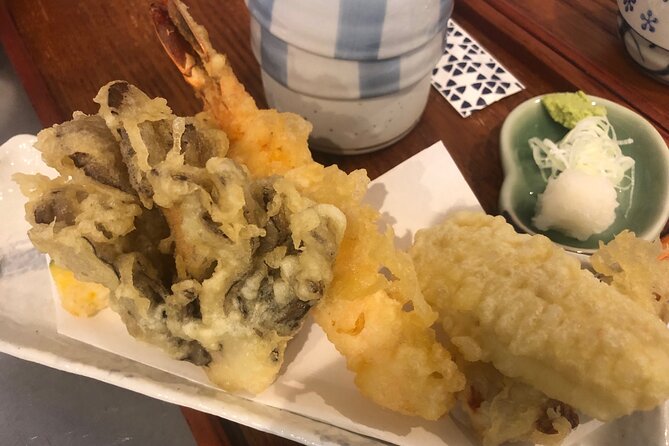
Only your group participates, which makes the class more personal than a large food workshop. A group of three found the small size particularly intimate, while a group of five described the hosts as warm and welcoming.
Taku is repeatedly praised for being patient, funny, and encouraging. His partner also helps create a relaxed atmosphere. You get the feeling of entering a working neighborhood soba shop rather than attending a polished stage show designed only for tourists.
That local setting is one of the strongest reasons to choose this activity. You see how a small noodle restaurant works, meet the people behind it, and eat food connected to the shop’s daily trade.
The English support is available during the activity, but there is an important communication limit. The staff cannot provide English assistance by phone. Questions should be sent by email through VIRTOR before your visit, and the provider says it will respond quickly.
The value of $85.79 per person
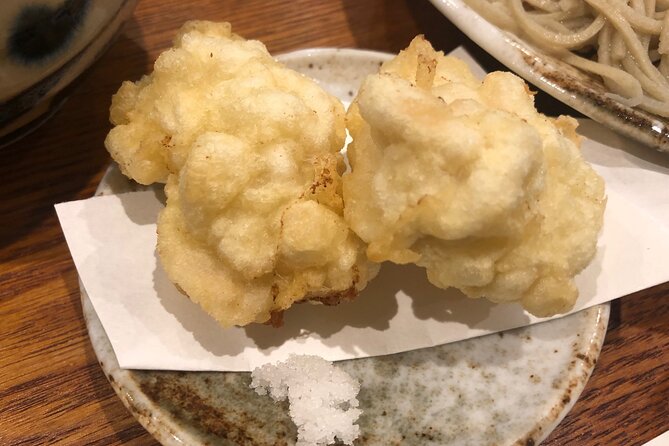
At $85.79 per person, Mondo’s experience is not a cheap meal. You are paying for instruction, private participation, the handmade noodle activity, the meal, and the time of a small restaurant team.
The value is strongest for people who want a personal cultural activity rather than simply a bowl of soba. You get to work with the ingredients, receive guidance in English, and eat the finished product with tempura. A family or small group may also appreciate the private format and the chance to share a memorable task.
The value is weaker if you judge the price only by the amount of food or by the length of the class. The hands-on portion lasts about 30 minutes, and the full visit runs about 1 hour and 15 minutes. One person felt the price was too high because the class involved making and cutting the dough without a broader discussion of Japanese cooking methods.
Group discounts are available, although the specific discount is not provided. If you are traveling with a larger party, contact the shop directly before booking. The activity requires at least two participants, and group arrangements may need advance discussion.
Who should book this Sapporo food experience?
I would recommend it most strongly to:
- Families with children who enjoy hands-on activities
- Couples and small groups looking for a private local experience
- Visitors interested in Japanese food traditions beyond sushi and ramen
- People who want to learn basic soba technique, not just taste it
- Anyone staying in western Sapporo or comfortable taking the subway outside downtown
You should think twice if you need a central Sapporo activity, want a full cooking class, or have dietary needs that have not been discussed in advance.
Halal and vegan arrangements can be accommodated, but you must contact the restaurant ahead of time. One group had two people who did not attend because a vegan option had not been arranged. Do not assume that a dietary request can be handled at the door.
The experience is also suitable for service animals and is near public transportation. Children under two are free. The activity is not described as wheelchair accessible, so anyone needing specific access arrangements should contact the provider before booking.
Timing, punctuality, and cancellation
The class begins after the restaurant’s lunch service, and punctuality matters. Arriving late can disrupt other participants, and anyone who cannot arrive before the scheduled start may be treated as a no-show.
I would arrive early, especially because the entrance can be hard to spot and the restaurant may not be able to answer questions during lunch hours. Have the address ready on your phone and allow time for the walk from Miyanosawa Station.
You can cancel for a full refund if you do so at least 24 hours before the local start time. Cancellations or changes made within 24 hours are not accepted and are not refunded.
Should you book Mondo’s soba and tempura experience?
Book it if you want a warm, personal introduction to handmade soba in Sapporo. The strongest parts are the hands-on dough work, the patient English instruction from Taku, the small private setting, and the pleasure of eating noodles you helped make.
Go in with the right expectations. You make soba, while the restaurant prepares the tempura. The activity is short, the restaurant is outside central Sapporo, and the price reflects a private cultural experience more than a large meal.
For families, food-focused visitors, and anyone seeking a quieter local outing, I think it is a good choice. If your ideal class includes several recipes, extensive culinary history, or tempura frying practice, choose a different cooking workshop.
FAQ
How long does the soba-making experience take?
The hands-on soba-making portion takes about 30 minutes. Including the meal and soba-yu, the full experience takes approximately 1 hour and 15 minutes.
What steps will I learn?
You will mix the buckwheat flour, stretch the dough, and cut the soba noodles. The restaurant then cooks your noodles for you.
Is the tempura included?
Yes. Tempura made by the restaurant’s food craftsman is served with your soba. You do not make the tempura yourself.
Is the experience conducted in English?
Yes, the activity is conducted in English. The restaurant cannot provide English assistance by phone or other means, so send questions by email through VIRTOR before your visit.
How do I reach the restaurant?
The restaurant is about a five-minute walk from Miyanosawa Station on Sapporo’s Subway Tozai Line. If you drive, four parking spaces are available in front of the shop.
Can I cancel for a refund?
Yes. You can receive a full refund if you cancel at least 24 hours before the local start time. Cancellations or changes made within 24 hours are not refunded or accepted.
Just added around Sapporo
- Sapporo: Furano Flower Sea & Biei Blue Pond Tour w/ Pickup★ 4.0 · 40 reviews
- 2 hours sushi class★ 5.0 · 40 reviews
- One Day Highlights Tour of Sapporo★ 5.0 · 41 reviews
- Sapporo 4hr Private Tour with Government Licensed Guide★ 5.0 · 42 reviews
- [Biei/Furano] One-day sightseeing by private car!★ 5.0 · 43 reviews
- Wagashi traditional japanese sweets class★ 5.0 · 49 reviews
- From Sapporo: Hokkaido Highlights Day Trip★ 4.6 · 56 reviews
- Sapporo 6hr Private Tour with Government Licensed Guide★ 5.0 · 57 reviews
Ramen & Noodle Tours, compared.
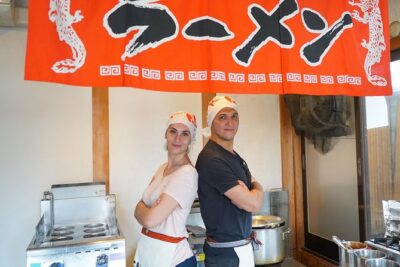
Ramen Cooking Class at Ramen Factory in Kyoto
Read our review →
Eat and Drink Like a Local: Tokyo Ueno Food Tour-Taverns&Ramen
Read our review →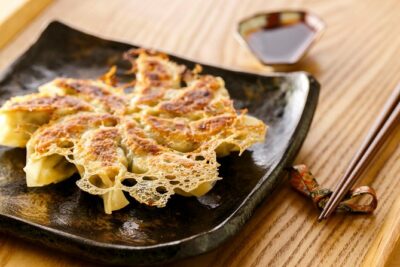
Ramen & Gyoza Cooking Class in Tokyo with Local Supermarket Visit
Read our review →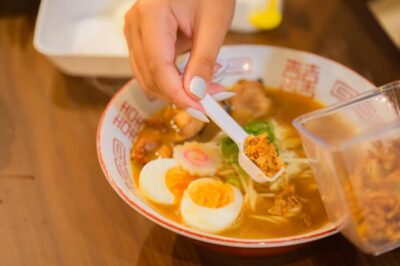
Ramen Cooking Class at a Ramen Factory with Souvenir
Read our review →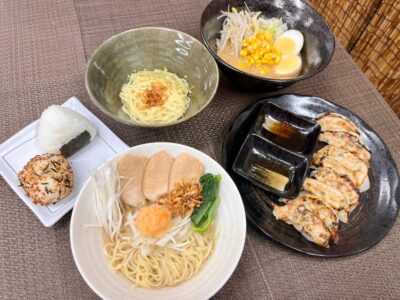
Five Must-See Highlights Walking Tour & Ramen Lunch
Read our review →
Browse the lists this tour appears in