
Reviewed · RAMEN & NOODLE TOURS
Popular in SapporoExperience authentic hand-made soba at a real soba shop!
Fresh noodles taste better when you make them. This hands-on Sapporo experience takes you into a working soba restaurant, where an active soba chef guides you through mixing buckwheat flour, kneading, stretching, cutting, and eating your own noodles. I like the real restaurant setting and the patient, visual teaching, especially for beginners and children. I also like that you use the same basic utensils and selected buckwheat flour used in the shop.
The main consideration is timing. The practical noodle-making portion lasts about 30 minutes, but the entire visit takes roughly 1 hour to 1 hour 15 minutes, including the meal. English explanations are concise rather than lecture-heavy, and one past booking had trouble with the address, so I would check the meeting point carefully before leaving your hotel.
In This Review
- Key Points At a Glance
- Why This Soba Class Feels Different
- From Buckwheat Flour to Dough
- Stretching the Dough Takes Care
- Cutting Soba With a Kitchen Knife
- Tasting the Noodles You Made
- Location Near Miyazawa Station
- Timing, Group Size, and Language
- Who Should Book This Experience
- Is $72.67 a Fair Price?
- Cancellation and Arrival Advice
- Should You Book the Sapporo Soba Experience?
- FAQ
- How long does the soba-making experience take?
- What steps are included?
- Is the activity private?
- Is the experience taught in English?
- Can children participate?
- Where does the activity take place?
- Can I cancel for a refund?
Key Points At a Glance
- Make soba from scratch: Mix buckwheat flour, knead the dough, stretch it thin, and cut the noodles with a kitchen knife.
- Learn inside a working shop: This is a private experience at a handmade soba restaurant with more than 10 years of operation in Sapporo.
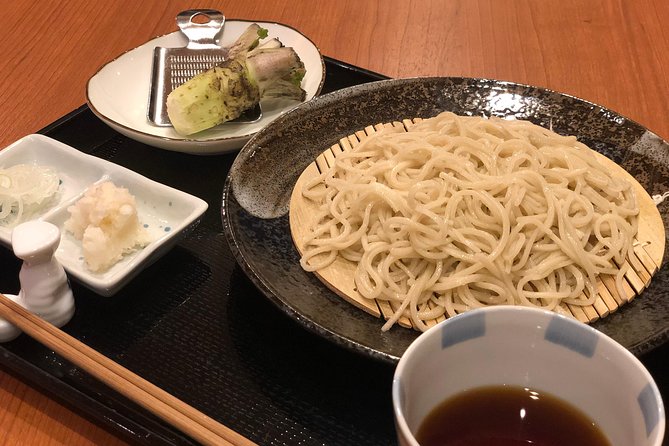
- Eat what you prepare: Your finished noodles are cooked for you and served as the main reward at the end.
- Good for families: Children can take part with careful guidance, while children under two may attend free but only observe.
- Easy subway access: The shop is a short walk from Miyazawa Station on Sapporo’s Tozai Line and within walking distance of Shiroi Koibito Park.
- Plan for add-ons: Tempura and duck soup are available at extra cost and are popular choices with the noodles.
Why This Soba Class Feels Different
Soba-making can look simple from the restaurant table. A bowl arrives, the noodles are neat and springy, and the work behind them is easy to miss. This experience lets you see why handmade soba is treated as a craft in Japan.
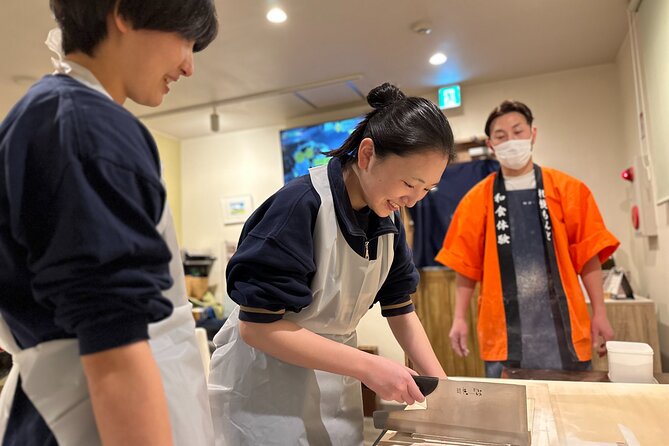
You are not watching a staged demonstration from a distance. You work through the main steps yourself, using ordinary shop tools and carefully chosen buckwheat flour. The chef corrects your technique as you go, but you still get room to make small mistakes. That matters. A perfectly shaped noodle made entirely by the instructor would be a pleasant meal, but it would not teach you much.
The format was created for Japanese customers who wanted a direct way to learn soba-making without signing up for a long course. That gives the activity a more practical feel. It is not designed as a large sightseeing show, and it does not depend on a long speech about Japanese food.
I like that balance. You receive enough cultural context to understand what you are doing, then get on with the hands-on work. Explanations in English are short and supported by visual demonstrations, so you do not need advanced language skills to follow along.
More ramen tours:
- Mondo’s most popular plan! Experience making soba noodles and the king of Japanese cuisine, tempura, in Sapporo!
★ 5.0 · 71 reviews - Ramen Cooking Class at Ramen Factory in Kyoto
★ 5.0 · 1,937 reviews - Eat and Drink Like a Local: Tokyo Ueno Food Tour-Taverns&Ramen
★ 5.0 · 957 reviews
From Buckwheat Flour to Dough
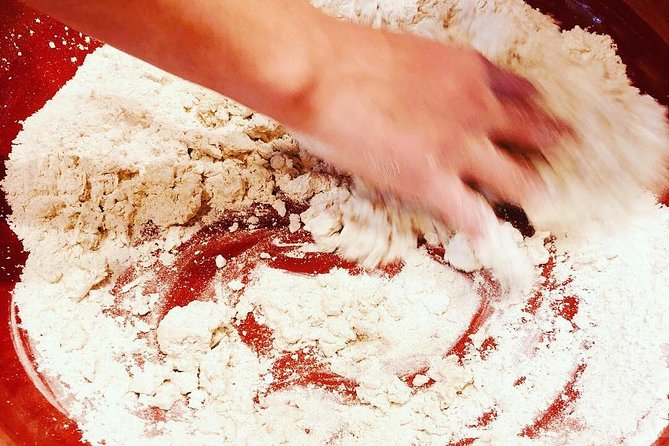
The first step is mixing buckwheat flour with water. This is where the dough begins to change, and it is also where you learn that soba is less forgiving than many home cooking projects.
The chef guides you through the process, helping you see the right texture rather than asking you to follow a complicated explanation. That visual approach is useful because the feel of the dough is part of the lesson. You will handle the ingredients directly and begin to understand why temperature, moisture, and technique matter.
Hokkaido is Japan’s leading soba-producing region. Its clean water, cold climate, and mineral-rich soil are well suited to growing buckwheat. The local flour used here is valued for its flavor and firm texture, which gives the finished noodles a pleasant bite.
That regional setting adds meaning to the activity. You are not simply making noodles anywhere in Japan. You are working with a product closely tied to Hokkaido’s farming conditions and food culture.
This stage may be especially enjoyable for families. Children can participate with support from the chef, and the task is active enough to hold attention better than a long talk. Very young children are treated differently: those under two years old are free, but they can only visit and watch.
Stretching the Dough Takes Care
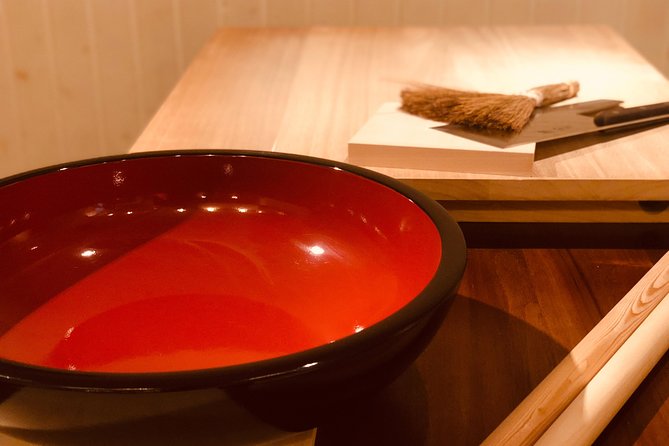
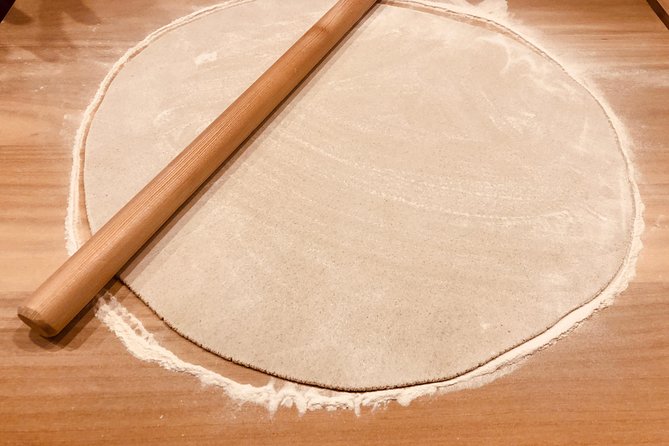
After mixing and kneading, you stretch the dough. This is one of the most skill-based parts of the activity because the sheet needs to become thin and even before it is cut.
The chef gives direct advice, and the method has been refined through years of daily restaurant practice. You should not expect to master professional soba-making in one short session. You should expect to gain a better feel for the care involved and leave with more respect for the people who prepare noodles every day.
The instructor’s role is a strong part of the experience. The available feedback points to a friendly and patient teacher, including positive comments about the guidance given to children and first-time makers. Taku is named in several experiences, and he is described as encouraging, funny, and willing to explain the recipe and his experience.
At the same time, the teaching style is practical rather than formal. If you want a detailed personal biography from the chef or a long technical lecture, this may feel light. One past participant hoped for more information about the master’s career and a sample of the shop’s own soba before starting. The provider acknowledged that kind of suggestion and indicated that future demonstration options might be added.
For most people, the short format is a plus. You spend your time doing, not sitting. Just keep your expectations realistic: this is an introduction to a traditional skill, not a professional cooking qualification.
Cutting Soba With a Kitchen Knife
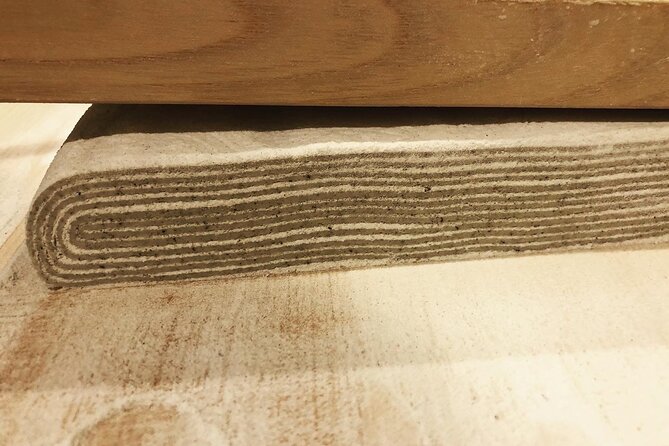
Once the dough has been stretched, you cut it into noodles with a kitchen knife. This is the moment when a flat sheet becomes recognizable soba.
The cutting requires care. Noodles that are too thick or uneven will cook differently, so the chef’s advice becomes especially useful here. You get to see how much precision goes into the tidy strands served in a restaurant bowl.
This is also the most satisfying stage for photos and family memories, although the details provided do not specify photography rules, so ask before taking pictures during the working portion. The activity is private for your own group, which gives the session a calmer feel than a large shared class.
Private participation is valuable for families, couples, and small groups who want to work at their own pace. It also means the price of $72.67 per person should be judged against the personal instruction and meal, not simply against the cost of ordering a bowl of soba.
If you only want to eat inexpensive noodles, this is not the economical choice. If you want to learn a traditional food skill, use real restaurant tools, receive direct instruction, and eat the result, the price is easier to justify.
A few more Sapporo experiences worth weighing up
- Sapporo Bar Hopping Food Tour
★ 5.0 · 232 reviews - Hokkaido Seasonal: Lake Toya & Noboribetsu Jigokudani Valley
★ 4.7 · 173 reviews - Sapporo Private Tour with a Local – Highlights & Hidden Gems
★ 5.0 · 91 reviews - Sapporo: Sumo Show Experience with Japanese food & Photo
★ 4.9 · 81 reviews
Tasting the Noodles You Made
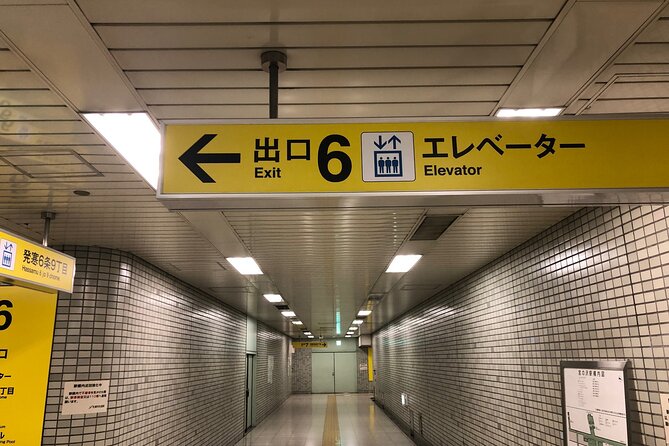
At the end, the restaurant cooks your noodles and serves them for tasting. This is the part that turns the class into a meal rather than a craft exercise.
The flavor may feel especially rewarding because you handled the flour from the beginning. Even if your noodles are not perfectly uniform, you can taste the result of your work. Several comments highlight the enjoyment of eating the soba immediately after making it, and that personal connection is the strongest reason to choose this experience.
You can also order extras, including tempura vegetables, shrimp tempura, kakiage, and duck soup, at additional cost. I would budget for one of these if you want a fuller meal. Tempura is repeatedly singled out as a good pairing, while duck soup offers another way to enjoy the noodles.
The core experience includes tasting your own soba, but the extra dishes are not included in the stated price. Ask about the current cost when you arrive if you are watching your budget.
The meal is not presented as a broad restaurant tour. It is the final step in the soba-making process. You learn, prepare, and eat. That clear structure keeps the visit focused.
Location Near Miyazawa Station
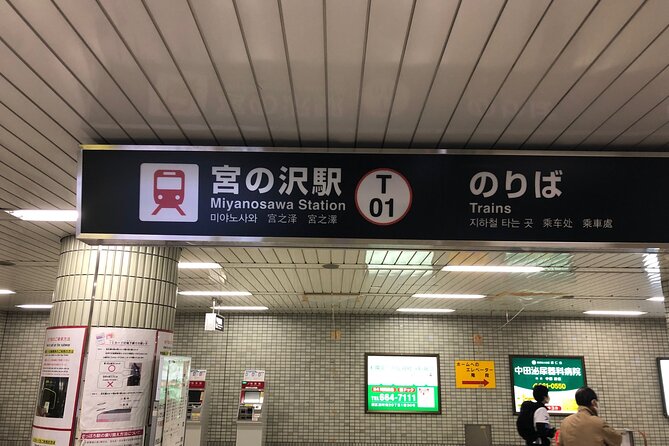
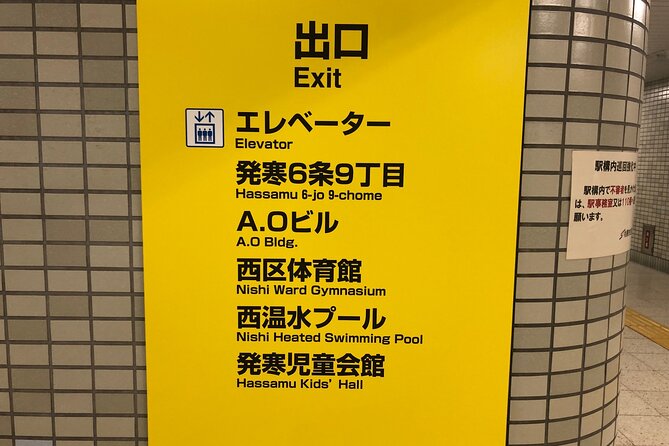
The meeting point is listed at 9-chōme-17-28 Hassamu 6 Jō, Nishi Ward, Sapporo, Hokkaido 063-0826. The shop is described as about three to five minutes on foot from Miyazawa Station on the Sapporo subway’s Tozai Line.
The difference between three and five minutes is minor, but I would allow extra time. One past booking had an address problem serious enough that the group abandoned the activity after hotel staff tried to confirm the location. Since that issue was specifically reported, check the address in your confirmation and compare it with the map before setting out.
The shop is also within walking distance of Sapporo Shiroi Koibito Park. That makes the soba session a sensible pairing with a visit to the park, though you should build in enough time to arrive before the booked start. The activity ends back at the meeting point.
Four parking spaces are available in front of the shop. That is useful if you have a rental car, but the limited number means parking is not guaranteed. The subway is the safer plan if you are visiting at a busy time.
Timing, Group Size, and Language
The noodle-making work takes about 30 minutes. With tasting and the rest of the visit, plan on about 1 hour 15 minutes, even though the advertised duration is approximately one hour.
That small difference matters if you have a train, lunch reservation, or timed entry elsewhere. I would not schedule a departure immediately afterward. Arriving early is also important because the restaurant operates as a handmade soba shop during lunch hours, and staff may not be able to handle same-day questions while serving customers.
This is a private activity, so only your group takes part. The format suits people who want direct attention and a quieter session. Group discounts may be available, and larger parties or travel companies are asked to contact the provider directly.
The English instruction is concise and visual. You should be able to follow the physical steps without needing a detailed English lecture, but the amount of spoken cultural explanation may vary. If food history and long discussion are your main goals, this is probably not the best match. If you learn by watching and doing, it is a strong fit.
No special equipment or preparation is required. You can simply arrive ready to work with flour and eat afterward.
Who Should Book This Experience
I would recommend this for families, couples, small groups, and anyone curious about Japanese food beyond the dining table. Children can take part, and the patient instruction makes the activity approachable for beginners.
It also works well on a rainy afternoon. One family used it as an indoor activity and enjoyed the combination of learning, eating soba, and adding tempura. That makes it a useful option when outdoor plans in Sapporo are not appealing.
Soba fans will get the most from it, but you do not need prior cooking experience. The point is not to produce restaurant-perfect noodles. The point is to understand the process and enjoy a meal connected to your own work.
I would hesitate to recommend it to someone with only a narrow gap in the schedule, someone who dislikes hands-on food preparation, or someone seeking a large cultural presentation. The session is short, focused, and practical.
Is $72.67 a Fair Price?
At $72.67 per person, this is far more than buying a bowl of soba at a neighborhood restaurant. The value comes from the private format, the instruction from an active soba chef, the use of restaurant utensils, and the meal made from your own noodles.
The price makes sense if you would otherwise pay for a cooking activity and a meal separately. It is less appealing if you mainly want a cheap lunch or if only one person in your group is interested in making noodles.
The chance to work in a real shop is important. You are not just following a simplified tourist recipe in a classroom. You are seeing a working food tradition in the place where it is practiced daily.
Group discounts could improve the value for larger parties. Extra tempura or duck soup costs more, so include those additions only if they suit your appetite and budget.
Cancellation and Arrival Advice
You can cancel for a full refund up to 24 hours before the local start time. Changes or cancellations within 24 hours are not accepted and are not refunded.
The experience requires a minimum number of participants. If the provider cancels because that number is not reached, you will be offered another date or experience, or receive a full refund.
Late arrival is a serious concern. The shop asks you to arrive before the starting time because a late arrival can disrupt other scheduled sessions. If you cannot arrive before the start, the booking may be treated as a no-show.
I would confirm the address, check the subway route, and leave a comfortable time buffer. That simple preparation protects an otherwise easy outing.
Should You Book the Sapporo Soba Experience?
Book it if you want a real food experience with a meal at the end, not just a restaurant visit. The private format, patient instruction, Hokkaido buckwheat, and chance to eat your own noodles give the session a clear purpose.
I especially like it for families and small groups. Children can participate, the English teaching is supported by demonstrations, and the work is active from start to finish. Add tempura if you want to turn the tasting into a more substantial lunch.
Skip it if your schedule is tight, if you prefer a long guided explanation, or if the price feels high for a bowl of noodles. Also verify the meeting address carefully before departure.
For the right person, this is a memorable way to understand one of Japan’s everyday foods. You leave with a meal, a new respect for soba craftsmanship, and a story that is more personal than simply ordering noodles from a menu.
FAQ
How long does the soba-making experience take?
The hands-on noodle-making portion takes about 30 minutes. The full visit, including tasting your noodles, takes around one hour to one hour and 15 minutes.
What steps are included?
You mix buckwheat flour, stretch the dough, cut the noodles with a kitchen knife, and taste the soba you made.
Is the activity private?
Yes. This is a private activity, so only your group participates.
Is the experience taught in English?
English explanations are concise and supported by visual demonstrations. The chef guides you through the practical steps rather than giving a long lecture.
Can children participate?
Yes. Beginners and children can take part with guidance from the craftsmen. Children under two years old are free but may only visit and observe.
Where does the activity take place?
The meeting point is 9-chōme-17-28 Hassamu 6 Jō, Nishi Ward, Sapporo, Hokkaido 063-0826, Japan. It is described as a short walk from Miyazawa Station on the Tozai Line and within walking distance of Shiroi Koibito Park.
Can I cancel for a refund?
You can cancel at least 24 hours before the local start time for a full refund. Cancellations or changes made within 24 hours are not refunded or accepted.
Just added around Sapporo
- Sapporo: Furano Flower Sea & Biei Blue Pond Tour w/ Pickup★ 4.0 · 40 reviews
- 2 hours sushi class★ 5.0 · 40 reviews
- One Day Highlights Tour of Sapporo★ 5.0 · 41 reviews
- Sapporo 4hr Private Tour with Government Licensed Guide★ 5.0 · 42 reviews
- [Biei/Furano] One-day sightseeing by private car!★ 5.0 · 43 reviews
- Wagashi traditional japanese sweets class★ 5.0 · 49 reviews
- From Sapporo: Hokkaido Highlights Day Trip★ 4.6 · 56 reviews
- Sapporo 6hr Private Tour with Government Licensed Guide★ 5.0 · 57 reviews
Ramen & Noodle Tours, compared.
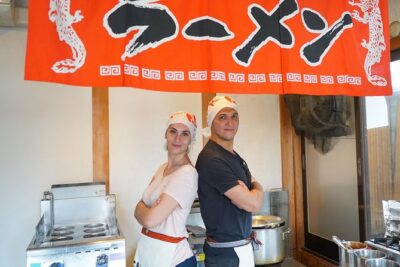
Ramen Cooking Class at Ramen Factory in Kyoto
Read our review →
Eat and Drink Like a Local: Tokyo Ueno Food Tour-Taverns&Ramen
Read our review →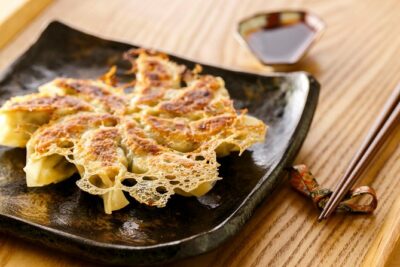
Ramen & Gyoza Cooking Class in Tokyo with Local Supermarket Visit
Read our review →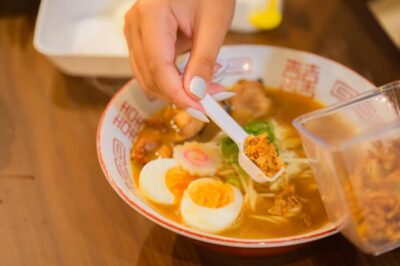
Ramen Cooking Class at a Ramen Factory with Souvenir
Read our review →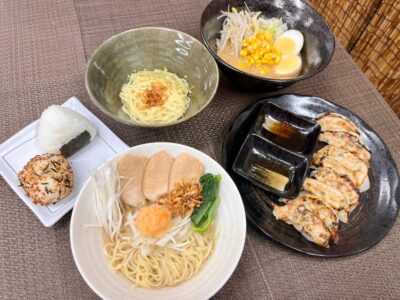
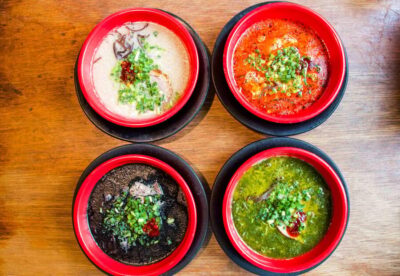
Five Must-See Highlights Walking Tour & Ramen Lunch
Read our review →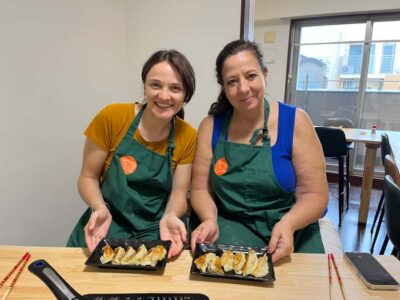
Browse the lists this tour appears in