Reviewed · TICKETS
Nikko: Edo Wonderland Edomura Cultural Theme Park Ticket
Step into old Japan. Edo Wonderland turns a mountain setting near Nikko into a carefully built Edo-period town, complete with wooden streets, costumed performers, theaters, workshops, food stalls, and playful attractions. I like the way the park lets you do more than look at old buildings: you can dress as a samurai or princess, learn basic sword handling, watch a ninja fight, and try period-inspired food in one day.
I also like the range of entertainment. The ninja theater, Oiran cultural show, water magic performance, maze, and ninja training houses give the day plenty of variety. The main drawback is the journey from Tokyo, which can take two to three hours, and some activities and shows offer little English explanation.
In This Review
- Edo Wonderland at a glance
- Entering an Edo town near Nikko
- Why the $35 ticket can be good value
- A practical show schedule for your day
- Choosing your Edo-period costume
- Sword skills, ninja training, and hands-on Edo activities
- Edo exhibits that add context
- Eating Edo-style food in the park
- Reaching Edo Wonderland from Tokyo
- Who will enjoy this most?
- Small details that can make the day better
- Should you book Edo Wonderland?
- FAQ
- Where is Edo Wonderland located?
- How much does admission cost?
- How long is the ticket valid?
- What does the admission ticket include?
- Is kimono rental included?
- Are food and drinks included?
- Are the paid workshops included?
- How long does it take to reach Edo Wonderland from Tokyo?
- Is Edo Wonderland wheelchair accessible?
- Can I cancel the booking?
Edo Wonderland at a glance
- Mountain setting near Nikko: Traditional buildings sit against a peaceful natural backdrop, giving the park a calm, film-set feel.
- Ninja theater and cultural shows: The ninja action performance is one of the strongest reasons to visit, with physical comedy and dramatic movement that is easy to follow without Japanese.
- Costume rental: Dress as a lord, samurai, princess, farmer, or another Edo citizen for better photos and a more playful day.
- Hands-on activities: Try free sword and ninja activities, then pay extra for options such as woodblock printing, indigo dyeing, or Daruma painting.
- Family-friendly attractions: Children can register for limited ninja, police, and samurai workshops, while adults can enjoy the maze and performances too.
- A full-day ticket: At about $35 per person, admission covers the park, theaters, exhibits, performances, and several activities, but food, games, costume rental, and some workshops cost extra.
Entering an Edo town near Nikko
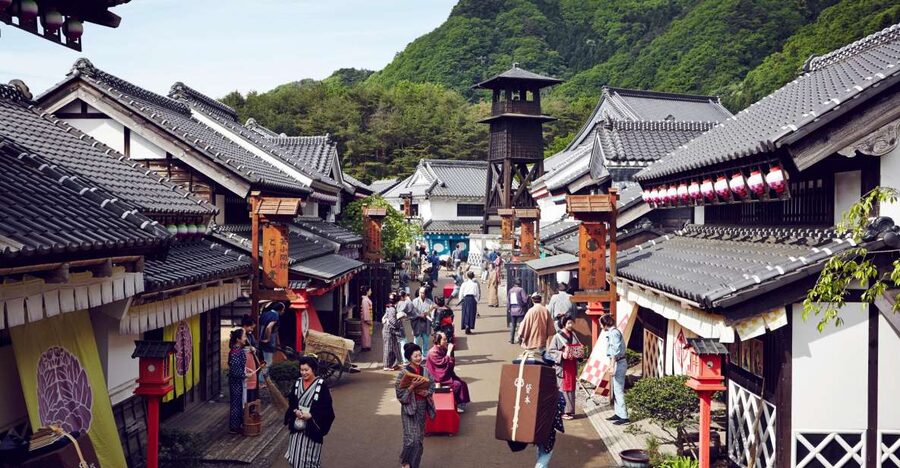
Edo Wonderland is in Karakura, Nikko, Tochigi Prefecture, at 470-2 Karakura. Once inside, you walk through a purpose-built town designed around Edo-period architecture. Wooden facades, narrow streets, shops, theaters, and traditional details make the setting feel more like a film backlot than a standard amusement park.
That comparison is useful. This is not a preserved historic district where daily life has continued unchanged. It is a cultural theme park, but one designed to help you understand the period through action, clothing, food, buildings, and entertainment rather than display cases alone.
I find the setting especially appealing because it is not crammed into a city street. The park sits by the mountains, and the peaceful surroundings soften the busy schedule of shows and activities. On a clear day, the combination of Edo-style buildings and green mountain scenery makes almost every street a good photo stop.
Plan to spend most of the day here. Four hours can cover the main streets and several shows, but you will need more time if you want to attend performances, eat in the park, rent clothing, and try workshops.
A few more Tokyo experiences worth weighing up
- Mt Fuji and Hakone 1-Day Bus Tour Return by Bullet Train
★ 5.0 · 26,383 reviews - 1-Day Tokyo Bus Tour
★ 5.0 · 14,250 reviews - Tokyo: TOKYO SKYTREE® Admission ticket
★ 4.5 · 11,192 reviews
Why the $35 ticket can be good value
The $35 admission fee covers access to the park, exhibits, theaters, performances, and several free activities. That gives you more than a simple entry ticket to a decorated village. You can build a day around shows, hands-on activities, historical displays, and food without paying separately for every major attraction.
The value is strongest for families and visitors who plan to stay for several hours. Children can enjoy the maze, ninja training hall, games, and work experiences, while adults can focus on the theater, costumes, architecture, and food. The ticket also includes free sword and ninja activities, which helps keep the day from becoming an expensive chain of add-on fees.
Still, budget for extras. Kimono rental is not included, and neither are food, drinks, games, woodblock printing, indigo dyeing, or Daruma painting. If you want the full dress-up and workshop experience, your final cost will be higher than the admission price.
Carry cash. A visitor found that card payment was not available in the park and that there was no ATM on site, requiring a walk of about 20 minutes to find one. That is an easy problem to avoid.
A practical show schedule for your day
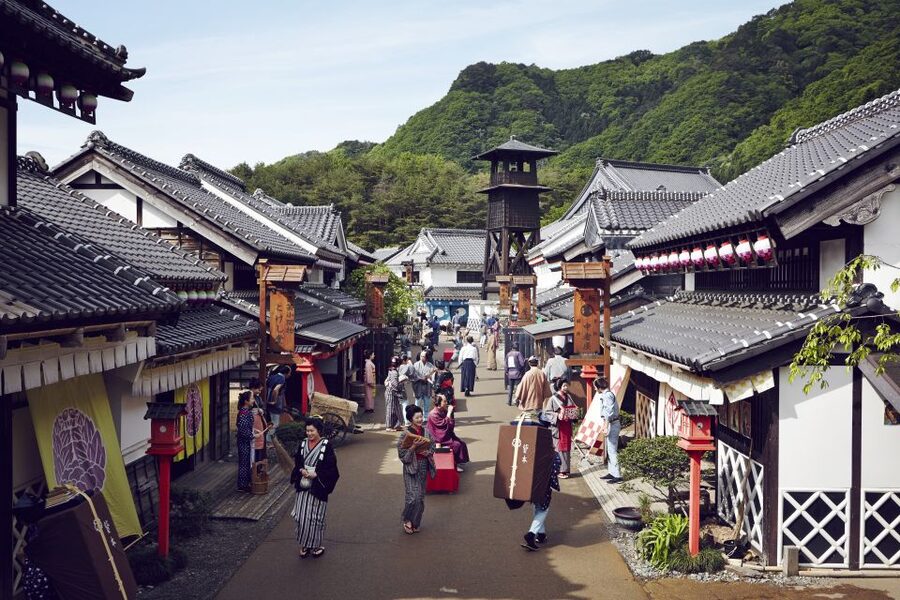
The performances are the park’s main event, so check the daily schedule as soon as you arrive. Show times and activities can vary, and some sessions may not run on quieter days or outside peak periods.
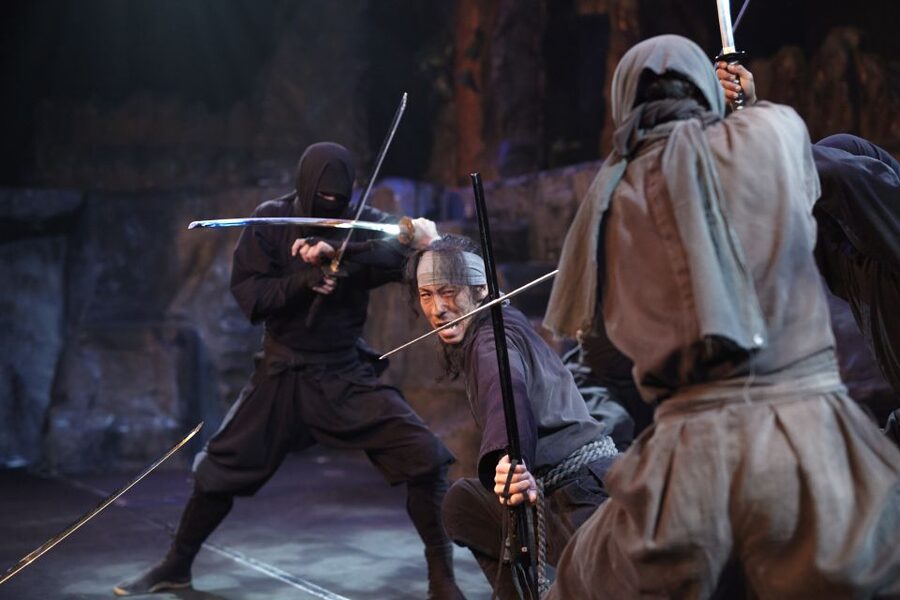
The ninja action performance deserves top priority. It is a physical stage show with fast movement, comic timing, and dramatic fighting. Even if you do not speak Japanese, the acting makes the basic story easy to follow. Several visitors found this the best performance in the park, and it is the one I would protect space for first.
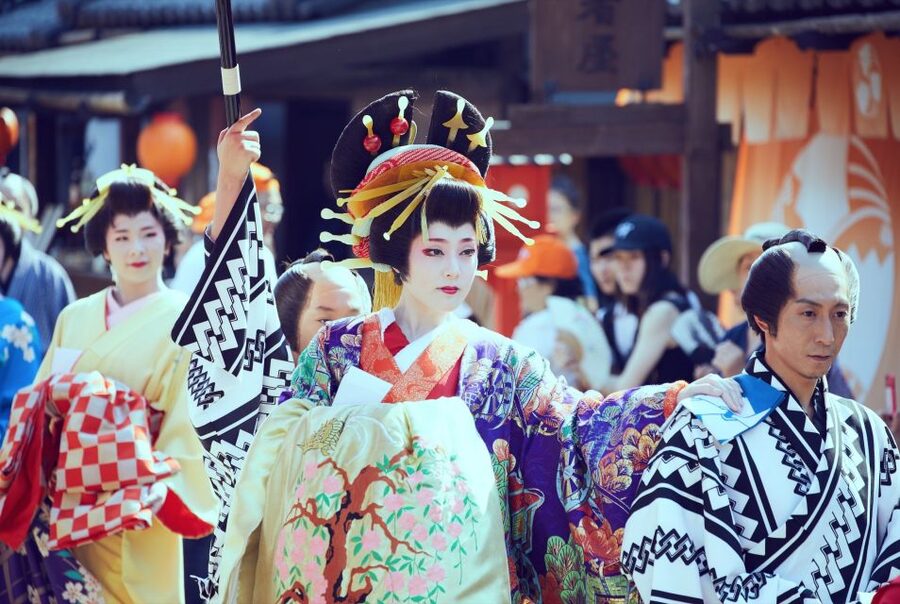
The Oiran cultural show offers a slower, more ceremonial look at Edo entertainment and dress. It gives you a different view of the period than the energetic ninja show. The contrast is helpful: one is built around action, the other around movement, appearance, and traditional performance.
You can also look for the water magic show and other traditional plays. These smaller performances add variety and help fill the time between the headline events. If you want to see everything, do not spend too long at lunch or in the costume area without checking the schedule.
One practical limitation is language. Much of the performance is in Japanese, and English explanations are limited. The physical shows are easier to follow than spoken demonstrations, while exhibits and etiquette lessons may require more patience. Families can still enjoy the action, but visitors looking for detailed English historical interpretation may find the park lighter than expected.
Choosing your Edo-period costume
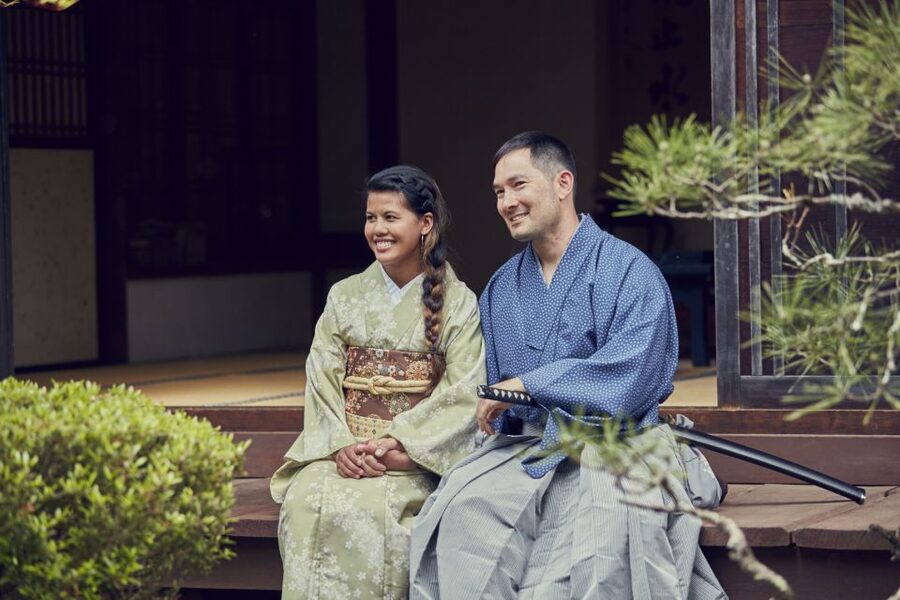
Costume rental is one of the best extras in the park. You can choose clothing associated with different social roles, including a lord, samurai, princess, farmer, or other Edo citizen.
I recommend renting a costume if you can manage the extra charge. The buildings are designed for photographs, and period clothing changes the way you look at the town. Instead of simply walking through a set, you become part of the scene for a few hours.
The costumes also work well for families. Children can play a role while adults choose something that matches the setting. Several people found the clothing one of the most memorable parts of the day, especially when combined with the traditional streets and mountain backdrop.
Keep comfort in mind. Summer can be hot, and wearing traditional clothing for the whole day may feel warm. The experience can still be worthwhile in hot weather, but take breaks and do not treat the costume as essential if you are uncomfortable.
A completely different kind of day out in Tokyo:
- Tokyo: teamLab Planets TOKYO Digital Art Museum Entry Ticket
★ 4.6 · 9,779 reviews - Mt Fuji & Hakone Cruise, Drum Show Bullet Train 1 Day from Tokyo
★ 4.0 · 7,413 reviews - Tokyo: Sumo Show Experience with Chicken Hot Pot and a Photo
★ 4.8 · 6,678 reviews - Tokyo: Shinjuku Food Tour (13 Dishes at 4 Local Eateries)
★ 5.0 · 6,603 reviews
Sword skills, ninja training, and hands-on Edo activities
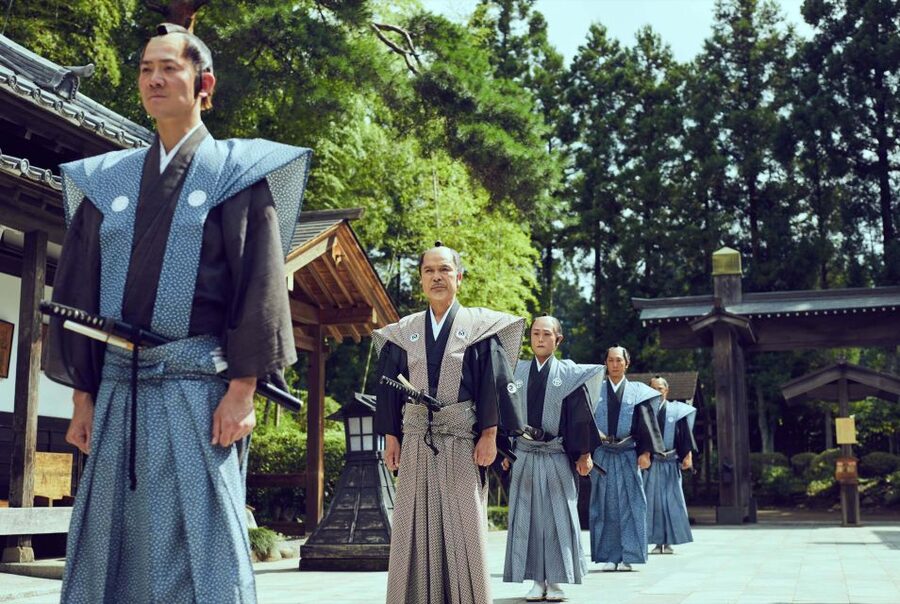
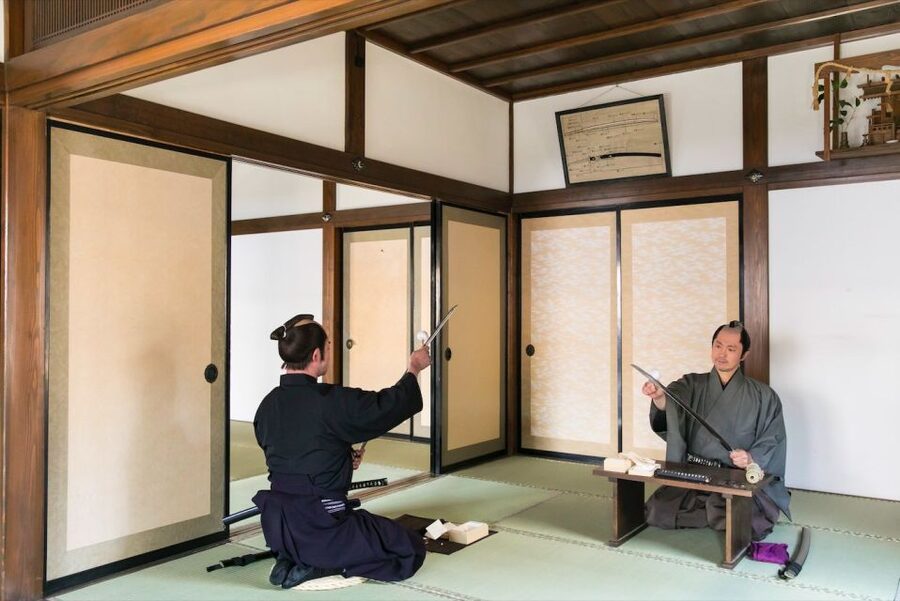
The free sword activity introduces basic samurai sword handling. It is not a serious martial arts course, but it gives you a physical connection to the samurai world that a display cannot provide. It is also popular, so register early if the activity requires a sign-up.
The ninja training hall is another good choice. Its playful design makes it suitable for children, but adults can enjoy it too. The mysterious ninja training house uses tilted rooms and optical effects to create the feeling that normal physical rules have stopped working.
The mechanical maze offers a different kind of fun. It is a simple, active attraction that works well when you need a break from scheduled theater performances. The park also has a ninja house filled with hidden features and surprises.
Children have access to free workshops with ninja, police, and samurai themes. These sessions are limited and require registration on the day, so families should ask about them immediately after entering. Do not assume you can turn up later and still find space.
Paid workshops add a more craft-based side to the park:
- Woodblock printing introduces ukiyo-e techniques.
- Indigo dyeing shows the use of traditional aizome color.
- Daruma painting gives you a small artistic souvenir.
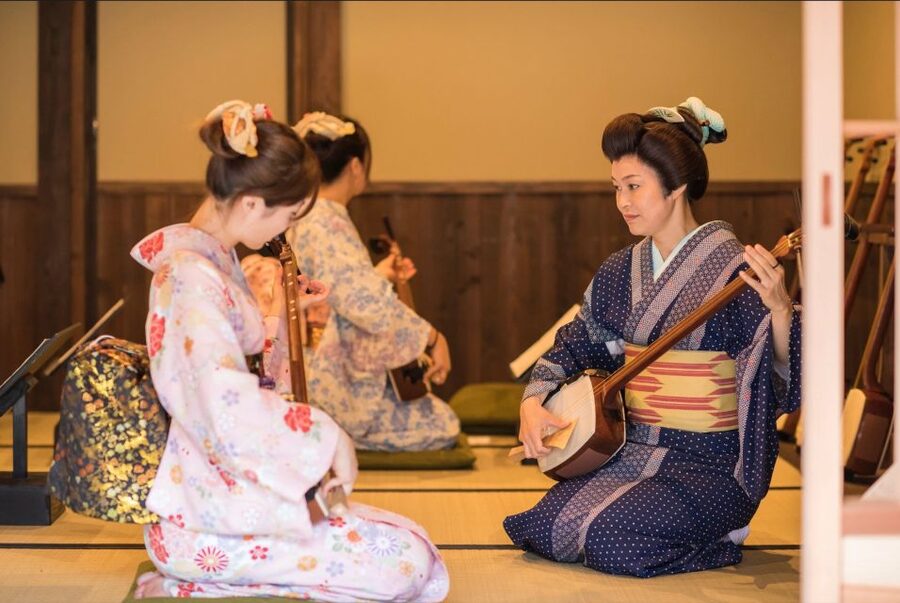
- Shamisen lessons introduce the sound and handling of a classic Japanese instrument.
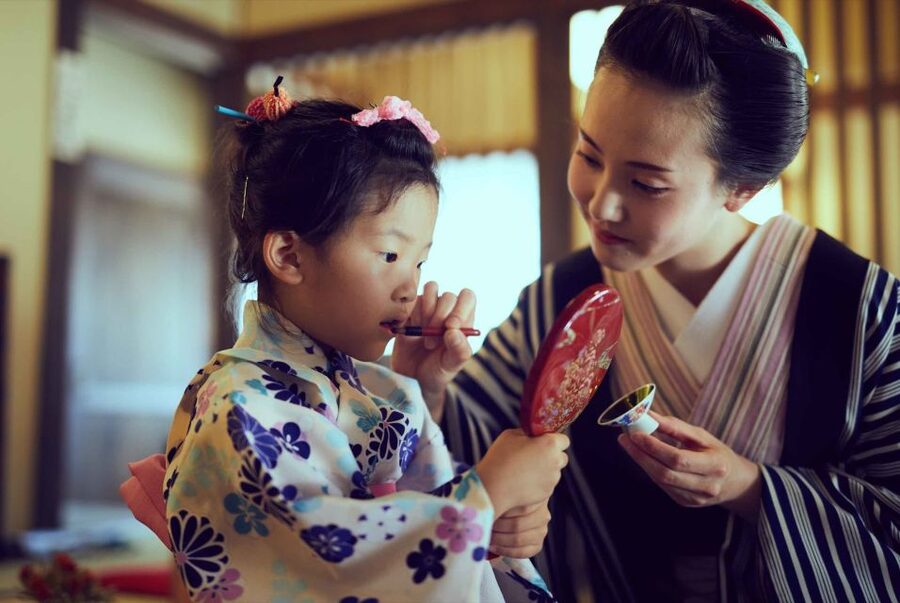
- Traditional beni lipstick application offers a glimpse into historical beauty customs.
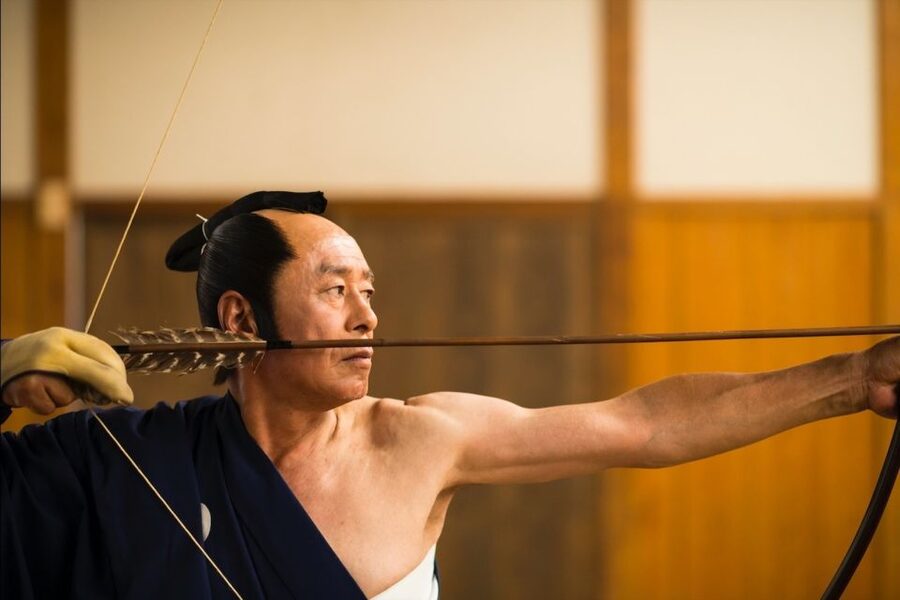
- Samurai etiquette and horseback archery provide more specialized experiences.
These extras are not part of the $35 ticket. They may suit you if you want a slower cultural activity, but you do not need them to have a full day.
Edo exhibits that add context
The exhibits help connect the performances and costumes to the society they represent. The Edo firefighters exhibition is particularly useful because it brings attention to an important urban role that is easy to overlook when the focus is on samurai and ninja.
The swordsmith exhibit gives you a closer look at the craft behind Japan’s famous blades. These displays are not likely to satisfy someone seeking a large museum collection, but they add meaning to the sword demonstrations and samurai performances.
I would treat the exhibits as short, focused stops rather than the main purpose of the visit. The park teaches through many small encounters: a costume, a building, a performance, a craft, and a meal. That approach works well for families and first-time visitors, though the limited English signage may make it harder to pick up detailed background.
Eating Edo-style food in the park
Food is another part of the period setting. Restaurants serve Edo-inspired dishes along with seasonal menus, sweets, and drinks. Ramen, shaved ice, and mochi are among the foods you might find, and prices have been described as reasonable rather than inflated.
A meal also gives you a useful pause from walking and performances. If you are visiting with children, simple sweets and shaved ice can be a welcome reward after the ninja attractions.
Vegetarian choices may be limited. One visitor specifically wanted more vegetarian food, so you should check available dishes before relying on the park for every meal. Food and drinks are not included in admission, and you should carry enough yen for lunch, snacks, souvenirs, and games.
Reaching Edo Wonderland from Tokyo
The trip requires planning. From Shinjuku or Asakusa, travel time is generally two to three hours, making this a poor choice for a late start from central Tokyo.
The most direct route is usually the Tobu limited express from Asakusa to Kinugawa Onsen Station. From there, you need to continue toward the park using the available connection. Check the route and timetable before leaving, since the last part of the journey matters as much as the train ride.
JR Pass holders can use a Shinkansen from Tokyo to Utsunomiya, change to a local train toward JR Nikko Station, and then take the free shuttle bus to Edo Wonderland. This route can work with a rail pass, but it may involve several changes.
The shuttle bus is the main timing concern. It does not run constantly, and one visitor missed a late-morning departure and waited nearly an hour for the next bus. Another journey from Tokyo involved three train changes and an early 4 a.m. start to reach the park around 10 a.m.
For that reason, I would strongly consider staying in Nikko or nearby rather than making a rushed day trip from Tokyo. If you do travel from Tokyo, leave early, confirm the return connections, and allow extra time for missed trains and shuttle gaps.
Who will enjoy this most?
Families are a natural match. Children have costumes, maze attractions, ninja activities, games, and special workshops, while adults can enjoy the shows, food, architecture, and exhibits. The park also works well for mixed-age groups because nobody has to spend the whole day on rides.
You should also consider it if you enjoy Japanese film and television settings. Walking through the town in costume can feel like stepping onto a historical drama set, especially during the live performances.
The park suits visitors who like active cultural experiences more than formal museum visits. You can learn by doing, watching, dressing up, and tasting. It is less suitable if you expect extensive English interpretation, a large collection of historic artifacts, or a quiet museum atmosphere all day.
Wheelchair access is available, although the supplied information does not specify which individual activities or buildings have limits. Ask staff on arrival if you need details about particular shows or workshops.
Small details that can make the day better
Arrive early enough to check the performance schedule and register for children’s workshops. Popular activities, including samurai training, can fill quickly.
Keep your itinerary flexible. Some shows and workshops may not operate every day, and one January visit found many shops and activities closed. Seasonal operation matters, so check the current schedule before committing to a long journey.
Take photos early and often, especially if you rent a costume. The Edo streets, wooden buildings, and mountain setting provide the best backdrop, and you may not want to rush through the photo stops at the end of the day.
Do not judge the park only by its rides. The strongest parts are the ninja theater, live cultural shows, costumes, staff performances, and small hands-on activities. The attraction is about playing a role in a historical setting, not collecting thrills.
Should you book Edo Wonderland?
Book it if you want a playful, family-friendly day that combines Japanese culture with live entertainment. The ninja theater, costumes, Edo streets, maze, sword activities, and food offer enough variety to justify the admission price for a full day.
Think twice if you are staying in Tokyo for only a short time. The two to three-hour journey each way can consume much of your day, and complicated connections may leave you tired before the park opens. Staying near Nikko makes the plan easier.
My practical verdict: Edo Wonderland is worth the trip for families, costume fans, Japan enthusiasts, and anyone who wants to see history acted out rather than only read about it. Bring cash, check the timetable, arrive early, and accept that Japanese will be the main language. Do that, and the park offers a memorable day at a fair starting price.
FAQ
Where is Edo Wonderland located?
Edo Wonderland is located at 470-2 Karakura, Nikko, Tochigi Prefecture 321-2524, Japan.
How much does admission cost?
The listed admission price is about $35 per person.
How long is the ticket valid?
The ticket is valid for one day from first activation.
What does the admission ticket include?
Admission includes entry, access to the exhibits, theaters, performances, free sword and ninja activities, the maze, and children’s Edo work experiences.
Is kimono rental included?
No. Kimono and other costume rentals are an additional cost.
Are food and drinks included?
No. Food and drinks must be purchased separately inside the park.
Are the paid workshops included?
No. Woodblock printing, indigo dyeing, Daruma painting, and other additional experiences cost extra.
How long does it take to reach Edo Wonderland from Tokyo?
The journey from Shinjuku or Asakusa generally takes two to three hours. The exact time depends on the route and connections.
Is Edo Wonderland wheelchair accessible?
Yes. The activity is listed as wheelchair accessible, but you should ask staff about access to specific buildings or activities.
Can I cancel the booking?
Yes. Cancellation up to 24 hours in advance is available for a full refund. Reserve now and pay later is also offered.
Just added around Tokyo
- Tokyo 6hr Instagram Highlights Private Tour with Licensed Guide★ 5.0 · 38 reviews
- Tokyo Small Group Tour with Guide★ 4.5 · 38 reviews
- Tokyo Sumo Experience with Live Show & Audience Challenge★ 5.0 · 38 reviews
- Japanese Food Cooking Class in Asakusa, Tokyo★ 5.0 · 39 reviews
- Very popular in Harajuku♡Animal petting zoo★ 4.6 · 39 reviews
- Ramen Making from Scratch with Tokyo Mom(Vegan Option Available)★ 5.0 · 39 reviews
- Tokyo JDM Night: 600hp C63s AMG Edition 1 (Private)★ 4.9 · 39 reviews
- Tokyo: Kimono Rental inside Shinjuku Gyoen National Garden★ 4.9 · 39 reviews
Tickets, compared.
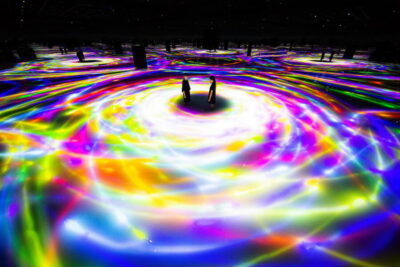
teamLab Planets TOKYO Digital Art Museum Entry Ticket
Read our review →
Japanese Dance Cabaret Theater Asakusa-Kaguwa Ticket
Read our review →