Reviewed · PRIVATE
Tokyo : Must-see attractions private tour
Tokyo rewards a flexible plan. This private tour lets you shape the day around your interests, meet your guide at your hotel, and use walking and public transport to reach the parts of the city you care about most. I especially like the custom route and the chance to get practical advice for the rest of your stay. I also like that the tour can last from two to eight hours, making it useful for a quick introduction or a full day out. The main tradeoff is simple: a flexible tour depends heavily on the guide you receive, and not every guide may provide the same level of historical or cultural detail.
The price starts at $53 per person, which can be good value for a private experience if you are traveling with family or friends and want help using Tokyo’s huge public transport network. You will not see every major district in a single day, especially if you stop for photos, food, shops, and temple visits. That is not necessarily a flaw, but you should choose a few priorities before meeting your guide.
In This Review
- Key points to know before booking
- Why a private Tokyo tour can be useful
- Starting at your hotel and setting the plan
- Tsukiji Outer Market for food and daily Tokyo
- Senso-ji and the old streets of Asakusa
- Meiji Shrine and a quieter change of pace
- Akihabara for electronics, anime, and games
- Tokyo Skytree for the big city view
- Ginza for polished shopping and dining
- Odaiba for futuristic Tokyo
- Ueno Park for museums and seasonal scenery
- Roppongi Hills for art, shops, and city views
- How the walking and transport balance works
- Choosing between two and eight hours
- What the guide quality may mean for you
- Price, language, and booking flexibility
- Who should book this Tokyo experience
- Should you book it?
- FAQ
- How long does the private Tokyo tour last?
- Where does the tour begin?
- Is the tour private?
- What transport is included?
- Which languages are available?
- Can I cancel the tour for a refund?
Key points to know before booking
- A private route built around you: You can focus on temples, markets, shopping, anime, museums, views, or a mix of several interests.
- Hotel pickup is available: The guide meets you at your hotel, which saves you from finding an unfamiliar meeting point.
- Walking and public transport shape the day: Transport is included unless you select an option with different arrangements.
- The full eight-hour version gives Tokyo room to breathe: Shorter options work for an introduction, but a full day allows more districts and fewer rushed stops.
- Guide quality matters: Fernando received praise for history and local traditions, while Lucas was praised for friendliness and planning by some guests but criticized by one person for offering too little cultural background.
- The tour is available in several languages: English, French, Italian, Spanish, Japanese, Chinese, and Traditional Chinese are listed.
Why a private Tokyo tour can be useful
Tokyo is not difficult because it lacks things to do. It is difficult because it offers too many choices, spread across districts that each feel like a separate town. A private guide helps you decide what fits your time instead of spending half the day studying maps and train routes.
I see the greatest value here in the conversation. You can ask why a shrine works the way it does, how to behave on public transport, or which parts of a district deserve your limited time. A guide can also adjust the pace if you want to linger in a shop, take photos, eat at the market, or skip a place that does not interest you.
The current rating is 4.7 out of 5 from 53 ratings, a strong result. The clearest praise centers on flexibility, friendliness, patience, and the ability to explain Japanese customs. The less favorable experience points to a real issue with private tours: a pleasant guide is not always a strong cultural interpreter. If historical detail matters greatly to you, say so when you book or at the start of the day.
A few more Tokyo experiences worth weighing up
- Mt Fuji and Hakone 1-Day Bus Tour Return by Bullet Train
★ 5.0 · 26,383 reviews - 1-Day Tokyo Bus Tour
★ 5.0 · 14,250 reviews - Tokyo: TOKYO SKYTREE® Admission ticket
★ 4.5 · 11,192 reviews
Starting at your hotel and setting the plan
The guide meets you at your hotel, with the exact starting arrangement depending on the option you choose. This is especially handy on your first morning in Tokyo, when the train system, station signs, and sheer scale of the city can feel like a puzzle designed by someone with a sense of humor.
Use the opening conversation well. Tell the guide what you have already seen, what you want to eat, how much walking suits you, and which interests matter most. You might want old Tokyo, modern pop culture, shopping, architecture, food, gardens, museums, or photo stops. The more specific you are, the more useful the private format becomes.
For a two-hour tour, pick one area or two nearby stops. An eight-hour version can connect districts, but Tokyo’s size still makes a selective plan wiser than chasing a checklist. The guide can suggest other things to do after the tour, which adds value beyond the hours you spend together.
Tsukiji Outer Market for food and daily Tokyo
Tsukiji Outer Market is a strong choice if food is central to your visit. The market offers seafood, street food, and small shops, but the appeal is not just eating something fresh. A guide can explain what you are seeing, help you move through the crowded lanes, and add context to ingredients and market customs.
I would choose this stop early in the day if it is a priority, but the exact timing should be confirmed with your guide. Market visits can easily expand when you stop to browse, taste, and take photos. That is part of the fun, though it may mean giving up another district.
This is also a good place to ask practical questions about Japanese food. A guide can help you understand unfamiliar seafood and point out local delicacies. The experience is more useful if you want to learn how the market fits into Tokyo life, not simply grab a quick snack.
Senso-ji and the old streets of Asakusa
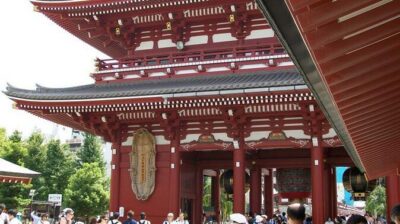
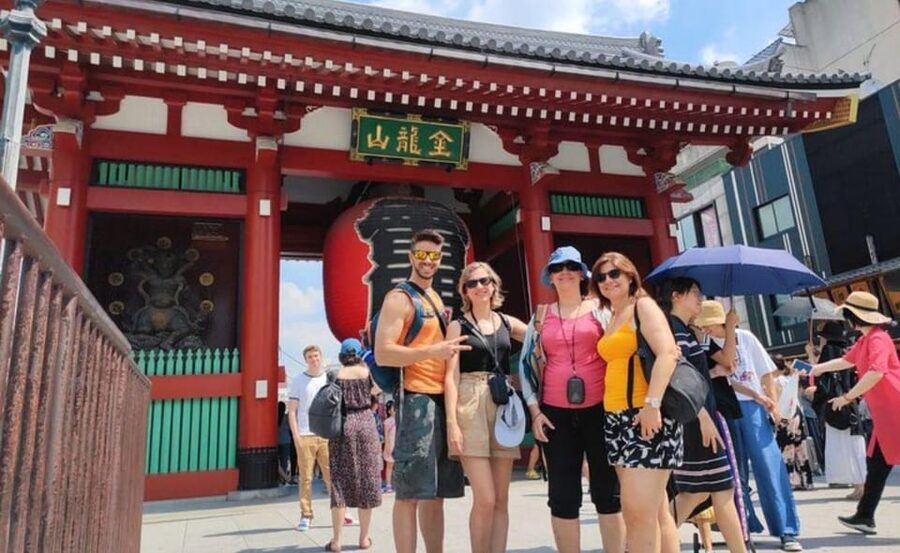
Senso-ji gives your day a strong dose of historic Tokyo. The approach through the Thunder Gate and the Asakusa district provides a clear introduction to Buddhist temple customs, local rituals, and the older side of the city.
A guide can explain how to take part respectfully, including the meaning behind traditional actions at the temple. That makes a difference because it turns a quick photo stop into a place you can understand. You can also ask about the surrounding area and how Asakusa differs from newer parts of Tokyo.
The drawback is time. Temple grounds, the approach, nearby shops, and photo stops can fill a large part of a short tour. If you want both Senso-ji and several far-flung districts, you may feel rushed. I would protect at least enough time to walk at an easy pace rather than treating the temple as a box to tick.
A completely different kind of day out in Tokyo:
- Tokyo: teamLab Planets TOKYO Digital Art Museum Entry Ticket
★ 4.6 · 9,779 reviews - Mt Fuji & Hakone Cruise, Drum Show Bullet Train 1 Day from Tokyo
★ 4.0 · 7,413 reviews - Tokyo: Sumo Show Experience with Chicken Hot Pot and a Photo
★ 4.8 · 6,678 reviews - Tokyo: Shinjuku Food Tour (13 Dishes at 4 Local Eateries)
★ 5.0 · 6,603 reviews
Meiji Shrine and a quieter change of pace
Meiji Shrine offers a different mood from Asakusa. The shrine is set among a large forested area, and a guide can explain Shinto rituals, the meaning of the torii gate, and the story behind the shrine.
This stop works well for visitors who want cultural context without spending the whole day indoors. Your guide can show you how to approach the shrine respectfully and explain why the surrounding setting matters. You may find this especially helpful if Japanese religious customs are unfamiliar.
Meiji Shrine is often paired with the Harajuku area, but the exact route is customizable rather than fixed. Ask about the balance between the shrine and nearby modern streets if you want both. As with Senso-ji, the key question is not only what you can see, but how much time you want to give it.
Akihabara for electronics, anime, and games
Akihabara suits you if electronics, anime, and gaming are high on your list. The district can be confusing because its shops and attractions appeal to very different interests. A guide can help you decide where to spend time and explain the cultural meaning behind the area.
This is where a private guide may save you from wandering into stores that do not match your interests. You can ask for electronics, anime, games, or a general look at the district. The guide may also point out places you would not easily find on your own, though the exact stops depend on the route and guide.
Do not add Akihabara casually to a day already packed with temples and markets. It deserves time if you want to shop or understand the pop culture scene. If you only want a quick photo, it may not justify crossing the city.
Tokyo Skytree for the big city view
Tokyo Skytree gives the day a clear visual centerpiece. From the observation decks, you can look over the city while your guide explains the tower’s construction and importance.
The value of a guide here is less about showing you how to look out a window and more about connecting the view to Tokyo’s size and layout. You can ask what districts you are seeing and use the panorama to make sense of the city you have been walking through.
Allow time for the visit itself and for getting there by public transport. The tour information does not promise admission tickets, so check what your selected option includes before booking. If you want the observation decks, confirm the practical details in advance.
Ginza for polished shopping and dining
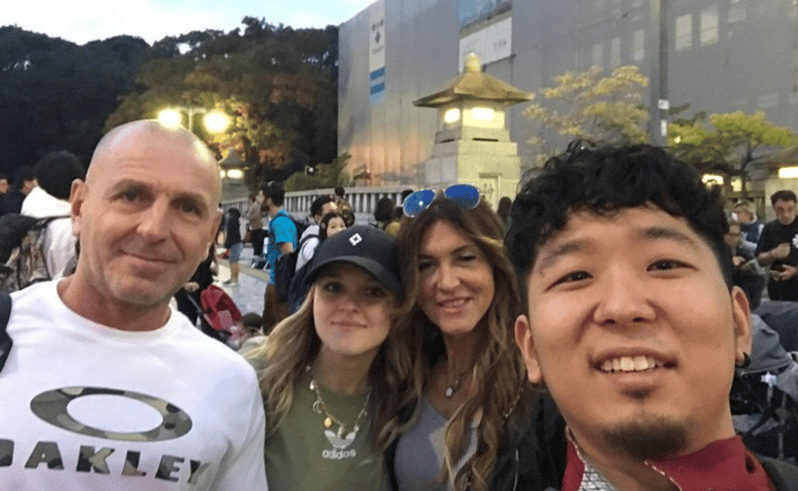
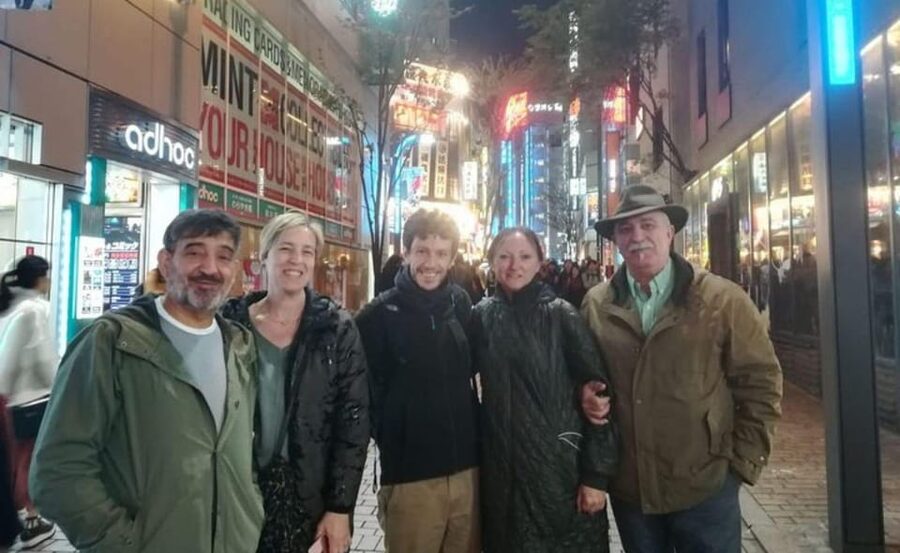
Ginza is the natural choice for upscale shopping, department stores, entertainment, and dining. A guide can explain the district’s history, help you focus on stores that suit your budget, and suggest places to eat.
I would not choose Ginza simply because it is famous. Pick it if you enjoy design, high-end retail, architecture, or food. The area can be more rewarding when you have a clear purpose, such as finding a particular type of shop or seeing how Tokyo’s luxury side works.
A guide may also help you spot less obvious options, but remember that recommendations are personal. Tell your guide whether you want a special meal, an affordable bite, Japanese products, or window-shopping. That small conversation can make the difference between a useful stop and an expensive walk past storefronts.
Odaiba for futuristic Tokyo
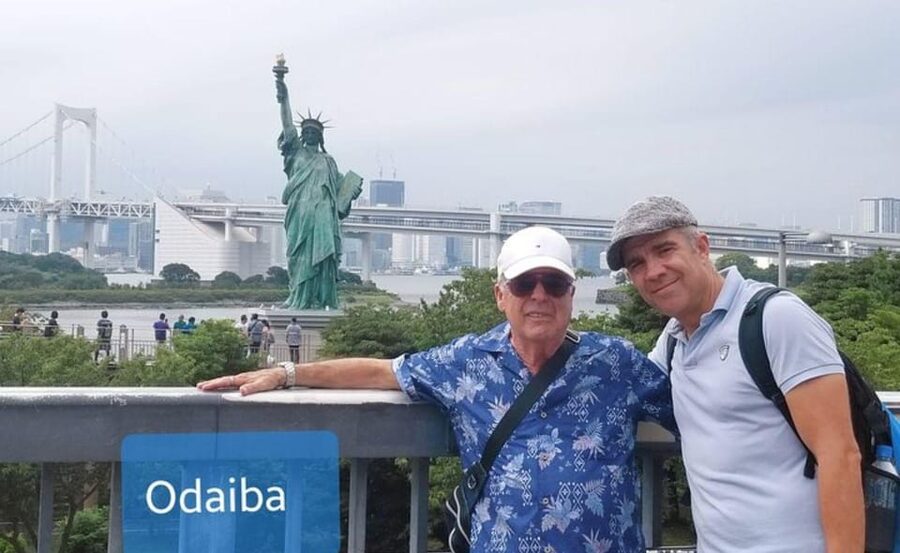
Odaiba presents a newer side of the city, with entertainment centers, modern architecture, and views across the waterfront. A guide can explain how the artificial island developed and help you find good places for photos.
This district works best when you want a change from shrines and traditional streets. The futuristic design gives you a different picture of Tokyo, but Odaiba can take time to reach. I would include it in an eight-hour plan or choose it as the main focus of a shorter outing.
Ask your guide to keep the route focused. Odaiba has several entertainment and shopping areas, and trying to cover all of them can turn the visit into a sequence of brief stops. The best version gives you time to enjoy the architecture and views.
Ueno Park for museums and seasonal scenery
Ueno Park combines open space, museums, and cultural attractions. A guide can point out the museums, explain the importance of the area, and suggest good places for cherry blossom viewing when the season is right.
This is a good pick if you want culture without moving between many distant neighborhoods. It can also suit families and visitors who prefer a slower pace. Since the park contains several attractions, be clear about whether you want museum time, a walk, seasonal scenery, or a mixture.
The tour description does not specify museum admission or guarantee entry to any particular institution. If a specific museum matters to you, ask about the plan and ticket arrangements before the day begins.
Roppongi Hills for art, shops, and city views
Roppongi Hills brings together art, shopping, entertainment, and modern architecture. A guide can take you to the Mori Art Museum and explain the design and cultural events connected with the area.
This stop is a good match for you if contemporary art and city life matter more than old temples. The area can also work well late in a longer day, though the final schedule depends on your start time and chosen route.
As with Tokyo Skytree, confirm admission details if you want to enter a museum or observation area. The private tour provides guidance, but the included items depend on the selected option.
How the walking and transport balance works
Walking and public transport are included, except where a selected option says otherwise. That matters in Tokyo because the city is too large to cover efficiently on foot alone, yet walking is often the best way to notice small details between major stops.
Expect a mix of station transfers, neighborhood walks, and sightseeing pauses. A private guide can help you navigate the system and adjust the route when your pace changes. You should still wear comfortable shoes and tell the guide if mobility or fatigue affects your plans.
The experience is wheelchair accessible, which is useful, but accessibility needs can vary by station, route, and attraction. Discuss your needs when arranging the tour so the route can be planned sensibly.
Choosing between two and eight hours
The two-hour option is best for a focused introduction. Pick one compact area, such as Asakusa and Senso-ji, or ask for a quick orientation based on your priorities. It is also useful if you have a limited window between other plans.
A longer option gives you time to combine major sights with advice about the rest of your stay. The eight-hour version received praise for being well planned, but one guide also allowed the group to move slowly, take photos, and visit preferred shops. That is a useful reminder: a full day is not automatically better if you expect to race through every district.
I would rather see fewer places properly than collect hurried photos. Tell your guide if you prefer a relaxed day. If you want maximum coverage, accept that stops will be shorter.
What the guide quality may mean for you
The strongest guide experience combines friendliness with real explanation. Fernando was praised for his understanding of Tokyo’s history and traditions, and for allowing a relaxed pace rather than treating the day like a race. Karl was appreciated for explaining Japanese habits and manners, including not talking on public transport and not eating while walking.
Lucas received mixed feedback. One experience described him as exceptional, cheerful, prepared, and good at planning a full Tokyo day. Another found him friendly but wanted more basic historical and cultural information. This is not a reason to reject the tour, but it is a reason to state your expectations clearly.
At the beginning, ask for stories, context, and explanations, not only directions. If you want practical customs, say so. If you mainly want shopping help and efficient sightseeing, say that instead. The private format lets you shape the guide’s role.
Price, language, and booking flexibility
At $53 per person, the price is attractive for a private tour, especially if several people share the experience. Its value depends on the length you choose and how well the route matches your interests. A short tour gives you orientation and advice, while the full-day version offers more time for transport, stops, and questions.
Guiding is available in English, French, Italian, Spanish, Japanese, Chinese, and Traditional Chinese. Check the selected language carefully, since the quality of explanation matters more than the number of sights you visit.
You can cancel up to 24 hours before the start for a full refund, and you can reserve without paying immediately. The activity offers private groups and optional hotel pickup. These policies make it easier to fit the tour around changing Tokyo plans.
Who should book this Tokyo experience
I would recommend it to first-time visitors who want help choosing priorities, families who need a flexible pace, and couples or small groups with very specific interests. It also suits you if public transport feels intimidating or if you want someone to explain customs as you move through the city.
It is less suitable if you want a fixed, highly scripted sightseeing program with guaranteed entry to every major attraction. It may also disappoint you if you expect every guide to provide a formal lecture at each stop. The experience works best when you take part in shaping the day.
Should you book it?
Book this tour if you value flexibility, hotel pickup, personal advice, and a private pace more than a fixed list of attractions. Before the tour, choose two or three must-see places and tell your guide that historical and cultural explanation matters to you.
For the best value, consider the longest option your schedule allows, especially if Tokyo is new to you. If your time is short, select one district rather than asking to cross the whole city. The tour will not remove every challenge from Tokyo, but with the right plan and guide, it can help you spend less time confused and more time noticing what makes each neighborhood different.
FAQ
How long does the private Tokyo tour last?
The tour can last from 2 to 8 hours. Starting times depend on availability and the option you select.
Where does the tour begin?
The guide meets you at your hotel. Pickup is optional, and the exact starting arrangement depends on your selected option.
Is the tour private?
Yes. The experience is offered for a private group, and the route can be customized to your interests.
What transport is included?
The tour includes walking and public transport, except if you select an option with different arrangements.
Which languages are available?
Guides are available in English, French, Italian, Spanish, Japanese, Chinese, and Traditional Chinese.
Can I cancel the tour for a refund?
You can cancel up to 24 hours in advance for a full refund. You can also reserve now and pay later.
Just added around Tokyo
- Tokyo 6hr Instagram Highlights Private Tour with Licensed Guide★ 5.0 · 38 reviews
- Tokyo Small Group Tour with Guide★ 4.5 · 38 reviews
- Tokyo Sumo Experience with Live Show & Audience Challenge★ 5.0 · 38 reviews
- Japanese Food Cooking Class in Asakusa, Tokyo★ 5.0 · 39 reviews
- Very popular in Harajuku♡Animal petting zoo★ 4.6 · 39 reviews
- Ramen Making from Scratch with Tokyo Mom(Vegan Option Available)★ 5.0 · 39 reviews
- Tokyo JDM Night: 600hp C63s AMG Edition 1 (Private)★ 4.9 · 39 reviews
- Tokyo: Kimono Rental inside Shinjuku Gyoen National Garden★ 4.9 · 39 reviews
Private, compared.
Tokyo 6hr Private Tour with Government-Licensed Guide
Read our review →
Private Tour to Mt. Fuji and Hakone (Fully Licenced Operator)
Read our review →
Fushimi Inari Hidden Hiking Tour (Private Option Available)
Read our review →
Private Kyoto Tour with a Local, Highlights & Hidden Gems, Personalised
Read our review →
Tokyo Customized Private Tour (Must See Places in 1 Day)
Read our review →
Mount Fuji Full-Day Private Tour from Tokyo (Customizable)
Read our review →
Private City Highlights Tour with Local Guide
Read our review →